Normal view

Yesterday — 14 December 2025Main stream

IndiGo Appoints Chief Aviation Advisors LLC to Conduct Independent Review of Flight Disruptions, Update You Need to Know

14 December 2025 at 14:27
IndiGo Appoints Chief Aviation Advisors LLC to Conduct Independent Review of Flight Disruptions, Update You Need to Know

In a strategic move aimed at addressing recent operational disruptions, IndiGo, India’s largest airline, has appointed Chief Aviation Advisors LLC, led by Captain John Illson, to conduct an independent root cause analysis. The decision was approved by IndiGo’s Board on December 12, 2025, following recommendations from the airline’s Crisis Management Group (CMG). This step is a part of IndiGo’s ongoing efforts to enhance operational efficiency and strengthen its standing in the aviation industry.

Captain John Illson Brings Over Four Decades of Expertise to IndiGo

Captain John Illson, the seasoned aviation expert leading the Chief Aviation Advisors LLC, brings a wealth of knowledge to the project. With over 40 years of experience in aviation, Captain Illson has an extensive background working with major global carriers and regulatory bodies such as the Federal Aviation Administration (FAA), International Civil Aviation Organization (ICAO) and the International Air Transport Association (IATA). His expertise spans across global aviation strategy, safety leadership and setting international standards, making him an ideal candidate for the review.

Captain Illson’s deep experience in the aviation industry also includes working on the development of new aircraft technologies, ensuring that the review will be grounded in the most up-to-date and industry-recognized practices. This independent assessment of IndiGo’s operations is expected to yield valuable insights, not only into the specific issues causing recent disruptions but also into the broader scope of operational processes that can be improved within the airline.

A Comprehensive Review to Address Operational Challenges

IndiGo’s recent operational challenges, which led to massive flight disruptions, prompted the airline’s Board to commission an independent review. The airline’s Crisis Management Group (CMG), which was formed to address these disruptions, recommended bringing in an external expert to analyze the situation comprehensively. This recommendation was approved by IndiGo’s Board, underscoring the airline’s commitment to transparency and operational excellence.

The review will focus on identifying the root causes of the operational disruptions that affected a significant number of IndiGo’s flights. The aim is to uncover both immediate and underlying issues that may have contributed to the disruptions. Captain Illson and his team will evaluate every aspect of IndiGo’s operational framework, including scheduling, flight management, communication systems and ground services. The goal is not just to address the specific disruptions but to pinpoint broader opportunities for improvement.

As part of the process, Captain Illson’s team will collaborate closely with IndiGo’s senior management to gain an in-depth understanding of the airline’s operational challenges and examine how those challenges could have been mitigated. The independent nature of the review ensures that the findings will be impartial, with a clear focus on operational efficiency and long-term sustainability.

Opportunities for Improvement in IndiGo’s Operations

In addition to identifying the root causes of recent disruptions, the independent review will also explore potential opportunities for improvement within IndiGo’s operations. This could include recommendations for enhancing operational protocols, optimizing flight schedules and streamlining communication channels between departments. By focusing on these areas, IndiGo aims to mitigate future disruptions and improve overall passenger experience.

The review is expected to focus on specific issues such as flight delays, cancellations and the communication of such disruptions to passengers. Furthermore, it will likely evaluate the effectiveness of the airline’s response strategies during times of operational stress. These insights will not only help address current concerns but also lay the groundwork for strengthening IndiGo’s operational resilience in the face of future challenges.

Moving Forward with Confidence

The review process will be carried out promptly, with Captain Illson and his team expected to submit a comprehensive report to IndiGo’s Board upon completion. The findings of this report will provide IndiGo with clear, actionable recommendations, aimed at improving the airline’s operational capabilities and reducing the likelihood of future disruptions.

IndiGo’s decision to appoint Chief Aviation Advisors LLC and commission this expert review underscores the airline’s dedication to its passengers and the broader aviation community. The airline continues to prioritize transparency, accountability and operational excellence as part of its long-term strategy. By actively addressing the root causes of operational disruptions, IndiGo is demonstrating its commitment to becoming a more resilient and efficient airline.

The post IndiGo Appoints Chief Aviation Advisors LLC to Conduct Independent Review of Flight Disruptions, Update You Need to Know appeared first on Travel And Tour World.
Before yesterdayMain stream

The Most Powerful “Pro Max” of the Year — HUAWEI Mate 80 Pro Max Review

12 December 2025 at 13:35

So yes, HUAWEI did it too. The Mate Pro+ series has now been renamed as Pro Max this year. Xiaomi taught us through its own sales numbers that, as long as the product is powerful enough, the name doesn’t matter. In fact, HUAWEI probably thinks the same way, which is why the Mate 80 Pro Max has become the new peak of HUAWEI smartphones. Also, this is the most impressive Pro Max I’ve ever seen. With a major redesign and a launch price lower than last year’s Mate 70 Pro+, there’s no reason the Mate 80 Pro Max would be anything less than great.

Design & Features

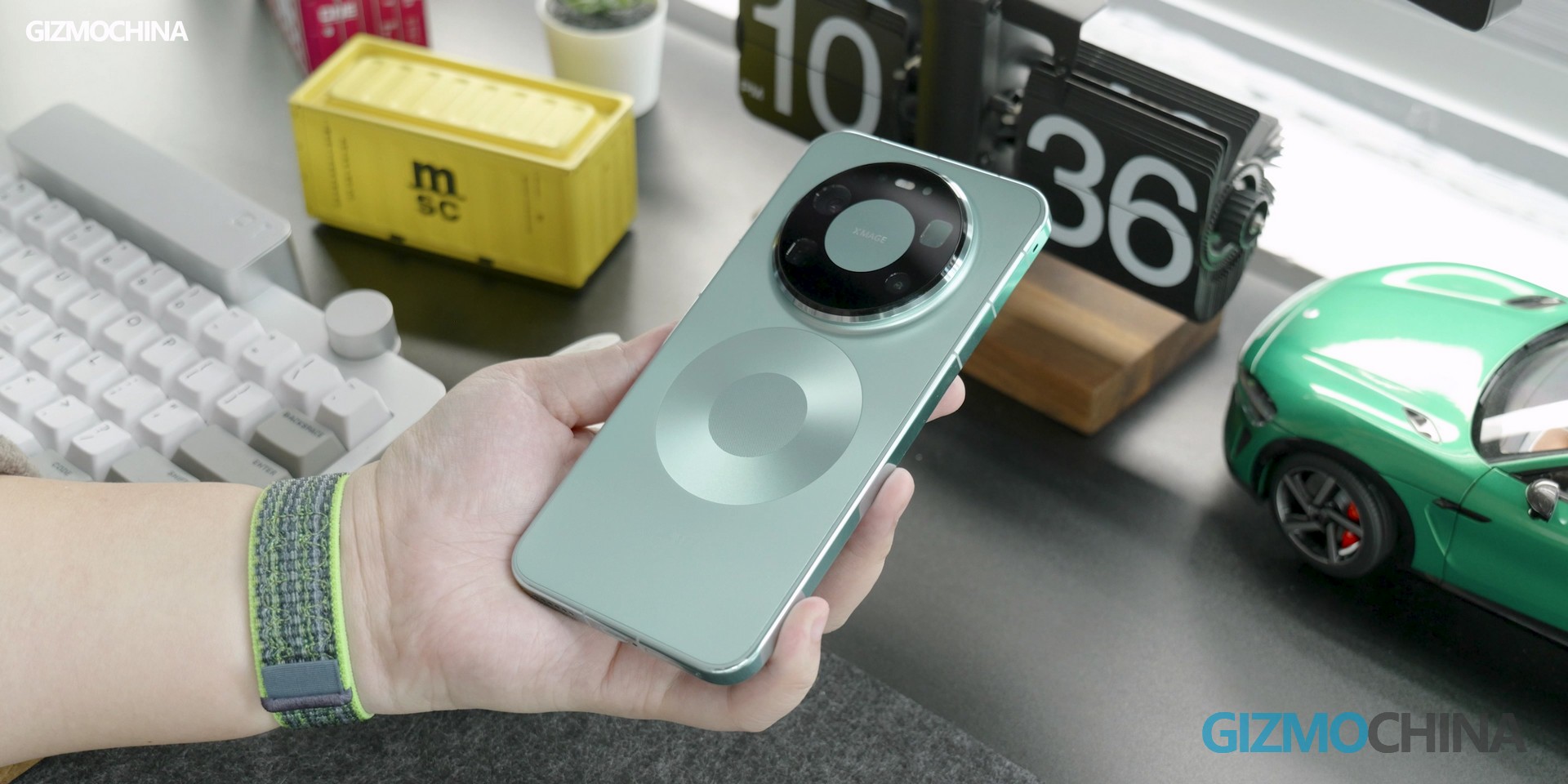
Let me answer the question you’re most curious about. No, this ring on the back doesn’t support magnetic accessories. Why the Mate 80 Pro Max has such a ring here it’s simply to prevent the functions of the wireless charging coil from being blocked by its metal back cover.

Compared to the Mate 70 series, the frames of the Mate 80 series have changed from round to flat. The benefit is that it looks slimmer. As for the downside, your hand will tell you.

The Mate 80 Pro Max is a phone with many holes. The three holes on the screen are nothing new; basically, the 3D facial recognition module and the front camera.

There are also five holes along the frame, including the microphone, speaker port, and SIM card slot—most of them are familiar to us. But what is this hole on the side for? HUAWEI told us that this is also one of the speakers. The difference is that it’s mainly used to cancel out the sound waves leaking during calls, to protect your privacy during phone calls.

Many of HUAWEI’s target users are outdoor explorers, so HUAWEI also designed new features for them. The Mate 80 Pro Max adds a new Expedition mode, which turns a modern smartphone into a professional outdoor tool. In addition to satellite communication and emergency messaging, it also extends battery life a lot. The map has also been optimized, automatically recording your path and allowing you to retrace your route anytime.

With IP68 and IP69 ratings, and the second-generation Kunlun Glass, treating the Mate 80 Pro Max as an ultimate rugged phone is absolutely justified.

Display

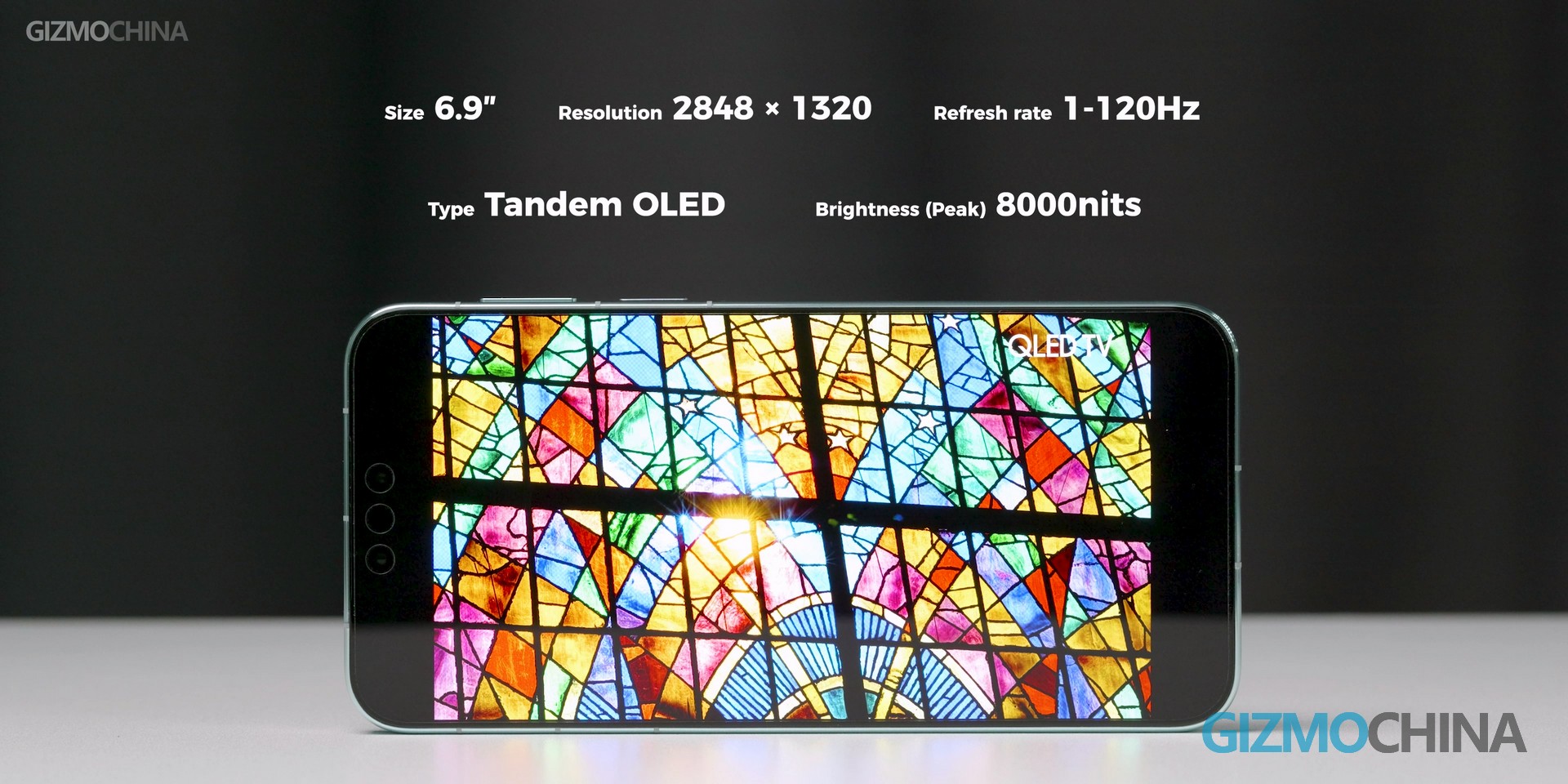
If you have the budget to buy the Mate 80 Pro Max or RS Ultimate version, your display will be upgraded from regular OLED to a Tandem one. Tandem OLED is not a new technology. The iPad Pro and HUAWEI Mate 70 RS Ultimate both use Tandem OLED.

The benefits of this panel are obvious—higher brightness, wider color gamut, and lower power consumption. Higher resolution may not be noticeable for everyone, but higher brightness is something you will definitely feel. I placed it next to several flagship phones we own, and at a glance, you can see how high the Mate 80 Pro Max’s brightness is.

Not only is it easier to read under sunlight, but it also excels at HDR content. The blinding highlights are hard to capture in video. Trust me, if you get a chance to see the Mate 80 Pro Max’s display in a store, you’ll definitely feel tempted to buy it.

The only downside of Tandem OLED is expense; however, the Mate 80 Pro Max is probably the cheapest Tandem OLED phone at launch right now. So this should be one of the strongest reasons for you to buy this phone.

Performance & Battery

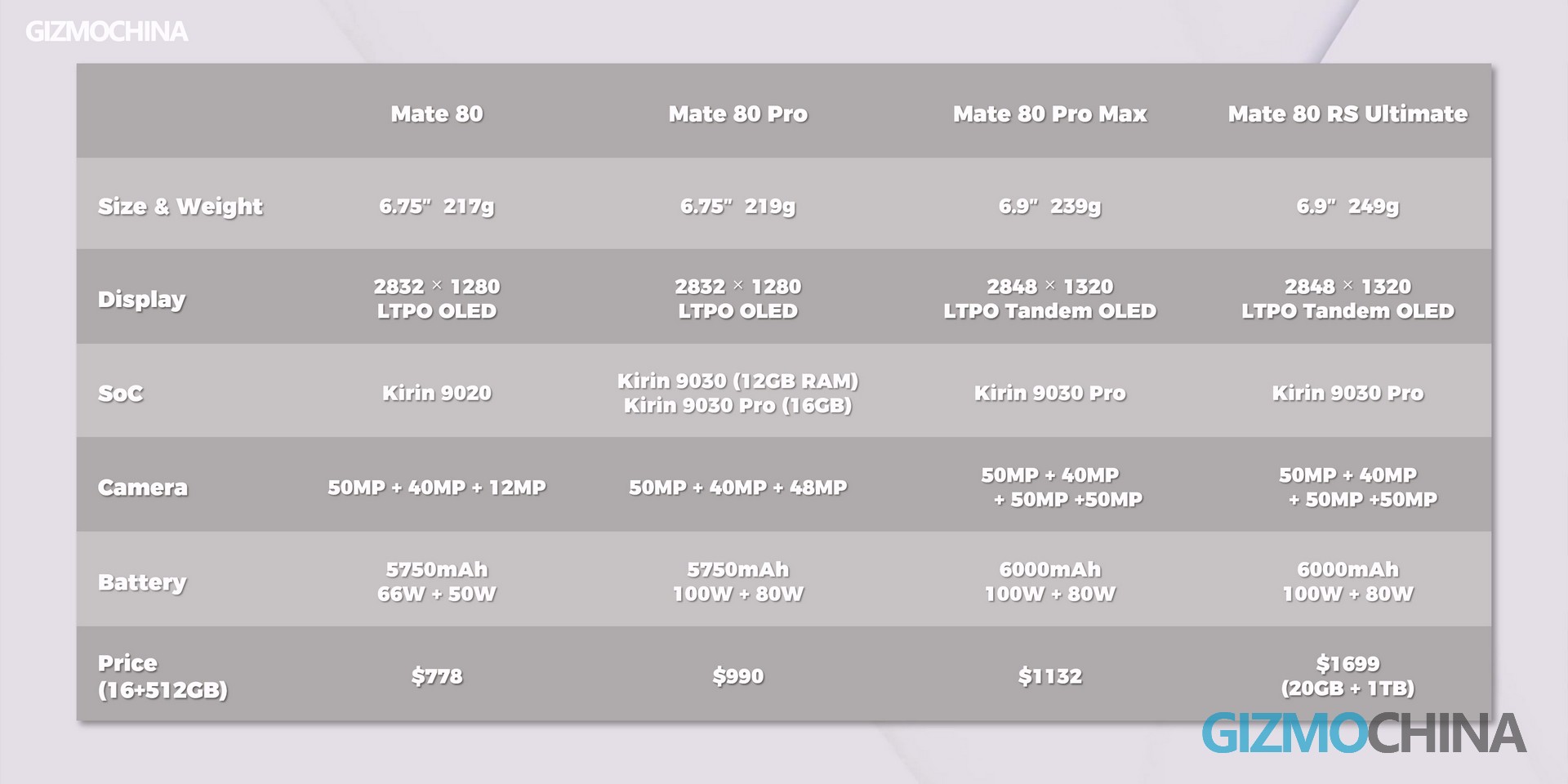
The Mate 80 Pro Max uses the latest and most powerful Kirin 9030 Pro platform. Compared to the Kirin 9020, the 9030 Pro has one extra P-core, and both CPU and GPU frequencies have been improved. It’s worth noting that the four phones in the Mate 80 series have three different Kirin processor models. If you want the highest performance from a HUAWEI phone, you need to get the 16GB RAM Pro version at least.

Since the benchmarks we commonly use are all blacklisted by HUAWEI, we won’t be running benchmarks this time—the scores can’t prove the strength of a chipset anyway. So let’s jump straight to gaming performance.


Fortunately, miHoYo developed a HarmonyOS-exclusive version of Genshin Impact. This makes it one of the very few games that can fully unleash the Kirin 9030 Pro’s performance. And when you enable high-performance mode, you can disable frame interpolation.

HUAWEI also designed a new performance monitoring tool for all HarmonyOS phones: HiSmartPerf. With this, we can finally capture accurate frame rate curves from HarmonyOSI devices.

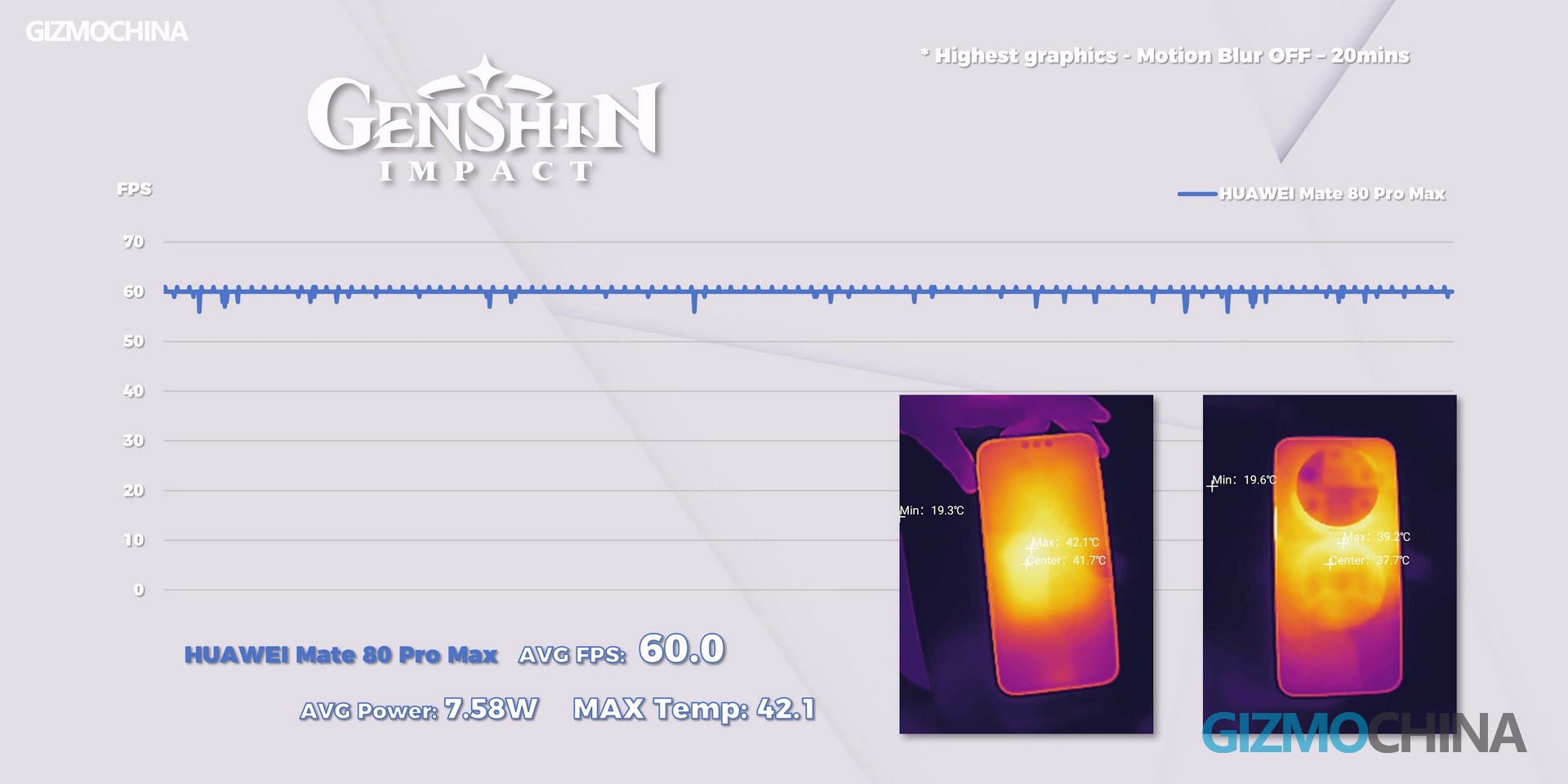
Wow, look at this perfectly straight frame rate graph—can you believe this is from a HUAWEI phone? This is the native frame rate without interpolation. I can’t believe that. It’s beautiful. Thanks to the full metal back cover, heat is evenly distributed. From this, the gaming experience seems comparable to other Snapdragon 8 Elite Gen 5 phones.

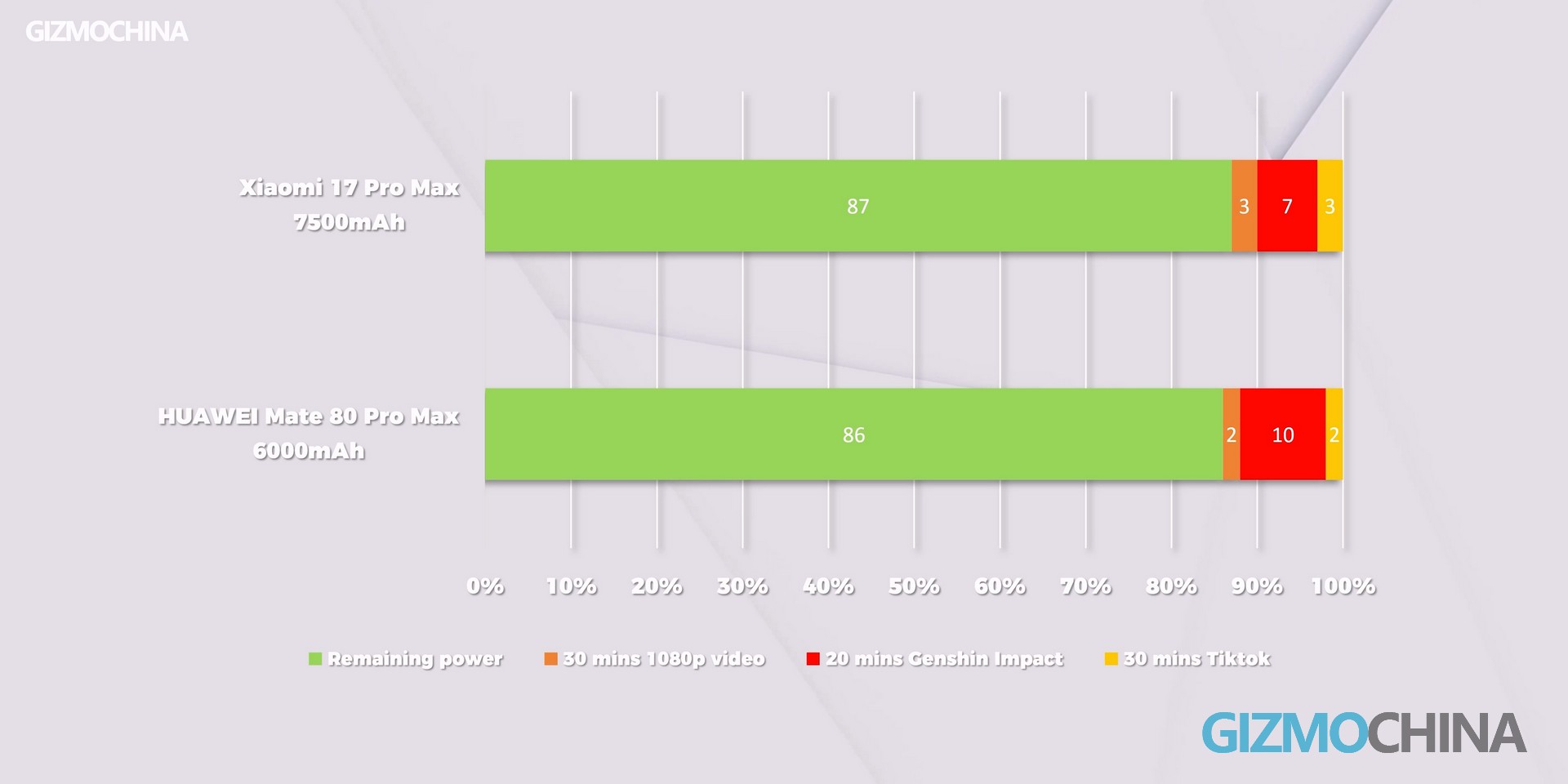
Well, the Kirin 9030 Pro has indeed made great progress, but there is a cost—its power consumption still has room to improve. And with the battery capacity only increased by 300mAh compared to the previous generation—less than we expected—so battery life in gaming does indeed fall behind. Fortunately, under light workloads, it’s power-efficient enough to rival phones with 7000mAh batteries if you don’t play games.

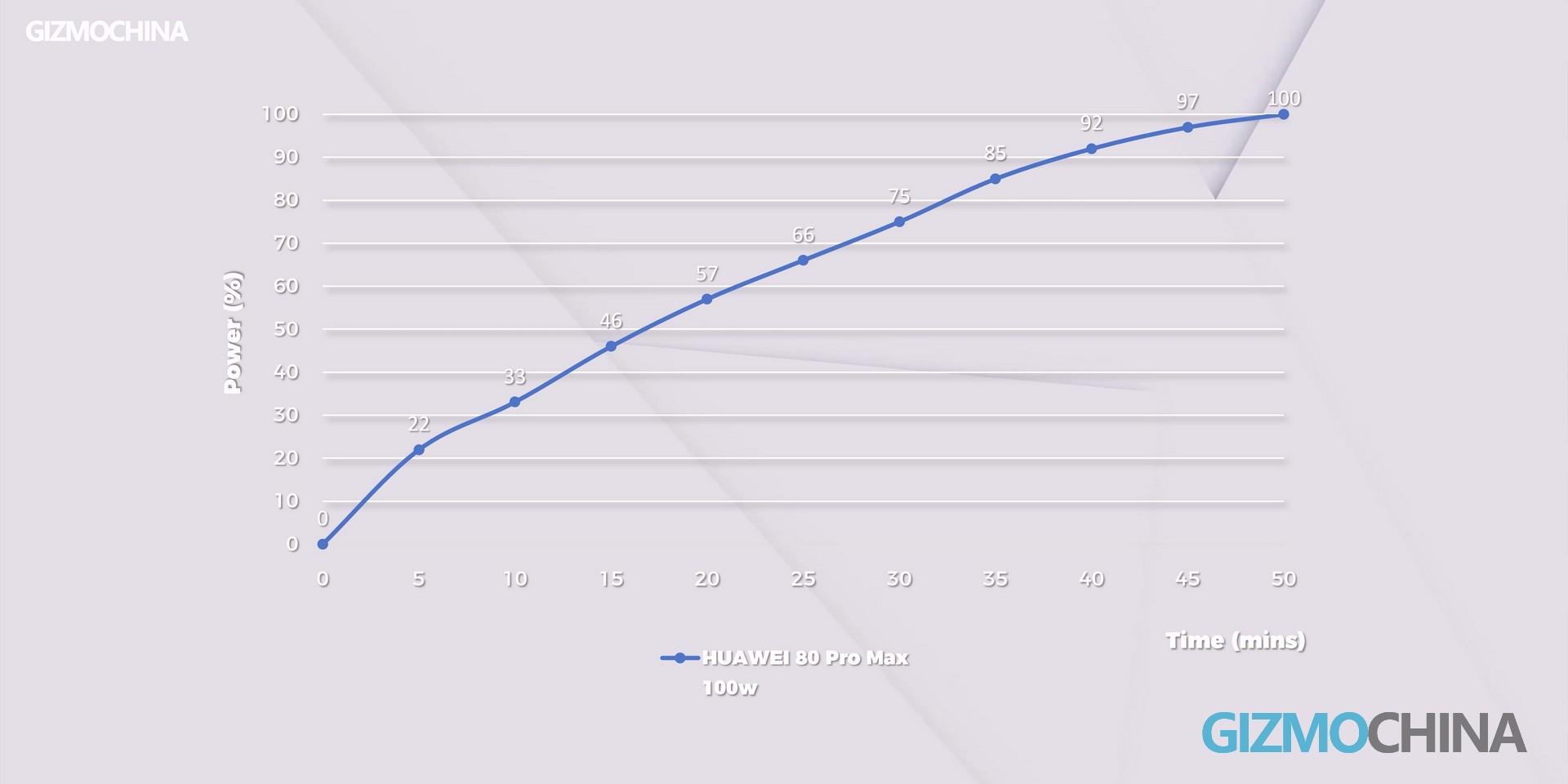
Wired charging supports 100W, and wireless charging goes up to 80W. It only takes 50 minutes to fully charge in our tests. Overall, I think battery and charging performance are still satisfying.

Camera

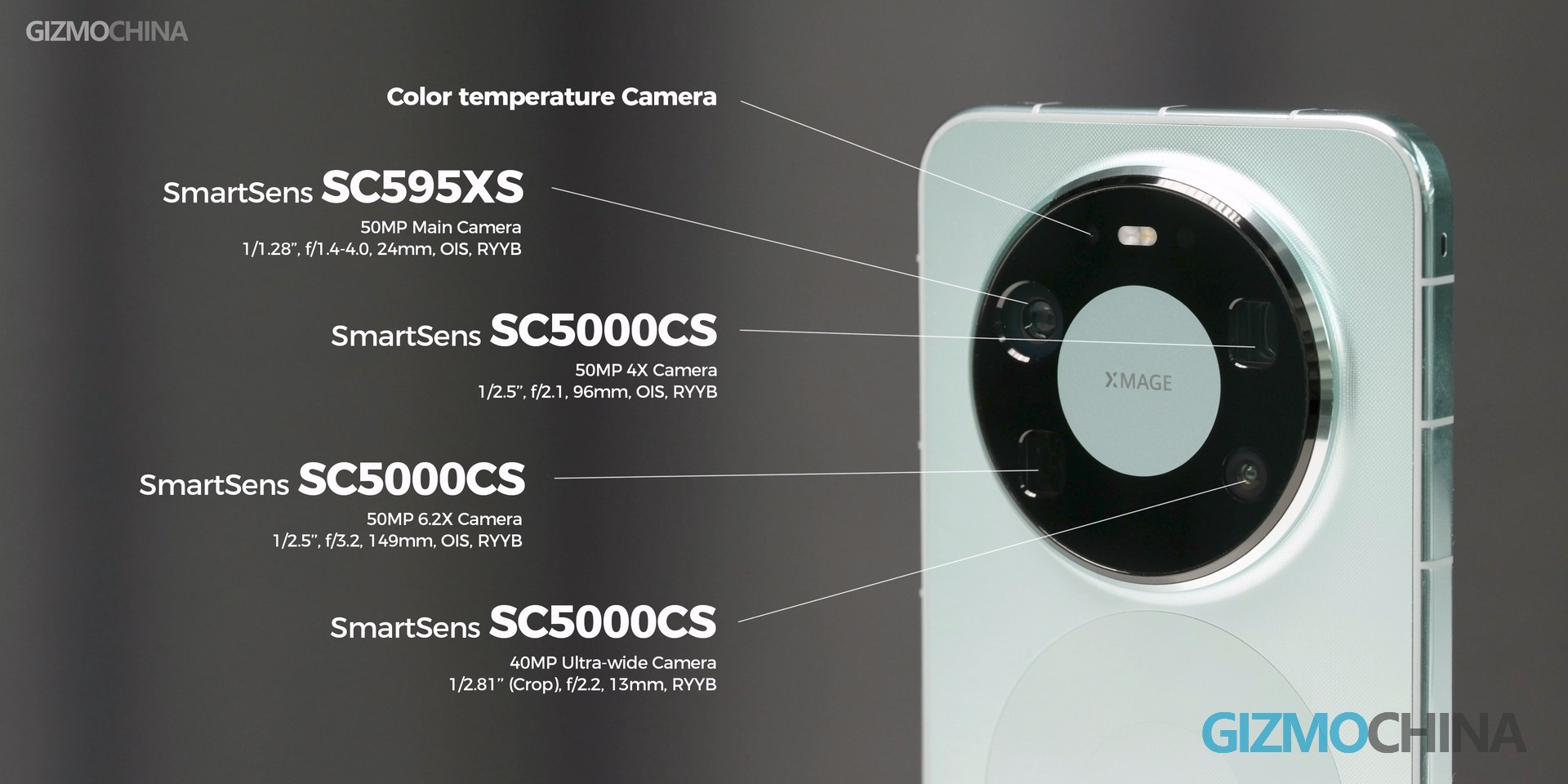
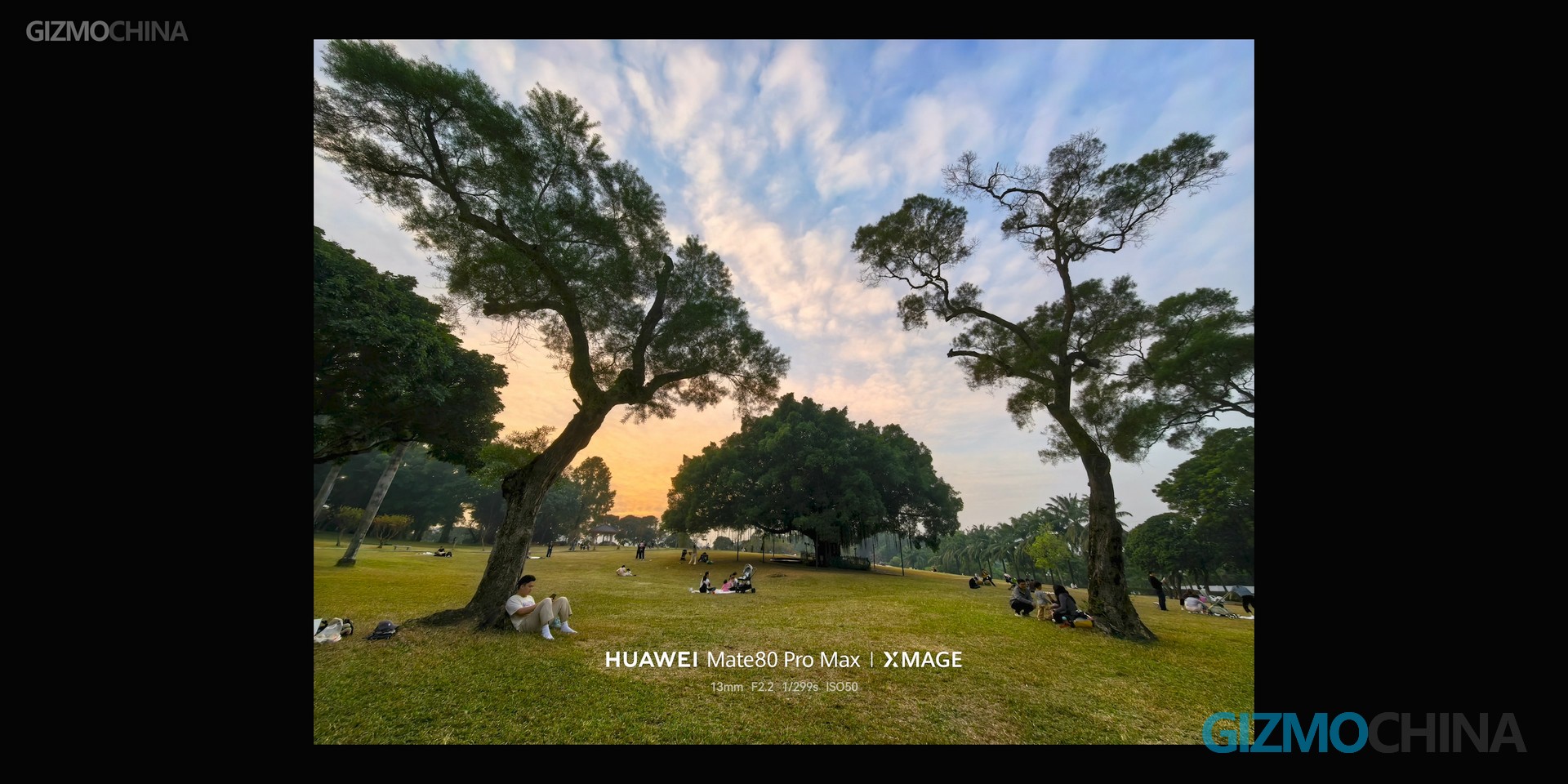
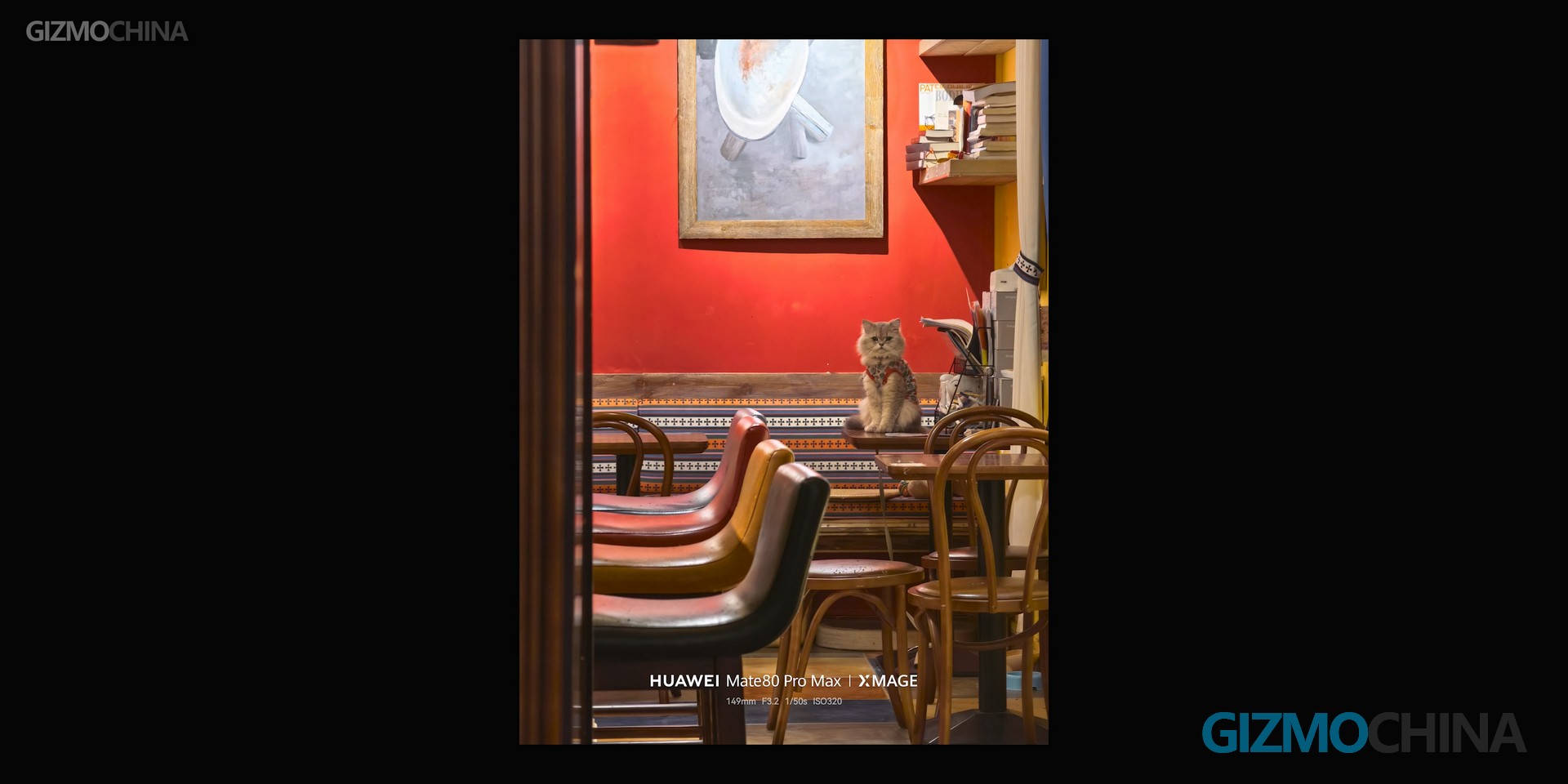
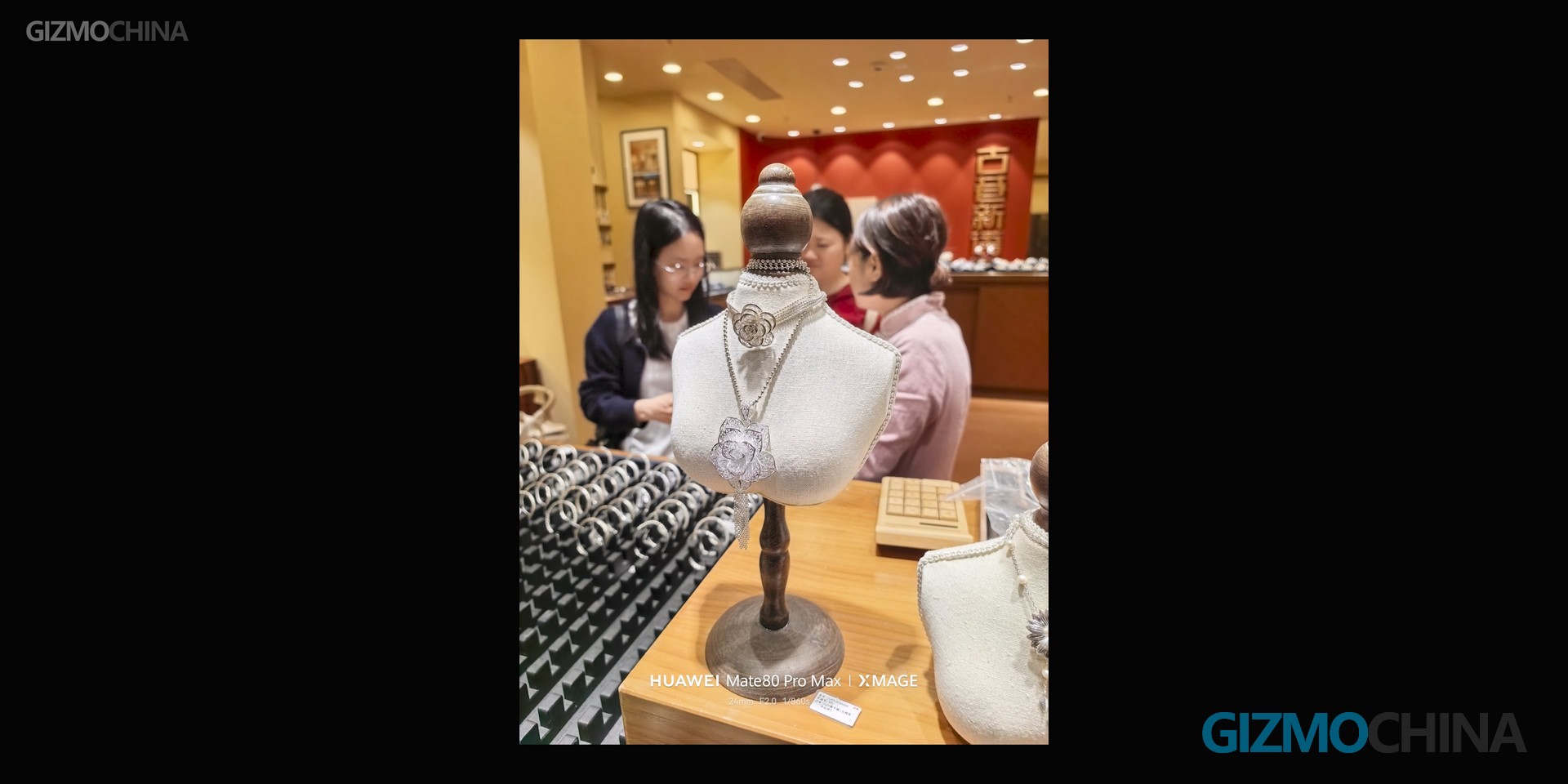
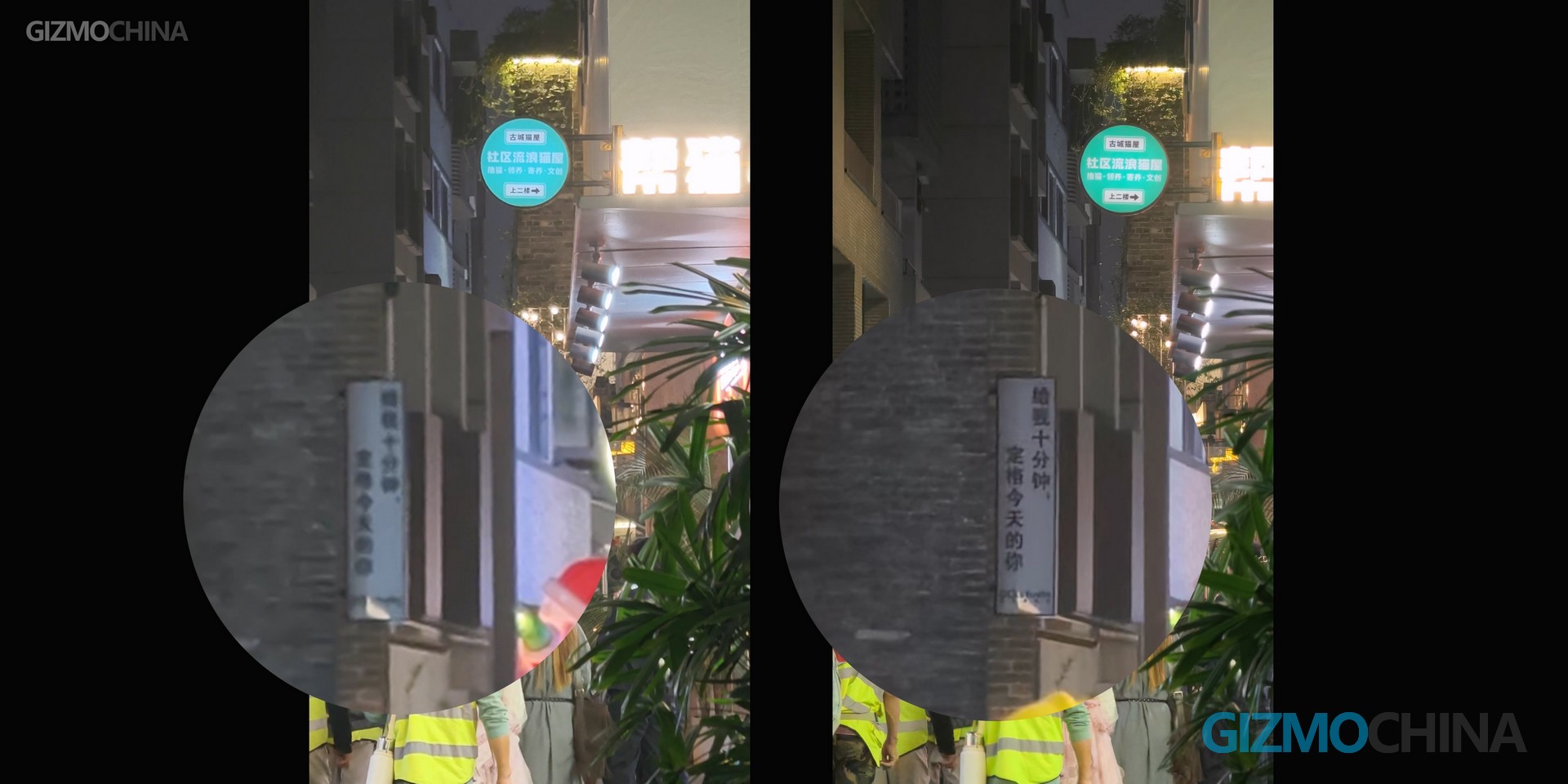
All four camera sensors on the Mate 80 Pro Max come from SmartSens Technology. Honestly, I’m very happy with all four of them. The ultra-wide has a sufficiently wide field of view, and 2 telephoto lenses let me capture subjects far away.

There are two things to note: First, the ultra-wide camera is not compromised like in many other flagships. It uses the same sensor as the two telephotos, meaning image quality at every focal length remains excellent. Secondly, every sensor uses an RYYB filter, increasing light intake and greatly improving low-light performance. And the color shift caused by RYYB can be corrected with the second-generation color temperature sensor. Combined with the variable aperture on the main camera and SmartSens’s new HDR technology, this is the most feature-rich and balanced camera system I’ve seen. Whether it’s dynamic range, white balance, or focal coverage, I can’t find any faults.

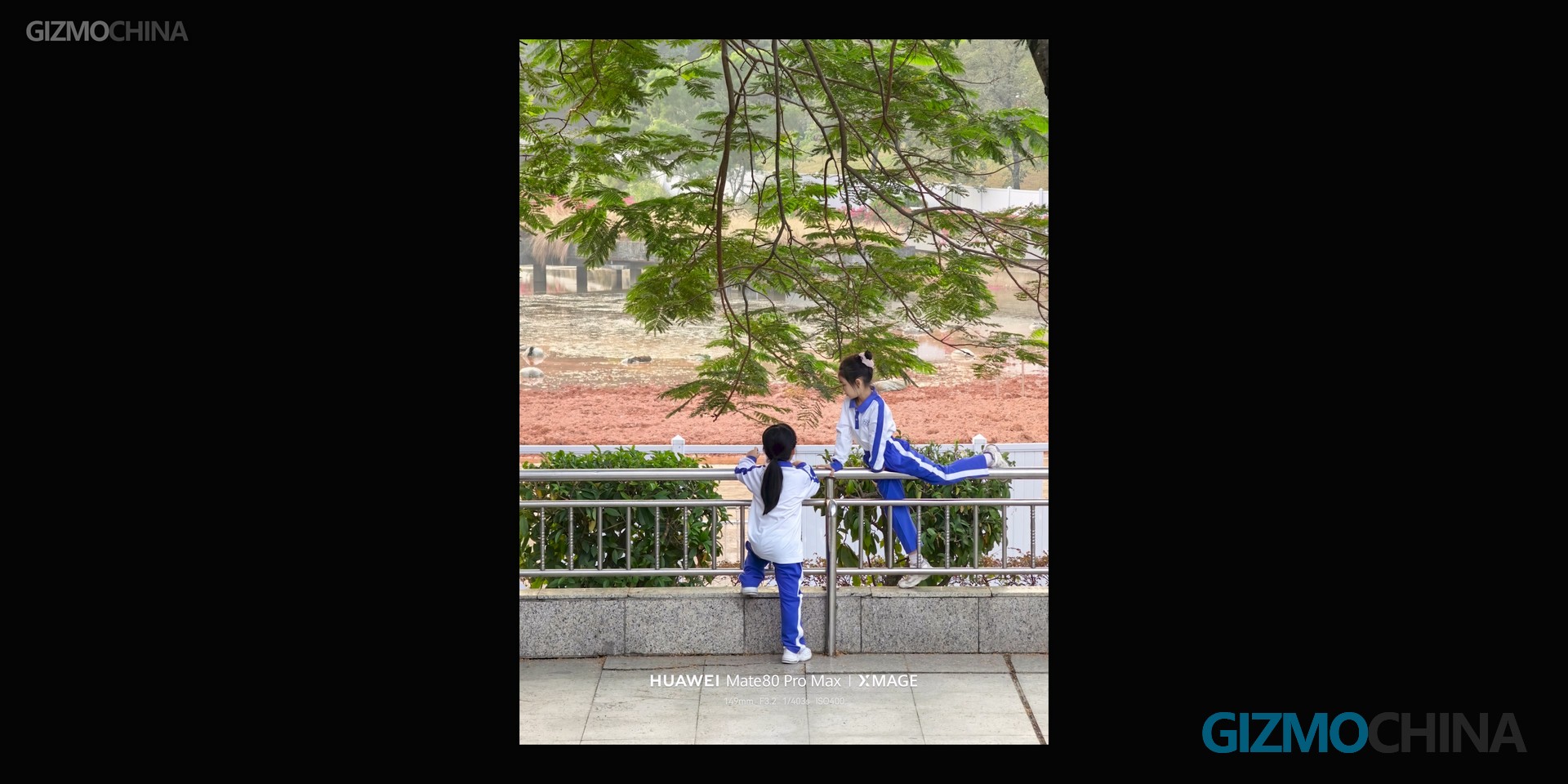
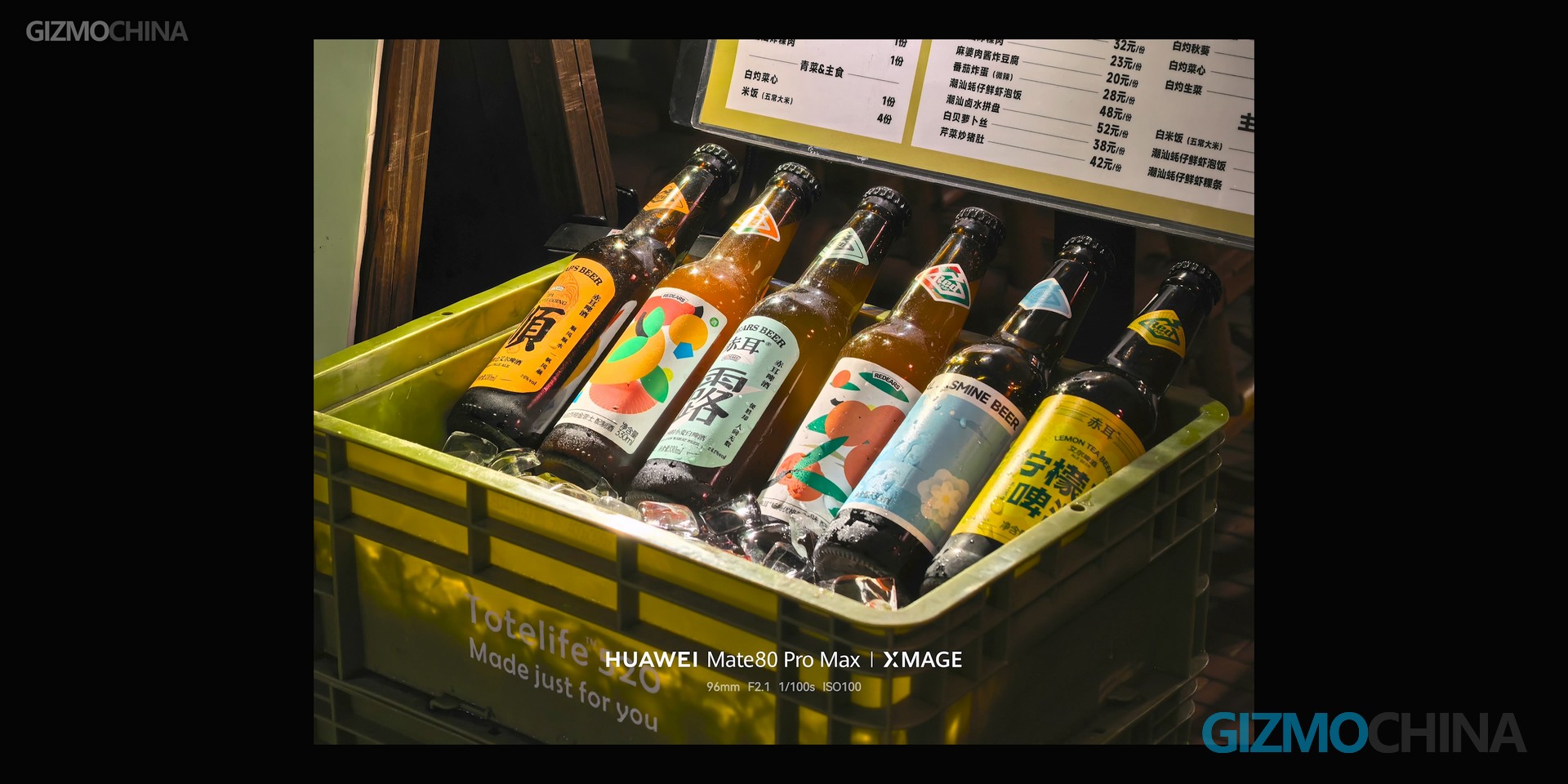
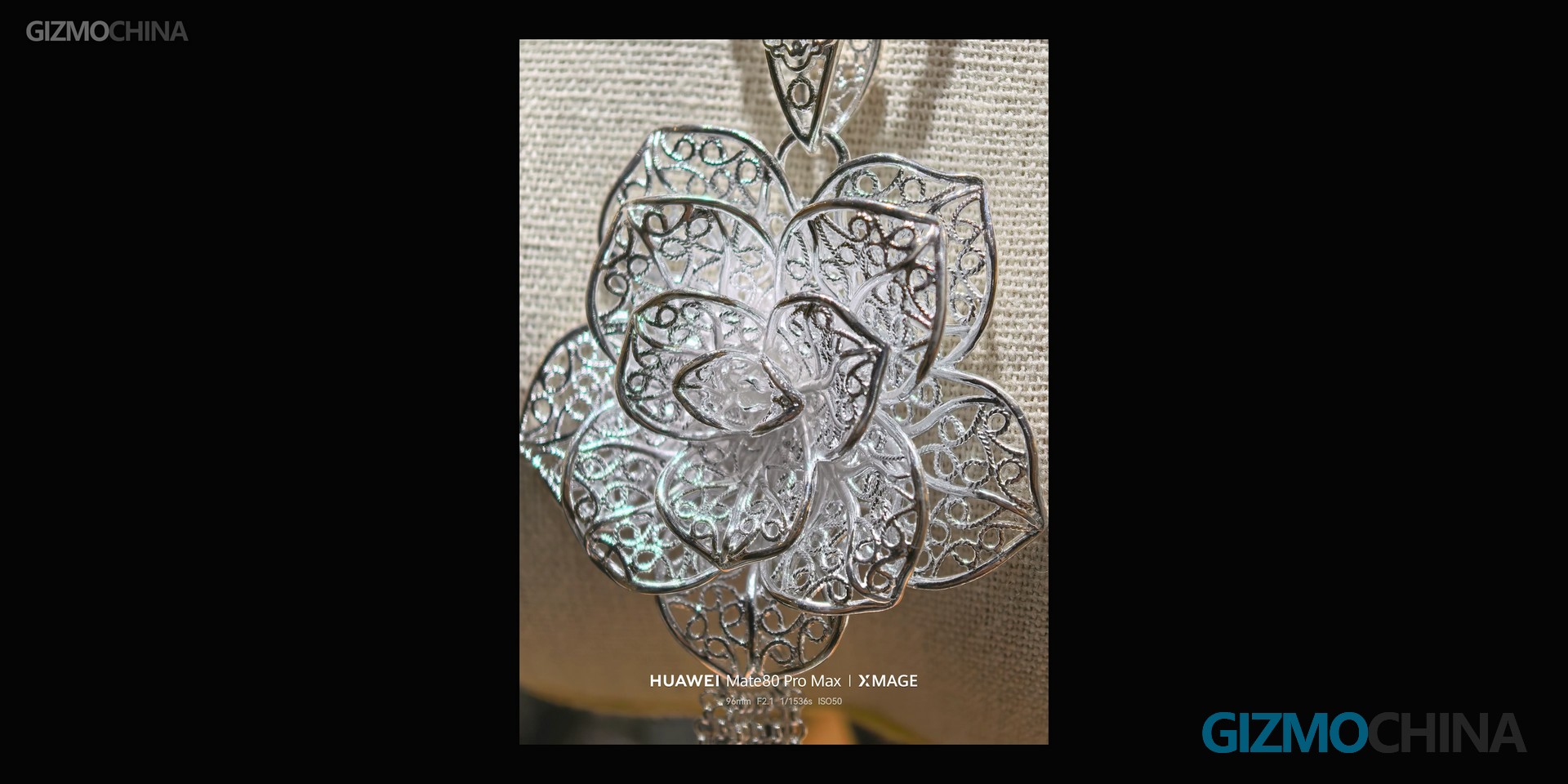
Some phones try to use a 200MP mid-telephoto camera, rely on in-sensor zoom to cover longer focal lengths. Although in most cases, the cropped photos look similar to the Mate 80 Pro Max’s 6.2x optical zoom, this approach has two major drawbacks you might not know: One, their telephoto cameras cannot shoot macro photos. The Mate 80 Pro Max’s 4x telephoto has a minimum focusing distance of 5cm—the best macro performance we’ve ever seen on any phone, period.

Two, if you need to shoot video using the telephoto lens, the quality difference becomes huge. So, between a single large-sensor telephoto and two smaller-sensor telephotos that cover longer ranges, I’ll always choose the latter.

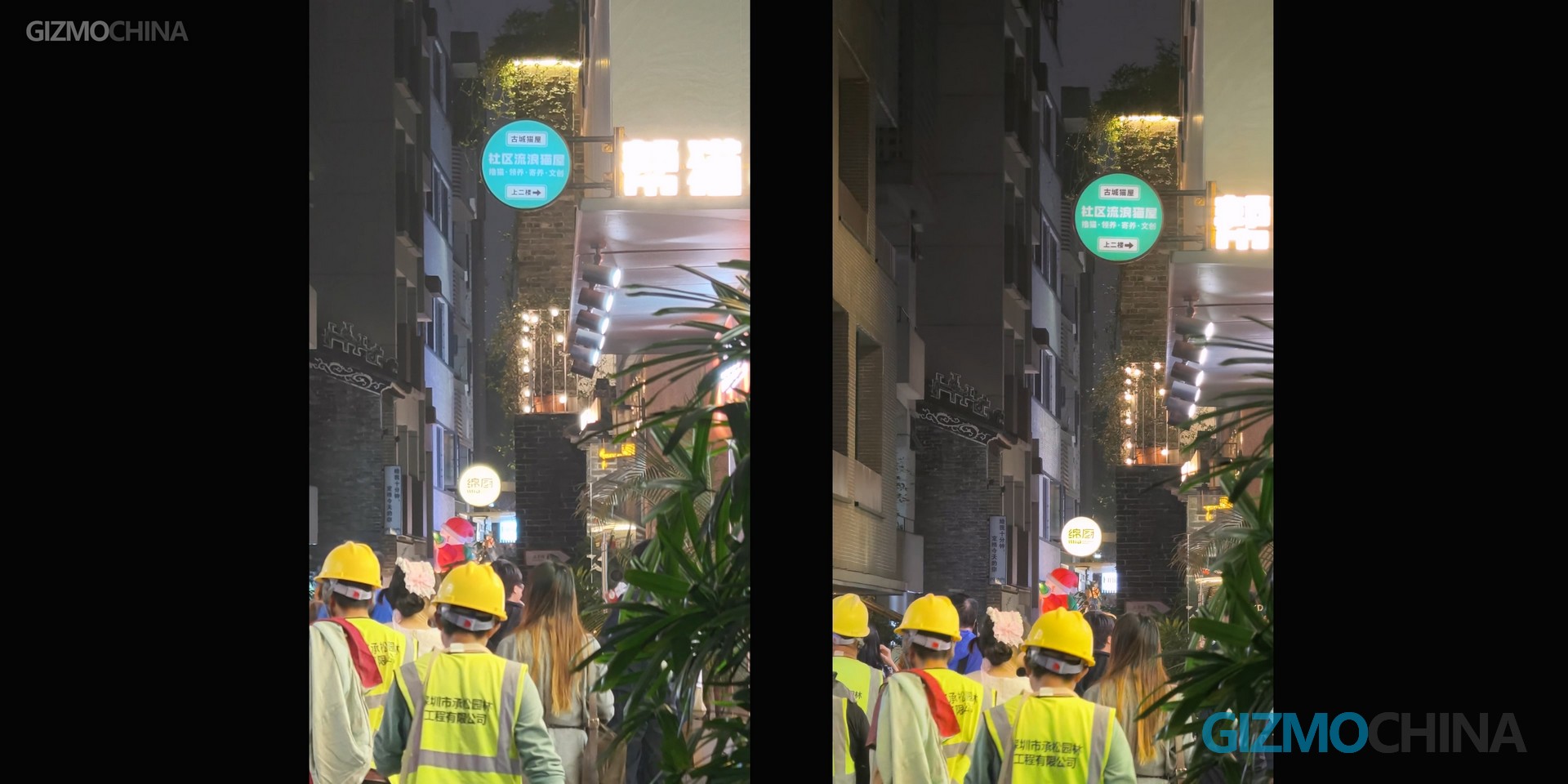
Speaking of video recording, the Mate 80 Pro Max has improved a lot as well. Shaking caused by stabilization has been reduced significantly. The ultra-wide sensor is also larger than that of other flagships, performing better than expected in low light.

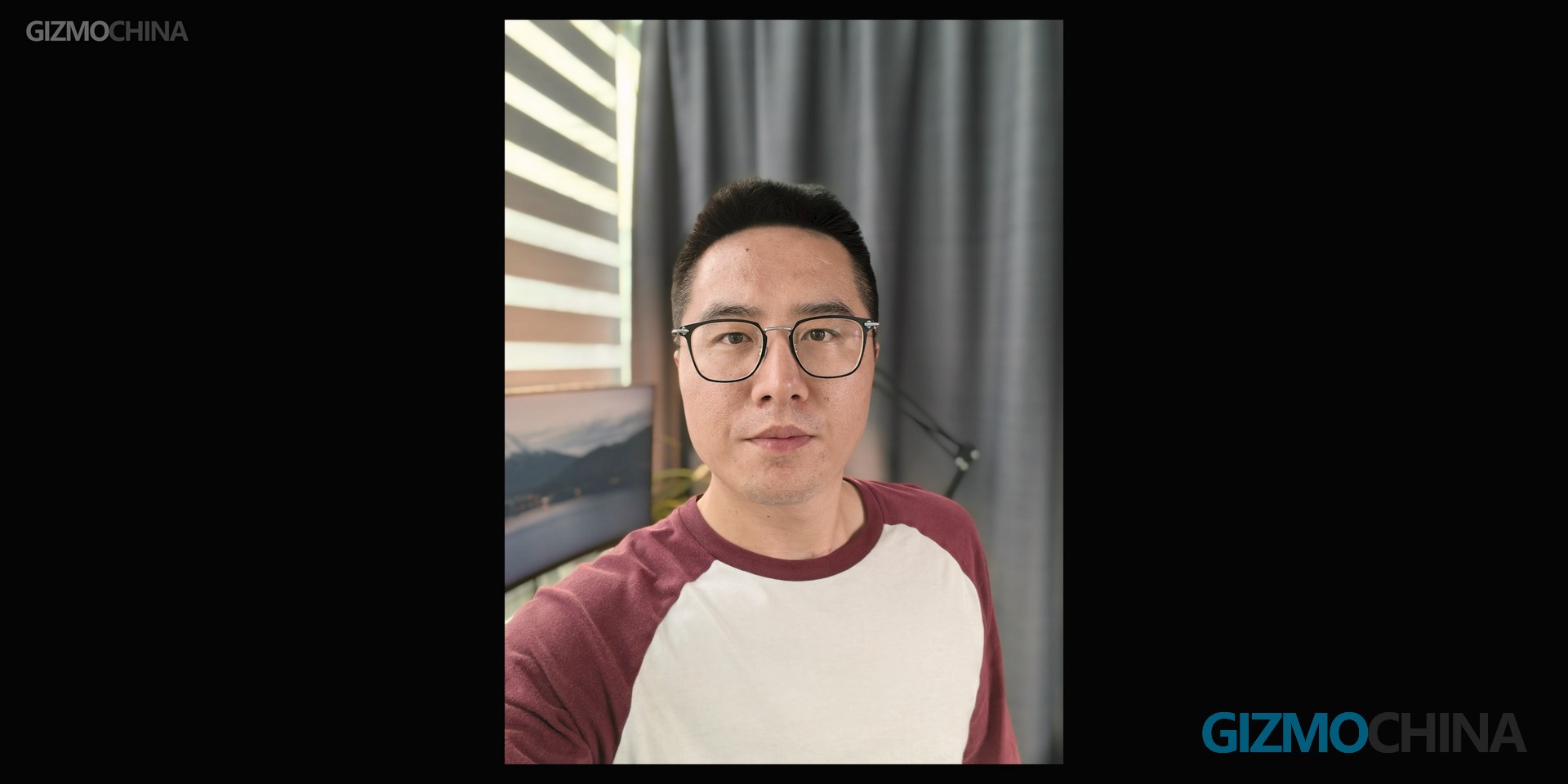
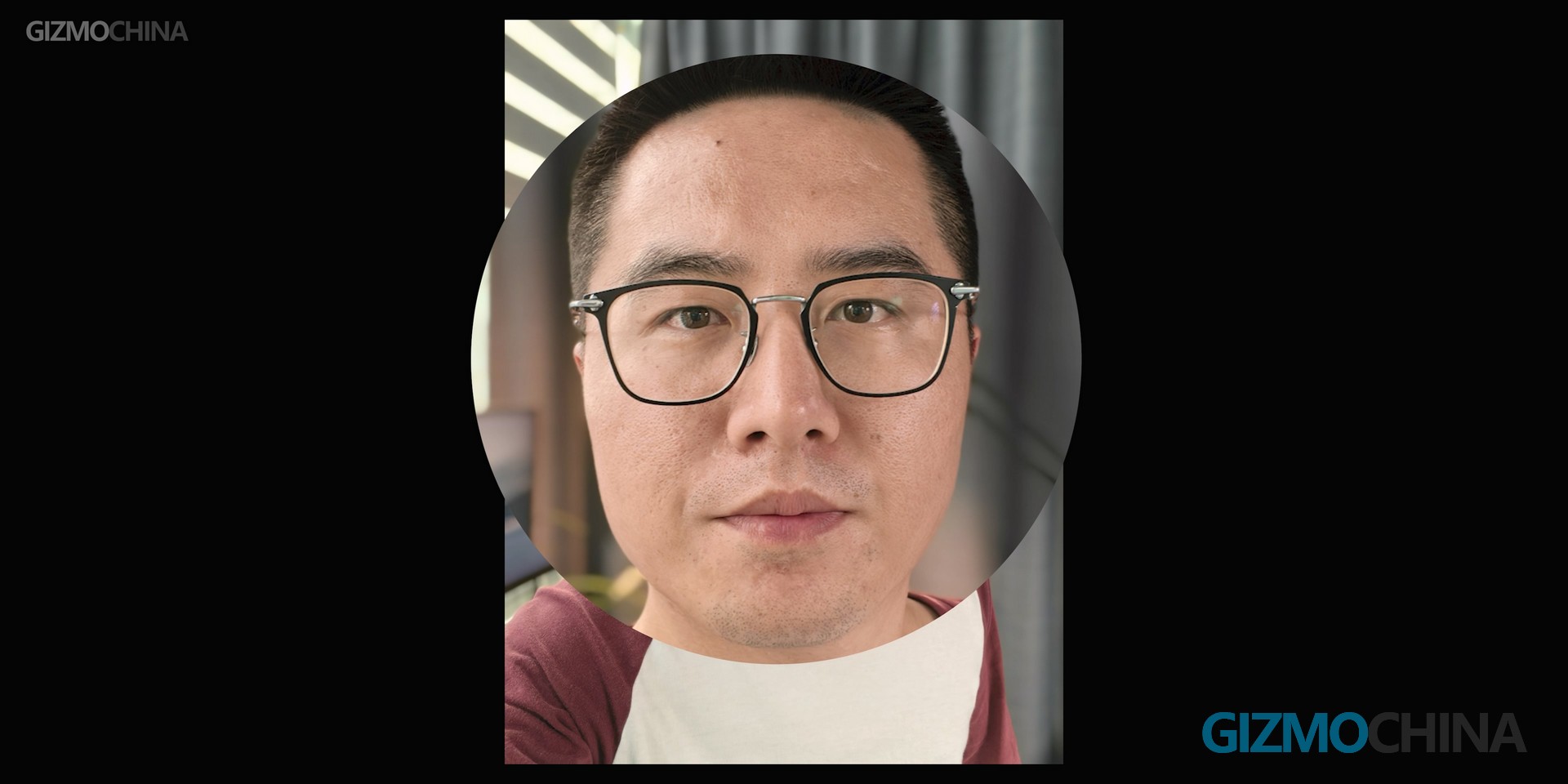
The front camera is also from SmartSens, but with a smaller sensor. Selfie quality is average.

Conclusion

After reviewing this phone, I realized I like it more than the time I bought it. Although it looks more ordinary now, and its performance can’t compete with other Pro Max devices, HarmonyOS 6 is very smooth, and battery life is excellent if you don’t play games. The camera system is my favorite—full-range quad cameras—and it also has the brightest display I’ve ever seen.

Add long-held advantages like signals and Face ID, and you’ll understand why HUAWEI phones remain popular. Oh, and it’s also cheaper now, so for longtime HUAWEI users, this is the perfect time to upgrade.

The post The Most Powerful “Pro Max” of the Year — HUAWEI Mate 80 Pro Max Review appeared first on Gizmochina.

❌
❌