
 Login
Login
Vivo X300 Ultra vs Xiaomi 17 Ultra Comparison: Camera, Battery & Performance
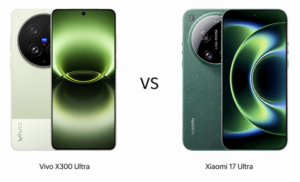
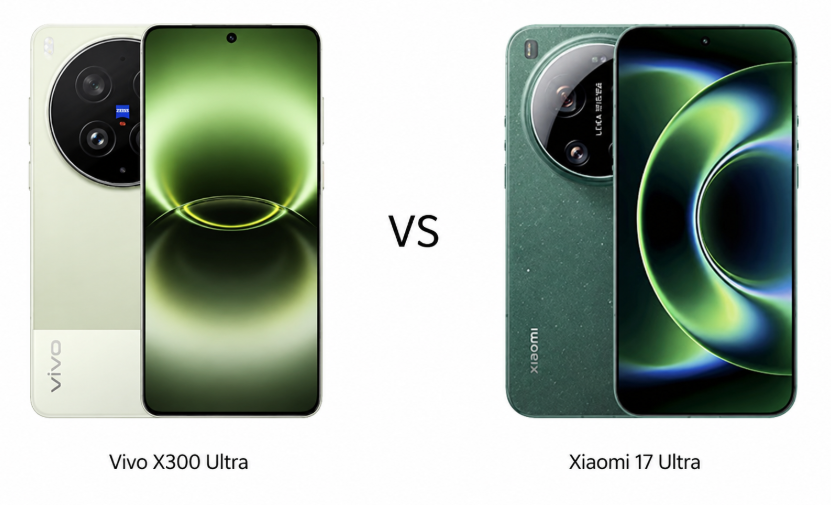
Vivo X300 Ultra and Xiaomi 17 Ultra represent two very different takes on the ultra-flagship smartphone experience. One focuses heavily on professional-grade photography and massive battery life, while the other balances premium hardware with aggressive pricing and Leica-tuned imaging. With both phones powered by the Snapdragon 8 Elite Gen 5 chipset, this comparison comes down to which brand delivers the better overall flagship experience for everyday users, mobile gamers, and camera enthusiasts.
Major Features:
| Feature | Vivo | Xiaomi | Winner |
|---|---|---|---|
| Display | 6.82-inch LTPO AMOLED, 144Hz, 1440p | 6.9-inch LTPO AMOLED, 120Hz, 1200p | Vivo – Sharper panel and smoother refresh rate |
| Brightness | HDR10+, Dolby Vision | 3500 nits peak, Dolby Vision | Xiaomi – Higher peak brightness outdoors |
| Processor | Snapdragon 8 Elite Gen 5 | Snapdragon 8 Elite Gen 5 | Tie – Same flagship chipset |
| RAM & Storage | Up to 16GB + 1TB | Up to 16GB + 1TB | Tie – Similar high-end configurations |
| Software | OriginOS 6 | HyperOS 3 | Xiaomi – More customization features |
| Main Camera | 200MP gimbal OIS | 50MP 1-inch type sensor | Vivo – More advanced hardware and stabilization |
| Telephoto Camera | 200MP periscope, optional zoom lenses | 200MP continuous optical zoom | Vivo – More versatile zoom system |
| Ultrawide Camera | 50MP with OIS | 50MP ultrawide | Vivo – OIS gives extra stability |
| Selfie Camera | 50MP AF | 50MP AF | Tie – Similar selfie hardware |
| Video Recording | 8K, 4K 120fps, Dolby Vision, 10-bit Log | 8K, 4K 120fps, Dolby Vision | Vivo – Better pro video features |
| Battery | 6600mAh | 6000mAh | Vivo – Larger battery capacity |
| Wired Charging | 100W | 90W | Vivo – Faster charging speeds |
| Wireless Charging | 40W | 50W | Xiaomi – Faster wireless charging |
| Audio | Stereo speakers, Hi-Res audio | Stereo speakers, Hi-Res Wireless audio | Xiaomi – Better wireless audio support |
| Durability | IP68/IP69 | IP68/IP69 | Tie – Same protection rating |
| Build Materials | Glass back, aluminum frame | Glass fiber/eco leather, aluminum frame | Xiaomi – More premium material options |
| Connectivity | Wi-Fi 7, Bluetooth 5.4 | Wi-Fi 7, Bluetooth 6.0 | Xiaomi – Newer Bluetooth standard |
| Price | Around $1500 / ₹160,000 | Around $1300 / ₹130,000 | Xiaomi – Better value for money |
| Overall | Photography-focused flagship | Balanced premium flagship | Vivo – Better for camera and power users |
Design and Display
Build and Feel
The Vivo X300 Ultra and Xiaomi 17 Ultra both target premium flagship buyers, but they approach design differently. Vivo keeps things more camera-focused with a clean glass-and-metal finish and Zeiss branding that gives it a professional photography vibe. The curved body and balanced frame make it feel slightly more refined during long usage sessions. Xiaomi, meanwhile, leans toward durability and luxury with aerospace-grade glass fiber and optional eco-leather finishes. The IP69 protection on both devices adds confidence for heavy outdoor use, though Xiaomi’s deeper water resistance feels slightly more reassuring on paper.
Display Quality
Vivo pushes ahead with a sharper 1440p LTPO AMOLED panel and a smoother 144Hz refresh rate, making animations and gaming feel exceptionally fluid. Dolby Vision and Ultra HDR support also help media content look more vibrant. Xiaomi counters with a larger 6.9-inch LTPO AMOLED display that reaches an impressive 3500 nits peak brightness. The panel feels more cinematic for streaming, while the narrower resolution slightly improves efficiency. Vivo’s display feels more premium overall, especially for users who notice finer details and smoother scrolling.
Verdict
The Vivo X300 Ultra delivers a more polished flagship experience thanks to its sharper panel and refined feel. Xiaomi 17 Ultra still stands out with durability-focused materials and an excellent entertainment-friendly display.
Specifications Including Battery
Performance
Both smartphones run on the Snapdragon 8 Elite Gen 5 chipset paired with Adreno 840 graphics, so raw performance remains extremely close. Everyday usage, multitasking, and high-end gaming feel effortless on both devices. Vivo offers more RAM and storage combinations, starting from 12GB RAM and going up to 1TB storage, making it more flexible for different buyers. Xiaomi only offers 16GB RAM variants, which suits power users directly. Vivo’s 144Hz refresh rate also gives games and UI interactions a slightly faster and smoother feel. HyperOS 3 on Xiaomi feels more customizable, while OriginOS 6 appears cleaner and visually lighter during navigation.
Battery and Charging
Vivo clearly prioritizes endurance with its massive 6600mAh silicon-carbon battery. Heavy users are likely to notice the difference during gaming, photography, and travel. The 100W wired charging is faster as well, although Xiaomi answers back with superior 50W wireless charging. Xiaomi’s 6000mAh battery still performs strongly and may appeal more to users who prefer balanced thermals and wireless convenience.
Verdict
The Vivo X300 Ultra wins this section because of its larger battery, faster wired charging, and smoother high-refresh experience. Xiaomi 17 Ultra remains highly competitive with polished software and stronger wireless charging support.
Camera
Main and Secondary Lenses
The Vivo X300 Ultra focuses heavily on photography enthusiasts. Its 200MP primary sensor, combined with Zeiss optics and gimbal stabilization, produces a more advanced imaging setup overall. The optional external zoom lenses also make it unique for long-range photography. The 200MP periscope sensor delivers strong detail retention, while the ultrawide camera benefits from OIS support, something still uncommon in this category. Xiaomi takes a slightly different approach with a large 1-inch style 50MP main sensor and Leica tuning. Photos from the Xiaomi 17 Ultra are likely to look warmer and more cinematic, especially in street photography. Its continuous optical zoom system also gives more flexibility across focal lengths.
Selfie Camera
Both phones include 50MP autofocus selfie cameras capable of 4K recording. Vivo’s front camera tends to prioritize detail and HDR processing, while Xiaomi’s tuning looks softer and more social-media-friendly. Vivo also offers stronger professional video features with Dolby Vision and 10-bit Log support.
Verdict
The Vivo X300 Ultra feels more ambitious and versatile for photography and videography. Xiaomi 17 Ultra still delivers excellent flagship-level imaging, especially for users who prefer Leica-style color science and flexible zoom framing.
Pricing
The Vivo X300 Ultra is priced around $1500 or ₹160,000, while the Xiaomi 17 Ultra is around $1300 or ₹130,000. That creates a notable pricing gap between the two ultra-flagships. Vivo justifies the higher price through its sharper display, larger battery, advanced camera hardware, optional zoom accessories, and faster charging system. It feels like a device built for buyers who want the most advanced hardware possible without many compromises.
The Xiaomi 17 Ultra positions itself as the better value flagship. It still offers the same Snapdragon 8 Elite Gen 5 chipset, premium materials, Leica cameras, strong wireless charging, and flagship software experience at a lower cost. For many buyers, the real-world performance gap may not feel large enough to justify Vivo’s premium pricing. Xiaomi’s pricing strategy makes it easier to recommend for balanced flagship users.
Verdict
The Xiaomi 17 Ultra offers stronger value for money overall, while the Vivo X300 Ultra justifies its premium mainly for camera enthusiasts and power users seeking maximum hardware upgrades.
Disclaimer:
Prices are approximate and may vary based on country, region, launch timing, and applicable taxes. Always check whether the listed price is for a China unit or a global/international variant when purchasing.
Conclusion
The Vivo X300 Ultra stands out with its photography-first hardware, including dual 200MP cameras, Zeiss optics, optional external zoom lenses, and a massive silicon-carbon battery. It feels designed for users who prioritize professional-grade imaging and long-lasting performance above everything else. The sharper 144Hz display also gives it a more cutting-edge flagship feel.
The Xiaomi 17 Ultra focuses more on balance. It combines Leica-tuned cameras, premium build options, excellent wireless charging, and flagship performance at a comparatively lower price. The larger display and cleaner pricing make it appealing for entertainment-focused users who still want ultra-premium hardware. HyperOS 3 also adds a slightly more feature-rich software experience for customization fans.
Verdict
The Vivo X300 Ultra is the stronger ultra-premium flagship for photography, battery life, and display quality. The Xiaomi 17 Ultra delivers better overall value and remains the smarter choice for buyers wanting flagship performance without entering the highest pricing tier.
Disclaimer: This comparison is based on the specifications provided and is intended for general informational purposes. Actual performance, camera results, battery life, and overall experience may vary depending on real-world usage, software updates, and individual preferences.
Read More:
- Vivo X300 Ultra vs Samsung Galaxy S26 Ultra: Which Ultra Flagship Wins in 2026?
- Motorola Razr Fold vs Oppo Find N6: Full Specs, Camera, Battery & Price Comparison
- OnePlus Pad 4 vs Xiaomi Pad 8 Pro: Which Android Tablet Should You Buy in 2026?
The post Vivo X300 Ultra vs Xiaomi 17 Ultra Comparison: Camera, Battery & Performance appeared first on Gizmochina.
