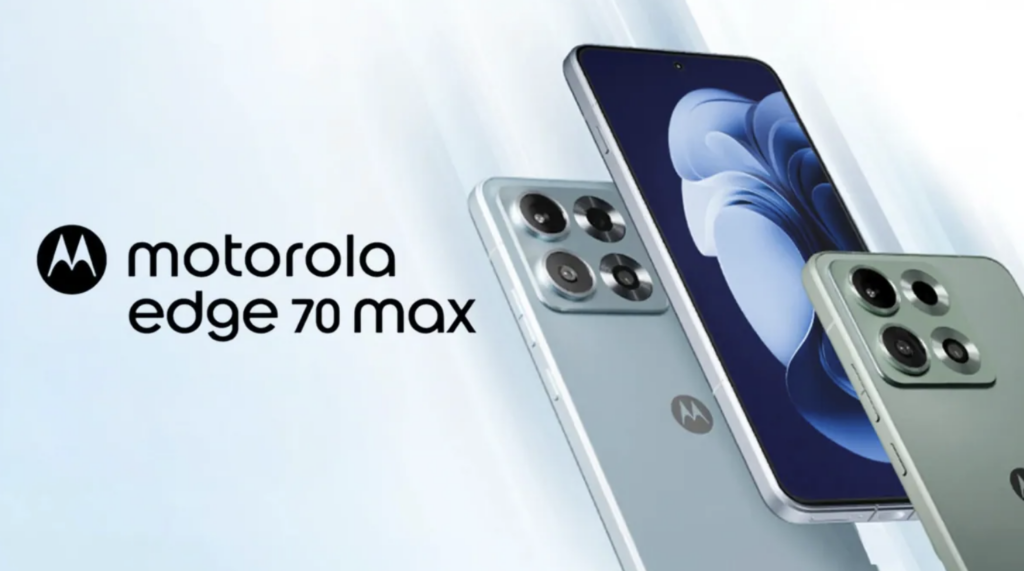
Motorola has launched the Edge 70 Max in India, introducing a new premium smartphone with flagship hardware, advanced AI capabilities, and the largest battery ever fitted inside a Motorola smartphone. It is the most powerful Edge 70-series phone, sitting between the Motorola Edge 70 Pro+ and Edge 70 Signature in the lineup.
Motorola Edge 70 Max specifications and features
Motorola Edge 70 Max
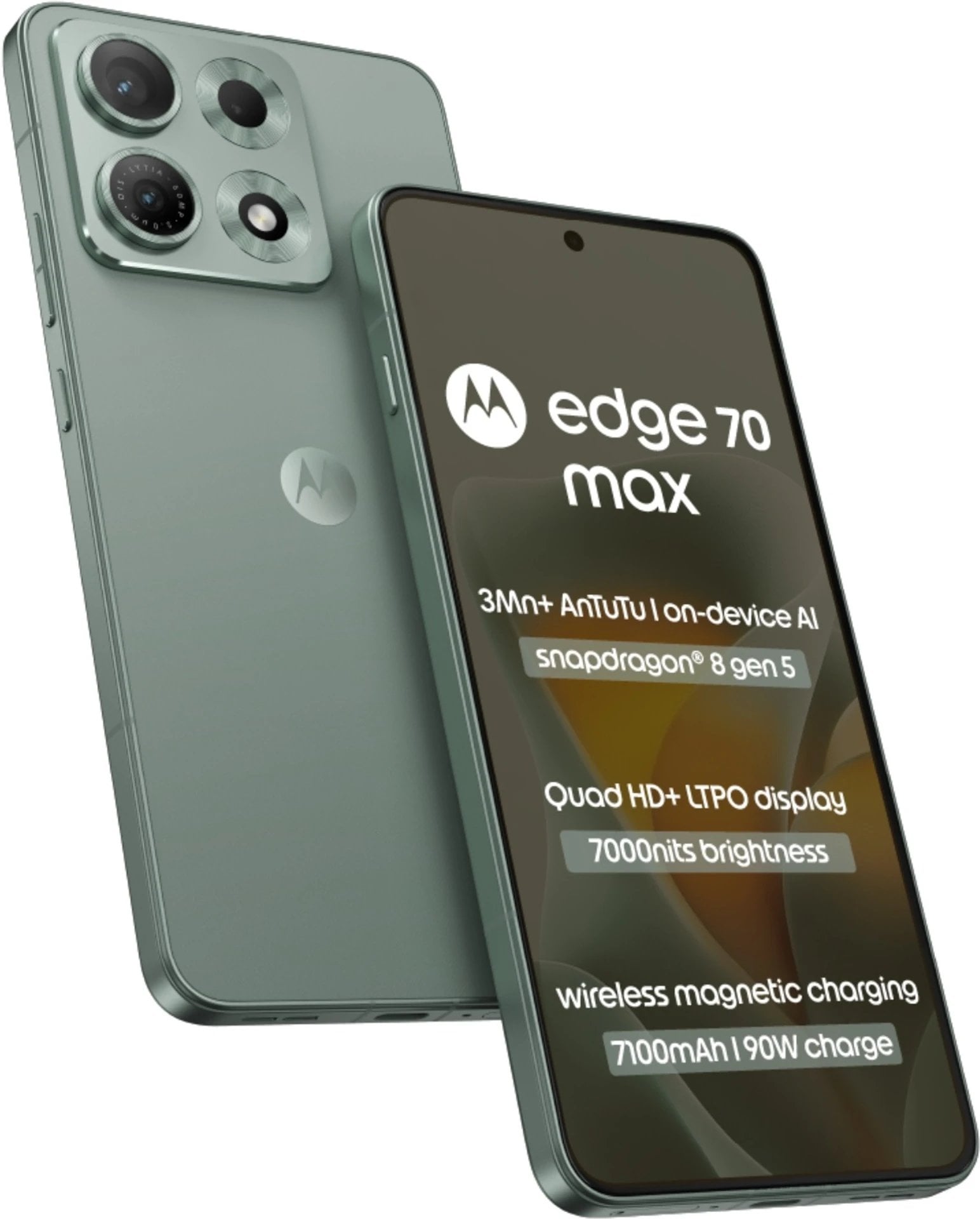
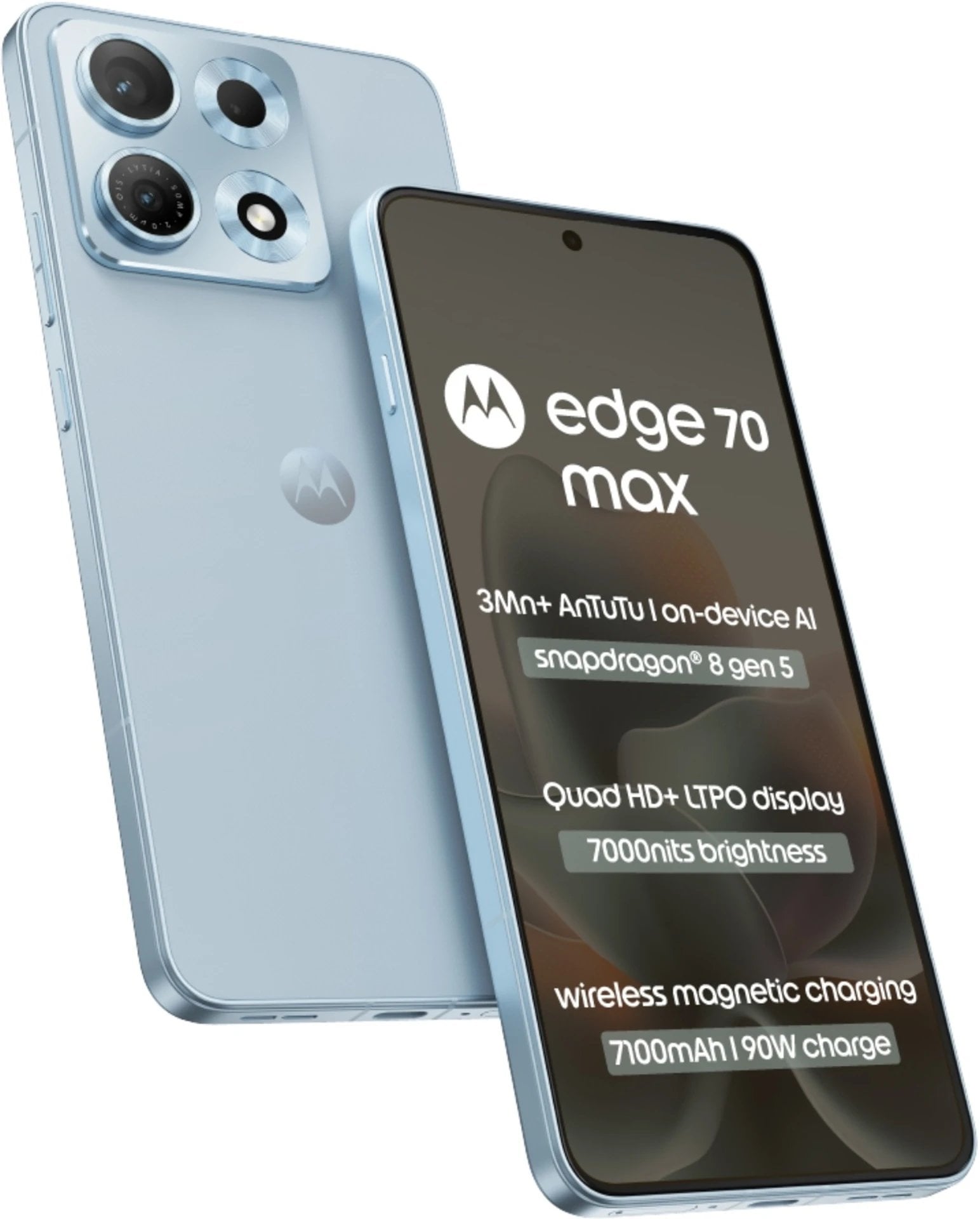
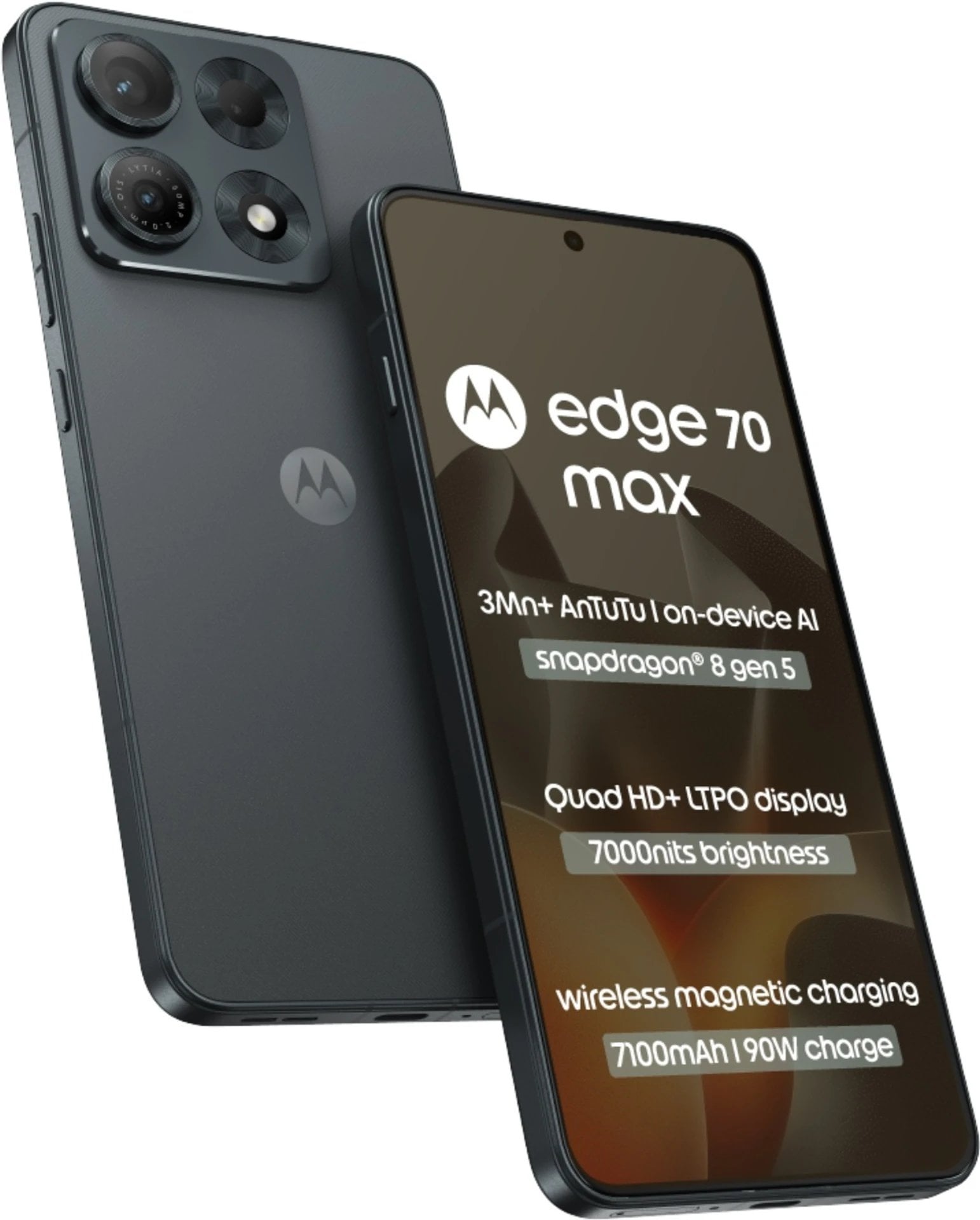
The Motorola Edge 70 Max sports a 6.8-inch Quad HD+ Extreme AMOLED LTPO display with a 144Hz adaptive refresh rate, 360Hz touch sampling rate and up to 7,000 nits peak brightness. The panel is protected by Gorilla Glass 7i and supports Dolby Vision and HDR10+. Powering the phone is Qualcomm’s Snapdragon 8 Gen 5 chipset, paired with up to 12GB of LPDDR5X RAM and 256GB of UFS 4.1 storage.
The phone packs a 7,100mAh fourth-generation silicon-carbon battery while maintaining an 8.29mm profile. It supports 90W wired TurboPower charging, 25W Qi2 magnetic wireless charging with MagSafe accessory compatibility, and 5W wired reverse charging.
The Edge 70 Max features a 50-megapixel Sony LYTIA-710 primary camera with OIS, paired with an 8-megapixel ultra-wide camera that also supports macro photography. A 32-megapixel front camera handles selfies and video calls.
Running Android 16 with Hello UX, the device is promised three Android OS upgrades and five years of security updates. To keep temperatures under control, Motorola has included a 5,500mm² vapour chamber along with an advanced cooling system covering a total thermal area of 29,550mm². Other highlights include Wi-Fi 7, stereo speakers with Dolby Atmos, Snapdragon Sound, MIL-STD-810H certification, and IP66, IP68 and IP69 ratings for dust and water resistance.
Motorola Edge 70 Max price and availability
The Motorola Edge 70 Max is priced at Rs 54,999 (~$570) for the 8GB + 256GB variant, while the 12GB + 256GB model costs Rs 59,999 (~$625). It comes in Pantone Aqua Gray, Pantone Ice Melt and Pantone Dark Shadow color options. Sales will begin on July 20 via Flipkart, Motorola India, and authorized offline retail stores.
For more daily updates, please visit our News Section.
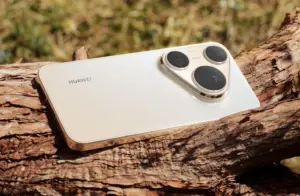
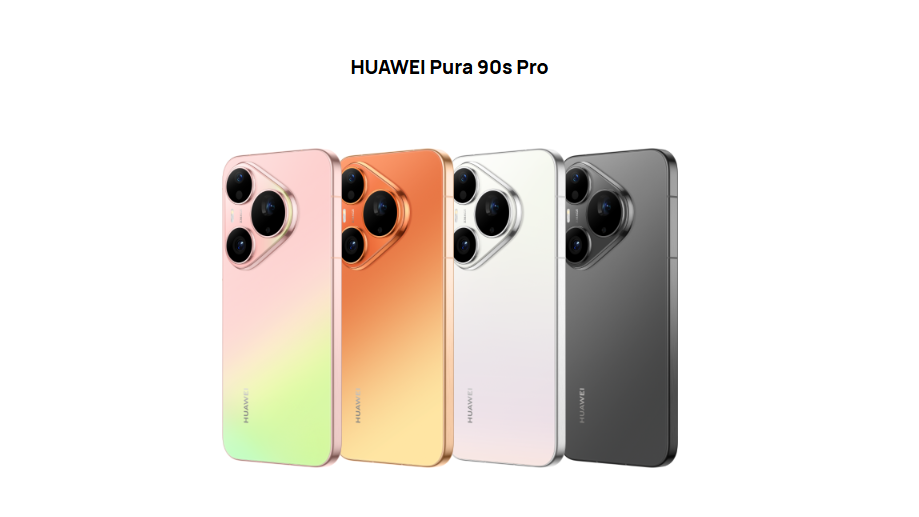
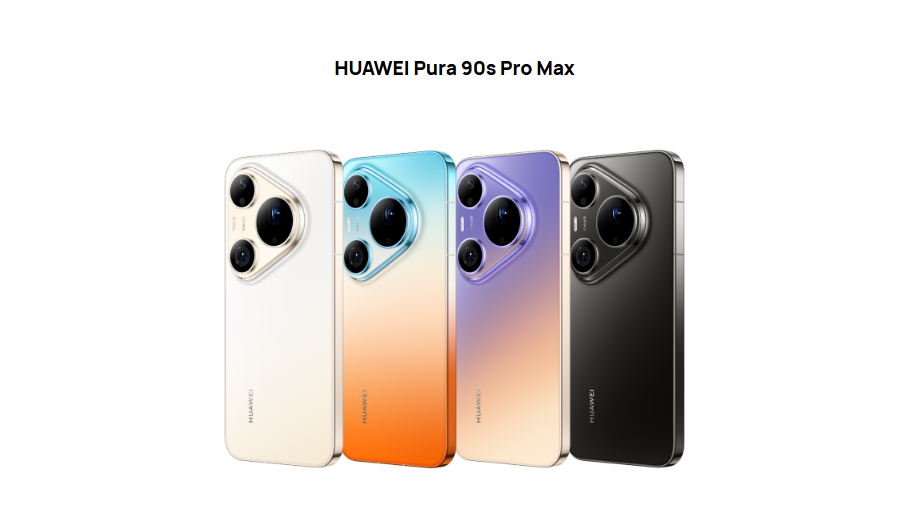
Huawei just officially rolled out the Pura 90s Pro and Pura 90s Pro Max to international markets, giving the Pura 90 lineup a proper global push beyond China.
The two models share a lot of the same DNA but carve out their own identities depending on what you’re after: size, charging speed, and a few camera tweaks. The Pura 90s Pro Max packs a generous 6.9-inch flat LTPO OLED display (1,308 x 2,880 pixels). The smaller Pura 90s Pro goes with a 6.6-inch LTPO panel (1,256 x 2,760) that’s easier to handle one-handed. Both screens use an anti-reflective coating that supposedly slashes reflections by up to 70%, and they’re protected by Kunlun Glass (second-gen on the Pro).
Photography is still the star of the show here. The Pro Max steals the spotlight with an industry-first 200MP RYYB telephoto sensor (1/1.28-inch, f/2.6, 4x optical zoom) that supports macro shots and even 20x telephoto video thanks to strong CIPA 7.0 stabilization. Its main camera is a 50MP 1/1.28-inch LOFIC RYYB sensor with a versatile 10-step adjustable aperture (f/1.4 to f/4.0) and OIS, backed by a 40MP ultra-wide. The Pura 90s Pro packs the same 50MP main (without LOFIC), a 12.5MP ultra-wide, and its own 50MP 4x telephoto.
Under the hood, both phones run on Huawei’s new Kirin 9030S chipset, available with 12GB of RAM and 256GB or 512GB of storage. They ship with EMUI 16 (based on AOSP 16). Connectivity looks solid: 5G, eSIM, Wi-Fi 7, Bluetooth 6.0, and Huawei’s NearLink.
Both phones get a 6,000mAh battery (though EU models drop to 5,500mAh because of regulations). Charging is faster on the Pro Max with 100W wired and 80W wireless, while the Pro settles for 66W wired and 50W wireless.
Pricing and availability:
On the availability front, they’re launching gradually. In Malaysia, the Pro starts at MYR 3,700 for the 12/256GB version and MYR 4,000 for the 12/512GB model, with pre-orders already underway. The Pro Max is listed at MYR 4,900 for the 12/512GB.
In Europe, pricing kicks off at roughly €900 for the Pro 12/256GB, rising to €1,050 for the 12/512GB. The Pro Max starts at €1,150 for 12/256GB and goes up to €1,300 for the 12/512GB. Expect rollouts soon in Singapore and the Middle East (with a July 16 launch event) as well.
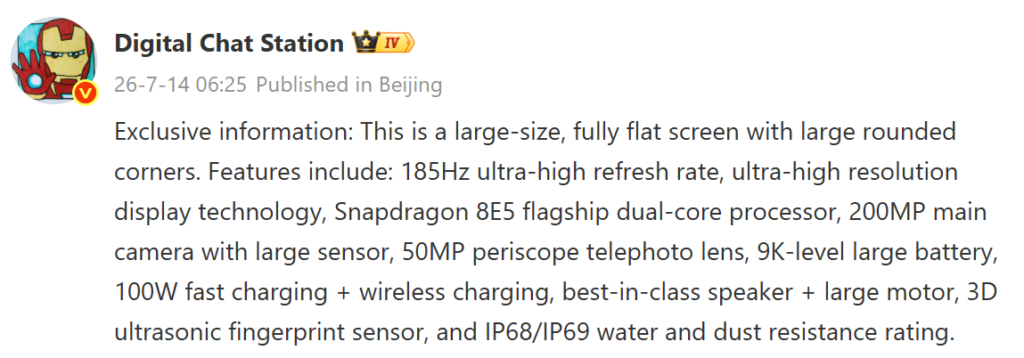
There have been reports suggesting that Redmi could unveil the Redmi K100 series as early as next month. One reason behind the expected early launch is that the upcoming models are unlikely to feature the Snapdragon 8 Elite Gen 6 chipset, which is reportedly being reserved for the Xiaomi 18 series expected to debut in September. Ahead of the anticipated launch, reliable tipster Digital Chat Station has shared a new post on Weibo, revealing the key specifications of an upcoming Redmi K100 series model.
Redmi K100 series phone’s key specifications tipped
According to the leak, the engineering prototype of the forthcoming Redmi K100 series phone features a large flat display with rounded corners and support for a 185Hz refresh rate, along with an advanced display technology aimed at delivering sharper visuals. The handset is also tipped to be powered by the Snapdragon 8 Elite Gen 5 chipset, paired with a dedicated display chip for enhanced graphics performance.
On the camera front, the phone is said to feature a 200-megapixel large sensor primary camera alongside a 50-megapixel periscope telephoto camera for long-range zoom photography. Other expected features include a large 3D ultrasonic fingerprint scanner, flagship-grade stereo speakers, a bigger vibration motor, and IP68 and IP69 ratings for dust and water resistance.
The prototype is said to feature a battery with around 9000mAh capacity, along with support for 100W wired fast charging and wireless charging. If these specifications make it to the final product, it would mark a notable upgrade over the Redmi K90 Pro Max, which packs a 7560mAh battery with 100W wired charging, 50W wireless charging, a 50-megapixel primary camera, and a 50-megapixel 5x periscope telephoto camera.
While the exact branding of the upcoming Redmi K100 series phone remains unclear, its leaked hardware suggests it could launch as either the Redmi K100 Pro or Redmi K100 Pro Max.
For more daily updates, please visit our News Section.
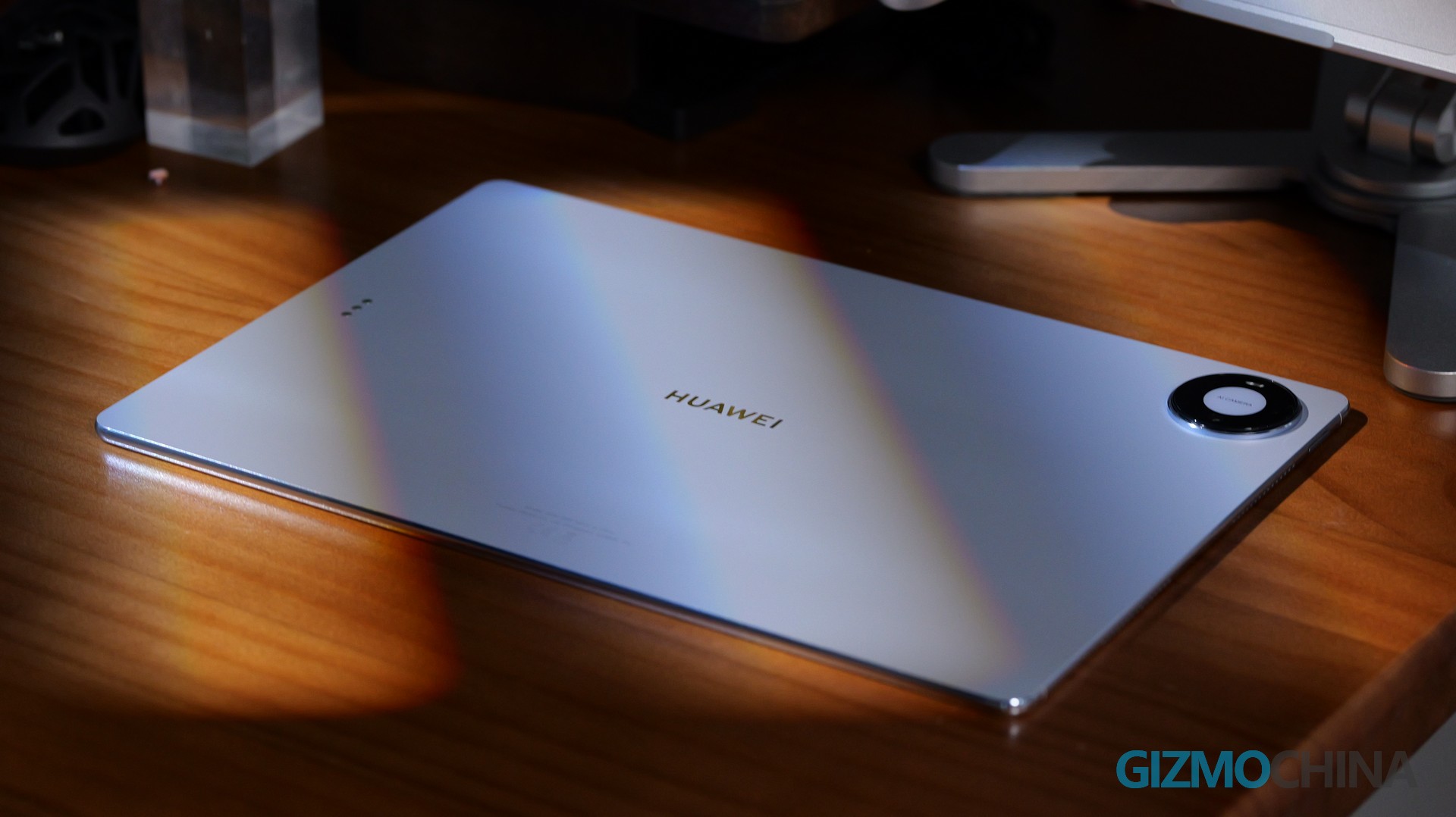
We’ve seen plenty of tablets that promise to replace your laptop. They’re loaded with power, sure, but they also weigh a ton. So when Huawei showed up in 2026 with the MatePad Pro Max and took the exact opposite approach—going ridiculously thin and light—I was curious. At just 4.7mm thick and 499 grams, this thing is practically anorexic compared to other 13‑inch flagships that keep bulking up on specs. But does cutting so much weight mean cutting too much “Pro” performance? After using it daily for a month, here’s the unfiltered truth.
Design
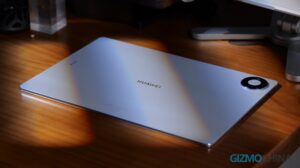
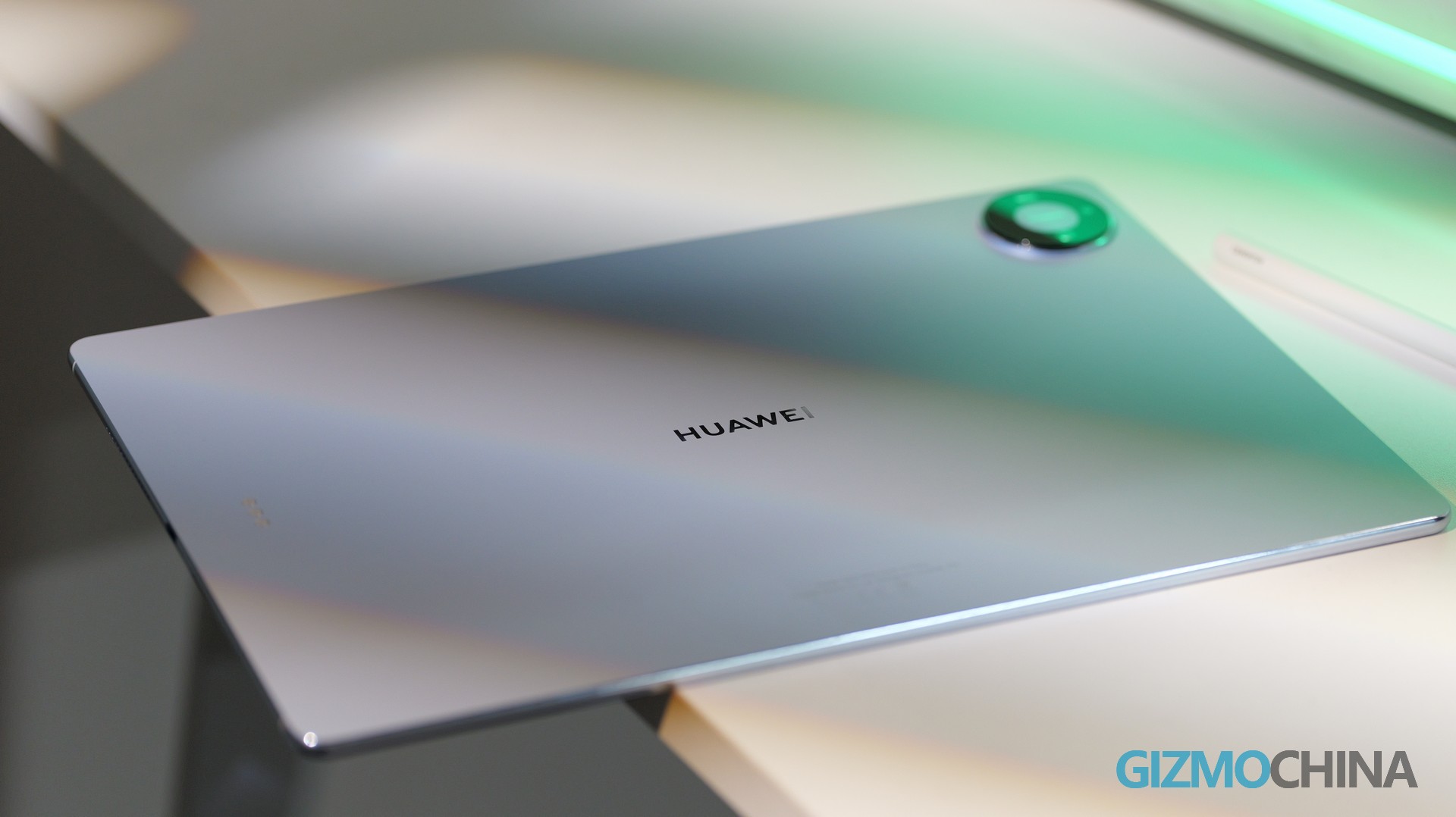
The moment you pick it up, your brain does a double take. 499 grams—that’s nearly 200 grams less than the same‑size iPad Pro, and even lighter than a hardcover art book. At 4.7mm, you can literally pinch it between two fingers and wander around the house like it’s a fancy notepad. Slip it into your bag, and you’ll genuinely forget it’s there. Huawei calls this the “Cloud Falcon Architecture,” and it’s earned TÜV Rheinland’s ultra‑thin bend‑resistance certification—I gave it a good twist, and it stayed impressively rigid. My review unit is the blue “Flow Back” version, and yes, the 3.5mm headphone jack is gone, but the trade‑off is a six‑speaker HUAWEI SOUND setup that actually delivers: decent bass, clear vocals, and a genuinely enjoyable experience for movies or podcasts, easily beating most tablets in this class.
Display
Then you turn on the display. That 13.2‑inch flexible OLED panel has no notch, no punch‑hole, no distractions—just pure screen. With a claimed 94% screen‑to‑body ratio, videos truly fill your view, and the 3K resolution (3000 x 2000) plus 144Hz refresh rate makes scrolling and gaming butter‑smooth. There are two variants: the standard glossy OLED with punchy colours and 2,000,000:1 contrast, great for HDR, and the PaperMatte Edition I tested, which uses nano‑etched glass to cut glare and add a paper‑like drag for the stylus. That version is slightly less punchy for pure media, but it’s a lifesaver if you work near windows or take lots of handwritten notes. One caveat: the 1600‑nit peak brightness only fires up for specific HDR scenes in small windows—day‑to‑day, it’s fine by a window or outdoors, but don’t expect smartphone‑like visibility under blazing sun; that’s just the physics of big screens.
Productivity
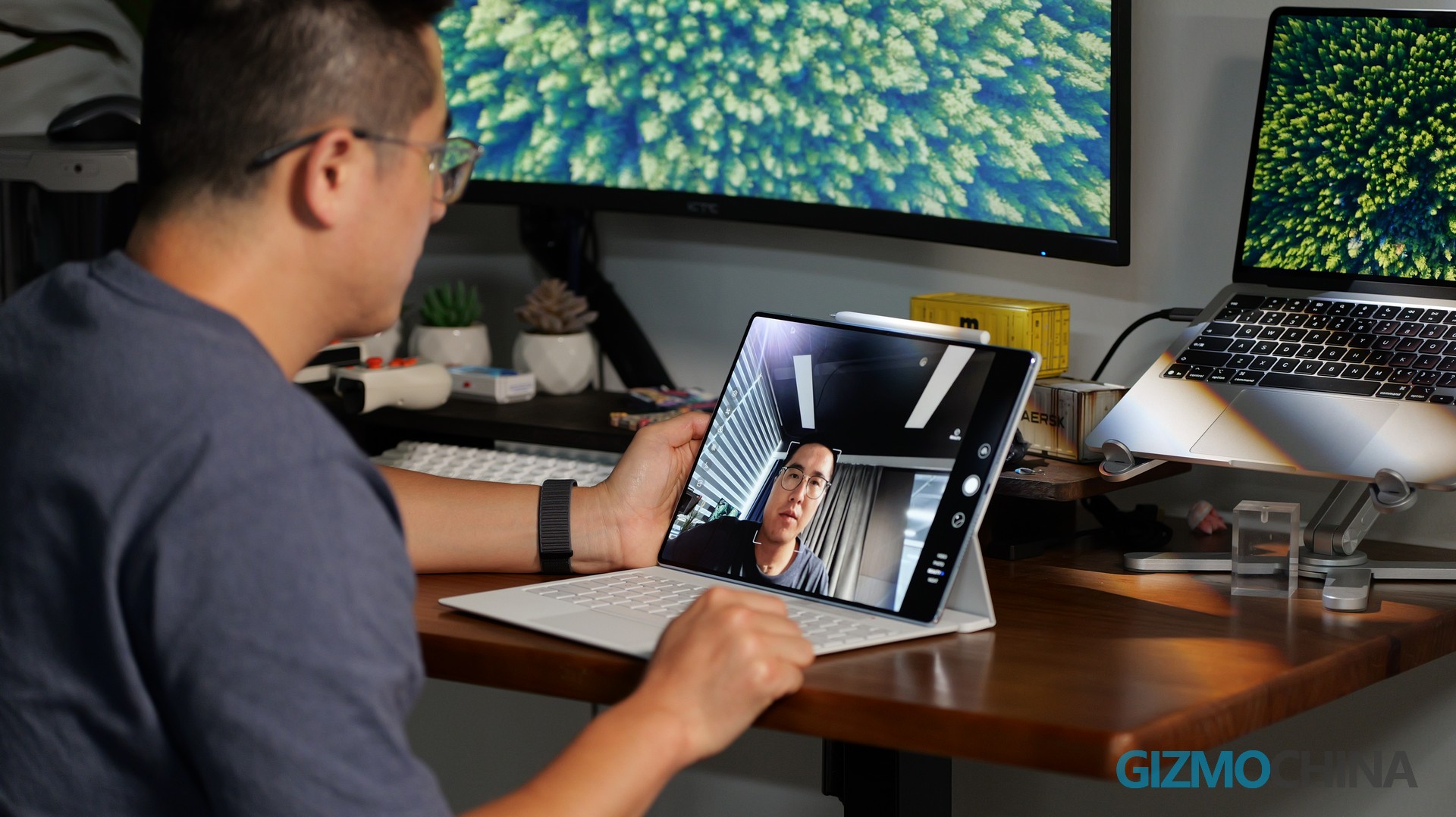
Productivity is where things get interesting. Huawei touts this as a productivity beast, but honestly, the real wins for me weren’t the PC‑level WPS suite—it was the multi‑window, stylus, and keyboard combo I actually used every day. You can run three apps side by side: I’d have a browser for research, HUAWEI Notes for jotting, and the gallery for reference images, all switching without lag. It’s not mind‑blowing, but it’s rock‑solid. However, plug in an external monitor and the magic fades; it’s simple mirroring, not true desktop expansion, so you can’t drag windows to a second screen like a laptop. That stings if you wanted a dual‑monitor workflow.
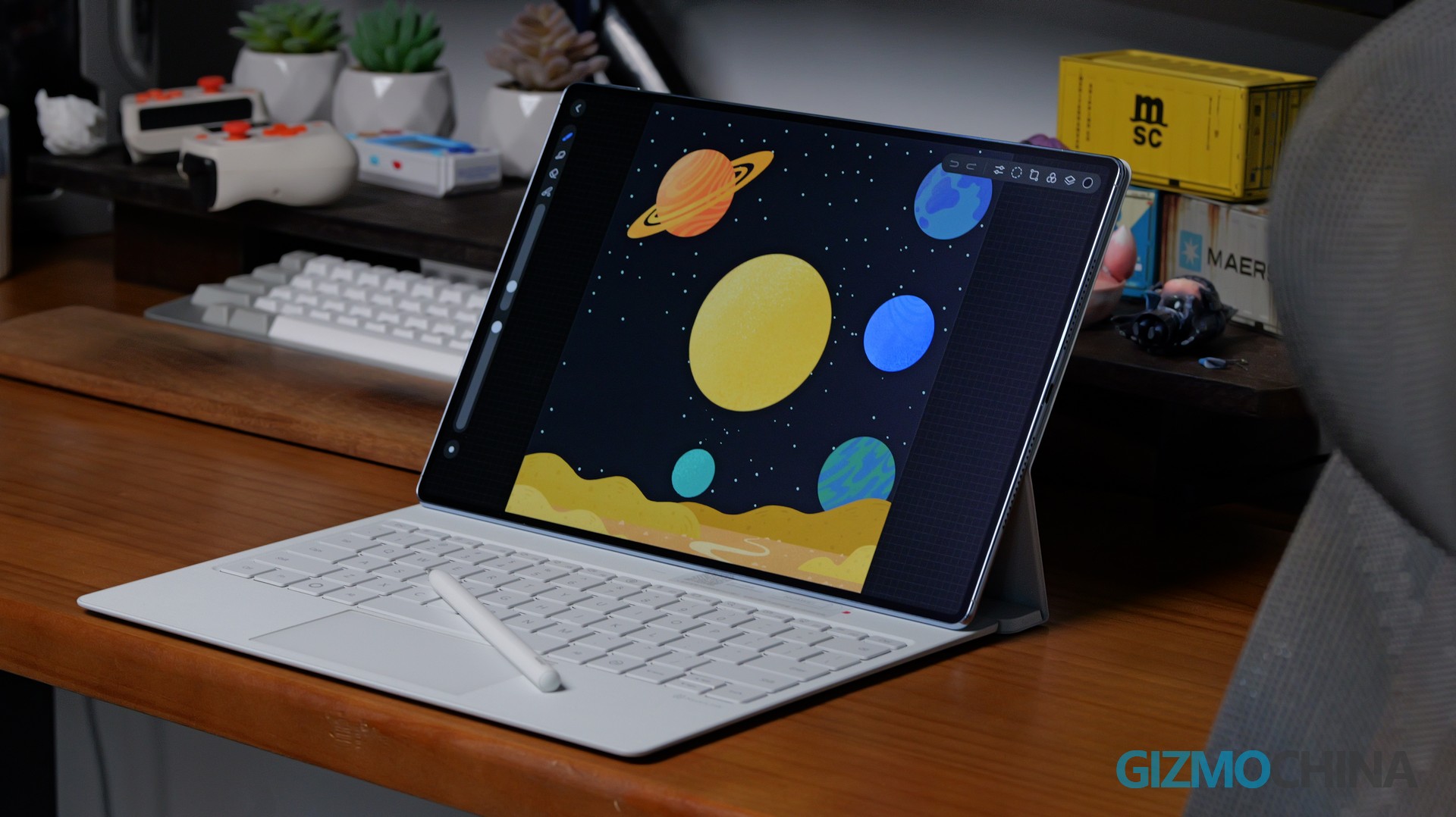
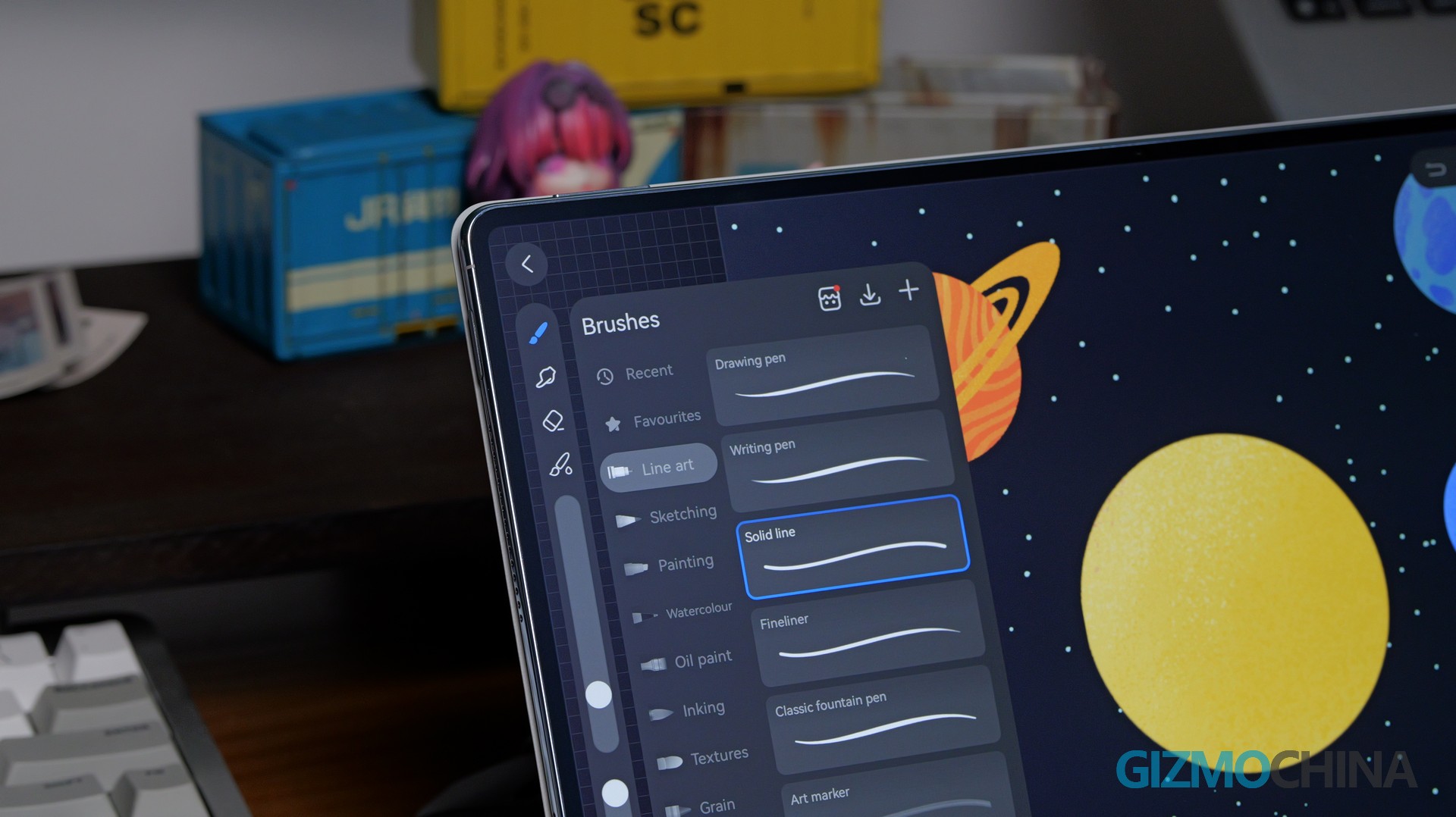
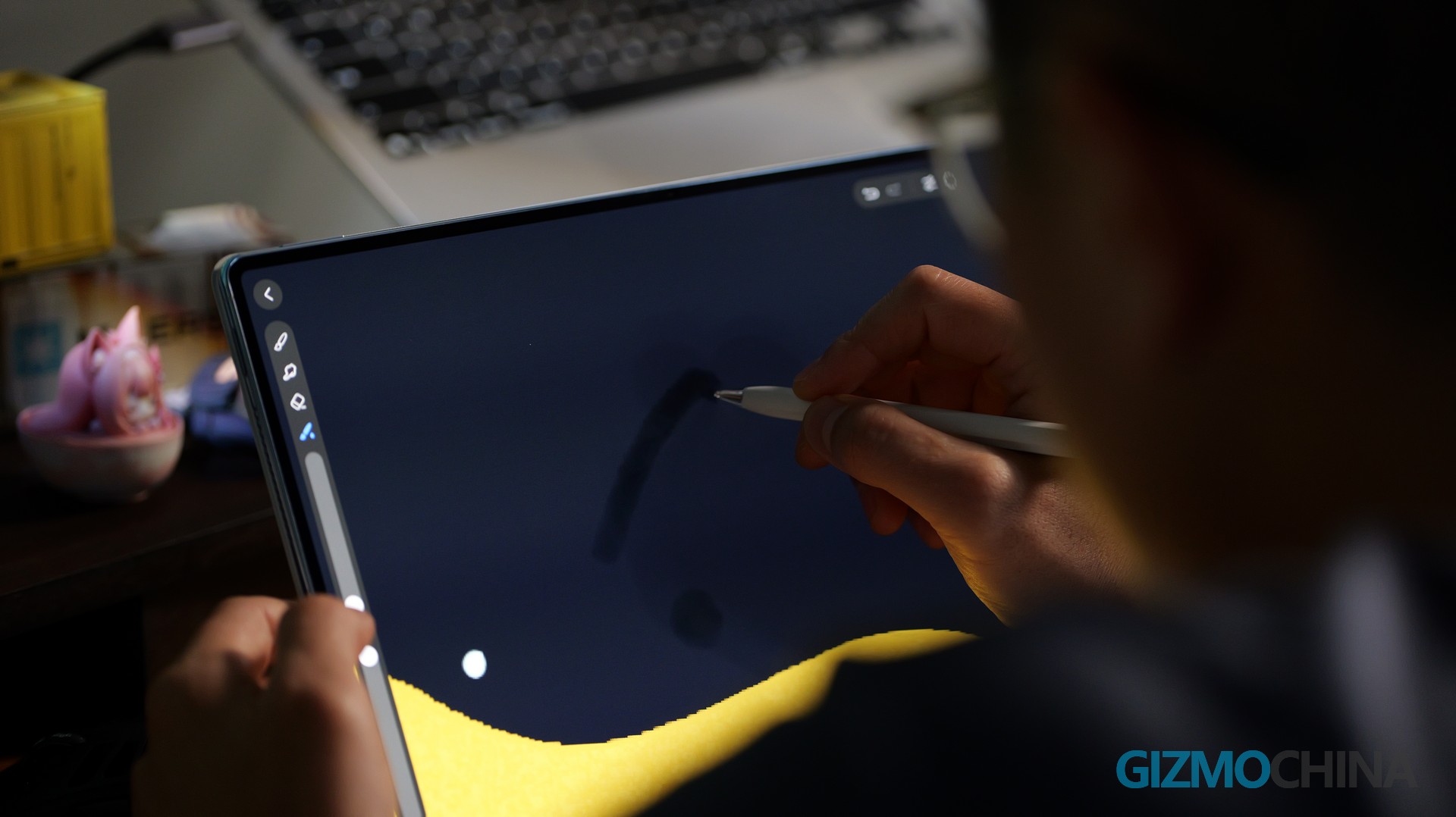
The M‑Pencil Pro (sold separately) pairs beautifully, especially with the PaperMatte screen where the etched glass gives real paper‑like friction. The GoPaint app isn’t a throwaway—brush strokes have natural ink bleed, and the smart colour palette pulls suggestions from your drawing, making it way more than “good enough” for sketching, storyboarding, or visual notes. But the surprise hit was the AI handwriting beautification in HUAWEI Notes—my handwriting is barely legible, and toggling it on transforms my scrawl into neat, natural‑looking script without turning it into robotic print. That alone made me take more notes.
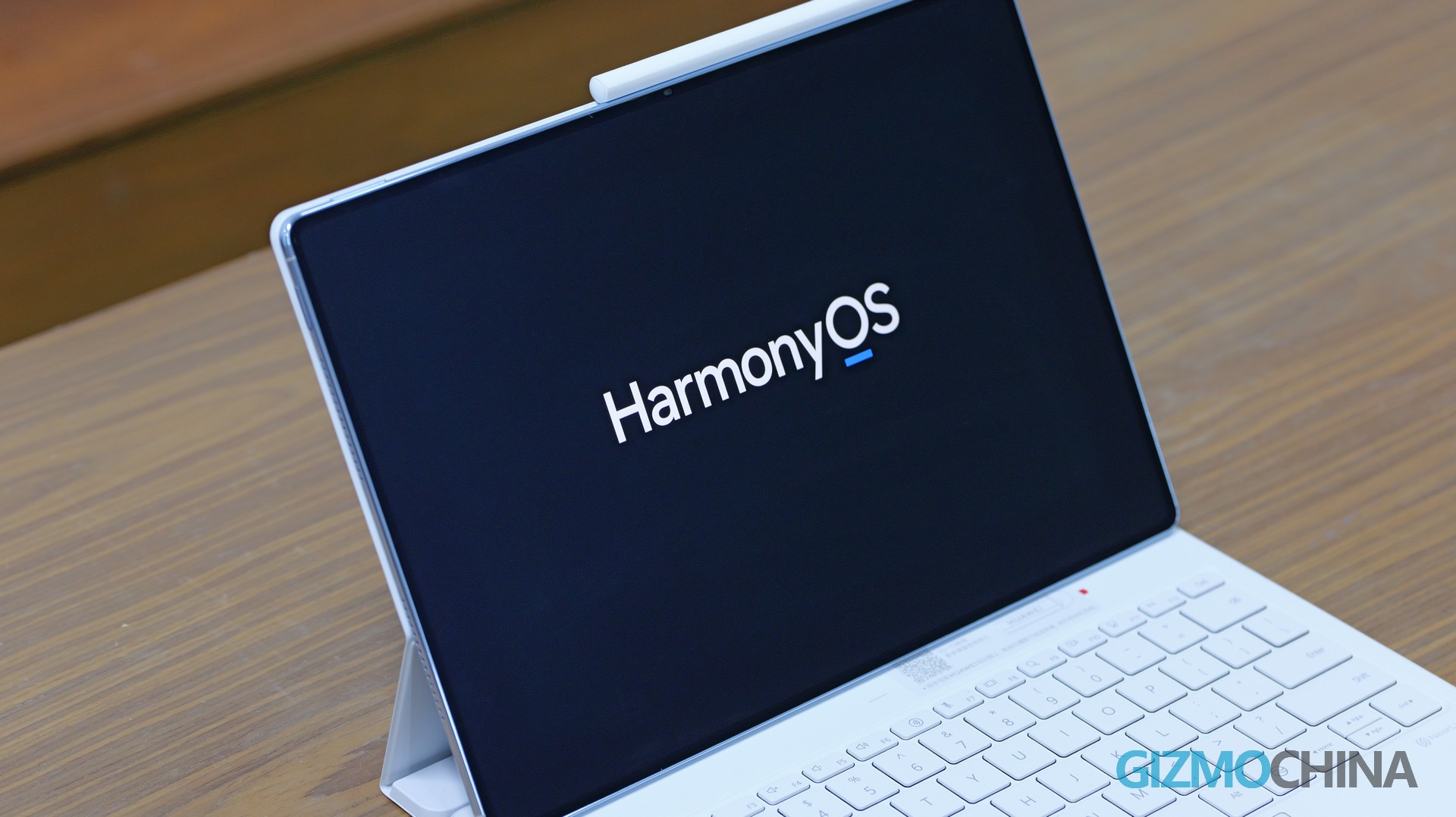
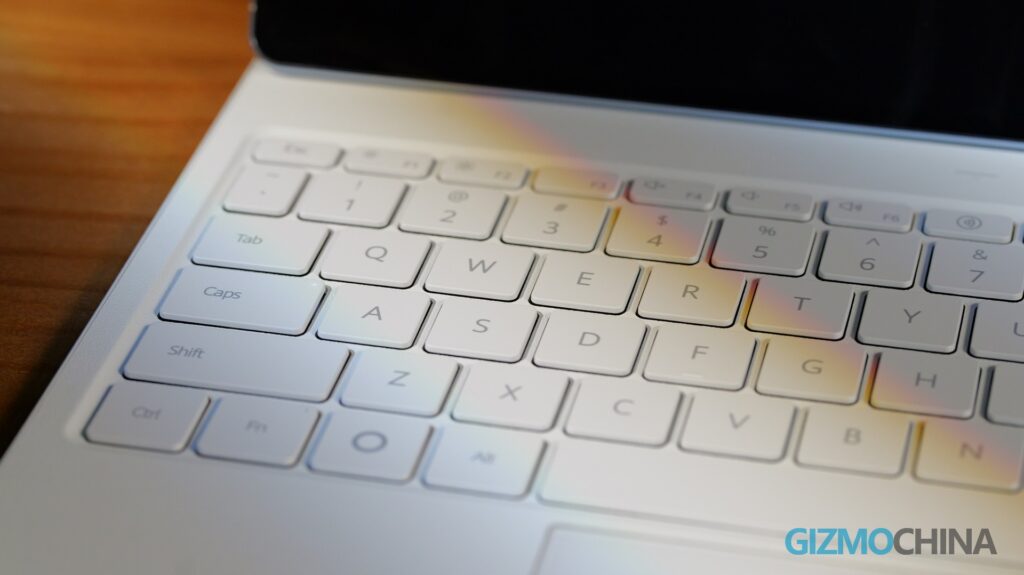
The Glide Keyboard has short key travel but snappy feedback, fine for banging out a 2,000‑word article in a pinch. The fatal flaw? No cantilever hinge. The tablet lies flat on the keyboard base—no floating angle like a Surface or iPad Pro. On a desk, it’s fine; on your lap, bed, or couch, the fixed low angle gets awkward fast. So productivity isn’t about replacing your workstation; it’s about making you actually want to pull this out of your bag to sketch, write, and stay in the flow.
Performance, Battery, and Heat
Under the hood, the international model runs Huawei’s Kirin T93 Pro chip with up to 16GB RAM, and daily tasks like notes, video, and office apps are flawless. Push it with heavy video renders or Honkai: Star Rail, though, and frame rates stutter a bit, with heat building around the upper‑middle section. Thermal management is surprisingly good—thanks to dual‑layer VC cooling, it gets warm but never hot, even during long video calls, with no throttling. Battery life is rated at 14.5 hours of local video playback; in my real‑world mix (Wi‑Fi, 50% brightness, two hours of video calls, three hours of docs, one hour of gaming), it lasted about ten hours—enough for a full workday and commute. And that 40W reverse wired charging is a lifesaver when your phone is gasping for juice.
Final Verdict
Of course, no product is perfect. The keyboard’s flat design is a genuine ergonomic pain for lap use, and the professional software ecosystem, while growing, still isn’t a full desktop replacement. And at £999.99 in the UK, it’s firmly in flagship territory.
So who is this for? The MatePad Pro Max is a laser‑focused, even specialised, flagship that puts extreme portability and an uninterrupted big screen above all else, making deliberate trade‑offs in pro performance and form factor. It’s perfect for heavy document readers and mobile workers who live out of a bag, for anyone ultra‑sensitive to weight who wants something they can forget they’re carrying, for media junkies who crave an immersive panel with great speakers, and for sketchers and note‑takers who need a digital notebook that feels natural. The moment you hold it, every spec‑sheet anxiety melts away under that barely‑there weight. It doesn’t try to replace your laptop—it wants to be the screen you actually want to take with you. Sometimes, subtraction takes more guts than addition, and Huawei just proved it.

 Login
Login