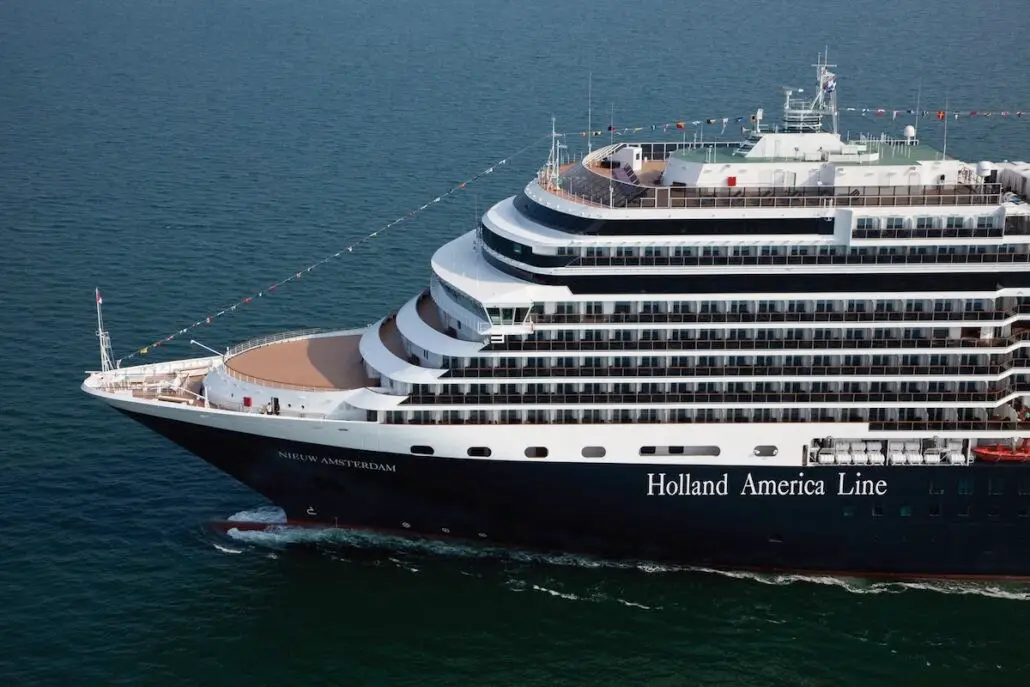
Holland America Line has increased both its daily gratuity rate and its onboard service charge.
The daily crew appreciation fee is now $18 per person, per day for guests in standard cabins, up from $17. Suite guests will pay $20 per day, up from $19. Holland America last adjusted these rates in February 2024.
The one dollar increase breaks down to be a 5.9% increase for standard cabins ($17 to $18) and a 5.3% increase for suites ($19 to $20).
Service Charge Also Increases
In addition to the increasing the daily gratuity that is automatically charged, Holland America raised its service charge on onboard purchases from 18 to 20 percent. That charge applies automatically to beverages, specialty dining cover charges, a la carte menu items, bar retail purchases, and spa and salon services.
The move mirrors what Carnival and Princess have recently done. Princess Cruises raised its service charge from 18 to 20 percent earlier this year, and Carnival made the same move.
No doubt aware that this type of change is never well received by the cruising public, Holland America opted not to make a formal announcement or send a press release. Rather, word began spreading amongst cruisers after they noticed an update to the line’s website outlining the changes.
How the Daily Gratuity Works
The daily fee is automatically added to each guest’s onboard account and pooled with charges from across the fleet.
The cruise line’s website says, “Crew Appreciation is Holland America Line’s approach to gratuities, designed to recognize the many team members who support your journey, including those you see every day and those working behind the scenes.”
Guests can request an adjustment at Guest Services before their account is finalized prior to disembarkation.
How Holland America’s Rate Compares
For context, Princess Cruises currently charges $18 per day for standard cabins and $20 for suites, putting it on par with Holland America’s new rates.
Celebrity Cruises charges $18 per day for most cabin categories, rising to $19 for Concierge Class and AquaClass, and $23 for The Retreat suites. Carnival Cruise Line’s updated rates also took effect April 2.
For a seven-night cruise, two guests in a standard cabin will now pay $252 in crew appreciation charges, up from $238 at the previous rate.
If you have a cruise booked, there’s a new line item you may want to watch for: a fuel surcharge.
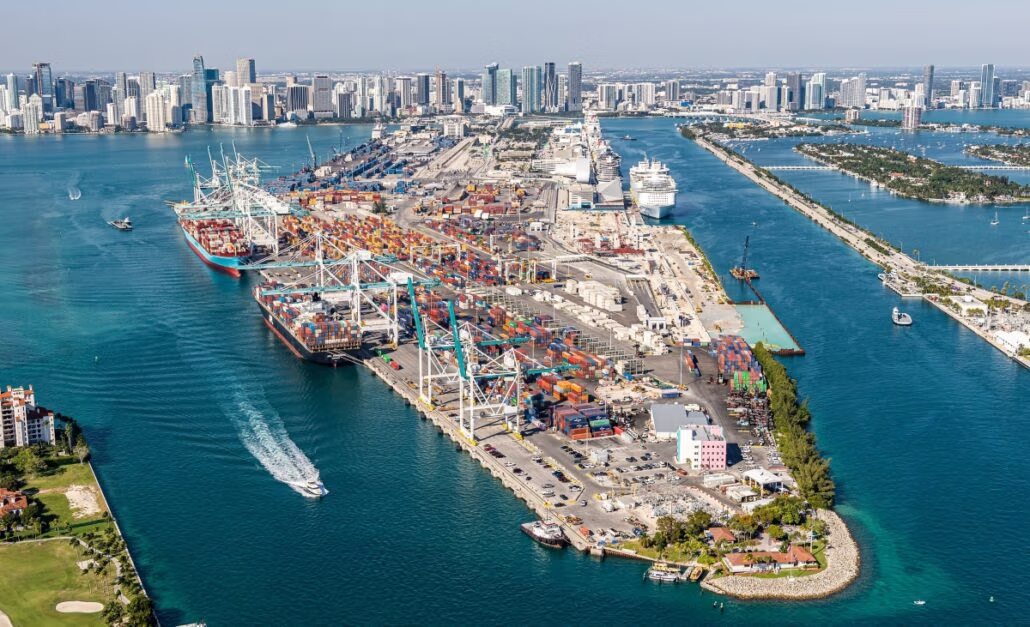
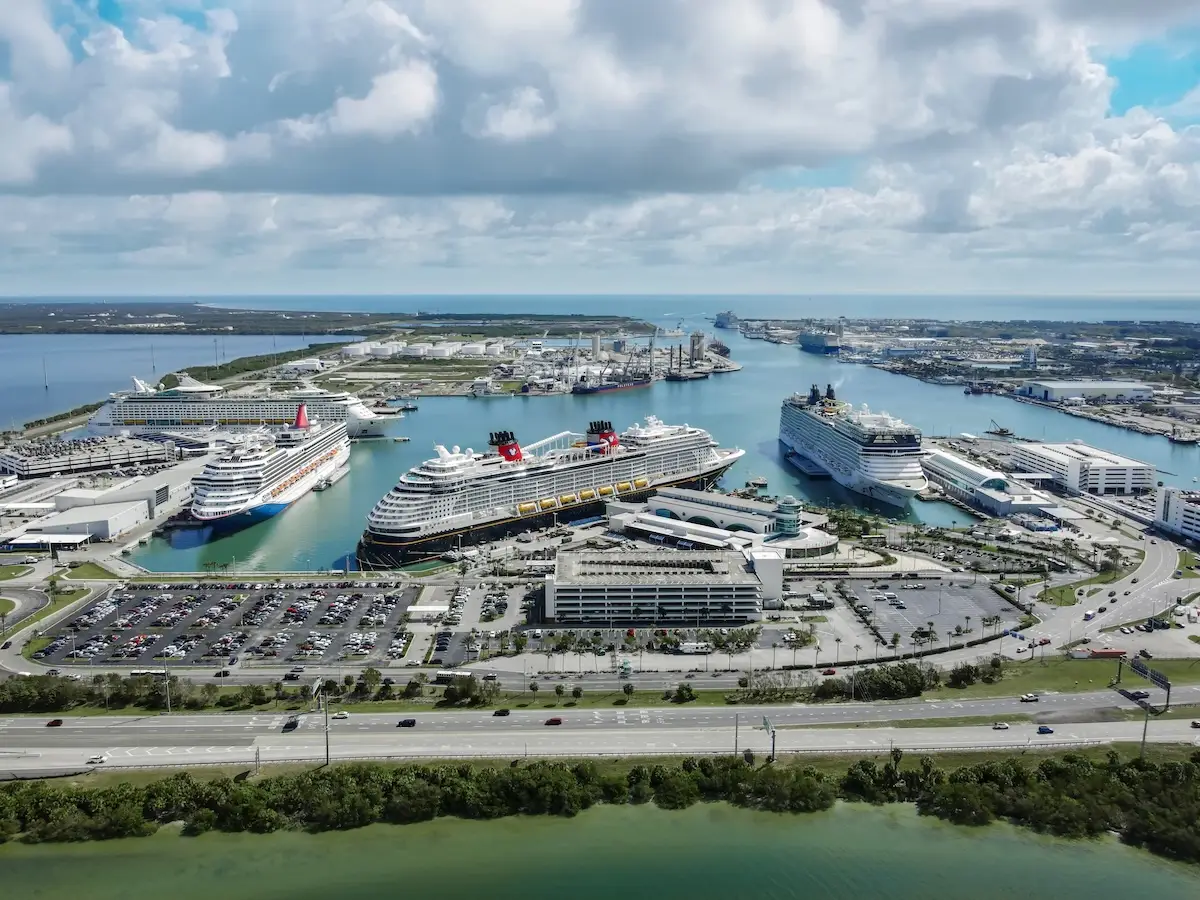
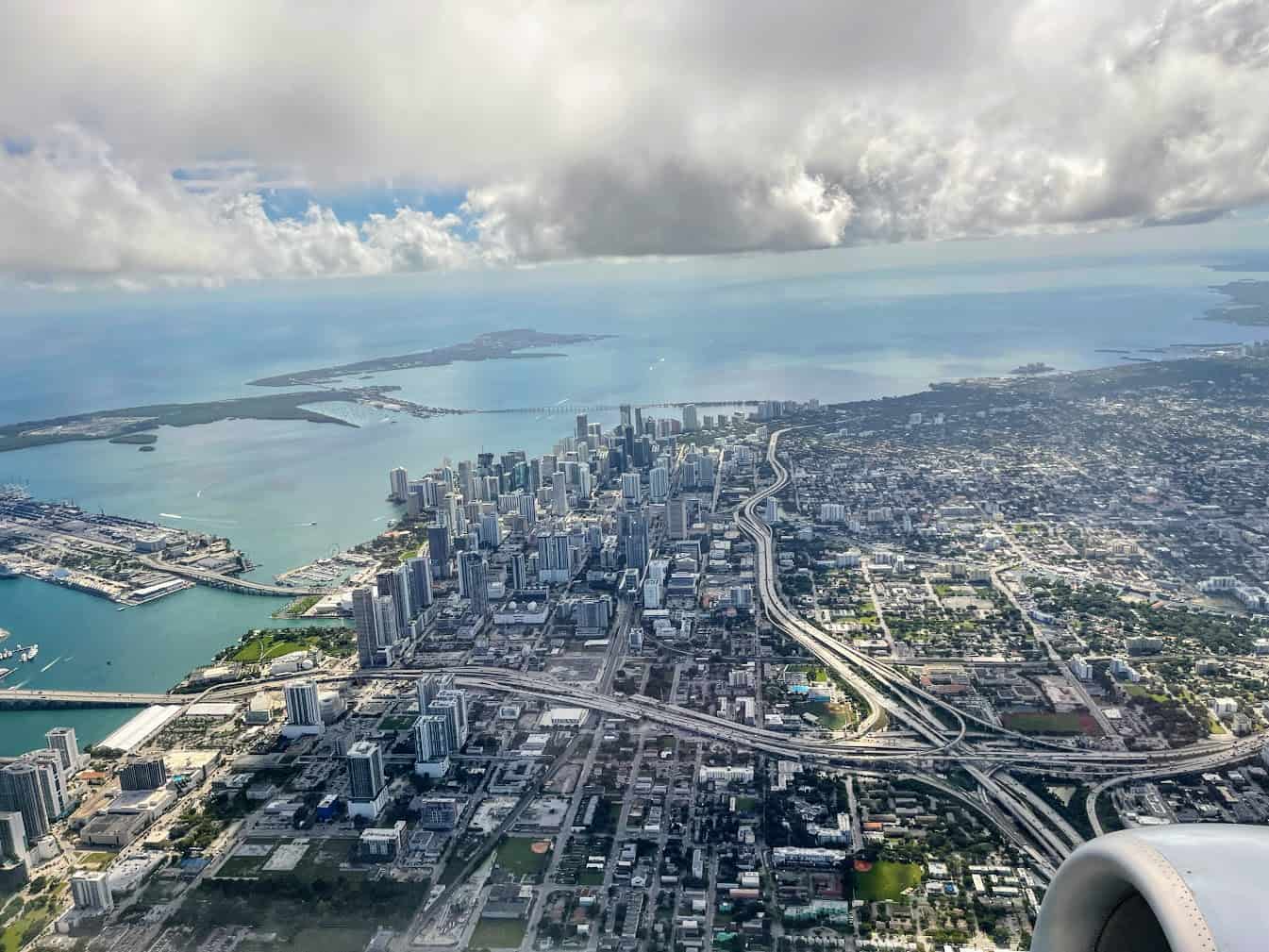
(Photo courtesy of PortMiami)
With oil prices climbing sharply since the start of the Iran conflict in late February, cruise passengers are asking whether the major lines will start passing those costs along. Two Asian cruise brands already have, and industry experts say others could follow.
What’s driving the concern
Since the Iran conflict began on February 28, global oil prices have jumped more than 40%, with Brent crude topping $100 per barrel amid disruptions in the Strait of Hormuz, according to reporting by MarketWatch. That’s well above the trigger thresholds written into most cruise contracts.
Cruise fuel costs are significant. Carnival Corporation spent more than $1.8 billion on fuel in 2025 alone, and Royal Caribbean Group spent roughly $1.1 billion.
Two lines have already acted
(Photo courtesy of Resorts World Cruises)
StarCruises and Dream Cruises, both operated under Resorts World Cruises, notified passengers on March 17 of new fuel surcharges that took effect for bookings made on or after March 20.
StarCruises is adding HKD 200 per person per night, which works out to about $25 per guest per day. Dream Cruises is charging SGD 15 per person per day, or roughly $12, on Genting Dream sailings out of Singapore, Port Klang, and Malacca.
“Due to recent geopolitical developments in the Middle East, oil prices have increased significantly, leading to higher fuel and related costs,” the companies said in letters to passengers.
Closer to home, one U.S. cruise line is already charging passengers a fuel surcharge and has been for nearly two years. Margaritaville at Sea has collected a $15 per person per night fuel supplement on sailings aboard the Paradise since June 2024. The fee does not apply to the line’s newer ship, the Islander, which launched from Tampa in 2024.
What the major lines say now
For now, the three biggest cruise companies are holding the line. Norwegian Cruise Line said it does not expect “any immediate impact on ticket prices or the guest experience.” Carnival said it has “no plans to change our current pricing model.” Royal Caribbean did not respond to requests for comment from MarketWatch.
But the fine print in cruise contracts tells a different story. Norwegian reserves the right to impose a surcharge of up to $10 per passenger per day with no prior notice if West Texas Intermediate crude tops $65 a barrel.
Carnival’s contract allows up to $9 per person per day above a $70-per-barrel threshold. Oil is currently trading well above both levels. MSC Cruises has a cap as high as $12 per person per day under similar conditions.
Crucially, these surcharges can be applied even after a cruise has been paid in full.
The math adds up fast. A family of four on a seven-night sailing could see an extra $252 added to their bill under Carnival’s contract terms, or $280 under Norwegian’s policy, if either line chose to act.
Fuel Purchasing Strategies
Not all cruise lines are equally exposed to rising oil prices.
Royal Caribbean has hedged roughly 60% of its fuel needs for 2026, giving it a financial buffer against the current spike and helping explain why the line has said it will not impose surcharges.
Norwegian Cruise Line also uses fuel hedging strategies to lock in costs in advance.
Carnival Corporation is a different story. The company does not hedge fuel purchases at all, making it the most directly exposed of the three major cruise groups to oil price swings.
That vulnerability is already showing up on Carnival’s bottom line. When the company reported first quarter results, it cut its full-year earnings guidance, absorbing more than $500 million in adverse fuel cost impacts compared to earlier projections.
Maritime attorney Michael Winkleman, told MarketWatch that cruise contracts are written to give lines flexibility. The cruise contract is a powerful document entirely in favor of the cruise lines,” he said.
The last time cruise passengers actually paid fuel surcharges on a widespread basis was nearly 18 years ago, during the 2007-2008 oil price spike that pushed crude above $100 a barrel.
I have sailed every Holland America ship except the Zaandam. So when I tell you the Volendam surprised me, that means something.
Not because it is new. It is not. Not because it is packed with amenities. It is not that, either. The ship surprised me because in a landscape where bigger supposedly means better, the Volendam reminded me what cruising felt like before square footage became the primary selling point.
First Impressions
The Volendam is just under 800 feet long and carries 1,400 guests across nine decks, ten if you count the forward sun deck.
On embarkation you find yourself on deck three, which opens into an atrium that is more understated foyer than grand entrance. If you are expecting the soaring multi-deck atriums found on newer ships, reset those expectations at the gangway.
Deck four handles guest services, deck five is the main artery connecting the casino to the Ocean Bar, and deck eight is the Lido.
Three decks cover almost everything you need, and you can walk the length of the ship in a couple of minutes. After navigating ships where you need a map just to find the main dining room, that simplicity was welcome.
The hallways are lined with framed photos of past Holland America ships. It is a small detail but a telling one: This is a line that knows its roots.
The Stateroom
My oceanview stateroom, cabin 1921, sat on the aft end of deck one. For a ship launched in 1999, last upgraded in 2024, it has held up well.
The bed was comfortable, the shower had a glass door instead of a curtain, and the water pressure was good with Elemis bath products in the shower and sink.
Storage was the real standout. Three large closets, multiple drawers, room under the bed for luggage, and additional drawers at the foot of each bed. These ships were designed for longer voyages and the storage reflects that.
No living out of a suitcase here!
The furnishings are worn the way an older ship’s furnishings should be: Lived in, not neglected. The TV ran smaller than what you’ll find on newer HAL ships, and there was a slight vibration at the stern during docking. At sea the cabin was quiet.
The natural light through the oceanview window was better than expected given how low in the ship’s structure it was located, giving you a mix of waterline and horizon that made for good sunrise and sunset photos.
If you are stepping off a Pinnacle-class ship (Koningsdam, Nieuw Statendam, or Rotterdam), temper your expectations on the finishes.
Dining
Lido Market
I tended to do most breakfasts and lunches in the Lido Market, and it earned that loyalty quickly. The salad bar stood out because the staff builds it for you to order rather than serving yourself. I ordered it nearly every day. The seared tuna was consistently fresh, and I worked my way through the rest of the buffet offerings throughout the week. Lasagna, steak… I tried it all. And the late-night pizza was a major hit.
Then there was the bread pudding with vanilla sauce. I had three bowls one afternoon. I am not proud of it, but I’m not sorry either. If you sail the Volendam and skip the bread pudding, you have made a serious mistake.
Main Dining Room
The main dining room on the Volendam spans two decks, which gives it a sense of scale you would not expect on a ship this size. It is an elegant space and a reminder that Holland America has always taken dining seriously regardless of the ship.
I ate there twice during the segment. The french onion soup was a solid starter, the steak was cooked to order, and the lobster pretty decent.
Nothing blew me away but everything was done correctly, which is its own kind of consistency. What stood out more than the food was the service. The team checked in regularly, coming out specifically to ask if the steak was cooked to my liking.
Pinnacle Grill
The Pinnacle Grill is Holland America’s signature steakhouse and a fixture across the fleet. On the Volendam it sits on deck four and is worth the supplement for a special night. Because it does not have ocean views on this class of ship, windows instead look out onto deck four. But don’t worry, not a lot of people use deck four!
I ordered the steak with a side lobster and the size of the crustacean was almost embarrassing. It was nearly the size of a football! The server extracted it from the shell without being asked, which I appreciated more than I let on. That would have been a challenge!
But the real standout was the clothesline candied bacon. If you have sailed Holland America before you already know. If you have not, order it. I have been getting it for years across multiple HAL ships and it never misses the mark.
It is the kind of thing where you half-jokingly consider ordering it for dessert and then realize there is no reason not to.
Canaletto
Canaletto is Holland America’s Italian venue and it’s tucked within a section of lido buffet, which gives it a different feel than a standalone restaurant but works well in practice.
We went on the final night and the food came in waves. We started with antipasto for the table.
I followed with ordering the meatballs. The chicken parmesan came next and was a solid finish to the meal.
If I had one note it is that the portions are generous to the point where pacing yourself early matters. As with any Italian restaurant worth its salt, the meal was topped off with homemade tiramisu.
Dive In
The Dive In is Holland America’s poolside burger spot and a good option for that gap between lunch and dinner when you need something to munch on but you’re not ready to commit to a full-blown sit-down meal.
The lettuce wrap burger was the move. The lettuce replaces the bun entirely and it works better than it sounds. The hotdog was also genuinely good and worth ordering.
However, I’d skip the cheese fries, where the topping’s watery consistency gave a goopy pool collecting at the bottom of the box. Everything else on the menu made up for that (perhaps a sign I did not need to eat the fries!)
Pools and Lido Deck
Deck eight runs the length of the ship’s outdoor area and has two pool areas worth knowing about. The main Lido pool sits midship and is the social hub during sea days, with the Dive In nearby and plenty of lounge seating in the area.
The aft pool is a quieter alternative if you want the water without the crowd. On a ship of 1,400 guests neither pool ever felt overwhelmed, which is a luxury you do not always get at sea. There’s also a retractable dome over the lido pool that can close during inclement weather.
The Lido deck overall never the chaotic scene you find on larger ships during a sea day, which fit the overall tone of the Volendam perfectly.
The Crow’s Nest
If there is one space on the Volendam that deserves a special shout-out, it is the Crow’s Nest on deck nine forward. This was hands down my favorite spot on the ship.
With gorgeous 270-degree views from the front of the ship, you see nothing but water and horizon in every direction. During scenic cruising it is unmatched.
The space doubled as a trivia venue during the day, had a coffee bar and a full bar for the evenings, and was consistently quiet enough at night to get work done without feeling like you were hiding from the rest of the ship.
If you are a remote worker like myself, or just someone who appreciates a good view with a drink in hand without being out in the weather, find a spot early and make it yours. As an added bonus, the Starlink internet service seemed to be blazing up there!
Entertainment
There’s a very “something for everyone” feel when it comes to entertainment on the Volendam. The highlight of most evenings for me was the live band in the Ocean Bar on deck five, which played to a good-sized crowd until around midnight. The nearby Piano Bar served as a natural next stop when the Ocean Bar wound down for the night.
World Voyages and similar long cruises are different from your typical sailings in that there aren’t a lot of big, splashy, jukebox musicals. Although make no mistake, they are still there.
Instead, the World Stage theater hosted an ever-rotating variety of performers. During my time on board, there was electric violinist and a magician. This spot also played host to enrichment talks and other programming, especially on sea days.
Casino
What the smallish casino lacked in square footage it made up for in energy, especially late at night when the Ocean Bar crowd made their way over.
The table games like blackjack, roulette, and craps stayed busy throughout the segment and the slots had a good mix of machines. Newer games like Buffalo Gold, Dragon Link and Super Flaming Hot Pots were joined by classics like the one I can never resist: Wheel of Fortune (which also lets me down!).
I donated my fair share to the cause, which was promptly claimed by the woman next to me who hit $500 and $576 on back to back nights!
The spa, basketball and pickleball courts were also extremely popular on sea days.
The Crew
The crew is where Holland America has always separated itself from the competition, and the Volendam was no exception.
The ship is predominantly staffed by Filipino and Indonesian crew members who bring a level of warmth and genuine hospitality that is hard to replicate.
What stood out most was the small things. Crew members remembered your name after meeting you once. Remembered your order. The person polishing the staircases in the morning greeted you like a long-lost friend.
Who Is This Ship For?
As cruise ships get bigger, it can be increasingly difficult to feel connected to the sea or the people around you. Those looking for bells and whistles don’t mind, but others (like me) sometimes miss the low-key joy of quiet moments spent staring at the ocean while contemplating everything and nothing.
That latter group is who Volendam is meant for.
Those wanting Broadway shows and ziplines aren’t going to get their needs met here. But folks who value conversation and community over bells and whistles will find themselves feeling right at home aboard Volendam.
The passengers ranged from their 30s to their 90s, and Holland America’s reputation as it’s only for old people did not hold up for a single day onboard. Some of these passengers ran circles around me in the heat of Southeast Asia. Not to mention kicking my butt in pickleball!
Book it for a segment and you will leave looking at longer voyages. That is probably the most honest thing I can tell you, and the highest compliment I could possibly pay this ship and her crew.
If you’re a cruise enthusiast who spends any time at all “doomscrolling” Instagram, you’ve no doubt come across the video. You know, the one showing a simulation of “what happens if you fall off a cruise ship.” But let’s talk about what that video gets wrong… and what it doesn’t tell you.
Fear Factor
(Photo courtesy of Shutterstock)
Created and shared by an Instagram account called AxiomPixels, the video starts by showing a person standing at a ridiculously low railing and going overboard. “What happens if you fall from a cruise ship and no one sees you?” the voiceover and accompanying graphic ask.
The reel — which has been viewed over 5 million times and can be found here — goes on to describe this truly terrifying scenario and what would likely happen next. It talks about the force with which your body would hit the water and that “within 10 minutes, the glowing ship is just a speck of light on the horizon.”
‘It’s A Terrifying Reality’
The short clip goes on to ask how long the viewer thinks they’d be able to tread water in the dark, especially as the freezing water “instantly saps your body heat.” While no potential survival tips are included, the video does end by dubbing the situation “a terrifying reality” adding, “In fact: Over 30 people go overboard on cruise ships every single year, and most are never found.”
Crew members take part in muster drill. (Photo by Richard Simms/CruisingTips.com)
Perhaps they should preface that last number by “almost fact” given that the true number of annual man overboards is more in the 20-25 range. According to an industry report, there were 19 “man overboard” incidents.
According to a report from CLIA (Cruise Lines International Association), 218 passengers and crew were reported as having gone overboard. Of those, 48 percent were successfully recovered.
What That Cruise Ship Viral Video Omits
What’s important to note — and not mentioned in the fear-inspiring video — is that approximately 37 million people from all around the world cruised in 2025. It’s projected that in 2026, a record-breaking 21 million Americans will board ships.
If 30 people out of 37 million were to falloverboard, that words out to somewhere in the vicinity of 0.000086%. Call us crazy, but those are pretty good odds.
The other thing not mentioned in the viral video is that, simply put, people do not “fall off” cruise ships, at least not without a bit of effort. The fast majority of those who do are either taking a purposeful action or doing something that that goes against both the rules and common sense. Alcohol also plays a role in many incidents, with people who’ve had too much to drink making foolish decisions or taking deliberate actions.
Ultimately, like so many videos which go viral, there’s more to the story than meets the eye, let alone can be explained in so short a format.
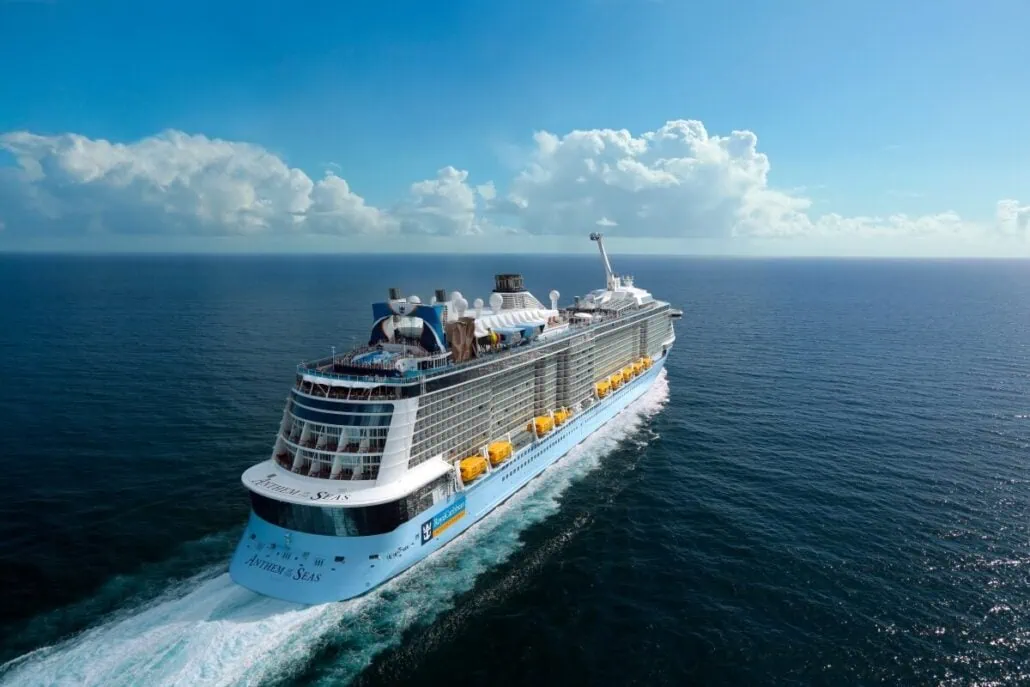
The death of a cruise ship guest prompted a police investigation in New Zealand. The incident was reported as a “sudden death” aboard Royal Caribbean’s Anthem of the Seas during a 12-night cruise of Australia and New Zealand.
New Zealand police investigate ‘sudden death’ on Anthem of the Seas
The door was sealed with security tape until authorities could investigate the stateroom.
The death occurred during the ship’s approach to its first port call at Waitangi, Bay of Islands, at around 1:45 a.m. on March 25. New Zealand police were immediately notified and officers were waiting at the pier when the ship arrived several hours later.
At around 1:45 a.m., police were notified of a death on board the Anthem of the Seas cruise ship which was arriving from Sydney, Australia,” a New Zealand Police spokesperson said. “They are making enquiries into the person’s death on behalf of the coroner.”
Royal Caribbean says it is cooperating with NZ police
(Photo courtesy of Royal Caribbean)
Royal Caribbean confirmed the incident and said it is cooperating with authorities. “We are saddened by the passing of one of our guests. We are supporting authorities in their investigation.”
No further details have been shared regarding the cause of death or the circumstances leading up to it. Police have not indicated whether the death is being treated as suspicious, and the identity of the passenger has not been released. It is unclear whether other guests aboard the ship have been informed.
The 12-night roundtrip voyage departed Sydney on March 22 and includes stops at Waitangi, Napier, Wellington, Lyttelton-Christchurch, Dunedin, and Fiordland National Park before returning to Sydney on April 3.
Unrelated to the incident, the ship was forced to skip a scheduled port call at Tauranga due to severe weather from a subtropical low-pressure system.
The Anthem of the Seas is a Quantum Class ship that can accommodate up to 4,180 guests and approximately 1,500 crew members.
Cryptocurrency is starting to find a foothold in the cruise industry, with a small but growing number of lines testing digital payments for high-end travel.
(Photo courtesy of SeaDream Yacht Club)
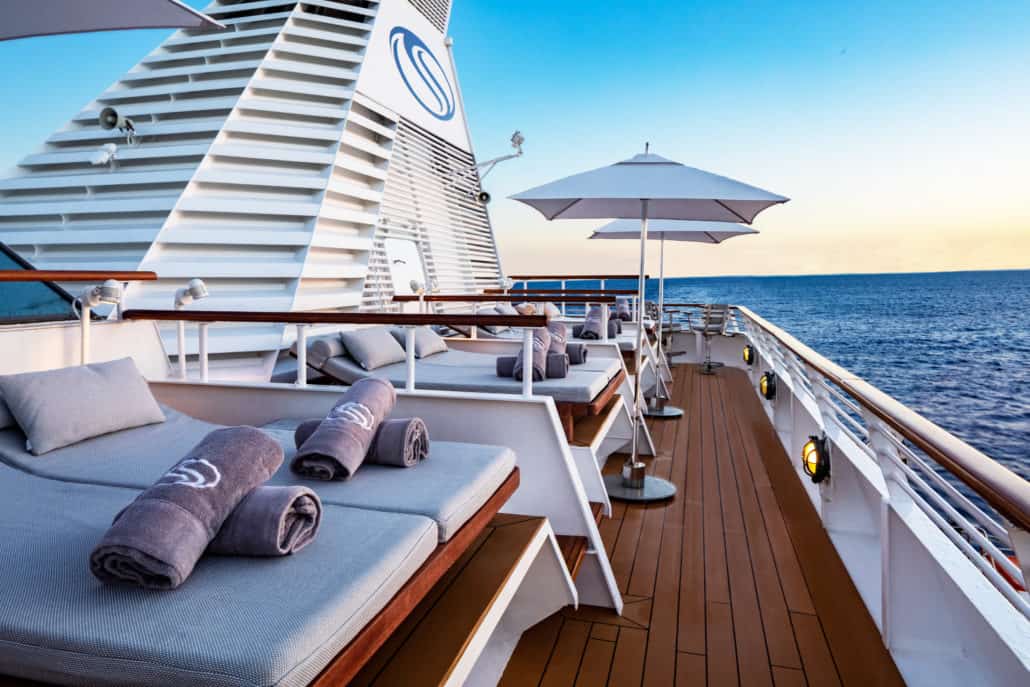
Ultra-luxury operator SeaDream Yacht Club recently became the first cruise line to accept a wide range of digital currency, including Bitcoin and Ethereum, for both individual bookings and full-yacht charters.
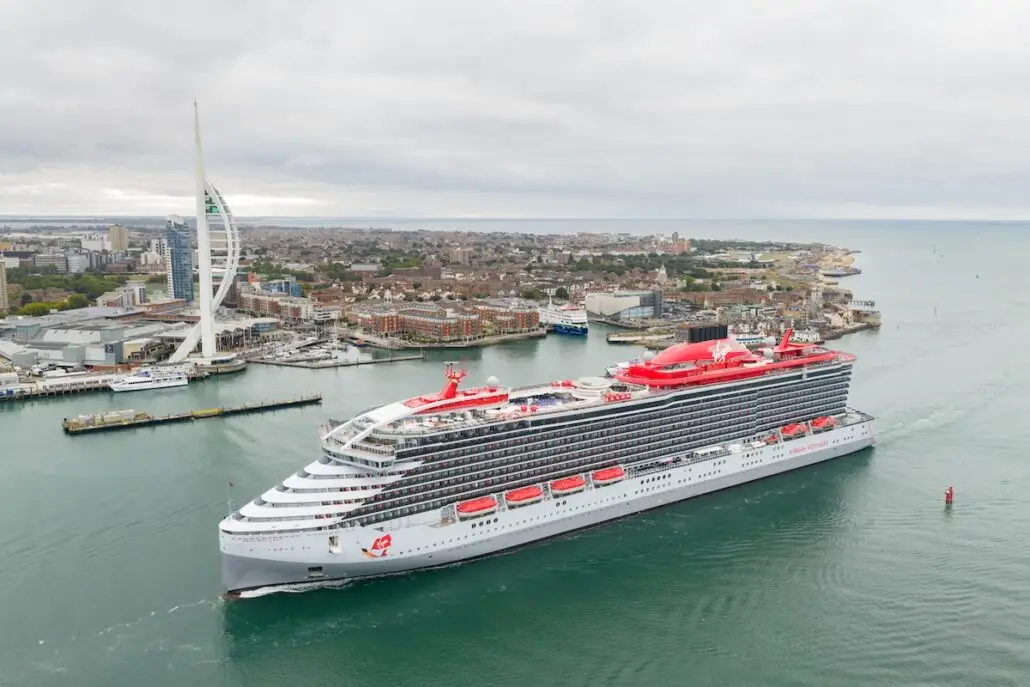
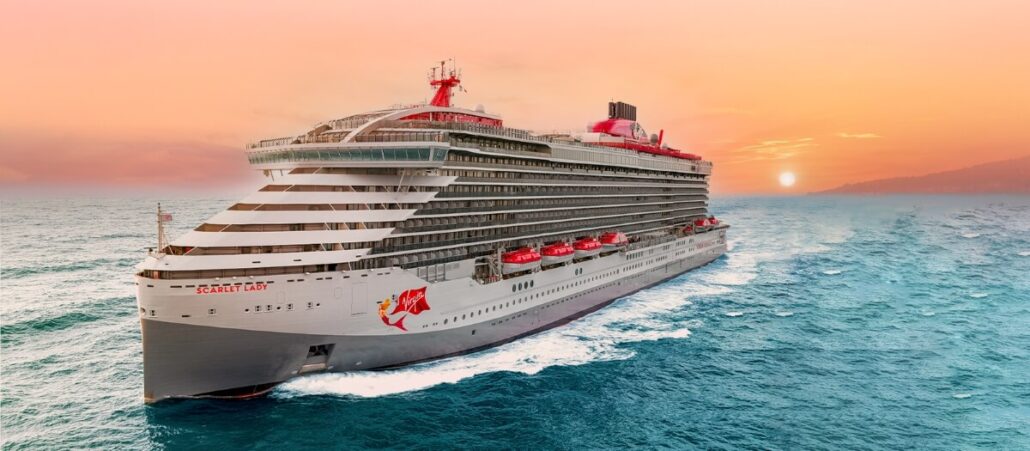
Now, Virgin Voyages is pushing that trend further into the mainstream, allowing Bitcoin as payment for its $120,000 annual cruise pass.
As digital assets gain wider attention, travelers are starting to see cryptocurrency less as a speculative investment and more as a usable form of payment.
Instead of navigating the technical side of mining or managing digital infrastructure, many are simply holding crypto in mobile wallets and using it for real-world purchases, including travel.
(Photo courtesy of Virgin Voyages)
For cruise lines, this shift removes much of the complexity and opens the door to accepting digital currency in a way that feels familiar, seamless, and aligned with how guests already book and pay for their vacations.
The growing appeal of these services reflects a wider market shift toward accessibility, automation, and convenience. For users exploring the Best Bitcoin Mining App category, cloud mining is increasingly being viewed as a lower-barrier option for participating in Bitcoin-related earning opportunities.
As platforms continue improving registration processes, account management tools, and automated service features, they are drawing interest from both first-time users and experienced crypto participants who prefer a smoother and more flexible digital experience.
At the same time, market observers note that this segment is expanding as more providers combine blockchain services with AI computing, scalable systems, and broader infrastructure capabilities.
Top 7 Free Bitcoin Cloud Mining Platforms Getting Attention
(Photo courtesy of Virgin Voyages)
As more users compare app-based mining services, several platforms are standing out for their accessibility, platform design, and beginner-friendly appeal.
1. BM Blockchain
BM Blockchain is creating a platform where users can use distributed computing power without worrying about managing complex hardware.
Instead of only focusing on traditional blockchain tasks, the platform combines AI computing, blockchain data handling, and scalable infrastructure to support the fast-growing digital asset world.
This broader model may appeal to users looking for more than a standard mining platform, especially those interested in infrastructure-focused services connected to the next stage of crypto development.
2. ECOS
ECOS is often recognized as a beginner-friendly cloud mining platform for users who want a more guided introduction to Bitcoin mining. Its contract-based structure, integrated account features, and mobile accessibility have helped make it a visible choice among first-time users.
3. CloudFenix
CloudFenix is gaining visibility for its mobile-first layout and simplified dashboard experience. It is often mentioned by users who prefer app-based access and a more straightforward path into cloud mining participation.
4. BeMine
BeMine is frequently included in platform comparisons by users who want a structured alternative to direct hardware ownership. Its service model is often discussed as a clearer entry point for remote mining access.
5. BitRidge
BitRidge has attracted attention for its AI-assisted optimization tools and mobile-friendly monitoring features. As automation becomes a bigger theme across digital asset services, it is often noted as a platform that combines efficiency with ease of use.
6. NiceHash
NiceHash is widely known for its marketplace-style model, allowing users to interact with mining power in a more flexible way. It is often associated with transparency, performance visibility, and a more customizable user experience.
7. AutoHash
AutoHash is often linked to a more automated mining experience designed for users who want a lower-maintenance approach. Its platform structure may appeal to those looking for a more hands-off way to explore app-based crypto earning.
Why This Segment Continues to Expand
Several factors are helping free cloud mining platforms gain more visibility in 2026.
One major reason is lower complexity. Many users want access to Bitcoin-related opportunities without the expense, maintenance, and technical demands that often come with operating mining hardware.
Promotional offers are also helping attract more attention. Signup bonuses, trial-style packages, and beginner-friendly plans give users an easier way to explore a platform before making a larger commitment. BM Blockchain’s $108 signup bonus is one example of how providers are reducing entry barriers.
Another reason is that many platforms are broadening how they position themselves. Rather than focusing only on mining, they are increasingly highlighting AI computing, blockchain data processing, scalable systems, and wider infrastructure support.
A Lower-Barrier Route Into Digital Assets
(Photo courtesy of SeaDream Yacht Club)
The continued rise of free Bitcoin cloud mining platforms shows that more users are looking for simpler and more flexible ways to participate in crypto. As the market develops, services that reduce technical friction and make access easier from the beginning are likely to remain in focus.
For many users, the search for the Best Bitcoin Mining App is becoming less about hardware and more about finding platforms that combine convenience, infrastructure strength, and attractive entry offers.
About BM Blockchain
BM Blockchain is creating a platform where users can use distributed computing power without worrying about managing complex hardware. Instead of only focusing on traditional blockchain tasks, the platform combines AI computing, blockchain data handling, and scalable infrastructure to support the fast-growing digital asset world. BM Blockchain currently offers a $108 signup bonus for new users.
For now, cryptocurrency remains a niche payment option in cruising, largely limited to luxury and experimental offerings.
But with SeaDream opening the door and Virgin Voyages applying it to a unique, more flexible product, the concept is gaining traction. If demand continues to grow, digital currencies could shift from a headline-grabbing perk to a more widely accepted way to pay for travel at sea.
The cruise industry is changing fast. For years, megaships with water parks, endless buffets, and Broadway‑style theaters were the symbol of seagoing vacations.
Now, more people are turning to smaller ships that carry fewer than 1,200 guests.
These vessels offer a different kind of travel: personal, flexible, and full of access to places the giants of the sea cannot reach. Travelers describe it as a quieter revolution in cruising, one that feels closer to boutique hospitality than mass tourism.
Entertainment also adapts to different settings: whether at home or even on a voyage, people look for small, accessible diversions such as Social casino in US, and the same taste for variety is reflected in the rise of small‑ship cruising.
Why Fewer Passengers Matter
(Photo courtesy of Windstar Cruises)
On a small ship, the ratio of crew to guests is higher. That means service feels personal. A bartender remembers your drink order by the second night.
Staff quickly learn names and preferences. The difference is not luxury for its own sake, but comfort that feels human. There are no 30‑minute lines at the buffet or crowds around every pool chair. Boarding and disembarkation take minutes instead of hours.
Comfort also comes from design. Ships with fewer cabins are easier to navigate, and guests often say the whole vessel feels like a floating club or private retreat.
It is easier to meet fellow travelers, which creates a friendlier onboard atmosphere compared to the anonymity of a 5,000‑passenger resort ship.
Access to Ports the Giants Cannot Reach
(Photo courtesy of Windstar Cruises)
The size of the ship directly influences where it can go. A 200,000‑ton vessel cannot sail into the narrow fjords of Norway or dock in the heart of Venice.
Smaller ships, like Azamara Quest with space for around 710 passengers, can tie up at smaller piers and reach towns where large vessels are banned or restricted. This means more time in the destination itself instead of long bus rides from industrial harbors.
Consider these examples:
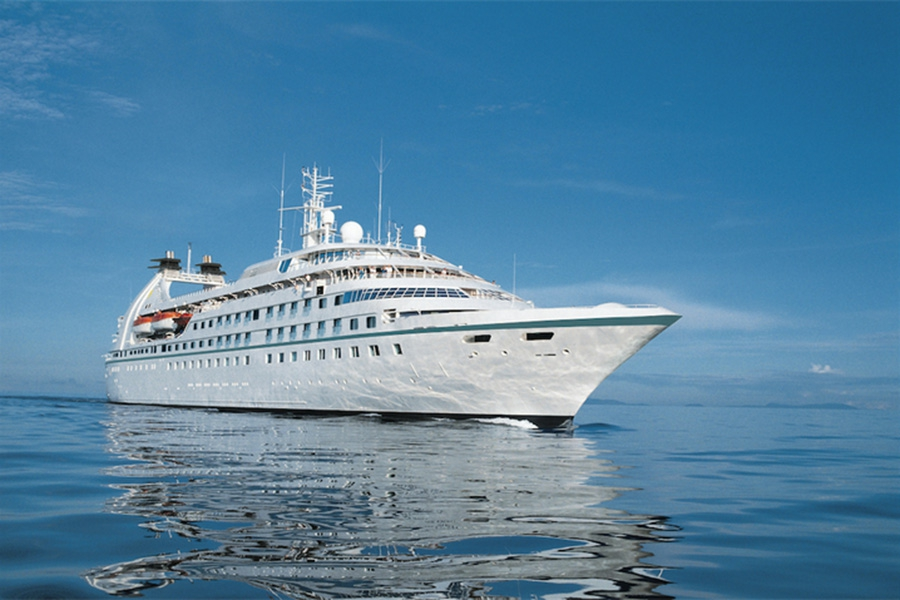
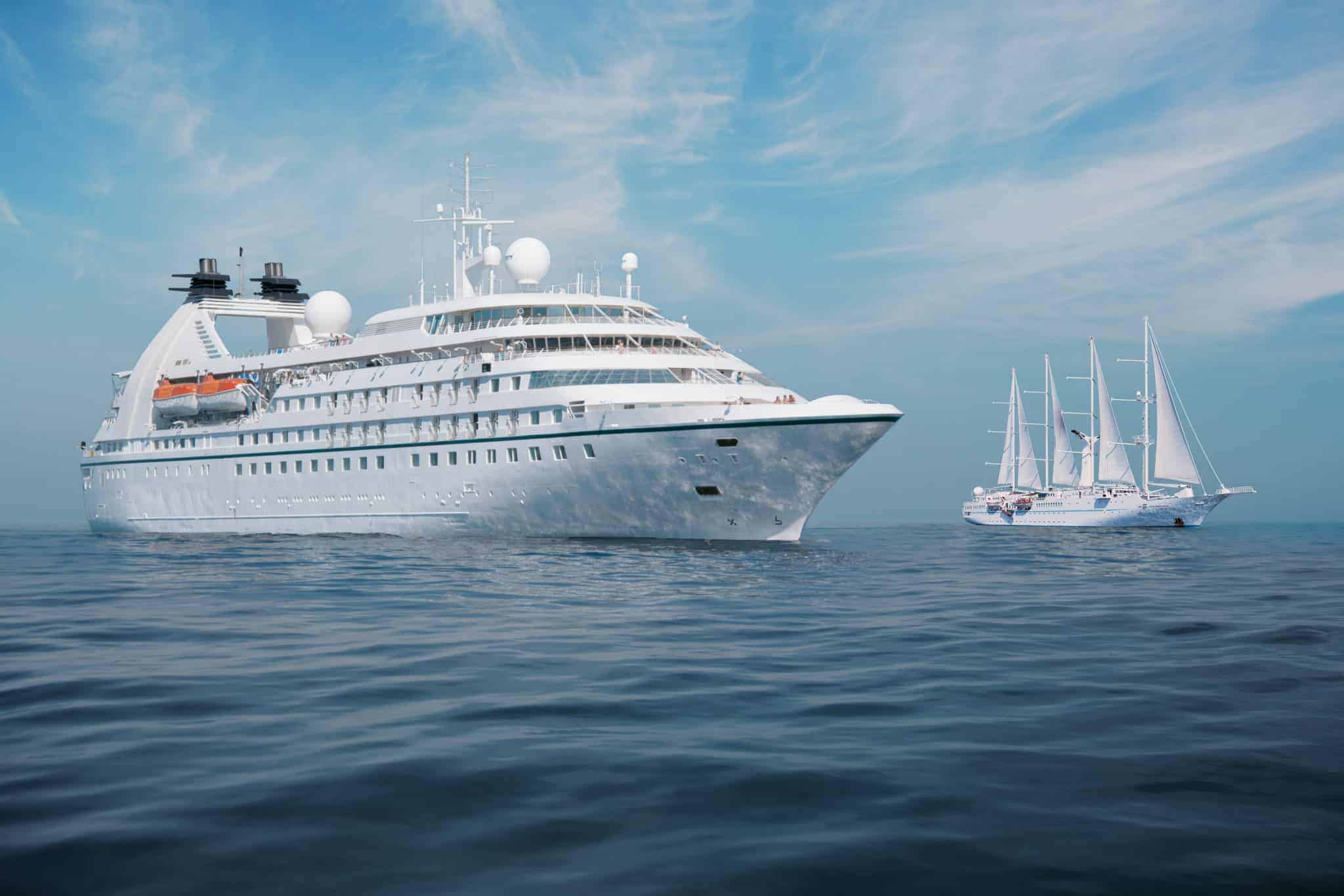
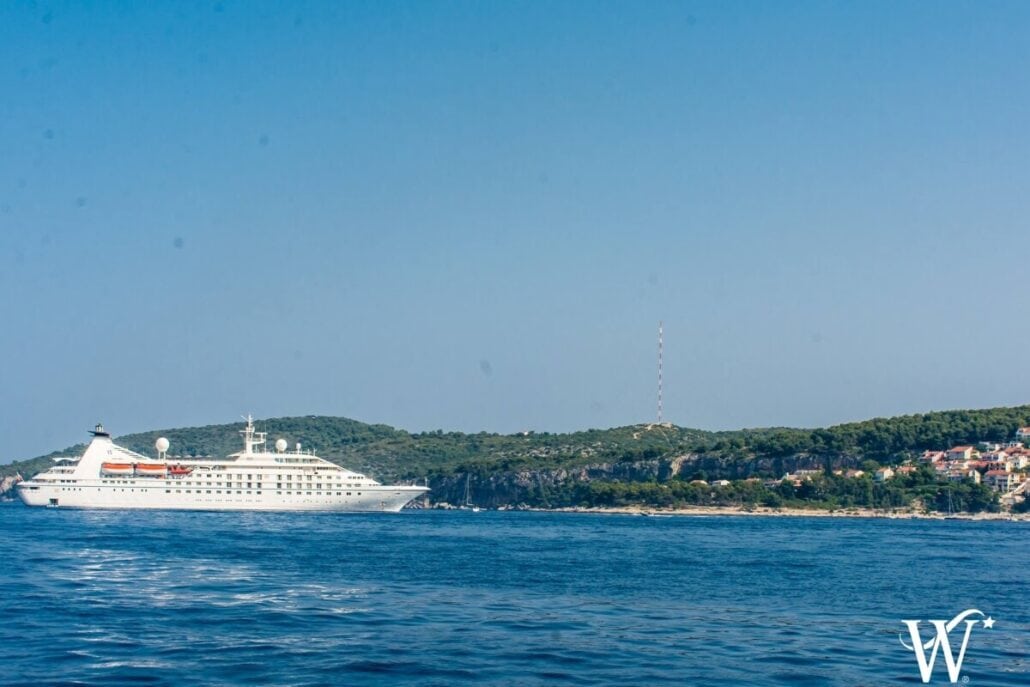
Windstar’s Star Pride takes just over 220 guests and regularly calls at hidden Mediterranean harbors where only yachts can anchor.
SeaDream I and II feel like private yachts with about 112 guests each, visiting tiny Caribbean islands far off the mainstream circuit.
UnCruise Adventures runs expedition ships for 22 to 88 guests in Alaska, letting travelers kayak or hike straight from the ship.
For travelers who value immersion, this flexibility is a strong advantage. It makes the journey more about discovery and less about logistics.
A Growing Fleet of Luxury and Expedition Ships
Data from Cruise Lines International Association (CLIA) shows steady growth in the small‑ship segment. In 2010, fewer than 30 vessels in the ultra‑luxury category were in service.
By 2024, the number had climbed close to 100, with more new builds announced through 2028. Demand keeps rising, especially for itineraries that combine luxury with remote destinations like Antarctica or the Galápagos.
Some notable ships in this category include:
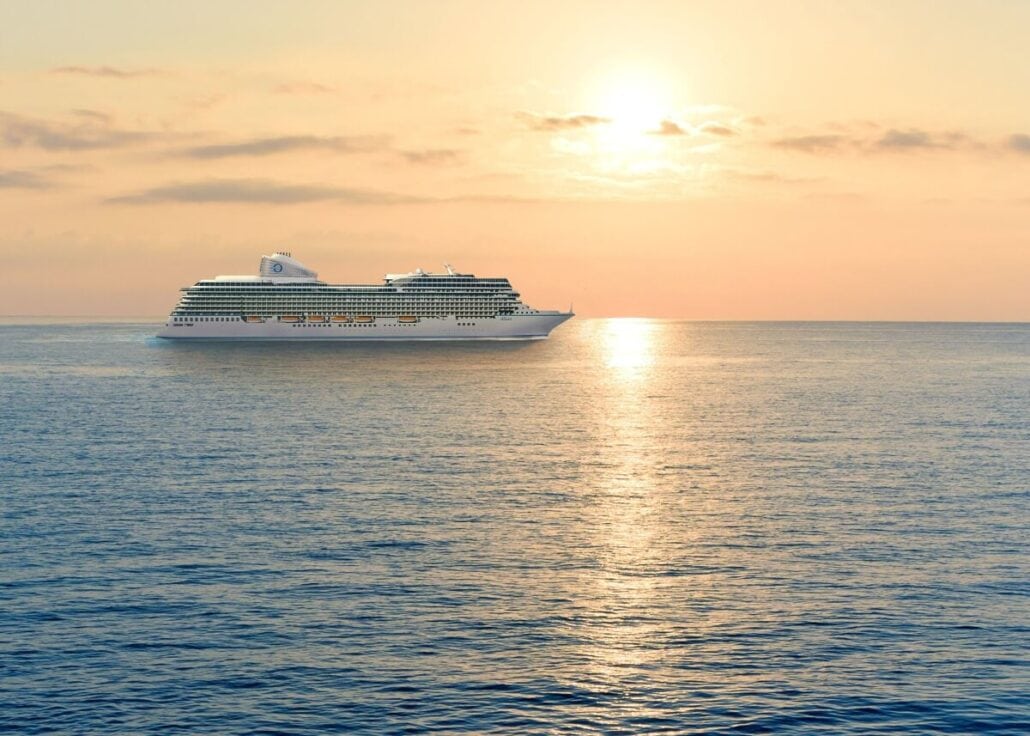
Oceania Vista and Allura — each under 1,200 guests, focused on fine dining and stylish interiors.
Regent Seven Seas Splendor — 746 guests, famous for its spacious suites and all‑inclusive service.
Saga’s Spirit of Discovery — just under 1,000 guests, with balconies in every cabin.
This trend is not about downsizing experiences. It is about upgrading them by offering more space per passenger, more attentive service, and itineraries unavailable to larger vessels.
Onboard Atmosphere and Service
(Photo courtesy of Oceania Cruises)
Travelers often compare small‑ship cruising to staying in a boutique hotel. Instead of endless activities designed to occupy thousands, the entertainment program is selective: wine tastings with local vintners, lectures from naturalists, or small concerts.
Dining feels closer to high‑end restaurants than banquet halls. Because the scale is smaller, chefs can focus on quality rather than mass catering.
A few clear benefits stand out:
Faster boarding and smoother operations at every stage of the trip.
Easier interaction with crew and fellow passengers.
More meaningful enrichment programs and destination‑focused events.
Together, these details create a sense of community on board. Guests often leave having formed friendships, which is less common on a floating city of several thousand.
Environmental Considerations
(Photo courtesy of Oceania Cruises)
Sustainability is another factor behind the appeal. Many small ships use modern fuel‑efficient engines, hybrid technology, or even sails to reduce emissions.
Operators highlight their smaller footprint in sensitive regions like the Arctic or Galápagos, where strict rules limit the number of visitors. While no cruise is impact‑free, a vessel with under 200 passengers creates less strain than one unloading thousands at once.
Companies also experiment with local sourcing. Some menus feature ingredients bought directly in port, cutting transport emissions and giving guests a taste of regional cuisine.
The effort may seem minor on its own, but combined with responsible itineraries it improves the overall balance between tourism and preservation.
Why the Renaissance is Here to Stay
(Photo courtesy of Windstar Cruises)
Small‑ship cruising is not a niche anymore. According to industry estimates, more than a million travelers will choose these vessels annually within the next few years.
The appeal lies in a mix of practical and emotional factors: less time in lines, more authentic ports, higher service levels, and lower environmental impact.
For those used to mega‑resorts, switching to a 700‑guest liner may feel like stepping into a different world. For newcomers to cruising, it often sets the standard of what travel by sea can be when comfort, discovery, and connection matter more than scale.
The renaissance of smaller ships reflects a broader shift in how people want to spend their time and money: fewer crowds, more meaning.
Trip Report: Crossing the Arctic Circle on Viking Ocean
Norwegian Luna was christened last week during a ceremony at PortMiami, marking the official naming of the second ship in Norwegian Cruise Line’s Prima Plus Class of vessels.
Featuring largely the same footprint as classmate Norwegian Aqua and Prima Class sister ships Norwegian Prima and Norwegian Viva, Norwegian Luna is certainly extra. It offers elegant but fun public spaces with some stellar new shows, comfortable cabins and 17 restaurants that feature 15 different cuisines.
To help you decide if you’d like to sail on this new ship, here are five things we loved and three that didn’t blow us away.
Hits
New Shows With High Production Value
Norwegian Luna debuted with three new shows, all happening in the main Luna Theater. Each of them is fantastic, employing phenomenal talent; elaborate, high-tech sets, lighting and projections; jaw-dropping costumes; and live music. Here’s a quick rundown.
“Elton”: This isn’t your average tribute show. It combines the best of Elton John’s music – think: “Saturday Night’s Alright (for Fighting),” “Crocodile Rock,” “I’m Still Standing” and others – with iconic costuming that will have passengers singing along and dancing in their seats.
The performance incorporates singing by members of the ship’s cast, as well as dancing to recorded lyrics sung by Elton John himself. Toss in a dozen pianos that decorate the stage, one of which is used by a live pianist, and it’s a compilation you won’t want to miss.
“HIKO: Innovation Meets Wonder”: The word “hiko” means “prince” in Japanese, making it a perfect name for this show, which focuses on a male protagonist. We struggled to find a plot in the performance, which is set to music but has no talking or singing.
However, its visual appeal – laser lights, digital projections, acrobatics, dancing, aerialist performances and a routine set on trampolines – was more than enough to hold our attention.
“Syd Norman’s Presents: A Tribute to The Eagles”: For years, Norwegian ships with Syd Norman’s Pour House (a rock ‘n’ roll-style lounge for intimate performances) have offered “Syd Norman’s Presents: Rumours.”
The wildly popular show – which sees a resident quartet perform the entirety of the Fleetwood Mac album of the same name, interspersed with stories about the band – has since moved to the main theater due to the number of passengers hoping to see it.
On Norwegian Luna, the cruise line has added a similar show as a tribute to The Eagles. Instead of playing one single album, the cast focuses on the band’s biggest hits, including “Heartache Tonight,” “Desperado” and “Hotel California.”
We’d be remiss if we didn’t also mention “LunaTique,” a fourth show, held in the ship’s Improv at Sea comedy lounge. It’s a blend of cabaret and circus-style immersive entertainment set to pop music.
Because it’s open to a limited number of passengers, we were unable to try it on our sailing. However, cruisers who did attend told us it has a bit of a speakeasy vibe. Unlike the other new shows, it costs extra – $45 per person – and includes several themed drinks.
The Aqua Slidecoaster
This fun top-deck attraction, which is free for passengers, combines the initial adrenaline rush of a roller coaster with a decidedly less butterfly-inducing trip down a moderately paced waterslide. Although the slidecoaster made its first appearance on Norwegian Aqua, it’s worth noting as a don’t-miss activity on Norwegian Luna, too.
Passengers board the attraction on Deck 19, where they wait in line to make sure they meet height and weight requirements. They can choose to either ride alone or in the same raft with one other person.
Two rafts launch at the same time, side by side, on dual conveyor belts. They are propelled uphill by mechanical arms at a thrilling speed until they enter the waterslide tubing, at which point it’s a pretty standard ride back down.
Family Areas
Many of NCL’s newest and largest vessels are great at catering to families, as is the case with Norwegian Luna. Returning from other ships in the Prima and Prima Plus Classes are the Glow Court, an interactive light-up sports court with lights and projections that change based on the activity; The Stadium, which features two types of shuffleboard, cornhole, foosball and other games; Tee Time, an interactive for-fee twist on mini-golf; and Moon Climber, which is new to the fleet with Norwegian Luna and features a harness-free enclosed ropes course climbing experience.
For family fun that involves less physical activity and more indoor time, check out the impressively expansive Game Zone. It’s a humongous arcade space on Deck 17, comprising racing games, claw games, pinball, air hockey, virtual-reality simulators and two miniature bowling lanes among its options. Just be prepared to shell out extra to play.
Indulge Food Hall
Call us crazy, but even if money were no object, we’d choose to dine at Norwegian Luna’s complimentary Indulge Food Hall over the onboard specialty restaurants every time. In the space on Deck 8, several food counters and even a faux food truck serve up cuisines that range from Mexican and Indian to Mediterranean and barbecue fare.
But, instead of ordering at each counter and waiting, seat yourself and use your table’s tablet menu to order whatever you’d like. Within minutes, servers appear to deliver your food as it’s ready. We recommend ordering one or two items to start and, if you’re still hungry, ordering more as you go.
Some of our favorites include the guacamole, barbecued chicken plate and grilled saag paneer with garlic naan and vegetable pakora. The best part is it’s all included in your cruise fare.
Great Stirrup Cay
We know this isn’t technically part of the ship itself, but Norwegian Luna’s itineraries through at least the fall of 2026 include calls on NCL’s Bahamian private island, Great Stirrup Cay.
Since 2019, the line has made major improvements to the island, adding the luxurious Silver Cove and, in 2025, the Vibe Shore Club, which is an extension of the exclusive Vibe Beach Club found onboard the line’s ships.
Both offer for-fee adults-only respite from the more family-friendly atmosphere elsewhere on the island, complete with private beach and dining areas, as well as cabana options (some with full bedrooms and air-conditioning, making them suitable for families with kids who can’t miss naptime).
Also recently added was a pier for docking, Splash Harbor kids water play area and the absolutely massive Great Life Lagoon pool. Construction is ongoing, with the island’s Great Tides Waterpark set to open this summer, along with an expanded pier that will ultimately have space for two ships to tie up.
Misses
Luna Midway
New for the line with Norwegian Luna is the Luna Midway, an outdoor area on Deck 18, near The Stadium, which houses a small selection of arcade games like basketball and Bowler Roller. When we think of a midway, we think of lights and noise and a carnival-style atmosphere, but the Luna Midway was quiet and empty when we visited, leaving us feeling a bit disappointed.
Overall, the space feels almost like an afterthought, with some games looking worn, as though they were pulled from other ships. We’re skeptical that it will see much use, especially when there are other more flashy games elsewhere onboard.
Sukhothai
Sukhothai, a Thai restaurant on Deck 17, first rolled out on Norwegian Aqua. The space is open for breakfast and lunch to accommodate overflow from the nearby Surfside Cafe buffet, but the actual Sukhothai menu items are only served during dinner.
For a cover charge of $50 per person, cruisers can select up to two appetizers, plus one main course and a dessert. We’re normally lovers of Asian food, but we were, unfortunately, underwhelmed by our yellow curry chicken, which featured rubbery dark meat, and our sour-tasting pad thai.
We also heard mixed reviews from others at our table, leading us to decide the experience was just so-so – not the desired outcome, particularly for the price.
For truly delicious Asian and Indian cuisine, head to Indulge Food Hall. The food is free and, oddly, much better.
Crowds
On our special naming ceremony voyage, which wasn’t even at half capacity, Norwegian Luna felt largely uncrowded. It was nice to see that some of the flow issues had been fixed from the Prima Class ships to the Prima Plus Class ones.
However, even with so few people onboard, several of the bars and lounges – particularly those on Decks 6, 7 and 8 in the Penrose Atrium – felt jammed for trivia, live music and other events.
The vessel’s main pool area on Deck 17 also seemed disproportionately bustling on our sole sea day and in the late afternoon after our call on Great Stirrup Cay.
When the ship is sailing full, we suspect sun loungers anywhere near the pool will be at a premium, and passengers will need to show up early for shows and other events and activities in order to snag prime spots and avoid standing-room-only situations.
Small-ship luxury cruise experiences deliver advantages impossible on mega-ships carrying thousands of passengers, transforming ocean travel from anonymous resort experiences into intimate voyages where genuine connections, exclusive access, and personalized attention create fundamentally different value propositions.
For cruise passengers prioritizing destination immersion, cultural depth, and refined service over waterslides, casinos, and Broadway productions, understanding why boutique vessels outperform mass-market behemoths helps make informed choices aligning with actual vacation priorities.
The case for small-ship luxury cruising rests on eleven compelling advantages separating intimate vessels from floating cities:
1. Exclusive Destination Access
Small ships reach ports and anchorages mega-ships cannot physically access. Luxury cruise vessels like Swan Hellenic’s SH Diana and SH Vega, accommodating approximately 152 guests, navigate narrow fjords, shallow harbors, and remote coastlines where draft restrictions and turning radius requirements exclude vessels carrying 3,000+ passengers. This access difference proves dramatic:
Isolated Arctic settlements in Svalbard and Greenland with limited infrastructure
Mediterranean archaeological sites on small islands without developed ports
Pacific atolls and island chains where few vessels venture
Norwegian fjords, Chilean channels, and coastal waterways too narrow for large ships
Swan Hellenic luxury cruise lines prioritize these exclusive destinations through purpose-built expedition design featuring ice-class PC5 hulls enabling polar navigation, shallow draft allowing coastal exploration, and advanced positioning systems maintaining station without anchoring in sensitive environments. Their commitment to remote destination access means itineraries include locations competitors literally cannot reach regardless of willingness.
Mega-Ship Limitations:
Restricted to major ports with developed infrastructure handling thousands of passengers
Repeat same heavily-touristed Caribbean, Mediterranean, and Alaska routes
Dock alongside 3-5 other mega-ships overwhelming destinations
Cannot access remote regions where authentic discovery exists
Sacrifice destination variety for operational efficiency
The destination access advantage alone justifies small-ship premiums for travelers measuring trip value by unique experiences rather than onboard entertainment square footage.
2. Genuine Personalized Service
Small-ship crew-to-passenger ratios approaching 1:1 enable service impossible when crew members serve hundreds rather than dozens of passengers. Swan Hellenic ultra luxury cruise vessels maintain approximately 152 guests with comparable crew numbers, allowing:
What Personalized Service Actually Means:
Staff learning names, preferences, and interests within days rather than remaining anonymous throughout voyages
Butler service handling unpacking, pressing, and personal concierge needs attentively
Bartenders remembering drink preferences without asking
Dining staff recognizing dietary restrictions and preferences automatically
Expedition staff providing individualized attention during landings and activities
This genuine personalization differs fundamentally from mega-ship “personal medallions” and app-based service requests trying to scale service through technology rather than human attention. Small-ship staff have time building relationships, anticipating needs, and delivering the thoughtful touches creating memorable experiences.
Mega-Ship Service Reality:
Crew members juggling hundreds of passengers preventing genuine personalization
Automated systems substituting for human attention and relationship building
Long waits for services during peak periods when everyone wants same things
Impersonal interactions where staff don’t recognize passengers beyond room numbers
Premium service tiers creating two-class experiences within single vessel
3. Intimate Shipboard Atmosphere
Boutique capacity creates fundamentally different social dynamics where passengers know fellow travelers, meaningful conversations develop naturally, and shared interests create genuine connections. Swan Hellenic expedition voyages attract intellectually curious explorers sharing cultural and natural history interests, creating communities rather than anonymous crowds:
Small-Ship Social Benefits:
Meeting and knowing significant percentages of fellow passengers
Developing friendships and connections lasting beyond voyages
Intellectual conversations with like-minded travelers during meals and gatherings
Intimate lectures and discussions where asking questions and engaging experts feels natural
Shared expedition experiences creating bonds among participants
Mega-Ship Social Reality:
Anonymous atmosphere where you’ll never see most passengers aboard
Difficulty finding like-minded travelers among thousands with diverse interests
Crowded venues preventing intimate conversations or meaningful interactions
Impersonal lecture halls where audience participation proves impractical
Segregated by booking class, deck, or venue limiting social mixing
For travelers viewing voyages as social and intellectual experiences, small-ship intimacy creates value mega-ships cannot replicate regardless of facility investment.
4. Comprehensive All-Inclusive Value
Small luxury ships typically include shore excursions, premium beverages, specialty dining, and gratuities creating true all-inclusive experiences versus mega-ship “à la carte everything” models nickel-and-diming passengers constantly. Swan Hellenic’s comprehensive inclusion covers:
All shore excursions regardless of destination or complexity without premium program surcharges
Premium beverages including fine wines, champagne, and spirits throughout ships
Specialty dining at all restaurants without upcharges or reservation requirements
Gratuities for all staff eliminating tipping considerations and calculations
Expedition equipment including kayaks, snorkeling gear, and polar camping equipment
Wi-Fi connectivity even in remote regions without additional fees
This comprehensive inclusion allows focusing entirely on experiences rather than managing budgets, tracking expenses, or making constant purchase decisions. The mental freedom from commerce enhances enjoyment and prevents the “death by a thousand cuts” billing characteristic of mega-ship cruising.
Mega-Ship A La Carte Reality:
Shore excursions often costing $100-400 per person per port adding thousands to voyage costs
Beverage packages requiring upfront purchases with restrictions and limitations
Specialty restaurant surcharges of $30-100+ per person for dining beyond buffets and main dining rooms
Gratuities adding $15-25 per person daily to final bills
Wi-Fi packages charging premium rates for basic connectivity
Constant onboard sales pitches for spa treatments, photographs, shopping, and activities
5. Exceptional Dining Quality
Small-ship galleys prepare meals for 150-200 passengers versus mega-ship industrial food production feeding 3,000-6,000+ guests simultaneously. This scale difference dramatically impacts culinary quality:
Small-Ship Culinary Advantages:
Fresh ingredients prepared to order rather than mass-produced in advance
Chefs capable of accommodating dietary restrictions and special requests personally
Multiple dining venues offering variety without requiring reservations or surcharges
Regional specialties reflecting destinations and seasons
Sophisticated presentations and preparations matching fine dining restaurants
Wine pairings and beverage programs curated for culinary programs
Swan Hellenic’s dining philosophy emphasizes quality over quantity, featuring regionally-inspired menus showcasing destinations through culinary exploration, fresh ingredients sourced in ports when possible, flexible dining arrangements accommodating expedition schedules, and multiple venues offering variety without rigid seating times or formal night requirements.
Mega-Ship Dining Reality:
Industrial food production prioritizing volume over quality
Limited fresh ingredients due to inventory requirements for thousands
Main dining rooms serving reheated mass-produced meals
Specialty restaurants carrying hefty surcharges for acceptable quality
Buffets as primary dining option with food sitting under heat lamps
Rigid dining times and assigned seating in main restaurants
6. Meaningful Shore Programs
Small-ship shore excursions accommodate entire passenger manifests allowing comprehensive programming versus mega-ships where only fraction of passengers fit on premium excursions, creating tiered experiences. Swan Hellenic’s all-inclusive model means:
Comprehensive Shore Access:
Every passenger participates in expert-led cultural and natural history programs
Archaeological specialists leading UNESCO World Heritage site visits for all passengers
Marine biologists providing expertise during wildlife observations comprehensively
Cultural anthropologists facilitating authentic community interactions for everyone
No rushed rotations or limited spaces creating FOMO or requiring lottery systems
Swan Hellenic expedition voyages through SETI Institute partnerships bring astrobiology and astronomy programming where scientists conduct research during voyages and all passengers can participate, while Chopra wellness collaborations integrate mindfulness programming comprehensively rather than offering limited spots in premium programs. This inclusive approach means every passenger receives the full cultural and educational experience rather than tiered access based on willingness to pay surcharges.
Mega-Ship Shore Reality:
Premium excursions limiting participation to small percentages of passengers
Basic bus tours accommodating crowds to generic tourist attractions
Rushed schedules maximizing passenger throughput over quality experiences
Overwhelming local communities and cultural sites with thousands simultaneously
Limited expert guidance spread across too many passengers for meaningful education
7. Environmental and Community Impact
Small ships minimize environmental footprint and avoid overwhelming local communities. When Swan Hellenic’s 152 passengers visit remote villages, archaeological sites, or wildlife colonies, the impact remains manageable. When 4,000 passengers from mega-ship descend simultaneously, they overwhelm infrastructure, damage cultural sites through sheer numbers, and disrupt wildlife through human density.
Advanced wastewater treatment and emissions controls
Responsible wildlife observation maintaining safe distances and time limits
Respectful cultural interactions where communities can genuinely engage
Economic benefits distributed without destroying what attracts visitors
Mega-Ship Impact:
Thousands simultaneously overwhelming ports, attractions, and ecosystems
Massive waste streams challenging even developed port infrastructure
Wildlife harassment through excessive vessels and human activity
Cultural sites degraded by visitor volume exceeding capacity
Economic benefits concentrated in cruise company hands rather than local communities
8. Expedition Capability and Adventure Access
Small luxury ships like Swan Hellenic’s ice-class vessels combine genuine expedition capability with refined comfort. Their PC5 polar rating enables Antarctic and Arctic navigation reaching remote coastlines, comprehensive Zodiac operations facilitate daily landings at wildlife colonies and pristine wilderness, and expedition equipment including kayaks and snorkeling gear supports active exploration programs.
Small-Ship Adventure:
Ice-class hulls accessing polar regions and challenging coastal environments
Zodiac fleets enabling landings at beaches, ice shelves, and wildlife colonies
Kayaking programs providing quiet wildlife approaches and intimate experiences
Snorkeling and diving opportunities in appropriate regions
Polar camping and specialty programs impossible on conventional ships
Mega-Ship Limitations:
Restricted to ports with developed infrastructure
No Zodiac capability or expedition equipment
Cannot access wilderness areas or wildlife colonies
Limited to viewing destinations from ship rather than immersive exploration
Adventure activities confined to controlled ship environments like climbing walls and surf pools
9. Intellectual and Cultural Programming Depth
Small ships attract passengers sharing intellectual interests, enabling sophisticated programming impossible when audiences span from PhDs to those wanting Vegas-style entertainment. Swan Hellenic ultra luxury cruise programming through SETI Institute partnerships brings actual astrobiology and astronomy research to voyages, while archaeological specialists with PhDs lead cultural site visits creating comprehensive educational frameworks.
Diverse audience interests making depth programming impractical
10. Flexible and Responsive Operations
Small ships adapt itineraries for wildlife opportunities, weather optimization, or enhanced cultural experiences. When Swan Hellenic expedition teams spot rare wildlife or unexpected cultural opportunities emerge, they can adjust schedules accommodating extended time without disappointing thousands of passengers with complex logistics.
Small-Ship Flexibility:
Itinerary adjustments for exceptional wildlife encounters
Extended time at key locations when conditions warrant
Route changes optimizing weather and ice conditions
Spontaneous cultural opportunities requiring operational flexibility
Passenger consensus easier with 150 than 4,000 guests
Mega-Ship Rigidity:
Fixed schedules optimizing operational efficiency over experience quality
Inability to adjust for wildlife or cultural opportunities
Passenger scale making consensus and communication impractical
11. Authentic Rather Than Manufactured Experiences
Small luxury ships deliver authentic discovery and cultural immersion versus mega-ship manufactured entertainment and staged cultural performances. Swan Hellenic expedition voyages prioritize genuine cultural interactions in remote communities, authentic archaeological site visits with specialist guidance, real wildlife observation in natural habitats, and educational frameworks creating understanding rather than superficial sightseeing.
Small-Ship Authenticity:
Remote destinations where authentic discovery exists
Cultural interactions with genuine communities rather than tourist shows
Wildlife observation in natural environments without crowds
Archaeological and cultural sites accessed during non-peak hours
Experiences impossible to replicate on conventional vacations
Prioritize destinations and cultural immersion over onboard entertainment and facilities
Value personalized service and intimate atmospheres over anonymous resort experiences
Seek intellectual engagement and educational depth alongside recreation
Appreciate refined dining and comprehensive inclusion over buffets and à la carte pricing
Want expedition capability accessing remote regions versus heavily-touristed ports
Prefer genuine cultural interactions over staged performances and tourist attractions
Measure value by transformative experiences rather than facility square footage
Avoid crowds and value exclusive access to destinations and cultural sites
For Discerning Cruisers
For cruise passengers who care more about where they’re going than how big the ship is, small-ship cruising really stands out.
Instead of packed decks and over-the-top attractions, these sailings focus on destination access, cultural experiences, and more personalized service.
Lines like Swan Hellenic, with ships like SH Diana and SH Vega, carry just over 150 guests and lean into expedition-style cruising, all-inclusive experiences, and enrichment partnerships that go beyond the typical cruise offering.
It’s a very different approach. One that’s less about quantity and more about meaningful travel, deeper discovery, and a more relaxed onboard experience.
With their new terminal nowhere near ready to welcome guests, Norwegian Cruise Line is finally offering passengers an idea as to what they should expect on Norwegian Jewel’s embarkation day. As one passenger asked in a Facebook message group devoted to the first sailing, “Is this the best they can do?”
Temporary Plans Are Being Made
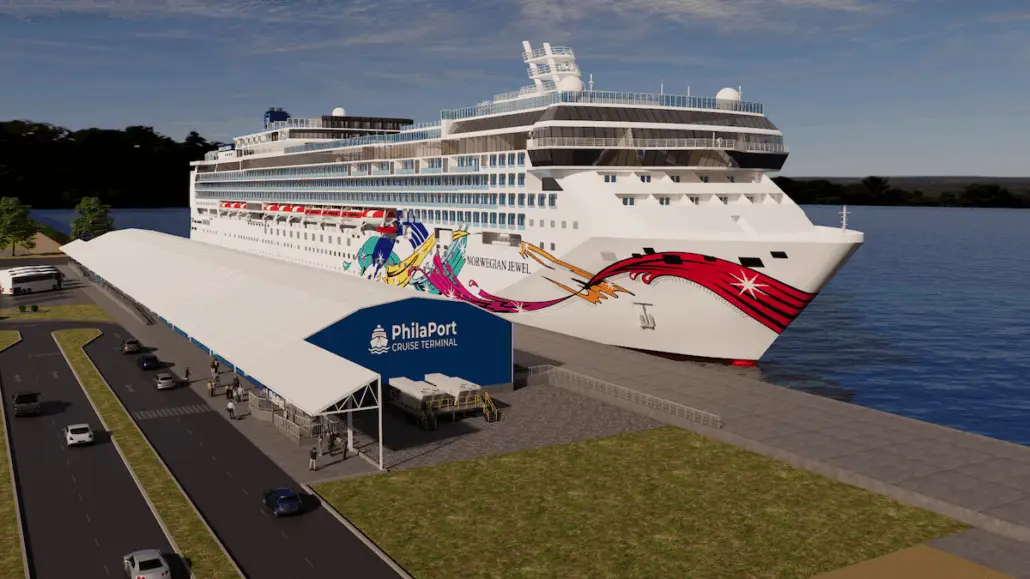
For months, anticipation has been building, with the Norwegian Jewel set to become the first ship to sail out of Philadelphia in nearly 15 years. But as the first sail dates drew near, it quickly became clear that things weren’t exactly going to plan.
Rendering of what the completed PhilaPort will look like… eventually.
“We are excited to bring cruising back to Philadelphia for the first time in many years,” read a statement from Norwegian Cruise line released in late March. “Given the absence of cruising in the market for quite some time, we are working closely with our partners at PhilaPort to prepare the facility to welcome guests.”
Now, we know exactly what those plans entail and they are, to say the least, unconventional.
What To Expect on Embarkation Day
In a letter sent to booked guests and travel partners, Norwegian promised that they are working to make sure the “modified check-in experience is as efficient as possible.”
So what will be different? Pretty much everything.
First, the line advises particular care be taken with luggage tags, given that the drop-off process will not be conducted in the usual manner. In fact, the process will take place at the Clarion Hotel Philadelphia Airport.
Upon arriving, guests will be directed to a parking area “reserved for our guests.” Fees, the letter says, will be paid directly to the hotel at a rate of approximately $16 per day.
As for luggage, “drop off will take place just outside the hotel entrance,” the letter explains. “After dropping your bags, you’ll proceed inside to complete parking payment and continue to check in” which will take place in the hotel’s ballroom.
‘Our Team Will Do Their Best’
One extremely important bit of information the letter provides is that “while wheelchair assistance will not be available at the Clarion Hotel, our staff will do their best to assist guests with mobility needs. Once at the port, wheelchair assistance will be provided for those who have requested assistance to embark on the ship.”
Once check in has been completed, passengers will board a shuttle and be transported to the pier.
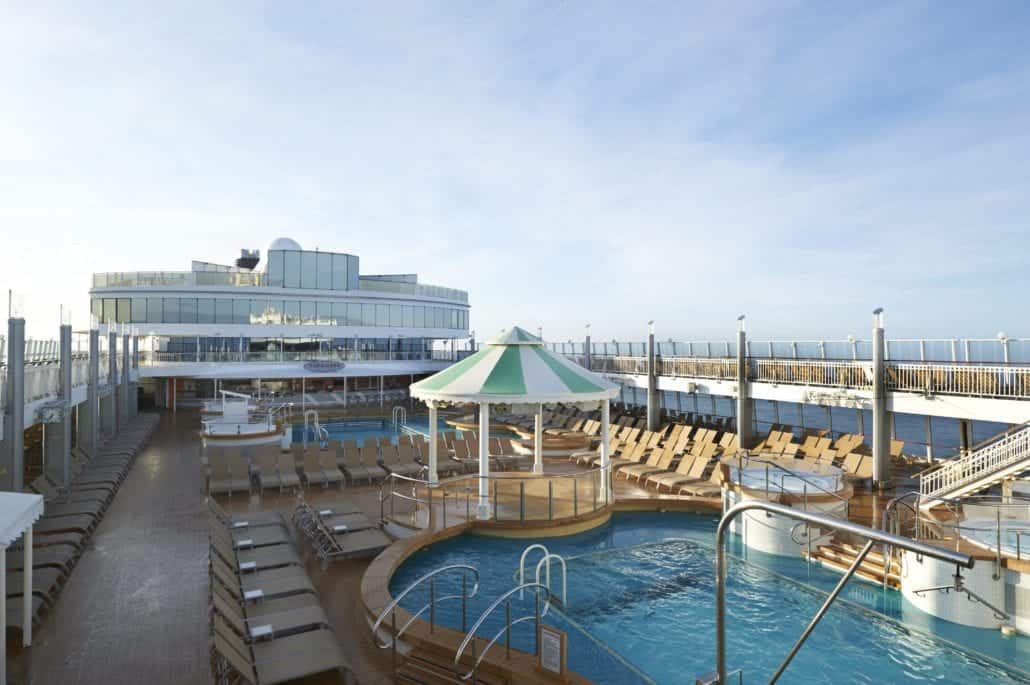
Norwegian Jewel refurbished space
The missive ends with a bold-typed warning: “For everyone’s safety and to ensure smooth access at PhilaPort, guests cannot make their way to the port, and there is no option to check in at the ship. Only guests arriving on the official busses from the Clarion Hotel will be allowed entry into the port area.”
It later notes that on debarkation days, guests “will be shuttled back to the Clarion Hotel” to pick up their cars and “arrange onward transportation.”
That may be easier said than done, as the letter makes clear that “ride shares and taxi services will not be available from the pier. Guests requiring these services may arrange pickup from the Clarion Hotel.”
‘I Refuse to Get Stressed Out’
As details unfurled, many found themselves unhappy with the arrangements being made. Others, however, took a more positive approach. “As long as I’m on board when that ship sets sail,” commented one Redditor, “I’m good. I mean, I’d love for my luggage to be on board, too, but I refuse to get stressed out about it!”
Thankfully, the situation, like many of life’s more annoying bumps in the proverbial road, is only temporary. “Once this construction is finished,” shared one of our travel associates, “it will actually be quite easy to get in and out of the terminal and the parking area. Right now, however, it will be a disaster.”
If you’ve spent any time at all on Instagram lately, you’ve no doubt seen numerous posts about a secret funnel bar located on Carnival Cruise Line ships. Here’s what’s got people buzzing… and the truth about the suddenly-exposed “secret.”
How To Access Carnival’s Secret Bar
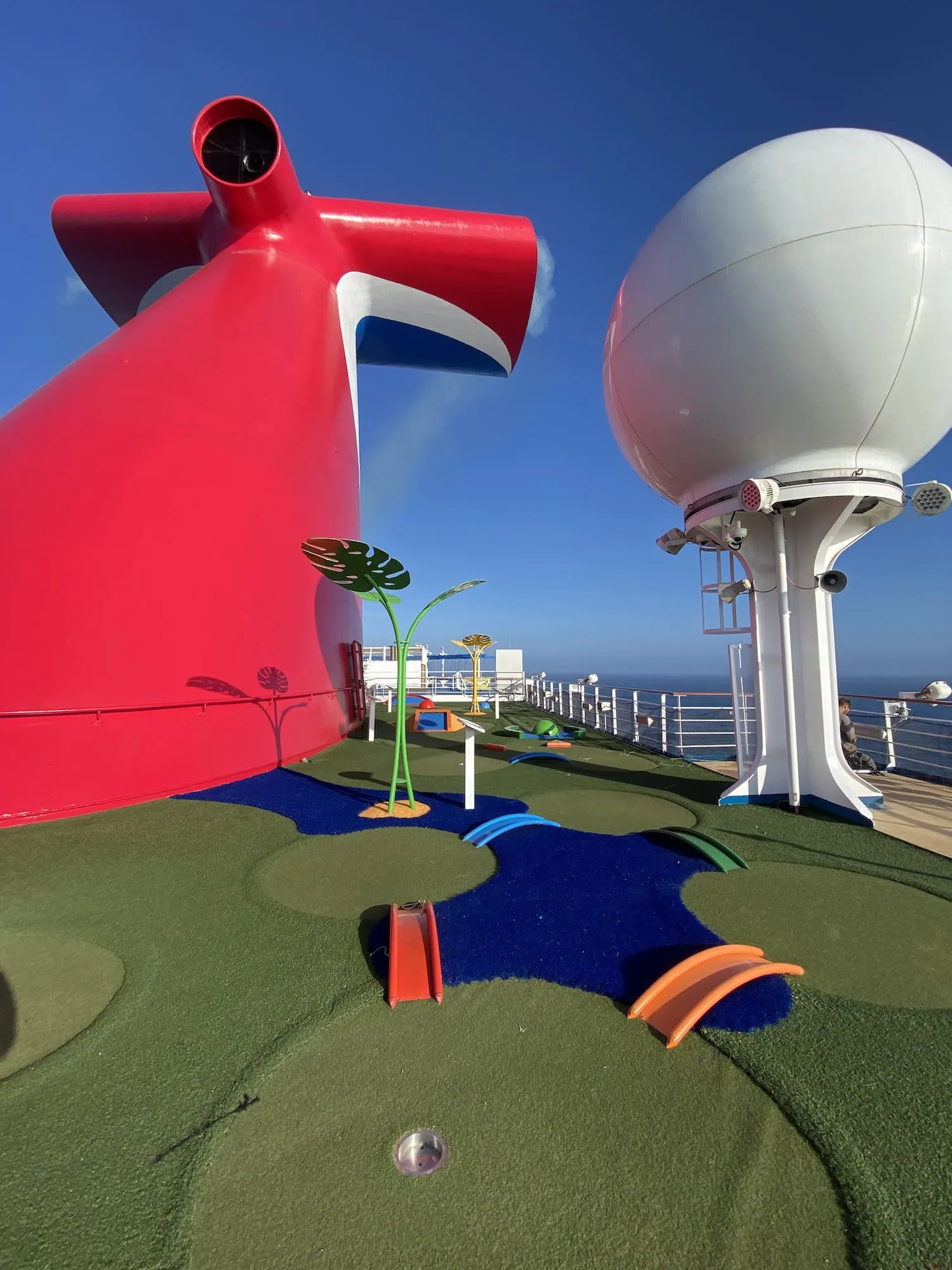
What was supposedly a well-kept secret suddenly went viral over the past few days. Seemingly out of nowhere, Carnival cruise directors and random influencers were spilling the beans about a secret bar found inside the infamous red funnels which make the line’s ships so easy to distinguish from those of other brands.
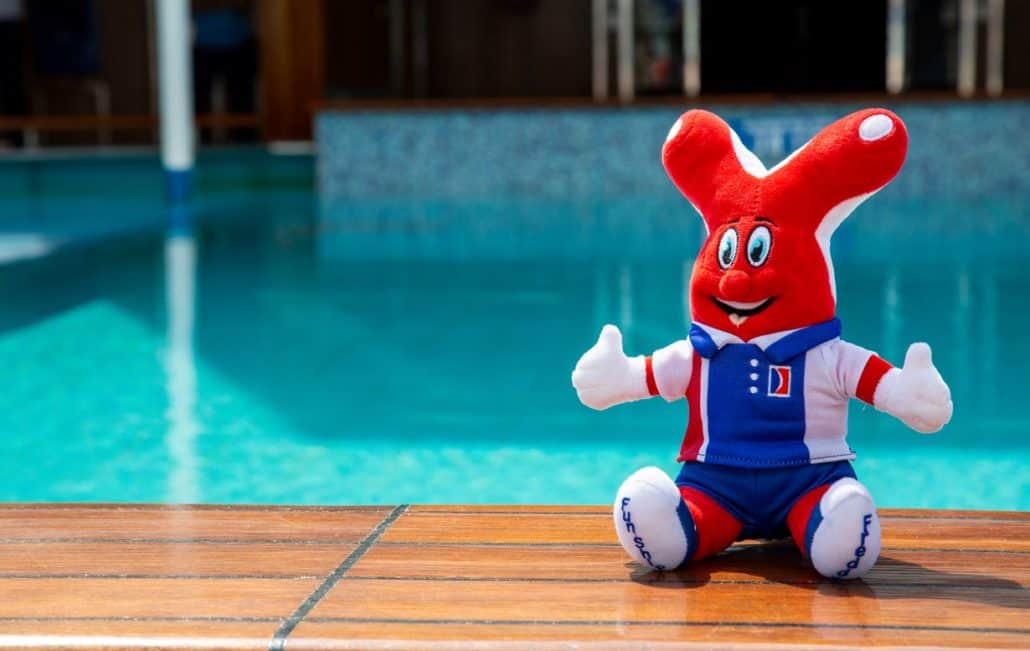
One such video features popular cruise director Kyndall Fire whispering to us via her Instagram page that she’s “here to confirm” the rumors that there is “a new speakeasy inside the funnel.” Better still, she informs watchers that there are exclusive cocktails and the bartender is none other than the brand’s long-retired mascot, Funship Freddy.
Funship Freddy (Photo courtesy of Carnival)
So how does one gain access to all this awesome? “All you need to get in,” Fire informs us, “is knock three times and know the password, which is ‘muster.’”
There’s Only One Catch…
Of course, there’s not a bit of truth to the rumor — a fact we’re as sad to report as you are disappointed to hear. But a quick glimpse at the calendar shows that these posts began appearing just a day or two before the first day of April.
And if one follows the link in Carnival’s Instagram bio, as instructed, it leads to a page reading, “Our funnel isn’t really a speakeasy, but that would be pretty cool!”
That’s right, this is the latest April Fool’s joke to be rolled out by Carnival. It’s unclear whether some of those involved accidentally posted their vids early or perhaps that was done on purpose to keep people from guessing at the truth.
Obviously, some folks weren’t fooled. After all this isn’t the first time a cruise line — let alone Carnival — has pulled our collective legs on this silliest of holidays. Who could forget last year’s “Duolingo World Cruise” which would supposedly visit 195 countries over 5 years? (You can check out that video below.)
One of the dead giveaways indicating the “funnel speakeasy” is a prank? Just like with the Duolingo prank, no specific ship is mentioned. And while we might be gullible enough to fall for the notion of Carnival rolling such a fun concept out on a new build, the idea of it being on every ship?
Join Duo the Owl and friends on the Duolingo World Cruise with @Carnival! Sail across 7 continents 🛳️ explore 195 countries 🌍 and learn over 40 languages—a...
Not the kind you absent-mindedly order at a diner and don’t think twice about as you sip until the cup is empty.
The kind you sit down for, learn about, and share with a stranger from Madison, Wisconsin who you never would have spoken to otherwise.
That conversation at a tea house in Singapore, on day one of a six-day segment aboard Holland America’s Volendam, was the moment I realized this trip was going to be different.
Not because of the ship. Not because of the ports. Because of the people.
I joined the Volendam on day 79 of a 133-day Grand Voyage. The ship had already crossed oceans, made stops on multiple continents, and turned strangers into something closer to a floating community by the time I stepped aboard in Singapore.
I was the newcomer. What I did not expect was how quickly that stopped mattering.
On most cruises, you see people moving about the ship with their heads down and their phones up. They’re checking messages or using the app to plan their day. They are, in a word, distracted by technology. And there is nothing wrong with that. But on this sailing, something was different.
People said hello in the hallway.
Conversations started during sailaway. Nobody was allowing their phone to serve as a wall between themselves and the next person. They were taking photos of sunsets and posting sailaway videos, sure. But when it was time to talk, they were present.
I put my phone away too. Not in my cabin, granted. Just in my pocket. But it stayed a lot longer than usual.
It turns out that is what time spent on a world cruise segment does to you, if you let it.
The People You Meet on a World Cruise Are Not Who You Expect
Take, for example, the woman from Wisconsin. While chatting, she shared that she does variations of world cruises every year, switching between ships and itineraries.
For them, this was not a bucket list cruise. This was just what they have done since retiring from banking. I found that both impressive and quietly inspiring.
During that same shore excursion at a tea house in Singapore, I also met a recently retired nurse from Florida who had boarded in Sydney. Before joining the ship, she checked bungee jumping in New Zealand off her list. But that was only the beginning, as she had a long list of items and intended to work her way around the world, checking them off as she went.
A UK couple in their 70s told me the pandemic rewired how they think about time. They were not waiting anymore. If they wanted to do something, they were doing it. A 133-day grand voyage was not an extravagance to them, but an investment in their lives. It was the decision not to put things off.
And then there was the woman I spoke to in the elevator. She worked in healthcare and had sublet her New York City apartment for four months to fund the voyage. “It’s cheaper than staying home,” she shrugged, backing that up with some pretty solid math to prove her point.
Every one of them had a different reason for being there. None of them fit the profile most people picture when they hear world cruise.
The Ship Gets Out of Your Way
The Volendam has nine decks. Ten if you count the sun deck. You can walk from one end to the other in a couple of minutes.
After years of covering mega ships that require a map and a plan just to get to dinner, that simplicity was something I did not know I needed.
The ship runs quiet during the day. Port intensive itineraries will do that. Most guests are off exploring by mid morning, which means the lounges, the library, the Crow’s Nest (my favorite!), and the Ocean Bar are essentially empty until guests begin returning in the late afternoon.
For me, that was ideal. I am a remote worker, and finding a quiet corner to plow through a few hours of work before the ship pulled into port was never a problem. I noticed I was not the only one. Microsoft Teams meetings were happening in quiet corners and lounges all around the ship.
The only thing that required self control was the food. Something was always available no matter where you went or what time it was. That is both a feature and a problem, depending on how you look at it.
By evening the ship came back to life. There was live music in the Ocean Bar, the Piano Bar was slowly morphing into a gathering place, the World Stage filling with guests to see a super talented electric violinist named Jocelyn Ng.
For a ship of 1,400 guests it covered a lot of ground entertainment wise without ever feeling like it was trying too hard.
The size also made it easy to settle into a routine. Wake up, find a quiet spot, get some work done, head ashore, come back, eat well, catch some live music, and sleep. Repeat.
By day three it felt completely natural. A day later I was at the future cruise desk, just to see what a longer segment might look like.
That is probably the best endorsement I can give a ship.
Cruising as a Gateway
Cruising has a way of opening doors you did not know you wanted to walk through. A Celestyal Cruises sailing introduced me to Doha, Qatar. I have been back twice.
Holland America’s Eurodam showed me St. John in the US Virgin Islands. I have done three land trips since. Cozumel started the same way. The list now goes on and on.
This segment added Singapore and Halong Bay to that list. I stayed an extra day in Halong Bay after the ship left because I needed to explore more.
The bay is one of those places that does not fully register until you are standing in the middle of it. (Sunrise is something that might just have the ability to change your life, if only for a few moments.)
Singapore is already on the return list. It is not that far from Manila, which I know well, so it will happen sooner rather than later.
My Last Morning Onboard
I set my alarm for sunrise as the Volendam made its way into Halong Bay. What I woke up to looked like something out of a Bob Ross painting. If you are over 40, you’ll get the reference. If not, hit up Google.
Limestone karsts (mountains) rising straight out of the water in every direction. The ship threading through them like a needle, turning to port, then to starboard, with the kind of precision that makes you appreciate the river pilot’s knowledge of the local waterway.
Both sides of the ship had views worth standing for, and I found myself bouncing back and forth like a tennis ball, trying to take in as much as I possibly could.
I was not the only one. The crew had lined up on deck nine to take it in themselves. That is when you know a place is something special. When the people who have traveled the world show up for it.
Six days on a world cruise segment will not scratch the itch. It will just give you a bigger one,… even for an introvert like myself.
Marie Antoinette may or may not have said “Let them eat cake!” But Norwegian Cruise Line’s new policy means that if you want to do so, you’ll have to pay a whole lotta money. Why? Because the birthday package which previously included a six-inch cake has being majorly altered… or in their words, “refreshed.”
What You Now Get Instead of Birthday Cake
Guests who had already ordered the Happy Birthday package, for themselves or a loved one, got an unexpected note from the cruise line. It appears that while the package is still available for purchase, it no longer includes the celebratory cake.
Instead, the letter reads, the package has been “designed to make your special day even more memorable.” It goes on to say that the “refreshed” package is part of the cruise line’s “continued effort to elevate the way we celebrate life’s moments at sea.”
Now, the previously included cake “will be replaced with a photo keepsake so you can take home a memory that lasts long after the candles are blown out. It is a small shift designed to make your celebration feel more personal and more connected to your time onboard.”
Those booking the birthday package will now receive, according to the site, “a colorful selection of cheerful cabin decorations and a celebratory banner, plus keepsakes to capture the celebration, including a Compass Collection frame and a photo voucher redeemable toward any photo or photo package.”
How You Can Still Get a Birthday Cake
Never fear, those who believe that a party ain’t a party without a slice of cake will still be able to order up a tasty treat. It won’t, however, come cheap. According to the line’s website, a “standard half sheet” cake (whether for one’s birthday or honeymoon) comes in at $148.80. But for around $50 more, you can go whole hog and order a full-sheet. Both are available in vanilla or chocolate.
“I Want My Money Back!”
The only people truly impacted by the change are those who had previously placed an order. (Anyone looking to purchase it moving forward would know that a cake is no longer included just by reading the details when ordering.) “The whole reason I ordered this package was for the cake,” complained one Norwegian passenger in a Facebook page devoted to the line.
Others, however, agreed with the company’s thinking that a complimentary photo was a better option. “Honestly, the cake isn’t that good,” wrote one, followed by a shrugging emotion. “I had it on two different birthday trips, and most of it wound up in the garbage.”

 Login
Login