
Reading view

Europe Air Traffic Delays Surge As France Germany ATC Crisis Disrupts Tourism: All You Need to Know

Europe Air Traffic Delays Surge As France Germany ATC Crisis Disrupts Tourism: All You Need to Know
Image of a busy airport

Europe, the continent’s aviation powerhouse, faces a one hundred fourteen percent surge in Air Traffic Flow Management (ATFM) delays from 2015-2024, far outpacing 6.7 percent flight growth, severely disrupting tourismFrance and Germany air navigation service providers (ANSPs) cause over fifty percent of delays due to capacity and staffing shortages, costing airlines and passengers euro 16.1 billion. This inefficiency threatens Europe tourism reliability, deterring spontaneous trips to Paris, Berlin, and Mediterranean hotspots amid rising strikes.

ATFM Delays Explode Impacting Europe Tourism

Europe recorded 7.2 million delayed flights from 2015 to October 2025, with 6.4 million under thirty minutes and seven hundred thousand longer, excluding weather. 2024 delays totaled 30.4 million minutes, up from 14.2 million in 2015, peaking in July-August at thirty-eight percent. Staffing shortages drove eighty-seven percent of ANSP delays, rising 201.7 percent since 2015, while strikes added 9.8 million minutes or 8.8 percent. These disruptions erode Europe tourism confidence, causing cascading cancellations for beach vacations and city breaks.

France and Germany ANSPs dominate fifty percent plus of issues, unmitigated despite known problems, hindering efficient routing. Tourism suffers as unreliable schedules force buffer times, inflating costs and reducing appeal for leisure travelers.

Staffing Shortages Cripple European Aviation Tourism

Capacity limits and staff deficits explain most delays, with industrial actions surging post-pandemic. Europe‘s Single European Sky promise of efficient routes remains unfulfilled, doubling delays instead. Tourism impacts intensify as summer peaks coincide with thirty-eight percent of 2024 delays, stranding families en route to Greek islands or Spanish costas.

2025 forecasts slight improvement after dire 2024, but decade-long deterioration persists. Leisure tourism to ItalyGreece, and Spain faces risks, with airlines padding schedules that dilute connectivity.

Financial Toll Undermines Europe Tourism Economy

Euro 16.1 billion in costs since 2015, over seventy percent from capacity/staffing, burdens airlines passing expenses to passengers via higher fares. 9.8 million strike minutes compound woes, even during low-traffic pandemic years. Europe tourism loses billions in forgone revenue as delayed flights deter bookings to Rome or Amsterdam.

Unaddressed ANSP inefficiencies contrast EU261 compensation debates, prioritizing passenger payouts over root fixes. Tourism operators in France and Germany report cascading effects on hotels and tours.

France Germany Lead Europe Delay Crisis

France and Germany ANSPs shoulder fifty percent plus responsibility, with technical and staffing failures unmitigated. Strikes, now routine, amplify disruptions beyond capacity woes. Paris and Berlin tourism suffers most, with transatlantic feeders delayed, fragmenting Europe‘s hub-spoke model vital for inbound visitors.

Tourism to Eiffel Tower or Brandenburg Gate faces unreliability, pushing travelers to alternatives like Istanbul. Chronic issues demand urgent staffing and tech upgrades.

Strikes Escalate Europe Tourism Disruptions

Industrial actions account for 8.8 percent of ANSP delays, totaling 9.8 million minutes over the decade. Post-pandemic resurgence hits peak tourism seasons hardest. Europe‘s connectivity erodes, with schedules built around inefficiencies harming competitiveness against agile rivals.

Summer tourism peaks amplify pain, as thirty-eight percent of 2024 minutes cluster in July-August, idling jets and stranding sun-seekers bound for Mallorca.

2025 Outlook Offers Slim Hope for Tourism

Slight 2025 uptick expected post-2024 lows fails to reverse trends, with staffing gaps persisting. Single European Sky vision of fuel-saving routes remains distant, doubling delays instead. Europe tourism marketing strains under unreliability, as airlines warn of padded schedules inflating fares.

France and Germany must prioritize recruitment and automation to restore faith, ensuring seamless access to Alps or Riviera.

Broader Implications for Global Tourism Flows

One hundred fourteen percent delay growth versus 6.7 percent traffic rise signals systemic failure, excluding weather/strikes for stark reality. Euro 16.1 billion toll ripples to tourism supply chains, from car rentals to cruises. Europe risks ceding market share to Middle East hubs with superior ATC.

Leisure dominance in delays hits tourism hardest, with 7.2 million flights affected, curtailing weekend getaways to Venice or Vienna.

Urgent Reforms Needed for Europe Tourism Recovery

Europe must confront ANSP shortcomings in FranceGermany to salvage tourism prowess. Investments in staff, capacity, and Single Sky tech promise relief. Without action, tourism volumes stagnate, as passengers opt for predictable alternatives.

2024‘s 30.4 million minutes underscore crisis scale, demanding political will. Europe tourism hangs in balance amid aviation gridlock.

The post Europe Air Traffic Delays Surge As France Germany ATC Crisis Disrupts Tourism: All You Need to Know appeared first on Travel And Tour World.
Control is getting a sequel, and it’s a hack and slash!

Control Resonant is coming to PC and consoles in 2026 Remedy has just unveiled Control Resonant, their upcoming sequel to 2019’s Control. The game is coming to PC and consoles in 2026, following Dylan Faden, the brother of Control’s protagonist Jessie Faden. Unlike Control, Control Resonant will be a hack-and-slash game, with Dylan Faden’s weapon […]

The post Control is getting a sequel, and it’s a hack and slash! appeared first on OC3D.

Boeing and United Airlines Pioneering Digital Communication Systems in US for a New Era of Efficient, Sustainable Air Travel

Boeing and United Airlines Pioneering Digital Communication Systems in US for a New Era of Efficient, Sustainable Air Travel
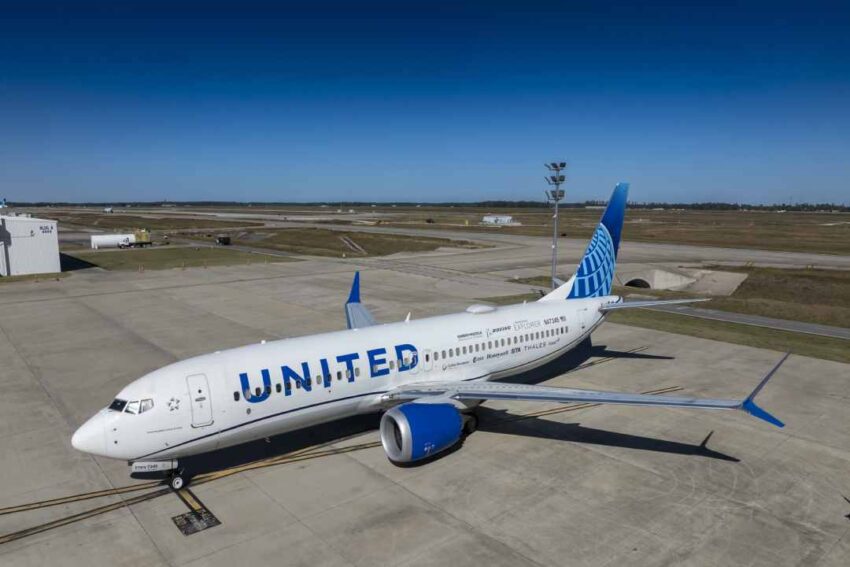
Boeing and United Airlines tests travel digital communication systems

Boeing and United Airlines have joined forces in a groundbreaking initiative to enhance the travel experience, revolutionizing flight safety, operational efficiency, and passenger convenience through modernized digital communication systems. This collaboration is a pivotal moment for the aviation industry, aimed at streamlining communication between flight decks, air traffic control, and airline operation centers, ultimately setting the stage for smoother, more efficient air travel.

A Transformational Leap for Passenger Safety and Efficiency

Boeing and United Airlines embarked on a series of flight tests using United’s 737-8 jet, a key part of Boeing’s 2025 ecoDemonstrator Explorer project. The objective of these tests was to evaluate the new Internet Protocol Suite (IPS) standards, an advanced digital communications system that is set to transform the way information is exchanged during flights. These tests were carried out over two weeks in late October, with flights originating from Houston, USA, and Edinburgh, Scotland, bringing together two continents for a highly anticipated demonstration of aviation’s future.

Designed to optimize air travel operations, reduce fuel consumption, and streamline communication with air traffic control, this new system promises to drastically improve coordination between various stakeholders. The direct benefits are clear: less air traffic congestion, reduced carbon emissions, and a seamless flight experience for travelers. By enabling real-time communication between aircraft and controllers, air travel becomes not only safer but also more environmentally friendly.

The ecoDemonstrator Program: Innovation at Its Core

This collaboration is part of Boeing’s long-standing ecoDemonstrator program, which has been advancing aviation technology since 2012. With a mission to take emerging technologies from the laboratory to the skies, the ecoDemonstrator initiative has tested more than 250 technologies designed to tackle real-world challenges faced by airlines, passengers, and the environment.

The ecoDemonstrator program has already made a significant impact in several areas, including enhancing flight safety, reducing fuel consumption, and improving operational efficiency. It has pioneered solutions that have directly contributed to making air travel more sustainable and reducing the environmental footprint of the aviation industry.

United Airlines: A Key Partner in Shaping Air Travel’s Future

United Airlines’ involvement in the ecoDemonstrator project showcases the airline’s commitment to advancing the future of aviation. By testing cutting-edge technology and collaborating with industry leaders like Boeing, United is ensuring that the latest communication tools are tested in real-world flight scenarios, allowing passengers to benefit from the most efficient and safest air travel experiences.

The success of the flight tests further solidifies United Airlines as an innovator in the aviation industry. Through its collaboration with Boeing, the airline has played a central role in refining communication systems that will benefit passengers in the long term, enhancing both the efficiency of operations and the quality of customer service.

Industry Collaborations Driving Progress

While Boeing and United Airlines are leading the charge in this groundbreaking initiative, the success of the ecoDemonstrator program is also due to the involvement of several major industry players. Leading names like Collins Aerospace, Honeywell, SITA, Thales, and Viasat, as well as key agencies such as the Federal Aviation Administration (FAA), NASA, and the European Space Agency (ESA), have all played a role in driving this project forward.

This collective effort reflects a shared vision of transforming air travel by improving communication systems. These collaborations are not only about upgrading technology but also about advancing the broader goals of sustainability and operational efficiency in global aviation. By working together, these organizations are helping shape the future of air traffic management and ensuring that air travel remains both safe and efficient for years to come.

Enhancing Communication for Safer Skies and a Better Passenger Experience

The IPS-based communication system at the heart of the ecoDemonstrator project promises to make a significant impact on the safety and efficiency of air travel. The new system will enable real-time connectivity between aircraft and air traffic control, empowering both pilots and controllers to make smarter, more informed decisions.

Technologies from key partners such as Thales’ AVIATOR 200S system will allow airlines like United to enhance their flight operations, enabling them to make real-time data-driven decisions that improve safety and reduce delays. The compact and lightweight systems tested in these trials will also help ensure that communication remains reliable and secure, even in high-traffic areas, further enhancing the overall passenger experience.

Sustainability: A Key Focus for the Future of Aviation

The ecoDemonstrator program is not just about improving communication systems; it’s also about driving sustainability across the aviation industry. By adopting technologies that reduce fuel consumption and improve operational efficiency, this initiative supports the aviation sector’s ongoing efforts to minimize its environmental impact.

Through the collaboration of multiple stakeholders, including aerospace leaders and government agencies, the industry is advancing toward a future where air traffic management is more efficient, emissions are reduced, and sustainability is a core focus of every flight. These efforts will not only improve the air travel experience for passengers but also contribute to the broader goals of reducing the aviation sector’s carbon footprint.

Looking Toward the Future of Air Travel

As the aviation industry continues to evolve, so too do the technologies that shape the way passengers experience air travel. Boeing and United Airlines are at the forefront of this transformation, using innovative communication systems to redefine the passenger experience and ensure that air travel remains safe, efficient, and environmentally sustainable.

The successful testing of these digital communication technologies marks a significant step forward for the industry. With collaboration between leading aviation companies, government agencies, and technology providers, the future of air travel looks brighter than ever. Passengers can look forward to a future where flights are more efficient, safer, and smoother, thanks to the pioneering efforts of Boeing, United Airlines, and their partners.

[Image Credit: Boeing]

The post Boeing and United Airlines Pioneering Digital Communication Systems in US for a New Era of Efficient, Sustainable Air Travel appeared first on Travel And Tour World.
❌