
Reading view

Now, Explore Egypt’s Sacred Sites: Saint Catherine’s Development to Enhance Faith-Based Tourism
Now, Explore Egypt’s Sacred Sites: Saint Catherine’s Development to Enhance Faith-Based Tourism

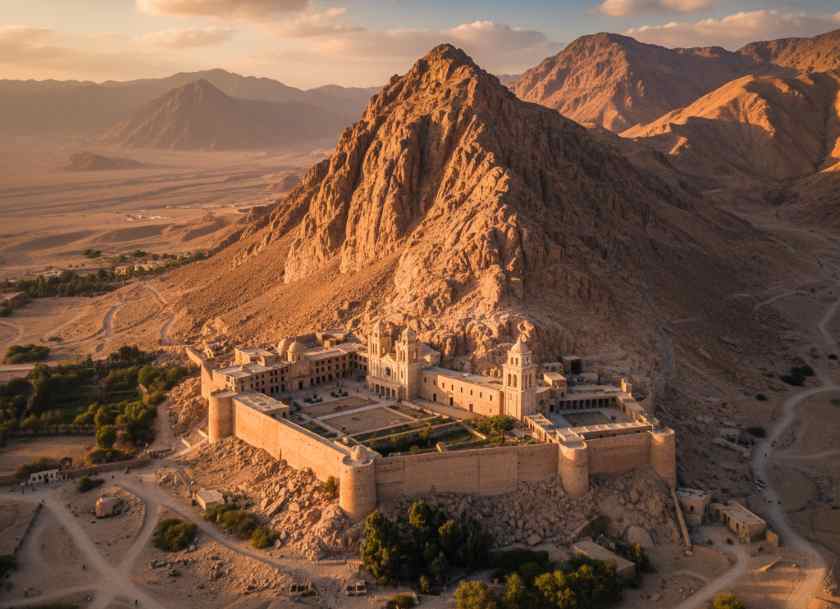
In the rugged terrain of Egypt’s southern Sinai Peninsula, a vast transformation is taking place near the town of Saint Catherine, long known for its peaceful atmosphere and historical significance. The Egyptian government has launched an ambitious megaproject to develop the area into a major tourism destination, aiming to attract visitors from around the world to experience the region’s unique cultural and religious heritage.

Saint Catherine, located near the biblical Mount Sinai, where the three Abrahamic faiths believe God spoke with Moses, has long been a quiet town, known for its tranquil beauty and its significance as a pilgrimage site. However, with the ongoing construction of hotels, resorts, and infrastructure designed to accommodate a surge in tourists, many locals are expressing concerns about the future of their town and the potential loss of its serene character.

The Historic Significance of Saint Catherine

Saint Catherine holds immense importance in religious history. For centuries, it has been a destination for pilgrims, particularly those following the Abrahamic faiths of Judaism, Christianity, and Islam. The Saint Catherine’s Monastery, a UNESCO World Heritage site, is one of the oldest working monasteries in the world and draws both religious visitors and cultural tourists who come to admire its ancient architecture and religious relics. The mountain town is also home to the famous Mount Sinai, where, according to tradition, Moses received the Ten Commandments.

This rich religious history has helped shape the town’s identity as a peaceful, contemplative space. The town’s modest size and remote location contributed to its allure as a sanctuary for pilgrims and tourists seeking spiritual reflection and natural beauty. However, with the introduction of the new tourism development plan, many worry that this unique character will be lost.

The Megaproject and Its Scope

The Egyptian government’s megaproject in Saint Catherine involves extensive construction to make the area more accessible to tourists. Key components of the project include the development of luxury hotels, transport infrastructure, and a range of visitor amenities. The goal is to create a modern, high-capacity tourism hub that will attract international visitors while capitalizing on the region’s religious and natural significance.

Among the planned developments is a cable car system designed to take tourists to the summit of Mount Sinai, making the area more accessible to a larger number of people. Additionally, the project includes the creation of visitor centers, hotels, and restaurants, aiming to cater to the needs of mass tourism. Local authorities hope the megaproject will provide a boost to the economy, create jobs, and bring international attention to the region.

Impact on Local Life and Concerns from the Community

While the potential for economic growth is seen as a positive by some, the construction work has raised concerns among residents. Many of the people who have lived in the area for generations fear that the influx of mass tourism will alter the town’s character and disrupt the peaceful lifestyle that has long defined it.

“The Saint Catherine we knew is gone,” said one resident, reflecting the sentiment of many in the community. With the town’s transformation, there is a sense that the intimate, spiritual atmosphere that attracted pilgrims for centuries may be lost as the area becomes more commercialized.

Local businesses, especially those that cater to the few tourists who visit annually, are already feeling the effects of the construction. While some view the developments as an opportunity for growth, others worry about the environmental and social costs of mass tourism in such a historically significant and fragile region.

Tourism Appeal of Mount Sinai and the Monastery

Despite the concerns, the megaproject is poised to open up new opportunities for tourists to explore the area’s unique religious and natural attractions. Mount Sinai, which has been an important destination for spiritual and religious journeys, remains central to the region’s tourism appeal. The town’s close proximity to the Saint Catherine’s Monastery ensures that tourists will continue to visit for its rich historical and religious significance.

For many visitors, the experience of hiking to the summit of Mount Sinai to witness the breathtaking sunrise is one of the most memorable aspects of their trip to the region. The development of better access, such as the planned cable car system, may offer a more convenient option for visitors, particularly those who are not physically able to complete the hike.

However, the rise in visitor numbers is likely to impact the area’s ecosystem. Local environmentalists have expressed concerns about the strain on natural resources and the potential damage to the fragile desert landscape. Sustainable tourism practices will be essential to balancing growth with the preservation of the region’s unique environment.

A Shift in Tourism Trends

Saint Catherine is just one example of the broader trend of tourism-driven development in Egypt, where other regions, such as Luxor and Cairo, are also experiencing significant infrastructure changes aimed at accommodating more tourists. The country’s tourism sector has been rebounding following a period of economic and political instability, and religious tourism is seen as a key pillar in this recovery.

For Egypt, investing in faith tourism aligns with its long-standing role as a cradle of ancient civilizations and a religious hub. The government’s goal is to attract more international tourists and enhance the country’s appeal as a top destination for pilgrims and cultural explorers.

Looking Ahead: Balancing Development with Preservation

The future of Saint Catherine will depend on how well the local community, authorities, and developers can balance the growth of tourism with the preservation of the town’s cultural and environmental heritage. Ensuring that mass tourism doesn’t overshadow the region’s deep spiritual significance will be a key challenge.

For now, Saint Catherine stands at a crossroads, where the blending of ancient history, religion, and modern development will define the next chapter of its legacy. The hope is that the town will be able to welcome tourists in a way that enhances its heritage without losing the charm that has drawn pilgrims for centuries.

The post Now, Explore Egypt’s Sacred Sites: Saint Catherine’s Development to Enhance Faith-Based Tourism appeared first on Travel And Tour World.
Newly Discovered Sun Temple in Egypt: A Must-Visit for History and Culture Tourists

Newly Discovered Sun Temple in Egypt: A Must-Visit for History and Culture Tourists

The Egyptian Ministry of Tourism and Antiquities has announced a significant discovery by an Italian archaeological mission: the remains of a sun temple dedicated to the ancient Egyptian king Nyuserre, located near Cairo in the Abusir necropolis. This remarkable find adds to Egypt’s already rich historical tapestry, further enhancing the country’s appeal as a top cultural tourism destination.

The sun temple of Nyuserre, believed to date back to the Fifth Dynasty of Egypt (around 2400 BCE), is considered one of the most important discoveries in recent years. Located just south of Cairo, the temple is part of the Abusir necropolis, which is already home to the pyramids of the Fifth Dynasty and other ancient monuments. This discovery has the potential to significantly boost tourism in the region by offering visitors a deeper understanding of the ancient Egyptian belief system and architectural advancements.

Discovering the Sun Temple: An Archaeological Breakthrough

The discovery of the sun temple is part of an ongoing archaeological effort in the Abusir necropolis, where Egyptian and international archaeologists have been uncovering tombs, statues, and structures dating back thousands of years. The sun temple is particularly significant because it represents an architectural style that was used by Egyptian kings to honor the solar deity Ra, a central figure in ancient Egyptian religion.

The remains of the temple suggest that it was once a grand structure, with carved stone blocks and fragments of statues that likely depicted the king and the gods of ancient Egypt. Experts believe that the temple was part of a larger complex dedicated to King Nyuserre, who ruled during the Fifth Dynasty and was known for his religious devotion to Ra. The discovery of such a well-preserved temple provides invaluable insights into Egypt’s ancient religious practices and architectural achievements.

The site’s proximity to Cairo makes it an ideal addition to the region’s tourism infrastructure, giving visitors the chance to explore ancient Egyptian history without venturing far from the capital. The excavation will likely bring more attention to the Abusir necropolis, which is less visited than other ancient Egyptian sites such as the Pyramids of Giza and the Sphinx, but offers a wealth of hidden gems for tourists seeking a more in-depth exploration of Egypt’s past.

Enhancing Egypt’s Tourism Offerings

The discovery of the sun temple is expected to boost tourism in Cairo and the surrounding regions. Egypt’s tourism industry has faced challenges in recent years, but the country’s rich history, ancient sites, and modern attractions continue to draw millions of visitors. This discovery provides an opportunity for Egypt to expand its tourism offerings and promote less-visited but equally significant historical sites like the Abusir necropolis.

For tourism operators, the discovery provides an opportunity to craft specialized tour packages that include visits to the newly discovered sun temple and other nearby archaeological sites. Guided tours of the Abusir pyramids and the newly uncovered temple could become popular attractions for history enthusiasts, archaeology tourists, and those seeking to learn more about the ancient Egyptian civilization.

Cultural Tourism in Egypt: A Rising Trend

Cultural tourism continues to be a growing trend worldwide, with travelers seeking experiences that immerse them in local history, art, and heritage. Egypt remains one of the world’s most sought-after cultural destinations, with its ancient landmarks, such as the Pyramids of Giza, the Valley of the Kings, and Luxor’s Karnak Temple, attracting millions of visitors annually.

With the discovery of the sun temple, Egypt now has the opportunity to market its rich cultural and religious history more extensively. This discovery aligns with Egypt’s broader tourism goals, which focus on promoting the country’s ancient sites while also ensuring sustainable and responsible tourism. Efforts to preserve the Abusir necropolis and other historical areas will help safeguard Egypt’s invaluable cultural heritage for future generations of visitors.

Engaging Visitors with Egypt’s Ancient Religious Practices

The sun temple of Nyuserre also offers an opportunity for tourists to explore ancient Egyptian religious practices. In addition to its historical significance, the temple will give visitors a deeper understanding of the central role that the worship of Ra and other deities played in ancient Egyptian society. Egyptologists and tour guides will be able to provide insights into how these religious beliefs shaped the architecture, art, and rituals of the time.

For tourists interested in religious history and ancient rituals, a visit to the sun temple could be a unique opportunity to explore the intersection of culture, religion, and architecture. Guided tours of the temple and surrounding sites could offer interactive experiences, such as workshops on ancient Egyptian religious beliefs or recreations of the rituals that would have taken place in the temple.

Building on the Legacy of the Pyramids

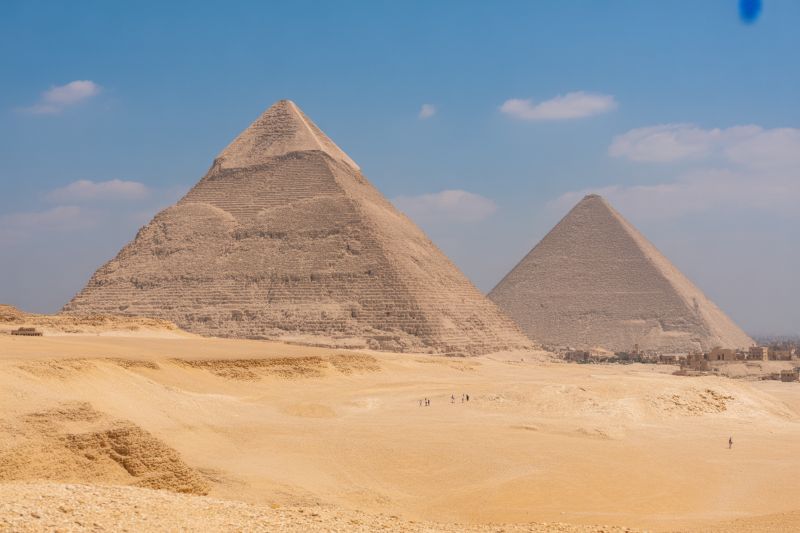
The newly discovered sun temple adds to Egypt’s already iconic collection of ancient monuments and could attract more visitors to the Giza Plateau and other archaeological hotspots. The Pyramids of Giza and the Great Sphinx are among the most visited sites in the world, but with the addition of newly discovered temples and unexplored pyramids, Egypt can continue to offer fresh and exciting experiences for tourists.

In addition to cultural tourism, the site could attract academic visitors and archaeologists who are interested in exploring the finer details of ancient Egyptian architecture and religious structures. As the excavation of the sun temple continues, it may yield even more discoveries that will deepen our understanding of one of the world’s oldest civilizations.

Conclusion: A Bright Future for Egypt’s Tourism Sector

The discovery of the sun temple in the Abusir necropolis is a significant moment for Egyptian tourism, offering new opportunities to explore the country’s rich cultural and religious history. As the tourism industry continues to recover, Egypt’s newly discovered sites will help draw visitors from around the world who are eager to experience its ancient wonders. With the sun temple set to become a key attraction, Egypt is poised to continue captivating travelers and scholars alike with its unparalleled historical legacy.

The post Newly Discovered Sun Temple in Egypt: A Must-Visit for History and Culture Tourists appeared first on Travel And Tour World.

Egypt’s Minister of Environment Invites Investment in Nature Reserves for Ecotourism, Here’s All You Need to Know

Egypt’s Minister of Environment Invites Investment in Nature Reserves for Ecotourism, Here’s All You Need to Know

On the 13th of December 2025, Egypt’s Minister of Local Development, Dr. Manal Awad, who is acting as the Minister of Environment, pledged her commitment to collaborating with the private sector in developing ecotourism initiatives in the different nature reserves of Egypt. This is a major breakthrough in Egypt’s journey toward harnessing development alongside conservation. The government has identified the rising need for ecotourism, locally as well as internationally, making it a potential area for development.

Promoting Ecotourism: A Vital Component of Egypt’s Green Economy

The growing interest in ecotourism, a form of sustainable tourism that focuses on preserving the environment while providing a meaningful travel experience, is not only beneficial for Egypt’s natural heritage but also for its economy. Dr. Awad emphasized that the government sees environmental investment as an essential component in the development of Egypt’s green economy. By incorporating ecotourism projects, the country can tap into both local and global demand for nature-based tourism experiences while promoting sustainable practices.

One of the central aspects of this development is the integration of economic growth with nature conservation. Dr. Awad explained that the Ministry seeks to implement ecotourism projects that do not just promote economic benefits but also respect the unique environmental features of each nature reserve. This includes using eco-friendly materials and designs that are in harmony with the surroundings, ensuring that these initiatives do not negatively affect the ecosystems they aim to protect.

Environmental Standards: Ensuring Sustainable Development

A key principle of the new approach is that any investment within nature reserves must adhere to strict environmental standards. Dr. Awad made it clear that Egypt will not compromise on its environmental responsibilities, particularly when it comes to protecting ecosystems and natural resources. As part of this effort, she highlighted the importance of complying with regulations that protect nature reserves from any harmful impacts that may arise from tourism and development activities.

To ensure that projects align with environmental goals, the Ministry has set clear guidelines. Any investor wishing to contribute to ecotourism in Egypt’s nature reserves must submit comprehensive technical and environmental studies. These include environmental impact assessments and sustainable management plans, which will outline how the proposed projects will be managed and the measures in place to mitigate potential harm to the environment.

These proposals will undergo rigorous review by experts in nature conservation and technical bodies within the Ministry, ensuring that they meet all necessary criteria before approval is granted. This process is designed to protect Egypt’s nature reserves, ensuring that future developments benefit both the economy and the environment.

Nature Reserves: Egypt’s Unique Ecotourism Assets

Egypt is home to several stunning nature reserves that boast unique environmental features, making them prime candidates for ecotourism projects. These protected areas, such as Wadi El Rayan, Ras Mohammed, and the Red Sea’s coral reefs, are known for their breathtaking landscapes, diverse wildlife, and rich cultural heritage. They are becoming increasingly popular with tourists who seek experiences that allow them to connect with nature while supporting conservation efforts.

The country’s nature reserves have the potential to position Egypt as a global ecotourism hub, attracting tourists who prioritize sustainability and the protection of natural resources. By leveraging the private sector’s involvement, Egypt can enhance the infrastructure of these reserves, offering visitors a high-quality experience while ensuring the long-term preservation of their natural beauty.

Collaborative Efforts: Government and Private Sector Working Together

Dr. Awad emphasized that the partnership between the government and private investors is crucial to the success of Egypt’s ecotourism sector. The Ministry of Environment is actively working with the private sector to develop environmental infrastructure within the country’s nature reserves, improve visitor services, and establish a modern system for managing tourism activities.

This collaboration aims to strike a balance between development and conservation, allowing the tourism industry to flourish while minimizing the environmental impact. The Ministry is also exploring opportunities to implement new systems that will manage the increasing number of visitors to these natural sites, ensuring that they do not overburden the ecosystem.

In addition to supporting private investments in ecotourism, the Ministry is focused on improving the quality of tourism services offered in nature reserves. This includes providing better accommodations, organizing guided eco-tours, and enhancing infrastructure to support sustainable travel, such as eco-friendly transportation and waste management systems.

The Impact on Egypt’s Tourism Industry

The rise of ecotourism presents a unique opportunity for Egypt to diversify its tourism offerings. Traditionally known for its historical landmarks such as the Pyramids of Giza, Egypt is positioning itself as an attractive destination for nature-based travel. The country’s nature reserves, with their pristine landscapes, wildlife, and adventure opportunities, are expected to draw a growing number of tourists who are interested in outdoor activities such as hiking, bird watching, and scuba diving.

As global interest in sustainable travel continues to grow, Egypt’s ability to offer ecotourism experiences could significantly enhance its competitive edge in the international tourism market. The development of eco-friendly tourism projects in nature reserves will help Egypt tap into this lucrative market while preserving its environmental heritage.

A Promising Future for Ecotourism in Egypt

While this country is continuously improving in terms of environmental infrastructure and offering a variety of innovative and environmentally friendly tourism activities, Egypt will also become an excellent destination for travelers who seek nature exploration, sustainable activities, and contribution to the preservation of the planet’s natural resources.

The post Egypt’s Minister of Environment Invites Investment in Nature Reserves for Ecotourism, Here’s All You Need to Know appeared first on Travel And Tour World.
❌