Germany has formally summoned Russia’s ambassador in Berlin after publicly attributing a series of cyber and influence operations to Moscow’s GRU military intelligence agency.
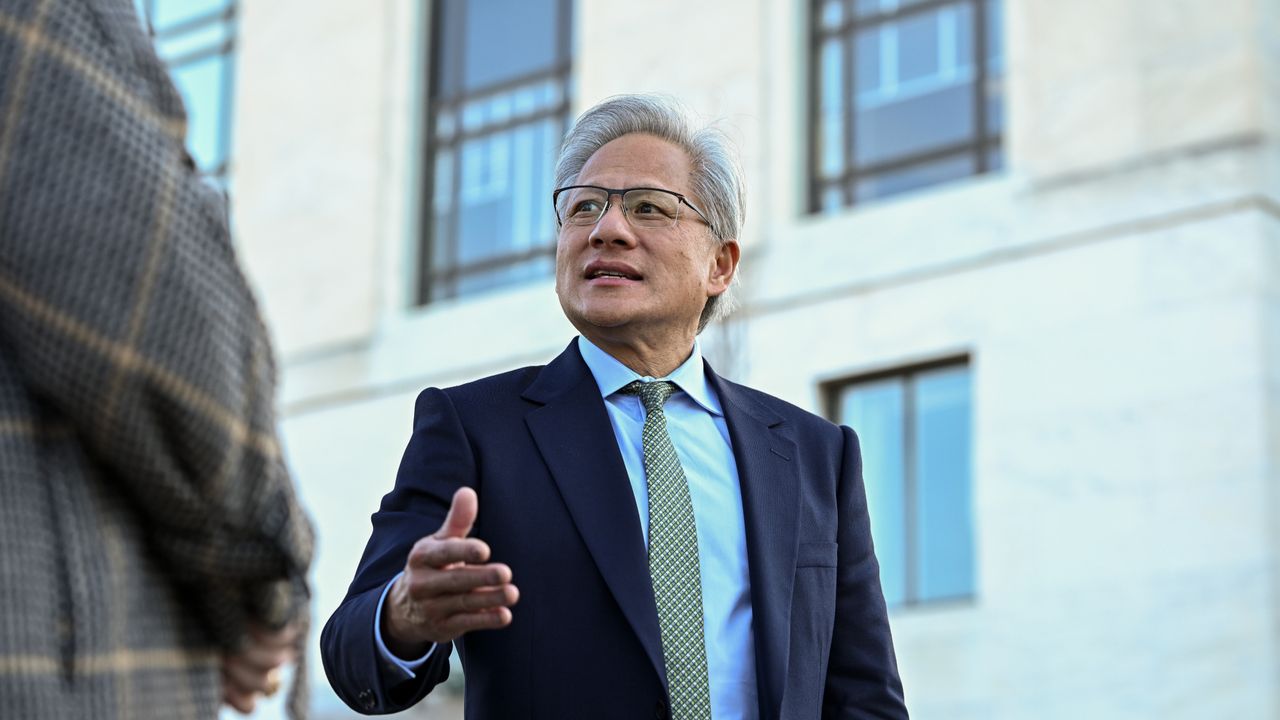
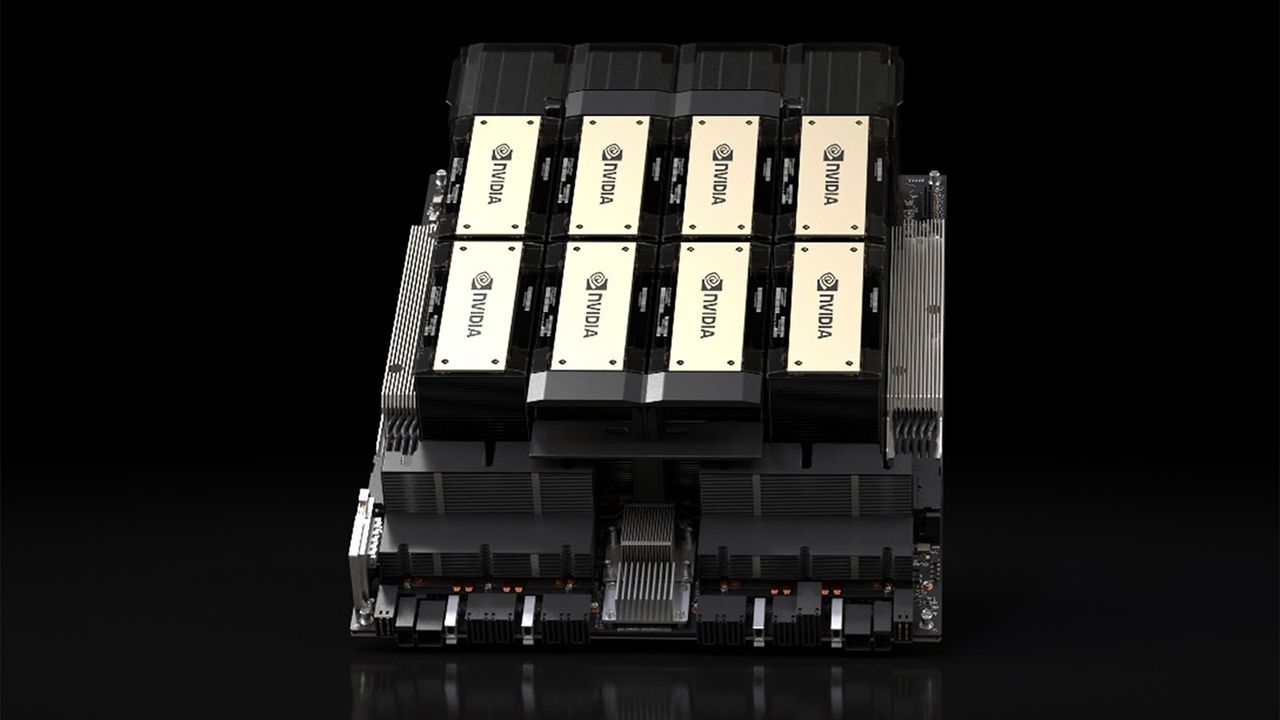
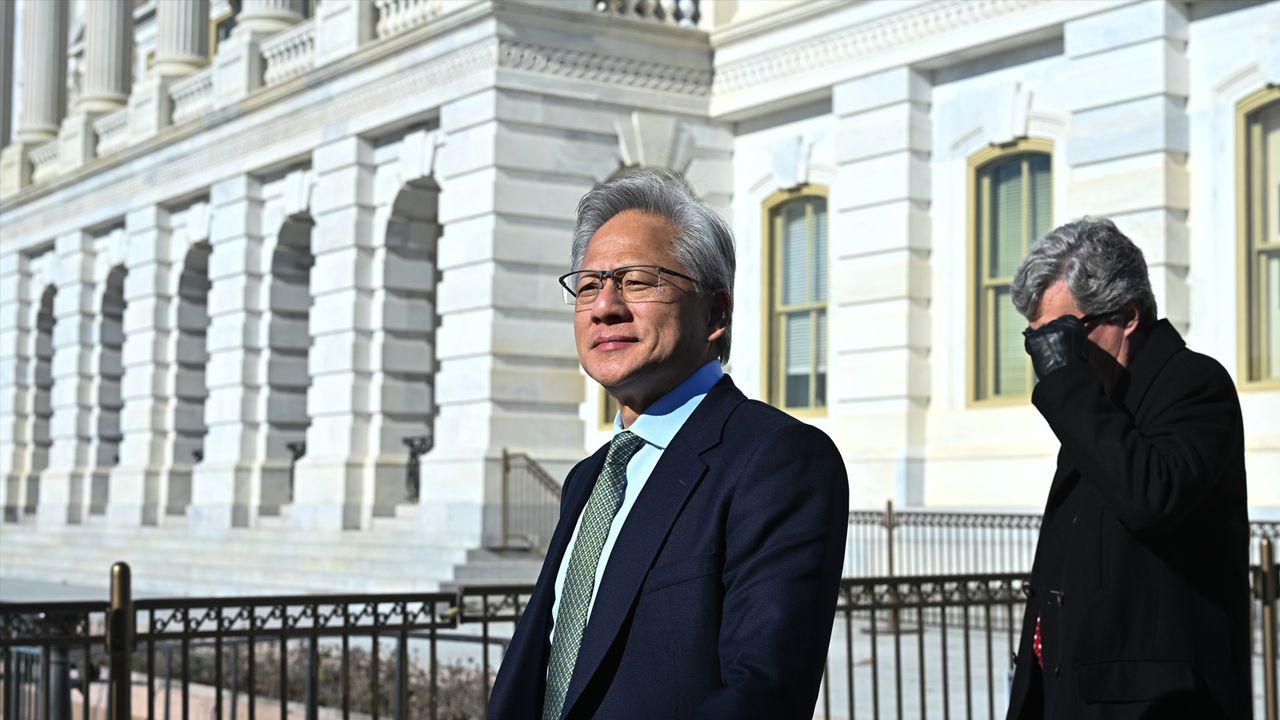
Nvidia is evaluating whether to increase production of its H200 data center GPUs after demand from Chinese customers is expected to exceed current supply.
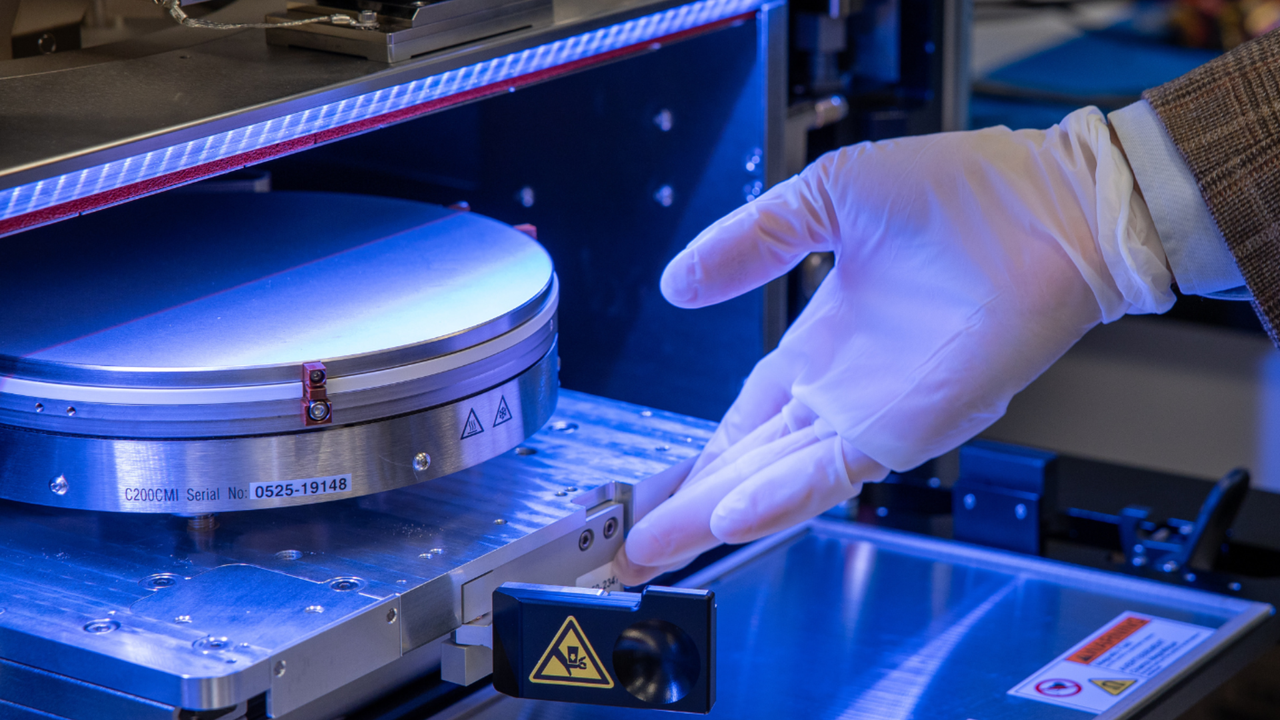
TechInsights says Huawei's Kirin 9030 is built on SMIC’s N+3 process: an incremental, DUV-based extension of its 7nm-class technology that pushes density without EUV but falls well short of true 5nm nodes amid rising yield challenges.
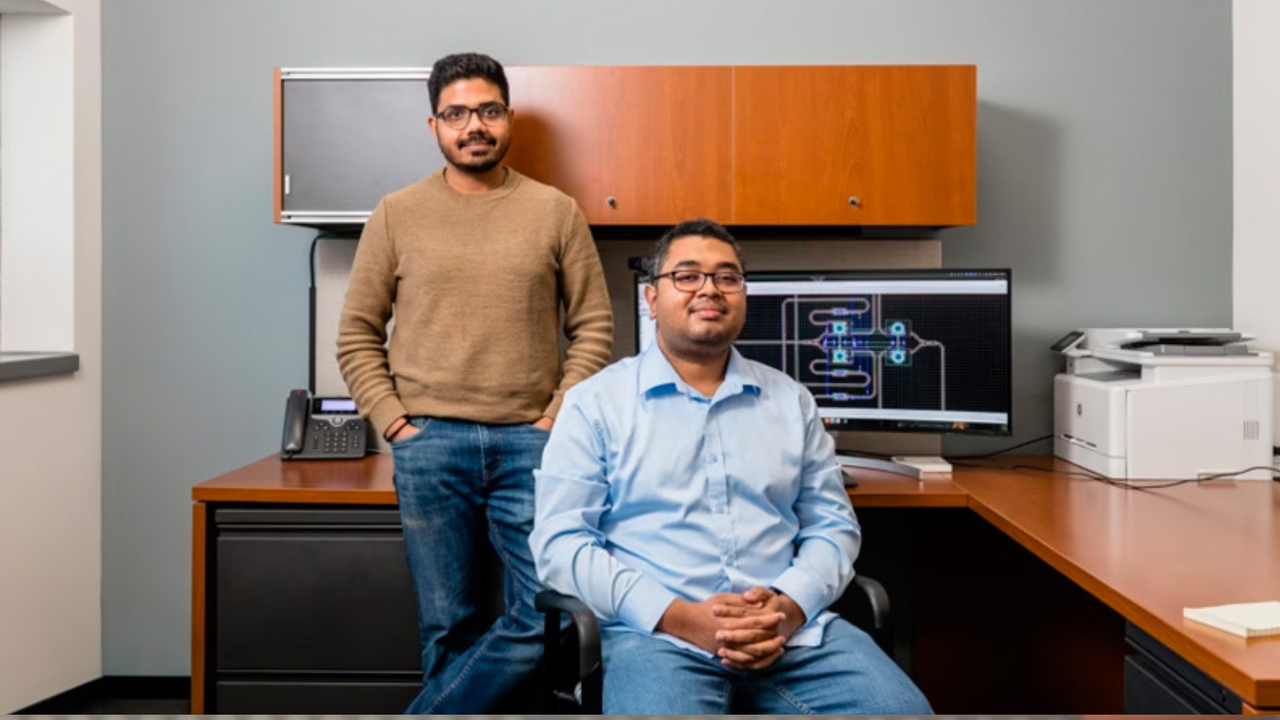
Researchers from the University of Southern California Information Sciences Institute and the University of Wisconsin-Madison have demonstrated what they describe as the first regenerative photonic memory latch.
China is considering investing up to an additional $70 billion in its domestic chip manufacturers in an effort to better compete with US firms like Nvidia. Although exact figures and investment strategies have yet to be decided, this move would be in line with China's "whole nation" approach to tackling its chip shortages.
China has called on the Netherlands to move quickly to resolve the dispute surrounding Nexperia after months of supervision measures and a retaliatory export freeze disrupted shipments of components.
The world's leading AI firms are collaborating on a new Agentic Artificial Intelligence Foundation managed by the Linux Foundation to build open standards around AI agents. The move will focus on three key open source tools to begin with, sharing findings on technical problems.
Chinese government began to add government-approved AI suppliers to the Information Technology Innovation List in a bid to accelerate deployment of domestic hardware. But can Chinese semiconductor industry satisfy the needs of domestic AI industry?
The U.S. government has formally approved the export of Nvidia’s high-performance H200 AI chips to China, reinstating access to a class of silicon previously barred under national security rules.
DeepSeek is allegedly involved in a "phantom data center" smuggling scheme to get Blackwell GPU servers into China as part of training its newest LLM generation. While Nvidia refutes the claims as "farfetched", some proof indicates otherwise.
China convened emergency meetings with its largest technology companies on Wednesday to assess how many of Nvidia’s H200 accelerators they intend to buy.
According to a new report, the Trump Administration's U-turn on allowing exports of the Nvidia H200 AI accelerator chip is down to competition from China's native Huawei, which offers comparable power.
A growing body of forecasts from AMD, Nvidia, Broadcom, and major research firms now points toward a semiconductor market that passes the trillion-dollar threshold before the decade closes.
Intel’s new partnership with Tata signals a transformative step for India’s chip ecosystem, enabling domestic manufacturing, advanced packaging, and enterprise compute solutions.
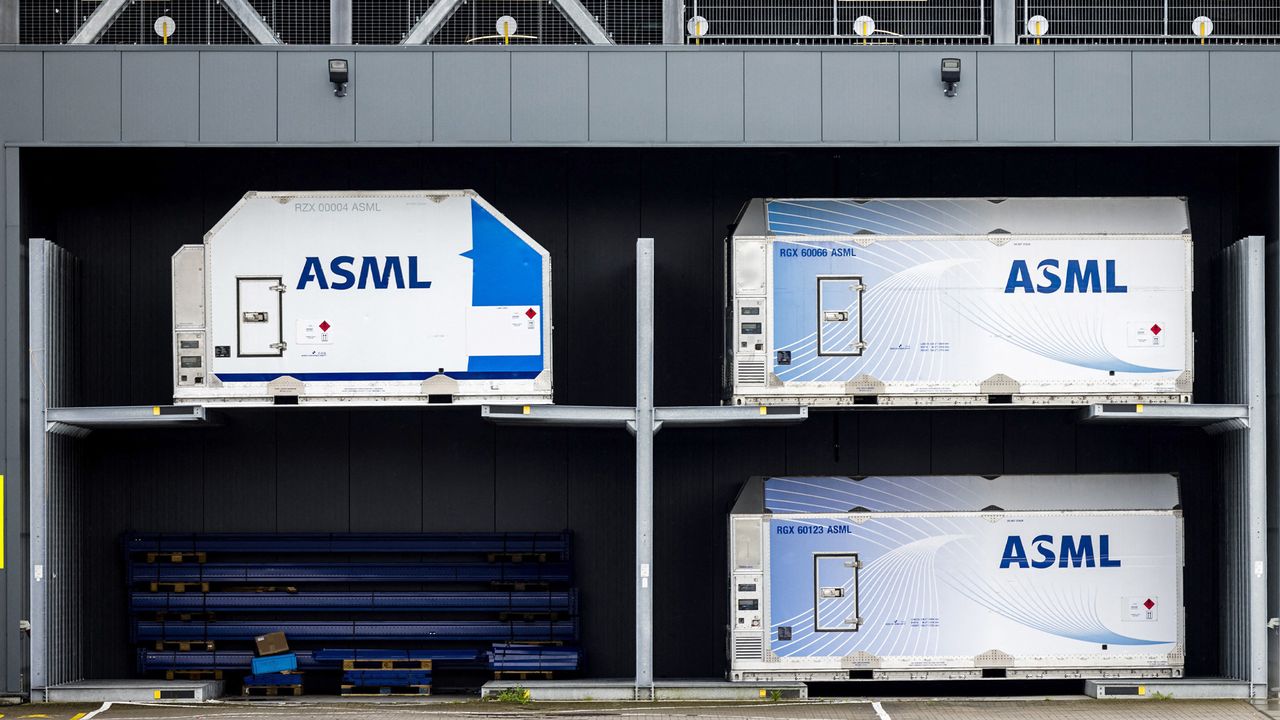
Dutch chip manufacturing design firm, ASML, has been accused of selling chip fabrication hardware to a Chinese defence firm tied to the ruling party. Although it claims the technology was old, it has raised concerns over its potential use in developing new quantum technologies, particularly with military applications.
Marvell has confirmed plans to acquire Celestial AI in a deal worth up to $5.5 billion, a figure that immediately places it among the most aggressive acquisitions in the current AI cycle.
The UK government has unveiled the first details of Atlantic Bastion, a new undersea warfare programme designed to detect and counter Russian submarine activity across the North Atlantic.
OpenAI and Anthropic claim in a pair of reports released today and earlier in the month that the use of enterprise AI tools increase productivity and corporate ROI. These studies may be damage control to counter those released by MIT and Harvard in August claiming the opposite.
Even as U.S. and Chinese lawmakers make it harder for Nvidia to sell its chips to Chinese customers, the alternatives aren't able to offer a competitive product. With smuggling and obfuscated shipment routing making it possible to get around blocks and barriers, it may be that Nvidia remains the dominant training hardware provider in the region.
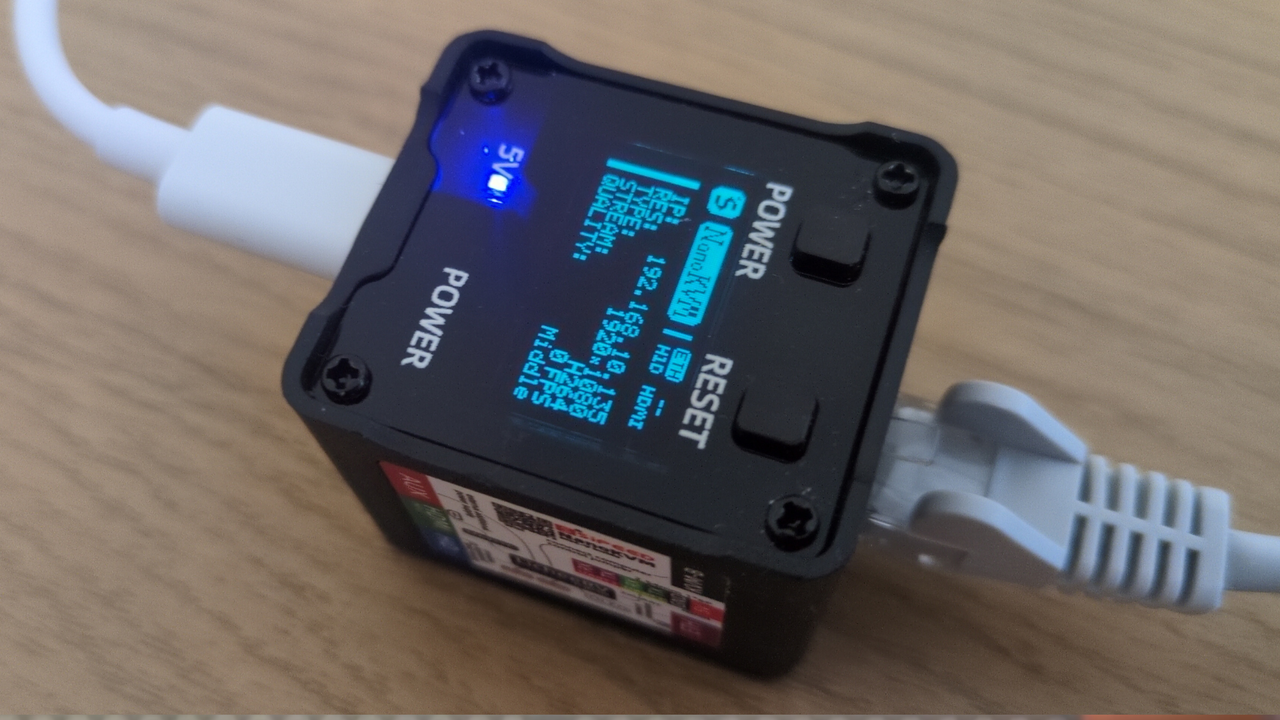
A Slovenian security researcher published an analysis of Sipeed’s NanoKVM in Feburary that raises far-reaching concerns about the €30-€60 remote management device.
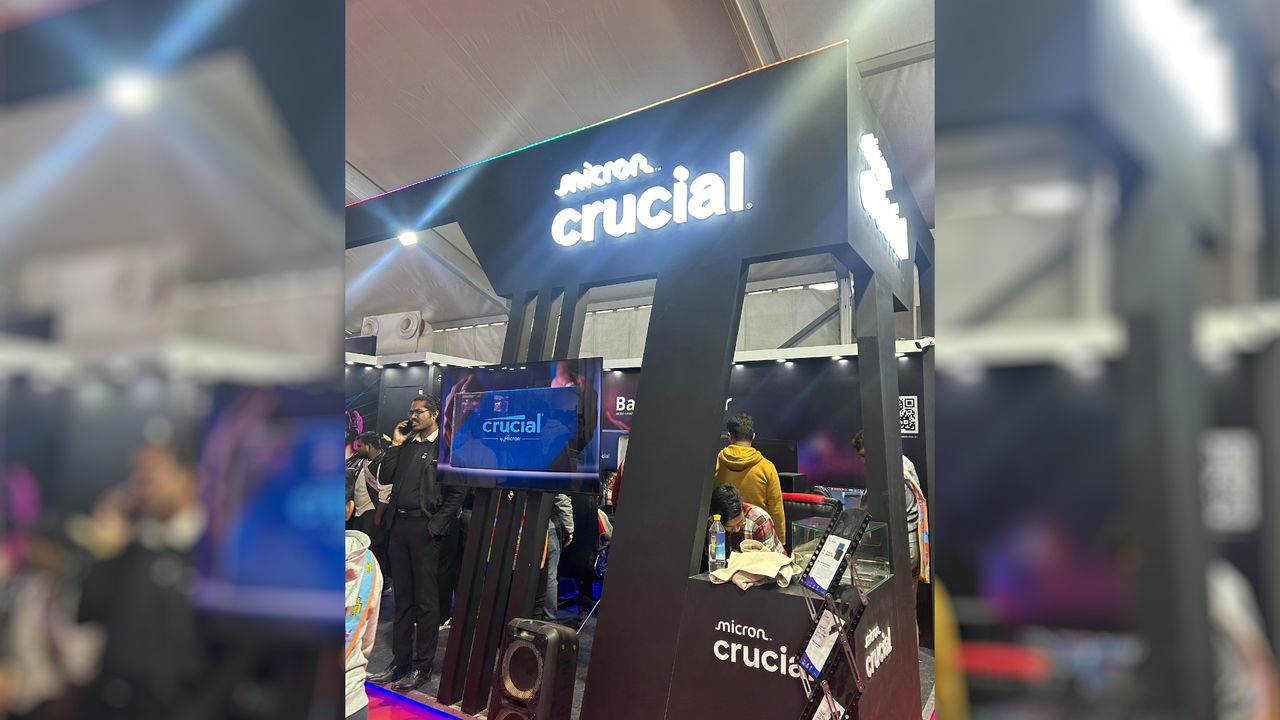
Micron’s plans to shutter its Crucial consumer business next year did not stop the brand from appearing on the show floor at Delhi Comic Con over the weekend.
A six-month investigation into AI-assisted development tools has uncovered over thirty security vulnerabilities that allow data exfiltration and, in some cases, remote code execution.
Researchers at UC Santa Barbara have demonstrated a display technology that renders dynamic graphics that can be both seen and physically felt, according to a new study.
TSMC clarifies A14 specifications: Even more performance, but better tools might be needed to extract the full potential of the latest process technologies.
Nvidia CEO Jensen Huang revealed in a recent Joe Rogan podcast that the inventors behind deep learning ran the world's first machine learning network on a pair of GTX 580s in SLI in 2012.
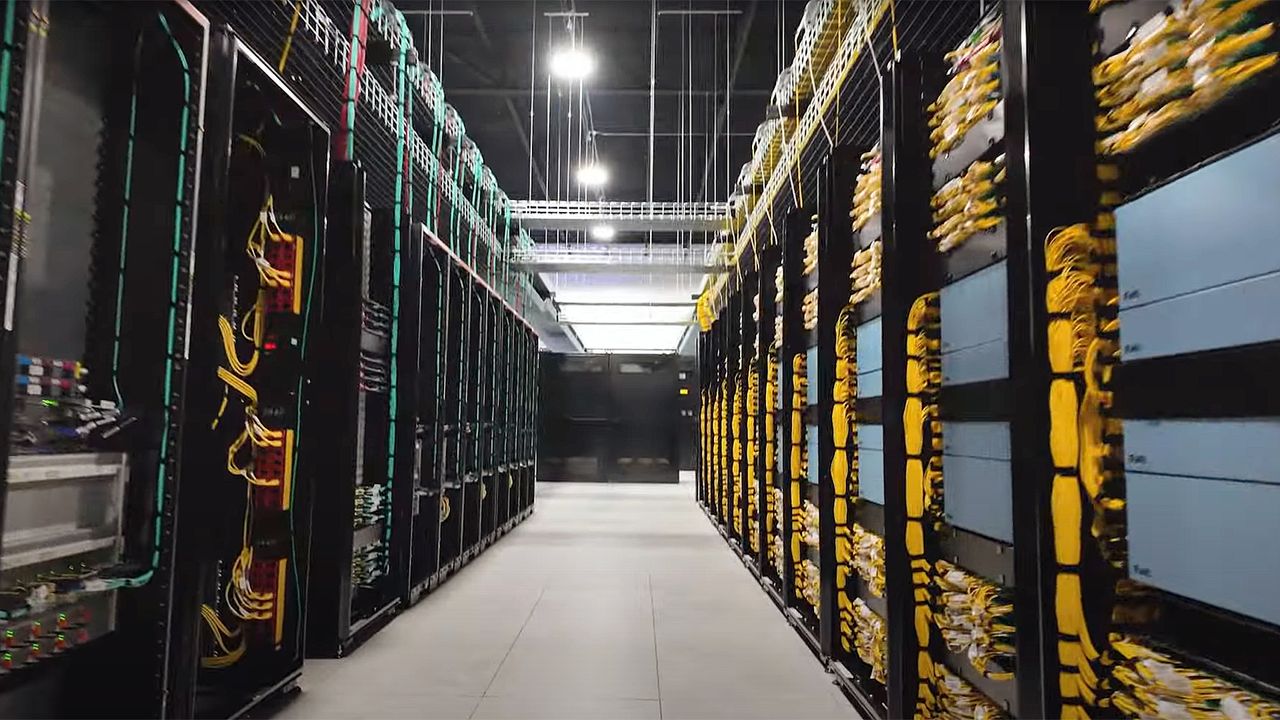
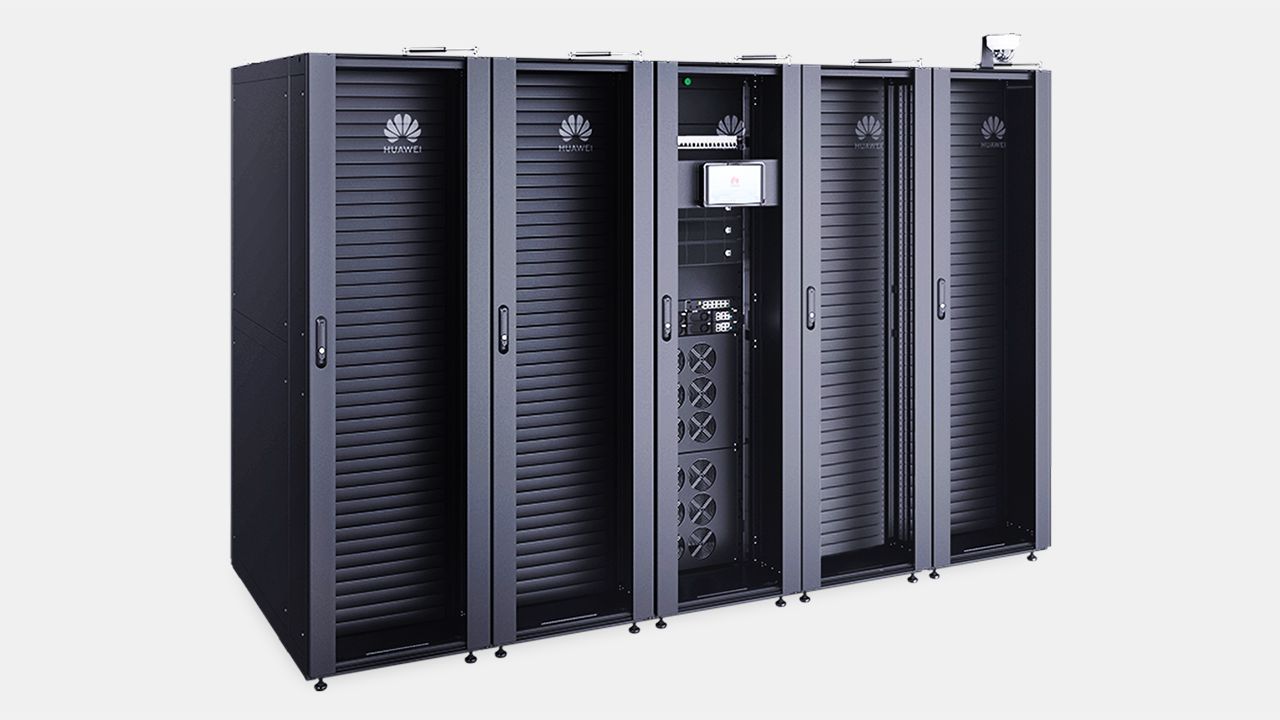
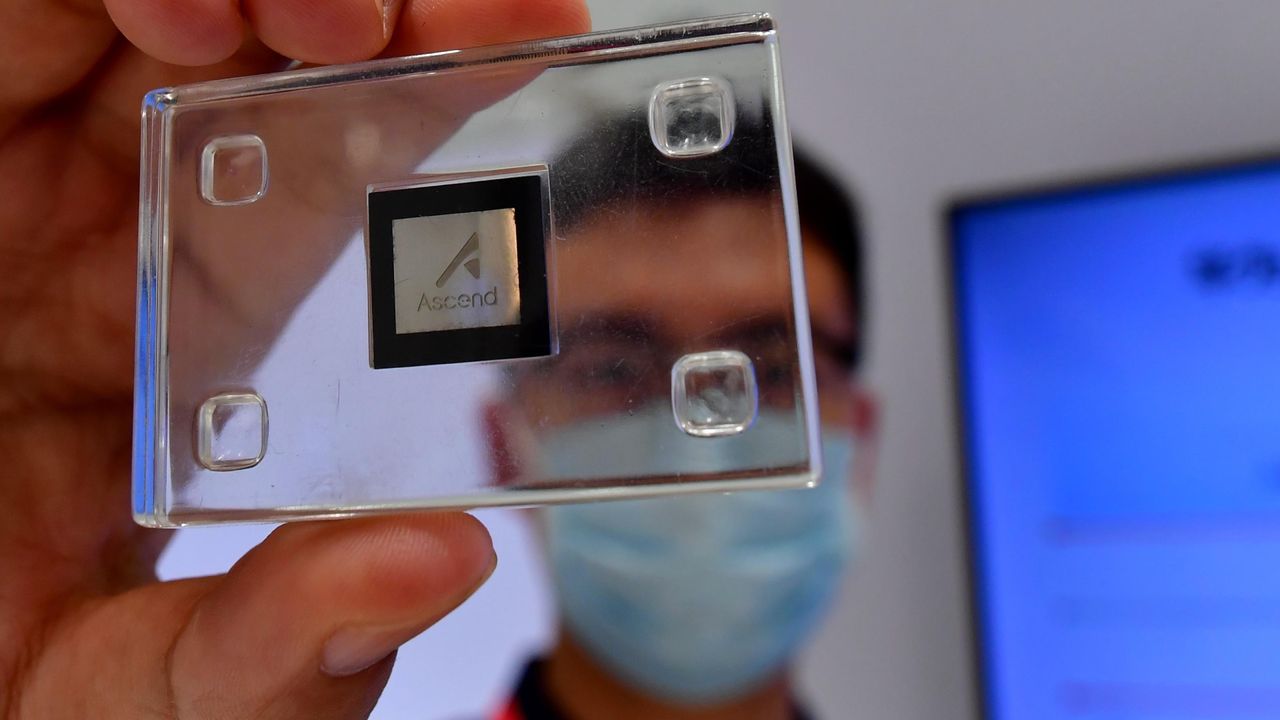
Huawei has unveiled its Ascend NPU roadmap featuring Ascend 950, 960, 970 processors and massive SuperClusters with over a million of processors and up to 4 ZettaFLOPS FP4 performance in 2028, shifting from chip scaling to system-level scaling, amid U.S. sanctions and manufacturing constraints.

 Login
Login