
Reading view

Finland Joins Saudi Arabia, Costa Rica, and New Zealand in Making Tourism a Source of Restoration— A New Vision for Travel in 2025 and Beyond

Finland Joins Saudi Arabia, Costa Rica, and New Zealand in Making Tourism a Source of Restoration— A New Vision for Travel in 2025 and Beyond
Finland Joins Saudi Arabia, Costa Rica, and New Zealand

As global tourism continues to grow, the focus is shifting from simply sustaining destinations to regenerating them—a concept known as regenerative tourism. New Zealand, Costa Rica, Saudi Arabia, and Finland are at the forefront of this transformation, aiming not just to reduce the negative impacts of tourism but to actively restore and enhance the natural, cultural, and social capital of the places that attract visitors. This holistic approach goes beyond sustainability by creating net positive effects on the environment and local communities.

But what is regenerative tourism? In simple terms, it’s a tourism model that ensures travel destinations benefit from the industry, enriching the local environment, culture, and economy. Unlike sustainability, which focuses on reducing the negative effects of tourism, regenerative tourism actively works towards environmental restoration, cultural preservation, and community empowerment. While this concept is still evolving, several countries have made official commitments to embed regenerative practices in their tourism strategies, offering a model for others to follow.

What Is Regenerative Tourism?

Regenerative tourism isn’t just about minimizing harm—it’s about giving back more than it takes. It strives to restore ecosystems, revitalize local cultures, and empower communities through tourism. The goal is to create a positive feedback loop where tourism enhances the very things that attract visitors in the first place, such as natural landscapes, cultural heritage, and social well-being.

Despite its promising potential, measuring regenerative outcomes is still a challenge. Governments are working to develop metrics and standards for regenerative tourism, but these are not yet universally standardized. While some countries have made notable progress, much of the data available is linked to broader sustainable tourism or economic and environmental impact initiatives rather than directly to regenerative metrics.

New Zealand — Leading the Way in Regenerative Tourism

Government Stance and Key Initiatives

New Zealand is recognized as a global leader in regenerative tourism, with the government taking explicit steps to embed this concept into its official strategy. The Ministry of Business, Innovation & Employment (MBIE) and Tourism New Zealand have prioritized the transition to a regenerative tourism model.

The goal is clear: to ensure tourism protects, restores, and champions the country’s natural environment, culture, and heritage. This vision is part of New Zealand’s broader tourism strategy, known as the Tourism Growth Roadmap.

One of the core initiatives under this strategy is the Tiaki Promise, a government-backed pledge encouraging both visitors and locals to commit to caring for the land (whenua), sea, and nature. The word Tiaki means “to care and protect” in the Māori language, underscoring the deep cultural connection to the environment.

Key Statistics

  • Tiaki Promise Awareness: 22% of the domestic population is aware of the Tiaki Promise, demonstrating a successful push to promote regenerative thinking among locals.
  • Tourism Sector Productivity: Tourism GDP accounted for ~5.5% of New Zealand’s total GDP pre-pandemic, with a shift from visitor volume to value per visitor being a key focus.
  • Protected Areas: Over 30% of New Zealand’s land area is protected, providing a solid ecological foundation for restoration efforts.

Top Tourist Attractions in New Zealand

  1. Fiordland National Park – A UNESCO World Heritage site with stunning fjords and pristine landscapes.
  2. Rotorua – Known for its geothermal activity and Māori cultural experiences.
  3. Aoraki/Mount Cook National Park – Famous for its towering peaks and alpine beauty.
  4. Bay of Islands – A picturesque region with rich history, ideal for sailing and exploration.
  5. Tongariro National Park – A dual UNESCO World Heritage site, renowned for its volcanic landscapes.

Costa Rica — A Pioneer in Ecotourism Now Moving Towards Regeneration

Government Stance and Key Initiatives

Costa Rica is well-known for its decades-long focus on ecotourism, but the country is now transitioning towards a more explicitly regenerative model. The Costa Rican Tourism Institute (ICT) has been pivotal in this shift, aiming to make the country a key destination for regenerative tourism.

Costa Rica’s commitment to regenerative practices is most evident through its Certification for Sustainable Tourism (CST) program. While the CST has been around for years, its criteria are now being applied to fund businesses that actively contribute to conservation, community development, and regenerative outcomes.

Key Statistics

  • Forest Cover: Over 52% of Costa Rica’s territory is covered by forests, and the country is a global leader in reforestation and ecological restoration.
  • Renewable Energy: Nearly 100% of Costa Rica’s electricity comes from renewable sources such as hydro, geothermal, and solar, ensuring a minimal carbon footprint.
  • Tourism Sector Contribution: Tourism accounts for ~6.3% of Costa Rica’s GDP, which supports a low-impact, nature-focused tourism model.

Top Tourist Attractions in Costa Rica

  1. Manuel Antonio National Park – Known for its wildlife, beaches, and forest trails.
  2. Monteverde Cloud Forest – A biodiversity hotspot perfect for hiking and nature tours.
  3. Arenal Volcano – Famous for its geothermal activity and hot springs.
  4. Corcovado National Park – One of the most biodiverse places on Earth.
  5. Tortuguero National Park – A protected area known for its turtle nesting sites and vibrant ecosystems.

Saudi Arabia — Vision 2030’s Regenerative Tourism Projects
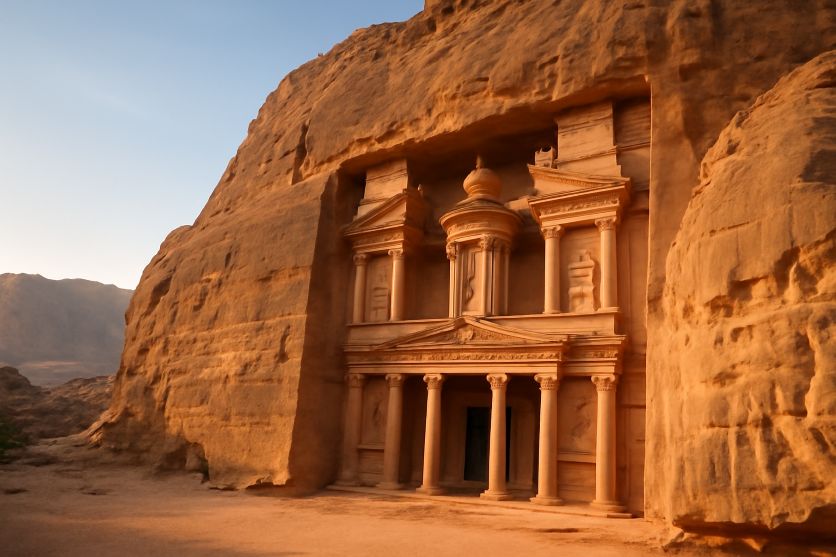
Government Stance and Key Initiatives

Saudi Arabia is using massive state funding to develop entirely new, regenerative tourism destinations under its Vision 2030 plan. The government’s Red Sea Global (RSG) initiative, formerly the TRSDC (The Red Sea Development Company), is building luxury resorts and destinations with an explicit mandate to be regenerative, going beyond sustainability to create a “Nature-Positive” tourism model.

By 2040, Saudi Arabia aims for a 30% net positive conservation benefit, ensuring that its tourism projects not only protect but also enhance the environment.

Key Statistics

  • Net Conservation Benefit: Saudi Arabia’s goal is a 30% net positive conservation benefit by 2040, focusing on ecosystem restoration such as mangrove planting and habitat enhancement.
  • Tourism Share of GDP: The country aims to increase tourism’s contribution to its GDP from ~3% to 10% by 2030, aligning economic growth with environmental goals.
  • Biodiversity Restoration: 50,000 m² of new coral reefs are being created and restored in the Red Sea.

Top Tourist Attractions in Saudi Arabia

  1. Al-Ula – A UNESCO World Heritage site known for its ancient rock art and tombs.
  2. The Red Sea Project – A luxury resort area built with regenerative principles.
  3. Riyadh’s National Museum – Showcasing the kingdom’s rich history and culture.
  4. Diriyah – A historical district of Riyadh, being restored to highlight Saudi heritage.
  5. Al Khobar Beaches – Popular for water activities and relaxing retreats.

Finland — Sustainable Travel and Regenerative Practices Through National Certification

Government Stance and Key Initiatives

Finland has integrated regenerative tourism through the Sustainable Travel Finland (STF) Label, a national program that promotes environmental and social responsibility. Visit Finland and Business Finland have led the way in ensuring that all destinations labeled under STF adhere to high standards of cultural preservation, community collaboration, and environmental stewardship.

Key Statistics

  • Certified Destinations: Over 100 companies and 13 destinations have been certified through the STF program, demonstrating the widespread adoption of regenerative practices.
  • Visitor Satisfaction: Finland consistently ranks high in visitor satisfaction and safety, which aligns with its regenerative tourism goals.

Top Tourist Attractions in Finland

  1. Lapland – Famous for the Northern Lights and its connection to Santa Claus.
  2. Helsinki – A vibrant city known for its art, architecture, and natural beauty.
  3. Lake Saimaa – Offers serene landscapes perfect for boating and hiking.
  4. Rovaniemi – The official home of Santa Claus and a gateway to Arctic adventures.
  5. Turku Archipelago – A stunning group of islands ideal for outdoor activities.

Conclusion: A Global Shift Towards Regenerative Tourism

Countries like New Zealand, Costa Rica, Saudi Arabia, and Finland are leading the regenerative tourism movement, with official commitments to make tourism a force for environmental restoration, cultural preservation, and community empowerment. These nations are setting a new standard for sustainable travel, demonstrating that tourism can enrich both the environment and the local economy when it’s done right.

As the industry evolves, regenerative tourism is expected to grow, with more destinations adopting these principles. While the metrics for regeneration remain in development, the initial successes in these pioneering nations provide a blueprint for others to follow, ensuring that tourism can leave a positive, lasting impact on the world.

The post Finland Joins Saudi Arabia, Costa Rica, and New Zealand in Making Tourism a Source of Restoration— A New Vision for Travel in 2025 and Beyond appeared first on Travel And Tour World.

Oman Air’s Muscat–Taif Flight Launch in 2026 – The Secret to Transforming Saudi Tourism and Luxury Hotels!

Oman Air’s Muscat–Taif Flight Launch in 2026 – The Secret to Transforming Saudi Tourism and Luxury Hotels!
Oman Air's Muscat–Taif flight launch in 2026 is set to be the secret to transforming Saudi tourism and luxury hotels.

Oman Air’s Muscat–Taif flight launch in 2026 is set to be the secret to transforming Saudi tourism and luxury hotels. This exciting new route will not only enhance regional connectivity but also unlock the potential of one of Saudi Arabia’s most beautiful and culturally rich cities. With the introduction of direct flights from Muscat to Taif, travelers can now easily access the city’s cool climate, scenic landscapes, and historical attractions, making it an attractive destination for both leisure and business visitors. As part of Oman Air’s broader expansion strategy, this route promises to boost tourism and invigorate the hospitality industry in Taif, helping to fulfill Saudi Arabia’s ambitious Vision 2030 goals of increasing international visitor numbers and strengthening its tourism infrastructure. For tourists and hoteliers alike, the Muscat–Taif route is a gateway to exciting opportunities and unforgettable experiences in the heart of the Kingdom.

Oman Air’s Muscat–Taif Flight Launch in 2026 – The Secret to Transforming Saudi Tourism and Luxury Hotels!

Oman Air is poised to bring a transformative change to Gulf travel with its new Muscat–Taif flight launching in 2026. This exciting new route isn’t just about more flights; it’s a catalyst for growth in Saudi Arabia’s tourism and hospitality industries. Travelers will now be able to experience the best of Saudi Arabia’s cultural heritage, natural beauty, and luxury hotel offerings, with a seamless travel experience from Oman to one of the Kingdom’s most scenic destinations.

As the global travel industry rebounds, airlines and hospitality businesses are constantly looking for ways to meet the surge in demand. Oman Air’s strategic expansion into Taif, Saudi Arabia, exemplifies the airline’s commitment to enhancing regional connectivity, boosting tourism, and supporting the luxury hotel market. This new route not only strengthens the bond between Oman and Saudi Arabia but also opens up new opportunities for tourists seeking a blend of adventure, culture, and relaxation.

A Gateway to Saudi Arabia’s Hidden Gem – Taif

The city of Taif, nestled in the mountains of Saudi Arabia, is known for its cooler climate, beautiful landscapes, and rich cultural history. Often referred to as the “City of Roses,” Taif is famous for its fragrant rose gardens, which bloom in the spring, filling the air with a sweet scent. The city’s pleasant climate has made it a popular destination for both locals and international tourists looking to escape the heat of the surrounding desert regions.

With the launch of Oman Air’s Muscat–Taif flight, Taif is set to become more accessible than ever. This move is expected to transform Taif into a major tourism hub, attracting travelers seeking a mix of nature, history, and luxury. The route is a strategic addition to Oman Air’s network, offering direct connections to the heart of Saudi Arabia’s western region.

Oman Air’s Strategic Move: The Future of Gulf Connectivity

Oman Air has long been known for its excellent service and strong network across the Gulf. The airline’s decision to launch the Muscat–Taif route is a part of its broader strategy to enhance its footprint in the region and solidify its position as a leading carrier in the Gulf. The route will operate three times a week on Tuesdays, Thursdays, and Saturdays, using a modern Boeing 737 aircraft, ensuring both comfort and efficiency for passengers.

This expansion is more than just about flight routes; it is part of Oman Air’s long-term vision to strengthen economic and cultural ties between Oman and Saudi Arabia. By adding Taif to its list of destinations, Oman Air is positioning itself to serve an important role in regional tourism and economic growth. The airline’s frequent, reliable service between Muscat and Taif will not only make it easier for business travelers to connect but also allow tourists to seamlessly visit the many attractions of Taif and the surrounding area.

Flight Details – Convenient Travel with Oman Air

The Muscat–Taif flight will be operated three times a week, providing travelers with flexible options for planning their trips. The schedule is designed to meet the needs of both business and leisure travelers, with flight timings that allow for quick getaways or extended stays in Saudi Arabia’s picturesque western region.

Flight Details:

  • Departure: Muscat (MCT) – 13:30
  • Arrival: Taif (TIF) – 15:50
  • Return Flight: Taif (TIF) – 16:40
  • Arrival: Muscat (MCT) – 20:35

The Boeing 737 used for the route ensures a smooth and comfortable journey. Passengers can expect Oman Air’s signature hospitality, with in-flight service that reflects the airline’s commitment to quality. Whether you’re flying for business or leisure, the service is designed to offer convenience and comfort every step of the way.

How the Muscat–Taif Route Will Boost Saudi Arabia’s Tourism

Tourism has become a key pillar of Saudi Arabia’s economic diversification strategy. As part of Vision 2030, the Kingdom is investing heavily in tourism infrastructure, aiming to attract millions of visitors to the country every year. The launch of the Muscat–Taif route is aligned with this vision and is expected to play a pivotal role in driving tourism growth in the region.

Saudi Arabia has seen a significant rise in international visitors in recent years, with tourism figures hitting record numbers. In 2024, the Kingdom welcomed over 30 million international tourists, and this number is expected to increase as Saudi Arabia continues to open its doors to global travelers. The Muscat–Taif route will make it easier for tourists from Oman and the wider Gulf region to explore Taif’s attractions, from its cool climate to its famous rose gardens and historical landmarks.

Additionally, the increased accessibility to Taif will likely have a ripple effect on the surrounding hospitality industry. Hotels, resorts, and luxury accommodations in and around Taif are expected to see higher occupancy rates as international tourists flock to the area. The influx of tourists will bring more business to local restaurants, shops, and tour operators, further stimulating the regional economy.

The Impact on Saudi Arabia’s Luxury Hospitality Market

Saudi Arabia has made significant strides in developing its luxury hospitality sector. Cities like Riyadh, Jeddah, and Madinah have seen the opening of world-class hotels and resorts, and Taif is no exception. With the introduction of the Muscat–Taif route, the luxury hotel market in Taif is expected to receive a substantial boost.

As more international travelers flock to Taif, high-end hotels will be in greater demand. The city is home to several luxurious resorts and boutique hotels, offering guests a unique blend of relaxation and adventure. Whether it’s enjoying the cooler mountain air, exploring the historical sites, or participating in the annual rose festival, there’s something for every luxury traveler in Taif.

The hospitality industry in Taif will be well-positioned to meet the growing demand for high-quality accommodations. Hotels in the region can expect to see an increase in bookings, especially during peak tourist seasons, as the Muscat–Taif route makes the city more accessible to travelers.

What Tourists Can Expect in Taif – Travel Tips

Traveling to Taif offers a wealth of experiences for tourists, from cultural attractions to stunning natural beauty. Here are some travel tips to make the most of your visit:

  1. Visit the Rose Gardens – Taif is famous for its rose gardens, especially during the annual Taif Rose Festival, where visitors can experience the sight and smell of thousands of blooming roses. The festival typically takes place in the spring, but the gardens are a must-see year-round.
  2. Explore the Historical Sites – Taif is home to several historical landmarks, including the Shubra Palace, a beautiful example of Saudi architecture, and the Al Rudaf Park, which offers panoramic views of the surrounding mountains.
  3. Cool Mountain Retreat – Taif’s cool climate makes it a perfect escape from the heat of the Saudi Arabian desert. The city’s altitude provides a refreshing break, especially during the hot summer months, making it a popular weekend getaway for locals.
  4. Enjoy Outdoor Activities – Taif’s surrounding mountains offer excellent opportunities for hiking, camping, and nature walks. Whether you’re an adventure enthusiast or simply looking to relax in nature, Taif’s landscapes provide the perfect backdrop.
  5. Luxury Accommodation Options – Taif is home to several luxurious hotels and resorts that cater to international travelers. From five-star resorts to boutique hotels, there’s no shortage of accommodation options to suit all tastes and budgets.

Oman Air’s Role in the Future of Gulf Tourism

Oman Air’s expansion into Taif is a clear signal of the airline’s commitment to regional tourism growth. By strengthening connections between Oman and Saudi Arabia, Oman Air is not only increasing the number of available travel options but also supporting Saudi Arabia’s goal of becoming a global tourism hub.

The new route also highlights Oman Air’s strategic focus on Gulf connectivity. As airlines continue to compete for travelers in the region, Oman Air’s decision to launch the Muscat–Taif flight underscores its ability to adapt to changing demand and offer innovative solutions to travelers seeking new destinations in the Gulf.

As the tourism industry in Saudi Arabia continues to grow, the Muscat–Taif route is expected to play a crucial role in encouraging more regional and international travel to the Kingdom. With improved access to Taif and the surrounding areas, Oman Air is helping to open up new opportunities for both tourists and the hospitality industry.

The Future of Travel Between Oman and Saudi Arabia

The launch of the Muscat–Taif route by Oman Air marks a significant milestone in Gulf travel. As the airline expands its network, it’s not just providing more flight options but also fueling the growth of Saudi Arabia’s tourism and hospitality industries. Taif, with its cooler climate, rich cultural heritage, and natural beauty, is set to become one of the region’s top destinations.

Oman Air’s Muscat–Taif flight launch in 2026 is the game-changer Saudi tourism has been waiting for! Get ready for an unforgettable journey to one of the Kingdom’s most stunning destinations, with seamless travel and luxury hotel experiences like never before!

For travelers looking for a unique blend of adventure, relaxation, and culture, the Muscat–Taif flight offers a perfect gateway. Whether you’re exploring the rose gardens, hiking the mountains, or relaxing in a luxury resort, Taif has something for everyone. And with Oman Air’s comfortable and reliable service, getting there has never been easier. As this new route takes off in 2026, it promises to be the beginning of an exciting new chapter in Gulf tourism.

The post Oman Air’s Muscat–Taif Flight Launch in 2026 – The Secret to Transforming Saudi Tourism and Luxury Hotels! appeared first on Travel And Tour World.
❌