
Reading view

Lufthansa, Wizz Air, Air France, Virgin Atlantic, and More Cause Travel Chaos Across Europe as 1465 Delays and 73 Cancellations Impact France, Netherlands, UK, Finland, Belgium, and More, Affecting Geneva, Brussels, Amsterdam, Edinburgh, and Manchester

Lufthansa, Wizz Air, Air France, Virgin Atlantic, and More Cause Travel Chaos Across Europe as 1465 Delays and 73 Cancellations Impact France, Netherlands, UK, Finland, Belgium, and More, Affecting Geneva, Brussels, Amsterdam, Edinburgh, and Manchester
Lufthansa, Wizz Air, Air France, Virgin Atlantic, and More Cause Travel Chaos,
Europe,

Lufthansa, Wizz Air, Air France, Virgin Atlantic, and other major airlines have caused significant travel chaos across Europe, with 1,465 delays and 73 cancellations disrupting flights throughout France, the Netherlands, the UK, Finland, Belgium, and other countries. The widespread disruptions have severely impacted major airports such as Geneva, Brussels, Amsterdam, Edinburgh, and Manchester, leading to long waiting times, flight rebookings, and confusion for thousands of travelers. Weather conditions, staffing shortages, and operational challenges have contributed to the ongoing travel nightmare, leaving passengers stranded and uncertain about their travel plans.

Travel disruptions across Europe have reached new levels as thousands of passengers faced chaos on December 14th, 2025, due to massive delays and cancellations that affected major airports and airlines across the continent. With more than 1,400 flights delayed and dozens of others cancelled, travelers across France, the Netherlands, the UK, Finland, and Belgium faced an exhausting day of frustration and uncertainty. This extensive air travel nightmare, which also saw major airline disruptions, continues to spark concerns about the effectiveness of the current aviation network’s ability to handle peak travel periods.

Airport Chaos Across Europe

The ripple effect of flight delays and cancellations was felt throughout Europe’s busiest airports, which saw a significant number of flights cancelled and delayed. Below are the major airports impacted by the disruptions:

  • Manchester Airport (MAN):
    • Cancelled flights: 6 (2%)
    • Delayed flights: 106 (35%)
  • London Heathrow (LHR):
    • Cancelled flights: 5 (0%)
    • Delayed flights: 178 (25%)
  • London Gatwick (LGW):
    • Cancelled flights: 5 (1%)
    • Delayed flights: 78 (20%)
  • Edinburgh Airport (EDI):
    • Cancelled flights: 4 (2%)
    • Delayed flights: 37 (22%)
  • Amsterdam Schiphol (AMS):
    • Cancelled flights: 8 (1%)
    • Delayed flights: 143 (20%)
  • Charles de Gaulle/Roissy (CDG):
    • Cancelled flights: 6 (0%)
    • Delayed flights: 156 (23%)
  • Geneva Cointrin International (GVA):
    • Cancelled flights: 5 (1%)
    • Delayed flights: 37 (13%)
  • Brussels Airport (BRU):
    • Cancelled flights: 4 (1%)
    • Delayed flights: 65 (23%)

From major hubs like London Heathrow and Amsterdam Schiphol to smaller airports like Brussels and Geneva, the chaos spread like wildfire, creating significant delays and widespread inconvenience for travelers. Passengers at these airports struggled to cope with uncertainty, facing long lines at check-in counters, difficulty in finding available seats, and lack of clarity about their next steps.

Airlines Struggling to Keep Up

Airlines were also significantly impacted by the widespread travel disruptions, with some facing cancellations and delays across multiple routes. The following table shows the affected airlines, their flight cancellations, and delays:

AirlineCancelled (#)Cancelled (%)Delayed (#)Delayed (%)
easyJet331%39822%
British Airways81%16522%
Air France71%18928%
Brussels Airlines42%5729%
Braathens Regional Airways43%118%
KLM30%12018%
Emerald Airlines32%2318%
Aer Lingus UK233%233%
Finnair20%16247%
Virgin Atlantic22%1520%
German Airways25%822%
Lufthansa10%12614%
Wizz Air Malta10%6510%
Iberia10%4815%
Wizz Air10%478%

Contributing Factors

Several factors are believed to have contributed to the chaos faced by passengers across these airports:

  1. Weather Conditions: The harsh winter weather in parts of Europe made it difficult for airlines to maintain smooth operations. The sudden drop in temperature and snowstorms impacted ground handling and flight operations, especially at airports in northern Europe.
  2. Staff Shortages and Strikes: Many airports across Europe are still facing staff shortages, exacerbated by strikes or labor disputes. This created additional challenges in managing check-ins, baggage handling, and overall airport operations, contributing to longer waiting times and delays.
  3. Airline Scheduling Challenges: Several airlines, including easyJet and British Airways, faced significant delays due to congested air traffic management. With more flights being rescheduled or cancelled, managing available resources became increasingly difficult for the airline staff on the ground.
  4. Operational Overload: The holiday season is always a peak period for air travel in Europe, and airlines and airports were operating at maximum capacity, leading to overcrowding in terminals and difficulties in coordinating timely flight departures.
  5. Airline Coordination: The interconnected nature of the airline industry and the number of codeshare agreements between major carriers meant that disruptions in one airline’s schedule quickly affected others. For example, Wizz Air, British Airways, and Air France all experienced a ripple effect of delays due to shared flight routes and operational connections.

Implications for Passengers

For travelers affected by the disruptions, the consequences were both frustrating and costly. With 1,465 flights delayed across the continent and 73 cancellations, many passengers had to make last-minute arrangements for accommodations and rebooking, adding to their stress. Passengers stranded at airports had limited information regarding rescheduled flights, and those on delayed flights had to wait for hours before getting any updates.

Moreover, long queues at customer service desks, along with the general confusion about flight statuses, left many passengers feeling helpless. Some found themselves competing for the remaining available seats on flights to their destinations, while others were forced to cancel their trips altogether.

Several passengers reported issues with receiving compensation or assistance from airlines, highlighting a broader issue with customer service during large-scale disruptions.

What Travelers Can Do

For passengers affected by the disruptions, the following steps can help ease the situation:

  • Stay Informed: Check with airlines and airports for real-time updates on flight statuses. Many airlines offer apps that can push notifications to alert you about any changes to your flight.
  • Know Your Rights: Depending on the airline and country, travelers may be entitled to compensation for cancellations and long delays. Make sure to check the EU Regulation 261/2004 for applicable rules on compensation.
  • Explore Alternate Routes: In the case of cancelled flights, check if other airlines have available seats to your destination. Some airports may also assist in rebooking on other flights if your original carrier cannot accommodate you.
  • Prepare for Delays: If you know your flight is delayed, try to find a comfortable spot at the airport. Some lounges offer access for a fee, providing a more relaxing environment while you wait.
  • Stay Calm and Be Patient: While the delays and cancellations are frustrating, maintaining calm and keeping track of all relevant information will make it easier to handle the disruption.

Looking Ahead

As Europe heads into the peak holiday travel season, experts are urging airlines and airports to better prepare for the increasing demand, especially as weather conditions worsen and the number of travelers continues to grow. It is essential for airlines to streamline their operations, improve communication with passengers, and address staffing issues that could continue to affect flight reliability.

Moreover, as Europe’s aviation industry recovers from the impacts of the pandemic and strives to meet growing demand, it will need to invest in infrastructure and technology to prevent similar disruptions in the future. Better coordination between airlines and airports, more transparent communication with passengers, and investment in air traffic control systems are just a few of the steps that could reduce the likelihood of widespread disruptions.

The travel chaos of December 14th has underscored the vulnerabilities in Europe’s aviation infrastructure, which is under strain due to a combination of weather, staffing issues, and high demand. For those traveling in the coming weeks, it’s essential to be prepared for potential disruptions, stay informed, and remain patient as airports and airlines work to get travelers to their destinations. With the right planning and awareness, it’s possible to navigate through these challenges and make the most of your travels despite the setbacks.

Lufthansa, Wizz Air, Air France, Virgin Atlantic, and other major airlines have caused widespread travel chaos across Europe, with 1,465 delays and 73 cancellations impacting several countries. The disruptions, driven by weather issues, staffing shortages, and high travel demand, have severely affected airports like Geneva, Brussels, Amsterdam, Edinburgh, and Manchester.

By understanding the causes of disruptions and knowing what steps to take, passengers can reduce their frustration and continue their journeys with as little stress as possible.

The post Lufthansa, Wizz Air, Air France, Virgin Atlantic, and More Cause Travel Chaos Across Europe as 1465 Delays and 73 Cancellations Impact France, Netherlands, UK, Finland, Belgium, and More, Affecting Geneva, Brussels, Amsterdam, Edinburgh, and Manchester appeared first on Travel And Tour World.
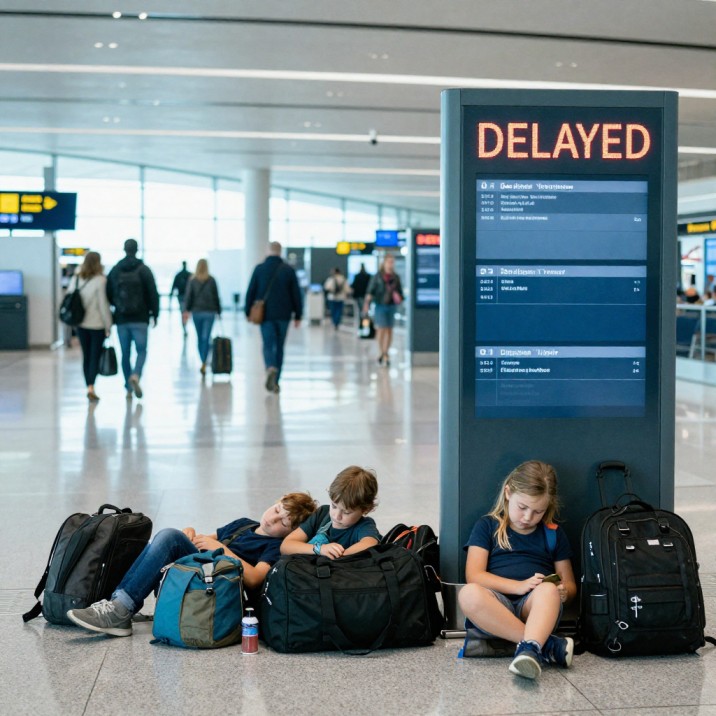
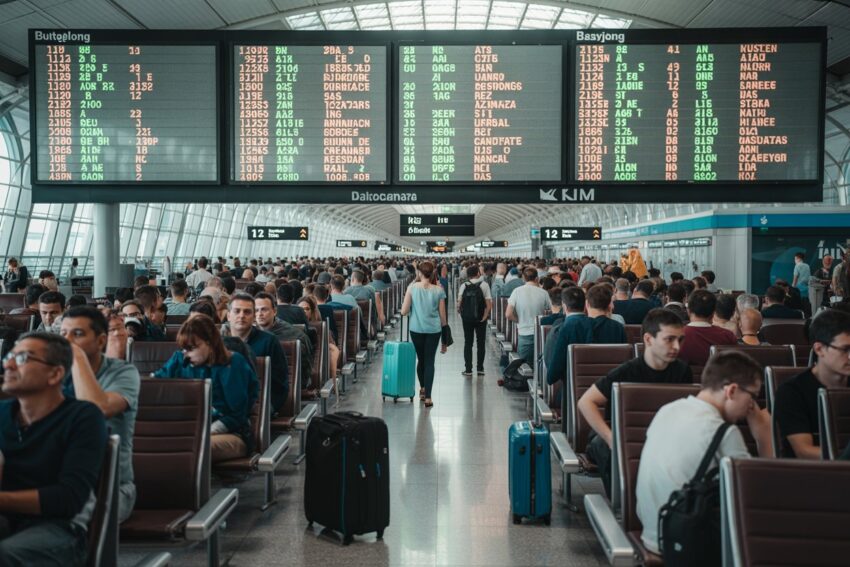
Christmas Chaos: Heathrow, Manchester, and London Airports Bracing for Record-Breaking Holiday Traffic in 2025!

Christmas Chaos: Heathrow, Manchester, and London Airports Bracing for Record-Breaking Holiday Traffic in 2025!

As Christmas 2025 approaches, the UK is set to witness an unprecedented level of travel congestion. With the festive season expected to be the busiest in a decade, airports, train stations, and roadways will experience record-high volumes of travelers. Key locations, especially the major airports, will be under significant pressure, and transportation across the country will face intense demand, leading to potential delays and overcrowding. Travel plans are predicted to be more challenging than ever, but knowing what to expect can help ease the burden.

Airports Expected to See Record Traffic

London Heathrow, along with Birmingham and Manchester airports, is gearing up for its busiest-ever Christmas season. With the surge of travelers looking to visit family or embark on festive getaways, these airports are likely to be overwhelmed, particularly on select days. Among the busiest travel dates are 19 December, 28 December, and 2 and 4 January. These dates coincide with increased departures and arrivals, especially as many people look to return after the holidays.

Key destinations like Alicante, Amsterdam, Dubai, Dublin, Geneva, and Tenerife are expected to see the most traffic, with Alicante leading as a popular choice for sun-seeking travelers. Airlines will be under intense pressure to manage flights efficiently, and passengers are advised to allow extra time at the airport to avoid last-minute stress.

For passengers traveling through Heathrow, the peak days of travel are anticipated to be especially chaotic. It will be crucial for travelers to plan their airport arrivals well in advance, ensuring enough time for check-in, security checks, and potential delays. Travelers flying during these peak times are advised to stay informed about flight status and be prepared for long lines and crowded terminals.

Rail Travel: Major Disruptions Expected

For those opting for rail travel, the Christmas rush will bring its own set of challenges. Saturday, 20 December, and Monday, 22 December, are predicted to be the busiest days on UK railways before Christmas. While Christmas Eve and New Year’s Day are generally quieter, the days leading up to and following the holidays will be marked by overcrowded trains. It is worth noting that many services will be winding down early on Christmas Eve, with the last trains leaving major cities like London and Newcastle in the early evening.

Christmas Day itself will see no train services running, and Boxing Day will have very limited operations. The main surge on trains will occur on 27 December, as intercity services resume. However, major engineering works on the rail network will put additional pressure on travelers, with several key lines closed, including portions of the West Coast Main Line.

The West Coast Main Line, which connects London Euston to cities like Birmingham and Manchester, will face closures between Milton Keynes and Rugby, as well as further north between Preston and Carlisle. Travelers planning to use these routes will need to consider alternative options, such as using the Settle and Carlisle Railway as a scenic detour.

Additionally, London Waterloo, one of the UK’s busiest stations, will be closed from Christmas Eve until 28 December, further complicating travel plans for those heading to the south of England.

Road Traffic: High Volume Expected on Key Dates

For those choosing to drive, the Christmas travel period will also see a spike in traffic, especially on the M25, M4, M5, M6, and M60 motorways. The RAC forecasts that Christmas Eve will be the busiest day on UK roads, with over 4.2 million journeys expected. The M25, in particular, will be heavily congested, particularly around Heathrow Airport and Bluewater in Kent.

While Christmas Day itself is expected to be the quietest day on the roads, travel will pick up again on 27 December when many families return from their holiday destinations. Delays are likely to occur on 19 December, 20 December, and 22 December due to the increased traffic. Drivers should expect significant congestion, particularly in areas like Cardiff, Bristol, and Wolverhampton.

It is also important for travelers to be aware of roadworks and closures during this time. The M27 in Hampshire will be shut between junctions 9 and 11 from Christmas Eve to 4 January, potentially causing significant detours for travelers in this region.

Coach and Bus Services: Extra Routes for Travelers

To accommodate the increased demand, Flixbus and National Express will be running additional services during the Christmas period. With the anticipated disruption to train services, these coach companies aim to provide alternative transportation options for travelers. On Christmas Day and Boxing Day, when rail services will be minimal, coach services will operate on many key routes, especially for travelers affected by Network Rail engineering works.

It’s important to note, however, that local bus services will not operate on Christmas Day. Only a few essential services, like hospital buses and limited services on the Isle of Wight, will continue.

Ferry Services: Peak Traffic and Travel Tips

The Port of Dover will also be bracing for a busy Christmas period, particularly between 19 and 21 December. Doug Bannister, the CEO of the port, has advised travelers to arrive no earlier than two hours before their scheduled sailing to avoid congestion. While ferry companies generally do not charge penalties for missing a sailing due to traffic delays, passengers will be rebooked on the next available ferry without additional charge.

The anticipated peak travel times for ferries are expected between 6 am and 1 pm, with Friday 19 December and Sunday 21 December likely to see the heaviest traffic. Passengers planning to travel by ferry should be prepared for long waiting times at the port, and it is recommended to plan for delays accordingly.

Planning for Christmas Travel in 2025

With all forms of transport expected to experience high volumes during the Christmas period, careful planning and preparation will be essential for travelers. It is strongly advised to book tickets well in advance, stay updated on potential service disruptions, and plan for additional travel time. Those traveling by air, rail, road, or ferry should also consider flexible travel dates where possible to avoid the most crowded times.

The Christmas 2025 travel season will be a challenging one for many, but with the right planning, travelers can navigate the chaos and enjoy a festive getaway.

The post Christmas Chaos: Heathrow, Manchester, and London Airports Bracing for Record-Breaking Holiday Traffic in 2025! appeared first on Travel And Tour World.
Qantas, Jetstar, Virgin Australia and other Airlines Experience Travel Disruption in Australia as Passengers across Melbourne, Brisbane, Sydney, Perth, Adelaide and more Face 34 Flight Cancellations and 645 Delays, New Update

Qantas, Jetstar, Virgin Australia and other Airlines Experience Travel Disruption in Australia as Passengers across Melbourne, Brisbane, Sydney, Perth, Adelaide and more Face 34 Flight Cancellations and 645 Delays, New Update

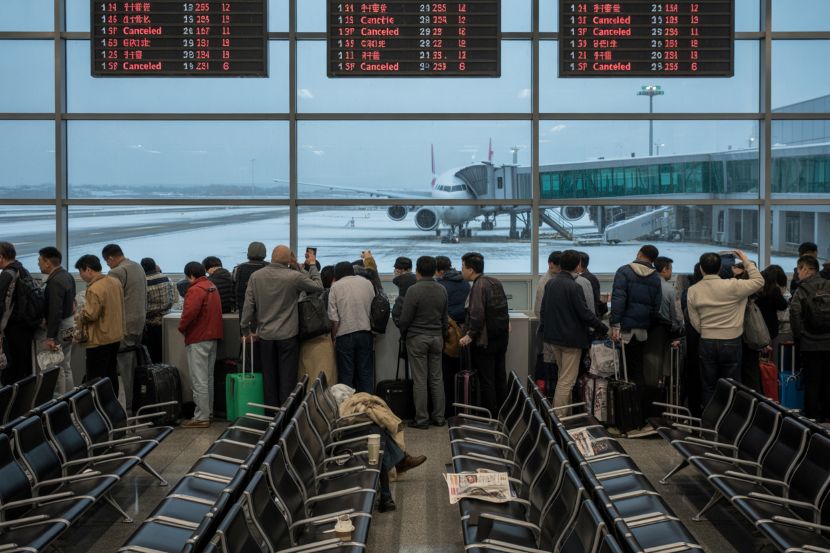
A massive operational challenge swept across Australia’s major air travel hubs today. Authorities confirm 34 flights were cancelled. Furthermore, 645 flights experienced significant delays across the national network. Melbourne Tullamarine recorded the highest total disruptions, closely followed by Brisbane and Sydney airports. Carriers like Qantas, Jetstar and Virgin Australia absorbed the bulk of the service interruptions. Lesser, yet notable, impacts also hit Perth, Adelaide, Gold Coast and Canberra International Airports. This widespread turbulence immediately created major issues for thousands of passengers. Therefore, travelers must now urgently check their flight status and reconfirm their onward arrangements. This report details the full extent of this complex travel disruption.

Major Airports Affected

The operational turbulence was not uniformly distributed, with major capital city airports in Australia bearing the bulk of the reported service failures. Melbourne Tullamarine Airport recorded the highest volume of total disruption, serving as the most strained hub across the monitored locations.

  • Melbourne Tullamarine Airport was subjected to the highest number of overall flight interruptions, with 11 cancellations and 208 delays. This total of 219 incidents highlights the considerable strain placed on the primary aviation gateway for Victoria.
  • Brisbane Airport also faced significant operational challenges, logging 8 cancellations and 120 delays. The total of 128 incidents at this Queensland hub marks a substantial impediment to the day’s scheduled services.
  • Sydney Airport, a critical aviation hub for Australia, recorded 6 cancellations and 150 delays, contributing 156 incidents to the day’s total.
  • On the western coast, Perth Airport experienced 5 cancellations and 89 delays, indicating that operational issues spanned the breadth of Australia.
  • Adelaide Airport recorded 2 cancellations and 44 delays, confirming that every major capital city airport across the provided data set was subject to service disruption.
  • Smaller, yet still significant, disruptions were documented at Gold Coast Airport, which registered 1 cancellation and 18 delays and Canberra International Airport, where 1 cancellation and 16 delays were reported. The figures from Canberra and the Gold Coast further illustrate the broad, national scope of the disruption across Australia.

Impacted Airlines

The widespread operational strain impacted a number of domestic and international carriers operating services across Australia. Major domestic airline groups were responsible for the vast majority of the cancellations and delays reported today across the affected airports, including Sydney, Melbourne and Brisbane.

  • QantasLink was recorded as one of the most heavily impacted carriers, with 4 cancellations and 16 delays at Melbourne Tullamarine, 4 cancellations and 13 delays at Brisbane, 2 cancellations and 7 delays at Sydney and 1 cancellation and 10 delays at Canberra.
  • Jetstar also experienced considerable disruption across Australia, reporting 3 cancellations and 68 delays at Melbourne Tullamarine, 2 cancellations and 34 delays at Brisbane, 1 cancellation and 48 delays at Sydney and 1 cancellation and 11 delays at Gold Coast Airport.
  • Virgin Australia services were demonstrably affected, with 2 cancellations and 45 delays at Melbourne Tullamarine, 2 cancellations and 17 delays at Perth Int’l and 2 cancellations and 12 delays at Adelaide.
  • The mainline carrier Qantas was also subjected to service interruptions, logging 2 cancellations and 31 delays at Melbourne Tullamarine, 2 cancellations and 15 delays at Brisbane and 2 cancellations and 38 delays at Sydney Airport.
  • Other carriers affected included Network Aviation, which registered 2 cancellations and 14 delays at Perth and international airlines United Airlines and Air New Zealand, which each recorded 1 cancellation at Sydney and Perth Int’l, respectively. The involvement of both domestic and international operators confirms that the operational failure was system-wide, affecting services across the entire Australia network.

Probable Impact on Local Tourism

The high volume of travel interruptions across critical gateways like Melbourne, Sydney and Brisbane is understood to have a probable effect on the efficiency of local tourism movements throughout Australia. The cumulative total of 34 cancellations and 645 delays suggests that a substantial number of traveler arrivals and departures were subject to unexpected changes, directly interrupting planned itineraries.

In major destinations such as Melbourne and Sydney, the volume of delays recorded would have significantly impacted connecting ground transport, accommodation check-in times and organized tour schedules for inbound visitors. This alteration of visitor flow, particularly during peak travel times, indirectly strains the operations of local hospitality and travel-related businesses in Australia.

Similarly, in ports like Perth and Adelaide, where travel often relies on punctual air service for connecting regional and interstate tourism, the reported delays and cancellations would have necessitated immediate and often costly adjustments for tourists. The recorded disruptions at Canberra and the Gold Coast further confirm that both capital city and regional tourism markets across Australia were affected by the aviation network’s struggle to maintain scheduled performance. An efficient transportation system is vital for the tourism economy and when this many delays are recorded, the seamless flow of visitors through popular Australian destinations is inevitably constrained.

What Affected Passengers Can Do Now

Passengers whose travel plans have been impacted by these widespread cancellations and delays are advised to take immediate steps to manage the disruption. It is important that affected travelers, particularly those flying through Melbourne, Sydney and Brisbane, verify the status of their flights directly with their respective airline.

  • Consult the Airline: Passengers are strongly recommended to check the official airline websites or mobile applications—specifically for Qantas, Jetstar, Virgin Australia and others—for the most up-to-date information regarding re-accommodation options.
  • Review Entitlements: Passengers should review their specific airline’s compensation policies, which may detail assistance for meal costs and accommodation in cases of extended, controllable delays or cancellations. These policies, however, operate in conjunction with the basic consumer guarantees afforded under Australian Consumer Law.
  • Rebooking and Refunds: Where a flight has been cancelled, passengers are entitled to a refund or an alternative flight service provided within a reasonable time, depending on the circumstances. If an alternative flight is not acceptable or is unavailable, the option of a full refund should be pursued. For those connecting through hubs like Perth or Adelaide, time is of the essence in securing a new booking.
  • Contact Customer Service: Given the high volume of disruptions in cities like Melbourne and Sydney, phone lines are likely to be heavily congested. Digital communication channels, such as airline messaging services or social media support, may provide quicker alternatives for passengers seeking assistance across Australia.

The post Qantas, Jetstar, Virgin Australia and other Airlines Experience Travel Disruption in Australia as Passengers across Melbourne, Brisbane, Sydney, Perth, Adelaide and more Face 34 Flight Cancellations and 645 Delays, New Update appeared first on Travel And Tour World.

Thousands of Travelers Isolated in Europe, Including Switzerland, Ireland, France, Netherlands, Portugal, UK, as Swiss, Ryanair, Air France, KLM, easyJet, British Face 92 Flight Cancellations and Over 2279 Delays Across Geneva, Dublin, Paris, Amsterdam, Lisbon, Manchester, and Beyond

Thousands of Travelers Isolated in Europe, Including Switzerland, Ireland, France, Netherlands, Portugal, UK, as Swiss, Ryanair, Air France, KLM, easyJet, British Face 92 Flight Cancellations and Over 2279 Delays Across Geneva, Dublin, Paris, Amsterdam, Lisbon, Manchester, and Beyond

Thousands of travelers are stranded across Europe, including Switzerland, Ireland, France, the Netherlands, Portugal, and the UK, as airlines like Swiss, Ryanair, Air France, KLM, easyJet, and British Airways face 92 cancellations and 2,279 delays, disrupting flights from Geneva, Dublin, Paris, Amsterdam, Lisbon, and Manchester. The chaos has left many passengers facing extended delays, with critical hubs like Geneva and Dublin experiencing severe operational disruptions. These delays and cancellations have been caused by a range of issues, including weather conditions, staffing shortages, and ongoing operational inefficiencies. As a result, travelers are finding themselves isolated in airports, unsure of when they will be able to continue their journeys, further adding to the frustration of an already challenging travel experience.

European Airlines: A Snapshot of Cancellations and Delays

The table provides a detailed overview of cancellations and delays among major European airlines. With a total of 92 cancellations and 2279 delays across all airlines, the data highlights varying performance levels. Pegasus Airlines stands out with the highest cancellation rate at 4%, while Aeroflot experiences the most delays, reaching 653. On average, cancellation rates across the airlines amount to 23%, with delay percentages totaling 306%. This snapshot emphasizes the mixed performance in the European aviation sector, offering a clearer picture of disruptions affecting travelers.

Airline NameCancellationsCancellation %DelaysDelay %European Country of Origin
easyJet324%12115%United Kingdom (or Switzerland)
Ryanair110%35014%Ireland
British Airways101%19328%United Kingdom
Pegasus Airlines94%10345%Turkey (Transcontinental, often included in European lists)
Scandinavian Airlines Ireland71%20230%Ireland (Subsidiary of SAS, which is Scandinavian)
Wizz Air40%15327%Hungary
Vueling Airlines52%4921%Spain
Finnair30%3812%Finland
Air France30%3136%France
KLM20%19531%Netherlands
Wizz Air Malta21%7142%Malta
Olympic Air20%487%Greece
Emerald Airlines UK211%00%Ireland/UK (Likely an affiliate operating in the UK/Ireland)
Aeroflot10%65320%Russia (Transcontinental, often included in European lists)
Air Dolomiti10%3314%Italy
Swiss10%3915%Switzerland
Total9223%2279306%

European Airports: Cancellations and Delays in Focus

The table highlights key data on cancellations and delays across several prominent European airports. Madeira International (FNC) stands out with a high cancellation rate of 33%, alongside a moderate delay percentage of 10%. London Heathrow (LHR) and Amsterdam Schiphol (AMS) show relatively low cancellations (0%) but experience significant delays, with Heathrow seeing 22% delays and Schiphol at 23%. Istanbul Sabiha Gokcen (SAW) and London Gatwick (LGW) show notable delays as well, with 28% and 29%, respectively. This data reflects a variety of disruption levels across major European airports, providing travelers with insights into potential operational challenges.

Airport NameIATA CodeCancelled (#)Cancelled (%)Delayed (#)Delayed (%)Country
Madeira Int’l (Funchal)FNC1933%610%Portugal
London HeathrowLHR60%14722%United Kingdom
Amsterdam SchipholAMS50%13923%Netherlands
London GatwickLGW51%10029%United Kingdom
General Humberto Delgado AirportLIS61%6120%Portugal
Istanbul Sabiha Gokcen Int’lSAW40%12128%Turkey (Transcontinental)
Bristol Int’lBRS44%3234%United Kingdom
Porto / OportoOPO42%139%Portugal
Charles de Gaulle/RoissyCDG30%14324%France
Geneva Cointrin Int’lGVA31%4519%Switzerland

Airports in Europe: Cancellations and Delays Overview

The table presents key data on cancellations and delays across major European airports, highlighting the disruptions travelers may face. Madeira International (FNC) stands out with the highest cancellation rate at 42%, while Krakow International (KRK) leads in delays with a striking 50%. London Heathrow (LHR) and General Humberto Delgado Airport (LIS) show relatively low cancellation rates but experience considerable delays, at 27% and 26%, respectively. Turkish airports, such as Istanbul Sabiha Gokcen (SAW), show a mix of low cancellations and moderate delays (33%). Overall, the table offers a glimpse into airport performance, showing varying levels of operational disruptions across the region.

Airport NameIATA CodeCancelled (#)Cancelled (%)Delayed (#)Delayed (%)Country
Madeira Int’l (Funchal)FNC2742%46%Portugal
Krakow Int’lKRK53%6450%Poland
London HeathrowLHR40%17427%United Kingdom
General Humberto Delgado Airport (LIS)LIS41%8626%Portugal
Porto / OportoOPO42%1912%Portugal
Istanbul Sabiha Gokcen Int’lSAW30%14233%Turkey (Transcontinental, but often included in European lists)
ManchesterMAN31%9332%United Kingdom
SouthamptonSOU312%832%United Kingdom

European Airports: Cancellations and Delays in Focus

The table highlights key data on cancellations and delays across several prominent European airports. Madeira International (FNC) stands out with a high cancellation rate of 33%, alongside a moderate delay percentage of 10%. London Heathrow (LHR) and Amsterdam Schiphol (AMS) show relatively low cancellations (0%) but experience significant delays, with Heathrow seeing 22% delays and Schiphol at 23%. Istanbul Sabiha Gokcen (SAW) and London Gatwick (LGW) show notable delays as well, with 28% and 29%, respectively. This data reflects a variety of disruption levels across major European airports, providing travelers with insights into potential operational challenges.

Airport NameIATA CodeCancelled (#)Cancelled (%)Delayed (#)Delayed (%)Country
Madeira Int’l (Funchal)FNC1933%610%Portugal
London HeathrowLHR60%14722%United Kingdom
Amsterdam SchipholAMS50%13923%Netherlands
London GatwickLGW51%10029%United Kingdom
General Humberto Delgado AirportLIS61%6120%Portugal
Istanbul Sabiha Gokcen Int’lSAW40%12128%Turkey (Transcontinental)
Bristol Int’lBRS44%3234%United Kingdom
Porto / OportoOPO42%139%Portugal
Charles de Gaulle/RoissyCDG30%14324%France
Geneva Cointrin Int’lGVA31%4519%Switzerland

Thousands of travelers are stranded across Europe, including Switzerland, Ireland, France, Netherlands, Portugal, and the UK, as airlines like Swiss, Ryanair, Air France, KLM, easyJet, and British Airways face 92 cancellations and 2,279 delays, disrupting flights from Geneva, Dublin, Paris, Amsterdam, Lisbon, and Manchester.

Conclusion

The widespread disruption affecting thousands of travelers across Europe, including Switzerland, Ireland, France, the Netherlands, Portugal, and the UK, has been caused by a perfect storm of factors impacting airlines like Swiss, Ryanair, Air France, KLM, easyJet, and British Airways. With 92 flight cancellations and over 2,279 delays, travelers have been left stranded in key airports such as Geneva, Dublin, Paris, Amsterdam, Lisbon, and Manchester. The root causes of these disruptions include adverse weather conditions, ongoing staffing shortages, and operational inefficiencies within the airlines and airports. As a result, many passengers have faced isolation and frustration, with no clear resolution in sight. The situation underscores the increasing volatility in the European aviation sector, leaving travelers uncertain about the reliability of air travel in the region.

The post Thousands of Travelers Isolated in Europe, Including Switzerland, Ireland, France, Netherlands, Portugal, UK, as Swiss, Ryanair, Air France, KLM, easyJet, British Face 92 Flight Cancellations and Over 2279 Delays Across Geneva, Dublin, Paris, Amsterdam, Lisbon, Manchester, and Beyond appeared first on Travel And Tour World.

Severe Weather Grounds 56 Flights and Delays 263 from ANA Wings, All Nippon Airways, and Chengdu Airlines, Stranding Passengers Across Japan and China, Including Tokyo, Osaka, Chengdu, and Kashgar – Know How To Navigate the Travel Chaos

Severe Weather Grounds 56 Flights and Delays 263 from ANA Wings, All Nippon Airways, and Chengdu Airlines, Stranding Passengers Across Japan and China, Including Tokyo, Osaka, Chengdu, and Kashgar – Know How To Navigate the Travel Chaos
Severe Weather Grounds 56 Flights and Delays 263

As the winter weather intensifies across Asia, major disruptions have struck air travel, affecting thousands of passengers across key routes in Japan and China. Three leading airlines—ANA Wings, All Nippon Airways, and Chengdu Airlines—have been forced to cancel numerous flights due to adverse weather conditions. Passengers, who were already anticipating their travels, now face frustration, uncertainty, and the challenging task of rebooking their flights. In total, these airlines canceled more than 20 flights this weekend, with the cancellations mainly affecting routes in Japan and China’s northern regions.

Key Affected Airlines: ANA Wings, All Nippon Airways, and Chengdu Airlines

  • ANA Wings and All Nippon Airways: ANA Wings and All Nippon Airways are two branches of Japan’s leading carrier, All Nippon Airways (ANA). They serve key domestic and international routes, primarily across Japan but also into China. The severe weather, including heavy snow and icy conditions in parts of Japan, significantly affected their scheduled flights, particularly those flying to and from northern Japan.
  • Chengdu Airlines: Chengdu Airlines, a prominent Chinese carrier, also found itself affected by adverse weather. With flights canceled primarily in the northwest regions of China, including areas such as Altay, Tacheng, and Karamay, many passengers traveling for leisure and business were disrupted.

These cancellations represent a substantial portion of their weekend schedules, with ANA and All Nippon Airways particularly impacted by weather-related delays in Hokkaido and other northern regions of Japan, and Chengdu Airlines seeing the brunt of the disruption across central and western China.

The Main Airports Affected

ANA Wings and All Nippon Airways

The following airports faced massive disruption due to cancellations:

  1. Tokyo International (Haneda) Airport (HND / RJTT) – Tokyo’s primary international airport, Haneda was severely impacted by cancellations, especially those to northern destinations like New Chitose (CTS / RJCC) and Hachijojima (HAC / RJTH).
  2. Osaka International (Itami) Airport (ITM / RJOO) – The Osaka airport witnessed cancellations to and from destinations in northern Japan and New Chitose, including flights operated by ANA Wings.
  3. New Chitose Airport (CTS / RJCC) – Located in Hokkaido, this airport was a major site for cancellations. Flights to and from New Chitose, particularly to Osaka and Tokyo, were severely disrupted.
  4. Fukuoka Airport (FUK / RJFF) – One of the major southern airports in Japan, Fukuoka saw its services to New Chitose affected, though disruptions were not as widespread as those seen in the north.

Chengdu Airlines

Chengdu Airlines also had its main airports impacted:

  1. Chengdu Shuangliu International Airport (CTU / ZUUU) – The hub for Chengdu Airlines saw a few cancellations, though this was not as disruptive as the weather events in China’s northern regions.
  2. Xi’an Xianyang International Airport (XIY / ZLXY) – Flights traveling from Chengdu to Xi’an and surrounding areas faced the worst of the weather disruptions.
  3. Altay Airport (AAT / ZWAT) – Affected by winter storms, cancellations occurred to destinations like Korla (KRL / ZWKL) and Tacheng (TCG / ZWTC).

Key Areas Affected by Cancellations

ANA Wings and All Nippon Airways

The key areas affected by flight cancellations were mainly located in northern Japan, which faced snowstorms and extreme cold temperatures:

  1. Hokkaido – Cities like Sapporo, Hakodate, and New Chitose suffered major disruptions, as ANA flights to New Chitose were canceled due to snow and icy conditions.
  2. Tokyo Metropolitan Area – Haneda Airport, located in Tokyo, experienced widespread delays and cancellations, particularly affecting those traveling to northern and southern Japan.
  3. Osaka and Kyoto – The Kansai region faced delays in flight services, as weather conditions impacted the routes traveling northward to Hokkaido.

Chengdu Airlines

Chengdu Airlines had its operations most affected by bad weather across central and western China:

  1. Xinjiang and Altay Regions – These northern and western regions were hit hard by the weather. Flights operating out of Altay and Tacheng to destinations like Urumqi and Karamay faced disruptions.
  2. Karamay and Kashgar – These key cities in Xinjiang Province were also hit with flight cancellations, leaving both business and tourist travelers stranded.
  3. Aksu – Flight cancellations affected travelers to Aksu, where the snowstorms created hazardous conditions for airlines to operate.

Affected Routes and Cities in Detail

ANA Wings and All Nippon Airways

  1. Tokyo International (Haneda) to Hachijojima: Flight ANA1891 from Tokyo to Hachijojima was grounded due to weather conditions. Passengers traveling to the scenic islands of Hachijojima were forced to rebook flights, many of them experiencing delays of more than 24 hours.
  2. Osaka to New Chitose: ANA771 and ANA59 were both canceled on Sunday morning. These flights from Osaka to New Chitose serve one of the busiest travel corridors, connecting southern and northern Japan. Affected passengers struggled to find alternate connections as the airport remained inoperable for hours.
  3. Tokyo to New Chitose: Multiple cancellations (ANA59, ANA61, ANA63, ANA65, ANA69) left passengers stranded at both Tokyo and New Chitose airports. The long delays exacerbated an already tense situation for travelers heading to Hokkaido for tourism or business purposes.

Chengdu Airlines

  1. Altay to Korla: UEA2988 was canceled due to heavy snow in Altay, leaving passengers stranded at the regional airport. The route is vital for local business and tourism, linking the Altay region with the larger cities in China.
  2. Yining to Tacheng: UEA3025 was grounded due to worsening weather conditions along the route, severely affecting passengers traveling to and from the sparsely populated western areas.
  3. Karamay to Kashgar: Another affected route for Chengdu Airlines, UEA2967, saw cancellations between Karamay and Kashgar. These cancellations impacted travelers moving between key regions of Xinjiang, particularly during the winter months when tourism peaks.

Stranded Passengers: A Nightmare for Travelers Amid Winter Disruptions

The recent wave of flight cancellations has left thousands of passengers in a state of uncertainty and distress. Not only have these disruptions thrown travel plans into chaos, but they have also exposed major flaws in the airline industry’s ability to handle severe weather events. Passengers, who had booked flights with the hope of reaching important meetings, family gatherings, or vacation destinations, now face long delays and, in some cases, total rebooking headaches.

For those stuck at airports, particularly in remote areas with limited accommodation options, finding last-minute hotels or alternative transport has proven to be a monumental challenge. With flights grounded across critical routes in Japan and China, many travelers are left scrambling for ways to continue their journey, often paying hefty last-minute fares for alternative routes. Families, business travelers, and tourists alike find themselves in a frustrating battle against time and limited resources, contributing to an atmosphere of confusion and tension.

Advice for Passengers Facing Cancellations

  • Stay Informed: Airlines often provide real-time updates via their mobile apps and websites. Travelers should check these regularly for the latest information on rescheduled flights.
  • Know Your Rights: Familiarize yourself with passenger rights for cancellations, including potential compensation, meal vouchers, and hotel accommodations provided by the airline.
  • Plan for Delays: If your flight is canceled, try to rebook immediately. Airlines often prioritize rebooking their passengers on the next available flight, but these slots fill up quickly.
  • Consider Alternative Airports or Routes: If your scheduled departure is delayed for a long period, look into flying from a nearby airport or consider connecting flights that might bypass the weather-affected areas.

Local Tourism Hit Hard: A Temporary Setback for Popular Destinations

The cancellation of flights has led to a significant dip in tourism numbers in key regions, particularly in Japan and China’s northern areas, known for their winter tourism appeal. Regions like Hokkaido in Japan, which rely heavily on winter sports tourism, were hit hardest. Ski resorts, hot spring resorts, and winter-themed attractions saw a sharp decline in visitor numbers as flights from major hubs like Tokyo and Osaka were canceled, leaving tourists stranded or unable to reach their destinations in time.

Similarly, the western regions of China, including areas famous for their natural beauty and historical landmarks, felt the effects of the cancellations. The tourism industry in places like Kashgar, Altay, and Karamay, which draw a significant number of visitors for their scenic landscapes and cultural heritage, experienced a slowdown in bookings. Both international and domestic tourists, whose travel plans were disrupted, found it difficult to rebook their flights, creating a ripple effect that hindered local businesses dependent on tourism income.

How Local Tourism Can Bounce Back

  • Reinforce Communication with Tourists: Local businesses, including hotels, resorts, and tourist attractions, need to implement robust communication channels to keep tourists informed about changing schedules. This can include SMS alerts, emails, and timely updates through social media.
  • Offer Flexible Booking Policies: To attract tourists who are uncertain about traveling during adverse weather conditions, businesses can offer flexible booking options, such as refundable tickets or options to change dates without penalties.
  • Promote Domestic Tourism: In the wake of these cancellations, destinations should look to boost local tourism by marketing to residents. Special discounts or packages aimed at domestic travelers can help fill the gap left by international tourists.
  • Leverage the Off-Season: Winter cancellations present an opportunity to highlight off-season activities in affected regions, encouraging travel at less popular times of the year when destinations can more easily manage visitor numbers.

Turning Adversity Into Opportunity: How the Travel Industry Can Revive

Despite the massive disruption, this unfortunate situation offers the travel industry a chance to evolve and better handle similar challenges in the future. While weather-related cancellations are inevitable, the industry can take proactive steps to minimize their impact on both passengers and businesses. Advanced weather forecasting systems and real-time updates from airlines are vital in ensuring that passengers are well-informed before arriving at the airport.

Moreover, airlines can invest in technology that streamlines rebooking and compensation processes, making it easier for passengers to adjust their travel plans. For instance, automated rebooking systems that prioritize passengers based on urgency and connecting flights could expedite the recovery process during major disruptions.

Additionally, both airlines and tourism boards should collaborate to create contingency plans for weather-related events. This could involve offering joint packages that allow travelers flexibility to shift destinations or dates, mitigating the blow from flight cancellations. By working together, the tourism sector can rebound more quickly from disruptions, ensuring that passengers’ needs are met and businesses remain operational.

What Travelers Should Do Next: Weathering the Storm and Moving Forward

For travelers facing the dilemma of canceled flights, here are some essential steps to take:

  1. Reach Out to Your Airline Immediately: Airlines will prioritize rebooking, but with high demand, it’s crucial to act fast. Call their customer service line or visit their rebooking counters for quicker assistance. If you can’t get through on the phone, use the airline’s website or app to make changes.
  2. Consider Alternative Transport: If you’re stuck in a region for an extended period, consider other transportation options like trains, buses, or even rental cars. For example, if you’re stuck in Tokyo but need to reach Osaka, consider high-speed trains, which offer a more reliable option during snowstorms.
  3. Find Shelter: If you’re stuck at an airport overnight, check with your airline about accommodations. Many airlines offer hotel vouchers or discounts for stranded passengers. Alternatively, check nearby hotels or hostels, particularly those near major transit hubs.
  4. Keep Calm and Be Patient: Flight disruptions are stressful, but the more composed you remain, the easier it will be to find a solution. Patience is key when dealing with rebooking and finding alternative solutions.

How the Travel Industry Can Build Resilience for Future Disruptions

The recent disruptions underscore the need for the travel industry to adopt a proactive, flexible approach in the face of severe weather events. By improving contingency plans, enhancing communication systems, and embracing innovative technology, the industry can better navigate such challenges. The situation also highlights the importance of adaptability for both airlines and tourists—offering alternative solutions, flexible booking options, and clear communication will ensure that both business and leisure travelers continue to have positive experiences even in the midst of disruptions.

Breakdown of the Flight Cancellation Tables

ANA Wings

IdentTypeOriginDestinationScheduled Departure Time
AKX430B738Fukuoka (FUK / RJFF)Osaka Int’l (Itami) (ITM / RJOO)Sat 07:20PM JST
AKX274B738Fukuoka (FUK / RJFF)Tokyo Int’l (Haneda) (HND / RJTT)Sat 09:35PM JST
AKX1633DH8BOsaka Int’l (Itami) (ITM / RJOO)Matsuyama (MYJ / RJOM)Sun 07:20AM JST
AKX731B738Osaka Int’l (Itami) (ITM / RJOO)Sendai (SDJ / RJSS)Sun 08:00AM JST
AKX1636DH8BMatsuyama (MYJ / RJOM)Osaka Int’l (Itami) (ITM / RJOO)Sun 08:45AM JST
AKX4872DH8BKushiro (KUH / RJCK)New Chitose (CTS / RJCC)Sun 09:05AM JST
AKX4882DH8BNakashibetsu (SHB / RJCN)New Chitose (CTS / RJCC)Sun 09:40AM JST
AKX734B738Sendai (SDJ / RJSS)Osaka Int’l (Itami) (ITM / RJOO)Sun 09:55AM JST
AKX505DH8BOsaka Int’l (Itami) (ITM / RJOO)Miyazaki (KMI / RJFM)Sun 10:10AM JST
AKX773B738Osaka Int’l (Itami) (ITM / RJOO)New Chitose (CTS / RJCC)Sun 10:10AM JST
AKX4841DH8BNew Chitose (CTS / RJCC)Wakkanai (WKJ / RJCW)Sun 10:25AM JST
AKX4862DH8BMemanbetsu (MMB / RJCM)New Chitose (CTS / RJCC)Sun 11:00AM JST
AKX4853DH8BNew Chitose (CTS / RJCC)Hakodate (HKD / RJCH)Sun 11:10AM JST
AKX1897DH8BAomori (AOJ / RJSA)New Chitose (CTS / RJCC)Sun 11:25AM JST
AKX1173B738Komatsu (KMQ / RJNK)New Chitose (CTS / RJCC)Sun 11:40AM JST
AKX4842DH8BWakkanai (WKJ / RJCW)New Chitose (CTS / RJCC)Sun 11:55AM JST
AKX508DH8BMiyazaki (KMI / RJFM)Osaka Int’l (Itami) (ITM / RJOO)Sun 11:55AM JST
AKX379B738Okayama (OKJ / RJOB)New Chitose (CTS / RJCC)Sun 12:15PM JST
AKX4854DH8BHakodate (HKD / RJCH)New Chitose (CTS / RJCC)Sun 12:20PM JST
AKX776B738New Chitose (CTS / RJCC)Osaka Int’l (Itami) (ITM / RJOO)Sun 12:25PM JST

All Nippon

IdentTypeOriginDestinationScheduled Departure Time
ANA1891A320Tokyo Int’l (Haneda) (HND / RJTT)Hachijojima (HAC / RJTH)Sun 07:35AM JST
ANA771787Osaka Int’l (Itami) (ITM / RJOO)New Chitose (CTS / RJCC)Sun 08:40AM JST
ANA1892A320Hachijojima (HAC / RJTH)Tokyo Int’l (Haneda) (HND / RJTT)Sun 09:10AM JST
ANA59B772Tokyo Int’l (Haneda) (HND / RJTT)New Chitose (CTS / RJCC)Sun 10:10AM JST
ANA289787Fukuoka (FUK / RJFF)New Chitose (CTS / RJCC)Sun 10:30AM JST
ANA61B772Tokyo Int’l (Haneda) (HND / RJTT)New Chitose (CTS / RJCC)Sun 11:10AM JST
ANA63B772Tokyo Int’l (Haneda) (HND / RJTT)New Chitose (CTS / RJCC)Sun 12:10PM JST
ANA62B772New Chitose (CTS / RJCC)Tokyo Int’l (Haneda) (HND / RJTT)Sun 12:40PM JST
ANA65B78XTokyo Int’l (Haneda) (HND / RJTT)New Chitose (CTS / RJCC)Sun 01:10PM JST
ANA707A321Chubu Centrair Int’l (Centrair) (NGO / RJGG)New Chitose (CTS / RJCC)Sun 01:25PM JST
ANA64B772New Chitose (CTS / RJCC)Tokyo Int’l (Haneda) (HND / RJTT)Sun 01:40PM JST
ANA67B78XTokyo Int’l (Haneda) (HND / RJTT)New Chitose (CTS / RJCC)Sun 02:10PM JST
ANA290787New Chitose (CTS / RJCC)Fukuoka (FUK / RJFF)Sun 02:30PM JST
ANA66B772New Chitose (CTS / RJCC)Tokyo Int’l (Haneda) (HND / RJTT)Sun 02:40PM JST
ANA69B772Tokyo Int’l (Haneda) (HND / RJTT)New Chitose (CTS / RJCC)Sun 03:10PM JST
ANA68B78XNew Chitose (CTS / RJCC)Tokyo Int’l (Haneda) (HND / RJTT)Sun 03:40PM JST
ANA777A321Osaka Int’l (Itami) (ITM / RJOO)New Chitose (CTS / RJCC)Sun 04:05PM JST
ANA778A321New Chitose (CTS / RJCC)Osaka Int’l (Itami) (ITM / RJOO)Sun 04:25PM JST
ANA70B78XNew Chitose (CTS / RJCC)Tokyo Int’l (Haneda) (HND / RJTT)Sun 04:40PM JST
ANA74B772New Chitose (CTS / RJCC)Tokyo Int’l (Haneda) (HND / RJTT)Sun 05:40PM JST

Chengdu Airlines

IdentTypeOriginDestinationScheduled Departure Time
UEA2988909Altay (AAT / ZWAT)Korla (KRL / ZWKL)Sat 06:10PM CST
UEA2798909Heihe (HEK / ZYHE)Harbin Taiping Int’l (HRB / ZYHB)Sat 06:45PM CST
UEA3056909Jiangbulake Airport (JBK / ZWQT)Aksu (AKU / ZWAK)Sat 07:10PM CST
UEA2206A320Chizhou Jiuhuashan (JUH / ZSJH)Chengdu Tianfu Int’l (TFU / ZUTF)Sat 08:05PM CST
UEA3025909Yining (YIN / ZWYN)Tacheng (TCG / ZWTC)Sun 08:30AM CST
UEA2967909Turpan Jiaohe (TLQ / ZWTL)Karamay (KRY / ZWKM)Sun 09:20AM CST
UEA2971909Turpan Jiaohe (TLQ / ZWTL)Tacheng (TCG / ZWTC)Sun 09:25AM CST
UEA3025909Tacheng (TCG / ZWTC)Altay (AAT / ZWAT)Sun 10:10AM CST
UEA2967909Karamay (KRY / ZWKM)Kashgar (Kashi) (KHG / ZWSH)Sun 11:00AM CST
UEA2976909Tacheng (TCG / ZWTC)Turpan Jiaohe (TLQ / ZWTL)Sun 11:50AM CST
UEA2968909Kashgar (Kashi) (KHG / ZWSH)Karamay (KRY / ZWKM)Sun 01:35PM CST
UEA2975909Turpan Jiaohe (TLQ / ZWTL)Tacheng (TCG / ZWTC)Sun 01:40PM CST
UEA2968909Karamay (KRY / ZWKM)Turpan Jiaohe (TLQ / ZWTL)Sun 04:09PM CST
UEA3023909Qiemo (IQM / ZWCM)Kuqa (KCA / ZWKC)Sun 04:55PM CST
UEA1881909Harbin Taiping Int’l (HRB / ZYHB)Jiagedaqi (JGD / ZYJD)Sun 05:40PM CST
UEA1882909Jiagedaqi (JGD / ZYJD)Harbin Taiping Int’l (HRB / ZYHB)Sun 07:45PM CST

The post Severe Weather Grounds 56 Flights and Delays 263 from ANA Wings, All Nippon Airways, and Chengdu Airlines, Stranding Passengers Across Japan and China, Including Tokyo, Osaka, Chengdu, and Kashgar – Know How To Navigate the Travel Chaos appeared first on Travel And Tour World.

UK Joins Spain, Portugal and Italy for Travel Chaos Set to Unleash This Christmas: What You Need to Know

UK Joins Spain, Portugal and Italy for Travel Chaos Set to Unleash This Christmas: What You Need to Know

As the holiday season approaches, travelers across Europe and the UK are bracing for significant disruptions due to industrial action that will impact popular destinations including SpainPortugalItaly, and the UK. With Christmasbeing one of the busiest travel times of the year, the added chaos of strikes is set to cause extensive delays, particularly affecting flights. Travelers are advised to stay informed about updates from airlines and ground operators and prepare for the possibility of prolonged delays.

What You Need to Know About Upcoming Strikes

As industrial action unfolds across major airports and airlines, travelers planning to fly during the Christmas period must anticipate delays and cancellations. The strikes, involving workers in critical roles such as cabin crew and baggage handlers, will likely affect airport operations, causing widespread flight disruptions. Passengers should regularly check for updates from operators and consider packing essential items like snacksmedications, and other necessities to stay comfortable during any extended wait times.

Christmas travel is notoriously hectic, and with strikes adding another layer of uncertainty, this year’s holiday season promises to be a challenging one for those traveling by air. Here’s a breakdown of what travelers can expect across the affected countries.

United Kingdom: Heathrow and Luton Airports Facing Major Strikes

In the UKHeathrow Airport, one of the busiest travel hubs, is already preparing for disruptions due to Scandinavian Airlines Services (SAS) cabin crew walking out. More than 130 cabin crew members working out of Heathrow will strike over a dispute regarding pay, as the current pay offer is below the rate of inflation. The strike is set to take place on 22, 23, 24, and 26 December, which will likely lead to delays for flights to and from Scandinavia. With Heathrowbeing a major international transit point, this action is expected to cause substantial disruption for travelers heading to or from the region during the festive period.

At Luton Airport, approximately 200 easyJet check-in and baggage handling staff are set to take strike action in a pay dispute. This action will take place in two phases: 19–22 December and again from 26–29 December. EasyJet has stated that it will work closely with its partners to minimize disruption, but travelers should expect delays and potential cancellations, particularly for those flying during peak travel days.

Spain: Baggage Handlers on Strike at Multiple Airports

In Spain, several airport baggage handlers are set to strike throughout December, affecting major airports across the country. The industrial action will take place every Wednesday, Friday, Saturday, and Sunday from 5am to 9am, and will continue for the remainder of 2025. Affected airports include AlicanteBarcelonaGironaIbizaLanzaroteMadridMalagaPalma de MallorcaSantiago de CompostelaSevilleTenerife South, and Valencia. The strikes are expected to cause delays in baggage handling and could affect flight departures and arrivals at these busy travel hubs.

Travelers flying to or from these airports are advised to prepare for potential delays in baggage claim and boarding processes. Given the frequency and timing of the strikes, passengers should allow extra time at the airport to account for possible disruptions.

Portugal: National Walkout Affects Multiple Airlines

Portugal is also facing significant flight disruptions due to a national walkout affecting Lisbon and Porto airports. The strike involves workers from several major airlines, including TAP AirEtihad AirwayseasyJet, and Emirates, resulting in the cancellation of numerous flights. As the national walkout continues, travelers may experience delays or the complete cancellation of their flights, particularly those flying to and from Portugal’s main airports. Passengers are advised to check their flight status regularly and consider alternative routes if their original flights are canceled.

Italy: ITA Airways Set to Strike on 17 December

In ItalyITA Airways, the country’s flagship carrier, has announced a four-hour strike scheduled for 17 December from 1pm to 5pm. This strike by staff could lead to disruptions for flights arriving or departing from Italian airports. Travelers flying on ITA Airways during this time are encouraged to check the airline’s website or app for real-time updates on any potential cancellations or delays. Given the short duration of the strike, disruptions may be temporary but still significant, especially for passengers with tight connections.

Italy’s Continued Travel Challenges

In addition to the scheduled strike by ITA Airways, travelers to Italy may face ongoing challenges as the nation grapples with various labor disputes. While not all of these disruptions are as widespread, travelers should expect some level of inconvenience at major airports and remain vigilant for any additional strike announcements leading up to the holiday season.

Tips for Navigating Travel Disruptions During the Holiday Season

Traveling during the holiday season is already stressful, and with industrial action affecting multiple major airports across Europe, it’s more important than ever to plan ahead. Here are some tips to ensure a smoother experience despite the disruptions:

  1. Check for Updates: Always stay updated on the latest information from airlines and operators, especially in the days leading up to your flight. Airlines and airports will often provide real-time updates regarding delays or cancellations.
  2. Arrive Early: Expect longer wait times and more crowded terminals during strike periods. Arriving earlier than usual will give you more time to navigate any potential delays.
  3. Pack Essentials: In the event of long delays, having extra snacksmedications, and entertainment can make the waiting process more bearable.
  4. Consider Alternatives: If possible, look into alternative routes or airlines to avoid travel disruptions. If you are flying to or from an affected airport, flexibility can help mitigate the impact of strike action.
  5. Stay Calm and Patient: With many travelers in the same situation, maintaining patience and a calm demeanor will make the experience easier for both you and fellow passengers.

Conclusion: How to Prepare for Disruptions During the Holiday Season

With industrial action set to affect major airports and airlines in the UKPortugalItaly, and Spain, travelers should brace for potential disruptions during the busy Christmas travel period. While the strikes may cause delays and cancellations, taking the time to check updates, pack essentials, and remain flexible can help ensure that your travel plans remain as smooth as possible. As always, keeping an eye on operator notifications and being prepared for the unexpected will be key to navigating this period of holiday travel chaos.

The post UK Joins Spain, Portugal and Italy for Travel Chaos Set to Unleash This Christmas: What You Need to Know appeared first on Travel And Tour World.
❌