Login
Login
9500 Delays And 1,500 Cancellations Disrupt US Travel As Delta, Republic, JetBlue, SkyWest, Horizon, And Others Impact Chicago, Charleston, Denver, Morrisville, And More

The travel chaos in the US has reached unprecedented levels, as 9500 delays and 1500 cancellations wreak havoc across major airports, with Delta, Republic, JetBlue, SkyWest, Horizon, and other airlines at the forefront. This widespread disruption has particularly impacted cities like Chicago, Charleston, Denver, and Morrisville, leaving thousands of passengers stranded or facing significant travel delays. The combination of operational setbacks and high passenger demand during the busy travel season has caused a perfect storm of travel turmoil, with ripple effects spreading throughout the country.
In a massive disruption to air travel across the United States, thousands of passengers found themselves stranded and inconvenienced as major airlines, including Delta Air Lines, Republic Airways, JetBlue, SkyWest, and Horizon Air, cancelled over 1,500 flights and delayed nearly 10,000 more. The widespread delays and cancellations affected several major airports and cities, including Chicago, Charleston, Denver, Morrisville, and Boston, leaving travelers frustrated and seeking answers.
An Overview of the Disruptions
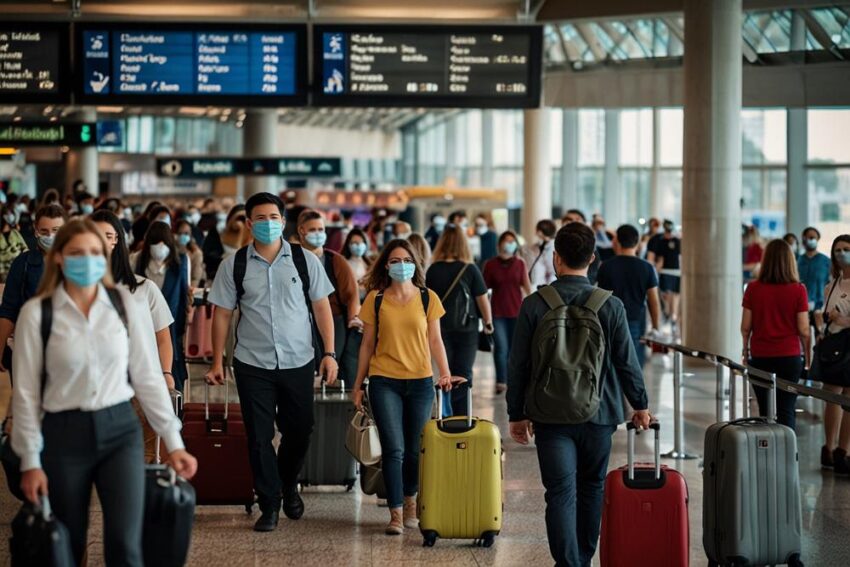
The scale of the travel chaos on this particular day was unprecedented, with a total of 1,502 flights cancelled and 9,509 delayed throughout the United States. The ripple effect of these disruptions was felt by passengers across numerous airports, with LaGuardia, John F. Kennedy, and Newark Liberty International leading the charge in cancellations and delays.
Airlines, including Delta, Republic, JetBlue, and SkyWest, accounted for the majority of these disruptions. Weather conditions, staff shortages, and logistical issues played significant roles in the operational challenges, leaving many passengers in limbo as they faced hours-long delays and cancelled flights with little to no communication from the airlines.
As travelers attempted to navigate the situation, many were left with no clear alternatives or compensation, despite the massive scale of the issues. With the holiday season fast approaching and air travel expected to reach its peak, these disruptions have sparked concerns over the reliability of the U.S. aviation system and whether airlines are prepared to handle the anticipated surge in demand.
Key Airports Hit the Hardest
Several airports across the country bore the brunt of the cancellations and delays, with major hubs in New York, Chicago, Boston, and Denver experiencing significant disruptions. Here is a breakdown of the most affected airports:
| Airport (IATA) | Cancelled (#) | Cancelled (%) | Delayed (#) | Delayed (%) |
|---|---|---|---|---|
| LaGuardia (LGA) | 226 | 40% | 230 | 41% |
| John F. Kennedy Intl (JFK) | 147 | 20% | 356 | 50% |
| Newark Liberty Intl (EWR) | 125 | 21% | 314 | 53% |
| Hartsfield-Jackson Intl (ATL) | 49 | 4% | 366 | 31% |
| Chicago O’Hare Intl (ORD) | 48 | 3% | 488 | 36% |
| Philadelphia Intl (PHL) | 40 | 9% | 246 | 55% |
| Boston Logan Intl (BOS) | 37 | 5% | 327 | 52% |
| Raleigh-Durham Intl (RDU) | 26 | 8% | 78 | 25% |
| Detroit Metro Wayne Co (DTW) | 25 | 5% | 169 | 36% |
| Orlando Intl (MCO) | 22 | 3% | 227 | 33% |
The intensity of the disruptions reached their peak at airports in New York, where LaGuardia (LGA), JFK, and Newark Liberty (EWR) all reported double-digit cancellations and hundreds of delayed flights. Passengers arriving and departing from these hubs struggled to make connections and find alternative options, as gate agents provided little assistance.
In Chicago O’Hare, one of the nation’s busiest airports, nearly 500 flights were delayed, with more than 40 flights cancelled. Boston Logan, Raleigh-Durham, and Detroit Metro Wayne also experienced significant disruptions, leaving travelers scrambling to figure out how to reach their destinations.
Airlines Struggling to Cope with the Surge
Airlines such as Delta, Republic, JetBlue, and SkyWest were among the most affected by the operational issues. Here is a breakdown of the airline-specific disruptions:
| Airline | Cancelled (#) | Cancelled (%) | Delayed (#) | Delayed (%) |
|---|---|---|---|---|
| Republic | 352 | 27% | 465 | 36% |
| Delta Air Lines | 243 | 6% | 1007 | 28% |
| Endeavor Air (DAL) | 199 | 24% | 280 | 34% |
| JetBlue | 109 | 11% | 535 | 58% |
| PSA Airlines (AAL) | 72 | 9% | 309 | 41% |
| Spirit | 53 | 10% | 191 | 36% |
| United | 52 | 1% | 1053 | 37% |
| American Airlines | 47 | 1% | 1181 | 34% |
| GoJet (UAL) | 47 | 18% | 86 | 33% |
| Frontier | 44 | 5% | 235 | 26% |
Republic Airways, which operates flights for American Airlines, Delta, and United, had the highest number of cancellations, accounting for 352 cancelled flights. Delta Air Lines, another major airline, had 243 cancellations but was responsible for a significant portion of the delays as well, with over 1,000 delayed flights. JetBlue, which is known for its reliability, also had a large share of the delays, with more than 500 delayed flights and 109 cancellations.
The ripple effect caused by these delays extended far beyond the airports listed above. With many passengers unable to board their flights or forced to wait hours for rescheduled flights, it became clear that the aviation industry was unprepared for the scale of the issues. The combination of delayed flights, high volumes of cancellations, and poor customer service created a nightmare scenario for travelers.
Causes Behind the Disruption
While the specific causes behind the massive delays and cancellations are still being investigated, a combination of factors contributed to the chaos. According to industry experts, severe weather conditions, staffing shortages, and technical difficulties at several major airlines led to widespread operational issues.
One of the key challenges faced by airlines on this day was weather-related disruptions. Thunderstorms and strong winds in major airports like LaGuardia, O’Hare, and Boston Logan led to temporary groundings and delays. Additionally, staffing shortages, especially in the air traffic control sector, further complicated the ability of airlines to manage flight schedules and respond to increasing delays.
Technical glitches, including issues with flight scheduling and system crashes, also played a role in contributing to the disruption. The combination of these factors created a perfect storm for chaos in the skies, with airlines and airports struggling to restore normalcy.
Impact on Travelers
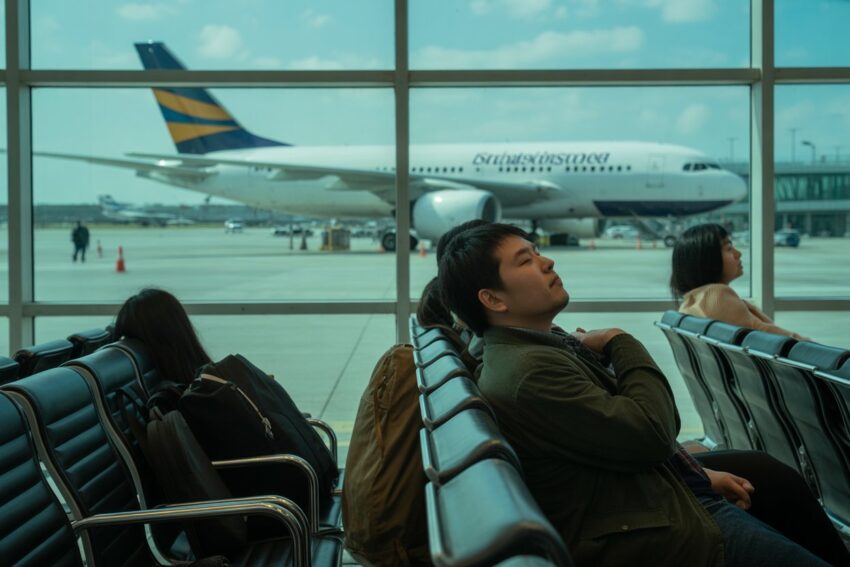
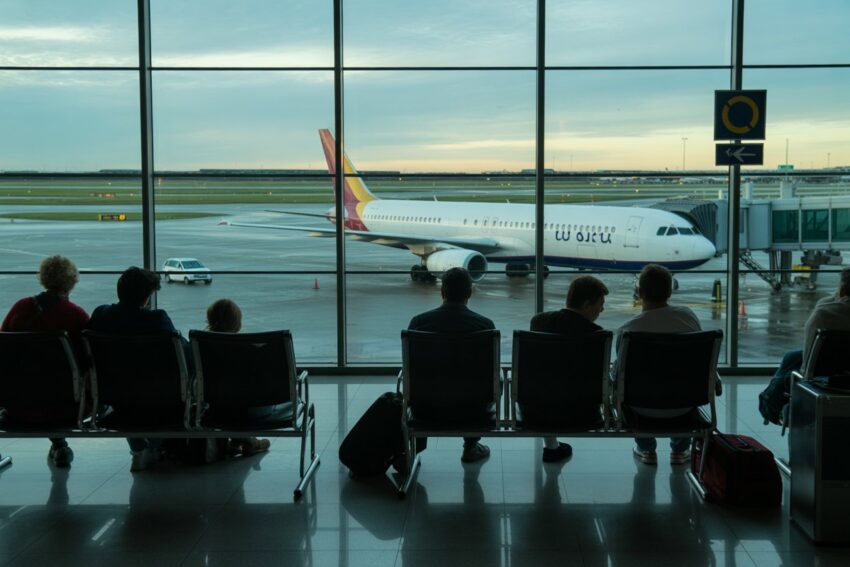
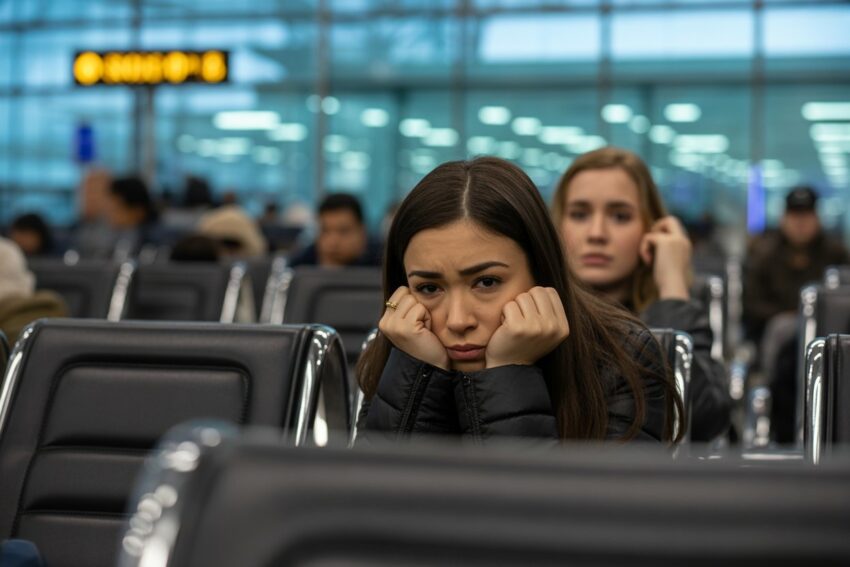
For travelers, the delays and cancellations meant hours of frustration and uncertainty. Many passengers reported being stranded at airports with little information about when their flights would be rescheduled or if they would be accommodated on other services. In some cases, passengers were forced to wait overnight at airports, facing uncomfortable conditions as they waited for new flights to be arranged.
Some passengers, particularly those with tight connections, were forced to miss important events such as business meetings, family gatherings, or holiday celebrations. Others faced additional expenses, such as booking last-minute hotel accommodations or finding alternative modes of transportation to their destinations.
What Lies Ahead for the Aviation Industry?
With the holiday travel season fast approaching, the U.S. aviation industry is under intense pressure to resolve staffing shortages, improve customer service, and restore confidence in the system. As air travel continues to rebound from the pandemic, it is clear that the aviation industry must invest in infrastructure, technology, and employee training to ensure smoother operations.
In the short term, airlines and airports will need to address the causes of these widespread delays and cancellations and implement solutions that prioritize customer care. Long-term investments in technology, including more reliable scheduling systems and improved communication with passengers, will be necessary to avoid future disruptions of this scale.
The recent wave of delays and cancellations in U.S. air travel highlights the vulnerability of the system during periods of high demand. With thousands of travelers affected and significant disruptions across major airports, airlines must work together to address operational challenges, restore trust, and provide better customer service in the future.
Travel in the US has been severely disrupted with 9500 delays and 1500 cancellations, primarily due to operational issues faced by Delta, Republic, JetBlue, SkyWest, Horizon, and other airlines. Cities like Chicago, Charleston, Denver, and Morrisville are among the hardest hit, causing widespread frustration for travelers.
As holiday travel looms, ensuring the smooth operation of U.S. airports and airlines will be essential to avoid further chaos. Travelers, meanwhile, will continue to be wary of the challenges posed by delays and cancellations as they navigate an increasingly complex and unpredictable aviation landscape.
The post 9500 Delays And 1,500 Cancellations Disrupt US Travel As Delta, Republic, JetBlue, SkyWest, Horizon, And Others Impact Chicago, Charleston, Denver, Morrisville, And More appeared first on Travel And Tour World.