
Reading view

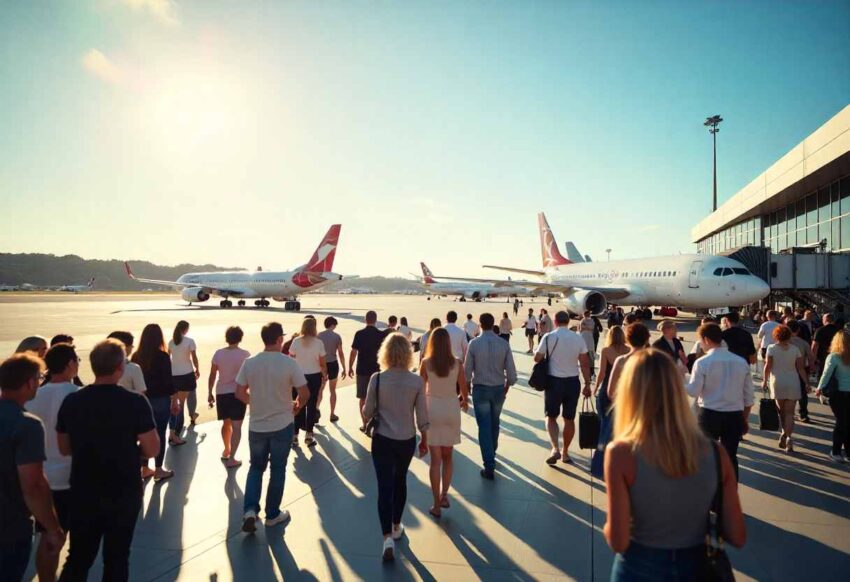
Hobart Airport Leads in Aviation Compliance with OneReg, Setting a New Standard for Safety and Operational Efficiency in Tasmania
Hobart Airport Leads in Aviation Compliance with OneReg, Setting a New Standard for Safety and Operational Efficiency in Tasmania

Hobart, Tasmania, is leading the way in aviation safety and operational efficiency, marking a significant milestone with Hobart Airport’s partnership with OneReg, a platform that replaces traditional methods with a cutting-edge digital solution. This transformation is designed to not only streamline compliance processes but also to enhance the airport’s ability to scale as it continues to serve over 2.8 million passengers annually. Hobart Airport, a vital hub for passenger, freight, and Antarctic flights, has embarked on a journey of growth that includes major infrastructure upgrades and a commitment to operational excellence.

With Hobart Airport’s increasing volume of operations, including passenger flights, freight services, aeromedical transport, and flights to Antarctica, it has become crucial for the airport to have a sophisticated and integrated system. The airport’s investment in OneReg is a forward-thinking move aimed at addressing the growing operational complexity while enhancing safety measures and boosting efficiency. This article explores the impact of this transformation, how OneReg has helped streamline Hobart Airport’s compliance processes, and the significant role it will play in supporting future growth.

A Game-Changer for Hobart Airport’s Compliance and Safety

Hobart Airport’s decision to implement OneReg reflects a growing recognition of the importance of digital solutions in ensuring seamless airport operations. Hobart, the capital city of Tasmania, is home to an airport that supports a diverse mix of services, including charter flights, freight services, and flights to Antarctica. With significant growth expected as part of a $130 million runway enhancement project and a $200 million terminal expansion, the airport was in need of a robust, scalable solution to manage its increased operations and compliance requirements.

Key Benefits of OneReg at Hobart Airport:

  • Real-Time Digital System: OneReg provides Hobart Airport with a real-time compliance management platform, reducing the reliance on manual processes and outdated spreadsheets.
  • Centralized Reporting: OneReg’s system centralizes reporting, automating workflows, and improving compliance across the airport.
  • Instant Visibility: The platform offers live dashboards, allowing staff at all levels of the airport to gain instant visibility into operations, from frontline staff to senior management.
  • Improved Audit Readiness: The system’s automated nature has improved Hobart Airport’s audit readiness, helping to ensure smoother operations and quicker response times.
  • Increased Efficiency: What used to take days to process now takes mere minutes, allowing Hobart Airport to make real-time decisions and respond swiftly to any operational challenges.

Streamlining Compliance for a Growing Airport

The move to adopt OneReg’s platform comes at a time when Hobart Airport is facing immense pressure to upgrade its infrastructure and operations. As the airport serves an increasing number of passengers and operations, the need for a tailored solution that can handle long-term scalability is vital. OneReg’s ability to centralize the airport’s compliance processes has proven invaluable, enabling Hobart Airport to manage growing operational complexity while ensuring safety and efficiency.

Before the implementation of OneReg, Hobart Airport relied on multiple systems and spreadsheets to manage compliance and safety reporting. This was time-consuming and prone to human error. With OneReg’s platform, Hobart Airport has been able to consolidate all compliance tasks under a single, streamlined system. From automatic notifications to role-based access, the system has optimized workflows, drastically reducing the administrative burden for staff.

Key Features of OneReg’s Platform:

  • Co-designed System: OneReg’s platform was custom-designed to reflect Hobart Airport’s unique workflows, operational structure, and terminology, ensuring that it fits seamlessly into daily operations.
  • Automated Notifications: OneReg sends automated notifications that keep staff informed of important compliance milestones and deadlines, ensuring that nothing is overlooked.
  • Role-Based Access: The platform offers role-based access, ensuring that staff can access the information they need while protecting sensitive data.

The Road to Expansion: Hobart Airport’s Vision for the Future

As Hobart Airport moves forward with its massive infrastructure projects, including the runway expansion and terminal upgrade, the airport will be able to handle larger aircraft, increase capacity, and accommodate more passengers. These developments are part of a broader vision to improve the airport’s service offerings and expand its role as a key gateway to Tasmania and beyond.

Hobart Airport’s Expansion Plans Include:

  • $130 Million Runway Enhancement: This will allow the airport to accommodate larger aircraft, further enhancing its capacity for both domestic and international flights.
  • $200 Million Terminal Expansion: This upgrade will double the airport’s capacity, enhancing passenger experience and operational efficiency.
  • Increased Freight Services: With its critical role in freight services, especially for industries like agriculture, aviation, and Antarctic exploration, the expanded infrastructure will further support Tasmania’s economic growth.

As the airport continues to grow, OneReg’s platform will play a critical role in supporting these new capabilities by ensuring that safety and compliance evolve alongside operational improvements. This digital backbone will help Hobart Airport scale its operations while maintaining the high standards of safety and regulatory compliance necessary for a rapidly growing aviation hub.

How OneReg’s Digital Platform Supports Smarter Operations

OneReg’s platform offers a wide range of capabilities that go beyond simple compliance management. By focusing on long-term scalability, safety, and sustainability, OneReg helps Hobart Airport create smarter operations. The system provides real-time data, which is crucial for making informed decisions in a fast-paced and high-stakes environment. Whether it’s managing a flight schedule, handling freight logistics, or coordinating aeromedical transport, OneReg’s system provides Hobart Airport with the tools it needs to operate at its best.

How OneReg Supports Smarter Airport Operations:

  • Safety & Sustainability: OneReg’s platform integrates safety protocols and sustainability goals into its system, ensuring that Hobart Airport not only meets compliance requirements but also adheres to environmental and safety standards.
  • Continuous Improvement: The platform’s scalability allows it to grow with Hobart Airport, supporting ongoing improvements in both safety and operational efficiency.
  • Operational Decision Support: By providing real-time insights into compliance data, OneReg allows airport staff to make smarter, faster decisions that improve operational outcomes and enhance passenger experiences.

A Smarter Future for Hobart Airport

Hobart Airport’s partnership with OneReg is a critical step in its journey to becoming one of Australia’s leading airports for safety, compliance, and operational efficiency. The airport’s commitment to leveraging digital solutions to improve compliance management aligns with its broader goals of enhancing capacity, increasing passenger traffic, and supporting regional economic growth. As Hobart Airport continues to expand, the OneReg platform will remain a key player in ensuring the airport remains a model of operational excellence in the aviation industry.

Conclusion: Leading the Way in Aviation Compliance

Hobart Airport’s investment in OneReg marks a new era of smarter, more efficient airport operations. The tailored compliance platform supports the airport’s strategic growth and its commitment to safety, efficiency, and scalability. As the airport continues to expand its infrastructure and service offerings, OneReg will play a pivotal role in ensuring that Hobart Airport remains at the forefront of aviation safety and compliance, setting a new standard for the industry.

The post Hobart Airport Leads in Aviation Compliance with OneReg, Setting a New Standard for Safety and Operational Efficiency in Tasmania appeared first on Travel And Tour World.


Qantas, Jetstar, Virgin Australia and other Airlines Experience Travel Disruption in Australia as Passengers across Melbourne, Brisbane, Sydney, Perth, Adelaide and more Face 34 Flight Cancellations and 645 Delays, New Update

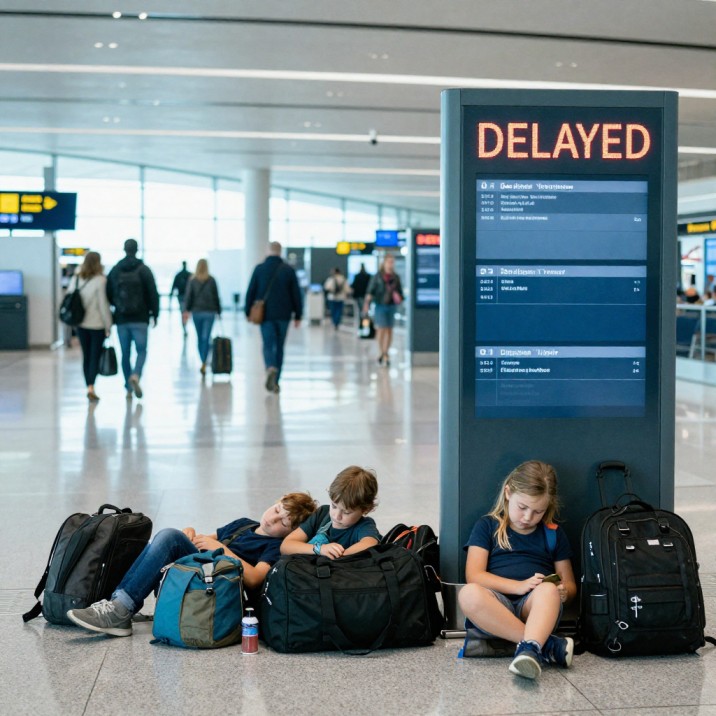
Qantas, Jetstar, Virgin Australia and other Airlines Experience Travel Disruption in Australia as Passengers across Melbourne, Brisbane, Sydney, Perth, Adelaide and more Face 34 Flight Cancellations and 645 Delays, New Update

A massive operational challenge swept across Australia’s major air travel hubs today. Authorities confirm 34 flights were cancelled. Furthermore, 645 flights experienced significant delays across the national network. Melbourne Tullamarine recorded the highest total disruptions, closely followed by Brisbane and Sydney airports. Carriers like Qantas, Jetstar and Virgin Australia absorbed the bulk of the service interruptions. Lesser, yet notable, impacts also hit Perth, Adelaide, Gold Coast and Canberra International Airports. This widespread turbulence immediately created major issues for thousands of passengers. Therefore, travelers must now urgently check their flight status and reconfirm their onward arrangements. This report details the full extent of this complex travel disruption.

Major Airports Affected

The operational turbulence was not uniformly distributed, with major capital city airports in Australia bearing the bulk of the reported service failures. Melbourne Tullamarine Airport recorded the highest volume of total disruption, serving as the most strained hub across the monitored locations.

  • Melbourne Tullamarine Airport was subjected to the highest number of overall flight interruptions, with 11 cancellations and 208 delays. This total of 219 incidents highlights the considerable strain placed on the primary aviation gateway for Victoria.
  • Brisbane Airport also faced significant operational challenges, logging 8 cancellations and 120 delays. The total of 128 incidents at this Queensland hub marks a substantial impediment to the day’s scheduled services.
  • Sydney Airport, a critical aviation hub for Australia, recorded 6 cancellations and 150 delays, contributing 156 incidents to the day’s total.
  • On the western coast, Perth Airport experienced 5 cancellations and 89 delays, indicating that operational issues spanned the breadth of Australia.
  • Adelaide Airport recorded 2 cancellations and 44 delays, confirming that every major capital city airport across the provided data set was subject to service disruption.
  • Smaller, yet still significant, disruptions were documented at Gold Coast Airport, which registered 1 cancellation and 18 delays and Canberra International Airport, where 1 cancellation and 16 delays were reported. The figures from Canberra and the Gold Coast further illustrate the broad, national scope of the disruption across Australia.

Impacted Airlines

The widespread operational strain impacted a number of domestic and international carriers operating services across Australia. Major domestic airline groups were responsible for the vast majority of the cancellations and delays reported today across the affected airports, including Sydney, Melbourne and Brisbane.

  • QantasLink was recorded as one of the most heavily impacted carriers, with 4 cancellations and 16 delays at Melbourne Tullamarine, 4 cancellations and 13 delays at Brisbane, 2 cancellations and 7 delays at Sydney and 1 cancellation and 10 delays at Canberra.
  • Jetstar also experienced considerable disruption across Australia, reporting 3 cancellations and 68 delays at Melbourne Tullamarine, 2 cancellations and 34 delays at Brisbane, 1 cancellation and 48 delays at Sydney and 1 cancellation and 11 delays at Gold Coast Airport.
  • Virgin Australia services were demonstrably affected, with 2 cancellations and 45 delays at Melbourne Tullamarine, 2 cancellations and 17 delays at Perth Int’l and 2 cancellations and 12 delays at Adelaide.
  • The mainline carrier Qantas was also subjected to service interruptions, logging 2 cancellations and 31 delays at Melbourne Tullamarine, 2 cancellations and 15 delays at Brisbane and 2 cancellations and 38 delays at Sydney Airport.
  • Other carriers affected included Network Aviation, which registered 2 cancellations and 14 delays at Perth and international airlines United Airlines and Air New Zealand, which each recorded 1 cancellation at Sydney and Perth Int’l, respectively. The involvement of both domestic and international operators confirms that the operational failure was system-wide, affecting services across the entire Australia network.

Probable Impact on Local Tourism

The high volume of travel interruptions across critical gateways like Melbourne, Sydney and Brisbane is understood to have a probable effect on the efficiency of local tourism movements throughout Australia. The cumulative total of 34 cancellations and 645 delays suggests that a substantial number of traveler arrivals and departures were subject to unexpected changes, directly interrupting planned itineraries.

In major destinations such as Melbourne and Sydney, the volume of delays recorded would have significantly impacted connecting ground transport, accommodation check-in times and organized tour schedules for inbound visitors. This alteration of visitor flow, particularly during peak travel times, indirectly strains the operations of local hospitality and travel-related businesses in Australia.

Similarly, in ports like Perth and Adelaide, where travel often relies on punctual air service for connecting regional and interstate tourism, the reported delays and cancellations would have necessitated immediate and often costly adjustments for tourists. The recorded disruptions at Canberra and the Gold Coast further confirm that both capital city and regional tourism markets across Australia were affected by the aviation network’s struggle to maintain scheduled performance. An efficient transportation system is vital for the tourism economy and when this many delays are recorded, the seamless flow of visitors through popular Australian destinations is inevitably constrained.

What Affected Passengers Can Do Now

Passengers whose travel plans have been impacted by these widespread cancellations and delays are advised to take immediate steps to manage the disruption. It is important that affected travelers, particularly those flying through Melbourne, Sydney and Brisbane, verify the status of their flights directly with their respective airline.

  • Consult the Airline: Passengers are strongly recommended to check the official airline websites or mobile applications—specifically for Qantas, Jetstar, Virgin Australia and others—for the most up-to-date information regarding re-accommodation options.
  • Review Entitlements: Passengers should review their specific airline’s compensation policies, which may detail assistance for meal costs and accommodation in cases of extended, controllable delays or cancellations. These policies, however, operate in conjunction with the basic consumer guarantees afforded under Australian Consumer Law.
  • Rebooking and Refunds: Where a flight has been cancelled, passengers are entitled to a refund or an alternative flight service provided within a reasonable time, depending on the circumstances. If an alternative flight is not acceptable or is unavailable, the option of a full refund should be pursued. For those connecting through hubs like Perth or Adelaide, time is of the essence in securing a new booking.
  • Contact Customer Service: Given the high volume of disruptions in cities like Melbourne and Sydney, phone lines are likely to be heavily congested. Digital communication channels, such as airline messaging services or social media support, may provide quicker alternatives for passengers seeking assistance across Australia.

The post Qantas, Jetstar, Virgin Australia and other Airlines Experience Travel Disruption in Australia as Passengers across Melbourne, Brisbane, Sydney, Perth, Adelaide and more Face 34 Flight Cancellations and 645 Delays, New Update appeared first on Travel And Tour World.
Virgin Australia Restores Sydney–Darwin Air Link, Strengthening Australia’s Gateway to Asia and Boosting Domestic Travel and Tourism in Australia

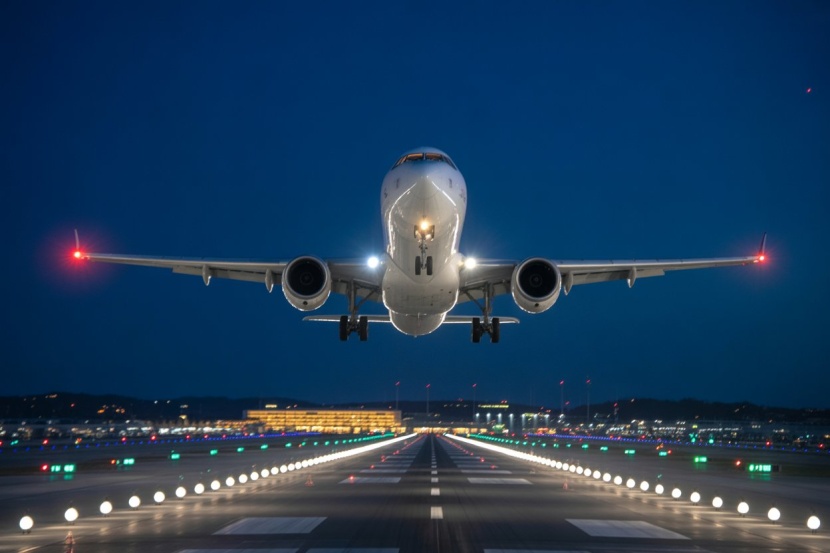
Virgin Australia Restores Sydney–Darwin Air Link, Strengthening Australia’s Gateway to Asia and Boosting Domestic Travel and Tourism in Australia

A significant step forward for domestic aviation and regional tourism in Australia has been announced with the reinstatement of Virgin Australia flights connecting Sydney and Darwin, widely regarded as the nation’s strategic Gateway to Asia. After a suspension that followed a comprehensive network review in early 2023, this important air route has been scheduled for a return from 22 June 2026, aligning aviation capacity more closely with evolving passenger demand. The renewed service is being positioned as a catalyst for stronger travel flows between New South Wales and the Northern Territory, supporting leisure travel, business mobility, and visits to friends and relatives. With up to seven return services each week during peak travel periods, an estimated 80,000 seats annually will be made available to travelers seeking direct and convenient access to Australia’s Top End. Daytime operations have been prioritized to reflect traveler preferences, ensuring flexibility and comfort across diverse passenger segments. Through this reinstatement, Virgin Australia is being re-established as a key contributor to domestic connectivity, tourism development, and economic engagement, while reinforcing Darwin as a vital hub linking Australia with Asia-focused travel and trade opportunities.

Restoration of a Key Domestic Air Route in Australia

The Sydney to Darwin air service had been suspended by Virgin Australia in early 2023 following an internal network review that evaluated long-term demand and operational efficiency. Since that time, changes in travel behavior, seasonal demand patterns, and tourism recovery trends have reshaped the domestic aviation landscape across Australia. As a result, conditions have now been assessed as favorable for the route’s return.

From 22 June 2026, direct flights between Sydney Airport and Darwin International Airport will once again be operated, offering a nonstop connection between Australia’s largest city and its northern gateway. This restoration has been planned with a strong emphasis on matching capacity with demand, ensuring sustainability while meeting traveler expectations.

Seasonal Operations Designed Around Passenger Demand

The reinstated Sydney–Darwin service has been structured as a seasonal operation, allowing Virgin Australia to respond efficiently to fluctuations in passenger volumes throughout the year. Flights will operate from 22 June 2026 until 10 January 2027, covering the peak winter and holiday travel period, before resuming again from March 2027.

This approach supports the airline’s broader strategy of flexible scheduling, where aircraft deployment is aligned with high-demand travel windows. By concentrating services during peak seasons, stronger load factors can be achieved while maintaining competitive pricing for passengers.

Daytime Schedules Enhancing Travel Convenience

All flights on the reinstated route have been scheduled to operate during daylight hours. This decision reflects feedback received from business travelers, leisure tourists, and families who prefer departures and arrivals that fit more comfortably within daily routines.

Daytime scheduling improves connectivity at both ends of the journey, allowing smoother transfers to onward flights, accommodation check-ins, and ground transportation. For corporate travelers, this timing supports same-day meetings and efficient business travel between Sydney and Darwin. For leisure travelers, the experience is made more relaxed and accessible.

Strengthening Darwin’s Role as a Gateway to Asia

Darwin International Airport plays a pivotal role in Australia’s aviation and tourism network due to its geographic proximity to Asia. The resumption of direct flights from Sydney further strengthens Darwin’s position as a gateway for international connections, trade relationships, and cultural exchange.

Virgin Australia already serves multiple Northern Territory destinations, including Alice Springs and Uluru, and the renewed Sydney–Darwin service enhances these links by feeding additional domestic traffic into the region. Increased accessibility is expected to support inbound tourism, encourage longer stays, and stimulate demand for regional experiences across the Top End.

Tourism Growth and Regional Economic Impact

The return of this route is expected to deliver tangible benefits for tourism operators, hospitality businesses, and local communities in both New South Wales and the Northern Territory. Improved air connectivity is widely recognized as a driver of tourism growth, and the availability of direct flights reduces travel time while improving visitor confidence.

For Darwin and surrounding regions, greater access from Sydney is anticipated to translate into higher visitor numbers, increased hotel occupancy, and stronger demand for tours, cultural attractions, and local services. Similarly, Sydney-based tourism benefits from improved inbound and outbound travel flows linked to Northern Australia.

Increased Choice and Competition for Travelers

The reinstated service introduces additional competition on the Sydney–Darwin corridor, which is expected to contribute to more competitive fare options for travelers. Northern Territory residents gain improved access to Sydney and its extensive domestic and international connections, while Sydney travelers benefit from greater choice when planning trips to the Top End.

Bookings for the service are scheduled to open on 10 December 2025, allowing passengers ample time to plan ahead for peak travel periods. Competitive pricing has been identified as a priority, ensuring accessibility for a broad range of travelers.

Support from the Northern Territory Government

The decision to resume direct flights between Sydney and Darwin has been welcomed by the Northern Territory Government, where efforts have been focused on strengthening aviation links and supporting sustainable growth in the travel sector. Enhanced connectivity has been recognized as essential for economic development, workforce mobility, and tourism expansion across the Territory.

Daytime flight options have been highlighted as particularly valuable, providing residents and visitors with greater flexibility and improved travel experiences. The route also reinforces long-term objectives aimed at increasing competition and choice within the domestic aviation market.

Benefits for Business, Leisure, and VFR Travel

The Sydney–Darwin service has been designed to serve multiple travel segments effectively. Business travelers benefit from direct, time-efficient connections between two economically significant cities. Leisure travelers gain easier access to unique natural landscapes, cultural experiences, and warm-climate destinations in Northern Australia.

For passengers traveling to visit friends and relatives, the route offers convenience and reduced journey complexity by eliminating the need for connecting flights. This accessibility supports social ties and strengthens inter-regional relationships within Australia.

Balanced Growth and Sustainable Aviation Development

Virgin Australia’s approach to reinstating the Sydney–Darwin route reflects a broader commitment to balanced domestic growth and responsible capacity management. By focusing on seasonal demand, daylight operations, and competitive pricing, the airline is contributing to a more resilient and sustainable aviation network.

The reconnection of metropolitan and regional centers supports national cohesion while encouraging tourism dispersal beyond major cities. Through this initiative, long-term benefits are expected to be delivered to travelers, regional economies, and the broader Australian tourism sector.

A Renewed Chapter for Domestic Travel in Australia

The resumption of flights between Sydney and Darwin represents more than the return of a suspended route. It signals renewed confidence in domestic travel demand and highlights the strategic importance of Northern Australia within the national aviation framework. By reinforcing Darwin’s role as a gateway to Asia and improving connectivity across Australia, Virgin Australia is playing a key role in shaping the future of domestic tourism and travel accessibility.

The post Virgin Australia Restores Sydney–Darwin Air Link, Strengthening Australia’s Gateway to Asia and Boosting Domestic Travel and Tourism in Australia appeared first on Travel And Tour World.
Virgin Australia to Reinstate Direct Sydney–Darwin Flights From June 2026

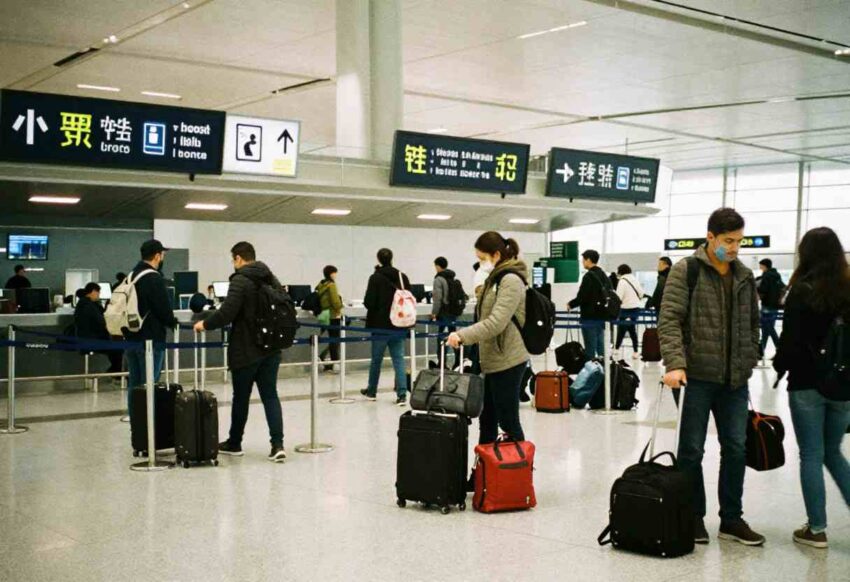
Virgin Australia to Reinstate Direct Sydney–Darwin Flights From June 2026

Virgin Australia is set to restore direct air connectivity between Sydney and Darwin from June 2026, marking the return of a key domestic route linking Australia’s largest city with the Northern Territory capital. The reinstated service is scheduled to begin on 22 June 2026 and will operate seasonally, reflecting changes in travel demand patterns across the domestic network.

The route had previously been suspended in early 2023 following a broader network review. Its return introduces additional capacity to the domestic market while strengthening travel access between eastern Australia and the Northern Territory. The move is positioned around travel demand, seasonal patterns, and schedule preferences that align with daytime flying.

Seasonal Schedule and Capacity Details

The reinstated Sydney–Darwin service is planned to operate with up to seven return flights per week during peak travel periods. Across a full year of operation, the route is expected to provide approximately 80,000 seats. This added capacity is designed to support both inbound and outbound travel demand without relying on indirect connections.

Flights will be scheduled exclusively during daylight hours. This timing has been selected to align with traveler preferences for convenience and predictable travel windows. Daytime departures allow passengers to arrive at their destination without late-night transfers, supporting smoother onward journeys and improved travel planning.

The seasonal service will initially operate from 22 June 2026 until 10 January 2027. After this period, the route is scheduled to resume again from March 2027. This operational window reflects demand-driven scheduling rather than year-round flying.

Bookings for the reinstated service are set to open online from 10 December 2025, allowing travelers to plan ahead for peak travel periods.

Tourism Connectivity Between Urban and Northern Australia

The return of direct flights between Sydney and Darwin strengthens tourism links between urban Australia and the Northern Territory. Darwin serves as a primary gateway to the region and plays a central role in facilitating travel to and from the Territory for leisure purposes.

Direct connectivity reduces travel time by eliminating the need for intermediate stops. This is particularly relevant for leisure visitors seeking efficient access to destinations without extended layovers. Shorter journey times can encourage more frequent travel while improving the overall travel experience.

The route also supports balanced domestic tourism growth by linking a major population center with a regional capital. Improved access is positioned to support visitor flows in both directions, contributing to sustained travel activity across multiple seasons.

Travel Demand and Passenger Movement Patterns

Travel demand on the Sydney–Darwin corridor includes a mix of leisure travelers, business passengers, and people visiting friends and relatives. The reinstated service is structured to accommodate these different travel segments without prioritizing one over another.

Daytime schedules are intended to suit varied travel purposes, including short stays and longer visits. The timing also allows for greater flexibility in trip planning, particularly for travelers coordinating accommodation, ground transport, or onward connections.

By operating seasonally, the service reflects demand fluctuations rather than maintaining constant capacity throughout the year. This approach allows flight availability to be aligned with periods of higher travel activity, supporting efficient use of aircraft resources.

Northern Territory Airport Network Role

Darwin International Airport serves as the operational base for the reinstated service and remains a key aviation gateway for the Northern Territory. The airport plays an essential role in facilitating domestic travel and supporting regional connectivity.

Virgin Australia currently operates services to three Northern Territory gateways: Darwin, Alice Springs, and Uluru. These airports collectively form the backbone of the airline’s Northern Territory network. The restored Sydney–Darwin route strengthens this existing presence rather than introducing new destinations.

Connections through these gateways are positioned to support both inbound tourism and outbound travel from the region. The network structure reinforces Darwin’s role as a central access point within the Territory’s aviation landscape.

Role of Direct Flights in Domestic Travel Growth

Direct domestic routes remain a core component of Australia’s aviation system. The reinstated Sydney–Darwin service contributes to this framework by reconnecting two major cities through non-stop flights.

Such routes support smoother passenger flows and reduce reliance on transfer hubs. For travelers, this can translate into simpler itineraries and reduced overall travel time. For the broader travel sector, direct links help distribute passenger traffic more evenly across the network.

The service also aligns with broader domestic growth objectives by connecting metropolitan areas with regional destinations. This approach supports ongoing travel demand while maintaining operational flexibility through seasonal scheduling.

Pricing Access and Booking Availability

The reinstated route is scheduled to offer competitive pricing, supporting accessibility for a wide range of travelers. Ticket availability will be managed through standard online booking channels once sales open.

Advance booking access from December 2025 allows travelers to plan trips well ahead of the inaugural June 2026 flights. This early availability supports demand planning across peak travel periods, including mid-year and end-of-year seasons.

By aligning pricing and schedules with traveler expectations, the service is positioned as a practical travel option rather than a niche offering.

Image Source: AI

The post Virgin Australia to Reinstate Direct Sydney–Darwin Flights From June 2026 appeared first on Travel And Tour World.

Avoid Holiday Travel Headaches: CASA’s Essential Packing Tips for Safe and Smooth Flights in Australia

Avoid Holiday Travel Headaches: CASA’s Essential Packing Tips for Safe and Smooth Flights in Australia
holiday travel advice

The festive season is a time for celebration, but it’s also a time when the Civil Aviation Safety Authority (CASA) reminds holidaymakers to be mindful of their travel preparations. Through its Pack Right, Safe Flight campaign, CASA offers valuable guidance on what to pack—and more importantly, what not to pack—when preparing for holiday travel. With the rush of the season and the excitement of travel, it’s easy to overlook the safety protocols that ensure a smooth journey. However, a simple mistake in packing can lead to significant delays or even missed flights, which can certainly dampen the holiday spirit.

Preparing for Safe Travel: The Importance of Packing Right

The journey to a safe holiday begins before you even step foot in the airport. CASA strongly encourages travellers to visit its Pack Right, Safe Flight website for comprehensive advice on what can and cannot be packed in checked luggage. The website offers clear guidance on the proper packing of common items and ensures that travellers are aware of the potential risks that certain items can pose during flight.

Lithium-Ion Batteries: A Growing Concern

Among the top items that often cause problems, lithium-ion batteries are a significant concern. With nearly every traveller carrying at least four rechargeable devices—ranging from phones and laptops to vapes and power banks—misplacing these items in the wrong bag can create a serious safety hazard. Lithium-powered devices can become a fire risk when packed incorrectly, as they have been known to ignite under certain conditions.

CASA’s CEO and Director of Aviation Safety, Pip Spence, noted that devices like phones, laptops, vapes, and power banks are commonly carried onto planes. However, these items must be packed carefully to avoid incidents. Specifically, spare lithium batteries, e-cigarettes, vapes, and power banks should never be placed in checked baggage. Instead, these items should always be stored in the cabin, where trained cabin crew are ready to handle any potential issues.

What Can and Cannot Be Packed

While many travellers are aware of the restrictions on dangerous items like lithium batteries, there are a range of other products that may raise questions. CASA’s website provides extensive information on these items, which include aerosols, sparklers, and cleaning products. Understanding the packing regulations for such items ensures that passengers are not caught off guard at security checks or boarding.

Electrical devices that require mains power, such as some household items, are generally safe to include in checked baggage. However, it’s important to check the airline’s policies and CASA’s guidelines to ensure compliance with all safety standards. For a smoother and safer journey, passengers should always review the full list of restricted and permitted items on CASA’s website before heading to the airport.

The Importance of Proper Declarations

Failing to declare dangerous goods during check-in—whether online or at the airport—is a serious offence that should never be overlooked. Misleading or incorrect declarations can lead to hefty penalties and cause delays that disrupt not only the traveller’s experience but also that of others. It’s crucial for passengers to be honest and thorough when declaring items to ensure that everything is handled correctly and according to regulations.

CASA’s Role in Maintaining Safety Standards

While the responsibility of packing safely falls largely on travellers, CASA plays an ongoing role in maintaining high safety standards within the aviation industry, particularly during the busy holiday period. As part of its commitment to ensuring safety for all passengers, CASA will continue to inspect airlines and aviation operations. These inspections are critical to ensuring that safety protocols are upheld and that the holiday travel experience remains as smooth and secure as possible for everyone.

Respecting Fellow Passengers and Airline Staff

Along with packing the right items, CASA reminds passengers that the festive season is a time of goodwill—and that applies to how they treat fellow travellers and airline staff. The holiday season can be stressful for everyone, and patience and respect are essential for creating a positive travel environment. When cabin crew ask passengers to follow certain instructions, it’s always with the intent of ensuring safety. Listening to and following these instructions helps keep the flight safe for all passengers.

CASA’s Commitment to Safety During the Holiday Season

As more Australians take to the skies for holiday travel, CASA’s Pack Right, Safe Flight campaign remains an important resource to ensure a safe and enjoyable experience. With potential hazards like lithium batteries and improperly declared items posing risks, travellers are strongly encouraged to familiarize themselves with the packing guidelines before heading to the airport. By doing so, holidaymakers can avoid unnecessary delays, protect themselves and fellow passengers, and contribute to a smooth travel experience.

Pip Spence, CASA’s CEO, reiterated the importance of holidaymakers adhering to the campaign’s guidelines. By following the simple, yet crucial advice provided by CASA, travellers can ensure that their holidays are filled with joy, not disruptions. With the festive season fast approaching, CASA urges everyone to treat each other with respect and make safety a priority when packing for their flights.

The post Avoid Holiday Travel Headaches: CASA’s Essential Packing Tips for Safe and Smooth Flights in Australia appeared first on Travel And Tour World.

Vienna’s New Brunch Experience by Julius Meinl and KUBUS Redefines Austrian Cuisine with Coffee and Tea in a Curated, Multi-Course Culinary Journey

Vienna’s New Brunch Experience by Julius Meinl and KUBUS Redefines Austrian Cuisine with Coffee and Tea in a Curated, Multi-Course Culinary Journey

Vienna, the heart of Austria, is renowned for its rich coffee culture and culinary heritage. This city is not only known for its imperial history and stunning architecture but also for its remarkable gastronomy, particularly in its coffee houses. Recently, Julius Meinl, one of the oldest and most respected coffee roasters in the world, collaborated with the talented culinary duo KUBUS to introduce a revolutionary brunch experience that blends Austrian cuisine, coffee, and tea in a way never seen before. This new Brunch Club offers an intimate setting where guests experience contemporary Austrian cuisine reinterpreted through the rituals of coffee and tea, elevating the brunch culture to new heights.

The event, held in Vienna, attracted eight guests for a morning of culinary exploration. The collaboration between Julius Meinl and KUBUS allowed attendees to indulge in a curated multi-course menu that was crafted with precision and passion. The event emphasized that coffee and tea are not just beverages; they are integral parts of the dining experience, capable of enhancing flavors and creating connections.

Vienna’s Brunch Revolution

Vienna has long been a city steeped in culinary tradition, and the new Brunch Club experience is a perfect example of how the city is blending its classic food culture with modern trends. The experience focused on creating a sense of connection, where guests didn’t just enjoy food and beverages but engaged in the rituals of time that define Austrian coffee culture.

  • Innovative Austrian Cuisine: The menu included Buchteln, fluffy sweet buns filled with jam, complemented by a vanilla sauce infused with Julius Meinl Organic Rooibos Wintery Days loose-leaf tea. This dish was a perfect blend of comfort and modernity, offering a warm and familiar taste with a unique twist.
  • Flambéed Pancakes: A stunning dish made even more memorable with Julius Meinl Premium Espresso coffee-infused caramel sauce, bringing an unexpected depth of flavor to the classic pancake.
  • Tafelspitz Poached in Tea: The iconic Austrian dish Tafelspitz was poached in Julius Meinl Organic Treasure of Asia loose-leaf tea, a creative take on this beloved meal that combined traditional flavors with a fragrant tea infusion.
  • Black Tea-Cured Eggs: Eggs cured with Julius Meinl Organic Assam Gold Tea provided a savory dish that showcased how tea could be used creatively in modern gastronomy.
  • Baked Pumpkin: The baked pumpkin glazed with Julius Meinl Premium Crema coffee grounds was a delightful vegetarian dish, offering both sweet and savory notes, enhanced by the coffee’s rich flavor.
  • Coffee Knödel: A truly innovative dish combining the traditional Austrian Knödel (dumplings) with Julius Meinl Premium Crema jus and sauerkraut, offering a bold yet familiar taste.

Each dish was carefully paired with a variety of Julius Meinl coffees and teas, prepared in different methods, such as espresso, AeroPress, Bialetti, and Chemex, allowing guests to experience the diverse ways in which coffee can complement food.

Vienna’s Brunch Scene Gets a High-End Twist

The rise of supper clubs and brunch clubs has become a significant trend in the culinary world, especially since the pandemic. These events have given rise to a new form of intimate dining where people come together not just for the food but for the experience and connection it fosters. The Julius Meinl and KUBUS Brunch Club is no exception, offering a highly curated, one-off experience that cannot be replicated at a traditional café or restaurant.

  • Curated Experiences: Guests enjoyed the personal touch of a curated experience where every course was meticulously planned to create a harmonious relationship between the food, coffee, and tea.
  • Exclusive Setting: Held in an intimate setting, the brunch allowed for meaningful interaction and a more personal connection between the hosts, guests, and the chefs.
  • Connecting through Coffee and Tea: At the heart of this experience is the belief that coffee and tea are more than just beverages—they are tools for connection. Whether served in a Bialetti, AeroPress, or espresso machine, the Julius Meinl coffee brought an added dimension to each course, creating an engaging conversation starter.

The Brunch Club model is gaining popularity in Vienna as people seek new ways to enjoy high-end gastronomy in an intimate and personal atmosphere. It also allows local culinary artists to showcase their creativity in an untraditional setting, offering food lovers an opportunity to experience something fresh and exciting beyond the typical restaurant.

Austrian Gastronomy and Coffee Culture Meet in Vienna

Vienna’s coffee house culture has long been an integral part of the city’s identity. This collaboration between Julius Meinl and KUBUS highlights the city’s ability to push boundaries in gastronomy while remaining rooted in its traditions. The event also aligns with Julius Meinl’s mission to celebrate and preserve Vienna’s coffee house culture while adapting it to contemporary tastes and experiences.

Vienna’s coffee culture is deeply ingrained in the city’s daily rhythm. For centuries, coffee houses in Vienna have been places of gathering, conversation, and intellectual exchange. By incorporating coffee and tea into a culinary experience, Julius Meinl and KUBUS are continuing this tradition, but with a modern twist. Guests didn’t just experience food; they experienced the very essence of Vienna’s famed coffee house culture reimagined through the lens of contemporary gastronomy.

Vienna’s Culinary and Coffee Innovations at the Forefront

The Brunch Club is a clear example of how Vienna remains at the forefront of culinary innovation while staying true to its rich gastronomic heritage. It’s not just about serving food; it’s about crafting a memorable experience that combines the city’s history with its evolving culinary scene. Guests who attended this exclusive brunch walked away not just with full stomachs, but with a new appreciation for the role of coffee and tea in the culinary world.

The collaboration between Julius Meinl and KUBUS is one of many examples of how Vienna is positioning itself as a global leader in the culinary world. The city continues to innovate in its approach to food and drink, creating unique experiences that attract both locals and tourists alike. This Brunch Club event perfectly captures the spirit of Vienna: a city that honors its history while embracing modernity with open arms.

Conclusion: Vienna’s Coffee Culture and Culinary Scene Shine Bright

With its unique blend of gastronomy, coffee culture, and innovation, Vienna is once again showing the world how it can lead in the culinary arena. The Julius Meinl and KUBUS Brunch Club is just one example of how the city continues to evolve, offering food lovers and coffee aficionados a chance to experience Austrian cuisine in a way that feels both familiar and fresh.

For those looking to experience the very best that Vienna has to offer, this Brunch Club represents a must-try event, where the city’s culinary traditions meet contemporary flair. Whether you’re a long-time fan of Vienna’s coffee culture or a newcomer eager to explore, the Julius Meinl and KUBUS Brunch Club is an unforgettable experience that proves Vienna’s place at the cutting edge of world gastronomy.

The post Vienna’s New Brunch Experience by Julius Meinl and KUBUS Redefines Austrian Cuisine with Coffee and Tea in a Curated, Multi-Course Culinary Journey appeared first on Travel And Tour World.
❌