
Reading view

Finland Joins Saudi Arabia, Costa Rica, and New Zealand in Making Tourism a Source of Restoration— A New Vision for Travel in 2025 and Beyond
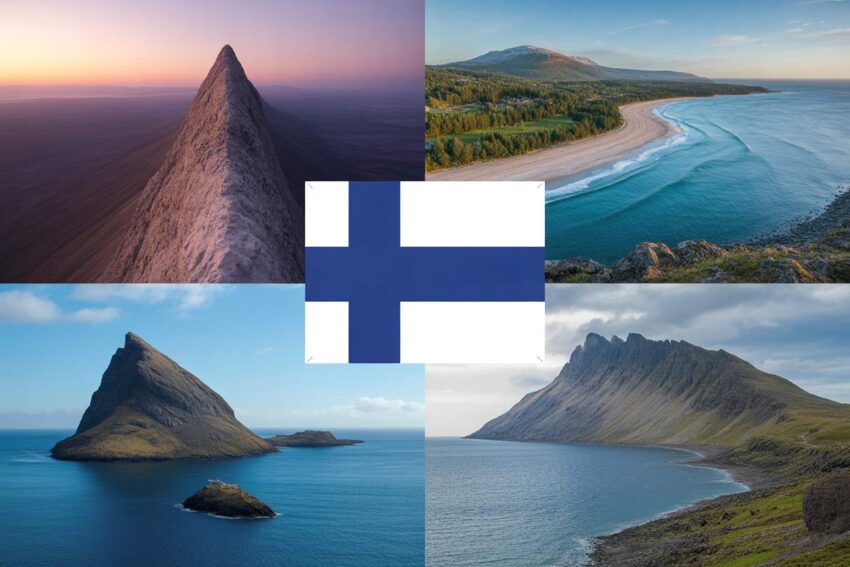
Finland Joins Saudi Arabia, Costa Rica, and New Zealand in Making Tourism a Source of Restoration— A New Vision for Travel in 2025 and Beyond
Finland Joins Saudi Arabia, Costa Rica, and New Zealand

As global tourism continues to grow, the focus is shifting from simply sustaining destinations to regenerating them—a concept known as regenerative tourism. New Zealand, Costa Rica, Saudi Arabia, and Finland are at the forefront of this transformation, aiming not just to reduce the negative impacts of tourism but to actively restore and enhance the natural, cultural, and social capital of the places that attract visitors. This holistic approach goes beyond sustainability by creating net positive effects on the environment and local communities.

But what is regenerative tourism? In simple terms, it’s a tourism model that ensures travel destinations benefit from the industry, enriching the local environment, culture, and economy. Unlike sustainability, which focuses on reducing the negative effects of tourism, regenerative tourism actively works towards environmental restoration, cultural preservation, and community empowerment. While this concept is still evolving, several countries have made official commitments to embed regenerative practices in their tourism strategies, offering a model for others to follow.

What Is Regenerative Tourism?

Regenerative tourism isn’t just about minimizing harm—it’s about giving back more than it takes. It strives to restore ecosystems, revitalize local cultures, and empower communities through tourism. The goal is to create a positive feedback loop where tourism enhances the very things that attract visitors in the first place, such as natural landscapes, cultural heritage, and social well-being.

Despite its promising potential, measuring regenerative outcomes is still a challenge. Governments are working to develop metrics and standards for regenerative tourism, but these are not yet universally standardized. While some countries have made notable progress, much of the data available is linked to broader sustainable tourism or economic and environmental impact initiatives rather than directly to regenerative metrics.

New Zealand — Leading the Way in Regenerative Tourism
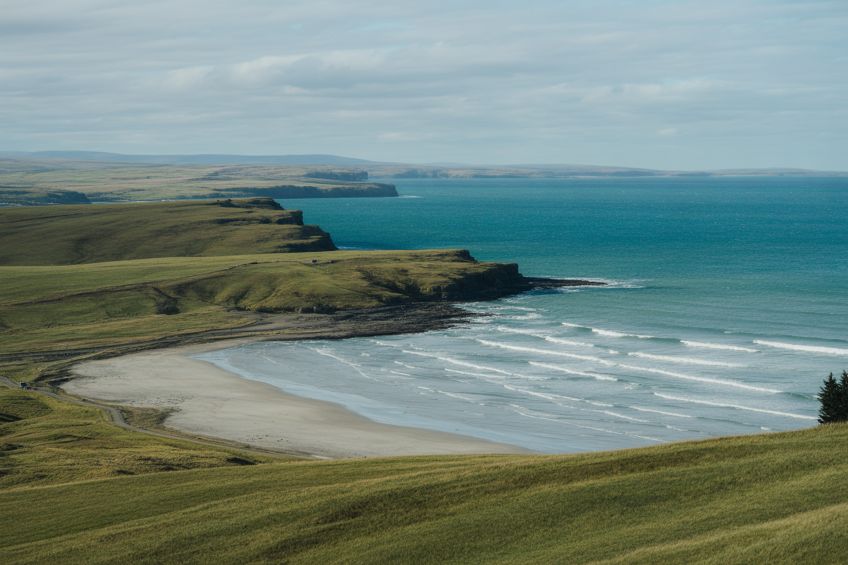
Government Stance and Key Initiatives

New Zealand is recognized as a global leader in regenerative tourism, with the government taking explicit steps to embed this concept into its official strategy. The Ministry of Business, Innovation & Employment (MBIE) and Tourism New Zealand have prioritized the transition to a regenerative tourism model.

The goal is clear: to ensure tourism protects, restores, and champions the country’s natural environment, culture, and heritage. This vision is part of New Zealand’s broader tourism strategy, known as the Tourism Growth Roadmap.

One of the core initiatives under this strategy is the Tiaki Promise, a government-backed pledge encouraging both visitors and locals to commit to caring for the land (whenua), sea, and nature. The word Tiaki means “to care and protect” in the Māori language, underscoring the deep cultural connection to the environment.

Key Statistics

  • Tiaki Promise Awareness: 22% of the domestic population is aware of the Tiaki Promise, demonstrating a successful push to promote regenerative thinking among locals.
  • Tourism Sector Productivity: Tourism GDP accounted for ~5.5% of New Zealand’s total GDP pre-pandemic, with a shift from visitor volume to value per visitor being a key focus.
  • Protected Areas: Over 30% of New Zealand’s land area is protected, providing a solid ecological foundation for restoration efforts.

Top Tourist Attractions in New Zealand

  1. Fiordland National Park – A UNESCO World Heritage site with stunning fjords and pristine landscapes.
  2. Rotorua – Known for its geothermal activity and Māori cultural experiences.
  3. Aoraki/Mount Cook National Park – Famous for its towering peaks and alpine beauty.
  4. Bay of Islands – A picturesque region with rich history, ideal for sailing and exploration.
  5. Tongariro National Park – A dual UNESCO World Heritage site, renowned for its volcanic landscapes.

Costa Rica — A Pioneer in Ecotourism Now Moving Towards Regeneration

Government Stance and Key Initiatives

Costa Rica is well-known for its decades-long focus on ecotourism, but the country is now transitioning towards a more explicitly regenerative model. The Costa Rican Tourism Institute (ICT) has been pivotal in this shift, aiming to make the country a key destination for regenerative tourism.

Costa Rica’s commitment to regenerative practices is most evident through its Certification for Sustainable Tourism (CST) program. While the CST has been around for years, its criteria are now being applied to fund businesses that actively contribute to conservation, community development, and regenerative outcomes.

Key Statistics

  • Forest Cover: Over 52% of Costa Rica’s territory is covered by forests, and the country is a global leader in reforestation and ecological restoration.
  • Renewable Energy: Nearly 100% of Costa Rica’s electricity comes from renewable sources such as hydro, geothermal, and solar, ensuring a minimal carbon footprint.
  • Tourism Sector Contribution: Tourism accounts for ~6.3% of Costa Rica’s GDP, which supports a low-impact, nature-focused tourism model.

Top Tourist Attractions in Costa Rica

  1. Manuel Antonio National Park – Known for its wildlife, beaches, and forest trails.
  2. Monteverde Cloud Forest – A biodiversity hotspot perfect for hiking and nature tours.
  3. Arenal Volcano – Famous for its geothermal activity and hot springs.
  4. Corcovado National Park – One of the most biodiverse places on Earth.
  5. Tortuguero National Park – A protected area known for its turtle nesting sites and vibrant ecosystems.

Saudi Arabia — Vision 2030’s Regenerative Tourism Projects
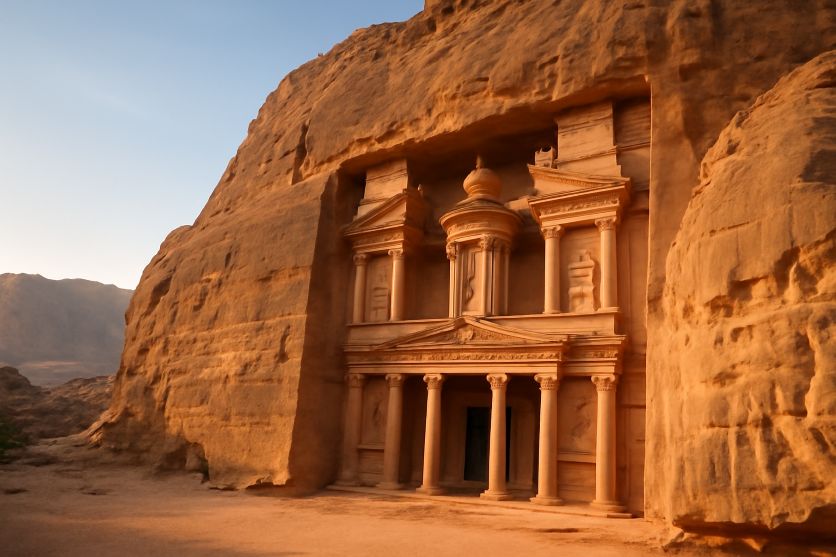
Government Stance and Key Initiatives

Saudi Arabia is using massive state funding to develop entirely new, regenerative tourism destinations under its Vision 2030 plan. The government’s Red Sea Global (RSG) initiative, formerly the TRSDC (The Red Sea Development Company), is building luxury resorts and destinations with an explicit mandate to be regenerative, going beyond sustainability to create a “Nature-Positive” tourism model.

By 2040, Saudi Arabia aims for a 30% net positive conservation benefit, ensuring that its tourism projects not only protect but also enhance the environment.

Key Statistics

  • Net Conservation Benefit: Saudi Arabia’s goal is a 30% net positive conservation benefit by 2040, focusing on ecosystem restoration such as mangrove planting and habitat enhancement.
  • Tourism Share of GDP: The country aims to increase tourism’s contribution to its GDP from ~3% to 10% by 2030, aligning economic growth with environmental goals.
  • Biodiversity Restoration: 50,000 m² of new coral reefs are being created and restored in the Red Sea.

Top Tourist Attractions in Saudi Arabia

  1. Al-Ula – A UNESCO World Heritage site known for its ancient rock art and tombs.
  2. The Red Sea Project – A luxury resort area built with regenerative principles.
  3. Riyadh’s National Museum – Showcasing the kingdom’s rich history and culture.
  4. Diriyah – A historical district of Riyadh, being restored to highlight Saudi heritage.
  5. Al Khobar Beaches – Popular for water activities and relaxing retreats.

Finland — Sustainable Travel and Regenerative Practices Through National Certification

Government Stance and Key Initiatives

Finland has integrated regenerative tourism through the Sustainable Travel Finland (STF) Label, a national program that promotes environmental and social responsibility. Visit Finland and Business Finland have led the way in ensuring that all destinations labeled under STF adhere to high standards of cultural preservation, community collaboration, and environmental stewardship.

Key Statistics

  • Certified Destinations: Over 100 companies and 13 destinations have been certified through the STF program, demonstrating the widespread adoption of regenerative practices.
  • Visitor Satisfaction: Finland consistently ranks high in visitor satisfaction and safety, which aligns with its regenerative tourism goals.

Top Tourist Attractions in Finland

  1. Lapland – Famous for the Northern Lights and its connection to Santa Claus.
  2. Helsinki – A vibrant city known for its art, architecture, and natural beauty.
  3. Lake Saimaa – Offers serene landscapes perfect for boating and hiking.
  4. Rovaniemi – The official home of Santa Claus and a gateway to Arctic adventures.
  5. Turku Archipelago – A stunning group of islands ideal for outdoor activities.

Conclusion: A Global Shift Towards Regenerative Tourism

Countries like New Zealand, Costa Rica, Saudi Arabia, and Finland are leading the regenerative tourism movement, with official commitments to make tourism a force for environmental restoration, cultural preservation, and community empowerment. These nations are setting a new standard for sustainable travel, demonstrating that tourism can enrich both the environment and the local economy when it’s done right.

As the industry evolves, regenerative tourism is expected to grow, with more destinations adopting these principles. While the metrics for regeneration remain in development, the initial successes in these pioneering nations provide a blueprint for others to follow, ensuring that tourism can leave a positive, lasting impact on the world.

The post Finland Joins Saudi Arabia, Costa Rica, and New Zealand in Making Tourism a Source of Restoration— A New Vision for Travel in 2025 and Beyond appeared first on Travel And Tour World.
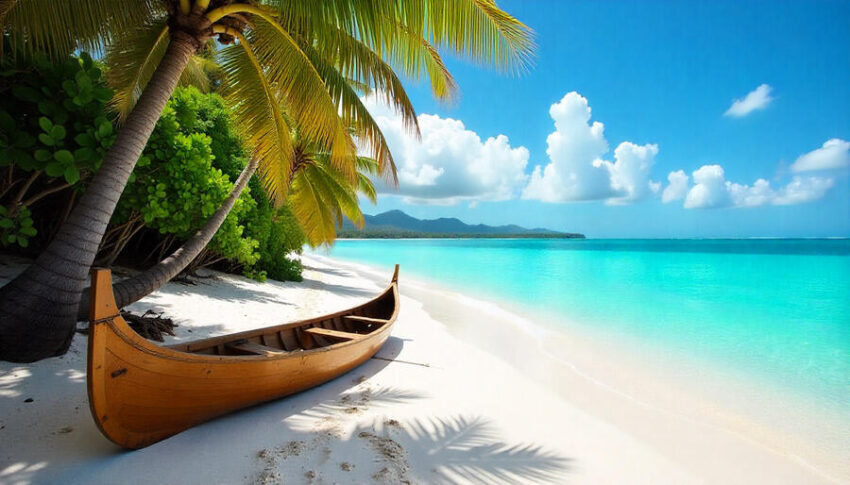
Cook Islands Gains Global Spotlight as a Top 20 Destination in 2026 with Stunning Beaches, Lush Rainforests and Authentic Cultural Experiences

Cook Islands Gains Global Spotlight as a Top 20 Destination in 2026 with Stunning Beaches, Lush Rainforests and Authentic Cultural Experiences

The Cook Islands has captured worldwide attention once again, earning a prestigious spot in BBC Travel’s list of the 20 best destinations to explore in 2026. Known for its stunning natural scenery, vibrant cultural heritage, and commitment to sustainable tourism, the islands are attracting travelers who seek both luxury and authentic experiences in an unspoiled South Pacific paradise.

Tourism drives the Cook Islands’ economy, making up nearly 70 percent of its gross domestic product. This year, the islands are poised to welcome a record number of visitors, drawn to their pristine beaches, crystal-clear lagoons, and lush tropical rainforests. Beyond its natural beauty, the warm hospitality of local communities ensures every visitor leaves with lasting memories and a genuine connection to island life.

BBC Travel’s 2026 guide celebrates destinations that offer unique experiences while actively supporting local communities, preserving cultural heritage, and protecting the environment. Among other notable locations on the list are Uluru in Australia, Ishikawa in Japan, Colchagua Valley in Chile, and Uruguay. The Cook Islands stands out as the only South Pacific nation recognized, highlighting its rising global prominence as a travel hotspot.

The recognition reflects the islands’ careful balance of tourism growth and environmental sustainability. Local operators, including resorts, tour companies, and community organizations, prioritize high-quality, culturally immersive experiences that also safeguard natural and cultural resources. This approach ensures visitors enjoy authentic encounters while contributing to the islands’ long-term prosperity.

A defining feature of the Cook Islands’ tourism is “barefoot luxury,” a style of travel that combines comfort and elegance with the natural environment. Visitors can enjoy high-end accommodations and amenities while experiencing the islands’ pristine landscapes and rich traditions. In 2026, several new initiatives are set to enhance both cultural and environmental preservation across the islands.

Key conservation efforts include strengthened protections for Marae Moana, one of the largest marine parks in the world, ensuring fragile marine ecosystems are safeguarded while encouraging responsible tourism. In Aitutaki, three motu (islets) within the lagoon now have special protected status, preserving habitats for wildlife and maintaining the area’s unspoiled beauty. On Rarotonga, Maungaroa Valley, listed on UNESCO’s Tentative List, remains largely untouched, offering visitors rivers, waterfalls, and tropical forests in their natural state.

Cultural preservation is equally central to the visitor experience. Travelers can participate in traditional ceremonies, enjoy local performances, and sample authentic island cuisine. These opportunities not only enrich the travel experience but also support community livelihoods and help maintain the islands’ cultural identity.

Environmental sustainability continues to guide tourism in the Cook Islands. From eco-friendly accommodations and conservation-led tours to community-driven programs protecting both land and sea, every aspect of travel is designed to minimize impact. The government’s decision to delay deep-sea mining research until at least 2032 demonstrates a long-term commitment to preserving natural resources and ensuring the islands remain a pristine destination for generations to come.

The Cook Islands’ inclusion in BBC Travel’s top 20 destinations underscores its growing reputation as a location where travelers can enjoy extraordinary natural beauty, immersive cultural experiences, and responsible tourism practices. For visitors seeking meaningful, sustainable travel, the islands offer an ideal combination of adventure, relaxation, and cultural connection.

As international attention turns to the Cook Islands in 2026, travelers can look forward to an unforgettable journey. From secluded beaches and turquoise lagoons to rainforest hikes and vibrant cultural events, the islands provide diverse experiences that appeal to every type of traveler. With its exceptional natural landscapes, strong cultural traditions, and sustainable tourism initiatives, the Cook Islands is poised to remain one of the most desirable and respected destinations in the South Pacific.

The post Cook Islands Gains Global Spotlight as a Top 20 Destination in 2026 with Stunning Beaches, Lush Rainforests and Authentic Cultural Experiences appeared first on Travel And Tour World.

Explore Air New Zealand New Lounge at Auckland International Airport

Explore Air New Zealand New Lounge at Auckland International Airport

To meet the demands of the increasing number of travelers, Air New Zealand has opened a new lounge in Auckland International Airport. On December 12, 2025, the Lookout lounge opened and added 200 seats to aid in accommodating passengers in busy travel periods. This lounge comes in ahead of New Zealand Airport’s refurbishments and the newer lounges which are expected to be completed in 2026.

The Lookout Lounge: A Temporary Expansion

The Lookout Lounge will operate alongside the existing Koru Lounge, especially during the busy summer months. This extra space is intended to alleviate congestion while construction is underway on the new Koru Lounges. These long-awaited developments are set to transform the Auckland airport lounge experience, with a phased opening beginning in 2026. During the redevelopment, passengers will enjoy improved seating, upgraded facilities, and an enhanced environment tailored to their comfort.

Koru Lounge and Future Enhancements

The existing Koru Lounge will remain operational but with reduced capacity as work begins on the Koru Premier Lounge. Set to open in 2027, the Koru Premier Lounge will cater exclusively to high-status Koru members, including Koru Platinum, Koru Black, and Business Premier travelers. These members will also gain access to the newly revamped Koru loyalty program launching in April 2026. This program will offer even more exclusive benefits for frequent travelers, solidifying Air New Zealand’s commitment to elevating the passenger experience.

A Space Designed with New Zealand’s Natural Beauty in Mind

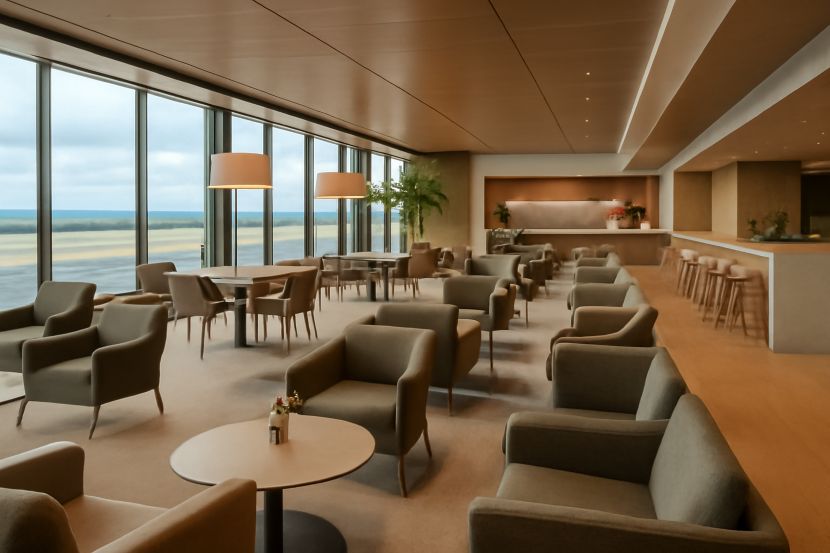
The Lookout Lounge, located on Level 2 near the departure gates, reflects New Zealand’s stunning natural landscapes, taking inspiration from the country’s renowned Great Walks. The lounge features natural materials and expansive views, creating a relaxed yet sophisticated atmosphere. The new space will operate daily during peak travel hours, from 5–10 am and 3:30–9:15 pm, with passengers having access to either The Lookout Lounge or the Koru Lounge depending on availability.

Premium Amenities for Travelers

Passengers using The Lookout Lounge can enjoy a variety of premium amenities designed for relaxation and convenience. The lounge offers a full buffet, a rotating chef station serving made-to-order dishes, and a fully serviced bar with New Zealand wine, beer, and premium coffee options. A dedicated barista area will also be available for those looking to enjoy a freshly brewed cup of Coffee Supreme, a local favorite.

A Focus on Comfort and Space

The Lookout Lounge offers more than just extra seating; it is designed to provide a more comfortable and enjoyable pre-flight experience. The lounge provides a space where passengers can unwind in a serene environment while enjoying locally sourced food and drinks. This new lounge adds much-needed capacity during peak times, ensuring passengers have a more relaxed and pleasant wait before their international flights.

Practical Information for Travelers

  • Location: The Lookout Lounge is situated on Level 2 of Auckland International Airport, near the departure gates.
  • Operating Hours: Open daily from 5 am to 10 am and 3:30 pm to 9:15 pm.
  • Access: Passengers can use either The Lookout Lounge or the Koru Lounge, depending on availability.
  • Amenities: Enjoy a full buffet, made-to-order dishes, premium beverages, and New Zealand wines and beers.
  • Capacity: The Lookout Lounge adds an extra 200 seats, helping to alleviate congestion during peak periods.

What to Expect During Lounge Construction

While the new Koru Lounges are under construction, the existing Koru Lounge will be renovated in phases. Passengers should expect some capacity limitations, though the newly opened The Lookout Lounge will significantly enhance the overall passenger experience during this transitional period. The final phase of the Koru Lounge renovation is expected to be completed by late 2027, with a modern, upgraded lounge space available for frequent travelers.

Benefits of Air New Zealand’s New Lounge Strategy

The introduction of The Lookout Lounge is part of Air New Zealand’s broader strategy to enhance its passenger experience. By expanding lounge capacity during a busy period and making necessary upgrades to the existing lounges, the airline is demonstrating its commitment to offering comfort and convenience to its loyal customers. These improvements are a precursor to the major lounge revamp scheduled for the coming years, promising an even more premium travel experience in the future.

Conclusion

Passengers now have more options to relax and wait for their flights, as Air New Zealand recently opened The Lookout Lounge in Auckland International Airport. The lounge is a nice, pleasant addition to the airport. Lookout now sits atop a collection of lounges as Air New Zealand’s provides and serves more value and quality for any passenger looking a more relaxing, enjoyable way to pass the time before their flights. The Lookout Lounge is redefining the New Zealand lounge experience for air travelers and is of significant importance to business/leisure travelers looking to for a pleasant place to relax before their journey.

The post Explore Air New Zealand New Lounge at Auckland International Airport appeared first on Travel And Tour World.
❌