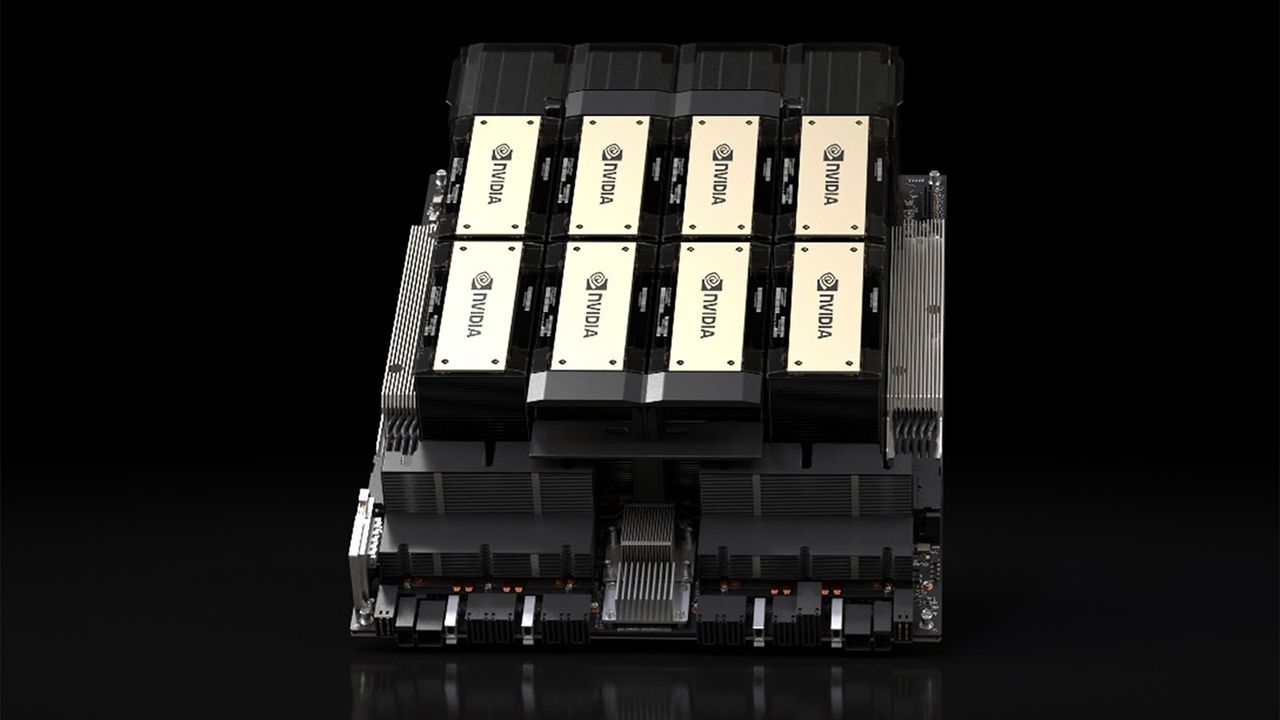
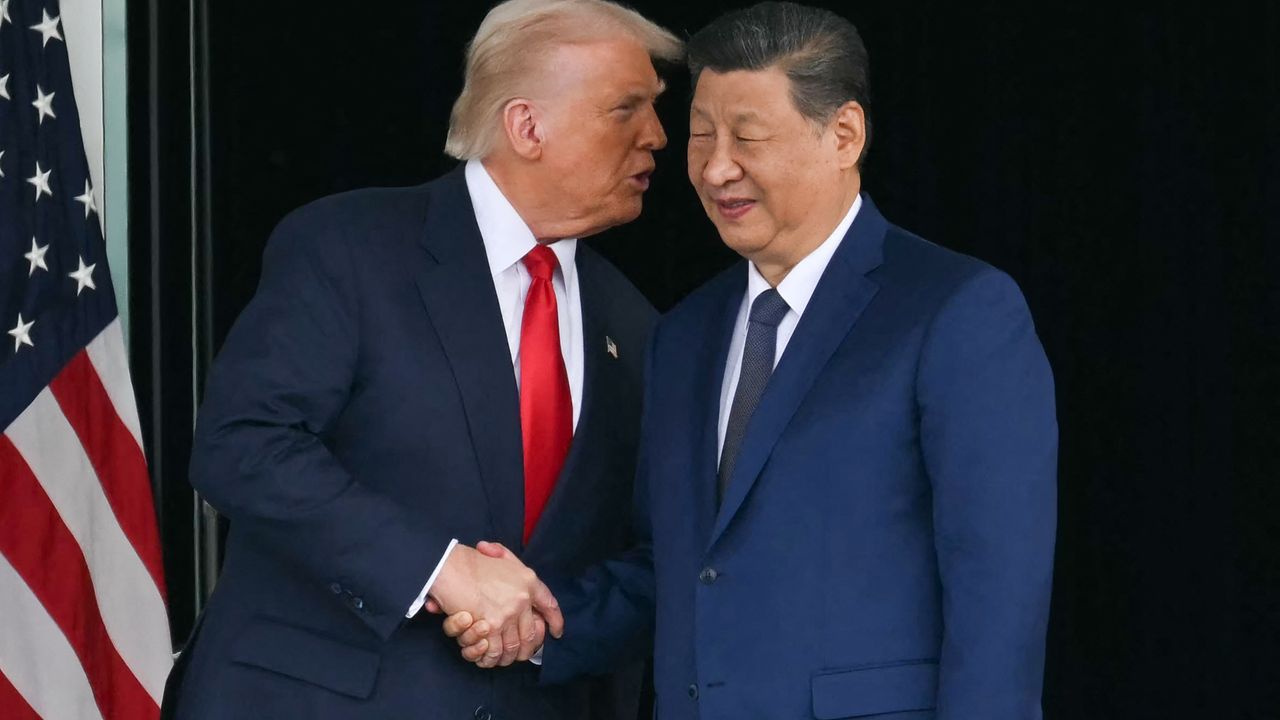
Nvidia is evaluating whether to increase production of its H200 data center GPUs after demand from Chinese customers is expected to exceed current supply.
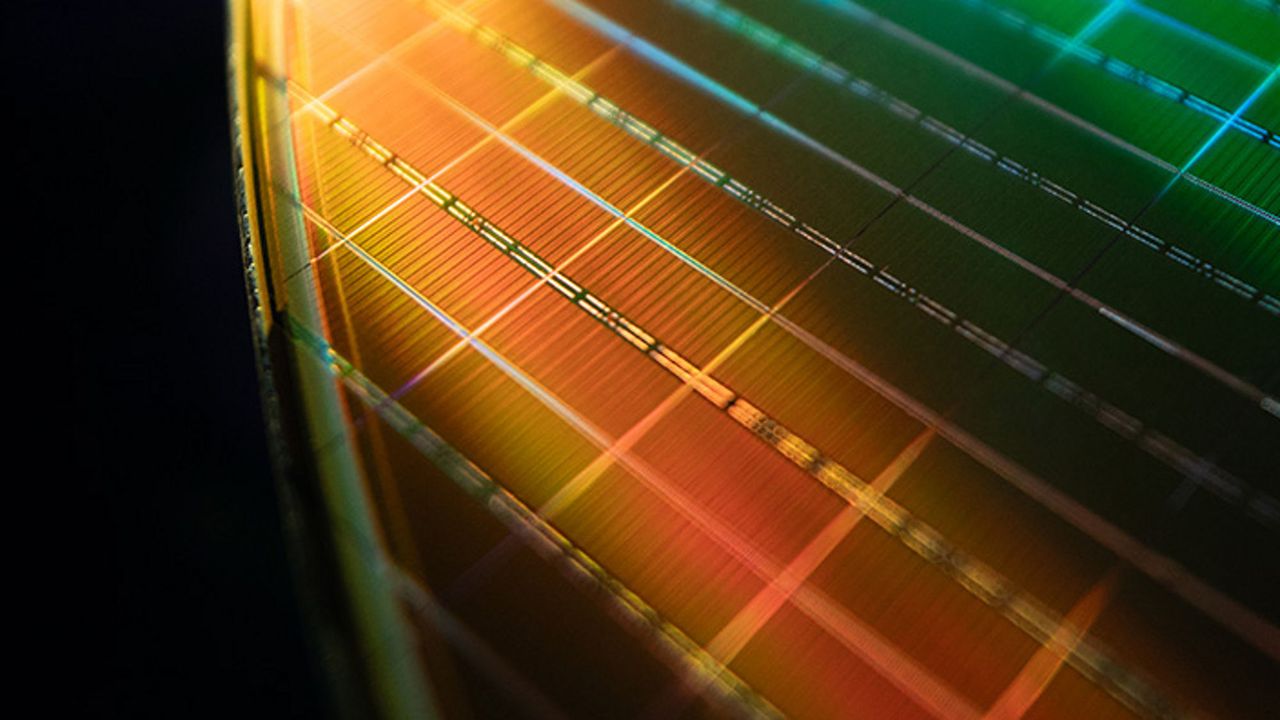
TechInsights says Huawei's Kirin 9030 is built on SMIC’s N+3 process: an incremental, DUV-based extension of its 7nm-class technology that pushes density without EUV but falls well short of true 5nm nodes amid rising yield challenges.
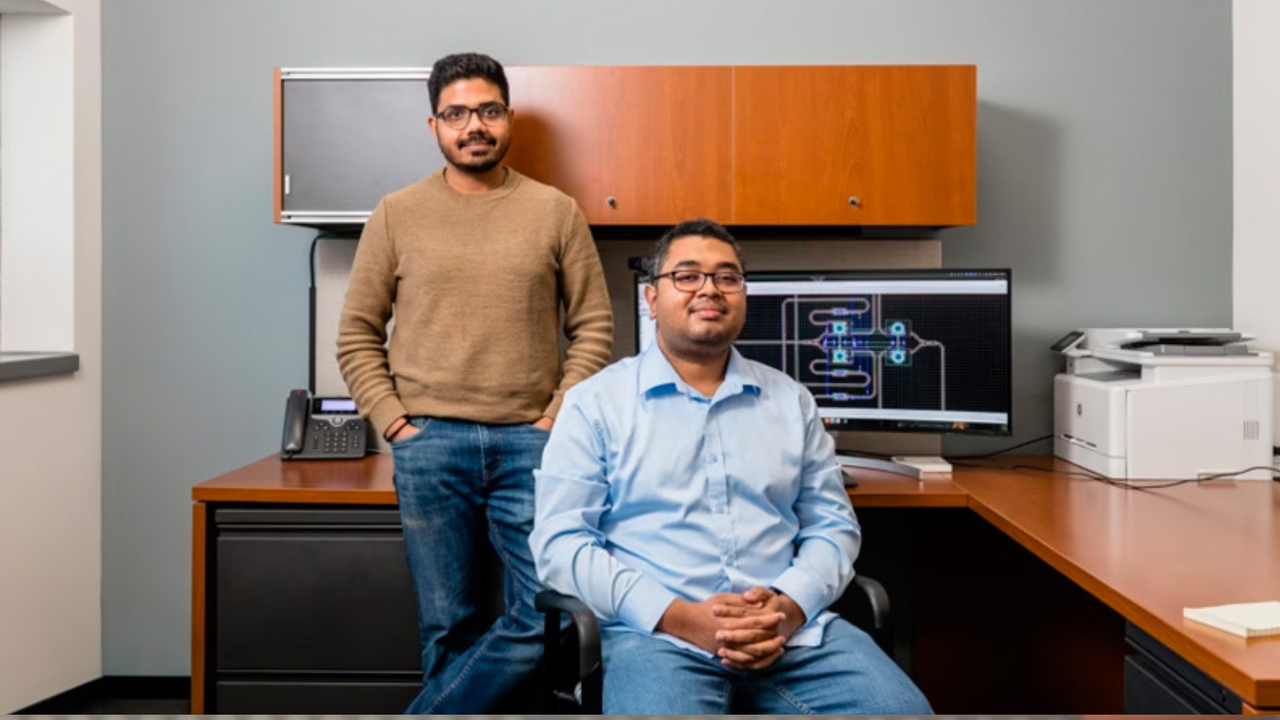
Researchers from the University of Southern California Information Sciences Institute and the University of Wisconsin-Madison have demonstrated what they describe as the first regenerative photonic memory latch.
China convened emergency meetings with its largest technology companies on Wednesday to assess how many of Nvidia’s H200 accelerators they intend to buy.
A growing body of forecasts from AMD, Nvidia, Broadcom, and major research firms now points toward a semiconductor market that passes the trillion-dollar threshold before the decade closes.
Intel’s new partnership with Tata signals a transformative step for India’s chip ecosystem, enabling domestic manufacturing, advanced packaging, and enterprise compute solutions.
TSMC clarifies A14 specifications: Even more performance, but better tools might be needed to extract the full potential of the latest process technologies.

 Login
Login