
Reading view

Europe Air Traffic Delays Surge As France Germany ATC Crisis Disrupts Tourism: All You Need to Know
Europe Air Traffic Delays Surge As France Germany ATC Crisis Disrupts Tourism: All You Need to Know
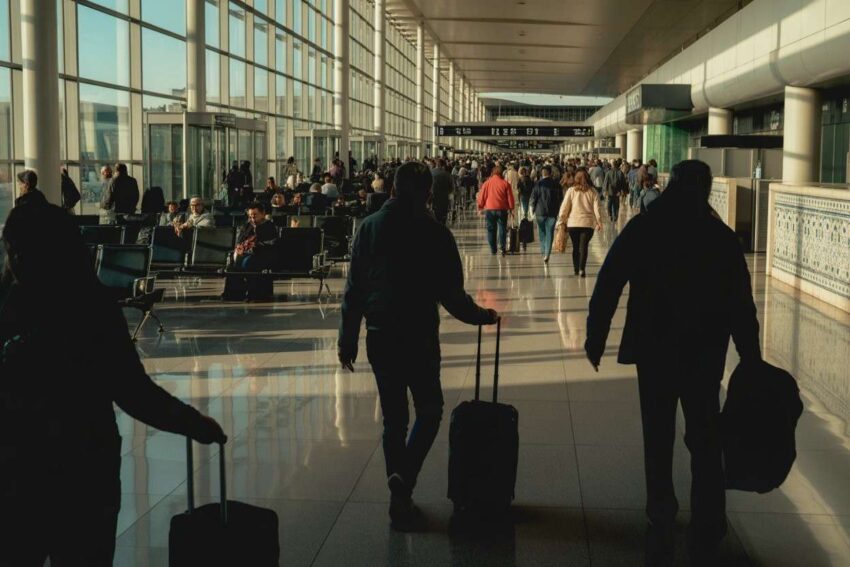
Image of a busy airport

Europe, the continent’s aviation powerhouse, faces a one hundred fourteen percent surge in Air Traffic Flow Management (ATFM) delays from 2015-2024, far outpacing 6.7 percent flight growth, severely disrupting tourismFrance and Germany air navigation service providers (ANSPs) cause over fifty percent of delays due to capacity and staffing shortages, costing airlines and passengers euro 16.1 billion. This inefficiency threatens Europe tourism reliability, deterring spontaneous trips to Paris, Berlin, and Mediterranean hotspots amid rising strikes.

ATFM Delays Explode Impacting Europe Tourism

Europe recorded 7.2 million delayed flights from 2015 to October 2025, with 6.4 million under thirty minutes and seven hundred thousand longer, excluding weather. 2024 delays totaled 30.4 million minutes, up from 14.2 million in 2015, peaking in July-August at thirty-eight percent. Staffing shortages drove eighty-seven percent of ANSP delays, rising 201.7 percent since 2015, while strikes added 9.8 million minutes or 8.8 percent. These disruptions erode Europe tourism confidence, causing cascading cancellations for beach vacations and city breaks.

France and Germany ANSPs dominate fifty percent plus of issues, unmitigated despite known problems, hindering efficient routing. Tourism suffers as unreliable schedules force buffer times, inflating costs and reducing appeal for leisure travelers.

Staffing Shortages Cripple European Aviation Tourism

Capacity limits and staff deficits explain most delays, with industrial actions surging post-pandemic. Europe‘s Single European Sky promise of efficient routes remains unfulfilled, doubling delays instead. Tourism impacts intensify as summer peaks coincide with thirty-eight percent of 2024 delays, stranding families en route to Greek islands or Spanish costas.

2025 forecasts slight improvement after dire 2024, but decade-long deterioration persists. Leisure tourism to ItalyGreece, and Spain faces risks, with airlines padding schedules that dilute connectivity.

Financial Toll Undermines Europe Tourism Economy

Euro 16.1 billion in costs since 2015, over seventy percent from capacity/staffing, burdens airlines passing expenses to passengers via higher fares. 9.8 million strike minutes compound woes, even during low-traffic pandemic years. Europe tourism loses billions in forgone revenue as delayed flights deter bookings to Rome or Amsterdam.

Unaddressed ANSP inefficiencies contrast EU261 compensation debates, prioritizing passenger payouts over root fixes. Tourism operators in France and Germany report cascading effects on hotels and tours.

France Germany Lead Europe Delay Crisis

France and Germany ANSPs shoulder fifty percent plus responsibility, with technical and staffing failures unmitigated. Strikes, now routine, amplify disruptions beyond capacity woes. Paris and Berlin tourism suffers most, with transatlantic feeders delayed, fragmenting Europe‘s hub-spoke model vital for inbound visitors.

Tourism to Eiffel Tower or Brandenburg Gate faces unreliability, pushing travelers to alternatives like Istanbul. Chronic issues demand urgent staffing and tech upgrades.

Strikes Escalate Europe Tourism Disruptions

Industrial actions account for 8.8 percent of ANSP delays, totaling 9.8 million minutes over the decade. Post-pandemic resurgence hits peak tourism seasons hardest. Europe‘s connectivity erodes, with schedules built around inefficiencies harming competitiveness against agile rivals.

Summer tourism peaks amplify pain, as thirty-eight percent of 2024 minutes cluster in July-August, idling jets and stranding sun-seekers bound for Mallorca.

2025 Outlook Offers Slim Hope for Tourism

Slight 2025 uptick expected post-2024 lows fails to reverse trends, with staffing gaps persisting. Single European Sky vision of fuel-saving routes remains distant, doubling delays instead. Europe tourism marketing strains under unreliability, as airlines warn of padded schedules inflating fares.

France and Germany must prioritize recruitment and automation to restore faith, ensuring seamless access to Alps or Riviera.

Broader Implications for Global Tourism Flows

One hundred fourteen percent delay growth versus 6.7 percent traffic rise signals systemic failure, excluding weather/strikes for stark reality. Euro 16.1 billion toll ripples to tourism supply chains, from car rentals to cruises. Europe risks ceding market share to Middle East hubs with superior ATC.

Leisure dominance in delays hits tourism hardest, with 7.2 million flights affected, curtailing weekend getaways to Venice or Vienna.

Urgent Reforms Needed for Europe Tourism Recovery

Europe must confront ANSP shortcomings in FranceGermany to salvage tourism prowess. Investments in staff, capacity, and Single Sky tech promise relief. Without action, tourism volumes stagnate, as passengers opt for predictable alternatives.

2024‘s 30.4 million minutes underscore crisis scale, demanding political will. Europe tourism hangs in balance amid aviation gridlock.

The post Europe Air Traffic Delays Surge As France Germany ATC Crisis Disrupts Tourism: All You Need to Know appeared first on Travel And Tour World.
Must-Know Rules for Safe Winter Visits to Top Destinations in UAE: All You Need to Know

Must-Know Rules for Safe Winter Visits to Top Destinations in UAE: All You Need to Know
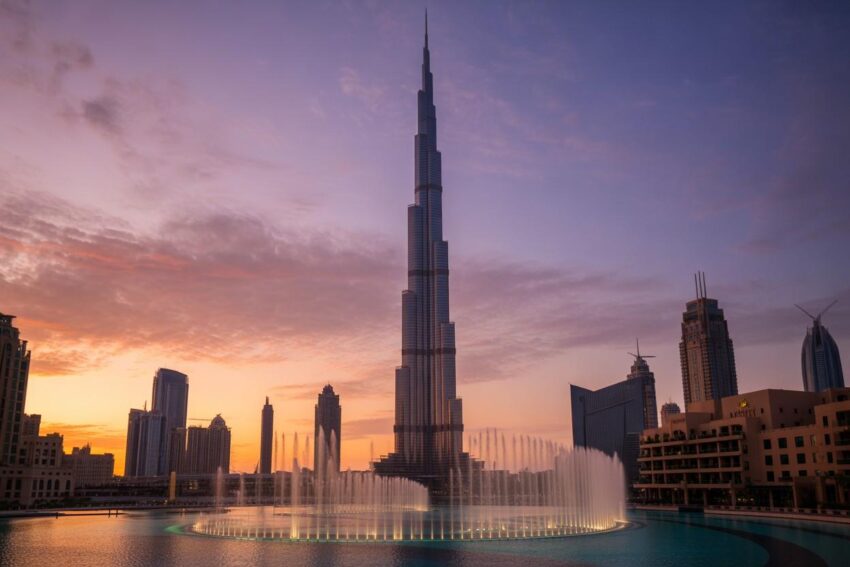
Image of Dubai in UAE

Dubai tourism is heading into another record winter season, with official platforms highlighting millions of arrivals for warm weather, outdoor events and flagship attractions such as Downtown Dubai, Dubai Marina and Palm Jumeirah. The UAE Government underscores that the country maintains one of the lowest crime rates globally, consistently ranking among the safest places to live, work and visit.

Authorities describe Dubai as an open, tolerant and multicultural city, but emphasise that residents and tourists alike must respect local laws and customs to preserve its reputation as a secure, family-friendly tourism hub.

Dress code: How Dubai balances style and respect

Official Dubai visitor guidance confirms that the city is cosmopolitan and diverse, and most everyday clothing styles are acceptable in hotels, restaurants and many public spaces. Swimwear such as trunks, bikinis and one-piece suits is permitted at beaches, hotel pools, waterparks and spa facilities, all of which provide changing rooms and showers so visitors can cover up when leaving these areas.

At shopping malls, family attractions and parks, management typically posts dress code reminders asking both men and women to avoid overly revealing outfits, especially in areas popular with children and multigenerational families. When visiting historic neighbourhoods, government buildings or mosques, modest attire is expected: shoulders and knees covered, loose-fitting clothing, and for women, a headscarf and full arm and leg coverage in prayer spaces; many mosques provide appropriate garments for visitors.

Public behaviour: etiquette in a family-oriented city

Guides to Dubai etiquette from tourism and government-linked sources stress that public displays of affection should remain discreet and respectful in malls, beaches and public transport. Simple gestures such as holding hands between married couples are generally accepted, but intense or intimate behaviour in public places can attract complaints and possible legal attention.

Visitors are also urged to maintain polite conduct, avoid aggressive language or gestures and be mindful of noise, especially around families and in residential districts. Respecting queues, using the right hand for greetings and giving items, and dressing appropriately in mixed settings all contribute to the social harmony that Dubai promotes as a cornerstone of its tourism appeal.

Alcohol: Where tourists can drink and what is prohibited

Dubai permits alcohol consumption for visitors aged twenty-one and above in licensed venues, including hotel bars, restaurants, clubs and authorised retail outlets. While drinking in these controlled environments is legal, the UAE enforces strict zero-tolerance laws on drunk driving and drunk, disorderly behaviour, with penalties that can include heavy fines, licence suspension, detention and deportation.

For off-premises consumption, several emirates, including Dubai, require an alcohol license for residents and tourists, which can be obtained free of charge at approved stores upon presenting a passport (for visitors) or Emirates ID (for residents). Public drinking outside licensed venues, transporting open containers and appearing intoxicated on the street are all prohibited, so tourists are urged to plan transport by taxi, metro or ride-hailing when consuming alcohol.

Photography and privacy: Understanding UAE cybercrime rules

The UAE has robust privacy protections, and official advisories highlight that taking photos or videos of people without their consent, then sharing or posting them online, may breach federal cybercrime, penal and media laws. Capturing images of private homes, car plates, security staff or certain government and military facilities can also be considered an invasion of privacy or a national security concern.

Under updated UAE Cybercrime Law provisions, publishing someone’s image or recording without permission in a way that harms their dignity or privacy can lead to fines ranging roughly from AED one hundred fifty thousand to five hundred thousand and/or up to six months in jail, depending on circumstances. Tourism and film-permit portals advise visitors to focus on landmarks and skylines, and to ask before photographing individuals, especially families and children, in order to stay on the right side of the law.

Prescription medicines: MOHAP rules for bringing drugs into Dubai

The UAE Ministry of Health and Prevention (MOHAP) publishes detailed lists of controlled and prohibited medicines, along with guidance for travellers who need to carry medication for personal use. Many routine prescriptions and over-the-counter products are available legally in local pharmacies, but medicines containing narcotic, psychotropic or other controlled substances fall under special rules.

Travelers carrying controlled medicines must hold: a recent medical report, a valid doctor’s prescription and documentation stamped or authenticated by the issuing clinic or hospital, and may only bring in quantities sufficient for up to three months of treatment. MOHAP strongly encourages patients to apply online in advance for a “Permit to Import Medicines for Personal Use”, which confirms official approval before arrival in Dubai and helps avoid confiscation at the airport.

How these rules shape Dubai’s tourism appeal

Dubai’s clear visitor rules on dress, etiquette, alcohol, privacy and medicines are positioned by authorities as central to sustaining its status as one of the safest tourism destinations in the world, with very low crime rates and high levels of public order. Winter campaigns led by the Dubai Department of Economy and Tourism highlight this safety narrative alongside sunshine, shopping and events, helping the city rank among the top global winter tourism destinations in independent indexes.

For travellers, understanding and respecting these five rule areas reduces the risk of legal issues, enhances comfort in family-oriented spaces and contributes to positive experiences that fuel repeat visits and strong online reviews, key drivers of Dubai tourism growth as the emirate targets new records in 2025 and beyond.

The post Must-Know Rules for Safe Winter Visits to Top Destinations in UAE: All You Need to Know appeared first on Travel And Tour World.

Antwerp Tourism Surges as TUI fly Belgium Axes Three Key Summer Routes from Deurne Airport: All You Need to Know

Antwerp Tourism Surges as TUI fly Belgium Axes Three Key Summer Routes from Deurne Airport: All You Need to Know
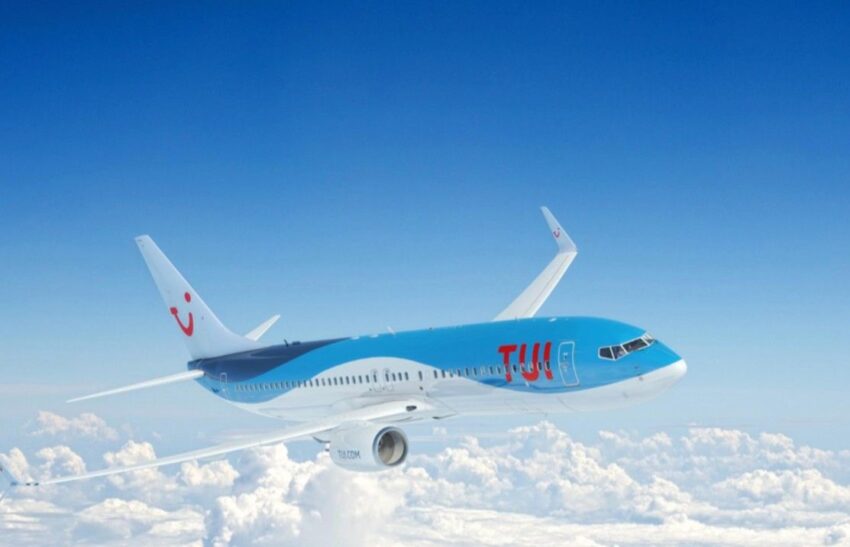
Image of TUI Fly Belgium Fleet

Antwerp and Tenerife tourism are facing potential disruption after TUI fly Belgium announced significant reductions to its summer 2026 schedule at Antwerp’s Deurne Airport. The airline will cancel flights to Ibiza, Antalya and Crete, limiting operations to a single Embraer E195-E2 aircraft serving just four destinations: Tenerife, Malaga, Alicante and Mallorca. This decision prioritizes routes with established demand from second-home owners and reflects a strategic shift toward larger hubs like Brussels.

The changes come after challenging years for Deurne Airport, where passenger numbers fell significantly, raising questions about the sustainability of regional aviation and its role in supporting local tourism economies.

TUI fly focuses on profitable Spanish sun destinations

TUI fly Belgium’s revised summer 2026 programme at Deurne Airport concentrates exclusively on high-performing Spanish routes that demonstrate consistent demand from Belgian travelers. Tenerife, Malaga, Alicante and Mallorca will continue with the single-aircraft deployment previously used for winter operations, ensuring year-round connectivity to popular sun destinations.

This focus aligns with patterns where leisure routes to the Canary and Balearic Islands maintain stronger load factors and pricing power compared to more seasonal or competitive markets. For Antwerp tourism, the decision means fewer options for short-haul holidays, potentially pushing local travelers toward Brussels Airport or alternative carriers.

Ibiza, Antalya and Crete routes discontinued

The most notable casualties are Ibiza, Antalya and Crete, three classic summer leisure destinations that will no longer feature in TUI fly Belgium’s Deurne schedule for 2026. These routes, which typically attract party-goers, families and beach holidaymakers, have been deprioritized in favor of capacity consolidation at Brussels Airport, where economies of scale support more frequent flights and competitive fares.

For destinations like Ibiza tourism, the loss represents reduced direct access from Belgium’s second city, though travelers can still reach the Balearic party island via larger hubs. Similarly, Antalya and Crete tourism lose a regional entry point, potentially affecting group bookings and lower-fare segments that previously flew from Deurne.

Deurne Airport’s passenger decline pressures regional tourism

Antwerp’s Deurne Airport experienced a twenty percent drop in passenger numbers during 2024, handling only 208,845 travelers amid operational disruptions including spare parts shortages that forced flight diversions to Brussels. These challenges delayed the 2025 summer season start and contributed to uncertainty around the airport’s leisure role.

The reduced TUI fly deployment for 2026 is expected to further suppress passenger figures, limiting Deurene’s capacity to around one aircraft’s worth of weekly rotations. This contraction impacts  Antwerp’s tourism ecosystem, where regional flights traditionally supported quick getaways to Mediterranean hotspots without the drive to Brussels or Charleroi.

Brussels Airport gains as capacity shifts to capital hub

TUI fly Belgium’s strategy redirects Ibiza, Antalya and Crete capacity to Brussels Airport, where stronger demand supports higher aircraft utilisation and better yields. The capital hub’s larger catchment area and infrastructure advantages make it the preferred base for seasonal leisure expansion.

This shift reinforces Brussels’ dominance in Belgian tourism aviation, drawing passengers from Antwerp and surrounding provinces who prioritize frequency over proximity. For Antwerp tourism, the change underscores the challenges facing secondary airports, where limited scale struggles against major hubs’ economies and marketing power.

Operational challenges shaped TUI fly’s Antwerp strategy

Recent performance at Deurne Airport was hampered by technical issues, including aircraft grounding due to parts shortages that shifted operations to Brussels for extended periods in 2024. These disruptions not only reduced passenger confidence but also highlighted the vulnerabilities of single-airline dependency at smaller facilities.

TUI fly Belgium’s decision to extend its winter one-aircraft model into summer reflects commercial realities: prioritising profitability over volume in a market where Brussels offers superior demand density. The Embraer E195-E2’s efficiency suits the remaining Tenerife-Malaga-Alicante-Mallorca rota, but limits overall seat capacity and route diversity.

Tourism implications for Antwerp and sun destinations

The summer 2026 cutbacks challenge Antwerp tourism by reducing convenient access to popular holiday markets, potentially dampening local travel agency business and second-home traffic. Residents may increasingly drive to Brussels or opt for low-cost carriers at Charleroi, fragmenting the regional market.

For surviving destinations, the focus on Tenerife, Malaga, Alicante and Mallorca secures Belgian demand but at lower volumes, while Ibiza, Antalya and Crete face reduced arrivals from this secondary gateway. Regional tourism boards may need to intensify marketing toward Brussels to offset the loss.

Overall, Deurne Airport’s contraction signals broader pressures on European regional aviation, where tourism routes increasingly consolidate at major hubs, reshaping access patterns for smaller cities like Antwerp.

Image Credit: TUI Belgium

The post Antwerp Tourism Surges as TUI fly Belgium Axes Three Key Summer Routes from Deurne Airport: All You Need to Know appeared first on Travel And Tour World.

Manila and Mandaluyong Tourism Put on Alert as Fifth-Alarm Pleasant Hills Fire Displaces Many Families in Metro Manila: All You Need to Know

Manila and Mandaluyong Tourism Put on Alert as Fifth-Alarm Pleasant Hills Fire Displaces Many Families in Metro Manila: All You Need to Know
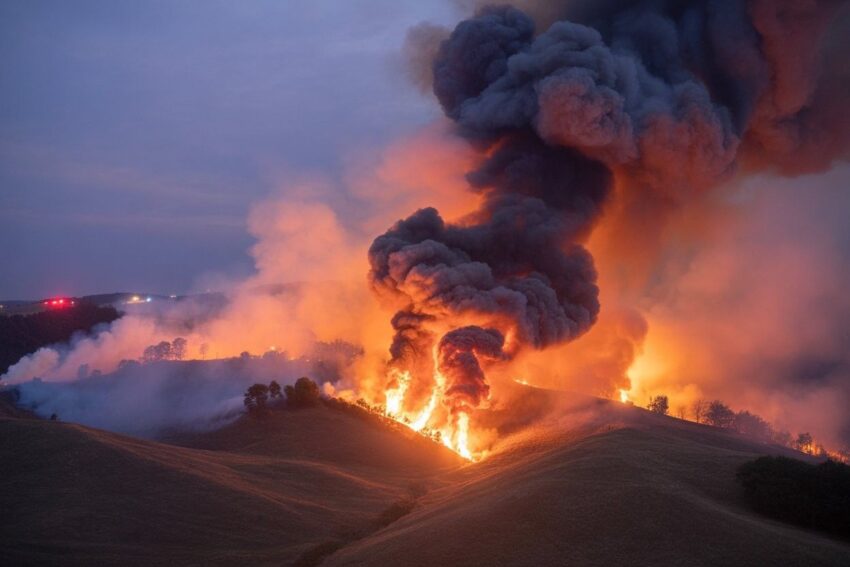
Image of a hill fire

Manila and Mandaluyong City, core parts of Metro Manila’s tourism and business corridor, are confronting the fallout from a fifth‑alarm fire that ravaged Barangay Pleasant Hills on the evening of 12 December 2025. According to situational updates from the Bureau of Fire Protection – National Capital Region (BFP‑NCR) and local authorities, the blaze broke out in a densely built residential pocket near Block 5, Nueve de Febrero, before rapidly spreading through rows of tightly packed homes.

Although far from Manila’s primary tourism districts such as Intramuros, Makati and Bonifacio Global City, the scale of the incident adds to concerns about urban safety and resilience in the wider metropolitan area that visitors inevitably traverse.

How the Pleasant Hills fire unfolded

BFP‑NCR reports indicate that the fire started at around 6:38 p.m. local time, with the first alarmraised immediately and escalating to second alarm by 6:42 p.m., third alarm at 6:54 p.m., fourth alarm at 7:08 p.m. and fifth alarm at 7:19 p.m. as flames spread through combustible materials in closely spaced structures. More than twenty fire trucks and multiple crews from Mandaluyong and neighbouring cities responded, but their access was hampered by narrow alleyways and informal layouts, typical of many older urban communities.

BFP‑NCR confirmed the fire under control by around 9:10 p.m., with full containment achieved later that night; early updates noted no immediate fatalities, though subsequent reports cited several injuries and extensive property damage. Local media and resident footage showed towering flames and thick smoke columns visible from other parts of Metro Manila, underlining the blaze’s intensity and the challenge for first responders.​

Humanitarian impact: around five hundred families left homeless

Initial damage assessments from city authorities and media estimate that around five hundred families were displaced, turning swathes of Pleasant Hills into a charred landscape of collapsed roofing, twisted beams and ash. The City of Mandaluyong has activated social welfare mechanisms, with temporary shelters set up in schools or covered courts and coordination channels opened through its Urban Poor Affairs and Protective Services offices.

For residents, many of whom belong to low-income and informal communities, the fire represents a total loss of housing, documents and household assets, with knock‑on effects on livelihoods and schooling. Disaster‑risk studies on Metro Manila’s informal settlements emphasise that such fires become “everyday disasters” that reinforce cycles of poverty and exclusion, long after the flames are out.

Fire safety gaps in Metro Manila’s informal settlements

Urban research and local government profiles highlight that overcrowding, informal electrical connections and flammable construction materials significantly raise fire risk in settlements like Pleasant Hills. Mandaluyong’s official fire‑protection documentation notes that many incidents stem from faulty wiring, leaking gas tanks and discarded cigarettes, all of which are preventable but flourish where codes are hard to enforce and households improvise utilities.

Studies on Metro Manila’s fire vulnerability emphasise that narrow access roads, limited hydrant coverage and constrained water supply can slow response times, allowing a small ignition to escalate to a multi‑alarm event. Strengthening community fire‑safety education, evacuation drills and infrastructure upgrades is therefore seen as vital not only for resident safety but also for projecting a more resilient urban image in a capital that increasingly hosts events, conferences and city‑break tourism.

Tourism implications for Manila’s image and visitor confidence

From a tourism perspective, the Pleasant Hills fire does not directly affect the city’s main hotels, convention venues or heritage clusters, and international travel advisories have not flagged specific risks to visitors in relation to this incident. However, widely shared images of towering flames in Metro Manila reinforce global perceptions of uneven urban development and infrastructure stress, which can subtly influence how prospective travellers evaluate city safety and reliability.

Tourism‑safety guidance on the Philippines generally portrays the country as broadly safe for tourists, while recommending normal big‑city precautions and awareness of potential disruptions linked to weather, transport or localised incidents. By proactively communicating emergency response capacity, urban‑renewal projects and community resilience efforts, Manila can mitigate any negative narrative drift and demonstrate a commitment to making the metropolitan area safer for both residents and visitors.

Next steps: recovery, risk reduction and inclusive urban development

In the short term, Mandaluyong’s priority is to support displaced families with shelter, food, health services and documentation assistance, while investigators determine the fire’s cause and map out the full scale of damage. Over the medium term, planners and social‑housing agencies face decisions on rebuilding, possible relocation and upgrading of high‑risk zones, consistent with national commitments under the Philippines’ New Urban Agenda implementationto reduce vulnerability in informal settlements.

For Manila and Mandaluyong tourism, the Pleasant Hills fire underscores that urban resilience, social protection and disaster‑risk reduction are integral to a sustainable visitor economy, not separate from it. Investments in fire‑safe housing, wider access roads, community education and stronger local fire services can simultaneously protect vulnerable residents and strengthen Metro Manila’s standing as a dynamic yet responsible urban gateway to the Philippines’ wider tourism offer.

The post Manila and Mandaluyong Tourism Put on Alert as Fifth-Alarm Pleasant Hills Fire Displaces Many Families in Metro Manila: All You Need to Know appeared first on Travel And Tour World.
❌