
Reading view

Iran Sees Increase in Tourist Arrivals, Reflecting New Growing Interest
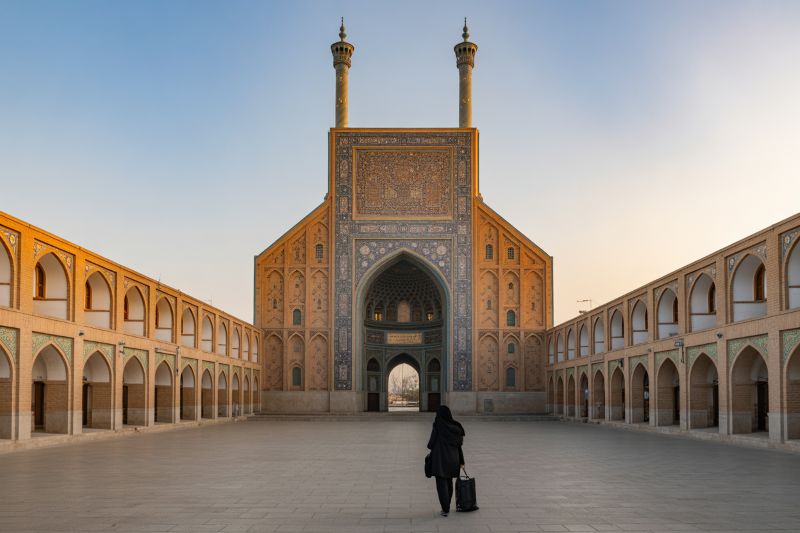
Iran Sees Increase in Tourist Arrivals, Reflecting New Growing Interest

International tourism, according to the latest data released by the United Nations World Tourism Organization, still shows remarkable resilience and grows 5% in the first nine months of 2025. It has not only surpassed the levels witnessed in 2024 but also exceeded the pre-pandemic numbers of 2019, a strong recovery of the sector at large. A total number of over 1.1 billion international visitors traveled between January and September 2025, up substantially compared to the previous year.

Strong Growth in International Travel Despite Economic and Geopolitical Challenges

The World Tourism Barometer report highlights that international arrivals in 2025 reached more than 1.1 billion, about 50 million more than the same period in 2024, and 3% higher than in 2019, before the global COVID-19 pandemic disrupted travel. Despite challenges such as inflation in tourism services and ongoing geopolitical tensions, international tourism has continued to grow steadily. This growth is particularly significant as it reflects both an increase in the number of travelers and a rebound in tourism receipts, indicating that tourists are not only returning to global destinations but are also spending more during their travels.

Zurab Pololikashvili, UNWTO Secretary-General, emphasized that the tourism sector’s growth is noteworthy, particularly in light of the economic pressures and global uncertainties. “International tourism has continued to experience sustained growth so far in 2025 in terms of international arrivals and most importantly in receipts,” Pololikashvili said. “This growth demonstrates the enduring appeal of travel, even in the face of high inflation and geopolitical challenges.”

Regional Tourism Performance: Africa and Europe Lead the Way

While global tourism has experienced broad growth, certain regions have stood out in terms of performance. Africa and Europe, in particular, have reported strong results for the year, with both regions seeing notable increases in tourist arrivals. Europe, which has long been a popular destination for international travelers, continues to see robust demand, driven by its diverse cultural offerings, historical landmarks, and well-established tourism infrastructure.

Africa has also seen impressive growth, fueled by a resurgence in both leisure and business travel to the continent. The rise of new travel destinations, enhanced regional connectivity, and increasing global interest in African culture, wildlife, and heritage have contributed to the region’s strong tourism performance in 2025.

The Recovery of Key Travel Markets

The continued rise in international tourist arrivals reflects a broader recovery in global travel markets. Many key regions, including Asia and the Americas, have also experienced positive growth, further underscoring the resilience of the global tourism industry. The ease of travel restrictions, the return of international flights, and improved vaccination rates worldwide have all played a role in helping restore consumer confidence and increasing the demand for international travel.

In addition to the recovery of leisure travel, the business tourism segment is also regaining momentum, with international conferences, trade shows, and corporate events returning to destinations around the world. This resurgence has helped drive the recovery of MICE (Meetings, Incentives, Conventions, and Exhibitions) tourism, which contributes significantly to the overall tourism industry, particularly in major cities.

Iran’s Strong Growth in Tourist Arrivals

One country that has experienced notable success in attracting foreign tourists is Iran. According to national data, Iran saw a 30% increase in tourist arrivals during the first two months of the Iranian calendar year, which began on March 20, 2025. During this period, 3.5 million foreign tourists visited the country, reflecting the growing appeal of Iran as a destination for both cultural tourism and adventure travel.

Iran has long been known for its rich cultural heritage, historical sites, and stunning natural landscapes, but in recent years, it has increasingly become a sought-after destination for international tourists. The country’s tourism infrastructure has been steadily improving, with new hotels, transport options, and services designed to meet the needs of foreign visitors. This uptick in tourism also reflects Iran’s successful efforts to market its attractions to global travelers and improve the visitor experience.

Iran’s cultural tourism, in particular, has benefited from increased interest in its ancient sites, such as Persepolis, Esfahan’s historic mosques, and the ancient city of Yazd. Additionally, the country’s burgeoning ecotourism sector, which showcases Iran’s diverse landscapes—from the lush forests in the north to the deserts in the east—has drawn adventure travelers looking for unique experiences.

The Impact on Local Economies and Global Travel Trends

The growth in international tourism has had a significant positive impact on local economies, particularly in regions and countries that rely heavily on tourism revenue. Increased tourist arrivals have generated vital economic benefits, supporting local businesses, creating jobs, and boosting government revenues through tourism taxes and spending.

In destinations like Iran, the influx of foreign visitors has provided a much-needed economic boost, creating employment opportunities in the hospitality, transport, and entertainment sectors. This growth in tourism also encourages further investment in infrastructure, helping to improve the overall travel experience and ensuring that these destinations remain competitive in the global market.

The broader trend toward sustainable tourism is also shaping travel patterns, with increasing numbers of tourists opting for destinations that prioritize environmental sustainability, responsible tourism practices, and local community engagement. This shift is influencing travel preferences, as more visitors seek experiences that support both the local economy and the preservation of natural resources.

A Strong Outlook for Global Tourism in 2025 and Beyond

The 5% increase in international tourist numbers in the first nine months of 2025 shows a major positive trend in reviving the tourist industry globally. As travel in different parts of the world continues to experience a revival, with regions such as Africa, Europe, and Asia being affected, travel can confidently be stated to be a major factor in boosting economies. With major tourist numbers returning to a country such as Iran, where cultural holidays are witnessing a revival, a bright future can be expected for this sector in the next decade.

The post Iran Sees Increase in Tourist Arrivals, Reflecting New Growing Interest appeared first on Travel And Tour World.
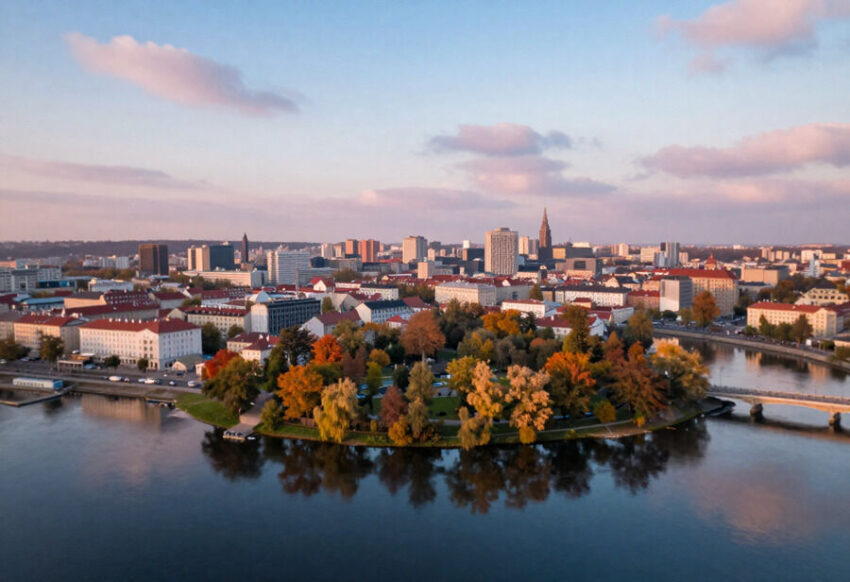
Germany And France Joins Finland, Italy, Malta, Denmark, Croatia, Hungary, And More As Belarus Extends Visa-Free Travel For Thirty-Eight European Nations: Latest Travel Update You Should Know

Germany And France Joins Finland, Italy, Malta, Denmark, Croatia, Hungary, And More As Belarus Extends Visa-Free Travel For Thirty-Eight European Nations: Latest Travel Update You Should Know
Germany And France Joins Finland, Italy, Malta, Denmark, Croatia, Hungary, And More,
Belarus Extends Visa-Free Travel,

Belarus has extended its visa-free travel program for 38 European countries, including Germany, France, Finland, Italy, and Malta, through 2026, to enhance tourism and strengthen ties with its European neighbors. This move simplifies travel for millions of Europeans, encouraging more visits to the country while fostering greater international cooperation. With this extension, Belarus is not only boosting its tourism sector but also aligning with broader efforts to make the country more accessible and open to international visitors, marking a significant step in its goal to increase global tourism.

In an exciting development for international travelers, Belarus has decided to extend its visa-free travel program for citizens of 38 European countries through 2026. Initially launched in July 2024, the program allowed citizens of select European nations to travel freely to Belarus without the need for a visa. This extension not only makes travel easier for Europeans but also aligns with Belarus’s growing efforts to enhance its appeal as a tourist destination.

Extended Visa-Free Travel: A Welcome Change for European Travelers

The Belarusian government’s decision to extend the visa-free travel program reflects the country’s desire to attract more international visitors and boost its tourism sector. This move also showcases Belarus’s commitment to strengthening its relations with Europe. The new extension, set to run through December 31, 2026, provides travelers with ample time to explore Belarus without the administrative burden of visa applications.

Who Can Benefit from the Visa-Free Program?

The extended visa-free program applies to the citizens of 38 European countries. Those eligible can travel to Belarus for tourism, business, or transit without needing a visa, as long as they possess a valid passport. The initiative is expected to simplify travel for millions of Europeans and encourage more tourism and cultural exchanges between Belarus and its European neighbors.

Here’s a breakdown of the key aspects of the program:

  • Eligible Countries: Citizens of 38 European countries can enter Belarus visa-free.
  • Duration of Stay: Most travelers are permitted to stay up to 30 days per visit. However, citizens from Poland, Lithuania, and Latvia (including non-citizens) can stay for up to 90 days.
  • Transit: Travelers can transit through Belarus to other destinations, as long as they are not heading to Russia.
  • Multiple Entries: The program allows unlimited entries, provided that the total stay does not exceed 90 days per calendar year.
  • Exclusions: Diplomatic or service passport holders are excluded, with exceptions for biometric diplomatic passport holders from the EU.

Boosting Belarus’s Tourism and International Appeal

The visa-free program has already proven to be a success. Since its initial launch, more than 1.2 million Europeans have visited Belarus under this scheme. Most visitors have come from neighboring countries, but the program has also attracted travelers from a diverse array of European nations.

Here’s a look at the top countries contributing to the flow of visitors to Belarus in 2024:

CountryNumber of Visitors
Latvia399,842
Lithuania658,575
Poland130,089
Other European Countries54,845

In 2025 alone, over 210,000 travelers from these 38 European countries have already visited Belarus, highlighting the program’s growing success. Belarusian authorities are hopeful that the extension will continue to draw large numbers of visitors, particularly from countries such as Germany, France, and Italy.

What’s New in 2025: Belarus’s E-Visa System

Alongside the extension of the visa-free program, Belarus has launched an e-visa system to further simplify travel for international visitors. Starting in March 2025, travelers from 67 countries worldwide can now apply for an e-visa to visit Belarus. The system has been particularly popular among travelers from the United States, Canada, Japan, and several European countries.

The Belarusian government is particularly enthusiastic about the e-visa program as it opens the country up to a broader international audience. As of mid-2025, around 1,500 e-visas have already been issued, demonstrating a solid interest in visiting Belarus beyond just European nations.

Key Countries for E-Visa Applications:

  • United States
  • Germany
  • Japan
  • Canada
  • Italy
  • France
  • Australia
  • United Kingdom
  • Spain

This dual approach—visa-free travel for certain European countries and e-visa access for others—reflects Belarus’s desire to streamline its visa processes and position itself as a more accessible destination for global tourists.

Full List of Countries Eligible for Visa-Free Travel to Belarus

The extension of the visa-free program now includes a comprehensive list of 38 European countries. Travelers from these nations can benefit from the convenience of not needing a visa to visit Belarus, with the conditions mentioned above. Here’s the complete list:

  • Andorra
  • Austria
  • Belgium
  • Bosnia and Herzegovina
  • Bulgaria
  • Croatia
  • Cyprus
  • Czech Republic
  • Denmark
  • Estonia (including stateless persons permanently residing there)
  • Finland
  • France
  • Germany
  • Greece
  • Hungary
  • Iceland
  • Ireland
  • Italy
  • Liechtenstein
  • Luxembourg
  • Malta
  • Monaco
  • North Macedonia
  • Netherlands
  • Norway
  • Portugal
  • Romania
  • San Marino
  • Slovakia
  • Slovenia
  • Spain
  • Switzerland
  • Sweden
  • United Kingdom
  • Vatican City

This comprehensive list showcases Belarus’s broad reach in attracting European travelers. By continuing to make travel easier for such a large group of countries, Belarus is positioning itself as a central destination for cultural exploration, business exchanges, and leisure tourism.

Visa-Free Travel Conditions and Exceptions

Most citizens of these 38 countries can stay in Belarus for up to 30 days without a visa. However, there are some specific exceptions:

  • Poland, Lithuania, and Latvia: Citizens from these countries (including those with Latvia’s non-citizen status) are allowed to stay up to 90 days.
  • No Limit on Entries: Travelers can enter and exit Belarus as many times as they want within the validity period, as long as their total time spent in the country does not exceed 90 days per calendar year.
  • Transit Policy: The visa-free travel also permits transit, provided the traveler is not heading to Russia.

Promoting Belarus as a Top Travel Destination

This move is part of a broader strategy by Belarus to open its doors to international travelers and showcase its rich history, vibrant culture, and welcoming environment. From its medieval castles to the untouched natural beauty of its national parks, Belarus is becoming an increasingly popular destination for both short visits and longer stays.

In addition to attracting more visitors, the government is also focusing on improving tourism infrastructure and services. New hotels, transport links, and tourist facilities are being developed, and the tourism industry is set to benefit from the growing influx of European travelers.

The Future of Travel to Belarus

As the visa-free program continues to attract large numbers of visitors, Belarus is also working to enhance its reputation as a safe and welcoming destination. With the growing popularity of Belarusian culture, food, and historical sites, the country is becoming a more prominent feature on the European travel map.

The introduction of the e-visa system complements the visa-free program by offering more flexibility for travelers from countries outside the European Union. Whether it’s a short cultural trip, a business visit, or a longer stay, Belarus is making it easier than ever for people to experience its offerings.

The extension of Belarus’s visa-free program for 38 European countries through 2026 is a significant milestone for the country’s tourism industry. It simplifies travel for millions of European travelers, offering a smooth and hassle-free way to visit Belarus. With the addition of the e-visa system for global travelers, Belarus is opening its doors to the world and making travel more accessible than ever.

Belarus has extended its visa-free travel program for 38 European countries, including Germany, France, Finland, Italy, and Malta, through 2026 to boost tourism and strengthen diplomatic ties with Europe. This move simplifies travel for millions, enhancing accessibility and fostering greater international cooperation.

For those planning to visit Belarus, it’s important to note the stay durations, the countries eligible for the program, and the requirements for transit and multiple entries. Whether you’re traveling for leisure or business, this new development is an exciting opportunity to explore Belarus without the need for a traditional visa.

The post Germany And France Joins Finland, Italy, Malta, Denmark, Croatia, Hungary, And More As Belarus Extends Visa-Free Travel For Thirty-Eight European Nations: Latest Travel Update You Should Know appeared first on Travel And Tour World.
❌