
 Login
Login
China’s Bold Move to Protect Its Cultural Heritage: Is This the Future of Sustainable Tourism That Will Change Travel Forever?
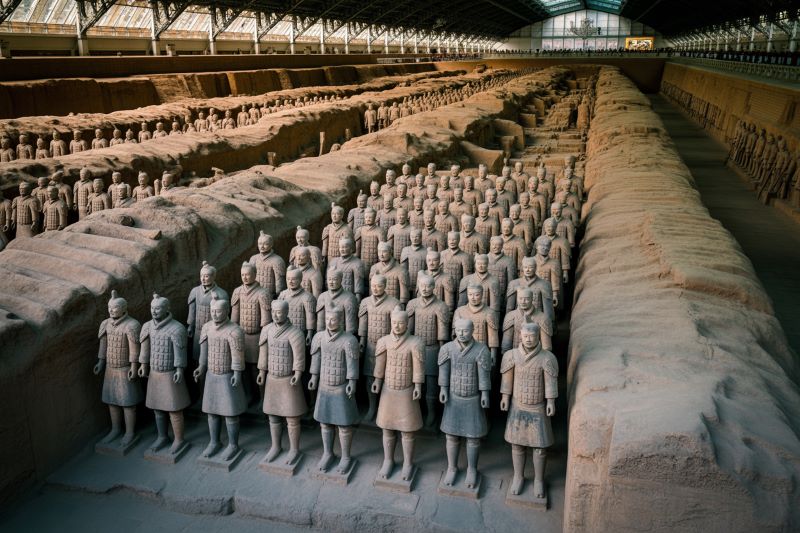
China is taking significant steps to preserve its rich cultural heritage with the launch of new government initiatives aimed at protecting its historical landmarks and heritage sites. With a history stretching back thousands of years, China is home to some of the most iconic and historically significant sites in the world, from the ancient Great Wall to the Terracotta Army in Xi’an. These sites not only represent China’s remarkable past but also attract millions of tourists each year. By enhancing cultural heritage protection, the country is ensuring that future generations will continue to experience these treasures in their original form.
In recent years, China’s tourism sector has grown exponentially, with cultural tourism becoming a key driver of the industry. As one of the world’s oldest civilizations, China’s cultural wealth is a major factor in attracting global visitors. However, with the increasing number of tourists visiting these sites, there has been growing concern about the preservation of these ancient wonders. The Chinese government’s latest moves aim to strike a balance between boosting tourism and protecting the country’s invaluable heritage.
The Government’s Initiative to Protect China’s Heritage
China’s government has recognized the urgent need to protect its cultural landmarks as they face threats from both natural erosion and human activity. As part of its commitment to heritage protection, the government has introduced new measures that focus on conservation, monitoring, and restoration. The government is also working to regulate the tourism flow at sensitive cultural sites, ensuring that the number of visitors does not exceed what these sites can safely accommodate.
According to the National Cultural Heritage Administration (NCHA), one of the key strategies is to create a sustainable tourism model that benefits both the economy and the preservation efforts. This initiative will focus on modern conservation technologies such as 3D scanning and digital preservation, which will allow for accurate restoration and virtual tourism experiences. By embracing these technologies, China is setting a global example for how tourism and heritage protection can go hand-in-hand.
Additionally, the government has pledged to allocate more resources to the maintenance of key historical sites, such as the ancient city of Dunhuang, home to the famous Mogao Caves, and the Forbidden City in Beijing. These resources will help maintain the integrity of these structures, making them safer for visitors while preventing further damage.
Impact on Tourism
The strengthened cultural heritage protection policies will undoubtedly have a positive impact on China’s tourism industry. China’s historical sites are among the most visited in the world, drawing millions of travelers from all over. The protection of these sites will not only preserve their beauty but also enhance their appeal to tourists who are increasingly seeking authentic and sustainable travel experiences.
Travelers today are becoming more aware of the environmental and cultural impact of tourism. Many now seek destinations that offer responsible and sustainable travel options. China’s efforts to protect its cultural heritage will resonate with these tourists, who are looking for meaningful travel experiences. By ensuring that these iconic sites remain well-preserved, the government is ensuring that future visitors can experience them in their full glory.
Furthermore, China’s cultural tourism will continue to be a major contributor to its economy, creating jobs and opportunities for local communities while preserving their cultural identity. The government’s support for heritage tourism will not only attract international visitors but also stimulate domestic tourism. For example, the Terracotta Army in Xi’an has long been a top destination for tourists from around the world. With new protections in place, visitors will continue to be amazed by this ancient wonder while knowing it is being carefully preserved.
Protecting China’s Heritage for the Future
The preservation of China’s cultural heritage is not just a matter of tourism—it is a matter of national pride. These historical sites tell the story of China’s rich and diverse history, reflecting the triumphs and struggles that shaped the nation. By protecting these treasures, China is also safeguarding its cultural identity for future generations.
Moreover, the global appeal of China’s cultural heritage sites continues to grow, with an increasing number of foreign tourists seeking out the nation’s ancient history. With China’s concerted efforts to protect these treasures, the country is ensuring that its tourism sector remains vibrant and sustainable. The fusion of heritage protection and tourism development will make China a top destination for travelers looking to explore a blend of the past, present, and future.
As more international visitors come to appreciate China’s cultural heritage, the government’s initiatives are expected to drive long-term economic benefits, strengthening the connection between cultural preservation and tourism growth. In turn, this will enhance the experience of all visitors, ensuring that China remains a cultural powerhouse for many years to come.
A Bright Future for Cultural Tourism
With its focus on safeguarding cultural heritage while promoting tourism, China is leading the way in sustainable tourism practices. The government’s commitment to preserving historical sites ensures that China’s rich cultural legacy will continue to be a source of pride for its people and a beacon for global travelers. By embracing new technologies and strategies, China is proving that it is possible to protect the past while looking toward the future. For travelers, this means the opportunity to explore some of the world’s greatest cultural treasures—now and in the future—while knowing that these sites are being preserved for generations to come.
The preservation of China’s cultural heritage is a win-win for both tourism and future generations, offering travelers a chance to experience the country’s ancient wonders in a sustainable way. With these initiatives in place, the future of cultural tourism in China is bright, ensuring that the nation’s historical treasures continue to inspire and educate visitors for years to come.
The post China’s Bold Move to Protect Its Cultural Heritage: Is This the Future of Sustainable Tourism That Will Change Travel Forever? appeared first on Travel And Tour World.