Login
Login
Destination Niagara: Ontario’s Multibillion-Dollar Strategy to Revolutionize Global Tourism
For generations, Niagara Falls has been the undisputed crown jewel of Canadian tourism. Millions of travelers arrive every year, witness the thunderous roar of the Horseshoe Falls, snap a few photos, and perhaps enjoy a quick meal before heading back to Toronto or crossing the border. But the Ontario government believes the region is capable of so much more.
On December 16, 2025, Premier Doug Ford and the Ontario government officially launched the Destination Niagara Strategy. This isn’t just a minor facelift; it is a multibillion-dollar, long-term roadmap designed to transform the entire Niagara Peninsula into a world-class, multi-day destination that rivals the likes of Orlando, Las Vegas, or the great wine regions of Europe.
With a goal of attracting 25 million annual visitors and injecting an additional $3 billion into Ontario’s GDP every year, the province is betting big on the power of “The Mist.”
Breathing New Life into Industrial Icons
One of the most exciting aspects of the strategy is the creative “adaptive reuse” of Niagara’s historic industrial architecture. For decades, the massive power stations lining the river stood as silent monuments to 20th-century engineering. Now, they are becoming the focal points of luxury travel.
The Toronto Power Generating Station is already being revitalized into a high-end boutique hotel, offering guests a chance to sleep within a piece of national history. Not far behind is the Ontario Power Generating Station, which is slated for redevelopment into a brand-new guest experience that combines history with modern entertainment. By turning these limestone giants into vibrant hubs, the province is ensuring that Niagara’s heritage remains a living, breathing part of its future.
Thrills and Spills: A New Era of Attractions
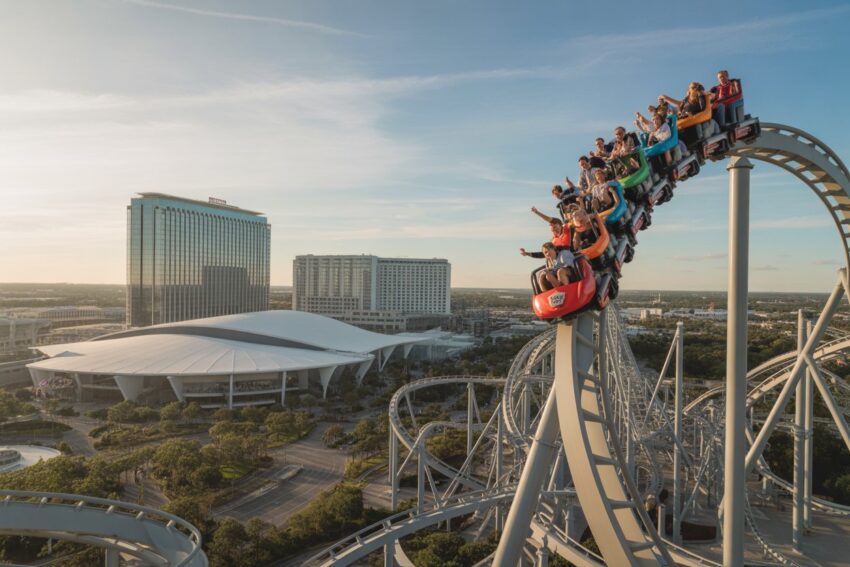
To keep families staying longer, Ontario is looking beyond the natural wonders. The government has issued a Request for Information (RFI) to explore the development of a brand-new, signature theme park. While details are still under wraps, the aim is to create a landmark attraction where families can spend days, not just hours.
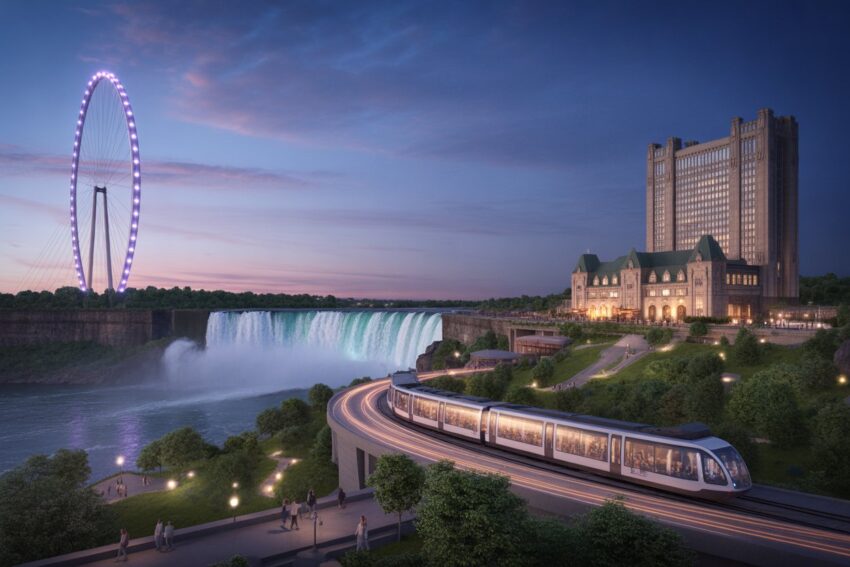
Additionally, the skyline of the city is set to change. Taking inspiration from the “London Eye” and “High Roller” in Vegas, Niagara Parks is initiating procurement for a world-class observation wheel. This will offer a slow, panoramic ascent, providing unmatched views of both the American and Horseshoe Falls from a height never before accessible to the general public.
The Niagara River Line: Innovation in Motion
Perhaps the most “human-centric” improvement is how visitors will move through the region. The proposed Niagara River Line is an automated, fully accessible electric tram system.
Running 3.8 kilometers through the heart of Queen Victoria Park, the tram will feature suspended capsules. This isn’t just about efficiency; it’s about the experience. Imagine gliding silently above the crowds, encased in glass, as the mist from the falls rises to meet you. It’s a sustainable, all-season solution that connects major landmarks while reducing the traffic congestion that has long plagued the river road.
A Toast to the Peninsula: Wine and Culinary Excellence
While the Falls get the headlines, the Niagara region is also home to some of the world’s most prestigious wineries and “farm-to-table” dining experiences. The Destination Niagara Strategy seeks to elevate this agritourism sector to a global stage.
The plan emphasizes investments in the region’s wine, beer, and spirits industries, promoting culinary tours that lead visitors into the rolling hills of Niagara-on-the-Lake and the burgeoning food scene in St. Catharines. By showcasing the region’s gastronomic depth, the province aims to attract a demographic of “slow travelers”—those who come for the view but stay for the vintage.
Connecting the World to the Water
Infrastructure is the backbone of any great tourism destination. To support the influx of 25 million visitors, the province is committing to massive transportation upgrades:
- The Garden City Skyway: Twinning the bridge to ensure smooth traffic flow across the canal.
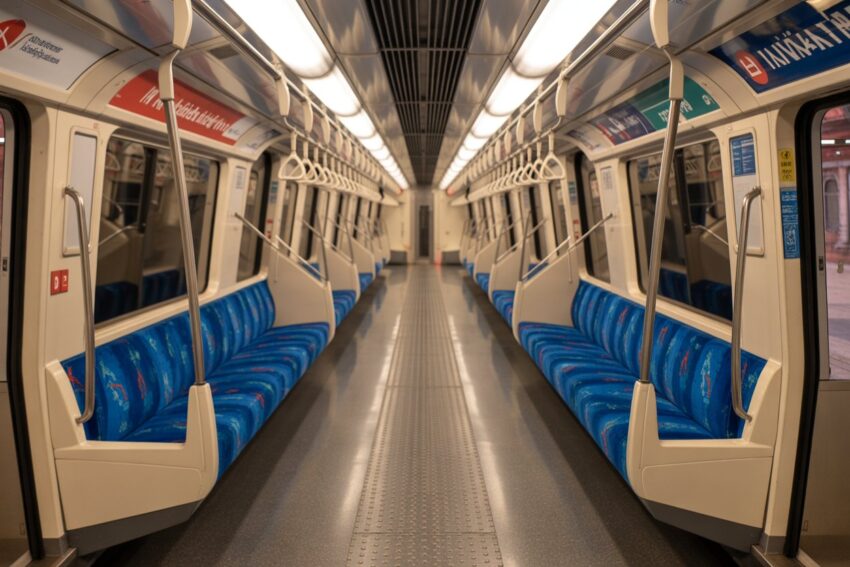
- Expanded GO Service: Making the train journey from Toronto more frequent and reliable.
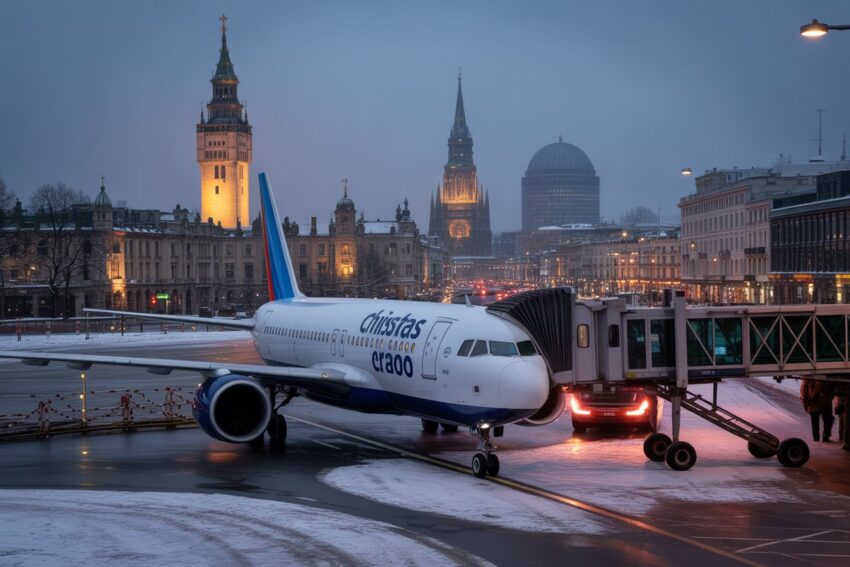
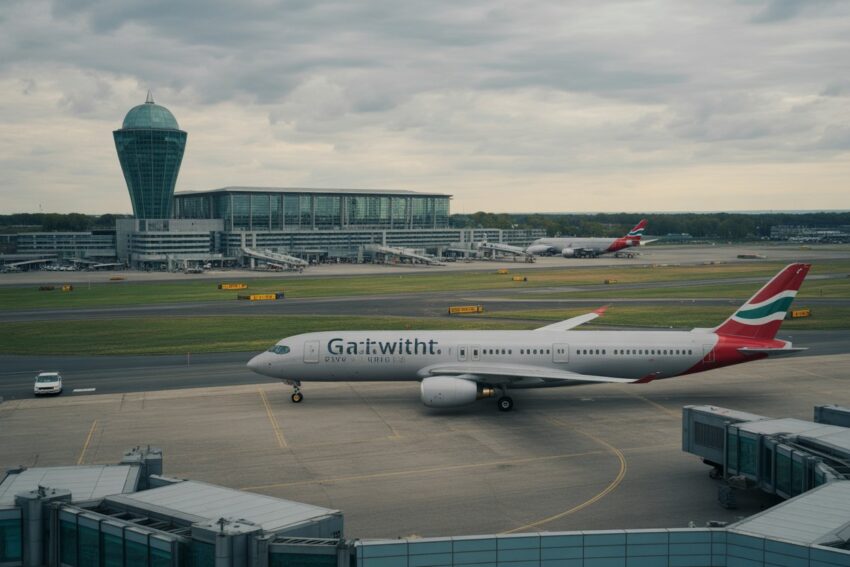
- Niagara District Airport: Issuing an RFP to improve air access, potentially allowing for more direct regional flights that connect the Niagara Region to the Greater Golden Horseshoe and beyond.
The Human Impact: Jobs and Community
Beyond the steel, glass, and tarmac, this strategy is about the people of Ontario. Minister of Tourism, Culture and Gaming Stan Cho highlighted that this is an “economic engine” for the province. The plan is designed to create thousands of “good-paying jobs” in hospitality, construction, and the arts.
From the performers at the Shaw Festival to the vineyard workers in Jordan and the engineers on the new electric tram, the Destination Niagara Strategy is an investment in the workforce. It’s a promise that the prosperity generated by the falls will flow back into the communities that call this region home.
Final Thought: A 365-Day Destination
For too long, Niagara has been viewed as a seasonal stop. By investing in indoor theme parks, all-weather trams, and year-round cultural festivals, Ontario is signaling that Niagara is open 365 days a year.
Whether it’s the crisp chill of a winter wine tour or the summer spray of a boat ride under the falls, the Destination Niagara Strategy ensures that the “World’s Most Famous Waterfalls” are just the beginning of the story. The future of Niagara is brighter, busier, and more connected than ever before.
The post Destination Niagara: Ontario’s Multibillion-Dollar Strategy to Revolutionize Global Tourism appeared first on Travel And Tour World.