
Reading view

Experience Bali’s Cultural Heartbeat This New Year at GWK Cultural Park’s Grand Celebration
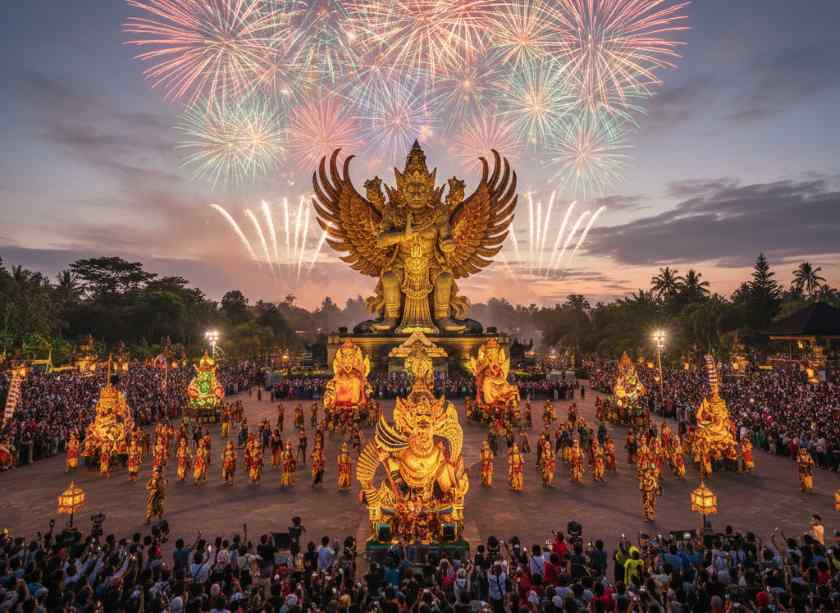
Experience Bali’s Cultural Heartbeat This New Year at GWK Cultural Park’s Grand Celebration

Bali’s GWK Cultural Park, one of the island’s most renowned attractions, is preparing to host its highly anticipated New Year’s Eve celebration, promising tourists an unforgettable experience. Known for its vibrant cultural events and grand performances, the park is set to deliver a dazzling event that attracts visitors from around the world.

Located in the southern part of Bali, in the Bukit Peninsula, the Garuda Wisnu Kencana (GWK) Cultural Park has become a symbol of Bali’s rich cultural heritage. With its impressive statues, sprawling grounds, and panoramic views, the park is already a top destination for travelers seeking to explore Bali’s arts, culture, and history. This New Year’s Eve, the park will once again transform into a bustling hub of celebration, drawing both locals and international tourists.

A Major Cultural Event for Bali’s Tourism Industry

For tourists visiting Bali during the festive season, the GWK Cultural Park’s New Year’s celebration is a must-see event. Bali has long been a popular destination for travelers looking to ring in the New Year with vibrant festivities, and the GWK Cultural Park has earned its place as one of the top venues to experience the island’s unique cultural flair.

The GWK Cultural Park is famous for its grand scale and dedication to showcasing Balinese traditions, art, and performances. The New Year’s Eve celebration, often filled with music, dance, and cultural exhibitions, will undoubtedly appeal to tourists looking to experience the island’s vibrant atmosphere. It’s one of the most anticipated events of the year for both tourists and locals alike, making it a central part of Bali’s year-end celebrations.

What Tourists Can Expect at the GWK Cultural Park New Year’s Celebration

This year’s New Year’s Eve event at the GWK Cultural Park promises a diverse array of performances, including traditional Balinese dances, music, and modern entertainment. The evening will feature stunning light displays and stage performances set against the backdrop of the park’s impressive Garuda Wisnu Kencana statue, which stands as one of the largest statues in Indonesia.

The park offers sweeping views of the island, making it a perfect location for tourists to watch the sunset before the night’s festivities begin. As part of Bali’s cultural tourism strategy, the event will offer both local and international tourists an opportunity to immerse themselves in the island’s vibrant cultural traditions while enjoying world-class entertainment.

A major highlight of the evening is expected to be a countdown to midnight, where tourists can join in the excitement of ringing in the New Year with fireworks and music. For those looking for a more relaxed experience, the park offers plenty of space to sit back and enjoy the celebrations in a more laid-back setting.

Travel Tips for Tourists Attending the GWK Cultural Park New Year’s Celebration

Given the popularity of the GWK Cultural Park’s New Year’s Eve celebration, tourists are encouraged to purchase tickets in advance. The park often sees high demand for entry, especially during the peak holiday season, and securing a spot ahead of time ensures a smoother experience.

In addition, it’s recommended that visitors arrive early to take full advantage of the day’s events. The GWK Cultural Park offers ample opportunities to explore its many attractions, including the iconic Garuda Wisnu Kencana statue, which reaches 120 meters in height and stands as a testament to the island’s artistic and cultural achievements. Tourists can take guided tours or simply wander through the park, taking in the breathtaking views and learning about Bali’s rich heritage.

For those planning to stay in the area, there are plenty of accommodation options nearby, ranging from luxury resorts to more budget-friendly hotels. The area surrounding the park is home to several popular tourist destinations, such as Dreamland Beach, Uluwatu Temple, and the famous Jimbaran Bay, making it an ideal base for exploring the southern part of Bali.

Bali’s Growing Appeal as a New Year’s Destination

Bali’s reputation as a top destination for New Year’s celebrations has grown in recent years, with tourists flocking to the island to celebrate the turn of the year in style. From beach parties and fireworks on the coast to cultural events in the heart of the island, Bali offers something for everyone during the festive season.

The GWK Cultural Park’s New Year’s Eve event is just one example of how Bali is catering to a growing number of travelers seeking both cultural enrichment and exciting celebrations. For those planning to visit Bali this holiday season, attending the event at GWK Cultural Park is an excellent way to experience the island’s unique charm while joining in the excitement of the New Year’s festivities.

Other Attractions in the Vicinity of GWK Cultural Park

For tourists visiting the GWK Cultural Park, there are many other attractions in the vicinity that can make for a well-rounded holiday experience. Uluwatu Temple, a stunning cliffside temple known for its dramatic ocean views, is just a short drive away from the park. Additionally, visitors can explore the nearby beaches, including the famous Padang Padang Beach, which is perfect for surfing or simply relaxing by the ocean.

For those interested in local cuisine, the surrounding area offers a wide range of restaurants and cafes, where tourists can enjoy fresh seafood, traditional Balinese dishes, and international cuisine. The area also has a number of wellness retreats and spas, ideal for unwinding after a day of sightseeing and celebrating.

A Festive New Year Awaits at GWK Cultural Park

As Bali continues to attract millions of tourists each year, the New Year’s Eve event at the GWK Cultural Park has become a key part of the island’s tourism calendar. Whether you are visiting Bali for the first time or returning to experience the island’s culture once again, the GWK Cultural Park provides a memorable setting to celebrate the arrival of the New Year with family, friends, and fellow travelers.

The post Experience Bali’s Cultural Heartbeat This New Year at GWK Cultural Park’s Grand Celebration appeared first on Travel And Tour World.
Bali Set to Enhance Eco-Tourism with Permanent Closure of Suwung Landfill

Bali Set to Enhance Eco-Tourism with Permanent Closure of Suwung Landfill

Bali, renowned for its pristine beaches, lush landscapes, and vibrant culture, is set to experience a significant shift in its environmental landscape as the Suwung landfill, the island’s largest open-air waste disposal site, is scheduled to close permanently on 23rd December 2025. This closure marks a crucial step in Bali’s ongoing efforts to promote sustainable tourism and environmental conservation.

Suwung Landfill: An Unseen Challenge to Bali’s Tourism

While Bali is known for its beautiful landscapes and thriving tourism industry, the Suwung landfill has long been an environmental concern. Located in Denpasar, the island’s capital city, the landfill has posed challenges not only for the local community but also for Bali’s global image as a sustainable tourism destination. For years, the sight and smell of the landfill, coupled with the environmental hazards it posed, have raised concerns among eco-conscious travelers and environmental groups.

Tourists visiting Bali have often expressed concerns about the negative impact of waste on the island’s pristine reputation. As Bali continues to attract millions of visitors annually, the need for a more sustainable waste management system has become increasingly urgent.

A New Era for Bali’s Tourism Industry

With the announcement of the Suwung landfill’s closure, Bali’s tourism industry is embracing a future where sustainability and environmental conservation take center stage. The island has been making strides toward more eco-friendly practices, with an increasing number of hotels, resorts, and businesses implementing sustainable tourism initiatives. The closure of Suwung will play a significant role in Bali’s broader efforts to enhance its appeal to eco-tourists, who are becoming a major demographic for travel destinations worldwide.

Bali’s growing eco-tourism sector is already attracting travelers who are committed to making responsible choices while exploring the island’s natural wonders. From green-certified resorts and sustainable restaurants to environmentally conscious excursions and waste-reduction programs, Bali has been positioning itself as an eco-tourism hub in recent years. The closure of the Suwung landfill will only strengthen this reputation, offering tourists a cleaner, greener Bali.

Suwung Landfill’s Environmental Impact on Bali’s Tourist Spots

The presence of the Suwung landfill has affected not just the surrounding areas but also nearby tourist attractions. Denpasar, Bali’s bustling city, has struggled with waste management challenges that have impacted areas such as Kuta, Sanur, and Ubud, where tourists flock to enjoy the island’s rich culture and natural beauty. The landfill has contributed to air and water pollution, making it less attractive for tourists seeking a pristine environment.

Eco-conscious travelers, in particular, have expressed concern about the environmental footprint of tourism in Bali. Sustainable tourism is growing in importance, with travelers increasingly opting for destinations that prioritize waste reduction, recycling, and environmental conservation. Bali’s commitment to closing the Suwung landfill sends a clear message that the island is ready to invest in the future of sustainable tourism.

The Role of Local Authorities in Bali’s Sustainable Tourism Vision

The Bali Provincial Government has long recognized the importance of waste management to the future of tourism on the island. The closure of the Suwung landfill comes as part of a broader initiative to create a cleaner, more sustainable Bali. The government has been actively promoting waste-to-energy projects, encouraging waste segregation at the source, and fostering collaborations with environmental organizations to develop solutions for the island’s waste crisis.

As part of this ongoing effort, new waste management systems are being implemented throughout Bali, including more efficient recycling programs and waste processing centers. In addition, Bali has been working to reduce plastic waste by promoting reusable alternatives, such as water bottles and shopping bags, and increasing awareness about the environmental impact of single-use plastics.

What This Means for Bali’s Tourists and Tourism Stakeholders

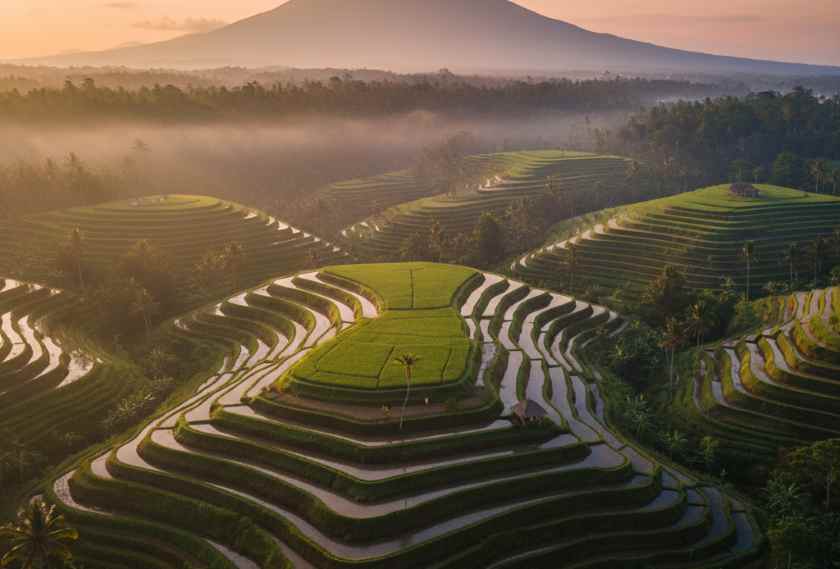
The closure of the Suwung landfill will have positive implications for the overall tourism experience in Bali. Clean air, improved water quality, and reduced environmental hazards will create a more pleasant environment for tourists, enhancing their travel experience. Visitors will be able to enjoy Bali’s world-renowned beaches, temples, and rice terraces without the concerns associated with waste and pollution.

For tourism stakeholders, such as hotel owners, tour operators, and local businesses, the closure of the Suwung landfill provides an opportunity to further promote Bali as a destination that values sustainability. Many hotels and resorts are already investing in eco-friendly practices, such as solar energy, organic farming, and water conservation, and the closure of the landfill aligns with these efforts. Tourists are increasingly seeking destinations that align with their values, and Bali’s commitment to sustainability will undoubtedly attract more travelers who prioritize environmental stewardship.

Bali’s Road to a Cleaner, Greener Future

Bali’s commitment to closing the Suwung landfill for good is part of a larger, ongoing movement towards sustainability. As the island continues to attract millions of visitors each year, its tourism industry is evolving to meet the demands of eco-conscious travelers. The closure of the landfill represents a pivotal moment in Bali’s journey toward becoming a global leader in sustainable tourism.

For those planning a trip to Bali in the coming years, the closure of the Suwung landfill will likely be seen as a positive step towards preserving the island’s natural beauty for future generations. Bali is increasingly seen as a destination where travelers can experience stunning landscapes, rich culture, and responsible tourism practices—all while contributing to the preservation of the island’s unique environment.

The post Bali Set to Enhance Eco-Tourism with Permanent Closure of Suwung Landfill appeared first on Travel And Tour World.

Uzbekistan’s Samarkand Targets Malaysian and Indonesian Pilgrims with ‘Umrah Plus’ Program to Boost Tourism and Sacred Site Visits

Uzbekistan’s Samarkand Targets Malaysian and Indonesian Pilgrims with ‘Umrah Plus’ Program to Boost Tourism and Sacred Site Visits

Uzbekistan’s Samarkand region is aiming to attract Malaysian and Indonesian tourists, particularly religious pilgrims. This initiative, part of the country’s larger efforts to develop pilgrimage tourism, is being driven by the “Umrah Plus” programme. This programme is intended to provide an enhanced experience for Muslim travellers by allowing them to visit sacred sites in Uzbekistan before continuing their journey to Saudi Arabia for the Umrah pilgrimage.

In a recent Zoom videoconference, key members of the Uzbekistan government, including Samarkand’s governor Adiz Boboev and the country’s ambassadors to Malaysia and Indonesia, met to discuss the programme’s details. The meeting, which included tourism consultants and representatives from various airlines and airports, aimed to capitalise on Southeast Asia’s growing demand for religious travel.

Strong Interest from Malaysia and Indonesia

Malaysia and Indonesia are home to a substantial Muslim population, with approximately seven million followers of the Naqshbandi Sufi order in these countries alone. The Naqshbandi order, one of the largest Sufi communities in the Muslim world, has a rich spiritual heritage tied to Uzbekistan. This makes Uzbekistan, particularly Samarkand, an attractive destination for pilgrims seeking to visit sacred sites associated with their faith.

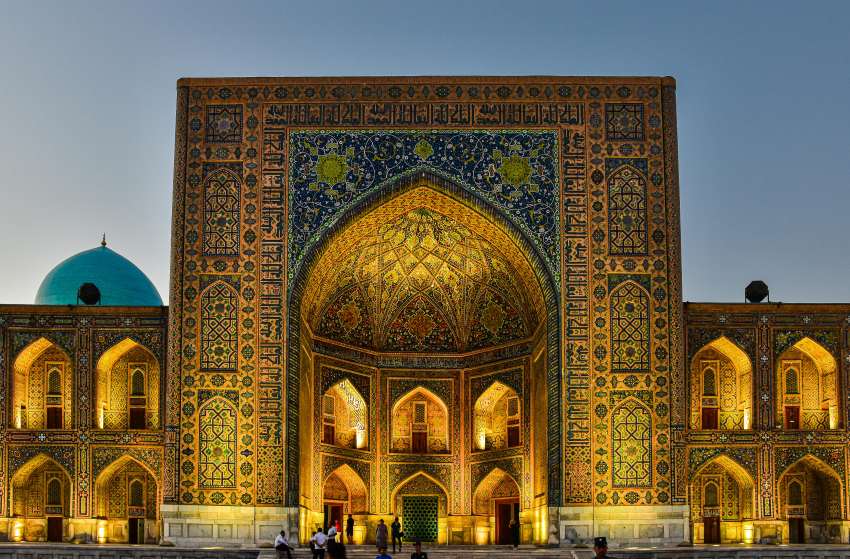
One of the key attractions for these pilgrims is the mausoleum of Imam Bukhari, a revered Islamic scholar whose works significantly influenced Islamic thought. His mausoleum in Samarkand is considered one of the holiest sites for Muslims, and many pilgrims from Malaysia and Indonesia have expressed a strong desire to visit it before heading to Saudi Arabia for Umrah.

Introducing the ‘Umrah Plus’ Program

The “Umrah Plus” programme, which is at the heart of this new initiative, is aimed at offering a seamless travel experience for Muslim pilgrims. Under this programme, pilgrims would fly from Kuala Lumpur and Jakarta to Samarkand, where they would stay for two days to explore the region’s religious and cultural landmarks. After their short visit, travelers would continue their journey to Saudi Arabia for Umrah, with flights operated by Uzbekistan’s national airlines.

This program is designed to cater to the spiritual and cultural interests of Muslim travelers, offering them a deeper connection to their faith by visiting significant Islamic sites before completing the Umrah pilgrimage. By integrating religious tourism with cultural exploration, Uzbekistan is positioning itself as a key destination for Muslim travelers seeking meaningful, enriching experiences.

Building Travel Infrastructure and Expanding Connectivity

The Samarkand government and Uzbekistan’s tourism authorities have made it a priority to expand flight routes connecting Malaysia and Indonesia with Samarkand. This involves setting up direct flights from Kuala Lumpur and Jakarta, making the journey more convenient for prospective pilgrims. Once they arrive in Samarkand, the visitors will have easy access to the city’s sacred sites, local accommodations, and transportation services.

Discussions during the videoconference also covered the need for high-quality services tailored to the needs of Muslim tourists. This includes not only ensuring comfort during the stay but also providing appropriate halal food options, prayer facilities, and culturally sensitive services. As part of the broader effort to improve tourism infrastructure, the authorities also plan to work closely with local travel agencies and service providers to offer attractive and affordable travel packages that align with the needs of the pilgrims.

The Role of Uzbekistan Airlines

A significant aspect of this initiative is the involvement of Uzbekistan’s national airlines, which will operate the flights between Southeast Asia and Samarkand. By tapping into Uzbekistan’s aviation capabilities, the programme aims to streamline the travel process, ensuring that pilgrims can make the most of their time in Uzbekistan before continuing their journey to Saudi Arabia.

Uzbekistan’s airlines are expected to play a critical role in the success of the “Umrah Plus” programme, offering comfortable, reliable, and efficient services for travelers. The airlines’ role is crucial in ensuring that the pilgrims’ experience from the moment they leave Malaysia or Indonesia to their arrival in Samarkand is smooth and stress-free.

Government Support and Future Roadmap

Following the Zoom meeting, Samarkand’s governor, Adiz Boboev, instructed relevant authorities to develop a comprehensive roadmap to increase the number of tourists from Malaysia and Indonesia. This roadmap includes the expansion of flight routes, improvement of tourism services, and ongoing collaboration with the Uzbek embassies in both countries. The government is keen to work closely with the local tourism sector to ensure that the needs of the incoming pilgrims are met.

In addition to boosting the number of visitors to Samarkand, the government also plans to focus on promoting the country’s rich Islamic heritage and cultural history. The emphasis will be placed on creating a robust infrastructure that supports the growing demand for pilgrimage tourism and encourages repeat visits.

A New Chapter for Uzbekistan’s Pilgrimage Tourism

The “Umrah Plus” programme is part of Uzbekistan’s overall strategy to promote pilgrimage tourism and attract a large number of Muslim visitors from Southeast Asia. With its rich Islamic heritage, Uzbekistan is well positioned to become a popular destination for Muslim tourists looking to deepen their spiritual journeys. Uzbekistan is distinguishing itself as a top destination for Malaysian and Indonesian pilgrims by providing convenient travel options, high-quality services, and access to sacred sites.

The success of this initiative will benefit not only Samarkand’s tourism sector but also Uzbekistan’s overall economic development. As the country works to expand its tourism infrastructure, the “Umrah Plus” programme could have a significant impact on the region’s religious and cultural tourism landscape.

The post Uzbekistan’s Samarkand Targets Malaysian and Indonesian Pilgrims with ‘Umrah Plus’ Program to Boost Tourism and Sacred Site Visits appeared first on Travel And Tour World.
❌