
 Login
Login
Hanukkah Menorah Lighting Ceremony Kicks Off the Festival of Lights in Utica, U.S., Boosting Cultural Tourism and Celebrating Jewish Heritage: Check It Out Now
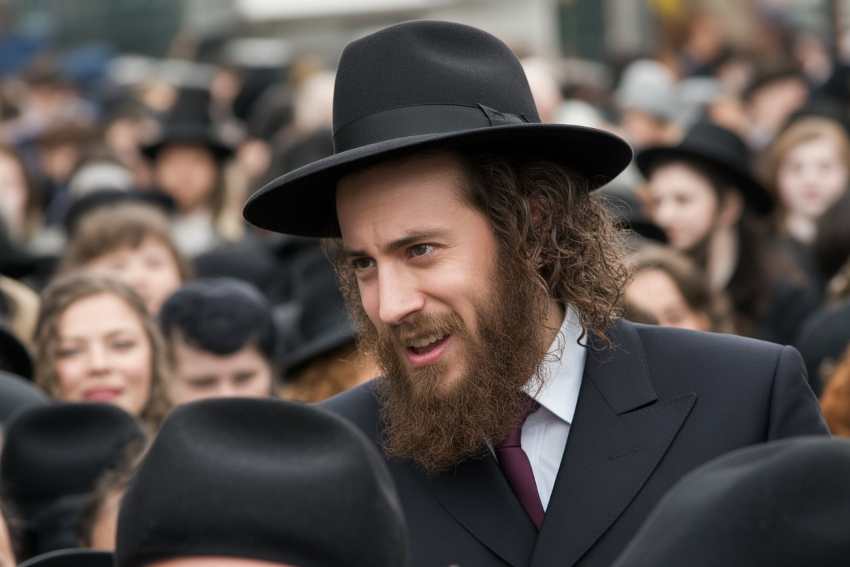
The Festival of Lights, also known as Hanukkah, officially began in Utica, New York, with a public menorah lighting ceremony that drew attention from both the local community and visitors. The event, held at the corner of Genesee and Lafayette Streets in Lafayette Square, symbolized the start of the eight-day Jewish festival, which celebrates the rededication of the Second Temple in Jerusalem and the miracle of the oil that lasted for eight days. This celebration, which took place during a significant year marked by global tensions, was an expression of resilience, unity, and cultural pride.
The menorah lighting ceremony has become a key event not just for the local Jewish community but also for tourists and visitors seeking to experience the diversity and cultural heritage of the United States. By featuring this ritual as part of the local tourism calendar, Utica has further solidified its role as a city that embraces and celebrates the cultural diversity that defines the U.S.
The Significance of Menorah Lighting in Cultural and Religious Contexts
The lighting of the menorah is the central act of the Hanukkah celebration, symbolizing the victory of light over darkness and the miracle of the oil that burned for eight days. For the Jewish community, it is a time to gather with loved ones, share meals, and reaffirm the enduring strength of their cultural and religious traditions. As the candles are lit on the menorah each night, the celebration of Hanukkah serves as a reminder of the importance of faith, unity, and perseverance in the face of adversity.
While the menorah lighting in Utica was significant for the local community, it also served to bridge cultural gaps and engage the broader public. The public nature of the ceremony allowed both Jewish and non-Jewish residents, as well as tourists, to witness and participate in a key moment of cultural expression. The symbolism of the menorah lighting, particularly in a time of global unrest, sends a powerful message of hope and resilience.
The Menorah lighting in Utica reflected the larger theme of Hanukkah, which is often celebrated with public events across the U.S. and around the world. By inviting a diverse group of people to participate, the city helped share its Jewish traditions and encouraged cross-cultural understanding—an important aspect of cultural tourism.
Hanukkah and the Role of Festivals in Promoting Tourism
Festivals such as Hanukkah play a vital role in the tourism landscape, offering visitors unique opportunities to experience different cultures and traditions firsthand. While the Festival of Lights is primarily celebrated within the Jewish community, its themes of unity, faith, and resilience resonate across cultures, making it a powerful symbol of inclusivity.
For tourists, events like the menorah lighting ceremony in Utica offer more than just an opportunity to witness a religious tradition. They provide a chance to immerse themselves in the local culture and explore the ways in which diverse communities contribute to the broader cultural identity of a city. In this sense, Hanukkah is not just a religious observance; it is a cultural tourism event that allows visitors to connect with a community’s history, traditions, and values.
The tourism potential of such festivals goes beyond just the event itself. Visitors to Utica during Hanukkah will have the chance to explore the city’s rich cultural landscape, including its historical sites, local businesses, and community-driven events. By participating in a Hanukkah celebration, tourists gain a deeper understanding of the city’s cultural identity, which can enhance their overall travel experience.
A Unified Community in Light of Tragedy
In the wake of recent global events, such as attacks on Jewish communities in Australia during Hanukkah celebrations, the menorah lighting ceremony in Utica carried added significance. The visible presence of Utica police officers during the event highlighted the importance of safety and solidarity, ensuring that the community felt secure in expressing their cultural and religious identity.
Rabbi Levi Charitonow, who led the ceremony, emphasized the importance of resilience in the face of tragedy. His words, “It’s even more important because being such a tragedy we can’t just let them win by bringing darkness. The light has to triumph and be victorious,” resonated deeply with both attendees and those observing from afar. In this context, the menorah lighting became more than just a ceremonial act; it became a symbol of resistance and the triumph of light over darkness, a message that transcends religious boundaries and speaks to the universal human experience.
By focusing on the light as a symbol of hope and resistance, the festival serves as a healing experience, not only for the local Jewish community but also for the broader population, encouraging understanding and tolerance in times of division. This was especially important for tourism in Utica, as the city demonstrated its commitment to diversity and inclusivity, both of which are core values that attract international visitors to the U.S.
The Role of Festivals in Strengthening Local Communities and Economies
In addition to fostering cultural understanding, events like the Hanukkah menorah lighting also have a positive impact on local economies. The celebration of Hanukkah in Utica is a vital opportunity for local businesses to participate in the cultural activities surrounding the festival. From restaurants serving traditional foods to local vendors offering Hanukkah-related products, the event boosts economic activity and creates opportunities for entrepreneurship.
Furthermore, such events provide a boost to the local tourism sector, encouraging visitors to explore the city, not only for the event itself but also for the surrounding cultural and recreational attractions. Visitors who travel for the menorah lighting ceremony may also take time to visit other local landmarks, restaurants, and businesses, benefiting the wider Utica tourism industry.
The local tourism industry in Utica benefits greatly from the influx of tourists who attend such cultural events. Whether they come for the menorah lighting or simply to experience the city’s cultural vibrancy, these visitors contribute to the local economy, further solidifying Utica’s role as an inclusive and dynamic destination.
The Power of Festivals in Promoting Religious and Cultural Dialogue
As cities around the world become more diverse, cultural and religious festivals like Hanukkah serve as powerful platforms for promoting dialogue and mutual respect between different communities. The menorah lighting ceremony in Utica, which brought together people from diverse backgrounds, exemplifies the role of festivals in fostering interfaith dialogue and community solidarity.
Such events encourage understanding, respect, and cooperation, creating an environment where cultural differences are celebrated rather than feared. For tourists, these festivals provide a chance to engage in meaningful experiences that go beyond traditional sightseeing, enabling them to form deeper connections with the cities they visit. By participating in events that promote cultural dialogue, travelers enrich their understanding of global cultures and contribute to the larger goal of fostering peace and unity.
Enhancing the Global Appeal of Utica Through Cultural Events
The Hanukkah menorah lighting ceremony and its surrounding events highlight how local festivals in cities across the U.S. can enhance tourism appeal on a global scale. As cities like Utica begin to host more inclusive cultural celebrations, they increasingly position themselves as hubs for cultural tourism. The celebration of Hanukkah serves as a model for other cities looking to attract tourists seeking authentic experiences that combine cultural exploration with meaningful connections.
Moreover, the Festival of Lights also brings attention to Jewish heritage tourism, a niche segment that is gaining recognition globally. The growing interest in Jewish culture and its contributions to the broader cultural landscape of the U.S. positions events like Hanukkah as key contributors to the diversity of experiences available for tourists.
Conclusion: Embracing Light, Unity, and Cultural Diversity
In conclusion, the menorah lighting ceremony in Utica marked the beginning of Hanukkah with profound significance, not only for the Jewish community but for tourism in Utica and beyond. The event’s focus on light, unity, and inclusivity offers a powerful message of hope and resilience, which resonates with audiences from all walks of life. Through this festival, Utica has successfully positioned itself as a cultural tourism destination, fostering a deeper connection with visitors who seek to engage with authentic cultural experiences.
As tourists continue to seek destinations that celebrate diversity, inclusivity, and cultural exchange, Utica’s commitment to hosting events like the Hanukkah menorah lighting ceremony will continue to enhance its global appeal, making it a key destination for travelers interested in exploring the rich cultural heritage of the U.S.
The post Hanukkah Menorah Lighting Ceremony Kicks Off the Festival of Lights in Utica, U.S., Boosting Cultural Tourism and Celebrating Jewish Heritage: Check It Out Now appeared first on Travel And Tour World.