
Reading view

Hinba Bucks Hospitality Gloom With Rapid Rise From Oban Café To Glasgow Restaurant Group
Hinba Bucks Hospitality Gloom With Rapid Rise From Oban Café To Glasgow Restaurant Group

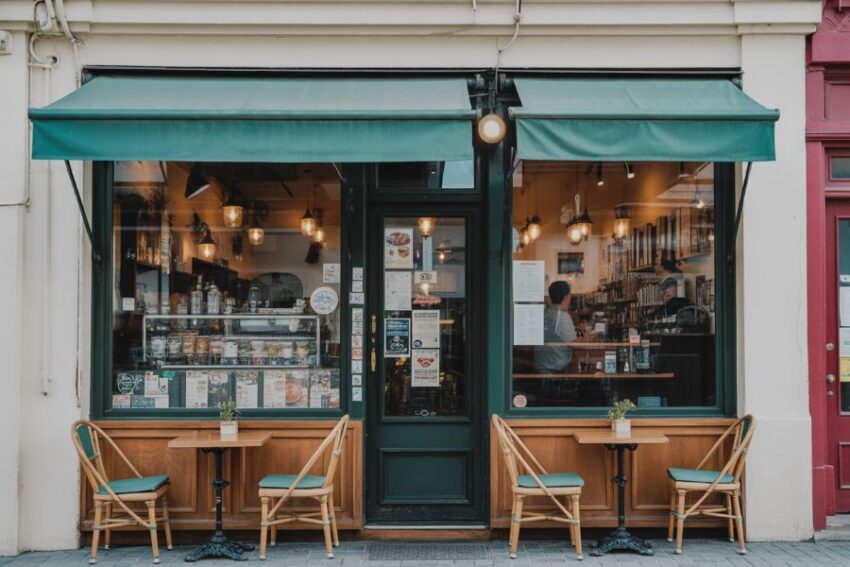
In the rain-kissed avenues of Glasgow and the salt-kissed docks of Oban, the tourists are experiencing a remarkable Scottish hospitality success story. Hinba Bucks Hospitality, which started its journey as a small coffee shop with a view of the Oban harbor, has been expanding silently to become one of the most vibrant hospitality groups on the west coast, while the majority of the industry is facing a downturn. It is not only good coffee that the place offers to the visitors: it is a trip through location, community, and toughness.

Now operating seven venues across Glasgow and Argyll, Hinba’s evolution feels rooted in the landscapes it serves. According to information shared on the group’s official website, the business spans cafés, a bakery and restaurants, all connected by a commitment to quality produce, thoughtful sourcing and neighbourhood-led spaces. It is a model that resonates with travellers seeking authenticity rather than uniformity.

From Oban Harbour to Urban Neighbourhoods

Hinba first opened in Oban in 2019, drawing in ferry passengers, walkers and locals with carefully roasted coffee and harbour views. What followed was not rapid expansion for its own sake, but a steady response to opportunity.

By 2022, Hinba had crossed the water to Glasgow, opening on Dumbarton Road in the West End, an area already popular with visitors for its independent shops and proximity to Kelvingrove. A second West End café followed on Great Western Road, strengthening Hinba’s presence in a part of the city often explored on foot by travellers.

The move into Glasgow’s city centre came later, when an established Sauchiehall Street venue changed hands, giving Hinba a foothold for visitors staying closer to the main shopping and cultural districts.

Restaurants, Bakeries and a Sense of Place

Hinba’s transition from cafés to restaurants marked a significant shift. The acquisition of a long-standing West End bakery addressed supply challenges but also added depth to the visitor experience. Fresh bread and pastries now link each venue, reinforcing a sense of continuity across locations.

Soon after, Hinba became custodian of a much-loved neighbourhood restaurant in Hyndland, choosing to preserve its character rather than impose a radical redesign. For travellers, this meant continuit, familiar dishes and a loyal local crowd, alongside subtle refinements.

The most recent addition, a Finnieston restaurant neighbouring Hinba’s first Glasgow café, has further cemented the group’s West End trail. For visitors exploring the area’s galleries, riverside walks and music venues, Hinba now offers multiple stopping points within walking distance.

Growth in a Challenging Climate

While Scottish hospitality has faced rising costs and closures, Hinba’s turnover has surged, employment has grown and coffee sales have climbed into the hundreds of thousands annually. The founder has suggested, indirectly, that this growth stems from acting decisively when good sites became available, rather than waiting for perfect conditions.

Rather than focusing on external pressures such as inflation or rates, the business has concentrated on what it can control quality, data-led decision-making and staff development. Waste is monitored closely, baking and roasting are planned against demand, and weather patterns even inform forecasting. For travellers, this behind-the-scenes discipline translates into consistency on the plate and in the cup.

A Travel Story Rooted in People

Hinba’s story also carries a personal dimension that adds texture for readers. Its founder returned to Scotland after years working abroad, bringing international hospitality experience back to the west coast. The business is run alongside his wife, who oversees operations and systems, and their growing family life is interwoven with daily site visits and regular journeys between Glasgow and Oban.

There is something distinctly travel-minded about this rhythm, urban streets one day, coastal roads the next. Visitors encounter not a faceless brand but a business shaped by lived experience across places.

Why Hinba Matters to Travellers

For those exploring Scotland’s west coast, Hinba has become a reliable marker on the map. Whether stepping off a ferry in Oban, wandering Glasgow’s West End or seeking an unpretentious neighbourhood restaurant, travellers know what to expect: good coffee, honest food and spaces that reflect their surroundings.

The group has made clear it does not aim to dominate every high street. Instead, each venue is intended to earn trust locally, a philosophy that also appeals to visitors who value recommendations rooted in community rather than scale.

Scottish hospitality is going through difficult times but the story of Hinba gives a positive outlook to the travellers. It points out that, even at this moment, considerate development based on location can still prosper, one drink, one food and one local area at a time.

The post Hinba Bucks Hospitality Gloom With Rapid Rise From Oban Café To Glasgow Restaurant Group appeared first on Travel And Tour World.
Uganda Expands Coffee Export Strategy Across Schengen States, Promoting Quality Beans at Global Fairs in Poland, Germany, and the UK

Uganda Expands Coffee Export Strategy Across Schengen States, Promoting Quality Beans at Global Fairs in Poland, Germany, and the UK
Uganda Expands Coffee Export Strategy

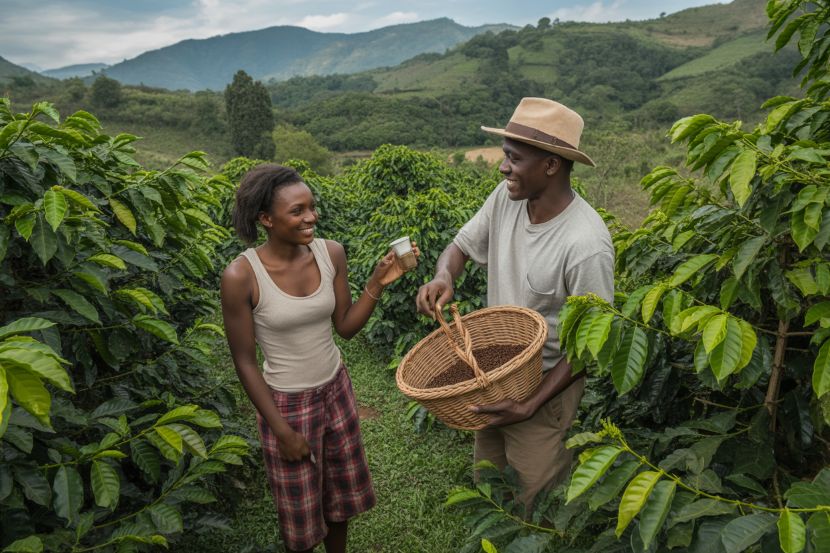
Uganda is making bold strides to increase its coffee exports by focusing on key European markets, particularly the Schengen states. The African nation is leveraging its organic coffee’s exceptional quality to capture the attention of global investors and consumers alike. With the recent participation in major tourism events like the International Travel and Tourism Fair in Warsaw, Uganda’s coffee is gaining substantial international exposure, setting the stage for future orders. This move is part of a broader national effort to expand the footprint of Ugandan coffee in the global market, with particular emphasis on the Schengen zone, which includes key European nations.

Uganda’s Coffee on Display at Warsaw’s Prestigious Travel Event

Uganda’s coffee made a notable appearance at the International Travel and Tourism Fair in Warsaw, Poland, one of Central Europe’s most distinguished tourism events. This three-day fair attracted high-level participants from across the globe, including tourists, hospitality professionals, and investors. Uganda’s coffee was prominently showcased at this event, with the help of Serawild Coffee and Uganda’s Embassy in Germany. The goal was clear: to raise awareness of Uganda’s top-tier coffee among European consumers and investors and to encourage new business partnerships.

As one of only four African countries to attend the prestigious fair, Uganda stands out by presenting its coffee alongside other regional tourism operators. The country is rapidly gaining recognition in key international markets, further boosting its export opportunities.

Aggressive Strategy to Expand Coffee’s Reach Across Schengen States

Building on the success of its German market penetration, Uganda has now turned its focus to Schengen countries. By forging partnerships with coffee exporters like Serawild Coffee, Uganda is rolling out an aggressive marketing campaign to target these European nations. With Germans already embracing Ugandan coffee, the next logical step is to reach broader audiences across Europe.

Uganda’s coffee campaign is a strategic push to introduce both Robusta and Arabica varieties to new markets. The campaign includes participation in high-profile international events, such as coffee cupping exhibitions in Germany and the United Kingdom. These initiatives have already paid off, with Ugandan coffee export revenues reaching a record-breaking $2.24 billion. The goal now is to convert this exposure into major orders from European distributors.

A Record-Breaking Year for Uganda’s Coffee Industry

2025 has proven to be a groundbreaking year for Uganda’s coffee industry. With exports reaching new heights, the country has shipped over 7.93 million 60-kilogramme bags of coffee, marking a significant achievement. This surge is not just a reflection of the country’s outstanding coffee quality but also of the meticulous efforts to market Uganda’s coffee internationally. The export figures confirm the success of these ongoing promotional campaigns, underscoring the growing demand for Ugandan beans in international markets.

Uganda’s Global Coffee Ambitions: Beyond Schengen Markets

While Uganda is focusing on Schengen countries, the country’s coffee ambitions stretch far beyond Europe. The country’s participation in international events, such as the SCAJ World Specialty Coffee Conference in Tokyo and the Frankfurt Coffee Festival, highlights Uganda’s drive to solidify its place among the world’s leading coffee producers.

Uganda is also making its mark in places like Lugano, where it took part in the Swiss International Holiday Expo. These efforts demonstrate Uganda’s commitment to promoting its coffee worldwide and building long-lasting relationships with global coffee lovers and industry professionals.

What This Means for Travelers and Coffee Enthusiasts

For coffee lovers and travelers looking to explore unique coffee experiences, Uganda presents an exciting opportunity. With Uganda’s coffee increasingly available in international markets, tourists can now enjoy a fresh taste of Uganda’s organic coffee at coffee shops across Europe. This movement not only showcases the country’s rich agricultural heritage but also opens new doors for travelers to experience Uganda’s stunning landscapes, from its famous gorilla safaris to its vibrant cultural tours.

Uganda’s Growing Coffee Presence: A Taste of the Future

For those planning their travels around Africa, Uganda offers an unmatched cultural and culinary experience. The push to increase coffee exports aligns with Uganda’s broader tourism strategy, which continues to flourish. Travelers visiting Uganda can explore the country’s unique coffee-growing regions and experience the local coffee culture firsthand, adding another layer to the already diverse tourism offerings in the country.

Tips for Coffee Enthusiasts Visiting Uganda

If you’re planning to visit Uganda, make sure to:

  • Participate in a coffee tour: Visit Uganda’s coffee-growing regions to see firsthand how the beans are cultivated and harvested.
  • Attend coffee festivals: If you’re lucky, your trip might coincide with one of Uganda’s famous coffee events, where you can sample freshly brewed Ugandan coffee.
  • Support local coffee producers: Consider buying coffee directly from local farms to experience the freshest flavors and support local communities.

A Bright Future for Uganda’s Coffee Export Market

Uganda’s coffee industry is on a rapid trajectory, with continued success in key international markets. As the country strengthens its global coffee presence, the export sector will continue to drive economic growth, bringing with it a rise in tourism opportunities. Uganda’s push to market its coffee in Schengen states represents not only a boost for the coffee industry but also an exciting chapter in the country’s broader tourism strategy.

The post Uganda Expands Coffee Export Strategy Across Schengen States, Promoting Quality Beans at Global Fairs in Poland, Germany, and the UK appeared first on Travel And Tour World.
❌