In 2025, Australia’s Skilled Employer Sponsored Regional (Provisional) visa, also known as Subclass 494, is poised to open up new, exciting travel opportunities for those wishing to explore regional Australia. This visa, designed for skilled workers in rural and regional areas, is more than just a work permit; it is also an invitation for travellers to stay and experience authentic Australian life outside of major cities like Sydney, Melbourne, and Brisbane.
Australia’s growing emphasis on regional migration is reshaping the travel landscape, offering visitors a chance to live and work in some of the most scenic, culturally rich, and less-explored parts of the country. For travellers who have longed to see the real Australia, the 494 visa offers a unique opportunity to do so while contributing to the local economy.
A New Path to Long-Term Travel in Australia’s Regional Areas
The Subclass 494 visa allows foreign nationals to live and work in regional areas of Australia for up to five years. While Australia’s tourism sector has traditionally concentrated in metropolitan hubs, the Subclass 494 visa supports a shift toward sustainable regional tourism by encouraging visitors to settle and work in regions that desperately need skilled workers. These are places that are often overlooked by tourists, but offer untapped natural beauty, heritage, and unique experiences that can transform the travel journey.
For example, Tasmania’s wild coastlines, the vineyards of South Australia, and the vast landscapes of the Outback are becoming increasingly accessible to those who wish to stay longer and engage with local communities. Queensland’s rainforests, Western Australia’s pristine beaches, and Victoria’s iconic mountain ranges now have the potential to attract a more engaged and longer-term traveller demographic.
Government sources confirm that skilled workers arriving on this visa not only contribute to local industries such as agriculture, construction, healthcare, and hospitality, but also help sustain the tourism infrastructure of these regions. This allows both the locals and the visitors to benefit from improved facilities, services, and opportunities for cultural exchange.
Why Regional Work Visas are a Game-Changer for Travel in Australia
Australia’s regional visa program isn’t just about filling job vacancies. It’s about providing skilled workers the chance to immerse themselves in local cultures and explore untouched parts of Australia.
Travellers who choose to stay in rural or regional locations under the Subclass 494 visa can spend years in these environments, experiencing the natural wonders and traditional cultures that urban tourists often miss. These regions boast diverse ecosystems from rainforests to desert landscapes, offering opportunities for adventure tourism, eco-tourism, and cultural tourism.
Indigenous heritage also plays a central role in regional Australia. Many areas of the country are deeply connected to Indigenous history, and those who settle in regional locations have the opportunity to experience Aboriginal culture, language, and landscapes first-hand.
Moreover, regional visas help foster a unique relationship between travellers and their environment. The ability to work while exploring means a deeper connection to local communities, whether it’s a coastal village, a farm in the Outback, or a small town in the Hunter Valley. Visitors will not just see the sights but will live and breathe the area’s cultural identity.
A Sustainable Future for Regional Tourism and Economic Growth
The Australian government has recognized the potential for these visa holders to contribute directly to the country’s tourism industry. While tourism has traditionally been concentrated in large cities, regional visas allow the government to diversify its tourism portfolio and drive economic growth in lesser-explored regions. These visa holders are key contributors to sustainability, as they not only boost local economies through their work but also help maintain the health and vitality of the regions they choose to live in.
With workers now more evenly distributed across regional areas, the tourism market in these locations becomes more sustainable. For example, businesses involved in eco-tourism in areas like the Great Barrier Reef, Blue Mountains, or even Tasmania’s wilderness now have the support they need in terms of skilled staff to manage the increased tourist traffic that the region experiences. These regions, once in danger of being left behind, are now growing into thriving travel destinations where visitors can enjoy peaceful, authentic Australian experiences.
Regional Work Visas Help Promote Cultural Exchange in Regional Australia
One of the major benefits of this visa is the cultural exchange it fosters. Travellers who come on the regional work visa often engage more deeply with local customs, food, language, and everyday life than they would on a typical tourist trip. This enhances the travel experience as they build connections and memories with people from diverse cultural backgrounds.
Western Australia’s vineyards are now more than just a destination for wine lovers—they are places where visitors can spend time learning about Indigenous agricultural practices and even contribute to environmental sustainability efforts. Victoria’s mountain regions become home not only to workers in agriculture and tourism but to a new generation of adventurers, who can explore the landscape for weeks, or even months, working while they travel.
This engagement with local communities creates a more inclusive and respectful travel environment, promoting an appreciation for diverse perspectives and histories.
A New Chapter for Regional Australian Tourism
In 2025, the Subclass 494 visa opens new frontiers for extended travel in Australia. The opportunity to work and explore regional areas allows travellers to live in untouched landscapes, experience local culture, and contribute to a sustainable tourism future. This visa is not just a pathway to employment—it is a passport to a deeper travel experience, one that connects workers with the land and the communities they serve.
As Australia continues to diversify its tourism markets, the regional work visa program provides the key to unlocking the true spirit of Australia’s landscapes, from the tropical rainforests of Cairns to the vast desert plains of the Outback, enriching the traveller’s journey in ways that go beyond the traditional tourist routes.
The administration of US President Donald Trump plans to order foreign tourists who do not need a visa to enter the US, to disclose their social media histories from the last five years before entering the […]
As more countries adjust to the evolving demands of the remote work era, Slovenia has recently introduced a digital nomad visa to attract global professionals seeking to live and work in Europe. This new visa, launched on 21 November 2025, presents a unique opportunity for remote workers from around the world, including India, to set up their base in Slovenia for up to a year. This move positions Slovenia as a vibrant and accessible destination for those seeking to combine their professional lives with the beauty and tranquility of Europe.
Nestled in the heart of Europe, bordered by Italy, Austria, and Croatia, Slovenia is renowned for its breathtaking alpine landscapes, charming cities, and rich cultural heritage. Known for its historic wineries, intricate lace-making traditions, and peaceful pace of life, Slovenia is increasingly becoming an attractive location for remote professionals looking for more than just a temporary escape. With the new visa, Slovenia aims to make its way into the digital nomad scene, offering an enriching European experience for those who can work remotely.
How the Digital Nomad Visa for Slovenia Works
The Slovenian digital nomad visa is designed for remote workers who wish to live and work in Slovenia for up to a year, without needing to establish local employment or business ties. The visa is particularly appealing to remote employees, freelancers, or business owners who work for companies based outside of Slovenia. The permit is non-renewable, but it comes with significant advantages, including the freedom to explore 29 Schengen Area countries for up to 90 days without requiring additional visas or paperwork.
For those looking to live in a country that offers both work-life balance and easy access to other European destinations, Slovenia’s new visa is an enticing proposition. Moreover, families can join the primary applicant, making it an ideal choice for individuals seeking a long-term remote working experience in Europe.
Eligibility Criteria for the Slovenia Digital Nomad Visa
The eligibility requirements for the Slovenia digital nomad visa are clear and straightforward. To qualify, applicants must meet the following criteria:
Age Requirement: Applicants must be at least 18 years old.
Valid Passport: A valid non-EU/EEA passport is required for the application.
Remote Work: The applicant must be employed, freelancing, or operating a business remotely for a company located outside of Slovenia.
Income: The applicant must prove an income of at least 3,200€ (approx. ₹3,39,363) per month. This is twice the national average net monthly salary in Slovenia, ensuring that applicants are financially self-sufficient during their stay.
Clean Criminal Record: A certified criminal background check is necessary to demonstrate a clean legal history.
Health Insurance: Applicants will need to have valid international health insurance that covers them during their stay in Slovenia.
These requirements ensure that only those with the necessary financial means and clean legal backgrounds will be granted the visa, aligning with the country’s desire to attract responsible and sustainable remote workers.
Documents Required for the Digital Nomad Visa
Applicants for the Slovenia digital nomad visa will need to provide several key documents. These include:
A copy of the passport.
Proof of remote work, such as employment contracts or freelance agreements.
Previous bank statements, typically covering the last 3, 6, or 12 months, to show financial stability.
A certified criminal background check to verify the applicant’s legal standing.
Proof of international health insurance with coverage in Slovenia.
An address of accommodation in Slovenia, which could be a rented apartment or a booked hotel.
A completed visa application form, along with the original and a copy of all requested documents.
It is essential for applicants to bring both the original and a copy of each document to their visa appointment to ensure a smooth application process.
When and Where to Apply for the Slovenia Digital Nomad Visa
The official application process for the Slovenia digital nomad visa has yet to be fully detailed by the government. However, prospective applicants are encouraged to monitor the official Slovenia government website for the most up-to-date information regarding application procedures, deadlines, and any changes to requirements.
While the visa has only recently been launched, it is expected that detailed guidelines for application submission, including where to submit the application and what forms to fill out, will be provided soon. It is recommended that individuals interested in applying stay informed through the government website or consular services to avoid missing crucial updates.
Why Choose Slovenia for Your Remote Work Adventure?
Slovenia offers an ideal combination of affordable living, natural beauty, and easy access to the rest of Europe, making it a compelling choice for remote workers. The capital city, Ljubljana, is known for its scenic beauty, where outdoor cafés line the Ljubljanica River, surrounded by baroque architecture, lush parks, and a vibrant cultural scene. The slower pace of life in Slovenia makes it an excellent location for those who wish to balance work and leisure, offering peaceful surroundings while still providing modern amenities and connectivity.
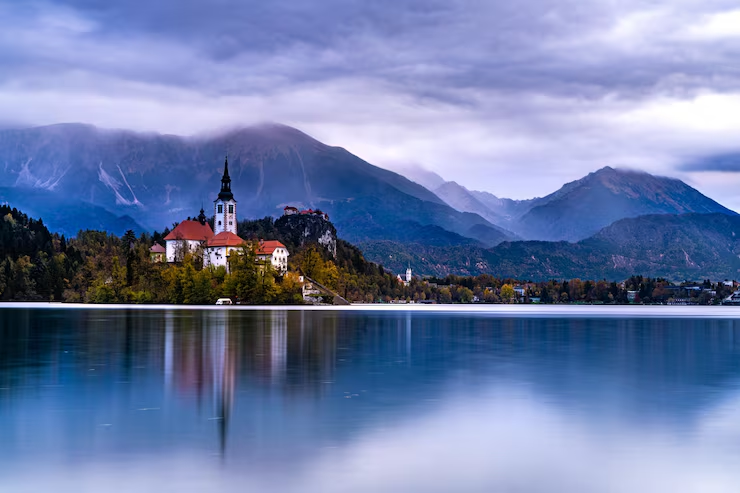
Additionally, Slovenia’s proximity to countries like Italy, Austria, and Croatia opens up a wealth of travel opportunities. Whether exploring the stunning Julian Alps, Lake Bled, or the UNESCO-listed Škocjan Caves, the possibilities for exploration are endless.
Conclusion: Slovenia’s Digital Nomad Visa Opens Doors to Europe
For Indian professionals looking for a remote working base in Europe, Slovenia’s new digital nomad visa offers a golden opportunity. With the visa, remote workers can enjoy the charm of this picturesque country while benefiting from the ability to travel freely across the Schengen Area. Whether for a year-long stay or a family adventure, Slovenia’s blend of natural beauty, culture, and modern infrastructure makes it a destination worth considering for any remote worker.
As Slovenia steps onto the map for digital nomads, the new visa policy presents an exciting chance for Indian workers to expand their horizons, blending work and travel in one of Europe’s most beautiful and accessible destinations.
 Login
Login



 The administration of US President Donald Trump plans to order foreign tourists who do not need a visa to enter the US, to disclose their social media histories from the last five years before entering the […]