
Reading view

Jarada Islands Bahrain: Disappearing Sandbanks and Unique Marine Life Experiences
Jarada Islands Bahrain: Disappearing Sandbanks and Unique Marine Life Experiences

Jarada Islands in Bahrain: Where the Sea Creates and Erases the Land

An Island That Comes and Goes

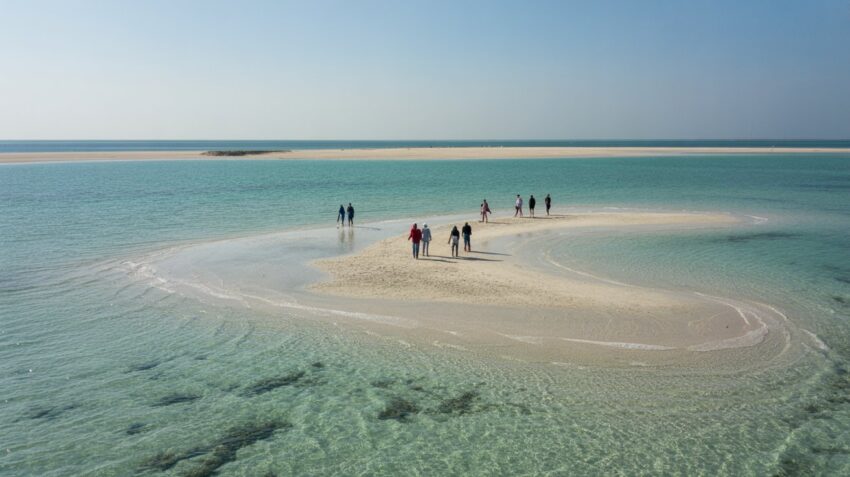
Off the coast of Bahrain lies one of the country’s most unusual natural phenomena—the Jarada Islands. These small, low-lying sandbanks appear and disappear with the tides, sometimes visible as pristine islands surrounded by turquoise water, and at other times completely reclaimed by the sea.

For travelers seeking rare marine and nature-based tourism experiences, the Jarada Islands offer something truly extraordinary: a destination defined not by permanence, but by movement, rhythm, and the living dynamics of the ocean.

What Are the Jarada Islands?

Naturally Formed, Tide-Dependent Sandbanks

The Jarada Islands are not traditional islands with fixed landmass or infrastructure. Instead, they are shallow sandbanks formed by sediment and tidal patterns. During low tide, parts of the islands emerge, creating walkable stretches of white sand surrounded by crystal-clear water.

At high tide, these same islands may vanish entirely beneath the surface, reinforcing their reputation as “disappearing islands.”

Why the Jarada Islands Matter for Tourism

A Rare Natural Experience in the Gulf

The Jarada Islands represent a form of tourism driven entirely by natural cycles. There are no buildings, no permanent facilities, and no crowds—only sand, sea, and sky.

For Bahrain’s tourism landscape, Jarada adds a powerful nature-focused dimension that contrasts with urban, cultural, and historical attractions.

Where Are the Jarada Islands Located?

Offshore from Bahrain’s Main Island

The Jarada Islands are located offshore and are accessible only by boat. Their exact visibility and size depend on tides and weather conditions, making each visit unique.

This offshore location enhances the sense of escape and exclusivity.

Who Visits the Jarada Islands?

Nature Seekers and Curious Travelers

The islands attract:

  • Boat tour travelers
  • Snorkeling and swimming enthusiasts
  • Nature photographers
  • Eco-conscious travelers
  • Visitors looking for unusual, short island escapes

They are especially appealing to travelers who value experience over amenities.

When Do the Jarada Islands Appear?

Timing Defined by the Tides

The visibility of the Jarada Islands depends on tidal conditions. During low tide, sandy areas emerge clearly, allowing visitors to step onto the island. During high tide, the islands may be partially or fully submerged.

This tidal dependency makes timing essential and adds excitement to the journey.

How to Reach the Jarada Islands

Boat-Based Adventure

Access to the Jarada Islands requires a boat, often arranged through local operators. The short journey across shallow waters is an integral part of the experience, offering expansive sea views and a sense of exploration.

The boat ride reinforces the feeling of reaching a place that exists outside everyday geography.

Marine Life Around the Jarada Islands

Shallow Waters, Rich Ecosystems

The shallow waters surrounding the Jarada Islands support a variety of marine life. Clear visibility makes it possible to observe fish and other sea creatures even without diving equipment.

For travelers, this creates a natural marine viewing experience accessible to all skill levels.

Snorkeling and Swimming Experiences

Calm, Clear, and Inviting Waters

The waters around Jarada are generally calm and shallow, making them suitable for casual swimming and snorkeling. The sandy seabed and gentle conditions enhance safety while preserving a sense of wildness.

This makes the islands ideal for relaxed marine exploration rather than high-adrenaline activities.

Walking on a Temporary Island

A Rare Sensory Experience

One of the most memorable aspects of visiting Jarada is walking on land that may not exist hours later. The awareness of impermanence heightens sensory engagement—every footprint feels temporary, every view fleeting.

For travelers, this creates a powerful emotional connection to the environment.

Photography and Visual Tourism at Jarada

Minimalist Beauty

Jarada’s appeal to photographers lies in its simplicity: white sand, shallow turquoise water, and open skies. With no structures or crowds, images capture pure natural geometry and color.

The islands are especially striking under bright daylight.

Best Time to Visit the Jarada Islands, Bahrain

Comfort and Visibility

Cooler months offer the most comfortable conditions for boat travel and water activities. Calm weather enhances water clarity and overall safety.

Checking tidal schedules is essential to experience the islands at their most visible.

Responsible Tourism at the Jarada Islands

Protecting a Fragile Environment

The Jarada Islands are extremely fragile. Visitors should:

  • Avoid disturbing marine life
  • Take all waste back
  • Refrain from collecting sand or shells
  • Follow guidance from boat operators

Responsible behavior ensures the islands remain pristine.

Jarada Islands and Eco Tourism

Nature Without Infrastructure

Jarada exemplifies pure eco tourism—a destination with no development, relying entirely on natural conditions. Its value lies in remaining untouched.

This model emphasizes appreciation over consumption.

Why the Jarada Islands Appeal to International Travelers

Experiencing the Unusual

Many travelers have visited beaches and islands, but few have walked on land that disappears with the tide. Jarada offers this rare experience, making it memorable regardless of trip length.

Its uniqueness leaves a lasting impression.

Educational Value of the Jarada Islands

Learning from Natural Processes

Jarada provides a real-world lesson in coastal dynamics, tides, and sediment movement. These processes are visible and tangible, making the visit both recreational and educational.

For students and curious travelers, this adds intellectual depth.

Challenges Facing the Jarada Islands

Environmental Sensitivity

Because the islands are temporary and shallow, they are vulnerable to pollution, climate change, and careless visitation. Preserving them requires awareness and restraint.

Tourism must remain controlled and respectful.

The Role of Jarada Islands in Bahrain’s Nature Tourism

Expanding the Tourism Narrative

Jarada broadens Bahrain’s tourism story by highlighting marine and coastal environments alongside culture and history. It shows that the island nation’s heritage includes living seascapes, not just land-based sites.

This diversity strengthens Bahrain’s appeal.

Jarada Islands as a Short Nature Escape

Big Experience, Small Footprint

A visit to Jarada often lasts only a few hours, yet the experience feels expansive. The combination of sea travel, marine life, and ephemeral land creates lasting memories.

It is an ideal addition to short itineraries.

Jarada Islands and the Philosophy of Impermanence

Travel That Exists in the Moment

Jarada reminds visitors that not all destinations are meant to last. Its beauty lies in presence, timing, and awareness.

This philosophy resonates deeply with mindful and slow travelers.

Practical Travel Tips for Visiting Jarada Islands

Preparing for the Sea

  • Confirm tidal schedules in advance
  • Bring sun protection and water
  • Wear reef-safe sunscreen
  • Follow the boat operator’s instructions

There are no facilities on the islands.

The Future of the Jarada Islands

Preserving a Fleeting Wonder

The future of Jarada depends on continued respect for its fragile nature. Awareness, education, and responsible tourism can ensure that these disappearing islands continue to appear—if only temporarily.

Their mystery is worth protecting.

An Island That Teaches You to Be Present

The Jarada Islands, Bahrain, are not defined by what they have, but by what they are—temporary, delicate, and alive to the rhythm of the sea. Walking on a sandbank that may soon vanish is a humbling reminder of nature’s power and grace.

For travelers seeking something truly different, Jarada offers an experience that cannot be replicated, scheduled, or controlled. It exists only in the moment—and those who visit carry its memory long after the tide has washed it away.

The post Jarada Islands Bahrain: Disappearing Sandbanks and Unique Marine Life Experiences appeared first on Travel And Tour World.
Nabih Saleh Island Bahrain: A Small Island of Quiet Beaches and Living Community Culture

Nabih Saleh Island Bahrain: A Small Island of Quiet Beaches and Living Community Culture
Nabih Saleh Island

Nabih Saleh Island, Bahrain: Where Island Life Feels Personal

Special Introduction: A Place That Feels Like Home, Not a Resort

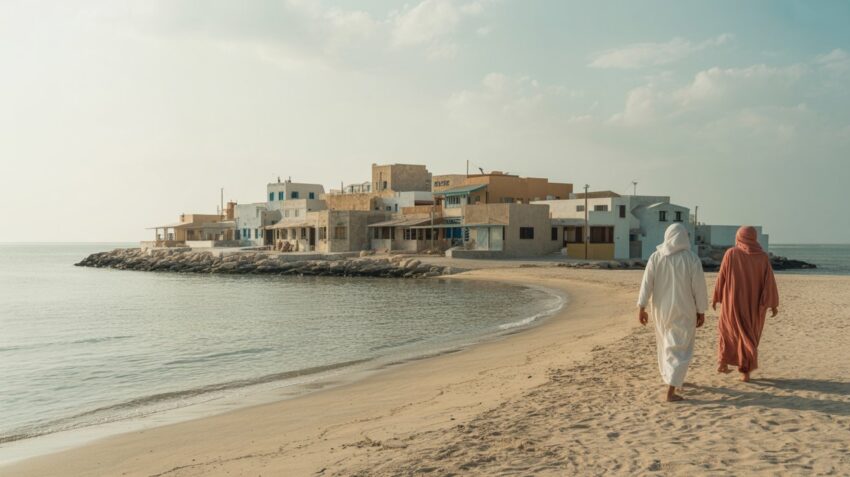
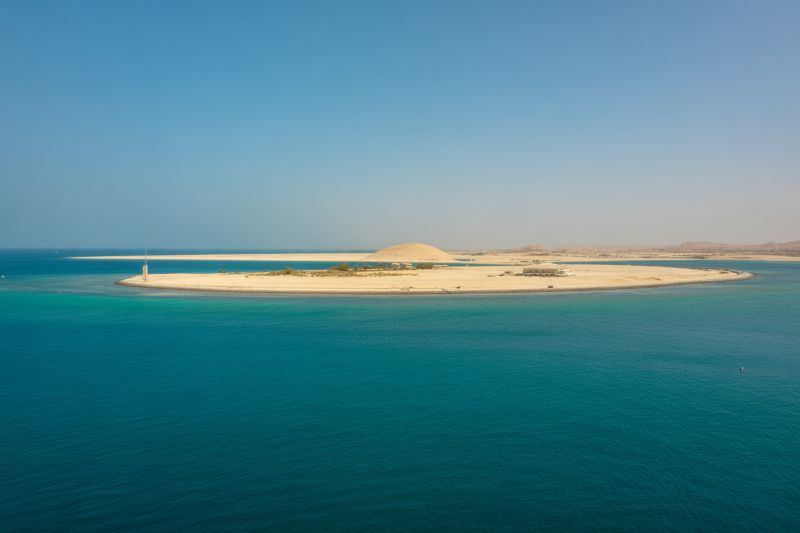
Just a short drive from Bahrain’s main urban areas lies Nabih Saleh Island, a small island that quietly resists the rush of modern tourism. Connected by a simple causeway, the island opens into a world of calm beaches, modest streets, and a strong sense of community that shapes everyday life.

For travelers seeking authentic island tourism, Nabih Saleh is not about luxury or landmarks. It is about atmosphere—an island where people still greet each other by name, where the sea frames daily routines, and where visitors are guests in a living community rather than spectators at an attraction.

What Is Nabih Saleh Island?

A Local Island with a Human Scale

Nabih Saleh Island, Bahrain, is a small inhabited island known for its residential character and traditional coastal lifestyle. Unlike tourist-focused islands, Nabih Saleh remains shaped by homes, community spaces, and shoreline areas used primarily by locals.

Its compact size makes the island easy to explore while reinforcing its close-knit social structure.

Why Nabih Saleh Island Is Important for Tourism

Community-Based Island Travel

Nabih Saleh represents a growing interest in slow and community-based tourism, where travelers value real-life experiences over curated entertainment. The island allows visitors to observe how island communities function daily.

This approach creates meaningful travel memories rooted in connection rather than consumption.

Where Is Nabih Saleh Island Located?

Just Off Bahrain’s Northern Coast

Nabih Saleh Island sits off Bahrain’s northern coastline and is easily accessible by road. Despite this accessibility, the island maintains a distinct identity separate from nearby urban centers.

Crossing onto the island feels less like entering a destination and more like stepping into a neighborhood.

Who Lives on Nabih Saleh Island?

Families with Deep Island Roots

The island is home to families whose history on Nabih Saleh spans generations. Social relationships, shared spaces, and collective traditions form the foundation of community life.

For travelers, this continuity offers insight into how identity is preserved within small island societies.

When Did Nabih Saleh Develop as a Community?

Island Life Shaped by the Sea

Like many small islands in Bahrain, Nabih Saleh developed around coastal livelihoods, especially fishing and shoreline-based activities. The sea influenced settlement patterns, food traditions, and daily schedules.

These maritime roots remain visible in the island’s layout and routines.

How Daily Life Works on Nabih Saleh Island

Simplicity and Connection

Life on Nabih Saleh moves at a gentle pace. Residents rely on nearby services, shared spaces, and strong social bonds rather than large commercial centers.

For visitors, this reveals how island life prioritizes cooperation, familiarity, and balance.

Quiet Beaches of Nabih Saleh Island

Natural Shores for Reflection

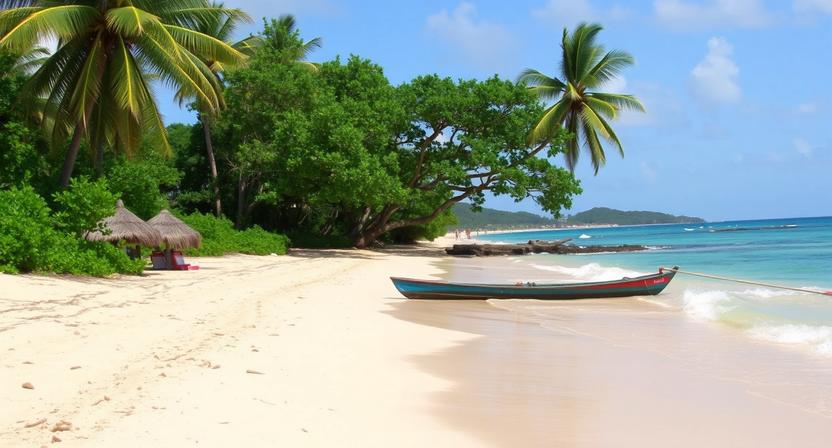
The beaches on Nabih Saleh Island are quiet, modest, and largely undeveloped. Used mainly by residents, they offer open views of the sea without crowds or commercial activity.

For travelers, these beaches are ideal for walking, sitting, and observing island life rather than active recreation.

Experiencing the Beach as a Visitor

Calm Over Activity

There are no organized beach attractions or facilities. Instead, visitors experience the natural rhythm of waves, wind, and distant island sounds.

This simplicity makes the visit deeply calming and reflective.

Community Life as the Island’s Main Attraction

Everyday Culture in Motion

On Nabih Saleh, culture is visible in everyday moments—neighbors chatting, children playing, and shared routines unfolding naturally. These interactions form the island’s true character.

For cultural travelers, witnessing these moments offers insight unavailable in formal heritage sites.

Cultural Observation and Respectful Tourism

Visiting Without Disruption

Nabih Saleh is first and foremost a residential island. Visitors are welcomed when they move respectfully, observe quietly, and understand local boundaries.

This mindful approach enhances both the visitor experience and community harmony.

Travel Experiences on Nabih Saleh Island

Walking and Slow Exploration

The island’s small size makes walking the best way to explore. Moving slowly allows travelers to notice details—architecture, shoreline changes, and daily rhythms.

Photography Focused on Everyday Life

Nabih Saleh appeals to photographers interested in subtle storytelling: quiet streets, island light, and human-scale scenes rather than dramatic landmarks.

Reflective and Mindful Travel

The calm environment makes Nabih Saleh suitable for travelers seeking reflection, writing, or simple presence without distraction.

Best Time to Visit Nabih Saleh Island, Bahrain

Comfort and Atmosphere

Cooler months are ideal for walking and outdoor exploration. Early mornings offer tranquility, while late afternoons bring cooling breezes and warm coastal light.

Evenings often feel especially peaceful as the island settles into its nightly rhythm.

Nabih Saleh Island and Sustainable Tourism

Low Impact, High Cultural Value

Tourism on Nabih Saleh works best when it remains low-impact. The island’s appeal depends on preserving community life rather than introducing development.

Visitors contribute by leaving a minimal footprint and maximum respect.

Why Nabih Saleh Appeals to International Travelers

An Unexpected Island Experience

Many international travelers associate island tourism with resorts. Nabih Saleh challenges this idea by offering insight into local island living, making the experience educational and emotionally resonant.

This authenticity often leaves a stronger impression than luxury settings.

Practical Travel Tips for Visiting Nabih Saleh Island

Being a Thoughtful Guest

  • Dress modestly
  • Avoid intrusive photography
  • Respect private spaces
  • Visit during daylight hours

Facilities are limited, reinforcing the island’s residential nature.

Nabih Saleh in Bahrain’s Cultural Landscape

Small Islands, Big Meaning

Though small in size, Nabih Saleh plays an important role in Bahrain’s cultural diversity. It represents how island identity can exist at multiple scales—national, regional, and local.

For travelers, this perspective deepens cultural understanding.

Educational Value of Visiting Nabih Saleh Island

Learning Through Presence

Nabih Saleh teaches lessons about community resilience, shared space, and coastal living simply through observation. These lessons are subtle but powerful.

They remind visitors that culture often reveals itself quietly.

Challenges Facing Small Island Communities

Preservation in a Changing World

Like many small islands, Nabih Saleh faces pressures from modernization and environmental change. Protecting community life while adapting to new realities requires careful balance.

Tourism that values authenticity supports this goal.

The Future of Nabih Saleh Island

Staying Small, Staying Real

The future of Nabih Saleh lies in maintaining its identity as a local island first, where tourism remains secondary and respectful. Awareness of its cultural value helps protect what makes it special.

Its strength lies in its simplicity.

Nabih Saleh Island in a Slow Travel Journey

Pairing Community and Coast

Nabih Saleh fits naturally into slow travel itineraries focused on cultural observation, quiet beaches, and human connection. It complements historic and urban destinations by offering calm and reflection.

This balance enriches the overall travel experience.

An Island That Invites You to Slow Down

Nabih Saleh Island, Bahrain, is not a place to rush through or photograph quickly. It is an island to feel through quiet beaches, shared spaces, and the steady rhythm of community life.

For travelers seeking authenticity, respect, and stillness, Nabih Saleh offers a rare gift: an island that welcomes without performing, and a reminder that some of the most meaningful journeys happen in the smallest places.

The post Nabih Saleh Island Bahrain: A Small Island of Quiet Beaches and Living Community Culture appeared first on Travel And Tour World.
Ajdan Island Project: Saudi Arabia’s New Tourism Destination in Al-Khobar Nears Development

Ajdan Island Project: Saudi Arabia’s New Tourism Destination in Al-Khobar Nears Development

On Sunday, December 15, 2025, a historic deal was inked to launch an $80 million Ajdan Island tourist project in Al-Khobar Corniche. The deal, which took place through a collaborative effort among a Saudi Arabia Tourism Development Fund, Eastern Region’s Municipality, and Ajdan Real Estate Development Company, symbolizes a major step forward towards achieving a vision to support developing tourism within Saudi Arabia. Saudi Arabia’s Eastern region is soon to experience a new dawn in developing a tourist industry with a project valued at over SAR 300 million with a total cost of approximately $80 million in a bid to rename Al-Khobar Water Tower to a tourist site.

Project Overview: A Vision for Al-Khobar’s Transformation

The project will develop the Al-Khobar Water Tower area into a comprehensive and integrated tourist destination, complete with state-of-the-art facilities and services that will make it a major draw for both local and international visitors. The plan includes world-class restaurants, seafront cafés, entertainment spaces, and a fully integrated commercial zone. A unique feature of the development will be a panoramic restaurant that will offer stunning views of the Al-Khobar area, making it an iconic landmark on the Corniche.

This development aligns with Saudi Arabia’s Vision 2030 goals of diversifying the economy, particularly by expanding the tourism sector and creating a robust infrastructure for both domestic and international tourism. The development will not only revamp the Al-Khobar Corniche but also place Saudi Arabia’s Eastern Region on the global tourism map as a destination that combines modern luxury with authentic cultural experiences.

Government Support and Vision 2030: Fueling Growth in Saudi Tourism

The signing ceremony, which took place in Dammam, was sponsored by Prince Saud bin Naif bin Abdulaziz, the Governor of the Eastern Region. During the ceremony, the Governor emphasized the critical importance of the tourism sector in driving the Kingdom’s economic growth and diversifying sources of income. The support of Saudi Arabia’s leadership, including Custodian of the Two Holy Mosques King Salman bin Abdulaziz Al Saud and Crown Prince Mohammed bin Salman bin Abdulaziz, has been instrumental in transforming the country’s tourism vision into reality.

Minister of Tourism and Chairman of the Tourism Development Fund, Ahmed Al-Khateeb, also attended the signing. He highlighted that the Ajdan Island project would further enhance the Kingdom’s efforts to position itself as a global tourism hub. It is also a key component of Saudi Arabia’s broader strategy to increase tourism investments and attract international travelers, creating jobs and boosting the national economy.

Economic Impact: Tourism as a Key Growth Engine

The Ajdan Island development is expected to have a transformative effect on both the local economy and the broader Saudi tourism industry. With a total value exceeding SAR 300 million, this initiative will contribute significantly to the region’s economic growth by fostering job creation, attracting tourists, and generating investment in local businesses. The tourism sector in Saudi Arabia has already seen considerable growth, and the Ajdan Island project is a critical piece of this expansion. As part of the Tourism Development Fund’s growing portfolio, which now surpasses SAR 12.7 billion, the project represents a major investment in the country’s tourism infrastructure.

The project will create a variety of job opportunities, both directly in the tourism and hospitality sectors and indirectly through the wider economic activities it generates. The addition of high-end restaurants, cafés, and entertainment facilities will require skilled labor, creating thousands of job opportunities for locals. Additionally, the development will boost tourism-related services such as transportation, retail, and local tour operations, offering new employment prospects for the region’s residents.

Ajdan Island: A New Tourist Destination in Saudi Arabia

The development of Ajdan Island promises to be a key addition to Al-Khobar’s already popular tourist destinations. The Corniche, a scenic waterfront area, has long been a favorite among residents and visitors alike, but the addition of world-class facilities will undoubtedly elevate it to a new level. The integration of various attractions, such as the panoramic restaurant and seafront cafés, will offer a diverse range of experiences for tourists, from dining and shopping to leisure activities and entertainment.

The project’s focus on creating a well-rounded tourism experience will appeal to a broad spectrum of travelers, including those seeking luxury, cultural experiences, and family-friendly activities. The Al-Khobar Water Tower area’s transformation will also create a new focal point for tourism in the Eastern Region, offering both locals and tourists a modern space that reflects Saudi Arabia’s growing tourism ambitions.

Cultural and Tourism Synergy: A Unique Blend of Modernity and Tradition

Ajdan Island will not just cater to luxury tourists but will also celebrate Saudi Arabia’s rich cultural heritage, blending modern development with traditional elements. The design of the project will incorporate aspects of the region’s history and culture, offering visitors an authentic experience that goes beyond just shopping and dining. This approach aligns with Saudi Arabia’s broader tourism strategy of preserving cultural traditions while embracing modernity to create diverse travel experiences.

The tourism development is expected to boost Al-Khobar’s position as one of the leading tourist destinations in Saudi Arabia. The city has already been known for its coastal beauty, but with the addition of this integrated, world-class tourism hub, it will become an even more appealing option for both international and domestic tourists.

Collaboration and Future Prospects: A Model for Regional Development

The successful signing of this agreement underscores the importance of cooperation between public and private sectors in realizing Saudi Arabia’s ambitious tourism goals. Eastern Region Municipality’s Mayor, Fahad Al-Jubeir, also expressed his enthusiasm for the project’s potential impact, noting that it would play a significant role in the development of tourism infrastructure and services in the region.

Al-Jubeir stressed the importance of the tourism sector in regional development, noting that projects like Ajdan Island will enhance the local economy, improve service quality, and create more job opportunities for the residents of the Eastern Region. The collaboration between the Eastern Region Municipality, Ajdan Real Estate Development Company, and the Tourism Development Fund is a model for the kinds of public-private partnerships that will be crucial in expanding Saudi Arabia’s tourism sector.

Transforming Al-Khobar into a Global Tourism Destination

The Ajdan Island tourism investment project, with a budget of $80 million, is an important step towards making Saudi Arabia a tourist hub in the global arena. The project aims to transform the Water Tower area in Al-Khobar into a tourist hub and will prove to be a major factor in impacting the regional economy and development in general.

The Ajdan Island project is one such project that receives immense government support and is a shining example of an initiative in line with the Kingdom’s Vision 2030 strategy. Apart from enriching Saudi tourist life, this project will also have a positive impact on local communities by providing jobs. As this project continues to gain momentum, it will go on to become an important part of a future Saudi Arabia where it will become one of the major tourist destinations in the world.

The post Ajdan Island Project: Saudi Arabia’s New Tourism Destination in Al-Khobar Nears Development appeared first on Travel And Tour World.
Saint Martin’s Island Faces Ecological Degradation, Highlighting the Need for its Sustainable Tourism Growth and Conservation Efforts in Bangladesh

Saint Martin’s Island Faces Ecological Degradation, Highlighting the Need for its Sustainable Tourism Growth and Conservation Efforts in Bangladesh

There is Saint Martin’s Island, also known as “the coral island of Bangladesh,” which has been suffering from serious ecological damage because of lack of control over development, tourism, and abandonment by the government. This particular island, which formerly housed coral deposits, has been seriously destroyed, especially because of preventable causes. The purity of this environment is now at serious risk, especially with the increase in tourists.

Despite being wrongly described as a “coral island,” Saint Martin’s has been thought of as a treasure within the country because of the rich biodiversity as well as the geological importance that it holds. But because of decades of bad management, habitats such as mangroves, fish ponds, and natural woodlands have been destroyed. The removal of coral rocks that are centuries old in order to provide materials for construction has also caused the erosion of coastlines, as well as depleted fishing grounds.

The Negative Impact of Unregulated Development and Tourism

The development boom on Saint Martin’s Island has compounded the environmental strain. Despite a long-standing ban on construction, hotels, private homes, and resorts continue to spring up illegally, further damaging the island’s fragile ecosystem. The influx of tourists, which has skyrocketed from a few hundred visitors in the 1980s to hundreds of thousands annually, has turned the once serene island into a dumping ground for plastic waste. Government clean-up efforts have been sporadic, leaving the island vulnerable to pollution and ecosystem collapse.

Furthermore, the island’s hydrological system—which relies on the unique geology of shell-shaped bedrock that traps rainwater underground—is under threat. With the growing number of homes and tourist facilities, sewage and wastewater have nowhere to go but into the island’s groundwater, contaminating drinking and bathing water sources. This pollution crisis is poised to become a public health disaster, one that has yet to be addressed with any urgency by the authorities.

A Brief Glimmer of Hope: The Nine-Month Visitor Ban

In 2025, the government took an encouraging step by imposing an nine-month ban on tourist entry to the island from February to October. This decision, though long overdue, allowed the island’s degraded ecosystems to recover temporarily. During this period, vegetation began to flourish, with native plants like Keora, Lumnitzera, and Vitex rebounding noticeably. Marine life also began to show signs of revival, including the nesting of Olive Ridley turtles, a hopeful sign that human disturbance was finally being reduced.

The Cheradia islands, part of Saint Martin’s, saw the strongest ecological recovery during the quiet months. These islands, typically overcrowded with tourists, experienced excessive growth of native plants, further showcasing the positive impact of limiting human presence.

Sustainable Tourism: A Path Toward Ecological Restoration

Despite the benefits of the nine-month visitor ban, the island’s recovery remains fragile. To ensure long-term sustainability, sustainable tourism practices must be integrated into the island’s management strategy. Eco-tourism, community-led conservation, and responsible visitor behavior are essential components in balancing the tourism economy with the need for environmental protection.

Tourists must be educated on the importance of eco-friendly travel, including reducing plastic waste, respecting wildlife habitats, and supporting conservation efforts. Additionally, the government should prioritize eco-conscious infrastructure development, ensuring that tourism facilities minimize their environmental impact and are built in a way that supports the preservation of natural landscapes.

Persistent Problems and Signs of Continued Negligence

Despite the temporary relief provided by the visitor ban, the island’s recovery is still at risk. Illegal construction continues to expand, with unregulated tourism development outpacing conservation efforts. The exploding stray dog population on the island poses a significant threat to nesting turtles, digging up eggs and disturbing wildlife. Rubbish continues to accumulate, with insufficient cleanup efforts in place, signaling a lack of enforcement and sustainable management.

These persistent problems underscore a deeper issue: Saint Martin’s Island still lacks a functioning management system. The island needs full-time conservation staff, trained wildlife wardens, and science-based regulations backed by adequate enforcement. Without these measures, short-term fixes and seasonal restrictions will not be enough to protect this unique ecosystem from irreversible damage.

Immediate Actions Needed to Protect Saint Martin’s Island

To ensure the survival of Saint Martin’s Island, immediate and science-backed action is necessary. The following actions should be implemented immediately to preserve the island’s ecosystems and maintain its role as a sustainable tourism destination:

  • Environmental management: Establish daily mandatory trash collection and disposal, ban all motorized vehicles on beaches, and implement solar power and rainwater harvesting systems.
  • Wildlife protection: Declare the Cheradia islands a strict “No-Go Zone” for all except researchers and authorized officials. Ban fishing within one kilometer of the island and remove or sterilize stray dogs.
  • Sustainable tourism: Continue the visitor closure from February–October annually and enforce a daily visitor limit of 2,000 to ensure that tourism does not exceed the island’s ecological capacity.

Tourism Impact: Balancing Conservation and Economic Growth

The tourism industry has been a major economic driver for Saint Martin’s Island, but unchecked development and mass tourism have placed immense pressure on its delicate ecosystem. Sustainable tourism practices must be integrated into the island’s management, balancing economic growth with ecological preservation. This requires strict tourism regulations to protect the island’s unique biodiversity while still supporting the local economy.

Tourists visiting Saint Martin’s should be educated on the importance of eco-friendly travel, such as reducing plastic use and supporting local conservation efforts. By promoting responsible tourism, the island can continue to attract international visitors while ensuring that its natural resources are preserved for future generations.

Future Sustainable Tourism Impact for Saint Martin’s Island

The future of Saint Martin’s tourism lies in its ability to embrace sustainable tourism practices. With the implementation of eco-tourism initiatives and stronger environmental protections, the island has the potential to become a model for sustainable development in Bangladesh. By balancing tourism growth with biodiversity preservation, Saint Martin’s can ensure its survival as both a tourism destination and a natural habitat for future generations.

By implementing long-term strategies for sustainable tourism and conservation, Bangladesh can help preserve Saint Martin’s Island as a unique ecological treasure, attracting eco-conscious travelers and contributing to both economic growth and environmental protection.

The Time for Action is Now

The increased tourist pressure on Saint Martin’s Island makes it imperative that urgent steps are taken in order to preserve the island for the future. Environmentally responsible tourism, together with proper government management, would go a long way in conserving the biodiversity of the island as well as making it continue to remain a significant tourist spot. The fate of saving Saint Martin’s Island is limited but not past recovery yet—it is imperative that urgent steps are taken to preserve this biodiversity this instant.

The post Saint Martin’s Island Faces Ecological Degradation, Highlighting the Need for its Sustainable Tourism Growth and Conservation Efforts in Bangladesh appeared first on Travel And Tour World.

Abu Dhabi Sets New Record with 339,000 Fans at the 2025 Formula 1 Etihad Airways Grand Prix – A Thrilling Season Finale for Motorsports Enthusiasts

Abu Dhabi Sets New Record with 339,000 Fans at the 2025 Formula 1 Etihad Airways Grand Prix – A Thrilling Season Finale for Motorsports Enthusiasts

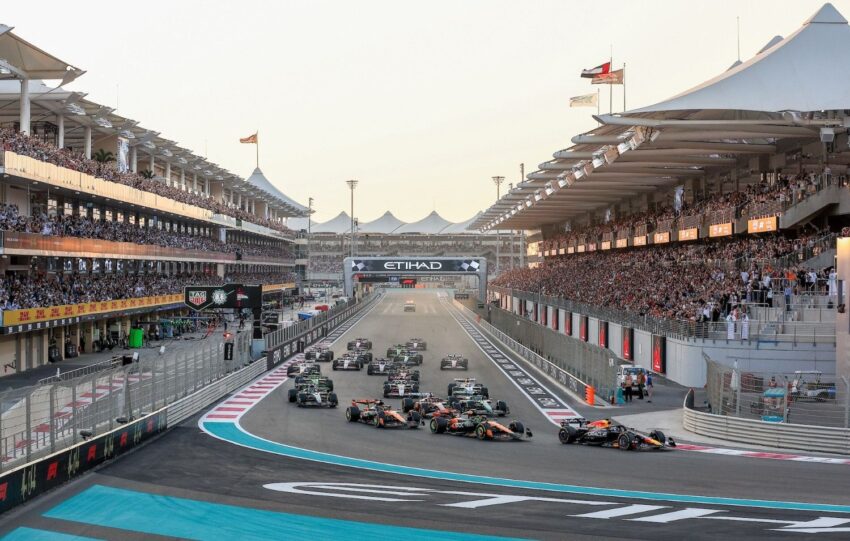
Abu Dhabi, the dazzling jewel of the UAE, once again shone brightly as it hosted the Formula 1® Etihad Airways Abu Dhabi Grand Prix in 2025. This thrilling event saw an incredible 339,000 fans flocking to Yas Island, smashing attendance records and setting a new benchmark for the world’s most exciting motorsport event. The 2025 season finale became an iconic moment, showcasing high-speed racing, star-studded entertainment, and groundbreaking environmental initiatives.

Formula 1® Brings Fans Together in Abu Dhabi

The Formula 1® Etihad Airways Abu Dhabi Grand Prix 2025 was more than just a race; it was a spectacular fusion of motorsport and entertainment. With a combined attendance of 339,000 fans across multiple events, Abu Dhabi has firmly established itself as a global hotspot for motorsport enthusiasts.

The season finale provided an unforgettable spectacle, with a fierce three-way title battle featuring McLaren’s Lando Norris, Oscar Piastri, and Red Bull’s Max Verstappen. Verstappen clinched his victory, while Norris secured his first driver’s title, igniting the crowd with excitement. The Yas Marina Circuit, already famed for its scenic beauty and exceptional facilities, saw 203,000 spectators on race day, a nearly 6% increase from 2024’s attendance.

The Abu Dhabi Grand Prix is a must-visit destination for motorsport lovers and thrill-seekers. But the appeal doesn’t stop at the track.

Highlights of the 2025 Abu Dhabi Grand Prix Experience:

  • Record-Breaking Fan Attendance: A massive 339,000 fans gathered over race week, setting a new record.
  • Epic After-Race Concerts: The Yasalam festival brought in 136,000 fans across four nights of star-studded performances, including global icons like Metallica, Katy Perry, and Post Malone.
  • Exclusive Paddock Access: Celebrities and VIPs, such as actress Ana de Armas and sports legends like Thierry Henry and Ronaldinho, rubbed shoulders with racing enthusiasts.
  • Innovative Fan Experience: The event featured new hospitality concepts, activations, and ticket inclusions, offering fans a truly immersive experience.

Abu Dhabi’s Role in Sustainable Motorsport

Beyond the glitz and glamour of the Grand Prix, Abu Dhabi is proving its commitment to environmental sustainability. The 2025 event saw the use of temporary solar power across the track, including at key turns, with sections fully powered by clean energy. The event’s temporary generators operated using 100% biofuel blends, significantly reducing emissions. Additionally, a partnership with UAE-based Ma-Hawa produced over 260,000 litres of water through air-to-water technology, eliminating the need for over 520,000 plastic bottles throughout the weekend.

Abu Dhabi’s efforts to balance the thrills of F1 racing with environmental responsibility set a new standard in the industry, making the Grand Prix not only an exhilarating event but a leader in sustainable practices.

Entertainment Beyond the Race: Yas Island Takes Centre Stage

The entertainment offered by the Yasalam festival elevated the entire Grand Prix experience. The four nights of after-race concerts were a major highlight, drawing in fans for a post-race celebration like no other. Each night featured world-renowned artists performing for an enthusiastic crowd, offering a mix of rock, pop, and electronic music that kept the party going well into the night.

  • Concert Highlights:
    • Benson Boone: His performance on Thursday night marked the biggest in the event’s history, making it more than just a warm-up.
    • Post Malone & Metallica: These iconic artists thrilled the crowd with electric performances.
    • Katy Perry: A dazzling show to wrap up the festival.

The performances were complemented by exclusive after-parties headlined by Idris Elba, Calvin Harris, and Keinemusik, turning Yas Island into a party paradise.

The Ultimate Grand Prix Destination

Abu Dhabi is not just about the race. It’s a destination that attracts global attention year after year. With its luxurious hotels, world-class restaurants, and cutting-edge entertainment venues, Abu Dhabi has earned its place as the ultimate Formula 1 finale destination. Whether you’re looking for a high-speed race experience or a relaxing getaway in a city that blends modern sophistication with traditional Arabian charm, Abu Dhabi offers something for everyone.

Where to Stay and Explore

  • Yas Marina Circuit: For fans who want to immerse themselves fully in the F1 experience, staying at one of the nearby hotels offers easy access to the action. The Yas Hotel, which sits directly above the track, provides stunning views and luxury accommodation.
  • Ferrari World Abu Dhabi: A must-visit for families and thrill-seekers, this indoor theme park brings you close to the adrenaline of motorsports, with rides like the world’s fastest roller coaster.
  • Louvre Abu Dhabi: Take a break from the racing action and explore the impressive collection of art and exhibits at the Louvre, located in the heart of the city.
  • Saadiyat Island: Known for its stunning beaches and top-tier resorts, this destination is perfect for those looking to unwind after the excitement of the Grand Prix.

Abu Dhabi’s Global Appeal: An Event for Everyone

The Formula 1® Etihad Airways Abu Dhabi Grand Prix continues to attract fans from around the world, cementing Abu Dhabi’s status as the go-to destination for motorsport enthusiasts. The event is a perfect blend of high-speed action, world-class entertainment, and luxurious hospitality, all set against the backdrop of one of the world’s most exciting cities.

Key Takeaways from the 2025 Abu Dhabi Grand Prix:

  • Attendance Record: 339,000 fans over the course of the race week.
  • Star-Studded Performances: Featuring artists like Post Malone, Metallica, and Katy Perry.
  • Sustainability Efforts: Significant use of solar power and biofuels.
  • Luxury Experiences: From exclusive hospitality options to VIP paddock access.
  • Exciting Attractions: Yas Island, Ferrari World, Louvre Abu Dhabi, and Saadiyat Island.

Abu Dhabi’s Formula 1® Etihad Airways Grand Prix continues to evolve each year, making it the ultimate motorsport event to attend. Whether you’re racing to the finish line or enjoying world-class entertainment, Abu Dhabi is the place to be for those seeking excitement, luxury, and a touch of Arabian glamour.

The post Abu Dhabi Sets New Record with 339,000 Fans at the 2025 Formula 1 Etihad Airways Grand Prix – A Thrilling Season Finale for Motorsports Enthusiasts appeared first on Travel And Tour World.

Explore Quang Ninh’s New Tourism Services: Twenty Million Visitors Expected

Explore Quang Ninh’s New Tourism Services: Twenty Million Visitors Expected

Quang Ninh, a vibrant northern province in Vietnam, is undergoing a significant renewal of its tourism services in a bid to attract a record number of visitors in 2025. The province has set an ambitious target of welcoming 20 million tourists, including 4.5 million international arrivals, and generating an estimated 50 trillion VND (1.89 billion USD) in tourism revenue. To achieve these goals, Quang Ninh is focusing on enhancing its tourism infrastructure, diversifying attractions, and promoting its unique cultural and natural beauty to domestic and international markets.

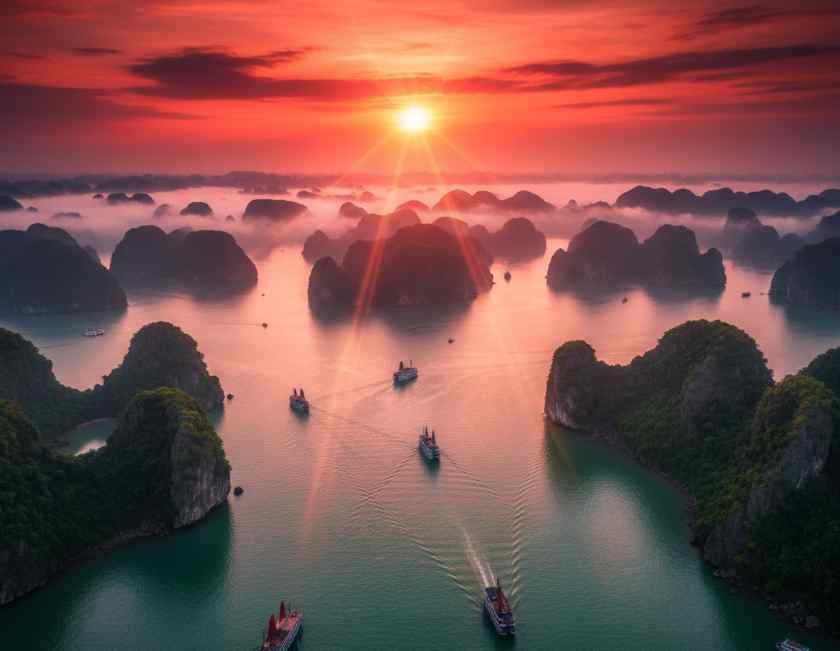
Quang Ninh is already home to one of Vietnam’s most iconic tourist destinations, Halong Bay, a UNESCO World Heritage Site known for its emerald waters and thousands of towering limestone islands. However, the province is now expanding its tourism offerings to include new, innovative services, attractions, and experiences aimed at a broader range of travelers.

Halong Bay: A Continued Attraction for Tourists

Halong Bay remains the crown jewel of Quang Ninh’s tourism sector. With its otherworldly beauty, the bay continues to attract millions of visitors each year. In 2025, the province aims to build on this success by enhancing its visitor experiences. The introduction of more luxury cruise lines, private boat tours, and immersive cultural activities such as kayaking, island-hopping, and seafood dining experiences are expected to draw more affluent international visitors.

To cater to the growing number of tourists, Halong Bay is undergoing infrastructure upgrades, including the construction of new marinas, expansion of port facilities, and improvement of transportation links between the bay and key areas like Hanoi. The Halong International Cruise Port, which opened in recent years, has played a key role in attracting international cruise ships, further boosting the area’s appeal as a high-end destination.

Moreover, Quang Ninh aims to strengthen its environmental preservation efforts in Halong Bay. Sustainable tourism initiatives are being prioritized to ensure the protection of the bay’s delicate ecosystem while still allowing tourists to enjoy the natural wonders that make the area so unique.

Expanding Beyond Halong Bay

While Halong Bay remains a key driver of tourism in Quang Ninh, the province is also expanding its focus to other underexplored areas, diversifying its tourism offerings to attract a wider range of travelers.

One such area is the island of Co To, known for its pristine beaches, crystal-clear waters, and lush green landscapes. Co To is gradually emerging as a popular eco-tourism destination, ideal for travelers looking to explore Vietnam’s natural beauty in a more serene setting. The island’s expansion of accommodations, restaurants, and transport links has made it more accessible for tourists, and the development of eco-friendly hotels and resorts is attracting a growing number of nature-loving travelers.

Another rising star in Quang Ninh’s tourism portfolio is Bai Tu Long Bay, which offers a quieter, more tranquil alternative to Halong Bay. Bai Tu Long features similar natural beauty, with less crowded waters, making it an attractive destination for tourists seeking a peaceful escape from the hustle and bustle of city life. The development of boutique resorts and high-end tourism services in Bai Tu Long is also part of Quang Ninh’s broader strategy to diversify its tourism offerings and cater to luxury travelers.

Cultural Tourism and New Attractions

To further broaden its tourism appeal, Quang Ninh is also placing a strong emphasis on cultural tourism in 2025. The province is working to preserve and promote its rich cultural heritage while introducing new experiences for visitors. Among the initiatives is the development of more cultural events and festivals, which highlight the traditions and customs of the local people, including the Tien Yen Festival and traditional fishing activities.

Quang Ninh is also investing in the construction of new museums, historical sites, and cultural villages. One example is the newly planned Quang Ninh Cultural Center, which will feature exhibits showcasing the province’s history, art, and culture. The center aims to provide an immersive educational experience for visitors and enhance their understanding of the region’s local traditions.

Moreover, the province is actively working to improve its culinary tourism offerings. Local specialties such as Ha Long squid, clam dishes, and Vietnamese seafood are being featured in more organized food tours and cooking classes, where visitors can learn to prepare traditional dishes themselves. Quang Ninh’s rich culinary offerings are expected to appeal to food enthusiasts from around the world, helping to promote the region as a leading culinary tourism destination in Vietnam.

Boosting Tourism Infrastructure

Key to Quang Ninh’s ambitious tourism goals for 2025 is the ongoing improvement of its infrastructure. The province is investing in better roads, public transportation, and connectivity between major tourist destinations, making it easier for visitors to explore multiple attractions.

In addition to transportation upgrades, Quang Ninh is enhancing its accommodation sector. With the rise of luxury resorts, boutique hotels, and homestays, visitors can find options that suit every budget and preference. The influx of international hotel chains into the province also signals Quang Ninh’s readiness to cater to high-end tourists and large-scale tourism events.

The development of new airports and improved access from Hanoi, Vietnam’s capital, will also make the province more accessible to international tourists. The expansion of flights and regional connectivity will make it easier for visitors to travel to Quang Ninh and experience its attractions.

Promoting Sustainable Tourism

Sustainability is a key priority for Quang Ninh in 2025. As part of its tourism renewal efforts, the province is focusing on promoting eco-friendly travel practices, preserving its natural landscapes, and minimizing the impact of tourism on local communities. Efforts include regulating hotel and resort construction to ensure environmentally friendly designs, implementing waste management systems, and encouraging sustainable practices among tourists and local businesses.

Conclusion: A Bright Future for Quang Ninh Tourism

With its strategic investment in infrastructure, the diversification of its tourism offerings, and a focus on sustainability, Quang Ninh is positioning itself as one of Vietnam’s top travel destinations in 2025. The province’s combination of natural beauty, rich culture, and modern amenities ensures that it remains an attractive option for both domestic and international visitors. As Quang Ninh aims to welcome 20 million tourists and generate significant revenue in 2025, it is well on its way to establishing itself as a premier destination for travelers seeking unique cultural experiences and natural wonders.

The post Explore Quang Ninh’s New Tourism Services: Twenty Million Visitors Expected appeared first on Travel And Tour World.

Queensland Unveils Thorsborne Trail: A World-Class Ecotourism Experience on Hinchinbrook Island Set to Open in 2026

Queensland Unveils Thorsborne Trail: A World-Class Ecotourism Experience on Hinchinbrook Island Set to Open in 2026
Thorsborne Trail ecotourism hiking in Hinchinbrook Island

In a major leap forward for ecotourism in Queensland, the Crisafulli Government has introduced the Thorsborne Trail, a new 32-kilometre hiking experience on Hinchinbrook Island. Set to open in May 2026, this immersive four-day, three-night trail will offer tourists an unparalleled opportunity to explore one of Australia’s most pristine natural environments. The trail is part of the Queensland government’s broader Destination 2045 initiative, which aims to transform the state into a global ecotourism leader by creating sustainable, nature-based tourism experiences.

Thorsborne Trail: A Milestone in Queensland’s Ecotourism Growth

Thorsborne Trail is the third ecotourism project completed in just six months under the Destination 2045 plan, reinforcing the Crisafulli Government’s commitment to revitalising Queensland’s tourism sector. As a flagship initiative, the trail promises to draw visitors from around the world, eager to experience the beauty of Hinchinbrook Island’s rainforests, mountains, beaches, and vibrant marine life. The trail, which will be officially opened in May 2026, will offer guided hikes by World Expeditions, one of the world’s leading tourism operators. In addition, unguided hiking permits will be made available for free for the 2026 hiking season, ensuring access for a wider range of tourists.

The completion of this trail represents a significant investment in ecotourism, which has been identified as a key economic driver for Queensland. The Thorsborne Trail is set to become a major attraction in the global tourism market, offering both local and international tourists a chance to experience Queensland’s natural wonders in an environmentally responsible manner.

Queensland’s Ecotourism Revival

Minister for the Environment and Tourism, Andrew Powell, highlighted the Crisafulli Government’s swift and effective actions in advancing Queensland’s ecotourism sector. Under the previous Labor government, the state saw minimal progress in the ecotourism industry, with only three projects approved over a decade. In contrast, since the Crisafulli Government took office, the state has already delivered three ecotourism projects and is on track to roll out many more. Powell emphasized the importance of showcasing Queensland’s natural beauty and noted that projects like Thorsborne Trail play a key role in ensuring the future sustainability of Queensland’s tourism industry.

The government’s commitment to revitalising Queensland’s tourism industry through ecotourism initiatives like Thorsborne Trail is helping position the state as a global leader in sustainable travel. Powell also stressed that these projects not only offer new tourism experiences but also foster conservation efforts, inspiring future generations to protect Queensland’s remarkable landscapes.

Enhancing Queensland’s Ecotourism Portfolio

Thorsborne Trail is part of a broader strategy under the Destination 2045 plan, which aims to deliver 45 ecotourism experiences over the next two decades. This forward-thinking strategy reflects the Crisafulli Government’s commitment to long-term sustainable tourism development. Alongside the Thorsborne Trail, the government has also unveiled the Ngaro Track and Twin Bridges trails, which further bolster Queensland’s growing reputation as a premier ecotourism destination.

These projects are designed not only to provide tourists with exciting, environmentally conscious experiences but also to generate economic growth in local communities. By attracting visitors to these pristine natural areas, Queensland is ensuring that tourism dollars are reinvested in local businesses, from accommodations and restaurants to tour operators and other services. The rise in ecotourism will create more jobs and help support the long-term economic health of the region.

Boosting Local Communities Through Ecotourism

For the local community on Hinchinbrook Island, the Thorsborne Trail represents an exciting opportunity to showcase the region’s unique beauty and increase its visibility on the global tourism map. Member for Hinchinbrook, Wayde Chiesa, expressed his enthusiasm about the project, noting the economic benefits it will bring to local businesses. As tourists flock to the island to explore the new hiking trail, they will generate substantial revenue for local restaurants, hotels, and other businesses. This influx of tourism is expected to have a positive ripple effect on the local economy, creating sustainable growth and new job opportunities for the community.

Hinchinbrook Island’s remarkable landscapes, combined with the Thorsborne Trail’s immersive ecotourism experience, make the region a sought-after destination for nature lovers and adventure seekers alike. The trail’s international appeal will further cement the island’s place as a premier destination for ecotourism in Australia.

Accessibility and Inclusivity: Free Unguided Hiking Permits

The Crisafulli Government has also made efforts to ensure that the Thorsborne Trail is accessible to a wide range of hikers. In addition to the guided walks provided by World Expeditions, unguided hiking permits will be available for free during the 2026 hiking season. This initiative aims to allow even more visitors to enjoy the beauty of Hinchinbrook Island at their own pace, making the trail an inclusive and welcoming experience for all.

By offering free permits for unguided hikes, the government is helping make the trail accessible to a broader audience, from seasoned outdoor enthusiasts to those new to ecotourism. The free permits initiative is designed to encourage more visitors to experience Queensland’s natural beauty while keeping the trail’s ecological impact to a minimum.

Queensland’s Growing Reputation as an Ecotourism Leader

As the Crisafulli Government continues to deliver ecotourism projects, Queensland’s reputation as a leader in sustainable travel is set to grow. The Thorsborne Trail, along with other successful initiatives like the Ngaro Track and Twin Bridges, positions Queensland as a world-class ecotourism destination. The government’s focus on responsible tourism and sustainable development ensures that Queensland will remain at the forefront of the ecotourism movement in Australia and beyond.

With several more projects in the pipeline, including new hiking trails and nature-based experiences, Queensland is poised to become a global leader in the ecotourism sector, setting a new standard for sustainable travel in Australia.

Conclusion: A New Era for Queensland’s Tourism Industry

The Thorsborne Trail is a shining example of the Crisafulli Government’s commitment to revitalizing Queensland’s tourism industry through ecotourism. The trail offers an unparalleled opportunity to experience the pristine landscapes of Hinchinbrook Island, while also contributing to the region’s economic growth and environmental conservation efforts. As the state continues to develop its ecotourism offerings, Queensland is set to become a leading destination for sustainable tourism and responsible travel, attracting visitors from around the globe and showcasing Australia’s natural wonders.

The post Queensland Unveils Thorsborne Trail: A World-Class Ecotourism Experience on Hinchinbrook Island Set to Open in 2026 appeared first on Travel And Tour World.
❌