
 Login
Login
Zambia Calls for the Stronger Public-Private Collaboration to Unlock Sustainable Tourism Growth, Boost Employment and Community Development
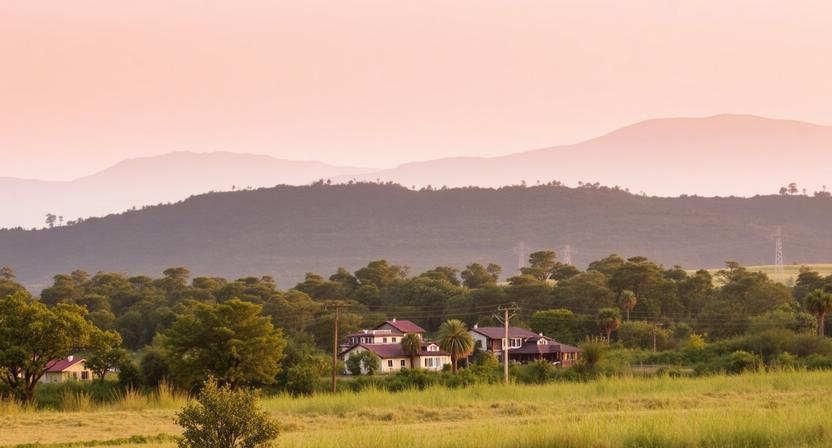
This call was made by the Tourism Minister in Zambia, Rodney Sikumba, during the 20th-anniversary commemoration of Sandy’s Creations Resort and Retail held at Chilanga on December 14th. According to him, the key to enhanced tourism development and the subsequent creation of more job opportunities within the tourism industry is a greater partnership between the government and the private sectors of their country.
His comments emphasize the need for investment in the realization of the government’s tourism vision. Sikumba’s vision on tourism is not just about more tourists coming to the region; it is about how the community will benefit as a result of the development that will happen in the tourism sector.
Private Investment Driving Sustainable Tourism in Zambia
Sandy’s Creations Resort has become a prime example of the impact private investment can have on the tourism sector. With the business employing up to 150 people directly and supporting a network of artisans, contractors, and suppliers, Sikumba highlighted the potential for similar businesses to fuel job creation and economic development. This model is aligned with the government’s priorities of promoting sustainable tourism, renewable energy, and domestic travel, which can help transform the Lusaka-Chilanga corridor into an emerging tourism hub.
Looking ahead, the sustainable tourism model demonstrated by Sandy’s Creations offers a glimpse into the future of Zambia’s tourism industry, where private-sector partnerships will play a critical role in achieving long-term and inclusive growth. Minister Sikumba’s emphasis on this public-private collaboration suggests that the future of Zambia’s tourism sector will be driven by innovative solutions and a holistic approach to development.
Creating a Competitive Tourism Destination through Public-Private Partnerships
Minister Sikumba’s call for closer public-private partnerships reflects a growing recognition of the importance of joint efforts to address the challenges and opportunities in Zambia’s tourism sector. By working together, both the government and private sector can enhance tourism infrastructure, invest in skills development, and foster an inclusive growth model that benefits local communities and tourism businesses.
In the future, private investment in tourism will likely be a major driver of regional economic development. Businesses like Sandy’s Creations demonstrate how tourism investments can have wide-reaching positive impacts, from providing jobs and supporting local suppliers to attracting more international tourists and contributing to the national economy. This collaboration will ensure that Zambia’s tourism sector is not only sustainable but also scalable, paving the way for more tourism-related ventures in the future.
The Future Impact of Sustainable Tourism on Zambia’s Economy
Looking ahead, sustainable tourism has the potential to become a significant contributor to Zambia’s economic growth. As private investment increases and the government works to foster collaborative frameworks, Zambia is poised to see growth in employment, enhanced local supply chains, and an improved tourism infrastructure. The emphasis on sustainable and inclusive development will help ensure that the benefits of tourism are felt equally across the country.
The future of Zambia’s tourism industry will also be marked by an increased focus on renewable energy and eco-friendly practices. This aligns with global tourism trends, where eco-tourism and green travel are gaining popularity among international visitors. As Zambia positions itself as a sustainable destination, the country will attract travelers looking for authentic, environmentally conscious experiences.
Skills Development and Job Creation: A Long-Term Strategy for Tourism Growth
The future growth of Zambia’s tourism sector will depend heavily on the development of local skills and job creation in the sector. By encouraging investment in both infrastructure and human capital, the government can ensure that local communities are well-equipped to benefit from the rise of tourism. Minister Sikumba’s focus on skills training and job opportunities is critical in preparing Zambia’s workforce for the evolving demands of the tourism industry.
As Zambia’s tourism products diversify, there will be increasing demand for skilled workers in hospitality, tour guide services, sustainable tourism management, and local craftsmanship. Training programs, partnerships with educational institutions, and investment in local businesses will be essential to ensure that tourism jobs are sustainable, fair, and aligned with the country’s economic goals.
Future Prospects: Tourism as a Catalyst for Broader Economic Growth
Tourism is becoming increasingly important in Zambia’s economic diversification plans, with sustainable tourism offering a route to stable, long-term economic growth. By focusing on private sector involvement and public-private partnerships, Zambia can continue to build a resilient and inclusive tourism economy that creates new job opportunities and enhances the local economy.
Moreover, as global tourism trends shift toward experiential and cultural tourism, Zambia’s unique natural resources and cultural heritage position it to capitalize on niche markets such as eco-tourism and adventure travel. The future of Zambia’s tourism lies in its ability to balance growth with sustainability, creating a tourism ecosystem that benefits all stakeholders while protecting the country’s invaluable natural and cultural assets.
The Path Forward for Sustainable Tourism in Zambia
While Zambia is embarking on a sustainable tourism future, the future of the tourism industry will greatly depend on private sector investment, capacity building, and the collaboration of the private and government sectors to influence its future. The minister’s words on the need for collaboration are a clear indication of the importance of collaboration in ensuring that the tourism sector in Zambia is well-positioned in the global tourist industry and also in ensuring that there is growth and development in the country. While the future for Zambia looks promising in its aim to become a sustainable tourist destination, the future looks brighter for the Lusaka-Chilanga corridor and other tourist destinations.
The post Zambia Calls for the Stronger Public-Private Collaboration to Unlock Sustainable Tourism Growth, Boost Employment and Community Development appeared first on Travel And Tour World.