
 Login
Login
Cape Town Joins Marrakech, Cairo, Nairobi, Kigali, Accra, Dakar, Stone Town, Casablanca, Rabat and Maputo as Africa’s Power Cities Stepping Into 2026 to Deliver the Ultimate Global Travel Experience
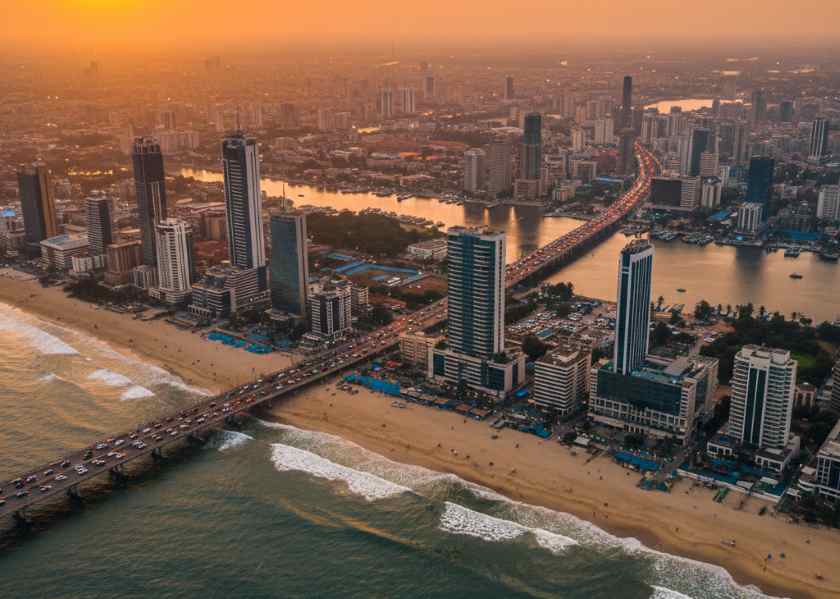
Africa in 2026 stands at an exciting crossroads for global travelers. The continent’s cities are evolving rapidly, blending ancient history, creative energy, modern infrastructure, and a renewed focus on sustainable tourism. From Atlantic coastlines and desert medinas to wildlife-rich capitals and cultural powerhouses, Africa’s urban destinations now offer immersive experiences that go far beyond traditional sightseeing.
As airlines expand routes, cities invest in hospitality, and travelers seek deeper cultural connections, African cities are emerging as some of the most rewarding places to explore. Here are the best cities to travel in Africa in 2026—each offering a unique rhythm, story, and unforgettable sense of place.
Cape Town, South Africa: Where Nature Meets Urban Sophistication
Cape Town remains one of Africa’s most iconic cities and continues to set the standard for urban travel in 2026. Framed by Table Mountain and the Atlantic Ocean, the city offers an extraordinary mix of natural beauty, cultural diversity, and world-class cuisine.
Visitors can start their day hiking or taking a cable car up Table Mountain, enjoy wine tastings in nearby Stellenbosch and Franschhoek, and end the evening dining at internationally acclaimed restaurants. Cape Town’s neighborhoods—such as Bo-Kaap, Woodstock, and Camps Bay—each tell a different story through architecture, art, and food.
Sustainability initiatives, improved public transport, and a growing creative economy make Cape Town especially attractive to modern travelers. It is also an ideal gateway to safaris, coastal road trips, and marine wildlife encounters.
Marrakech, Morocco: A Living Tapestry of History and Design
Marrakech remains one of Africa’s most visually captivating cities, and in 2026 it continues to reinvent itself while preserving its ancient soul. The city’s medina is a maze of souks, riads, palaces, and mosques that reflect centuries of Berber, Arab, and Andalusian influences.
Beyond the historic heart, Marrakech has embraced contemporary art, fashion, and gastronomy. Luxury riads coexist with eco-friendly desert lodges, and traditional hammams share the spotlight with modern wellness retreats. Cultural festivals, restored heritage sites, and improved visitor infrastructure make the city more accessible than ever.
Marrakech is not just a destination—it is an experience that engages all five senses and rewards both first-time visitors and repeat travelers.
Cairo, Egypt: Ancient Wonders in a Modern Metropolis
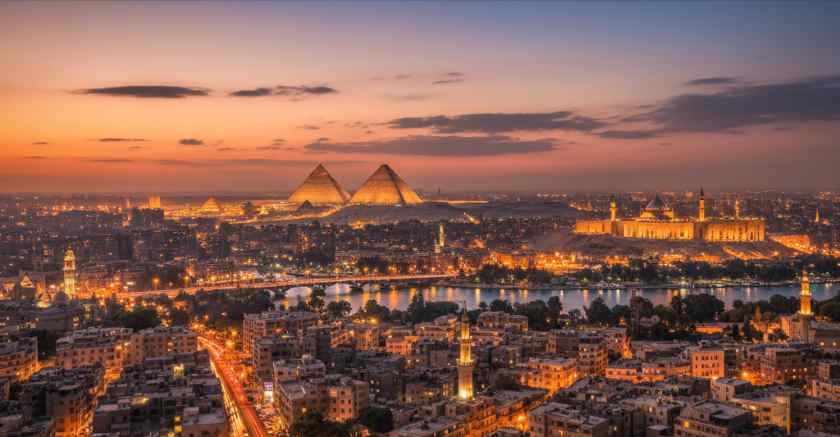
Cairo in 2026 is a city reborn. Long defined by its proximity to the Pyramids of Giza, the Egyptian capital has undergone cultural and infrastructural upgrades that make it more traveler-friendly while preserving its historic depth.
The city offers unmatched access to ancient civilization, from monumental tombs and temples to priceless artifacts housed in newly developed museum spaces. At the same time, Cairo’s vibrant street life, rooftop cafés overlooking the Nile, and growing arts scene add contemporary flair.
Despite its scale and energy, Cairo rewards those who explore slowly. Walking through Islamic Cairo, cruising the Nile at sunset, or visiting local markets reveals a city where history and daily life are inseparable.
Nairobi, Kenya: The World’s Only City with a National Park
Nairobi is one of Africa’s most dynamic capitals, offering a rare combination of urban energy and wildlife access. In 2026, the city continues to strengthen its reputation as a gateway to East Africa’s most celebrated safari destinations.
Within minutes of the central business district, travelers can spot rhinos, giraffes, and lions roaming freely in Nairobi National Park. Beyond wildlife, the city boasts thriving tech hubs, stylish cafés, craft markets, and a strong music and fashion scene.
Nairobi’s strategic location makes it an excellent base for exploring Kenya’s diverse landscapes, from the Maasai Mara to the Rift Valley lakes. Its mix of nature, innovation, and culture places it firmly among Africa’s must-visit cities.
Kigali, Rwanda: Clean, Calm, and Purpose-Driven
Kigali has quietly become one of Africa’s most impressive capitals. Known for its cleanliness, safety, and thoughtful urban planning, the city offers travelers a peaceful yet deeply meaningful experience.
In 2026, Kigali continues to lead in sustainable development and eco-tourism. The city serves as a base for gorilla trekking adventures while offering museums, memorials, art galleries, and a growing culinary scene that reflects Rwanda’s cultural resilience.
Kigali is ideal for travelers who value responsible tourism, cultural reflection, and well-organized city life. Its calm atmosphere and scenic hills provide a refreshing contrast to larger, more chaotic capitals.
Accra, Ghana: Culture, Creativity, and Coastal Energy
Accra is one of Africa’s most exciting cultural capitals in 2026. The city pulses with music, fashion, street art, and entrepreneurial spirit, making it a magnet for creatives and cultural explorers.
From historic neighborhoods and coastal forts to modern galleries and buzzing nightlife districts, Accra blends past and present effortlessly. The city’s food scene is vibrant and accessible, with traditional dishes served alongside contemporary fusion cuisine.
Accra’s rise as a global music and festival hub has brought international attention, while investments in tourism infrastructure make navigating the city easier for visitors. It is a destination that feels alive, expressive, and unapologetically modern.
Dakar, Senegal: West Africa’s Cultural Powerhouse
Dakar offers a bold and rhythmic introduction to West Africa. Set along the Atlantic coast, the city is known for its music, fashion, art, and political influence. In 2026, Dakar’s cultural identity continues to shine through its festivals, galleries, and street life.
The city’s neighborhoods range from historic quarters to modern districts with ocean views. Markets are lively and colorful, while coastal promenades provide a relaxed contrast to the city’s energetic pace.
Dakar is also a gateway to Senegal’s islands and natural reserves, allowing travelers to combine urban culture with scenic escapes. Its creative spirit and oceanfront setting make it one of Africa’s most distinctive capitals.
Stone Town, Zanzibar: Heritage at the Heart of the Indian Ocean
Stone Town is one of Africa’s most atmospheric historic cities. Located on the island of Zanzibar, it reflects centuries of African, Arab, Indian, and European influences.
In 2026, preservation efforts continue to protect Stone Town’s narrow alleys, ornate doors, and coral-stone buildings. The city offers rich cultural experiences through its markets, museums, and waterfront gardens, all within a walkable setting.
Stone Town pairs perfectly with Zanzibar’s beaches, making it ideal for travelers seeking both culture and relaxation. Few places in Africa offer such a seamless blend of history, architecture, and island life.
Casablanca and Rabat, Morocco: Modern Elegance Meets Imperial Heritage
While often overshadowed by Marrakech, Casablanca and Rabat together represent Morocco’s modern and political heart. Casablanca’s skyline, Art Deco architecture, and oceanfront avenues reflect its role as the country’s economic engine.
Rabat, the capital, offers a quieter and more refined experience, with historic kasbahs, royal palaces, and well-curated museums. Together, these cities provide insight into Morocco’s contemporary identity while maintaining strong links to its imperial past.
For travelers seeking urban sophistication without overwhelming crowds, this duo offers a balanced and enriching itinerary.
Maputo, Mozambique: An Emerging Coastal Star
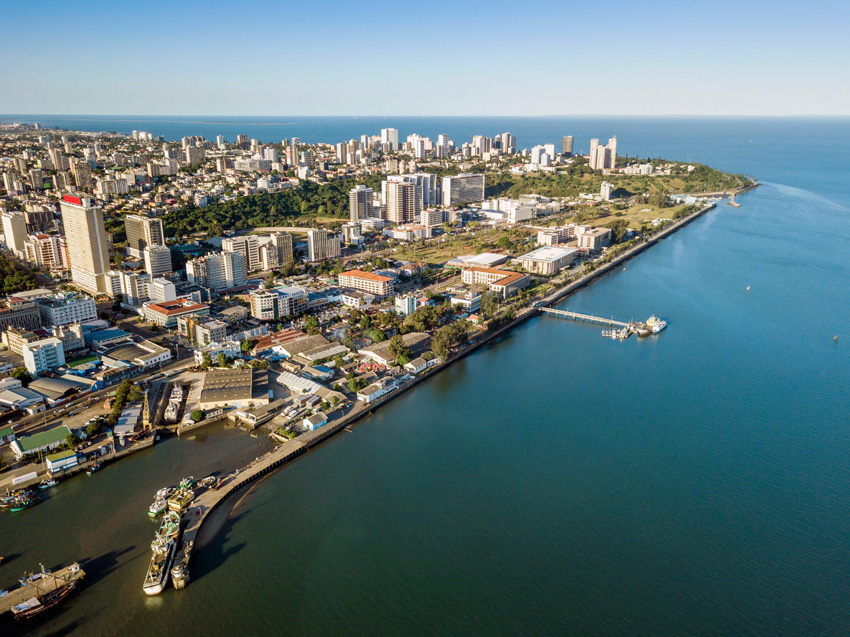
Maputo is an under-the-radar gem gaining momentum in 2026. The Mozambican capital is known for its laid-back coastal atmosphere, Portuguese-influenced architecture, and outstanding seafood.
Creative spaces, live music venues, and local markets give Maputo a soulful charm. The city’s affordability and warm hospitality make it appealing to travelers looking for authentic experiences beyond mainstream destinations.
As tourism infrastructure improves, Maputo is poised to become one of southern Africa’s most appealing coastal cities.
Why 2026 Is the Right Time to Explore Africa’s Cities
Africa’s cities are not just places to visit—they are stories unfolding in real time. In 2026, improved connectivity, cultural investment, and responsible tourism practices make urban travel across the continent more accessible and meaningful than ever.
Whether you are drawn to ancient civilizations, modern creativity, wildlife encounters, or coastal escapes, Africa’s cities offer diversity unmatched anywhere else in the world. Traveling here in 2026 means witnessing transformation, resilience, and cultural pride firsthand.
For travelers seeking depth, beauty, and authenticity, Africa’s best cities are ready to welcome the world.
The post Cape Town Joins Marrakech, Cairo, Nairobi, Kigali, Accra, Dakar, Stone Town, Casablanca, Rabat and Maputo as Africa’s Power Cities Stepping Into 2026 to Deliver the Ultimate Global Travel Experience appeared first on Travel And Tour World.