
Reading view

Operational Disruptions And Staff Strike Lead To Unexpected Closures At The Louvre Museum, Impacting Global Tourists

Operational Disruptions And Staff Strike Lead To Unexpected Closures At The Louvre Museum, Impacting Global Tourists
A wide-angle view of the iconic glass pyramid entrance of the Louvre Museum in Paris under a clear sky, currently affected by temporary staff closures.

A significant disruption has been experienced by international travelers and local art enthusiasts today as the Louvre Museum in Paris faced an unexpected operational halt. It was announced that the world-renowned institution would remain largely inaccessible on Wednesday, causing frustration for thousands of individuals who had planned their itineraries around a visit to this historic site. The tourism industry in France is frequently subject to various labor movements, yet the sudden nature of this particular staff strike has caught many off guard. Decisions regarding the closure were made following internal disputes, leading to a situation where the cultural heritage of the city was temporarily placed behind locked doors. Consequently, the travel plans of many were thrown into disarray as news of the closure spread through official channels and social media.

The Nature of the Current Operational Obstacles

The gates of the historic palace remained closed to the public as a direct consequence of a collective walkout by the facility’s personnel. It is understood that the movement was organized by labor unions representing the various workers who ensure the daily functioning of the galleries and security sectors. The grievances expressed by the staff are reported to be centered on working conditions and staffing levels, which have allegedly been strained by the ever-increasing volume of global visitors.

Because of this industrial action, the management of the museum was forced to issue a statement advising ticket holders that entry could not be guaranteed. Huge crowds were seen gathering outside the iconic glass pyramid, where information was disseminated by a limited number of remaining staff members. The disappointment felt by those who had traveled great distances was palpable, as the opportunity to view the Mona Lisa or the Venus de Milo was effectively removed for the duration of the day.

Economic and Social Impact on Parisian Tourism

The ripple effects of such a closure are felt far beyond the courtyard of the Louvre itself. As one of the most visited locations on the planet, any cessation of activities at the museum results in a significant logistical challenge for the city of Paris. Local businesses, including cafes, souvenir shops, and tour operators, find their daily projections altered when thousands of tourists are suddenly diverted to other areas of the city.

The passive observation of these events suggests that the relationship between cultural institutions and their workforce remains a complex pillar of the French social landscape. While the right to strike is a protected and frequently exercised liberty in France, the timing of such actions often coincides with peak travel periods to maximize visibility. The inconvenience caused to the global public is seen as a necessary lever by the unions to ensure that their demands are addressed by the Ministry of Culture and the museum’s executive leadership.

Procedures for Ticket Holders and Refund Requests

For those individuals who had the foresight to book their entry in advance, the closure presents a bureaucratic hurdle. It has been confirmed by the administration that a process for seeking refunds will be facilitated for anyone whose time slot was affected by the strike. Detailed instructions are expected to be provided via the official digital platforms of the museum to ensure that financial losses for visitors are minimized.

However, the loss of time is a factor that cannot be so easily compensated. Many tourists operate on strict schedules, often spending only forty-eight to seventy-two hours in the capital. When a major pillar of their journey is removed, the overall experience of the trip is diminished. It is suggested that travelers remain flexible and maintain a list of alternative sites, such as the Musee d’Orsay or the Centre Pompidou, which often remain open even when other major landmarks are facing labor disputes.

The Historical Context of Labor Movements at the Louvre

This Wednesday is not the first instance where the halls of the former royal palace have fallen silent due to labor unrest. A historical perspective reveals that the Louvre has been a frequent site for such demonstrations over the last decade. Issues ranging from pension reforms to concerns over pickpocketing in the galleries have previously led to similar shutdowns.

The museum is viewed not just as a repository of art, but as a workplace where the pressures of modern mass tourism are felt acutely. The infrastructure of the building, while magnificent, must be maintained by a massive team of professionals who navigate the challenges of protecting priceless artifacts while managing the flow of millions of people annually. When the balance between these responsibilities and the well-being of the staff is perceived to be lost, industrial action is the traditional method utilized to reset the dialogue.

Future Outlook and Recommendations for Visitors

As the day progresses, negotiations are expected to continue behind closed doors. The hope remains that a resolution can be reached quickly so that the museum can resume its normal operating hours on Thursday. Tourists are encouraged to monitor the official website and social media feeds of the Louvre for real-time updates regarding the status of the galleries for the remainder of the week.

Travel insurance is often recommended for those planning extensive tours of European capitals, as it can sometimes provide coverage for disruptions caused by strikes. Furthermore, the importance of purchasing tickets from official sources is highlighted during these times, as it ensures that the refund process is as seamless as possible. While the doors may be closed today, the enduring allure of the Louvre ensures that as soon as they reopen, the world will once again flock to its halls to witness the triumphs of human creativity.

The narrative of the day remains one of patience and adaptation. While the sight of the empty pyramid entrance is a stark contrast to the usual bustling activity, it serves as a reminder of the human element required to keep such a massive cultural engine running. The appreciation for the art is, for a brief moment, overshadowed by the reality of the social and economic forces that govern the city of Paris. Visitors are left to explore the gardens of the Tuileries or the banks of the Seine, waiting for the moment when the treasures of the Louvre are once again revealed to the public.

The post Operational Disruptions And Staff Strike Lead To Unexpected Closures At The Louvre Museum, Impacting Global Tourists appeared first on Travel And Tour World.



Whistler Outdoor Adventure Portfolio Officially Acquired By The Crossing Group In Significant British Columbia Tourism Expansion

Whistler Outdoor Adventure Portfolio Officially Acquired By The Crossing Group In Significant British Columbia Tourism Expansion
The Crossing Group Expands Portfolio Through Strategic Acquisition of Whistler Outdoor Tourism Leader.

The expansion of British Columbia’s tourism industry is highlighted by a recent corporate transaction involving one of the most prominent regions for global travel. It is observed that Whistler’s outdoor activity sector has undergone a significant transformation following the acquisition of a major hospitality and adventure collective. This move is spearheaded by The Crossing Group, an organization known for its diverse portfolio, which has now integrated several iconic Whistler-based brands into its operations. The strategic value of the adventure tourism market is further solidified by this deal, ensuring that the legacy of local excursions is maintained under new stewardship.

Details of the Corporate Acquisition

A comprehensive agreement was finalized where the ownership of several notable entities was transferred to The Crossing Group. These entities include well-established names such as The Adventure Group, Wedge Rafting, and TAG Whistler. It is understood that these organizations have long been pillars of the local economy, providing essential recreational services to both domestic and international visitors. By bringing these companies under a single umbrella, a more streamlined approach to regional hospitality is expected to be achieved.

The transaction is viewed as a pivotal moment for the Sea-to-Sky corridor. Throughout the negotiation process, the importance of maintaining the high standards of service associated with these brands was emphasized. The Crossing Group, headquartered in British Columbia, is recognized for its existing footprint in the industrial and hospitality sectors, and this latest acquisition represents a deliberate effort to diversify its reach into the high-growth area of luxury and adventure experiences.

The Legacy of The Adventure Group

Founded with a vision to showcase the rugged beauty of the Coast Mountains, The Adventure Group has been a primary provider of year-round activities. Snowmobiling, ziplining, and white-water rafting are among the many pursuits that have defined the brand’s identity over the decades. It is noted that the operational expertise developed by the original founders played a crucial role in making the company an attractive target for acquisition.

The passive observation of market trends suggests that larger investment groups are increasingly interested in stabilized tourism assets that offer unique, nature-based experiences. In the case of this specific deal, the historical performance of Wedge Rafting and the aerial obstacle courses managed by TAG Whistler provided a solid foundation for the investment. The seamless transition of management is intended to ensure that the guest experience remains uninterrupted during the peak travel seasons.

Strategic Vision and Regional Impact

The integration of these Whistler assets is expected to foster greater collaboration within the local tourism ecosystem. It is suggested by industry analysts that the combined resources of The Crossing Group will allow for enhanced marketing capabilities and infrastructure improvements. The focus remains on leveraging the global reputation of Whistler as a premier destination while utilizing the corporate strength of a larger parent company to navigate the complexities of the modern travel economy.

Furthermore, the acquisition is seen as a vote of confidence in the long-term viability of the province’s tourism sector, signaling a robust belief in the future of the region’s economic landscape. Despite the fluctuating nature of global travel and the various macro-economic pressures faced by the industry, the demand for authentic, high-quality outdoor engagement in British Columbia remains consistently high among both local and international demographics. The Crossing Group’s significant commitment to these established brands indicates a firm belief that the inherent value of the Whistler brand will continue to appreciate as the area evolves into a year-round global hub for luxury and recreation.

It is observed that the transition was guided by a philosophy of continuity, ensuring that the foundational elements of the businesses remained intact throughout the process. The preservation of local jobs was highlighted as a primary consideration, with the retention of experienced staff members being viewed as essential for maintaining operational excellence. Additionally, the continuation of established community partnerships and long-standing relationships with local stakeholders was prioritized during the handover of the various business units. This approach is intended to reinforce the social fabric of the corridor, ensuring that the corporate growth of The Crossing Group remains harmoniously aligned with the interests and well-being of the Whistler community at large.

Future Outlook for Whistler Tourism

As the new management structure is implemented, the long-term goals for the acquired companies are being refined. It is anticipated that new investments in technology and equipment will be prioritized to maintain a competitive edge. The passive involvement of stakeholders ensures that while the ownership has changed, the core mission of providing world-class outdoor adventures remains at the forefront of the business model.

In conclusion, the acquisition of The Adventure Group and its sister companies by The Crossing Group signifies a major milestone in the evolution of Whistler’s commercial landscape. This transition reflects a broader trend of consolidation within the industry, where established local brands are supported by the financial and operational depth of larger Canadian corporations. The community and visitors alike are expected to benefit from the revitalized focus on excellence and the sustainable growth of one of the world’s most celebrated outdoor playgrounds.

The post Whistler Outdoor Adventure Portfolio Officially Acquired By The Crossing Group In Significant British Columbia Tourism Expansion appeared first on Travel And Tour World.
Dubai Revolutionizes The Tourism Sector With Integrated Contactless Hospitality Systems To Elevate Guest Safety And Seamless Travel

Dubai Revolutionizes The Tourism Sector With Integrated Contactless Hospitality Systems To Elevate Guest Safety And Seamless Travel
A digital interface showing a mobile phone screen displaying a successful contactless hotel check-in confirmation with a modern hotel lobby in the background.

In a significant stride toward modernizing the hospitality sector, a sophisticated contactless hotel check-in technology has been officially rolled out across Dubai. This initiative is recognized as a cornerstone of the broader strategy to elevate the travel experience and integrate advanced digital solutions into the regional tourism framework. It is observed that as global travel patterns shift toward efficiency and safety, the introduction of such systems is intended to cater to the evolving needs of international visitors. By leveraging this technology, a more streamlined and friction-free transition from the airport to the hotel room is facilitated, ensuring that the initial interaction with the city is as seamless as possible.

Digital Infrastructure and the Smart City Vision

The implementation of this system is seen as a direct reflection of the commitment to the smart tourism vision held by the authorities in Dubai. This move is not merely a localized upgrade but is part of a comprehensive digital infrastructure that already encompasses smart airport services and biometric security protocols. The hospitality sector, which remains a primary driver of economic growth in the UAE, is now being aligned with these high-tech standards to provide a consistent journey for the traveler. It is noted that the adoption of these tools is expected to reinforce the status of the city as a premier global destination for both tech-savvy leisure seekers and corporate professionals.

Mechanics of the Contactless Registration Process

The operational framework of the new system allows for the check-in process to be completed through digital devices such as smartphones, often well before the guest has even arrived at the property. By utilizing dedicated mobile applications or secure web portals, travelers are empowered to submit necessary documentation and verification details remotely. Consequently, the traditional requirement for physical presence at a reception desk is significantly reduced. This shift in protocol is designed to eliminate the common bottlenecks found in hotel lobbies, thereby optimizing the flow of guests and allowing hotel staff to focus on more personalized service delivery rather than administrative tasks.

Prioritizing Health and Hygiene in a Post-Pandemic Landscape

Beyond the benefits of speed and convenience, the prioritization of safety and hygiene remains a fundamental driver for the adoption of this technology. By minimizing the necessity for physical interaction between staff and guests, the system effectively reduces contact with high-touch surfaces. Key areas such as reception counters and shared stationery are bypassed entirely. It is further observed that the integration of contactless payments and digital room keys further supports a hygienic environment, as the reliance on physical plastic cards is phased out in favor of encrypted mobile credentials. This approach is expected to resonate strongly with health-conscious travelers who prioritize sanitization and personal space.

Economic Impact and Strategic Importance for the UAE

The strategic importance of this rollout cannot be overstated, particularly as India remains the number one source market for tourism in the region. By enhancing the ease of entry and stay, the appeal of the destination is strengthened for its most frequent visitors. As international travel numbers are projected to rise significantly through 2026, the scalability of these digital solutions becomes vital. The hospitality industry is being positioned to handle higher volumes of guests without compromising the quality of the experience. Furthermore, the data-driven nature of these systems allows for better resource management and operational efficiency, which contributes to the long-term sustainability of the tourism market.

Integrating Mobile-Based Services and Smart Keys

The scope of this technological advancement extends beyond the initial registration. Many properties are now integrating a suite of mobile-based services that allow guests to control their environment directly from their own devices. From requesting room service to adjusting climate controls, the traveler is provided with a centralized digital hub for their stay. The use of digital keys, which are delivered directly to a guest’s phone upon successful check-in, represents a major leap in convenience. This technology ensures that the transition from the hotel entrance to the guest room is entirely uninterrupted by administrative delays, fostering a sense of autonomy and modern luxury.

Strengthening Dubai’s Position as an Innovation Hub

By extending innovations into the hotel sector, the city aims to deliver a high-tech experience that spans the entire duration of a visitor’s stay, from arrival to departure. This holistic approach to technology is intended to maintain the competitive edge of the local tourism industry against other global hubs. It is widely acknowledged that the success of such initiatives depends on the synergy between government directives and private sector implementation. The willingness of hotel operators to adopt these contactless solutions demonstrates a collective effort to future-proof the industry and meet the high expectations of the modern global citizen.

Future Outlook and Projected Growth

Looking toward the future, the continued evolution of digital travel solutions is expected to remain a priority. The current rollout serves as a foundation for further advancements, potentially including AI-driven concierge services and deeper integration with city-wide transit systems. As the infrastructure matures, the data gathered from these digital touchpoints will likely be used to further personalize the guest experience, ensuring that services are tailored to individual preferences. The ongoing commitment to innovation ensures that the hospitality landscape remains dynamic, adaptive, and prepared for the next generation of global travel.

The post Dubai Revolutionizes The Tourism Sector With Integrated Contactless Hospitality Systems To Elevate Guest Safety And Seamless Travel appeared first on Travel And Tour World.

Sustainable Travel Honored In New Delhi As The 8th Annual TOFT Wildlife And Nature Tourism Awards 2025 Celebrates Regenerative Tourism Practices

Sustainable Travel Honored In New Delhi As The 8th Annual TOFT Wildlife And Nature Tourism Awards 2025 Celebrates Regenerative Tourism Practices
A New Era for Indian Subcontinent Travel: The 8th Annual TOFT Wildlife and Nature Tourism Awards 2025 Concludes in New Delhi with a Comprehensive Recognition of Conservation-Led Tourism Initiatives.

The 8th Annual TOFT Wildlife and Nature Tourism Awards 2025 was successfully convened by Travel Operators for Tigers India at the historic Bikaner House in New Delhi. This prestigious event was organized to honor the visionaries and organizations that are actively transforming the landscape of sustainable tourism across the Indian subcontinent. Under the evocative theme of Rewilding Tourism: Sustaining Nature, Empowering Communities, the ceremony served as a significant platform for recognizing those who have established new paradigms for nature-positive practices and regenerative travel.

The gathering was attended by a diverse assembly of stakeholders, including state tourism officials, renowned conservationists, dedicated lodge owners, and naturalists. Furthermore, the audience was enriched by the presence of wildlife photographers, community enterprises, and advocates for responsible travel. A shared objective was observed among all participants: the promotion of tourism as a proactive tool for wildlife protection, habitat restoration, and the enhancement of community livelihoods. Through these collective efforts, it is intended that long-term ecological stewardship will be secured for future generations.

Historical Significance and the Evolution of TOFT

The legacy of the TOFT Wildlife Tourism Awards traces back to their inception in 2010. Over the past decade and a half, these accolades have ascended in prominence, becoming a benchmark for excellence within the travel industry. Recognition is provided to those who demonstrate an unwavering commitment to protecting the environment while fostering economic resilience in rural areas. By highlighting successful models of conservation-focused tourism, the initiative continues to inspire a broader adoption of ethical standards that safeguard biodiversity throughout India and neighboring regions.

Distinguished Keynote Insights and Reflections

The proceedings were graced by Mr. Bittu Sahgal, the esteemed Editor of Sanctuary Asia and Founder of the Sanctuary Nature Foundation, who delivered the keynote address. With a career spanning over forty years in the field of conservation, perspectives were shared regarding the indispensable link between responsible tourism and environmental awareness. It was emphasized by Mr. Sahgal that ecological restoration must be prioritized, particularly in light of current climate instabilities.

A poignant tribute was also paid to the late Mr. Valmik Thapar, a towering figure in the realm of Indian wildlife conservation. The enduring influence of his work was acknowledged as a primary source of inspiration for contemporary naturalists. Furthermore, reflections were offered on the lessons learned from the wilderness of Gir and other critical landscapes. It was noted that forests and the communities residing within them constitute the essential life-support systems of the planet. A call was made to the sector to ensure that younger generations are reconnected with the rich natural heritage of the nation.

Recognition of Excellence in Eco-Lodging and Hospitality

The John Wakefield Memorial Award for the Most Inspirational Eco Lodge of the Year 2025 was presented in several categories to reflect the diversity of sustainable accommodations. Within the PUG – Outstanding Category, the winner was identified as Spice Village, A CGH Earth Experience located in Thekkady, Kerala, while Svasara Jungle Lodge at Tadoba in Maharashtra was recognized as the runner-up. In the PUG – Quality Category, the top honor was bestowed upon Denwa Backwater Escape Lodge in the Satpura National Park of Madhya Pradesh, followed by Brij Pola Jawai in Rajasthan.

For properties categorized under FOOTPRINT (Non-Wildlife), After the Rains, Rainforest Lodge in Wayanad, Kerala, secured the win in the Quality division. The Outstanding award in this category was presented to Hotel Barahi in Kathmandu, Nepal. These establishments were lauded for their ability to integrate luxury with environmental sensitivity, proving that tourism can thrive without compromising the integrity of local ecosystems.

Individual Contributions to Fieldwork and Naturalism

The vital role played by naturalists in bridging the gap between tourists and the wild was acknowledged through the Lodge Naturalist of the Year 2025 award. This category, sponsored by Jungle Camps India, saw joint winners in Shubham Alave from Bori Safari Lodge and Shaik Shaheen from Waghoba Eco Lodge. They were closely followed by runners-up Tek Mahato and Namrata Bhandari, representing Barahi Jungle Lodge and Baghvan, A Taj Safari, respectively.

In the sphere of professional guiding, the Billy Arjan Singh Memorial Award – Wildlife Guide of the Year 2025, sponsored by Pugdundee Safaris, was distributed across four geographic regions. Harish Sharma was recognized for North India, Reeshna Pardhi for Central India, Shahanaz Suleman Baig for West India, and Bitupan Kalita for East India. Each individual was commended for their profound knowledge and dedication to ethical wildlife viewing.

Corporate and International Leadership in Wildlife Promotion

The efforts of organizations that facilitate international and domestic interest in India’s wilderness were also highlighted. Abercrombie & Kent India Pvt. Ltd. was declared the Wildlife Promotion Company of the Year 2025. On the international front, the award for International Wildlife Tour Operator of the Year 2025 was presented to Holidays in Rural India, a firm based in the United Kingdom.

Community-centric hospitality was celebrated with the Wildlife Harmony Homestay Award 2025, which was won by Svanir Wilderness Ecostay in Bhubaneswar, Odisha. Additionally, the Sustainable Homestay Award 2025, sponsored by Limban Resort, recognized SAGG Eco Village in Ganderbal, Kashmir, as the winner, with Kurambik Eco Homestay in Leh serving as the runner-up.

Advocacy for Conservation and Climate Action

Special emphasis was placed on those who labor on the frontlines of environmental protection. The Champion of the Forest 2025 award was given to Rajesh Kumar Patel from the Satpura Tiger Reserve, while Dr. Akhilesh Mishra from Pench National Park was named the runner-up. The title of Conservationist of the Year 2025 was earned by Doma Paudel from Chitwan, Nepal, for exceptional field contributions.

Climate advocacy was a key focus of the evening, with the Indian School of Nature (ISN) receiving the Climate Guardian of the Year 2025 award. Furthermore, community initiatives were recognized through the Wildlife Tourism Community Initiative of the Year 2025, won by the Godwar Raika Camel Breeders (Camel Charisma) in Rajasthan. In the category of Wildlife & Tourism Initiative of the Year, Sonam Wangchuk Lepcha from Sikkim was honored as the winner.

The Role of Visual Media and Regional Excellence

The power of storytelling through imagery was acknowledged with the Wildlife Conservation Photography Award 2025, won by Erwin Agnel D’Rose. Documentary filmmaking was also celebrated, with joint winners Tushar Bhojwani for Roar of the Tiger and Shatabdi Chakrabarti for her work on the illegal snake trade.

The evening concluded with the recognition of regional excellence. The Kailash Sankhala Visitor-Friendly Wildlife National Park of the Year 2025 was awarded to the Satpura Tiger Reserve in Madhya Pradesh. Finally, the Sanctuary Asia Award for the Best State for Sustainable Wildlife Tourism 2025 was proudly claimed by Sikkim, marking it as a premier destination for travelers seeking a balance between adventure and ecological integrity.

The post Sustainable Travel Honored In New Delhi As The 8th Annual TOFT Wildlife And Nature Tourism Awards 2025 Celebrates Regenerative Tourism Practices appeared first on Travel And Tour World.

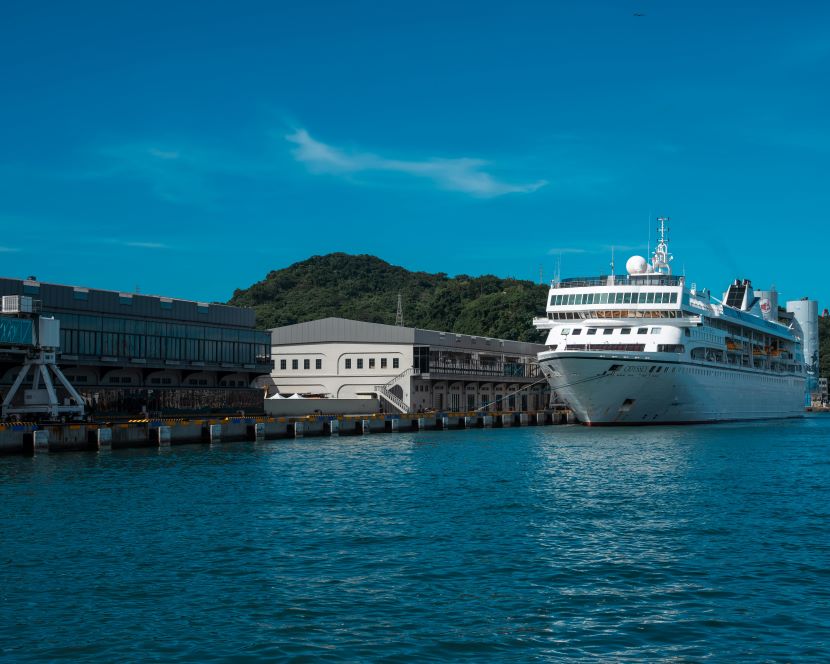
Philippines Poised For Cruise Boom: Infrastructure And Policy Upgrades Bolster National Strategy Ahead Of Call Surge

Philippines Poised For Cruise Boom: Infrastructure And Policy Upgrades Bolster National Strategy Ahead Of Call Surge
Philippines Set for Cruise Boom: 127 Calls Projected for 2026 as Infrastructure and Policy Upgrades Bolster National Strategy.

The Philippines is being positioned for significant growth within the global maritime industry, with an anticipated 127 cruise ship calls projected for the year 2026. This forward-looking figure was announced by the Department of Tourism (DOT), and it is widely interpreted as a clear indication of the confidence and continued engagement exhibited by global cruise operators towards the archipelago. The preliminary statistics reflect an ongoing effort to not only recover but substantially accelerate the growth trajectory of the tourism sector. A comprehensive strategy, driven by strengthened collaboration with vital cruise stakeholders, is currently being implemented across the nation to ensure that this expansion is managed effectively and sustainably.

The strategic importance of cruise tourism is consistently emphasized by Tourism Secretary Christina Frasco. It is maintained that the measure of success extends far beyond simple arrival numbers; rather, the focus is placed upon the creation of a holistic Philippine experience. The policy direction is centered on the tangible socioeconomic impact, specifically noting the vital role the sector plays in job creation, the sustained vitality of local businesses, and the broader empowerment of host communities throughout the country. This philosophical framework guides all infrastructural and policy developments undertaken by the government. The anticipated influx of cruise passengers is expected to contribute measurably to the nation’s overall economic development, establishing the Philippines as a premier destination within the competitive Asia Cruise Cooperation region.

The Broader Vision for Sustainable Maritime Engagement

A comprehensive approach to the development of the cruise tourism sector has been adopted, recognizing the intrinsic value of these efforts to the national economy. It is affirmed that the engagement with cruise lines is viewed as a partnership, one that facilitates the co-development of dynamic itineraries and strengthens the critical exchange of market insights. Operational best practices are consistently being reviewed and aligned to ensure a seamless and world-class visitor journey is provided across all destination points. This dedication to aligning the complete visitor experience is considered paramount to fostering repeat visitation and cementing the country’s reputation for excellence.

Analyzing Current Growth and Key Gateways

Significant momentum had already been established prior to the 2026 projections. Until the close of 2025, the Department of Tourism anticipated that a total of 136 cruise calls would have been received, successfully bringing an estimated 43,369 passengers to various Philippine shores. The current year’s performance confirms the established hierarchy of ports, with Manila continuing to be utilized as the country’s primary cruise gateway. Following closely in importance are the popular destinations of Puerto Princesa and Boracay, which consistently serve as vital secondary hubs for maritime visitors. The strategic investment in these ports is being continuously advanced to accommodate the increasing volume of large vessels and the accompanying demand for efficient passenger processing.

The performance indicators for 2025 provided essential data that informed the conservative yet ambitious projection of 127 calls for 2026. While the number of calls is slightly lower, the emphasis is being placed on attracting larger vessels and ensuring higher utilization rates, thereby maximizing the economic development impact per call. The sustained engagement by cruise operators is a direct result of the government’s proactive policy changes and its commitment to improving physical infrastructure. The data confirms that Manila’s efforts to reinforce its cruise tourism policy and infrastructure have been instrumental in maintaining its leading position among the regional destinations.

Infrastructure and Policy Milestones

Concrete actions have been taken to bolster the physical readiness of the ports and streamline the visitor experience through targeted policy amendments. As of the time of the announcement, a significant milestone was reached with the issuance of nearly 7,000 cruise visa waivers. This policy initiative was enacted specifically to ease the travel process for cruise passengers, a crucial step in reinforcing the country’s overall accessibility and appeal to the international market. Such administrative efficiencies are regarded as essential complements to the ongoing physical development projects.

Port readiness, a key component of the overall National Cruise Tourism Development Strategy, is being vigorously advanced through several concurrent projects. The completion of the state-of-the-art cruise terminal in Jubang, Dapa, Surigao del Norte, represents a major achievement in expanding the geographic reach of the sector. Simultaneously, construction activities are actively ongoing in several other strategically important locations, including Coron, Aklan, Camiguin, and Puerto Galera. Furthermore, continuous and necessary upgrades are being implemented at the established facilities of Manila South Harbor, ensuring that the primary gateway remains competitive and capable of handling modern maritime traffic. These developments are viewed as foundational investments necessary to support the long-term sustainability of the sector and to secure the Philippines’ position as a leading cruise destination in Asia.

Future Direction and Inter-Agency Coordination

Looking ahead to 2026, a crucial institutional reform is scheduled to take place. It has been confirmed that the government will formally reconstitute the Cruise Tourism Development Committee. This action is strategically aimed at strengthening the mechanism for inter-agency coordination, which is recognized as vital for the seamless execution of the sector’s expansive plans. The committee will be tasked with the overarching responsibility of overseeing and implementing the newly refined National Cruise Tourism Development Strategy. This strategy is intended to be a robust, multi-sectoral blueprint that harmonizes the efforts of various government bodies, private stakeholders, and local communities to achieve unified national goals for economic development through tourism.

The post Philippines Poised For Cruise Boom: Infrastructure And Policy Upgrades Bolster National Strategy Ahead Of Call Surge appeared first on Travel And Tour World.
❌