
Reading view

NYC Holiday Travel Rush: Snow Forecast Triggers Massive Early Exit from the City
NYC Holiday Travel Rush: Snow Forecast Triggers Massive Early Exit from the City

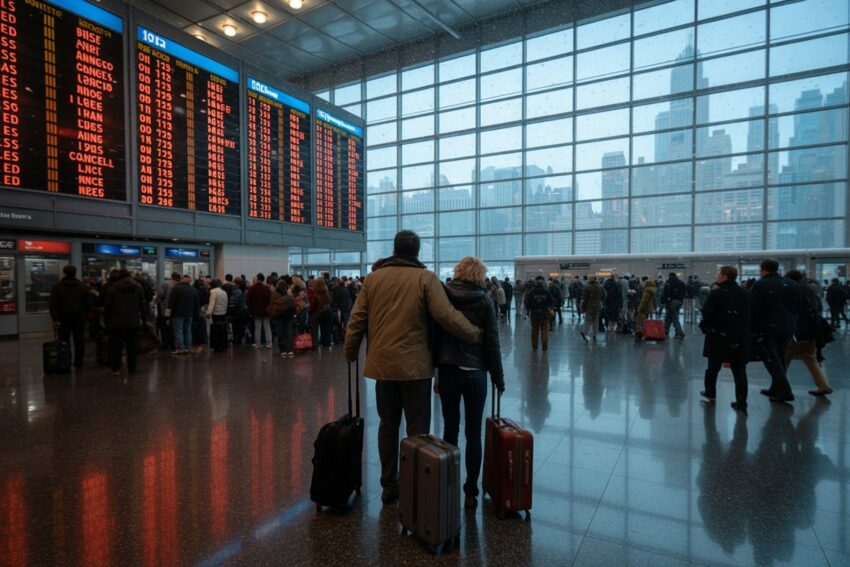
For thousands of New Yorkers and holiday visitors, the “day after Christmas” wasn’t spent nursing a food coma or returning unwanted gifts. Instead, it became a high-stakes race against the elements.

As meteorologists confirmed a significant snow system heading toward the five boroughs on December 26, 2025, the city’s transit hubs transformed into scenes of controlled chaos. From the soaring ceilings of Moynihan Train Hall to the crowded terminals of LaGuardia, the message was the same: Get out before the snow gets in.

The “Early Exit” Phenomenon

According to NY1 reports, the typical post-holiday trickle turned into a flood. Travel experts are calling it the “Early Exit” of 2025. Many travelers who had originally planned to stay through the weekend bumped up their departures by 24 to 48 hours to avoid being “snowed in” at an airport hotel or stuck in a gridlocked bus terminal.

At a Glance: The Transit Hubs

  • The Airports: At LaGuardia and JFK, de-icing crews were already on standby by midday Friday. While flights were still moving, the “cancellation creep” began to set in as connecting hubs in the North were hit first.
  • Port Authority: The world’s busiest bus terminal saw a surge in standby passengers. Travelers reported waiting in lines that snaked through the corridors, hoping to snag a seat on any bus heading South or West before the heavy accumulations began.
  • The Roads: Outbound traffic on the George Washington Bridge and through the Lincoln Tunnel saw “Friday rush hour” levels of congestion as early as 11:00 AM.

Humanizing the Rush: Stories from the Concourse

Behind every suitcase is a story of a disrupted holiday. We caught up with the Rodriguez family at Penn Station, who were cutting their New York vacation short by two days.

“We love the city in the winter, but we saw the radar and knew we couldn’t risk it,” said Elena Rodriguez, clutching a bag of bagels for the train ride back to Philly. “The kids are disappointed they’re missing the Central Park ice skating, but we’d rather be home on our own couch than sleeping on a terminal floor.”

This sentiment was echoed by solo travelers and college students alike. There is a palpable New York resilience in the air—a collective understanding that when the city’s “Snow Emergency” lights go on, the clock starts ticking.

Survival Tips for the “Post-Holiday Storm”

If you find yourself caught in this travel vortex, officials and seasoned commuters suggest the following:

The “Live Map” Ritual: Don’t trust the printed schedule. Use apps like MYmta or airline-specific trackers which are updated in real-time as crews struggle with visibility.

Patience as a Virtue: TSA agents and gate staff are under immense pressure. A simple “thank you” or a calm demeanour can often be the difference between getting a standby seat and being left behind.

Charge Everything: In a winter storm, your phone is your lifeline. Portable power banks are no longer optional—they are essential travel gear.

    What to Expect for Saturday

    As the sun sets on Friday, the window for easy travel is closing. The forecast predicts the heaviest snowfall to hit the city overnight, meaning Saturday morning departures face the highest risk of cancellation. Sanitation crews are already pre-salting the FDR Drive and the West Side Highway, but travelers are advised to stay off the roads entirely once the “plowable” snow begins.

    The Silver Lining

    While the rush is stressful, there is a certain magic to NYC under a blanket of white. For those who can stay, the city is about to turn into a winter wonderland. But for those with a flight to catch or a long drive ahead, the goal remains simple: beat the storm, get home safe, and keep the holiday spirit alive—even if it means leaving the party a little early.

    The post NYC Holiday Travel Rush: Snow Forecast Triggers Massive Early Exit from the City appeared first on Travel And Tour World.

    Japan’s New Bear Safety Signs: What Tourists Need to Know to Stay Safe in 2025

    Japan’s New Bear Safety Signs: What Tourists Need to Know to Stay Safe in 2025

    In 2025, a walk through the serene forests of Hokkaido or the historic trails of Gifu feels a little different. Alongside the traditional “Beware of Bears” wooden plaques, a new generation of high-visibility signs has appeared—part of a national effort to keep travelers safe during Japan’s most intense period of bear activity on record.

    The government has launched a standardized set of pictograms designed to bridge the language gap and prevent dangerous wildlife encounters.

    The release of these signs is not a mere formality; it is a response to a record-breaking year. In 2025, Japan witnessed over 36,000 bear sightings between April and October alone. The crisis has been so pervasive that “Kuma” (Bear) was voted as the 2025 Kanji of the Year.

    With 13 fatalities and over 200 injuries reported across the country, including an attack on a Spanish tourist in Gifu Prefecture, the Japan Tourism Agency and the Environment Ministry realized that traditional Japanese text was no longer sufficient for an increasingly international visitor base.

    The Three New Pictograms

    The new signs rely on clear, universal imagery that even a child or a non-Japanese speaker can instantly understand. They focus on the three most common behaviors that lead to conflict:

    Do Not Feed Bears: Human food “teaches” bears to associate people with easy meals. This makes them bolder and far more likely to approach residential or tourist areas.

    Do Not Leave Trash Behind: Bears have an incredible sense of smell. A single candy wrapper or a discarded bento box can attract a bear to a campsite or trail from miles away.

    Do Not Approach Bears: Driven by the desire for the perfect social media photo, some tourists have been caught trying to get close to cubs or foraging adults. The new signs explicitly warn that a “cute” encounter can turn fatal in seconds.

      Why Are the Bears Coming Down?

      The “bear boom” of 2025 is the result of a “perfect storm” of environmental and social factors:

      • Food Scarcity: A massive failure of acorn and beech nut harvests in the mountains has forced bears to seek calories in towns and villages before hibernation.
      • The “Border” is Vanishing: As Japan’s rural population ages and shrinks, abandoned farmland is returning to forest. This “rewilding” blurs the line between the wilderness and human settlements.
      • A Lack of Fear: Younger bears, born in an era with fewer hunters, are losing their natural wariness of humans.

      Humanizing the Safety Advice: How to Hike in 2026

      While the signs are a great visual reminder, safety in Japan’s wilderness is about a shift in mindset.

      “We want people to enjoy our mountains, but we want them to do it with respect for the ‘Kuma’,” says a local ranger in Nagano. “The signs are there to tell you that you are a guest in their home.”

      Expert Safety Tips for Travelers:

      • Wear a Bear Bell: In Japan, “Kuma-suzu” (bear bells) are essential. The sound alerts the bear to your presence, allowing them to move away before an encounter happens.
      • Stay in Groups: Noise is your best defense. Talking loudly or singing helps ensure you don’t surprise a bear around a blind bend.
      • The QR Code Trick: Many of the new signs feature a QR code. Scan it to see a real-time map of recent sightings in that specific ward or prefecture.

      What to Do if You See One

      If you encounter a bear despite your best efforts, the advice on the new signs is clear: Do not run. Running triggers a bear’s predatory chase instinct. Instead, face the bear, stay calm, and back away slowly. If a bear attacks, curl into a ball to protect your head and neck—the most vulnerable areas.

      The post Japan’s New Bear Safety Signs: What Tourists Need to Know to Stay Safe in 2025 appeared first on Travel And Tour World.
      Tobago Tourism Hits Slump: Impact of SOE & US-Venezuela Tensions

      Tobago Tourism Hits Slump: Impact of SOE & US-Venezuela Tensions

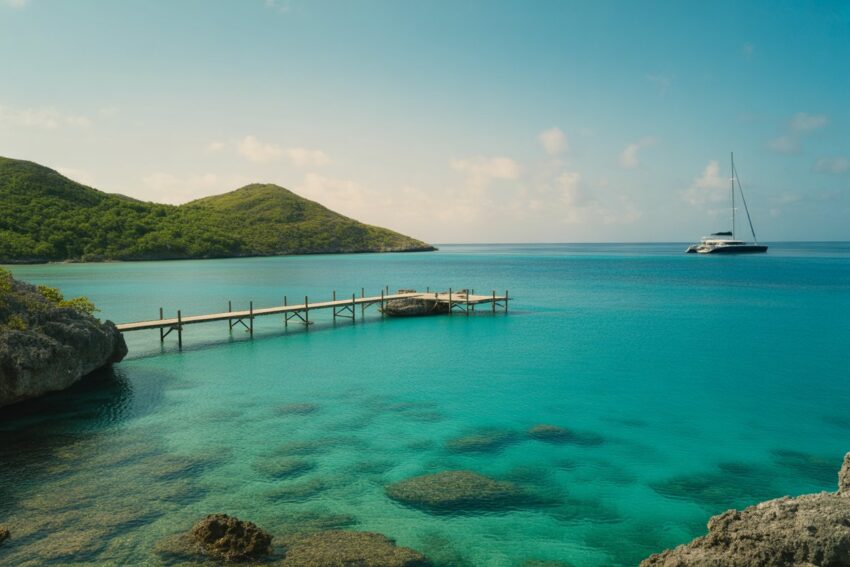
      Tobago, usually a sanctuary of turquoise waters and rhythmic steelpan, is facing a somber Christmas season. On December 26, 2025, reports from the Newsday and tourism stakeholders paint a picture of an island caught in the crosshairs of a regional geopolitical storm and local security measures.

      The combination of a domestic State of Emergency (SoE) and escalating military tensions between the United States and Venezuela has led to a dramatic downturn in visitor arrivals, leaving many of the island’s iconic beaches and resorts uncharacteristically quiet during what should be their busiest week.

      For hoteliers like Reginald MacLean, President of the Tobago Hotel and Tourism Association (THTA), the 2025 festive season has been a “blue” one—and not because of the ocean. Speaking from the Blue Waters Inn in Speyside, MacLean noted that while his establishment usually boasts 100% occupancy during the Christmas window, this year it sits at roughly 70%.

      Across the island, the story is the same. From the quiet waterfront of Charlotteville to the guesthouses in Crown Point, the usual influx of international and regional travelers has thinned. The culprit is a “double-edged sword” of domestic policy and international friction.

      The Domestic Factor: The State of Emergency (SoE)

      In response to a surge in violent crime across the twin-island republic earlier in 2024 and 2025, the government implemented a State of Emergency. While officials have emphasized that there is no curfew in effect and that “Tobago remains open,” the mere label of an SoE has a “chilling effect” on international travel markets.

      • Perception of Safety: For families and luxury travelers, an SoE is a major red flag that often triggers changes in travel insurance coverage and official travel advisories.
      • The “Peter Paying for Paul” Effect: Local leaders, including THA Minority Leader Kelvon Morris, have argued that Tobago is unfairly suffering for crime issues primarily centered in Trinidad, effectively punishing the island’s tourism-dependent economy for mainland struggles.

      The Geopolitical Factor: The Shadow of War

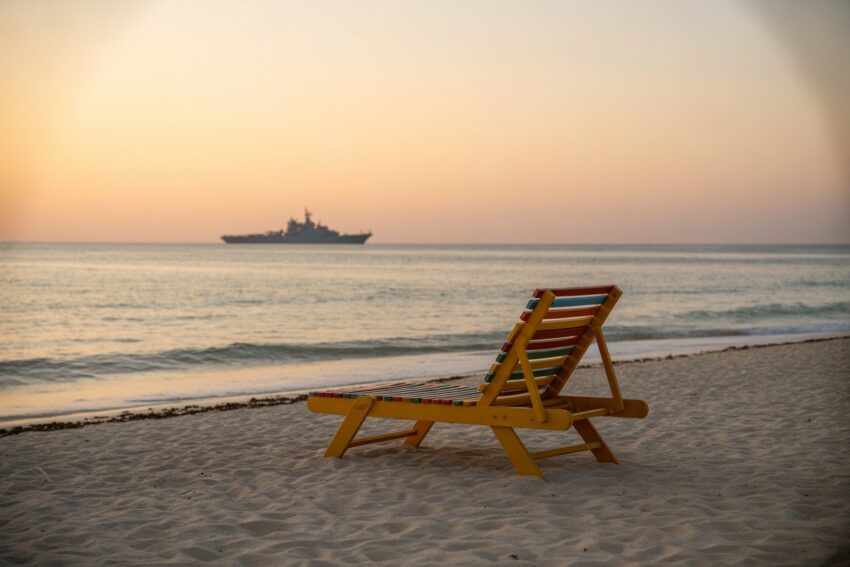
      Perhaps more damaging than the SoE is the escalating military posturing just off Tobago’s coast. In December 2025, tensions between the United States and Venezuela reached a fever pitch following the US seizure of an oil tanker and the declaration of a “no-fly zone” over Venezuelan airspace.

      The US military’s installation of a radar system in Tobago and the granting of airport access to US forces have led the Maduro regime to label the island an “aircraft carrier for the American empire.” This “wartime anxiety” has led to:

      • Mass Cancellations: Risk-averse travelers, particularly from North America and Europe, have opted for “safer” Caribbean alternatives like Barbados or Grenada.
      • GPS Interference: Reports of signal jamming in the region have made navigation difficult for private yachts and small aircraft, further isolating the island.
      • Energy Uncertainty: The breakdown of gas agreements between Port of Spain and Caracas has added a layer of economic instability that dampens investor confidence in the region’s tourism infrastructure.

      The Human Toll on the Ground

      Beyond the hotel balance sheets, the downturn hits the “small man” the hardest. Taxi drivers, reef boat operators at Buccoo, and street food vendors in Store Bay are seeing a fraction of their usual holiday revenue.

      “We wait all year for these two weeks,” says one local vendor. “Between the news of the warships and the police sirens, people are just scared to come. They think there is a war coming, but here on the ground, we are just trying to survive.”

      Looking Toward 2026: A Call for Action

      Stakeholders are now calling on the government to move beyond “promises of diversification” and take tangible steps to decouple Tobago’s image from the regional conflict. Suggestions include:

      Targeted Marketing: A campaign specifically highlighting Tobago’s distance from the mainland crime hotspots.

      Compensation: Some THTA members have even suggested that the US or local government should provide “anxiety compensation” to businesses affected by the military build-up.

      Diplomatic De-escalation: Urging Caricom to mediate and ensure the Caribbean remains a “Zone of Peace.”

        The post Tobago Tourism Hits Slump: Impact of SOE & US-Venezuela Tensions appeared first on Travel And Tour World.
        Caribbean Named Number One Beach Destination for 2026: Why Travelers are Choosing the Islands Over the U.S. Coasts

        Caribbean Named Number One Beach Destination for 2026: Why Travelers are Choosing the Islands Over the U.S. Coasts

        As the world looks toward a new year of discovery, the results are in: the Caribbean has officially been crowned the premier beach destination for 2026. According to a comprehensive new study by Beach.com featured in Travel + Leisure, the sun-soaked archipelago has surpassed the popular East and West coasts of the United States to become the most preferred coastal getaway for American travelers.

        With more than one in three Americans ranking the Caribbean as their top choice, the region is experiencing a renaissance of interest. It isn’t just about the proximity; it’s about a newfound desire for “regenerative luxury”—a travel style that balances high-end comfort with deep environmental and cultural respect.

        A Shift in the Tides: Why the Caribbean Won

        For years, domestic beaches held the throne for convenience. However, 2026 marks a turning point where travelers are willing to venture just a bit further to find truly pristine, turquoise waters. The Caribbean’s ascent to the top spot is fueled by several factors:

        • Accessibility: Major airlines have significantly increased non-stop routes to islands like Grand Cayman, St. Vincent, and Anguilla. What was once a multi-leg journey is now a simple morning flight from most major U.S. hubs.
        • The “Social Media” Effect: The study found that travelers are 23% more likely to discover their next coastal escape through social media than in previous years. The photogenic “shades of blue” found in the Caribbean provide the perfect backdrop for the digital nomad and the modern vacationer alike.
        • Safety and Serenity: In an era of global uncertainty, the Caribbean is perceived as a “safe haven”—a collection of island nations that have shown remarkable resilience and a commitment to sustainable tourism.

        The Islands to Watch in 2026

        While the entire region is booming, a few specific destinations are leading the charge, “World’s Best” insights and emerging traveller data.

        Anguilla: The Intimate Escape

        Ranked as a top Caribbean island, Anguilla offers 35 square miles of understated opulence. Travelers are flocking here for the white sands of Shoal Bay and the culinary delights of roadside barbecues. It’s the destination of choice for those who want luxury without the “see and be seen” pressure of more commercialized spots.

        Dominica: The Nature Island

        As we look toward 2026, Dominica is preparing to launch the world’s first sperm whale reserve. This initiative underscores the region’s shift toward eco-conscious travel. Visitors can expect intimate encounters with marine life and rugged, volcanic landscapes that defy the “flat beach” stereotype.

        St. Barth: The Sophisticated Shore

        For those seeking European flair in the heart of the tropics, St. Barth remains the gold standard. Beaches like Colombier offer seclusion and breathtaking views, while the island’s boutique shopping and dining scenes continue to evolve with 2026’s luxury trends.

        The Human Element: Family, Friends, and “Pono” Travel

        What makes the 2026 results truly unique is the human motivation behind the bookings. The study revealed that travelers now value the recommendations of family and friends above all else. There is a move away from “mass tourism” toward “meaningful tourism.”

        As the Caribbean Tourism Organization (CTO) puts it, the region’s growth is a testament to strategic collaboration. Destinations are no longer just competing; they are working together to protect their cultures and environments. Travelers are responding to this by visiting with a “Pono” (righteous) mindset—seeking to leave a positive footprint on the local communities they visit.

        Navigating the 2026 Season

        With record-breaking search growth (some regions seeing up to a 286% increase), planning for a 2026 Caribbean escape requires more foresight than in the past.

        • Book Early: With the region surpassing the U.S. East Coast in popularity, prime beachfront resorts are filling up 6–9 months in advance.
        • Look Beyond the “Big Names”: While the Bahamas and Jamaica remain iconic, 2026 is the year of the “hidden gem.” Explore the smaller islets via catamaran for a more private experience.
        • Respect the “Blue Mind”: Many travelers are now seeking “water-centric” experiences for mental health. Look for resorts that offer sunrise meditation by the shore or “Blue Mind” therapy sessions.

        The post Caribbean Named Number One Beach Destination for 2026: Why Travelers are Choosing the Islands Over the U.S. Coasts appeared first on Travel And Tour World.

        New York Snow Storm 2025: Heavy Snow and Sleet Snarl Post-Holiday Travel

        New York Snow Storm 2025: Heavy Snow and Sleet Snarl Post-Holiday Travel

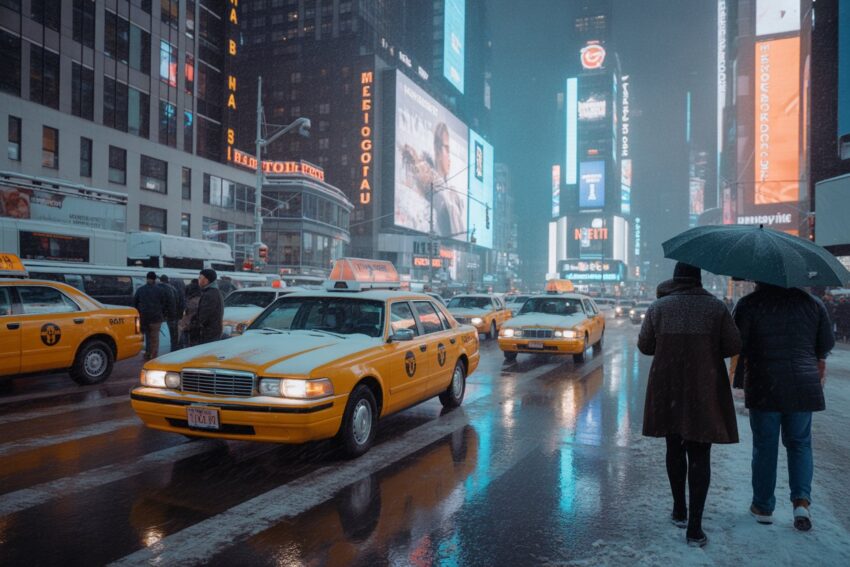
        While the “White Christmas” dream didn’t quite arrive in time for the main event, New York and the surrounding Tri-State area are waking up to a much more complicated reality on December 26, 2025. A fast-moving but potent winter storm system is currently blanketing the region, transforming post-holiday travel into a logistical maze for millions.

        Whether you’re heading home from family gatherings or braving the city for a post-Christmas sale, the “Big Apple” is currently encased in a layer of snow and sleet that is proving to be the season’s biggest challenge yet.

        The Forecast: A Wintry Mix of Challenges

        The storm system, which began pushing into the Northeast late Christmas Day, reached its peak intensity in the early hours of Friday. Meteorologists from the National Weather Service have highlighted that this is a “multi-threat” system, blending heavy snowfall with a treacherous transition to sleet and freezing rain.

        • Snowfall Totals: New York City is seeing between 3 and 6 inches, while parts of northern New Jersey and the Catskills are grappling with up to 8 to 12 inches in localized bands.
        • The Transition: The real danger lies in the “winter mix.” As temperatures fluctuate, the initial dry, powdery snow is being overtaken by sleet and freezing rain, creating a sheet of ice beneath the slush.
        • Peak Rates: Snowfall rates reached nearly 1 inch per hour during the Friday morning commute, overwhelming salt and plow crews despite their 24/7 efforts.

        Travel Chaos: Airports and Highways

        For the estimated 122 million Americans traveling this holiday season, the Northeast has become the primary bottleneck. Major airline hubs, including JFK, LaGuardia, and Newark, have implemented ground stops and significant delay programs.

        Air Travel Realities

        By 9:00 AM on December 26, FlightAware reported over 1,800 delays and hundreds of cancellations across the region. Airlines like Delta, KLM, and Air France have issued urgent travel waivers, allowing passengers to rebook their flights through December 30 without penalty.

        Pro Tip: If you are flying, do not leave for the airport without a confirmed flight status. “Average arrival holds” are currently exceeding three hours at JFK.

        The Ground Commute

        The roads are no better. Governor Kathy Hochul issued a statewide advisory, urging New Yorkers to stay off the roads if possible. For those who must drive, visibility remains poor, and black ice is a major concern on the I-87 and I-95 corridors.

        • Public Transit: The MTA has reported delays on several subway lines (specifically the A, R, and 1) due to signal issues caused by moisture and freezing temperatures.
        • Bridges & Tunnels: Expect significant bottlenecks at the George Washington Bridge and the Lincoln Tunnel as crews work to keep lanes clear.

        Humanizing the Chill: Stories from the Slush

        Beyond the data, there is the human element. For many, the storm has meant an extra day of “stuck-at-home” family time. In neighborhoods like Astoria and the Upper West Side, neighbors have been spotted helping each other dig out cars—a quintessential New York ritual.

        “We were supposed to be halfway to Boston by now,” said Marcus, a traveler stranded at Penn Station. “Instead, we’re having a second round of Christmas leftovers and waiting for the Amtrak tracks to clear. It’s frustrating, but seeing the city under a blanket of white is still a bit magical.”

        Safety First: How to Weather the Aftermath

        The storm is expected to taper off by early Saturday morning, but the danger doesn’t end when the snow stops.

        Beware the Re-Freeze: As temperatures drop Friday night, any melted slush will turn into solid ice.

        Shovel Safely: Heavy, wet snow is “heart-attack snow.” Take frequent breaks and push the snow rather than lifting it.

        Check on Neighbors: Ensure elderly neighbors have a clear path to their door and functioning heat.

        The post New York Snow Storm 2025: Heavy Snow and Sleet Snarl Post-Holiday Travel appeared first on Travel And Tour World.

        California Christmas Storm 2025: Atmospheric River Triggers Flooding, Rescues, and State of Emergency

        California Christmas Storm 2025: Atmospheric River Triggers Flooding, Rescues, and State of Emergency

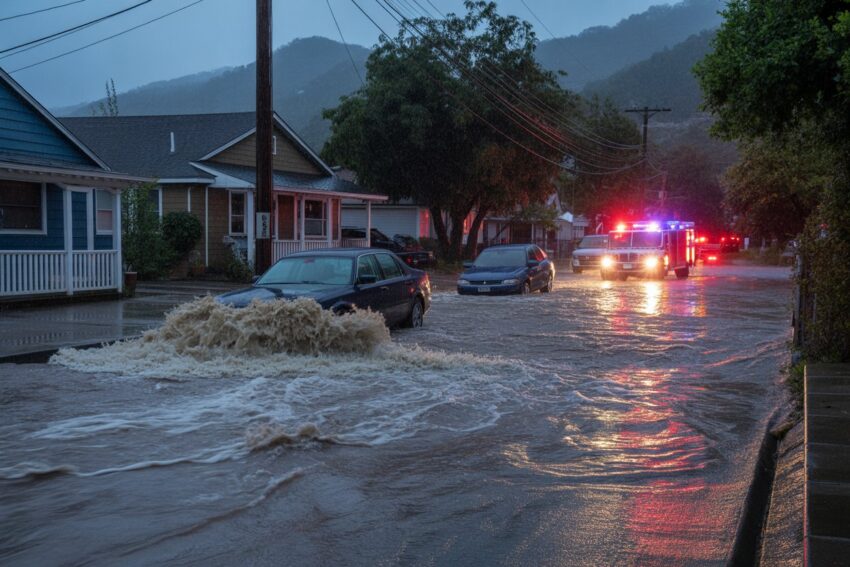
        As the winter sun usually glimmers over the Pacific, December 2025 has instead brought a relentless wall of water to the Golden State. A powerful atmospheric river—often called a “Pineapple Express” for its tropical origins—slammed into California on Christmas Eve and Christmas Day, transforming one of the busiest travel weeks of the year into a battle against nature.

        From the flooded freeways of Los Angeles to the buried mountain roads of San Bernardino, the storm has forced millions to reconsider their holiday traditions. For many, the gift this year wasn’t under the tree, but rather the safety of their homes and the unexpected kindness of neighbors.

        A State Under Siege: The Scale of the Storm

        The data from the 2025 Christmas storm is staggering. Forecasters have described this as a “five-to-ten-year event,” delivering months’ worth of rain in just 48 hours. Southern California, which typically receives less than an inch of rain during this period, was battered by totals ranging from 4 to 11 inches.

        • State of Emergency: Governor Gavin Newsom declared a state of emergency across six counties—including Los Angeles, Orange, Riverside, San Bernardino, San Diego, and Shasta—to mobilize the National Guard and rapid-response resources.
        • The Power of Water: Over 120,000 residents across the state were plunged into darkness as wind gusts exceeding 60 mph toppled power lines and ancient trees.
        • A Heavy Toll: Tragically, the storm has been linked to at least three deaths, including a 64-year-old man in San Diego crushed by a falling 75-foot tree and a sheriff’s deputy in a weather-related crash south of Sacramento.

        The Burn Scar Crisis: A Fragile Landscape

        The most harrowing stories come from areas still reeling from the wildfires of January 2025. In neighborhoods like Pacific Palisades and Malibu, the scorched soil acts like concrete, unable to absorb a single drop of water.

        In the mountain resort town of Wrightwood, the holiday turned into a survival situation. Flash floods transformed local roads into churning rivers of mud and debris. One young family, Dillan Brown, his wife, and their 14-month-old daughter, found themselves trapped in a rental cabin with no food and a dwindling supply of diapers after rocks blocked the mountain passes. In a heartwarming display of “Christmas spirit,” neighbors organized through social media, arriving on foot with milk, vegetables, and supplies to ensure the family was safe.

        Travel Upended: The “Stay Home” Mandate

        For millions of Californians, the “Home for the Holidays” dream was literally washed away. The Angeles Crest Highway and State Route 138 saw significant washouts, while major freeways like the I-5 faced hours of closures due to standing water and rockslides.

        “If you were planning to travel during Christmas, please reconsider,” warned NWS meteorologist Ariel Cohen. Many Angelenos took the advice to heart. The usual bustling traffic of the 405 gave way to the sound of sirens and rushing water. For those who did brave the roads, the journey was treacherous, with several water rescues performed after cars were swept into drainage tunnels or submerged in urban intersections.

        The “Second Wave” and the Path to Recovery

        While a brief “breather” occurred on Christmas morning, a second atmospheric river is currently moving in, threatening to drop an additional 1 to 3 inches of rain on already saturated ground. With the soil unable to hold more moisture, the risk of landslides and debris flows remains at a Level 3 (Moderate) risk through Friday night.

        Staying Safe Through the New Year:

        • Respect the K-Rails: If you live in a burn scar area, do not ignore evacuation orders. Debris flows can move faster than a person can run.
        • Avoid Standing Water: “Turn around, don’t drown” remains the golden rule. It takes only 12 inches of rushing water to sweep away most cars.
        • Check the Grid: Keep devices charged and monitor local alerts via ReadySBC.org or similar county-specific emergency portals.

        Humanizing the Storm: The Resiliency of Community

        Despite the evacuations and the darkness, the 2025 Christmas storm has highlighted the resilience of the California spirit. From neighbors helping elderly residents sandbag their homes to strangers sharing generators in Wrightwood, the “Pineapple Express” could not wash away the sense of community.

        As we look toward the New Year, the focus remains on recovery and the stark reminder that in the face of a changing climate, preparation and neighbours are our greatest defences.

        The post California Christmas Storm 2025: Atmospheric River Triggers Flooding, Rescues, and State of Emergency appeared first on Travel And Tour World.

        Santai Seaplane Hub 2025: Banyuwangi Airport Becomes Center for Bali Amphibious Flights

        Santai Seaplane Hub 2025: Banyuwangi Airport Becomes Center for Bali Amphibious Flights

        The map of Indonesian travel is being redrawn. For decades, reaching the hidden gems of the archipelago meant a tiring relay of narrow-body jets, winding road transfers, and bumpy ferry crossings. However, on December 26, 2025, the future of premium travel in Southeast Asia took a decisive leap forward. Santai Seaplane, a subsidiary of the Hong Kong-based Seaplane Asia Group, officially announced that Banyuwangi Airport (BWX) in East Java will serve as its primary strategic and operational hub.

        This partnership, supported by InJourney Airports and the Akademi Penerbang Indonesia (API) Banyuwangi, transforms Banyuwangi into the nerve center for amphibious aviation. By early 2026, the roar of seaplane engines will bridge the gap between Java’s volcanic peaks and Bali’s turquoise shores, offering a “last-mile” solution that turns a six-hour journey into a breathtaking 30-minute flight.

        The Strategic Choice: Why Banyuwangi?

        Selecting Banyuwangi as a hub was a move of geographical brilliance. Situated at the easternmost tip of Java, Banyuwangi Airport sits as the “gateway” between Indonesia’s most populous island and its most famous tourism destination, Bali.

        Banyuwangi Airport itself is already a pioneer—it is Indonesia’s first “Green Airport,” designed with a sustainable, open-air concept that minimizes the need for air conditioning. By choosing this location, Santai Seaplane isn’t just picking a runway; they are aligning with an eco-conscious brand that matches their own commitment to sustainable aviation.

        The Operational Blueprint:

        • The “Build-Operate-Transfer” Center: Santai Seaplane is developing a dedicated operations and sales center within the airport. This facility will handle everything from VIP guest lounges to high-tech flight planning.
        • The Water Aerodrome: While the planes will take off from the BWX runway, they are designed to land on water. The project utilizes the Banyuwangi Water Aerodrome at Pang Pang Bay, providing a seamless transition from asphalt to ocean.
        • Geographic Proximity: From this hub, seaplanes can reach North Bali (Menjangan), Lombok, and Moyo Island with unprecedented speed.

        The Fleet: Luxury Meets Versatility

        Santai Seaplane will utilise the Cessna Grand Caravan EX Amphibian, a workhorse of the sky that has been reimagined for luxury. Unlike standard aircraft, these amphibious planes are equipped with pontoons that allow them to land directly in front of waterfront resorts or on secluded lagoons.

        • Passenger Capacity: Up to 8 guests per flight.
        • The Experience: Passengers are treated to full VIP service, including air-conditioning (rare in small seaplanes), iPads with personalized content, and premium gifts.
        • Sightseeing Potential: The hub’s location allows for curated aerial tours. Imagine flying over the “Blue Fire” of the Ijen Crater or the smoking peaks of Mount Bromo before landing in the calm waters of a Bali marina for lunch.

        A Sustainable Horizon

        One of the most humanized aspects of this announcement is the “Sustainable by Design” commitment. Santai Seaplane is not just adding more carbon to the atmosphere; they have outlined a four-phase roadmap to zero emissions:

        Carbon Compensation: Every flight minute is currently offset through local Indonesian development programs.

        Sustainable Aviation Fuel (SAF): Within two years, the fleet aims to switch to biofuels.

        Electrification: Partnering with companies like MagniX, Santai Seaplane is preparing to retrofit its engines for full electric power.

        PHA-ZE 100: The parent company, Seaplane Asia, has already committed to 14 PHA-ZE 100 amphibious seaplanes, which are designed from the ground up to be zero-emission.

        The Human Impact: More Than Just Tourism

        While the “Premium Mass Market” and luxury travelers are the primary audience, the presence of a seaplane hub in Banyuwangi offers vital benefits to the local community.

        • Medical Evacuations: These aircraft can land in remote coastal villages where no runway exists, providing life-saving transport during emergencies.
        • Search and Rescue (SAR): The amphibious fleet will be available to support national SAR missions across the Lesser Sunda Islands.
        • Economic Ripple Effect: The hub is expected to create high-skilled jobs for local pilots and ground crews, particularly through the partnership with the local API pilot academy.

        The post Santai Seaplane Hub 2025: Banyuwangi Airport Becomes Center for Bali Amphibious Flights appeared first on Travel And Tour World.
        Holiday Travelers Flock to Lafayette: Cherishing Family Traditions in Cajun Country

        Holiday Travelers Flock to Lafayette: Cherishing Family Traditions in Cajun Country

        The holiday season in South Louisiana is about more than just a date on the calendar; it is a sensory experience defined by the smell of woodsmoke, the sound of a fiddle, and the undeniable pull of home. As 2025 draws to a close, Lafayette, Louisiana, has once again proven why it is often called the “Happiest City in America.” According to reports from KATC, travelers are descending upon the Hub City in record numbers, not just for the sights, but to reconnect with the deeply rooted traditions that make Cajun and Creole culture unique.

        From the glowing bonfires along the levee to the communal pots of gumbo simmering in every neighborhood, Lafayette during the holidays is a masterclass in the joie de vivre—the exuberant love of life.

        A Season of Connection: Why They Come Home

        For many, the trip to Lafayette is a pilgrimage. The city’s regional airport and major highways have seen a significant uptick in traffic as the “holiday rush” settles into a rhythm of reunions. But unlike many metropolitan hubs where holiday travel feels like a chore, arriving in Lafayette feels like a warm embrace.

        “It’s not just about Christmas dinner,” says one traveler interviewed at Lafayette Regional Airport. “It’s about being back where people know your name, where the food has a soul, and where the traditions haven’t changed in a hundred years.”

        The Pillars of Lafayette’s Holiday Magic:

        • The Food: The holiday table in Acadiana is a legendary spread. Forget the standard turkey; here, it’s about boudin-stuffed poultry, seafood dressing, and the mandatory post-midnight gumbo.
        • The Faith: Historic landmarks like the Cathedral of Saint John the Evangelist see standing-room-only crowds for Christmas Eve services, blending solemnity with the community’s vibrant spirit.
        • The Folklore: Places like Vermilionville and Acadian Village offer a glimpse into the 18th and 19th-century traditions, featuring “Old Time Winter” celebrations that educate and enchant the younger generations.

        Traditions That Stand the Test of Time

        Lafayette’s appeal lies in its refusal to let go of its heritage. Travelers this year are particularly drawn to the Cajun Christmas festivities that prioritize family over commercialism.

        One of the most cherished traditions remains the Christmas bonfires. While traditionally associated with the river parishes, the spirit of “lighting the way for Papa Noël” is felt throughout Acadiana. These fires symbolize more than just a path for a mythical figure; they represent the light of community in the darkest part of the year.

        Navigating the 2025 Holiday Rush

        While the sentiment is warm, the logistics of 2025 holiday travel have required some patience. Local authorities and travel experts have noted:

        • Weather Watch: Dense fog and typical Louisiana humidity have occasionally slowed down morning commuters. Travelers are urged to “Allons!” (let’s go) with extra time to spare.
        • The Digital Edge: Tools like the KATC Float Finder (typically used for Mardi Gras) and real-time traffic apps are becoming essential for visitors navigating the busy corridors of Johnston Street and Ambassador Caffery.
        • Support Local: The “Shop Local” movement is in full swing, with travelers flocking to downtown boutiques and the Farmers Market at Moncus Park to find uniquely handcrafted Acadiana gifts.

        The Human Element: “This Is Home”

        What sets Lafayette apart is the hospitality. Whether you are a lifelong resident or a first-time visitor, the “Cajun heart” is open to all. Restaurants like Prejean’s and Cafe Vermilionville don’t just serve meals; they serve memories, often accompanied by live Zydeco or Cajun music that gets even the most weary traveler on their feet.

        As the 2025 season transitions into the New Year, the message remains clear: Lafayette is more than a destination. It is a reminder that in a fast-paced world, there is immense value in slowing down to stir a roux, share a story, and cherish the family that makes a house a home.

        The post Holiday Travelers Flock to Lafayette: Cherishing Family Traditions in Cajun Country appeared first on Travel And Tour World.

        Seven Common Hotel Room Mistakes Tourists Make Abroad: Expert Tips for 2026

        Seven Common Hotel Room Mistakes Tourists Make Abroad: Expert Tips for 2026

        Checking into a hotel in a foreign country should be the beginning of a stress-free escape. However, behind those keycards and high-thread-count sheets lies a series of subtle pitfalls that even seasoned travelers fall into. Whether it’s a cultural misunderstanding or a simple oversight, these “room-level” errors can turn a dream vacation into a series of inconveniences.

        Here are the seven most common hotel room mistakes tourists keep making abroad—and how you can avoid them for a smoother stay in 2026.

        Not Checking the Bathroom for Cultural “Surprises”

        When traveling to Europe or South America, many tourists are baffled by the bidet. Mistaking it for a secondary sink or a foot-wash is common, but the real mistake is not testing the “mechanics” before you need them. Similarly, in many parts of Southeast Asia, “wet rooms” (where the shower isn’t partitioned) are standard.

        The Fix: Take a quick “reconnaissance” tour of your bathroom upon arrival. Check for pull-cords (often emergency alarms, not light switches) and understand the plumbing before it’s 2 AM.

        Assuming the Tap Water is Safe for Everything

        In the United States, we rarely think twice about brushing our teeth with tap water. Abroad, this is a gamble. Even in cities where the water is technically “potable,” the mineral content can differ wildly from what your stomach is used to.

        The Fix: If the hotel provides complimentary bottled water, use it for brushing your teeth, not just for drinking. If you aren’t sure, follow the local advice provided on the “Hotel Information” card.

        The “Invisible” Mini-Bar Charges

        In 2026, the mini-bar has evolved. Many modern hotels use automated weight sensors. If you pick up a bottle of water just to look at the label—even if you put it back—the sensor triggers a charge to your room.

        The Fix: Treat the mini-bar like a museum exhibit: look, but don’t touch. If you need to store your own items in the fridge, ask the front desk if they have a “personal use” cooler available to avoid accidentally triggering a $15 Pringles charge.

        Ignoring the “Master Switch” and Door Locks

        Sustainability is a global trend, and many hotels in Europe and Asia require your room key card to be inserted into a slot by the door to activate the lights and AC. Tourists often leave, take their key, and return to a sweltering room because the power cut out. Additionally, many foreign doors don’t “auto-lock” as securely as American ones.

        The Fix: Always double-check the lock manually from the outside. If you want to keep your devices charging while you’re out, ask for a second key card or check if one outlet remains “live” when the master switch is off.

        Relying on Hotel Wi-Fi for Sensitive Tasks

        Public Wi-Fi is a goldmine for cyber-criminals, especially in high-traffic tourist hubs. Booking your next flight or checking your bank balance on the “Free Guest Wi-Fi” without a VPN is one of the biggest security risks travelers take.

        The Fix: Use a VPN (Virtual Private Network) for all sensitive browsing. If you’re traveling for business, consider using a local SIM card with a data hotspot for a more secure connection.

        Forgetting to Use the “Do Not Disturb” Sign

        In many cultures, “Housekeeping” is exceptionally punctual. If you don’t hang the physical sign or press the digital “Privacy” button, you might find a staff member entering your room while you’re still in bed. Conversely, if you leave the sign on all day, you might miss out on fresh towels and a “turn-down” service.

        Packing “Hardside” Luggage for Remote Stays

        If your hotel stay involves a small transfer plane (common in the Maldives or African Safaris), your “indestructible” hardside suitcase might be your downfall. These planes have strict weight and shape requirements for luggage.

        The Fix: Check your hotel’s “Arrival Instructions.” If you’re heading to a remote lodge, opt for a high-quality duffel bag or soft-sided luggage that can be compressed into small cargo holds.

        The post Seven Common Hotel Room Mistakes Tourists Make Abroad: Expert Tips for 2026 appeared first on Travel And Tour World.
        easyJet Urgent Warning 2025: New Passport Rules, EES Delays, and Travel Insurance Mandates

        easyJet Urgent Warning 2025: New Passport Rules, EES Delays, and Travel Insurance Mandates

        As millions of Brits prepare for the busiest holiday season on record, easyJet has issued an urgent advisory to passengers flying this winter. With over 24,600 flights scheduled across the festive period—a 10% increase from last year—the airline is sounding the alarm on a series of critical bureaucratic and logistical hurdles that could ground your holiday plans before you even reach the gate.+1

        From new biometric entry systems in Europe to specific insurance mandates in emerging hotspots, the 2025 “Golden Rules” of travel have changed. Here is what every UK tourist needs to know to navigate the “Big Orange” rush.

        The Passport “Double Check”: Condition and Expiry

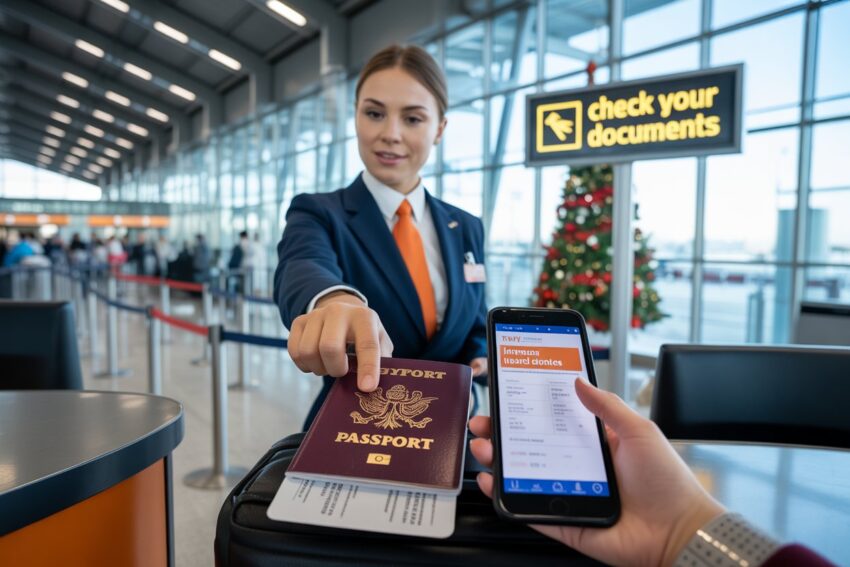
        The most common reason for denied boarding in late 2025 remains passport non-compliance. easyJet has specifically warned passengers to look past the expiration date and examine the physical state of their documents.

        • The 10-Year Rule: Your passport must have been issued less than 10 years before the date you enter an EU country. If your passport was issued in 2015 but doesn’t expire until 2026 due to “rolled-over” months, it may still be invalid for EU entry.
        • The 3-Month Buffer: Most destinations, including the Schengen Area and Morocco, require your passport to be valid for at least three months after your intended departure date.
        • Physical Damage: Moroccan authorities, in particular, have been strictly denying entry to travelers with even minor tears, water damage, or unofficial markings on their passport pages.

        Georgia’s New Insurance Mandate

        For those exploring the trending “winter gem” of Georgia, easyJet has highlighted a critical new regulation effective as of late 2025. All tourists must now possess a valid health and accident insurance policy for the entire duration of their stay.

        • Minimum Coverage: The policy must cover at least GEL 30,000 (approx. £8,500) in healthcare costs.
        • Accessibility: You must be able to present this policy in either English or Georgian, in either physical or electronic form, upon landing. Failure to provide proof can result in immediate fines or entry refusal.

        The Entry/Exit System (EES) Delays

        The launch of the EU’s long-awaited Entry/Exit System (EES) in late 2024 has reached full operational capacity this winter. easyJet is warning travelers to Europe to prepare for significantly longer wait times at passport control.

        Under the new rules, UK citizens (and other non-EU “third-country” nationals) must have their fingerprints scanned and a digital photo taken upon their first entry into the 29-country Schengen zone. While subsequent trips will be faster, the initial registration is adding “several minutes per passenger” to the queue, creating bottlenecks at major hubs like Palma, Alicante, and Faro.

        Morocco and the AFCON Requirements

        With Morocco hosting the Africa Cup of Nations (AFCON) from January to February 2026, temporary entry requirements are in place. While UK citizens are generally exempt from the electronic authorisation (ETAM) required for other nations, easyJet advises travellers to carry proof of accommodation and return flights.

        Furthermore, easyJet is urging football fans to use the official Yalla App, which serves as both a Fan ID and a temporary entry permit for certain attendees.

        The “Christmas Cracker” Exception

        In a rare piece of good news for festive travelers, easyJet remains one of the few low-cost carriers to permit Christmas crackers on board. Unlike many competitors who have implemented total bans, easyJet allows two boxes of crackers per person, provided they are in their original retail packaging and stowed in checked luggage. Note: “Homemade” crackers and “party poppers” remain strictly prohibited across all UK aviation.

        Humanizing the Rush: 3.5 Million Stories

        For easyJet, this isn’t just about policy; it’s about the 3.5 million customers flying between December 22 and January 7. From families reuniting in Belfast to sun-seekers heading to Tenerife (the season’s #1 destination), the airline’s “Ultimate Checklist” is designed to ensure that the only drama you experience this Christmas is what’s on the TV.

        “Tis the season for joy, not for being turned away at the gate because of a forgotten insurance PDF or a 10-year-old passport,” an easyJet spokesperson noted. “A five-minute check today saves a ruined holiday tomorrow.”

        The post easyJet Urgent Warning 2025: New Passport Rules, EES Delays, and Travel Insurance Mandates appeared first on Travel And Tour World.

        PMPML Expands Pune Tourist Bus Routes 2025: New Sights Added at No Extra Cost

        PMPML Expands Pune Tourist Bus Routes 2025: New Sights Added at No Extra Cost

        The weekend getaways from Pune just got a major upgrade. In a move that has delighted local “Punekars” and budget travelers alike, the Pune Mahanagar Parivahan Mahamandal Limited (PMPML) has announced a significant expansion of its popular tourist bus services. As of late 2025, the transport body has added several new heritage and nature spots to its existing routes—all while keeping the ticket price locked at the affordable flat rate of ₹500.

        Under the leadership of Chairman and Managing Director Pankaj Deore, PMPML is doubling down on its “Tourism for All” initiative. Whether you’re a history buff, a spiritual seeker, or a nature lover, the new “More Sights, Same Fare” policy ensures you can see more of Maharashtra’s heartland without stretching your wallet.

        The New Additions: What’s Changed?

        The update focuses on enhancing Tourist Bus Routes No. 6 and 7, which were already popular for their mix of spiritual and historical landmarks. By adding these “off-the-beaten-path” destinations, PMPML is encouraging travelers to explore the rural and cultural richness of the Pune district.

        Route No. 6: The Cultural Corridor

        Previously connecting Pune Station to the Ranjangaon Ganpati, Route No. 6 now includes:

        • Darekar Wada (Yavat): A heritage mansion in Daund taluka that offers a glimpse into traditional Maratha architecture and the lifestyle of the past.
        • Revised Path: Pune Station → Swargate → Hadapsar → Ramdara → Theur Ganpati → Prayagdham → Darekar Wada → Hadapsar → Swargate.

        Route No. 7: Peacocks and Poetry

        Route No. 7 has received the most significant “nature and heritage” upgrade:

        • Morachi Chincholi: Known as the “Village of Dancing Peacocks,” this eco-tourism spot is famous for its massive peacock population that roams freely through tamarind groves.
        • Mastani’s Samadhi (Pabal): A poignant heritage site in Shirur taluka dedicated to the legendary Mastani Sahiba, the consort of Peshwa Bajirao I.
        • Padmavati Jain Shwetambar Temple: A stunning spiritual landmark in Pabal known for its intricate carvings.

        The “Golden Pass” Benefit

        One of the most humanized features of the PMPML tourist service is the interconnectivity benefit. When you book a ₹500 tourist bus ticket, you aren’t just paying for the one-day tour.

        “On the day of your tour, your tourist ticket acts as a universal pass. You can travel from your home to the bus departure point (like Pune Station or Deccan) on any regular PMPML bus, and return home in the evening, for free,” says a PMPML official.

        This thoughtful addition eliminates the hassle of local commuting and makes the entire experience truly door-to-door.

        PMPML’s Growing Portfolio: 13 Routes to Explore

        As of December 2025, PMPML now operates 13 dedicated tourist routes, ranging from religious circuits (Ashtavinayak temples) to scenic dam tours (Panshet and Varasgaon).

        Group Discounts: Travel with the Tribe

        To encourage family and corporate outings, PMPML offers a “33+5” group discount. If you book an entire 33-seater air-conditioned electric bus, the fare for five passengers is waived. This makes it an ideal option for school trips, community groups, or large joint families looking for a safe and eco-friendly private tour.

        The Future: Open-Deck Sightseeing

        Looking ahead to early 2026, PMPML has teased the launch of Pune’s first open-gallery sightseeing bus. Built in-house at their maintenance workshop, this “Make in PMPML” bus will offer 360-degree views of the city’s heritage zones, mimicking the iconic double-decker tours of London and New York.

        The post PMPML Expands Pune Tourist Bus Routes 2025: New Sights Added at No Extra Cost appeared first on Travel And Tour World.
        Sri Lanka Winter Tourism: Nine Direct Flights from Moldova to Mattala Airport Announced

        Sri Lanka Winter Tourism: Nine Direct Flights from Moldova to Mattala Airport Announced

        For years, the Mattala Rajapaksa International Airport (MRIA) has been a point of debate, often referred to in global media as the “world’s emptiest airport.” However, this winter, the narrative is shifting. A strategic new air corridor has opened, connecting the Eastern European nation of Moldova directly to the southern shores of Sri Lanka.

        According to former Sri Lankan Ambassador to Russia, Udayanga Weeratunga, nine direct flights have been scheduled to bring tourists from Moldova to Mattala this winter season. This initiative is more than just a logistical feat; it represents a lifeline for the southern tourism economy and a clever tactical move to tap into regional markets affected by geopolitical shifts.

        A Strategic Corridor for Eastern Europe

        The announcement comes as Sri Lanka looks to diversify its tourist arrival sources. While the flights originate in Moldova, the target demographic is broader. Weeratunga highlighted that these flights are specifically designed to cater to tourists from Moldova, Ukraine, and nearby Eastern European countries.

        With the ongoing conflict in Ukraine, many travelers from the region have sought alternative routes to escape the harsh northern winters. Moldova, sharing a border with Ukraine, has emerged as a vital transit hub. By establishing direct flights from Chisinau to Mattala, Sri Lanka is offering a seamless “sun-and-sea” escape for travelers who would otherwise face long, exhausting multi-stop journeys.

        The Economic Impact: A $25 Million Seasonal Boost

        The arrival of these nine flights is not just about filling seats; it is about fueling the local economy. Each flight is expected to bring hundreds of high-spending travelers who typically stay for two to three weeks—significantly longer than the average short-haul visitor.

        • Projected Revenue: Early estimates suggest this winter corridor could generate upwards of $25 million in direct foreign exchange.
        • Local Employment: From safari jeep drivers in Yala to boutique hotel staff in Tangalle and Hambantota, the influx of Moldovan and Eastern European tourists provides critical seasonal income for thousands of local families.
        • Infrastructure Utilization: These flights help justify the maintenance and operational costs of the Mattala airport, proving its value as a specialized hub for charter and winter-season operations.

        Why Mattala? The Southern Advantage

        For a tourist arriving from Eastern Europe, landing in Mattala offers a strategic advantage. While the main airport in Colombo (BIA) is often congested, Mattala provides a swift entry point to Sri Lanka’s most pristine vacation spots.

        Within an hour of landing at MRIA, visitors can be:

        On Safari: Exploring the leopard-dense jungles of Yala National Park or the elephant herds of Udawalawe.

        On the Beach: Lounging on the golden sands of Hambantota, Tangalle, or Mirissa.

        Soaking in History: Visiting the sacred sites of Kataragama or the colonial charm of Galle Fort.

          By bypassing the three-hour drive from Colombo, travelers gain more time to relax, making the “Mattala route” a preferred choice for specialized tour operators like SkyUp and FlyOne.

          The Human Story: Resilience and Hospitality

          What makes this story truly human is the resilience of the travelers and the hosts. Many of the visitors arriving on these flights are seeking a reprieve from the stresses of their home regions. For them, Sri Lanka is not just a holiday destination; it is a sanctuary of warmth, peace, and legendary hospitality.

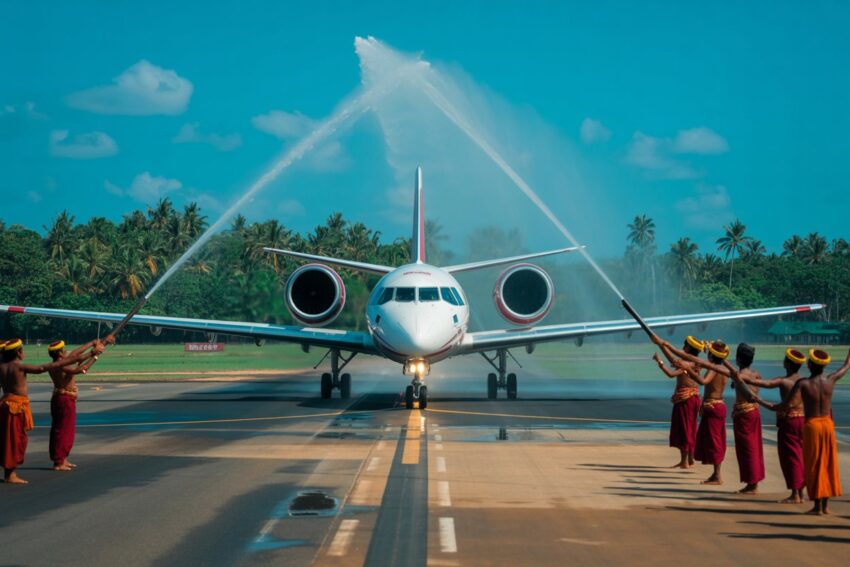
          On the other side, the local communities in Hambantota and surrounding areas have spent months preparing. Small guest houses have been refurbished, and local guides have been brushing up on their Russian and English to better serve this specific market. When the first flight of the season touches down and the traditional water-cannon salute greets the aircraft, it marks a moment of shared hope—a bridge between two cultures that, despite the distance, find common ground in the sun.

          Looking Toward 2026

          The success of these initial nine flights will serve as a blueprint for the future. If occupancy rates remain high and the economic impact is felt by the locals, there is already talk of extending the service and adding more direct routes from the Baltic states and Poland.

          As the world watches Sri Lanka’s recovery, the Moldova-Mattala connection stands as a testament to the power of creative diplomacy and the enduring appeal of the “Wonder of Asia.”

          The post Sri Lanka Winter Tourism: Nine Direct Flights from Moldova to Mattala Airport Announced appeared first on Travel And Tour World.
          Luang Namtha Surpasses 1.29 Million Tourists in 2025: A Landmark Year for Laos Eco-Tourism

          Luang Namtha Surpasses 1.29 Million Tourists in 2025: A Landmark Year for Laos Eco-Tourism

          In the misty mountains of northern Laos, a quiet revolution is taking place. Luang Namtha Province, long celebrated by backpackers as a hidden eco-paradise, has officially stepped into the global spotlight. On December 25, 2025, provincial authorities confirmed a staggering milestone: the region welcomed 1,290,192 tourists this year, shattering all previous growth expectations.

          This figure represents a 2.86 percent increase over 2024, but the numbers only tell half the story. The real narrative lies in how Luang Namtha transformed from a niche trekking hub into a premier international destination, generating over USD 40 million in revenue and earning prestigious ASEAN-standard awards for its commitment to community and environment.

          The Railway Effect: Connectivity Meets Culture

          The surge in visitors was fueled by a “perfect storm” of infrastructure and tradition. While the majority of travelers (970,760) entered via international checkpoints, the Laos-China Railway has become the province’s new lifeblood. In 2025, 136,410 visitors arrived by rail, utilizing the high-speed link to bypass days of rugged road travel.

          However, once tourists stepped off the train, it was the vibrant local culture that kept them there. Somsawat Namintha, Deputy Head of the Provincial Department of Culture and Tourism, attributed the record-breaking numbers to a series of high-energy festivals:

          • The Akha Swing Festival: A mesmerizing display of ethnic tradition.
          • The Hmong New Year: A colorful celebration that draws domestic and international crowds.
          • District Boat Racing: Major events in Nalae and Viengphoukha districts that have become “must-see” spectacles.

          Sustainability as a Success Metric

          Luang Namtha didn’t just chase quantity; it prioritized quality. The province’s 2025 highlight was the Forest Trekking and Boat Trip Festival held in the Nam Ha National Protected Area. This event served as a global classroom for sustainable tourism, proving that thousands of visitors can experience the jungle without leaving a scar on the ecosystem.

          This dedication to “slow travel” earned the province two major ASEAN Standards Awards:

          Excellence in Community-Based Tourism (CBT): Recognizing villages that successfully manage their own tourism assets.

          Public Sanitation Excellence: A critical achievement in maintaining the province’s “City of Charm” reputation.

            The Economic Ripple Effect

            The influx of 1.3 million travelers has breathed new life into the local economy. With over 433 tourism business units now operational, total private investment in the sector has exceeded LAK 504 billion (approximately USD 23 million).

            From the remote homestays in the Nam Ha hills to the bustling eateries in Namtha town, the USD 40 million in revenue isn’t just a government stat—it’s the funding for new schools, better roads, and the preservation of ethnic crafts. The designation of the Luang Namtha Paddy Fields as a protected cultural and tourism site further ensures that the province’s agricultural heritage remains a centerpiece of its beauty.

            Looking Ahead: The 2026 Vision

            Luang Namtha isn’t slowing down. Riding the momentum of its “City of Charm” showcase at the 22nd China-ASEAN Expo in Nanning, the province has set an ambitious target for 2026: 1.44 million visitors and a revenue goal of USD 45 million.

            The strategy remains rooted in the “Green Path”—enhancing trekking routes, improving river tours, and expanding cultural workshops. As the rest of the world looks for authentic, meaningful interactions, Luang Namtha stands ready as a model for how a region can grow without losing its soul.

            Luang Namtha’s 2026 vision is all about striking the perfect balance between growth and sustainability. By focusing on eco-friendly tourism and immersive cultural experiences, they’re not just boosting their economy – they’re preserving the essence of what makes their province so special.

            This approach could be a game-changer for local communities and the environment alike. Imagine trekking through lush landscapes, engaging with vibrant local traditions, and supporting businesses that prioritise the planet. Luang Namtha’s “Green Path” strategy might just be the blueprint for responsible tourism in the region.

            The post Luang Namtha Surpasses 1.29 Million Tourists in 2025: A Landmark Year for Laos Eco-Tourism appeared first on Travel And Tour World.

            Kilimanjaro Helicopter Crash: Two Czech Tourists and Three Crew Members Killed in High-Altitude Rescue

            Kilimanjaro Helicopter Crash: Two Czech Tourists and Three Crew Members Killed in High-Altitude Rescue

            Christmas Day is typically a time of warmth, celebration, and reflection. However, for the Czech community and the global mountaineering world, December 25, 2025, has been marked by profound grief. News broke early Thursday morning of a devastating helicopter accident on the slopes of Mount Kilimanjaro, claiming the lives of five individuals, including two Czech tourists who had sought adventure on Africa’s highest peak.

            The incident has cast a shadow over one of the world’s most iconic trekking destinations, highlighting the inherent dangers of high-altitude rescue operations and the fragility of life in the Earth’s most extreme environments.

            The Incident: A Rescue Mission Gone Wrong

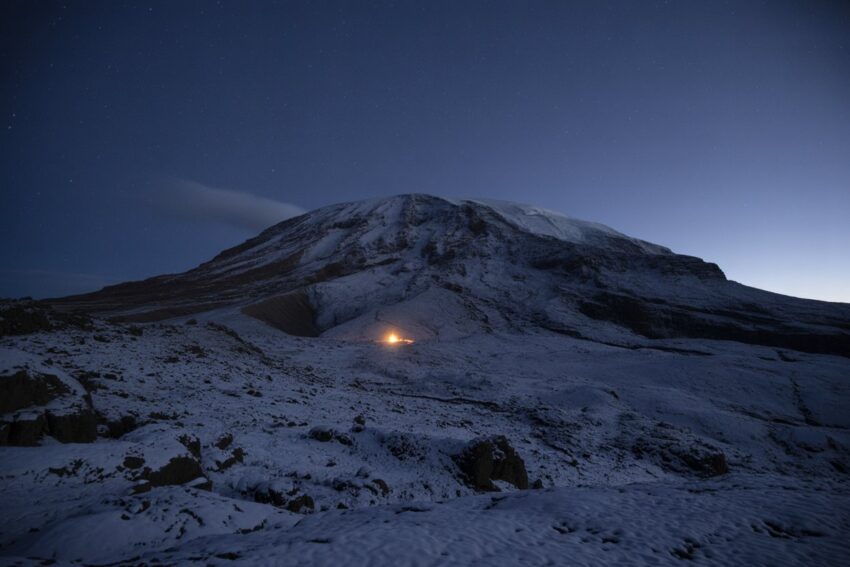
            The crash occurred shortly before midnight on Wednesday, local time. According to Tanzanian aviation authorities and reports from Prague Morning, the helicopter was engaged in a medical evacuation—a mission of mercy intended to save a life. The aircraft was navigating the treacherous high-altitude zone between Barafu Camp and the Kibo summit, an area situated more than 4,000 meters (13,100 feet) above sea level.

            In this “death zone” altitude, the air is thin, the weather is unpredictable, and flight physics become notoriously complex. Despite the skill of the crew, the helicopter went down in rugged terrain, making immediate rescue efforts nearly impossible.

            When recovery teams finally reached the site, they confirmed the worst: there were no survivors. The victims include:

            • Two Czech tourists whose identities have been withheld out of respect for their families.
            • A Tanzanian mountain guide, a local expert dedicated to the mountain.
            • A medical doctor, on board to provide life-saving care.
            • A Zimbabwean pilot, an experienced aviator familiar with the region.

            The Human Toll: More Than Just Statistics

            While news reports often focus on numbers and nationalities, the heart of this story lies in the individuals who lost their lives. The two Czech citizens were part of a growing number of Central Europeans drawn to the majesty of the Seven Summits. Climbing Kilimanjaro is often a transformative experience—a test of physical endurance and mental fortitude. These travelers weren’t just tourists; they were dreamers and adventurers who sought to stand on the “Roof of Africa.”

            The loss is equally felt in Tanzania. The local guide and the medical doctor represent the backbone of the Kilimanjaro tourism industry—the people who wake up every day to ensure that international visitors return home safely. Their deaths are a tragic reminder of the risks local professionals take to support the global travel community.

            Official Response and Investigation

            The Czech Ministry of Foreign Affairs confirmed the tragedy through spokesperson Daniel Drake. While the Czech embassy in Tanzania is working around the clock to assist with the repatriation of remains and provide support to the bereaved families, the government has requested privacy during this sensitive time.

            “Unfortunately, we can confirm that two Czech citizens died near Mount Kilimanjaro,” Drake stated. “Our embassy is in contact with local authorities, but out of respect for the families, no additional information will be provided at this time.”

            Tanzania’s Civil Aviation Authority has already launched a formal inquiry. Investigators will be looking into several factors that might have contributed to the disaster:

            High-Altitude Aerodynamics: Flying a helicopter at 4,000+ meters requires immense power and precision, as the thin air provides less lift.

            Weather Conditions: While specific conditions at the time of the crash are being reviewed, Kilimanjaro is known for sudden gusts and low visibility.

            Mechanical Performance: The aircraft was operated by Kilimedair Aviation, a reputable charter and evacuation service. A full mechanical audit will be part of the standard procedure.

              Safety on Kilimanjaro: A Growing Concern?

              Mount Kilimanjaro attracts tens of thousands of climbers annually. While it is a “non-technical” mountain (meaning no ropes or specialized climbing gear are usually required), the altitude remains a silent and deadly adversary. High-altitude pulmonary edema (HAPE) and cerebral edema (HACE) are constant threats.

              The increase in emergency helicopter evacuations over the last decade has been a double-edged sword. On one hand, it has saved countless lives of trekkers who succumbed to altitude sickness. On the other, it has increased the number of high-risk flights in environments where the margin for error is razor-thin.

              This tragedy serves as a somber reminder to the trekking community: nature is indifferent to our plans. Even with the best technology and the most skilled pilots, the mountains remain a wild and unpredictable frontier.

              In Memoriam

              As the sun sets over the Czech Republic and Tanzania this holiday, the world remembers five souls who perished while trying to help others and those who sought to see the world from its highest points. For the Czech travel community, the 2025 holiday season will forever be remembered as the year the mountains took back two of their own.

              The post Kilimanjaro Helicopter Crash: Two Czech Tourists and Three Crew Members Killed in High-Altitude Rescue appeared first on Travel And Tour World.

              Ten Countries Restricting Tourists Soon | Overtourism Travel Bans

              Ten Countries Restricting Tourists Soon | Overtourism Travel Bans

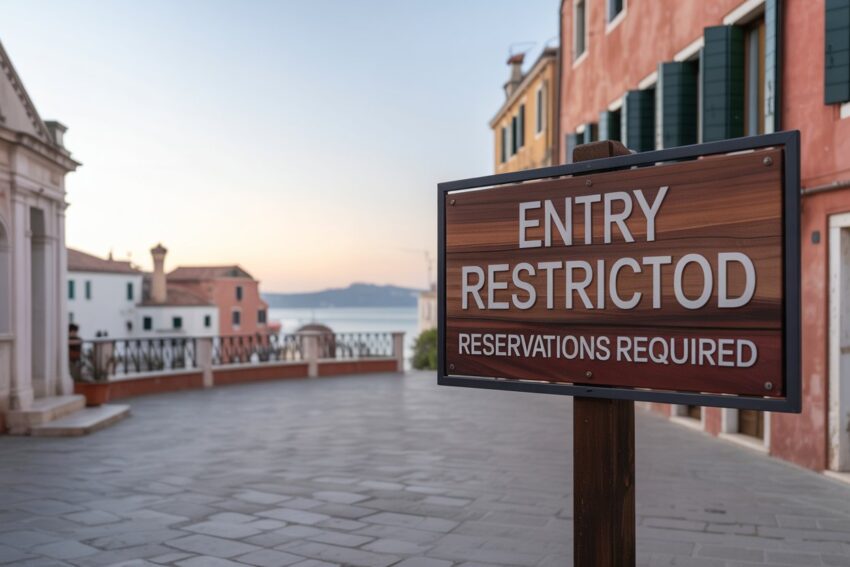
              In the golden era of travel, we’ve grown accustomed to the idea that with a passport and a credit card, the world is our oyster. However, the tides are shifting. From the cobblestone alleys of Europe to the pristine peaks of the Himalayas, the “welcome mat” is being replaced by “reservations required.”

              A growing number of destinations are grappling with the double-edged sword of popularity. Overtourism, environmental degradation, and the erosion of local culture have forced governments to rethink their open-border policies. If you’ve been dreaming of certain bucket-list spots, you might want to book sooner rather than later. Here are 10 countries and regions that are moving toward stricter tourist restrictions.

              Italy (Venice and Beyond)

              Italy has long been the poster child for overtourism. Venice, in particular, has reached a breaking point. The city recently implemented a “pilot” entry fee for day-trippers and has banned large cruise ships from its historic center. Expect these “entry fees” to become permanent and for other Italian hotspots like Portofino and the Amalfi Coast to introduce stricter vehicle and pedestrian caps to preserve their fragile charm.

              Japan (The Kyoto Pivot)

              Japan’s post-pandemic travel boom has been historic—and overwhelming. In Kyoto, residents have complained of “tourist pollution.” The city has already begun closing certain private alleys in the Gion district to foreigners to protect the privacy of Geishas. With the yen fluctuating and crowds swelling, Japan is actively looking at “two-tier pricing”—where tourists pay more than locals—and stricter limits on mountain climbing, specifically on Mt. Fuji.

              Bhutan (The High-Value Model)

              Bhutan has always been the gold standard for restricted access. Their “High Value, Low Volume” policy includes a Sustainable Development Fee (SDF) that can cost hundreds of dollars per day. While they occasionally offer discounts to lure travelers back, the long-term strategy remains the same: keep the numbers low and the revenue per person high. If you aren’t prepared to pay for the privilege, this kingdom may remain out of reach.

              The Netherlands (Amsterdam’s “Stay Away” Campaign)

              Amsterdam has made it very clear: they don’t want “nuisance” tourism. The city has launched digital campaigns specifically telling rowdy tourists to “stay away,” moved to ban cruise ships from the city center, and is restricting the opening of new hotels. The goal is to pivot from a party destination to a cultural hub, which means fewer beds and higher prices for those who do visit.

              Greece (The Island Caps)

              The iconic white-and-blue vistas of Santorini and Mykonos are under threat. Greece has announced plans to cap the number of cruise ship passengers allowed to disembark at its most popular islands starting in 2025. The infrastructure simply cannot keep up with the thousands of people flooding the narrow streets every afternoon.

              Spain (The Local Uprising)

              From Barcelona to the Canary Islands, locals are protesting. The “Tourist Go Home” graffiti isn’t just a fringe sentiment anymore; it’s a policy driver. Spain is looking into restricting short-term apartment rentals (like Airbnb) and potentially limiting the number of flights into certain regional airports to curb the sheer volume of visitors.

              Peru (Machu Picchu’s Fragility)

              One of the Seven Wonders of the World is literally sinking under the weight of its fans. The Peruvian government frequently adjusts the daily visitor cap for Machu Picchu and requires tourists to follow strict, timed circuits. Future restrictions are likely to include even smaller daily quotas and more rigorous booking requirements months in advance.

              Iceland (The Green Tax)

              Iceland’s nature is its biggest draw and its most vulnerable asset. To combat the wear and tear on its volcanic landscapes, Iceland has reintroduced a tourism tax. They are also considering “permits” for certain popular natural sites to ensure that the delicate moss and geothermal areas aren’t trampled into oblivion.

              Thailand (Closing the Beaches)

              Thailand has shown it isn’t afraid to shut things down. The famous Maya Bay was closed for years to allow its ecosystem to recover. We can expect more “seasonal closures” across Thailand’s islands as the government prioritizes coral reef health over tourism revenue.

              France (The Louvre and Beyond)

              Paris is already one of the most visited cities on earth, but France is now looking at national strategies to manage “flows.” This includes a cap on daily visitors to the Louvre and potential restrictions on “Instagram-famous” spots in Normandy and the French Riviera that have become dangerously overcrowded.

              The post Ten Countries Restricting Tourists Soon | Overtourism Travel Bans appeared first on Travel And Tour World.
              ❌