
Reading view

M4 Closures in Swindon and Wiltshire: How to Manage Roadworks and Diversions in 2026
M4 Closures in Swindon and Wiltshire: How to Manage Roadworks and Diversions in 2026
M4 Closures in Swindon and Wiltshire

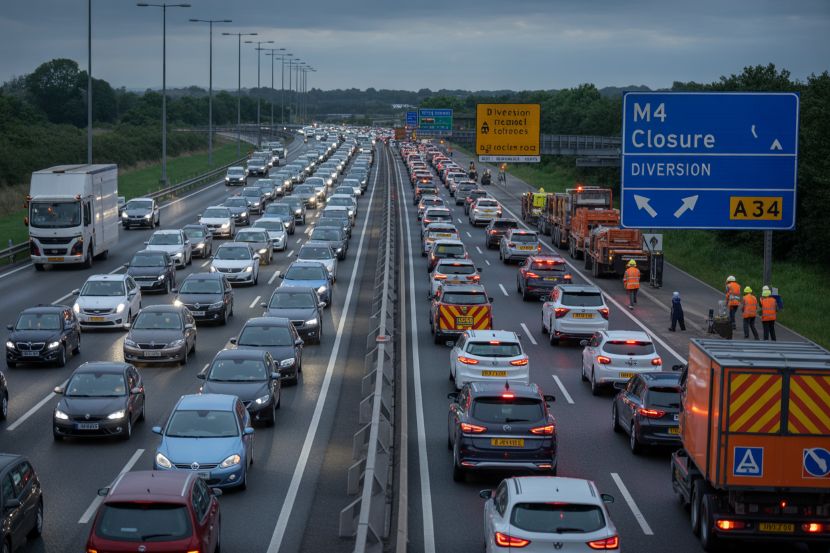
Motorists and travelers heading to or from Swindon, Wiltshire, and the surrounding areas in 2026 will face significant disruptions as the M4 motorway undergoes essential maintenance work. Starting January 2, sections of the M4 will be partially closed between Junction 5 (A4) and Junction 15 (A419/A346). These closures are set to continue intermittently throughout the year, with the motorway shutting down between 9 pm and 6 am daily until December 24, 2026. This major infrastructure project will affect both local traffic and long-distance travelers, particularly those using the M4 to access London, Bristol, and surrounding towns.

M4 Closure Details: When and Where to Expect Disruptions

The closures on the M4 will take place during overnight hours, between 9 pm and 6 am, to minimize the disruption to daytime travel. However, with the motorway being closed at multiple points, including the slip and link roads at Junctions 8, 9, 13, and 15, the closures will have a significant impact on travelers, especially those passing through Swindon, Slough, Windsor, Maidenhead, and areas of West Berkshire.

National Highways, the government body responsible for UK motorways, has confirmed that a series of diversions will be put in place to help direct traffic around the affected areas. These diversions will involve alternative routes such as the M25, A4, A33, A34, and several other major roads, as well as local roads like the A308(M) and B4192.

While these diversion routes are officially approved, traffic conditions may change depending on local circumstances, so drivers are advised to check live traffic updates before traveling.

Impact on Business and Leisure Travelers

The extended M4 closures could lead to significant disruptions for both business travelers and tourists planning to travel through the region. For business professionals heading to meetings or events in London, Bristol, or Slough, the diversion routes could add considerable time to their journeys, especially during peak hours. Additionally, logistics companies and commercial drivers who rely on the M4 to move goods across the country will need to plan ahead to account for delays caused by the diversions.

Tourists traveling to or from Wiltshire, Berkshire, or the Cotswolds may also find their routes disrupted, particularly if they are planning to visit major attractions like Windsor Castle, Bristol Zoo, or the charming towns in the Cotswolds. The diversions, while designed to minimize the impact, will likely cause delays, especially for those not familiar with the area.

Key Diversion Routes and Affected Areas

To help travelers navigate the closures, National Highways has outlined the official diversion routes that will be used during the maintenance work. The diversion routes include the following:

  • M25
  • A4, A33, A34
  • A308(M)
  • A322, A327, A329(M)
  • A338, A339, A355, A404(M)
  • A419, A3044, A3113, A3290, A4155, and B4192

Drivers should expect significant changes to their usual routes and allow extra time to reach their destinations, particularly for longer trips between London and Bristol or South Wales.

Tips for Travelers

To help you manage the disruptions caused by the M4 closures, here are some quick tips for a smoother journey:

  1. Check Real-Time Traffic Updates: Before setting off, always check the National Highways website or use live traffic apps to get real-time updates about any changes to the diversion routes or new closures.
  2. Travel During Off-Peak Hours: If possible, plan to travel outside of peak traffic hours, especially on busy days when congestion is likely to be heavier, such as weekends and during holiday periods.
  3. Allow Extra Time: Expect delays due to the detours and diversions. It’s recommended to add at least 30-60 minutes to your estimated travel time, depending on your route and destination.
  4. Use Public Transport for Shorter Journeys: For those traveling within Berkshire or Wiltshire, consider using local public transport or trains to bypass the motorway closures altogether.
  5. Stay Informed About Roadworks: Follow local news and traffic updates for information on any unexpected closures or delays. The National Highways Customer Contact Centre is available for further assistance if needed.
  6. Prepare for Longer Travel Times: Particularly during busy periods like the summer holidays or the Christmas period, be prepared for longer-than-usual travel times on diversion routes. It’s advisable to plan breaks or stops if necessary.

Longer-Term Infrastructure Improvements

While the M4 closures may cause short-term inconvenience, the long-term benefits will be significant. The maintenance work is essential to improve the flow of traffic and ensure the safety of the motorway for years to come. Once the project is completed, the M4 will be better equipped to handle the growing number of vehicles, contributing to improved travel times and a more efficient transport network across the region.

The work at the M4 Junctions and surrounding areas is part of ongoing infrastructure improvements aimed at supporting the economic growth of the region, facilitating smoother travel for both local residents and visitors, and promoting safer driving conditions for all road users.

Conclusion: Managing M4 Disruptions for a Smoother Travel Experience

The M4 closures in Swindon and Wiltshire will undoubtedly cause some disruption throughout 2026, but with careful planning and awareness of alternative routes, travelers can minimize the impact on their journeys. Whether you’re a business traveler on a tight schedule or a tourist exploring the charming towns of Berkshire and Wiltshire, planning ahead and staying informed is key to navigating these temporary closures. By using updated diversions and adjusting travel times, you can still make the most of your trip while construction work continues to improve the M4 for the future.

Disclaimer: The Attached Image in This Article is AI Generated

The post M4 Closures in Swindon and Wiltshire: How to Manage Roadworks and Diversions in 2026 appeared first on Travel And Tour World.

Glasgow: Plan Your Boxing Day Journey – 19.7 Million Cars and Major Rail Delays on the Horizon

Glasgow: Plan Your Boxing Day Journey – 19.7 Million Cars and Major Rail Delays on the Horizon
Glasgow

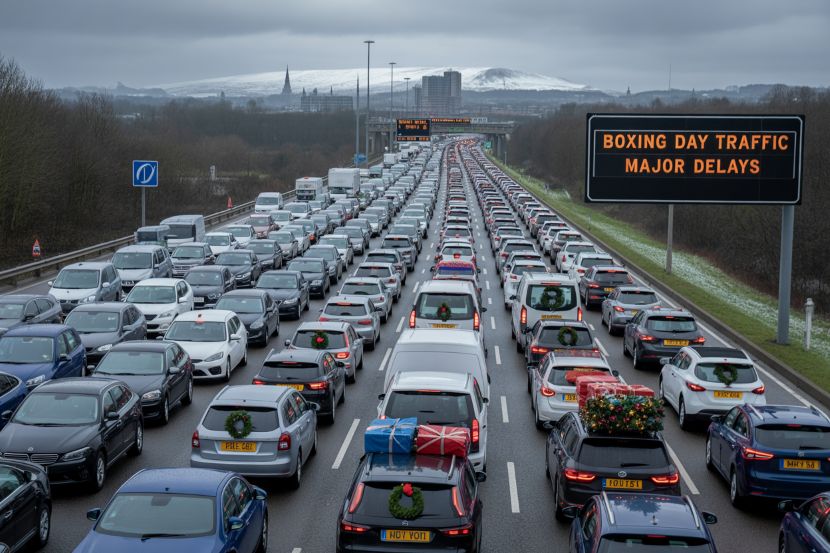
Drivers across the UK, including those in Glasgow, are being warned of a surge in traffic on Boxing Day, with nearly 20 million car journeys expected nationwide. As millions head out to visit family, go shopping, or return to work after the festive period, congestion is expected to peak, especially between 10 am and 7 pm. With major disruptions on rail services and limited public transport options, drivers are urged to plan their routes and timings carefully to avoid unnecessary delays.

Surge in Boxing Day Traffic: What Travelers Need to Know

According to the AA, 19.7 million vehicles are expected on the roads across the UK on Boxing Day, as holidaymakers and families take to their cars to visit loved ones or shop for post-Christmas sales. With traffic levels expected to be the highest between 10 am and 7 pm, travelers are encouraged to set off outside these peak times if possible to avoid the heaviest congestion.

In a survey conducted by the AA, the majority of respondents indicated that visiting family and friends is the primary reason for their festive travel, with 60-63% planning to travel during the 11-day holiday period. Shopping is another common reason, cited by 47-52% of travelers, while work-related journeys make up 27-29% of trips.

For Glasgow residents, and those traveling to or from the city, it’s important to keep in mind that although the city’s streets will be packed, some routes, such as those leading to and from the airport, are likely to be particularly congested. Drivers should anticipate delays on major roads like the M8 and M77, as well as in the Glasgow city center.

Impact on Business Travel and Tourists

The travel surge on Boxing Day is likely to affect both business travelers and tourists. For business travelers, especially those needing to get to meetings or events, the increased traffic could cause delays. Moreover, Glasgow Airport is expecting a high volume of passengers, so those flying out of or into the city should arrive early to accommodate longer check-in times.

For tourists, especially those visiting Glasgow or Scotland for a winter break, the surge in traffic could delay visits to attractions. Popular spots like the Kelvingrove Art Gallery and Museum, Glasgow Cathedral, and the Christmas Markets may be less accessible due to the traffic around key tourist areas.

Rail Disruptions to Add to the Travel Stress

In addition to road congestion, rail services will also face disruptions over the festive period. Network Rail has announced that engineering works on sections of the West Coast Main Line will affect train services between London Euston and Glasgow, as well as other routes to and from the north of England. Rail travelers should be prepared for delays and possible cancellations, especially from December 26 to January 4. For those traveling between Glasgow Queen Street and Crianlarich or Helensburgh Central, services will resume on January 2.

With most rail services suspended for Christmas Day and Boxing Day, business travelers should consider alternative transport options. Buses or private car hire could be more reliable during this time, especially if train services are not available.

Quick Tips for Travelers in Glasgow and Beyond

For those planning to drive or travel through Glasgow during the Christmas period, here are a few helpful tips:

  1. Plan Travel Around Peak Hours: Avoid traveling between 10 am and 7 pm on Boxing Day if possible, as this is when traffic is expected to be heaviest. Plan to leave earlier or later in the day to avoid congestion.
  2. Check for Road Closures and Diversions: Be aware of potential roadworks or closures, particularly near Glasgow city center or on major routes like the M8. Stay updated with real-time traffic apps to adjust your route accordingly.
  3. Book Transport in Advance: If you are flying or using public transport, make sure to book your tickets well in advance to avoid long lines or sold-out trains. Glasgow Airport is expected to be busy, so arriving early is key.
  4. Consider Car Alternatives: Given the potential for delays, consider using taxis, rideshare apps, or buses to get around. Glasgow city buses will be running on Boxing Day, but with limited service hours.
  5. Stay Updated on Rail Disruptions: If you’re relying on trains, check for engineering works or cancellations on the National Rail website. The West Coast Main Line and Glasgow train stations will be impacted.
  6. Pack Extra Supplies for Long Waits: Given the potential for delays, pack snacks, water, and entertainment for your journey, especially if you’re traveling with family or in a large group.

The Outlook for New Year’s Travel

Following Boxing Day, the travel rush will continue, with 22 million vehicles expected on the road on Saturday, January 2, and 20.7 million on January 6. New Year’s Day will be the quietest day in terms of travel, with 18 million journeys expected, offering drivers a brief respite before the rush picks up again. As people return to work and school after the holiday period, traffic will again spike, making it essential for travelers to plan ahead.

Conclusion: Navigating the Boxing Day Rush

Boxing Day travel in Glasgow and across the UK will be marked by heavy traffic, rail disruptions, and longer-than-usual travel times. Business travelers and tourists alike should take extra precautions by planning their routes, checking for delays, and allowing additional time to reach their destinations. While the surge in travelers may cause some inconvenience, with a bit of preparation and patience, you can navigate through the festive travel chaos with ease.

Disclaimer: The Attached Image in This Article is AI Generated

The post Glasgow: Plan Your Boxing Day Journey – 19.7 Million Cars and Major Rail Delays on the Horizon appeared first on Travel And Tour World.

M27 Motorway Closure for New Junction Construction: Diversions, Delays, and What Tourists Need to Know

M27 Motorway Closure for New Junction Construction: Diversions, Delays, and What Tourists Need to Know
M27 Motorway Closure

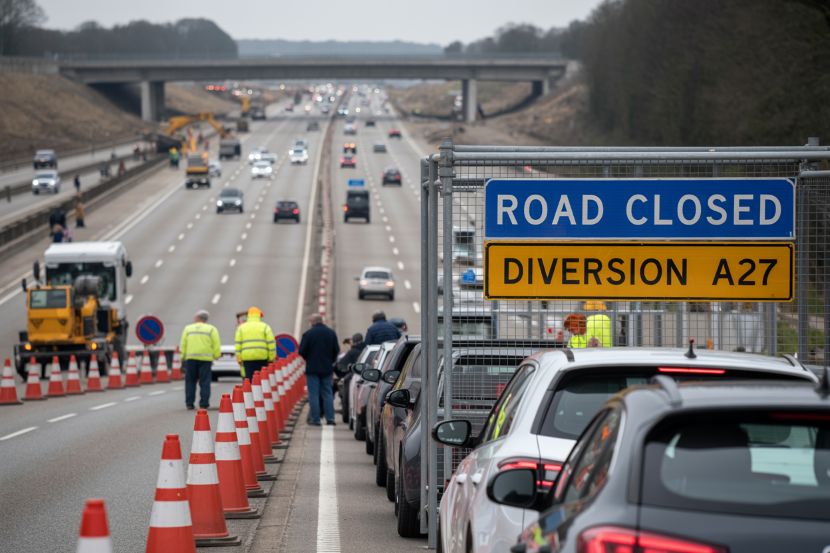
As of December 24, the M27 motorway in Hampshire is closed in both directions to allow for a significant infrastructure project. The closure is part of a collaboration between National Highways and Hampshire County Council to create a new junction for the £100 million Welborne Garden Village development. This project, aimed at improving local transport, will see the construction of 6,000 new homes.

With the M27 closed between junction 9 (Whiteley) and junction 11 (Fareham), motorists are facing considerable disruptions during the festive period. The closure is expected to last for two weeks, reopening on January 4, 2026. The diversion routes and the project’s impact on travel are already causing concern for locals, tourists, and business travelers alike.

Which Part of the M27 Is Closed?

The section of the M27 impacted by the closure runs from junction 11, which serves Fareham, to junction 9, which serves Whiteley. This stretch of motorway is a key route for both local commuters and tourists heading towards popular destinations in Hampshire.

Though the rest of the M27 will continue to operate normally throughout the holiday period, other roadworks are still in place elsewhere on the motorway, meaning that travelers will need to remain vigilant for potential delays. The closure on this stretch is particularly significant due to the ongoing work to build an underpass for the new junction, which will form an essential part of the Welborne Garden Village development.

Why Is the M27 Closed?

The closure is required to move an 8,500-tonne underpass into position, a crucial step in the creation of the new junction that will serve the massive Welborne Garden Village project. The village, which will feature 6,000 homes once completed, is expected to significantly transform the local area and improve connectivity for future residents and visitors. However, the scale of this project means significant disruption for current travelers, especially during the busy Christmas and New Year period.

The new junction will involve the construction of a dual carriageway with four roundabouts, designed to create a smoother, “free-flowing link” between the motorway and local roads. While these improvements are vital for future development, they are causing a major inconvenience for those traveling during the closure.

How Long Will the M27 Stay Closed?

The M27 closure began on the morning of December 24, 2025, and is expected to last for two weeks, with the motorway reopening at 4:00 AM on January 4, 2026. This timeline is subject to change, depending on how quickly the underpass can be positioned and the work progresses.

This long closure period coincides with one of the busiest travel times of the year, adding pressure to holiday travel plans. National Highways has emphasized the importance of allowing extra travel time during this period, as drivers will be diverted onto alternative routes.

What Is the Diversion Route?

Motorists traveling between junction 9 (Whiteley) and junction 11 (Fareham) will need to follow a diversion route, which is expected to take approximately 15 minutes longer than the usual journey. The diversion takes drivers along the A27, a stretch of road that runs through Segensworth, Titchfield, and Fareham, before reaching junction 11.

The total length of the diversion is 5.9 miles, which is significantly longer than the normal motorway route. However, it is important to note that the diversion could take even longer due to the increased volume of traffic on this alternative route. Drivers are advised to factor in at least 30 extra minutes to their journey to account for potential delays.

For tourists and travelers, this diversion could add significant time to travel plans, particularly if they are heading to or from the Southampton area or other destinations near Fareham and Whiteley.

Impact on Business and Tourism Travel

The M27 closure is particularly disruptive for business travelers who rely on this route to access various business hubs in Hampshire. The delays on the diversion route will affect not just local commuters but also travelers attending business meetings or conferences. The diversion could cause delays, particularly if traveling during peak times or if unfamiliar with the alternative roads.

For tourists visiting Hampshire, including attractions in Southampton and the New Forest, the road closure is likely to lead to longer travel times. Those planning to visit popular spots like the historic city of Winchester or the nearby coast should also prepare for disruptions. Visitors planning to take public transport or rent vehicles will likely encounter additional delays and should adjust their plans accordingly.

Key Points to Remember:

  • M27 Closure: The M27 is closed between junctions 9 (Whiteley) and 11 (Fareham) for two weeks from December 24, 2025, to January 4, 2026.
  • Diversion Route: Drivers will be diverted along the A27, a 5.9-mile route that runs through Segensworth, Titchfield, and Fareham, adding 15 minutes or more to the normal journey time.
  • Allow Extra Time: Motorists are advised to plan for at least an extra 30 minutes due to the increase in traffic on the diversion route.
  • Impact on Travel: The closure will affect both business travelers and tourists, especially during the busy holiday period.
  • Reopening Date: The M27 is expected to reopen at 4:00 AM on January 4, 2026, although this is subject to change based on the progress of the works.

Travel Tips for Tourists and Commuters:

  1. Plan Extra Time: If you’re traveling through Hampshire, especially between Fareham and Whiteley, be sure to leave extra time for your journey. Allow an additional 30 minutes or more for potential delays.
  2. Use Public Transport: If possible, consider using public transport options to avoid the traffic disruptions caused by the diversion. Train and bus services may offer a more reliable option during this time.
  3. Check for Updates: Stay updated on the progress of the roadworks and diversion routes by checking official government websites like National Highways and Hampshire County Council for the latest travel information.
  4. Avoid Peak Travel Times: Try to avoid traveling during peak times, such as early mornings and late afternoons, when traffic congestion on the diversion route is likely to be at its worst.
  5. Alternative Routes: If you’re familiar with the area, consider using alternative routes to bypass the diversion completely, especially if you’re heading to destinations like Southampton or Winchester.

Conclusion: Navigating the M27 Closure This Holiday Season

The M27 closure is a major disruption for both residents and visitors during the holiday season. While the roadworks are crucial for future development in the Welborne Garden Village area, the immediate impact is felt by those relying on the M27 for travel. Tourists, commuters, and business travelers should plan ahead to navigate the road closures and diversions, ensuring they have ample time to reach their destinations.

As the project progresses, National Highways and local authorities will continue to provide updates. Travelers are urged to stay informed and adjust their plans accordingly to avoid unnecessary delays during this busy period.

Disclaimer: The Attached Image in This Article is AI Generated

The post M27 Motorway Closure for New Junction Construction: Diversions, Delays, and What Tourists Need to Know appeared first on Travel And Tour World.

London: US Travel Ban Targets EU Officials—What You Need to Know for Your Next Trip

London: US Travel Ban Targets EU Officials—What You Need to Know for Your Next Trip

In a strong rebuke of US actions, the European Commission (EC) condemned the recent decision by the United States to impose travel restrictions on five European individuals, including former European Commissioner Thierry Breton. This decision, announced on December 24, has raised concerns across Europe regarding freedom of expression and the right to regulate digital and economic activities without interference.

According to the US State Department, the travel bans are a direct response to the European Union’s regulatory measures on social media platforms. The move, which blocks the issuance of visas to Breton and the other individuals, has sparked tensions between the two regions, with the EU emphasizing its sovereign right to enact laws that align with its democratic values.

The EC’s Response: A Defense of EU Sovereignty and Free Expression

The European Commission’s condemnation of the US action highlights two key concerns: the protection of freedom of expression and the EU’s right to regulate digital spaces in accordance with its values. The EC reaffirmed that the principles of free speech and digital fairness are fundamental rights within Europe, asserting that these values align closely with those of the United States and other democratic nations around the world.

The Commission underscored the importance of the EU’s open, rules-based single market, which includes the right to regulate economic activities—particularly in the digital sphere. It also emphasized that EU regulations, aimed at ensuring a fair and safe digital marketplace, apply to all companies in a non-discriminatory manner. These actions are taken to ensure that the digital environment remains balanced and free of harm, benefiting both businesses and consumers.

In response to the US decision, the EC requested further clarification from US authorities and vowed to remain actively engaged in dialogue with them. The Commission made it clear that if necessary, the EU would respond decisively to protect its regulatory autonomy and stand against what it considers unjustified interference from the US.

Impact of the US Travel Restrictions on Business and Tourism

The travel restrictions imposed on prominent European figures such as Thierry Breton could have wider-reaching consequences, especially for business and diplomatic relations between the US and the EU. These restrictions could also affect tourism, as visitors from both regions often interact with one another on a variety of levels, including business conferences, diplomatic events, and cultural exchanges.

For business travellers, this situation brings uncertainty regarding cross-border collaboration and regulatory negotiations. Those planning to travel between the EU and the US may find themselves facing additional scrutiny, especially if they are connected to ongoing discussions about digital regulation or international economic relations.

For normal tourists, the implications are less immediate but still noteworthy. If travel restrictions continue to escalate, there could be increased tensions affecting the ease of movement between the two regions, especially for those engaged in cultural, educational, or professional exchanges. While this situation is unlikely to directly impact leisure travel at this stage, ongoing diplomatic challenges may affect future visa requirements, travel policies, and international cooperation in tourism.

Key Points:

  • The EU’s Condemnation: The European Commission strongly rebuked the US’s decision to deny visas to five European individuals, including Thierry Breton.
  • Freedom of Expression: The EC emphasized that freedom of expression is a core European value, aligning with the democratic ideals shared by the US.
  • Sovereign Right to Regulate: The EU defended its right to regulate economic activities, including digital and social media spaces, based on its democratic principles.
  • Impact on Business and Travel: The travel restrictions could complicate business and diplomatic travel, as well as future tourism exchanges between the US and EU.
  • EU’s Future Response: The European Commission indicated it would take swift action to defend its regulatory authority if needed, signaling potential for future diplomatic and trade tensions.

What Travelers Need to Know:

  • Increased Scrutiny for Business Travel: If you are traveling for business purposes or diplomatic engagements, keep an eye on potential changes in visa requirements and cross-border travel policies.
  • Stay Updated on Visa Policies: Since this situation involves high-profile individuals, travelers should be aware of any future restrictions that may be imposed on professionals or government officials from the EU or the US.
  • Prepare for Possible Tensions: While this development is unlikely to immediately affect tourists, escalating diplomatic tensions between the US and EU could affect visa processes and travel policies in the long term.

Step-by-Step Guidelines for Travelers and Tourists:

  1. Monitor Travel Policies: Regularly check for updates from official government websites, such as the US State Department or the European Commission, to stay informed about any changes in visa policies.
  2. Understand the Impact of Diplomatic Relations: Be aware that business travelers might face delays or scrutiny in the short term due to ongoing political issues. It’s important to plan accordingly.
  3. Plan Ahead for Cross-Border Travel: If you’re planning a visit to the US from Europe or vice versa, ensure your documentation is in order and consider additional time for possible delays at borders due to heightened scrutiny.
  4. Stay Informed on Digital Regulations: As digital regulation plays a key role in this dispute, tourists and business professionals involved in the tech and social media industries should stay updated on any new regulations that may affect their travel or business activities.
  5. Prepare for Longer Processing Times: Given the potential diplomatic fallout, visa applications and processing times may take longer than usual, so it’s advisable to apply early if you’re planning to travel internationally.

Conclusion: Navigating the Diplomatic Tensions Between the US and EU

The European Commission’s condemnation of US travel restrictions on five European individuals, including Thierry Breton, marks a significant moment in the ongoing dialogue between the US and the EU regarding digital regulation and freedom of expression. While the immediate impact on tourism may not be severe, the longer-term effects on business and professional exchanges could create challenges for both Europeans and Americans engaged in cross-border travel.

For tourists, it is crucial to stay informed about the evolving diplomatic landscape between the US and EU, as changes in visa and travel policies could affect future plans. Similarly, business professionals should prepare for possible delays or increased scrutiny during international travel, especially as tensions between the two regions grow.

With both the EU and the US committed to defending their respective positions, travelers on both sides of the Atlantic must navigate these tensions with caution. As the situation unfolds, the European Commission’s strong stance on protecting its regulatory autonomy signals that this is just the beginning of an ongoing discussion regarding the future of digital and economic relations between these global powers.

Disclaimer: The Attached Image in This Article is AI Generated

The post London: US Travel Ban Targets EU Officials—What You Need to Know for Your Next Trip appeared first on Travel And Tour World.

Australia: Seize the Moment—How the AUD’s Surge in 2026 Can Give You More Bang for Your Travel Buck

Australia: Seize the Moment—How the AUD’s Surge in 2026 Can Give You More Bang for Your Travel Buck
Australia AUD Surge

The Australian dollar is projected to surge throughout 2026, providing a significant advantage for overseas travellers. As a result, Australians are expected to benefit from improved purchasing power when travelling abroad. This forecast is largely attributed to diverging interest rate policies between Australia and the United States, which are set to influence the strength of the AUD in the coming year. Industry experts predict that the currency could rise by as much as 40 per cent, giving Australians a better exchange rate when they venture overseas. The rise is expected to benefit tourism, businesses, and individuals looking to capitalise on their stronger currency.

Rising Australian Dollar: A Boon for Overseas Travellers

Currently trading at approximately 66 US cents, the Australian dollar has already seen a noticeable improvement from 61 cents in January. This rise is largely driven by the shifting monetary policies of the Reserve Bank of Australia (RBA), which have placed a strong emphasis on tackling inflation and managing economic growth. With inflation remaining high at 3.8 per cent, expectations have shifted from rate cuts to rate hikes in February 2026, marking a departure from the previous easing trend.

On the other side of the world, the US Federal Reserve has been cutting interest rates, which is likely to favour the Australian dollar. Experts believe that the divergence in interest rate paths between the two countries will continue to benefit the AUD, potentially leading to further strength in 2026.

Impact of the Dollar Surge on Business and Tourism

The rising value of the Australian dollar offers a series of advantages for Australian travellers, especially those planning trips abroad. A stronger currency means that tourists will have greater purchasing power, making foreign travel more affordable. Airfares, accommodation, food, and activities overseas are likely to become more budget-friendly, helping to offset some of the costs associated with international travel.

For business travellers, the strength of the AUD means that expenses in foreign markets will be more manageable. Companies engaging in international trade, investment, or partnerships will be able to benefit from more competitive exchange rates. However, while there are numerous advantages, some sectors, particularly mining and agriculture, could face challenges due to the stronger dollar.

Key Points:

  • The AUD is expected to rise between 10 to 40 per cent in 2026.
  • A stronger AUD means more affordable overseas travel for Australians.
  • The increase in the dollar’s value could help Australian businesses with overseas expenses.
  • Tourism, both for business and leisure, will see an influx of Australian tourists taking advantage of the stronger currency.
  • Miners and exporters may face challenges due to reduced competitiveness in global markets.

Travel Tips for Australians in 2026

  1. Monitor Exchange Rates: Keep an eye on the exchange rates and plan your travel budgets accordingly. A rise in the AUD could lead to more affordable airfares and better deals on foreign products.
  2. Book in Advance: Even though the AUD is strengthening, early booking can often result in better deals on flights and accommodation.
  3. Consider Spending Abroad: With a stronger dollar, you may be able to splurge on higher-end experiences or stay at more luxurious hotels without overspending.
  4. Use Credit Cards with No Foreign Transaction Fees: This can help ensure that you get the best exchange rates possible when making purchases abroad.
  5. Research Local Pricing: Different countries have different price levels, even for similar goods or services. Understanding local pricing can help you avoid overspending.

The Business Perspective: A Stronger Dollar and Its Impact

For Australian businesses, a stronger AUD can mean more cost-effective imports. Companies that rely on international suppliers will find it easier to purchase materials or products from foreign markets. However, there is a downside for exporters, especially in industries such as mining, where a stronger dollar can make Australian commodities less competitive on the global market.

It is important to keep in mind that currency fluctuations are not always predictable, and factors such as global economic conditions, commodity price fluctuations, and geopolitical events can influence the exchange rate.

Benefits for International Tourism and Australian Travellers

International tourists, particularly from countries like the United States and Europe, may find Australia more affordable as the AUD strengthens. As a result, Australians planning trips to Europe, the US, or Asia may be able to stretch their travel budgets further, potentially boosting Australia’s inbound tourism sector as well.

Here’s how Australian tourists can benefit:

  • Better Exchange Rates: More value for your Australian dollars, leading to lower travel costs for flights, hotels, meals, and activities.
  • Increased Spending Power: Australians can afford more while travelling abroad, from shopping to dining out and indulging in more luxurious experiences.
  • Stronger Economic Growth: A more robust currency could boost the overall economy, which may result in more tourism promotions and travel incentives.

Step-by-Step Guidelines for Tourists in 2026

  1. Check the Currency Rate Frequently: Currency rates can fluctuate, and staying informed will help you get the best value for your money.
  2. Plan Your Budget Based on AUD Strength: Understand how much your dollar can buy abroad, and adjust your budget to ensure you make the most of the exchange rate.
  3. Opt for Prepaid Travel Cards: These cards can lock in exchange rates, ensuring you get the best value while abroad and can avoid carrying large amounts of cash.
  4. Invest in Travel Insurance: With any currency fluctuations, it’s always smart to have travel insurance that can cover unexpected costs and emergencies.
  5. Explore Travel Packages: Look for holiday deals and packages that cater specifically to Australians, making the most of exchange rate savings.

Conclusion: Preparing for the Benefits of a Stronger AUD in 2026

In summary, the Australian dollar is set to rise in 2026, providing significant advantages for overseas travellers and businesses alike. Tourists looking to venture abroad will find that the stronger AUD allows them to enjoy greater affordability, giving them more value for their money when they travel. By following the steps outlined above and monitoring exchange rates, Australians can make the most of this favorable currency climate, enhancing their travel experiences.

Quick Tips for Tourists:

  • Plan ahead and book early to make the most of exchange rate changes.
  • Use credit cards that offer the best conversion rates and no foreign transaction fees.
  • Stay updated on currency fluctuations to ensure you get the best value when spending abroad.

With the Australian dollar’s promising outlook in 2026, it’s an ideal time to take advantage of international travel opportunities. Whether for business or leisure, 2026 could be the year for Australians to travel further and explore new destinations with a stronger, more valuable dollar.

Disclaimer: The Attached Image in This Article is AI Generated

The post Australia: Seize the Moment—How the AUD’s Surge in 2026 Can Give You More Bang for Your Travel Buck appeared first on Travel And Tour World.
❌