
Reading view

Etihad Beats Emirates, Air Canada, United, Air France, And Other Airlines In 2025 Travel Awards With Unmatched Performance In Safety And Service: New Updates You Need To Know
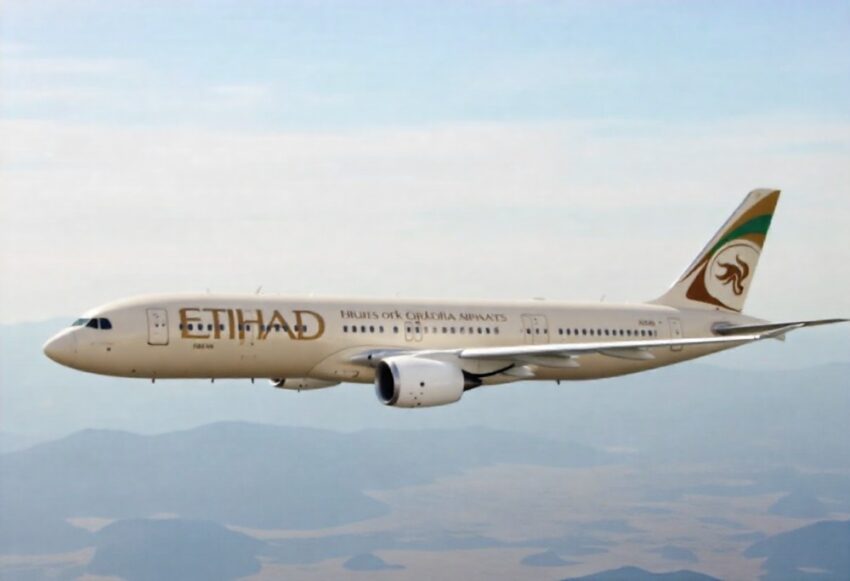
Etihad Beats Emirates, Air Canada, United, Air France, And Other Airlines In 2025 Travel Awards With Unmatched Performance In Safety And Service: New Updates You Need To Know
Etihad Beats Emirates, Air Canada, United, Air France, And Other Airlines,
2025 Travel Awards,

Etihad Airways triumphed over major carriers like Emirates, Air Canada, United, and Air France in 2025, securing a remarkable number of global awards across safety, customer experience, and cabin design. This achievement is a direct result of its exceptional performance in safety ratings, as it became the first airline in the Middle East to earn the prestigious Seven-Star Plus Safety Rating, and its consistent focus on delivering top-tier service, which garnered multiple accolades for its cabin comfort and service innovations. These achievements solidify Etihad’s position as a leading force in the aviation industry, setting new benchmarks for both safety and passenger satisfaction.

Etihad Airways has capped an extraordinary year in 2025, securing over 25 major international awards in categories spanning safety, customer experience, cabin design, and operational performance. With this remarkable achievement, the UAE flag carrier has established itself as a dominant force in global aviation, earning recognition in both service quality and aviation safety.

Operating from Zayed International Airport in Abu Dhabi, Etihad’s performance throughout 2025 stands as a testament to its commitment to excellence. Among its highlights, the airline became the first in the region to earn the coveted Seven-Star Plus Safety Rating, placing it in an elite group of just four airlines worldwide to receive this distinction.

Global Recognition for Service and Safety

Etihad’s award-winning year kicked off with stellar accolades in passenger experience and safety, positioning it as a leader in both sectors. The airline’s robust commitment to safety earned it recognition as one of the safest full-service airlines in the world. As the first airline in the Middle East to receive the Seven-Star Plus Safety Rating from AirlineRatings.com, Etihad joined the ranks of only four airlines globally with this top-tier distinction.

In addition to safety achievements, Etihad was recognized for its unwavering focus on customer experience. At the World Travel Awards Grand Final, Etihad secured three prestigious titles, including:

  • Best Economy Class
  • Best Business Class Lounge
  • Best Customer Experience

These accolades highlight Etihad’s dedication to delivering superior service, both in the air and on the ground, and underscore its role as a leader in enhancing passenger journeys.

The airline’s recognition did not stop at safety and service. AirlineRatings.com also ranked Etihad as one of the top five safest full-service airlines in the world. Joining this elite group of carriers, alongside Air New Zealand, Qantas, and Cathay Pacific/Qatar Airways, further solidified Etihad’s reputation as a global leader in aviation safety.

Cabin and Product Excellence

Etihad’s dedication to cabin design and comfort also garnered significant attention in 2025. The airline took home multiple awards for its onboard product, particularly in the areas of first-class catering and seating comfort.

Skytrax, a respected authority in airline rankings, named Etihad the Best First Class Onboard Catering provider in the Middle East. This recognition further emphasizes Etihad’s commitment to providing a luxurious and memorable experience for its premium customers. Similarly, Business Traveller Middle East awarded Etihad for Best Cabin Crew and Best Economy Class, reinforcing its dedication to maintaining a high standard of service across all cabins.

Additionally, APEX (Airline Passenger Experience Association) awarded Etihad the title of Best in Seat Comfort in the Middle East. This recognition reflects the airline’s focus on providing passengers with the utmost comfort during long-haul flights. The airline’s cabin innovations also included a range of amenities that enhanced the travel experience, such as exclusive first-class kits, children’s amenity kits, and economy comfort products, all of which were met with praise from passengers and industry professionals alike.

Etihad’s focus on design was further recognized when The Design Air named it the Design Airline of the Year for the Middle East. This award, based on its innovative cabin aesthetics and service enhancements, added another feather in Etihad’s cap as a leader in passenger experience design.

Operational Performance Growth

Beyond its cabin excellence, Etihad made significant strides in operational performance throughout 2025. The airline was honored by Aviation Business Middle East with an award for Best Customer Experience Initiative. This award acknowledged Etihad’s commitment to continuously enhancing its customer service through innovative programs and initiatives.

Etihad’s operational strength extended to its cargo division, where the airline earned awards for Customer Centricity and Innovative Logistics Solutions. These accolades reflect Etihad’s ability to provide exceptional service in both passenger and freight operations, reinforcing its status as a full-spectrum aviation group.

The airline’s continued fleet modernization and expansion also contributed to its operational success. In 2025, Etihad introduced new aircraft types to its fleet and expanded its route network. These efforts, combined with a focus on operational discipline, allowed Etihad to meet growing demand while maintaining exceptional performance levels.

Leadership and Staff Performance

Etihad’s leadership team has been credited with driving the airline’s success, particularly its sustained investment in fleet expansion, technology, and staff development. By prioritizing operational efficiency and employee performance, the airline has been able to balance rapid growth with the delivery of high-quality service.

Etihad’s staff also played a crucial role in its award-winning year. The airline’s cabin crew and ground staff were praised for their exceptional service and professionalism, which contributed significantly to its recognition in categories such as Best Cabin Crew and Best Economy Class.

The Bottom Line: Etihad’s Record-Breaking Year

Etihad Airways concluded 2025 with a record-breaking number of awards, affirming its leadership in both safety and customer experience. The carrier’s blend of innovation, service excellence, and operational efficiency has set a new benchmark for the aviation industry, making it one of the most recognized airlines worldwide.

The airline’s performance underscores the effectiveness of its strategy, which balances rapid expansion with operational discipline. As Etihad continues to strengthen its global position, it remains committed to providing the highest standards of safety, comfort, and customer service.

Award-Winning Airlines of 2025

Etihad’s achievements were part of a broader trend in the aviation industry, with several other carriers also earning top accolades in 2025. Some of the other major winners include:

  • Air New Zealand: Ranked as the safest airline in the world.
  • Qantas: Recognized for its operational safety and service excellence.
  • Cathay Pacific: Awarded for its premium service offerings.
  • Qatar Airways: Honored for its commitment to passenger satisfaction.
  • Emirates: Recognized for its in-flight entertainment and service quality.
  • Air Canada: Named a top performer in customer experience and safety.
  • United Airlines: Acknowledged for its punctuality and operational performance.
  • Air France: Awarded for its cabin comfort and service innovations.
  • Virgin Atlantic: Recognized for its exceptional business class service.

Etihad joins these distinguished airlines in setting new standards for the global travel experience, with its remarkable performance in 2025.

As Etihad Airways celebrates a milestone year, the airline looks ahead to continued growth and service excellence in 2026 and beyond. With its strong focus on safety, customer service, and operational performance, Etihad is poised to maintain its leadership position in the competitive aviation industry.

Etihad Airways outshined Emirates, Air Canada, United, Air France, and others in 2025, winning top accolades for its unmatched safety standards, including the prestigious Seven-Star Plus Safety Rating, and its consistent excellence in customer service, cabin design, and operational performance.

The airline’s combination of innovative cabin designs, impeccable service, and award-winning safety protocols ensures that Etihad will remain a top choice for travelers seeking comfort, reliability, and exceptional travel experiences. As Etihad’s global reputation continues to rise, it is set to shape the future of air travel in the years to come.

The post Etihad Beats Emirates, Air Canada, United, Air France, And Other Airlines In 2025 Travel Awards With Unmatched Performance In Safety And Service: New Updates You Need To Know appeared first on Travel And Tour World.


Germany Joins UK, France, Netherlands, Croatia, Bulgaria, And Other Thirty-Eight Countries In Europe In Facing Hardship As US Hikes H-1B Visa Fee To One Hundred Thousand Dollar

Germany Joins UK, France, Netherlands, Croatia, Bulgaria, And Other Thirty-Eight Countries In Europe In Facing Hardship As US Hikes H-1B Visa Fee To One Hundred Thousand Dollar
Germany Joins UK, France, Netherlands, Croatia, Bulgaria, And Other Thirty-Eight Countries In Europe,
US Hikes H-1B Visa Fee,

Germany, UK, France, Netherlands, Croatia, Bulgaria, and other thirty-eight countries in Europe are now suffering as the US tightens its H-1B visa rules, imposing a $100,000 ( one hundred thousand dollar) fee increase. This dramatic hike in visa application costs, combined with a shift from the lottery system to a skill- and wage-based selection process, is making it increasingly difficult for skilled professionals from these European nations to secure work opportunities in the US. With these changes, aspiring workers in industries such as technology, engineering, and business are left grappling with heightened financial and procedural barriers, pushing them to consider alternative destinations for their careers.

In a significant shift to the US immigration landscape, the Trump administration’s changes to the H-1B visa program have sent shockwaves through the global talent pool, especially affecting workers from countries with high volumes of H-1B visa applicants. Germany, the United Kingdom, France, Netherlands, Croatia, Bulgaria, and thirty-two other European countries are now grappling with the repercussions of a $100,000 fee increase on H-1B visas and a drastic overhaul of the selection system. The new policy, which introduces a skill-based and wage-weighted selection process, has made it more difficult for foreign talent to secure H-1B visas, raising concerns about the future of international workforces in the US.

The Rising Costs of US H-1B Visas: A New Era of Restrictions

The most notable change to the H-1B visa program is the introduction of a $100,000 surcharge for petitions filed from outside the US. This significant hike comes on top of existing application fees and is expected to disproportionately affect workers from countries with high levels of H-1B visa applications, including India, China, and several European nations. For many aspiring foreign workers, especially from countries like Germany, the UK, and France, the increased costs represent a barrier to accessing lucrative job opportunities in the US.

While Indian nationals have historically made up the largest group of H-1B holders, the changes will affect other countries that send highly skilled professionals to the US. In particular, Germany, as one of the top contributors to the global skilled workforce, now faces an uncertain future for its tech and engineering experts hoping to work in the US.

Changes to the Selection System: Skill-Based Prioritization and Wage Criteria

Previously, H-1B visas were awarded through a random lottery system, with applicants from countries like Germany and the UK having an equal chance of selection. The new regulations have removed this random lottery in favor of a system that prioritizes applicants based on their skills and the wages offered by their potential employers. This change is seen as a direct attempt to attract the highest-paid and most specialized talent, a move that leaves many applicants from lower-paying industries at a disadvantage.

For countries such as Germany, where many applicants come from specialized fields such as engineering, IT, and research, the shift to a skills and wage-based system might not seem as harsh. However, for other countries with more general applicants, such as Croatia or Bulgaria, the new rules could make it even harder for skilled workers in emerging industries to make their way to the US.

The Impact on European Countries: Challenges and Opportunities

Countries across Europe are already beginning to feel the impact of the new rules. For many European nations, the H-1B visa represented a pathway for young professionals to gain work experience and contribute to the global economy in a leading market. Now, with the new rules in place, these countries are facing new challenges in facilitating work opportunities for their citizens in the US.

Germany, the UK, France, and the Netherlands have historically been major players in the H-1B visa program, with professionals from these countries contributing to the US tech and business sectors. The new $100,000 fee, combined with the skills-based selection system, will likely limit the number of applicants who can afford to pay the fee and meet the wage requirements. Moreover, countries like Croatia and Bulgaria, which had lower numbers of H-1B applicants, may now face a tougher situation, as they were already less reliant on the H-1B system.

Despite these challenges, there are opportunities for European countries to adapt. Germany, for example, is already ramping up its own skilled worker programs to accommodate displaced H-1B applicants. The UK, too, has introduced more flexible post-study visa options for international graduates, potentially offering an alternative route for skilled professionals to enter the US job market without relying on the H-1B visa system.

How Countries Are Adapting: New Policies and Programs

As the US becomes increasingly selective in its approach to foreign talent, countries across Europe are strengthening their own immigration policies to retain top talent. In Germany, for instance, efforts are underway to expand skilled worker visa programs, making it easier for international professionals to live and work in the country. Additionally, France has been promoting its own tech visa initiative to attract highly skilled workers to its shores.

For smaller European nations like Croatia and Bulgaria, however, adapting to these changes may be more difficult. These countries do not have the same level of resources or established talent pipelines as Germany or the UK, making it harder for them to implement large-scale workforce retention policies. Nevertheless, countries such as these are increasingly focusing on improving domestic talent pools and establishing international partnerships to ensure that their workers have the skills and qualifications necessary to thrive in the global job market.

The Ripple Effect: Global Talent Mobility and Emerging Alternatives

While the US has historically been the destination of choice for many skilled professionals, the tightening of the H-1B visa program is pushing global talent to explore alternative work destinations. European countries, along with Canada and Australia, have become more attractive options for skilled professionals, thanks to their more flexible immigration policies and their thriving job markets.

Canada, for example, has seen a surge in skilled worker applicants as the US continues to make its visa processes more restrictive. The Canadian government’s focus on attracting tech talent, through programs like the Global Talent Stream, has positioned Canada as a strong competitor to the US in the global talent race. Similarly, countries like Germany and France are making strides to offer more opportunities for skilled professionals in a range of industries, from tech to healthcare.

With fewer H-1B visas available, and higher costs for those who are eligible, the US is at risk of losing its status as the primary destination for foreign talent. As workers turn their attention to more accessible and welcoming alternatives, the ripple effect will be felt across industries in the US, particularly in tech and engineering.

Countries Most Affected by US H-1B Visa Changes

Below is a table outlining the countries most affected by the US’s new H-1B visa regulations, including the fee increase and skill-based selection system. These countries are facing challenges due to the increased costs and the changing selection criteria.

CountryH-1B Visa Fee Impact
Germany$100,000 surcharge
United Kingdom$100,000 surcharge
France$100,000 surcharge
Netherlands$100,000 surcharge
Croatia$100,000 surcharge
Bulgaria$100,000 surcharge
Italy$100,000 surcharge
Spain$100,000 surcharge
Poland$100,000 surcharge
Sweden$100,000 surcharge
Norway$100,000 surcharge

These countries are likely to be among the hardest hit by the US’s new rules, with the most direct impact felt in industries like technology and engineering, where skilled workers are most often seeking US opportunities.

As the US tightens its grip on the H-1B visa system, Europe, along with many other regions, will have to adapt to the changing global job market. The $100,000 fee and the shift to a skills and wage-based system will likely limit the number of professionals from countries like Germany, the UK, and France who can secure H-1B visas.

Germany, UK, France, Netherlands, Croatia, Bulgaria, and thirty-eight other countries in Europe are now suffering as the US tightens its H-1B visa rules with a $100,000 ( one hundred thousand dollar) fee increase. This dramatic hike and the shift to a skill- and wage-based selection process are making it harder for foreign talent to secure work visas.

While the impact of these changes will be felt most acutely by aspiring workers from countries with high volumes of H-1B applications, the global talent pool will adjust by exploring new opportunities in other markets. With countries like Canada and Germany making significant strides in offering skilled worker programs, the future of talent mobility looks increasingly diverse. The question remains whether the US, in its attempt to tighten borders and favor high-paying professionals, will continue to dominate as the destination of choice for skilled workers, or if Europe and other nations will become the new hotspots for talent.

The post Germany Joins UK, France, Netherlands, Croatia, Bulgaria, And Other Thirty-Eight Countries In Europe In Facing Hardship As US Hikes H-1B Visa Fee To One Hundred Thousand Dollar appeared first on Travel And Tour World.

US Outpaces Australia, UK, Canada, France, Germany, Singapore, And More Major Countries In Propelling India’s Tourism Growth To New Heights, Achieving Over Eight Percent Increase In 2025

US Outpaces Australia, UK, Canada, France, Germany, Singapore, And More Major Countries In Propelling India’s Tourism Growth To New Heights, Achieving Over Eight Percent Increase In 2025
US Outpaces Australia, UK, Canada, France, Germany, Singapore, And More Major Countries,
India’s Tourism Growth,

US outpaces Australia, UK, Canada, France, Germany, Singapore, and more major countries in propelling India’s tourism growth to new heights, achieving over eight percent increase in 2025, due to strong year-on-year growth, increased cultural connections, and a surge in wellness and heritage tourism. The US continues to be the leading source of foreign tourist arrivals (FTAs) in India, with over 1.8 million visitors projected for the year, highlighting the importance of strategic marketing, e-visa expansions, and enhanced air connectivity. This growth is set to help India reach new tourism milestones, despite challenges faced in certain other regions, making 2025 a remarkable year for the sector.

India’s tourism sector is showing impressive recovery and growth, with a remarkable surge in foreign tourist arrivals (FTAs) in 2025. The United States has emerged as a key contributor to this growth, surpassing other major markets like Australia, the United Kingdom, Canada, France, Germany, and Singapore in driving India’s tourism industry. According to the latest government data, India is projected to witness a more than eight percent increase in FTAs for the year, with contributions from top markets boosting this upward trend.

In 2025, the total FTAs are expected to reach a record-breaking figure of approximately 19.2 million, up from 9.95 million in 2024. The first half of 2025 already showed strong growth, with 4.26 million international visitors, and projections indicate that the year will end with substantial gains despite a slight dip in Q2, which was largely attributed to seasonal trends and geopolitical factors.

Factors Behind the Growth: A Focus on Top Markets

The rise in foreign tourist arrivals is a direct result of various growth factors, including strategic marketing campaigns like the “Incredible India” initiative, the expansion of e-visas, and enhanced air connectivity. The US, with over 1.8 million arrivals, is the biggest contributor to this growth. This is followed by significant contributions from markets like Bangladesh, the United Kingdom, Australia, Canada, and other emerging sources.

The US stands out for its consistent year-over-year growth, contributing around 16-18% of all FTAs in India. With strong cultural ties, increasing wellness tourism interest, and direct flights connecting major US cities to India, the US market has become a pillar for India’s tourism growth. The influx of international visitors from the US is further aided by a growing Indian diaspora and increasing tourism in key Indian cities such as Delhi, Mumbai, and Bangalore.

Although Bangladesh has been a leader in volume, its growth has faced challenges in 2025 due to regional political issues. However, the country still managed to contribute significantly, recovering in the latter part of the year. Countries like the UK, Canada, and Australia have also continued to show steady growth, contributing to over 30% of the total FTAs.

Projections and Trends for 2025

India’s tourism sector has experienced a steady increase since 2024, with a notable rebound from the pandemic lows. In the first quarter of 2025, India saw 2.62 million visitors, representing a 10% increase over the previous year. The second quarter, while witnessing a dip to 1.65 million due to seasonal trends and fewer visitors from Bangladesh, still holds the potential for a recovery in the following months, particularly with the introduction of City MICE Bureaus (Meetings, Incentives, Conferences, and Exhibitions) scheduled for 2026.

The third quarter of 2025 saw a significant rebound with a 16% increase in FTAs, reaching 1.92 million arrivals. Emerging markets, particularly Southeast Asia, including countries like Vietnam, Thailand, and Singapore, have seen strong double-digit growth, thanks to the growing number of direct flights and regional tourism campaigns aimed at boosting bilateral travel.

Growth Factors

  • E-Visas: The introduction and expansion of e-visa schemes have made it easier for international tourists to visit India, particularly benefiting travelers from the US, UK, and Southeast Asia.
  • Connectivity and Air Travel: Direct flights and improved connectivity have been key to India’s tourism revival, with more airlines introducing services between key source markets and India’s top cities.
  • Cultural Appeal and Tourism Campaigns: The “Incredible India” campaign, along with a focus on wellness tourism, medical tourism, and India’s rich cultural heritage, has been a significant driver. Events such as the Kumbh Mela and the International Yoga Day have attracted a global audience, particularly from the US, the UK, and Europe.

Top Source Countries Contributing to India’s Tourism Growth in 2025

The following table summarizes the estimated arrivals from top source countries in 2025 and their contributions to India’s FTAs:

RankCountryEstimated Arrivals (2025)Share (%)
1United States>1.8 million16-18%
2Bangladesh~1.5-1.7 million4.6-17%
3United Kingdom~1.2 million13.5%
4Australia~0.6 million6.1%
5Canada~0.5 million4.8%
6-10Malaysia, Sri Lanka, Germany, France, SingaporeEmerging +10-20% YoYCultural appeal, visa-driven, and new flights.

Key Growth Contributors

  • US/UK/Canada/Australia: These countries have consistently contributed to India’s tourism growth, with year-on-year increases of 10-18%, driven by cultural ties, wellness tourism, and convenient air travel options.
  • Bangladesh: Despite facing regional challenges, Bangladesh remains a significant source of tourists. Although the number dropped in Q2, the overall trend is expected to recover in the latter part of 2025.
  • Southeast Asia and Europe: Countries like Vietnam, Japan, Germany, and France have seen increases of 20-30% due to “Incredible India” campaigns and expanding visa options. These markets are growing rapidly and contributing to India’s tourism boom.

The Impact of MICE on Tourism

India’s upcoming launch of City MICE Bureaus is expected to play a pivotal role in shaping the country’s tourism sector. By focusing on positioning cities like Delhi, Mumbai, and Bangalore as global destinations for meetings, incentives, conferences, and exhibitions (MICE), India aims to attract a higher volume of international business tourists.

This initiative will be supported by improving the infrastructure in major cities, enhancing the facilities for large-scale events, and fostering partnerships between state governments and the tourism industry.

Looking Ahead to 2026 and Beyond

India’s tourism outlook for the coming years is extremely positive. With the expected launch of the MICE initiative, India is set to become a significant player in the global business tourism market. Furthermore, the continued focus on wellness tourism, medical tourism, and cultural heritage will contribute to an expanding market.

The introduction of new visa programs, enhanced air routes, and strategic marketing campaigns will ensure that India remains a top destination for international travelers.

By 2026, India aims to surpass its pre-pandemic levels of tourism, reaching new heights in both economic impact and visitor numbers.

India’s tourism industry is on the path to a robust recovery, thanks to growing contributions from top markets such as the US, the UK, Australia, and emerging markets like Vietnam and Japan. While 2025 saw challenges in Q2, the year-end projections remain positive, with a projected total of over 19 million FTAs. With strategic initiatives like the City MICE Bureaus and continued investment in infrastructure and marketing, India is well-positioned to achieve even higher growth in the coming years.

US outpaces Australia, UK, Canada, France, Germany, Singapore, and more major countries in propelling India’s tourism growth to new heights, achieving over eight percent increase in 2025, driven by strong year-on-year growth, increased cultural connections, and enhanced air connectivity. This surge is primarily fueled by the US’s continued dominance as the largest source of foreign tourist arrivals to India.

The growth trajectory, driven by global and emerging markets, positions India as one of the most attractive and accessible destinations for international tourists in the coming decades.

The post US Outpaces Australia, UK, Canada, France, Germany, Singapore, And More Major Countries In Propelling India’s Tourism Growth To New Heights, Achieving Over Eight Percent Increase In 2025 appeared first on Travel And Tour World.
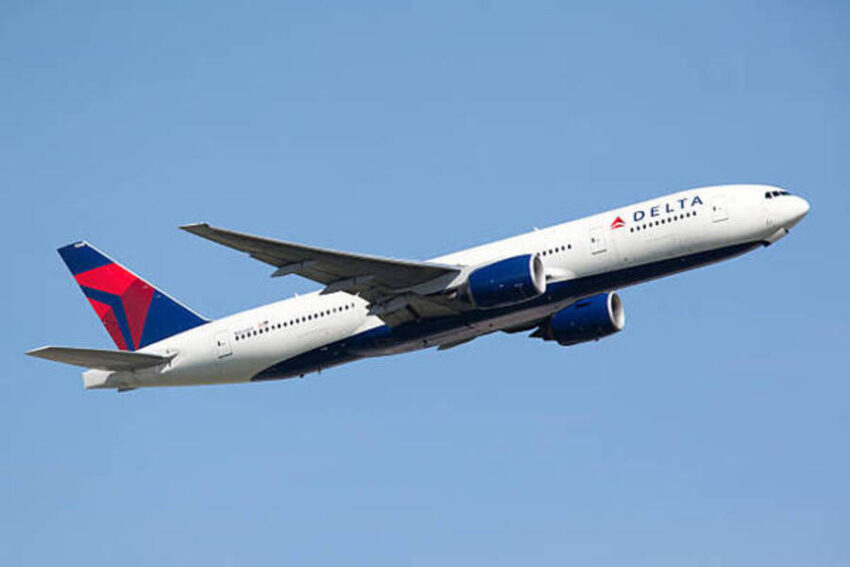
US And Canada Travel Rivalry Reaches New Heights As Air Canada, WestJet, And Porter Airlines Lead Surge In Caribbean Tourism To Mexico, Bahamas, Jamaica, And Cuba Amid 70% Booking Decline

US And Canada Travel Rivalry Reaches New Heights As Air Canada, WestJet, And Porter Airlines Lead Surge In Caribbean Tourism To Mexico, Bahamas, Jamaica, And Cuba Amid 70% Booking Decline
US And Canada Travel Rivalry,
Air Canada, WestJet, And Porter Airlines,

US and Canada travel rivalry reaches new heights as Air Canada, WestJet, and Porter Airlines lead the surge in Caribbean tourism to Mexico, Bahamas, Jamaica, and Cuba amid a 70% booking decline caused by escalating political tensions, tariffs, and anti-Canada rhetoric. With US-bound travel from Canada dropping significantly due to these factors, Canadian airlines have strategically shifted focus, ramping up service to sun-soaked Caribbean destinations. This pivot has provided a lifeline for airlines, who are now catering to a growing demand for tropical getaways, offering Canadians new routes and convenient access to some of the most popular beach destinations in the region.

The simmering tensions between the United States and Canada have taken a toll on the travel industry, sending shockwaves through the airline sector. As US-bound travel from Canada drops dramatically due to tariffs, trade disputes, and anti-Canada rhetoric, travelers are redirecting their plans. This shift is benefiting Caribbean destinations, which have become the new go-to for Canadian tourists looking to escape the tensions and soak up the sun. Leading this change are Air Canada, WestJet, and Porter Airlines, who are significantly increasing their Caribbean offerings.

The US-Canada Travel Standoff: What’s Driving the Shift?

The rise in political tensions between the US and Canada has set the stage for a drastic change in the travel habits of Canadians. Tariffs on Canadian goods and divisive political rhetoric, particularly following remarks from former President Trump, have led to a notable decrease in US-bound travel. With this backdrop, Canadian travelers are increasingly opting for the Caribbean, a region that promises both affordable options and tropical allure. This shift has caused a ripple effect across Canadian airlines, which are now tailoring their services to cater to the growing demand for sun-filled getaways.

Air Canada, WestJet, and Porter Airlines Freeze US Routes as US-Canada Tensions Impact Travel Plans

AirlineDeparture CityDestinationRoute StatusEffective Date
Air CanadaMontreal (YUL)Detroit (DTW)SuspendedSep/Oct 2025
Air CanadaMontreal (YUL)Minneapolis (MSP)SuspendedSep/Oct 2025
Air CanadaToronto (YYZ)Indianapolis (IND)SuspendedSep/Oct 2025
Air CanadaVancouver (YVR)Nashville (BNA)SuspendedSep/Oct 2025
Air CanadaVancouver (YVR)Tampa (TPA)SuspendedSep/Oct 2025
WestJetVancouver (YVR)Austin (AUS)SuspendedMay 2025
WestJetVancouver (YVR)Orlando (MCO)Reduced (3x to 1x weekly)May 2025
WestJetEdmonton (YEG)Orlando (MCO)SuspendedMay 2025
WestJetCalgary (YYC)New York (JFK)Reduced (6x to 5x weekly)May 2025
Porter AirlinesToronto (YYZ)San Diego (SAN)SuspendedJun 2025
Porter AirlinesMontreal (YUL)Las Vegas (LAS)Suspended (Winter service)Jan 8, 2026
Flair AirlinesToronto (YYZ)Nashville (BNA)SuspendedMar 2025
Flair AirlinesCalgary (YYC)Las Vegas (LAS)SuspendedMar 2025
Flair AirlinesEdmonton (YEG)Las Vegas (LAS)SuspendedMar 2025
Flair AirlinesEdmonton (YEG)Phoenix (PHX)SuspendedMar 2025
Flair AirlinesVancouver (YVR)Palm Springs (PSP)SuspendedMar 2025

Air Canada Expands Caribbean Routes: A Strategic Pivot

Air Canada, one of the country’s largest airlines, has been forced to adjust its strategy in response to the downturn in US demand. The airline has ramped up its Caribbean network, offering more direct flights to some of the most sought-after beach destinations. Here’s a breakdown of Air Canada’s new routes:

  • Ottawa (YOW) to Nassau (NAS) – Weekly flights from December 2025 to April 2026.
  • Ottawa (YOW) to Montego Bay (MBJ) – Weekly flights from December 2025 to April 2026.
  • Halifax (YHZ) to Nassau (NAS) – Weekly flights from December 2025 to April 2026.
  • Halifax (YHZ) to Montego Bay (MBJ) – Weekly flights from December 2025 to April 2026.

These new services aim to bring Canadians to the Caribbean, where tourism is on the rise and demand for flights remains high.

WestJet’s Strategic Caribbean Expansion: New Routes for 2026

WestJet, known for its extensive network across North America and beyond, has made a bold move to counter the loss of US passengers by aggressively expanding its Caribbean offerings. For the summer of 2026, WestJet will be introducing several new nonstop routes to key Caribbean destinations. Here’s a look at the new WestJet routes that will connect Canadian cities to the Caribbean:

  • Toronto (YYZ) to Puerto Plata (POP), Dominican Republic – Weekly seasonal service starting summer 2026.
  • Montreal (YUL) to Puerto Plata (POP), Dominican Republic – Weekly seasonal service starting summer 2026.
  • Montreal (YUL) to Samaná (AZS), Dominican Republic – Weekly seasonal service starting summer 2026.
  • Quebec City (YQB) to Cayo Coco (CCC), Cuba – Weekly seasonal service starting summer 2026.
  • Winnipeg (YWG) to Cancun (CUN), Mexico – Weekly seasonal service starting summer 2026.

WestJet’s push into the Caribbean market comes as part of a broader strategy to focus on sun destinations amid reduced US demand. This shift is expected to capture the attention of Canadian tourists who have long flocked to these popular resorts.

Porter Airlines Enters the Caribbean Market with New Routes

Porter Airlines, traditionally known for its regional flights, is taking a leap into the Caribbean market with its first-ever direct routes to the region. Starting in early 2026, Porter will begin flying from Montreal to Nassau, Bahamas, offering more flexibility for Canadian travelers.

  • Montreal (YUL) to Nassau (NAS), Bahamas – Three weekly flights starting February 5, 2026.

This new addition will provide Montreal-based travelers with a convenient and affordable way to reach the stunning beaches of the Bahamas, further fueling the Caribbean boom.

The Ripple Effect: US Route Cancellations and Caribbean Growth

As Canadian airlines cut back on US routes due to reduced demand, the Caribbean has become a sanctuary for airlines like Air Canada, WestJet, and Porter Airlines. The trend of focusing on sun destinations is a response to shifting political dynamics that have led to an increase in anti-Canada sentiment in the US.

Here are some notable US route cancellations:

  • Air Canada:
    • Suspended five key US routes starting in the winter of 2025-2026, including Montreal-Detroit (DTW), Montreal-Minneapolis (MSP), and Toronto-Indianapolis (IND).
    • Reduced services on Montreal-San Francisco and Montreal-Miami routes.
  • WestJet:
    • Suspended nine US routes, including Vancouver-Austin (AUS) and Vancouver-Orlando (MCO).
    • Temporary pause on routes like Edmonton-Chicago and Vancouver-Palm Springs.
  • Porter Airlines:
    • Canceled two US routes, including Toronto-San Diego (SAN) and Montreal-Las Vegas (LAS).

These US route suspensions have allowed Canadian airlines to redirect their focus to Caribbean and European destinations.

Caribbean Tourism Soars as Canadian Airlines Shift Focus

The Caribbean is experiencing a boom as a result of this dramatic shift. Key destinations such as Mexico, the Bahamas, Cuba, and Jamaica have seen a surge in Canadian tourists, and the airlines are responding by increasing service to these regions.

Mexico continues to be one of the top choices, with Cancun (CUN) being a hot favorite for its all-inclusive resorts, cultural heritage, and lively nightlife. WestJet’s new service from Winnipeg to Cancun is expected to further boost Canadian arrivals to this popular Mexican destination.

The Bahamas is another popular Caribbean destination seeing increased interest. Nassau (NAS) is known for its beautiful beaches, luxury resorts, and rich history, making it an appealing choice for travelers seeking a tropical escape. Porter Airlines’ new flights from Montreal to Nassau will provide more accessibility for Canadian tourists looking to enjoy the island’s idyllic beauty.

Cuba, particularly Cayo Coco and Varadero, remains a staple for Canadian sun-seekers. WestJet’s new route from Quebec City to Cayo Coco will add convenience for travelers from Quebec looking to visit Cuba’s pristine beaches and vibrant culture.

Jamaica, with its warm climate, beaches, and lively resorts, continues to attract Canadian visitors. Air Canada’s weekly flights to Montego Bay will add to the variety of options for those seeking a laid-back tropical holiday with a touch of adventure.

Caribbean Takeoff: New Routes from Air Canada, WestJet, and Porter Airlines Cater to Shifting Canadian Travel Preferences

AirlineDeparture CityDestinationFrequencyStart Date
Air CanadaOttawa (YOW)Nassau (NAS), BahamasWeekly (Dec 2025-Apr 2026)Dec 2025
Air CanadaOttawa (YOW)Montego Bay (MBJ), JamaicaWeekly (Dec 2025-Apr 2026)Dec 2025
Air CanadaHalifax (YHZ)Nassau (NAS), BahamasWeekly (Dec 2025-Apr 2026)Dec 2025
Air CanadaHalifax (YHZ)Montego Bay (MBJ), JamaicaWeekly (Dec 2025-Apr 2026)Dec 2025
WestJetToronto (YYZ)Puerto Plata (POP), Dominican RepublicWeekly (Summer 2026)Summer 2026
WestJetMontreal (YUL)Puerto Plata (POP), Dominican RepublicWeekly (Summer 2026)Summer 2026
WestJetMontreal (YUL)Samaná (AZS), Dominican RepublicWeekly (Summer 2026)Summer 2026
WestJetQuebec City (YQB)Cayo Coco (CCC), CubaWeekly (Summer 2026)Summer 2026
WestJetWinnipeg (YWG)Cancun (CUN), MexicoWeekly (Summer 2026)Summer 2026
Porter AirlinesMontreal (YUL)Nassau (NAS), Bahamas3 Weekly (Feb 2026 onward)Feb 2026

What’s Next for the US-Canada Travel Landscape?

While the political climate between the US and Canada continues to evolve, it’s clear that the Caribbean will remain a key focus for Canadian airlines in the foreseeable future. Airlines are already planning to expand even further into this region as demand continues to rise, and Canadian travelers show a preference for the Caribbean’s sunny allure over colder, politically charged destinations.

For now, Mexico, Cuba, Jamaica, and the Bahamas are at the forefront of this travel shift. Canadian airlines are well-positioned to meet this demand, offering more routes and better access to these sought-after destinations.

The ongoing US-Canada travel tensions have pushed Canadian airlines to rethink their route networks. In response, Air Canada, WestJet, and Porter Airlines are boosting their Caribbean offerings, providing more direct flights to Mexico, the Bahamas, Cuba, and Jamaica. This strategic pivot is benefiting both airlines and the Caribbean tourism industry as Canadians seek out new and attractive vacation options.

US and Canada travel rivalry reaches new heights as Air Canada, WestJet, and Porter Airlines lead the surge in Caribbean tourism to Mexico, Bahamas, Jamaica, and Cuba amid a 70% booking decline, driven by political tensions, tariffs, and anti-Canada rhetoric. In response, Canadian airlines are shifting focus to the Caribbean, offering more direct flights to popular sun destinations.

With a marked shift from US destinations to Caribbean paradises, the future of travel between the US and Canada may look different, but for now, the Caribbean is winning the travel tug-of-war.

The post US And Canada Travel Rivalry Reaches New Heights As Air Canada, WestJet, And Porter Airlines Lead Surge In Caribbean Tourism To Mexico, Bahamas, Jamaica, And Cuba Amid 70% Booking Decline appeared first on Travel And Tour World.

Finland And Iceland Joins Germany, Canada, Switzerland, US, France, South Africa And Other Fifty-Nine Countries In Enjoying Simplified Travel To South Korea With K-ETA Exemption Extension

Finland And Iceland Joins Germany, Canada, Switzerland, US, France, South Africa And Other Fifty-Nine Countries In Enjoying Simplified Travel To South Korea With K-ETA Exemption Extension
Finland And Iceland Joins Germany, Canada, Switzerland, US, France, South Africa And Other Fifty-Nine Countries,
South Korea,

Finland and Iceland joins Germany, Canada, Switzerland, the US, France, South Africa, and other fifty-nine countries in enjoying simplified travel to South Korea with the K-ETA exemption extension, which now runs until December 31, 2026. This extension removes the need for travelers from these visa-free nations to apply for the Korea Electronic Travel Authorization (K-ETA), streamlining the entry process and encouraging greater tourism to South Korea. By eliminating additional paperwork, the exemption makes it easier for international visitors to explore South Korea’s rich cultural, historical, and modern attractions without the hassle of extra entry requirements.

South Korea has made travel to the country even more accessible by extending its exemption from the Korea Electronic Travel Authorization (K-ETA) for visitors from 67 countries and regions. This move is part of a broader initiative to encourage tourism and simplify the entry process. The exemption, initially announced in 2025, has now been extended until December 31, 2026, offering travelers one less requirement to worry about when planning their trip to South Korea.

For many visa-free travelers, this extension represents a smoother and more convenient entry experience, reducing friction that can sometimes complicate travel. As South Korea works to rebuild its tourism sector, this exemption serves as a welcome gesture, ensuring that international visitors can continue to explore the rich culture, history, and natural beauty that the country offers.

What Is the K-ETA Exemption?

The K-ETA is a system introduced by South Korea to pre-screen travelers before their arrival. It is required for citizens from countries that do not need a visa for short stays in South Korea. Travelers who are exempt from this requirement no longer need to submit an application for K-ETA, saving them both time and effort.

The exemption applies to 67 countries and regions worldwide. While travelers from these areas can still enjoy the benefits of visa-free entry, they do not need to go through the hassle of applying for K-ETA, as the system will automatically recognize their exemption status upon scanning their passport details. This means that eligible travelers will have a more seamless experience when they arrive in South Korea.

Key Details of the K-ETA Exemption

  • Eligibility: The exemption applies to travelers from visa-free countries who were already covered by the temporary K-ETA waiver.
  • Dates: The exemption extension will last until December 31, 2026, continuing to simplify travel into South Korea.
  • No New Steps: Travelers from exempt countries do not need to apply for the K-ETA unless they prefer certain benefits like bypassing the e-Arrival Card at immigration.
  • Valid Passport Required: Even with the K-ETA exemption, travelers must still meet the usual entry requirements, including having a valid passport and return ticket.

For travelers seeking to take advantage of this exemption, the process is easy. Upon scanning their passport on the K-ETA website, a message will appear confirming that they do not need to apply for the K-ETA.

Countries and Regions Covered by the 2026 K-ETA Exemption

South Korea has confirmed that travelers from the following 67 countries and regions will continue to be exempt from the K-ETA requirement until 2026. These countries span across all continents, making it easier for people from various parts of the world to visit South Korea without extra paperwork.

Countries and Regions Covered by the K-ETA Exemption in 2026

Africa

  • South Africa

Americas

  • Canada
  • Chile
  • Colombia
  • Mexico
  • United States

Asia

  • Brunei
  • Hong Kong
  • Japan
  • Macao
  • Singapore
  • Taiwan

Europe

  • Austria
  • Belgium
  • Bulgaria
  • Croatia
  • Cyprus
  • Czech Republic
  • Denmark
  • Estonia
  • Finland
  • France
  • Germany
  • Greece
  • Hungary
  • Iceland
  • Ireland
  • Italy
  • Latvia
  • Liechtenstein
  • Lithuania
  • Luxembourg
  • Malta
  • Monaco
  • Netherlands
  • Norway
  • Poland
  • Portugal
  • Romania
  • San Marino
  • Slovakia
  • Slovenia
  • Spain
  • Sweden
  • Switzerland
  • United Kingdom
  • Vatican City

Middle East

  • Bahrain
  • Israel
  • Kuwait
  • Oman
  • Qatar
  • Saudi Arabia
  • United Arab Emirates

Oceania

  • Australia
  • Fiji
  • Kiribati
  • Marshall Islands
  • Micronesia
  • Nauru
  • New Caledonia
  • New Zealand
  • Palau
  • Samoa
  • Solomon Islands
  • Tonga
  • Tuvalu

This extensive list of countries is a testament to South Korea’s effort to simplify travel access and foster greater tourism connections.

Should You Apply for K-ETA Anyway?

Although the K-ETA exemption makes things easier for most travelers, there are still reasons why some might choose to apply for it voluntarily.

South Korean authorities note that exempt travelers may still apply for the K-ETA if they wish to take advantage of certain benefits, such as:

  • Skipping the e-Arrival Card: By having a K-ETA, travelers can bypass certain entry procedures like the e-Arrival Card, which is typically required for those without K-ETA approval.
  • Long-Term Stay: Travelers who plan to stay longer or visit for purposes that require additional documentation might find it helpful to apply for a K-ETA for streamlined entry.

For those who choose to apply, the process is simple. The K-ETA fee is 10,000 KRW (approximately US$8), and it remains valid until the stated expiry date, even during the exemption period.

Why Is This Important for Travelers?

This move marks a key step in South Korea’s broader effort to revitalize its tourism industry, particularly as the world moves into a post-pandemic travel era. By making travel to South Korea easier and more accessible, the government is not only welcoming back travelers but also sending a message that it is ready to embrace the global tourism market with open arms.

The extension of the K-ETA exemption reflects South Korea’s growing commitment to being a top destination for international visitors. The country boasts an incredible array of cultural and historical sites, a dynamic modern metropolis, scenic natural landscapes, and some of the most innovative experiences in Asia. Whether it’s the ancient temples, stunning beaches, the bustling streets of Seoul, or the serenity of Jeju Island, South Korea has something for everyone.

With the extension of the K-ETA exemption until 2026, South Korea is continuing its commitment to enhancing tourism, providing a smoother travel experience, and drawing in visitors from around the world. Whether you’re from Finland, Iceland, the United States, Canada, or any of the other 65 eligible nations, you can now explore South Korea without the need for additional paperwork.

Finland and Iceland joins Germany, Canada, Switzerland, the US, France, South Africa, and other fifty-nine countries in enjoying simplified travel to South Korea with the K-ETA exemption extension, which eliminates the need for additional travel authorization and eases entry requirements until December 31, 2026. This move enhances accessibility, making it easier for travelers to visit South Korea hassle-free.

For many travelers, this means fewer forms to complete and a more straightforward entry process, allowing them to focus on enjoying their trip rather than navigating administrative hurdles. So, pack your bags and get ready to discover everything South Korea has to offer – now with even fewer steps standing in the way!

The post Finland And Iceland Joins Germany, Canada, Switzerland, US, France, South Africa And Other Fifty-Nine Countries In Enjoying Simplified Travel To South Korea With K-ETA Exemption Extension appeared first on Travel And Tour World.

Saudi Arabia And US Travel Dynamics Shift As Delta Air Lines Launches Exclusive Direct Flights To Riyadh, Strengthening Aviation Ties

Saudi Arabia And US Travel Dynamics Shift As Delta Air Lines Launches Exclusive Direct Flights To Riyadh, Strengthening Aviation Ties
Saudi Arabia And US Travel,
Delta Air Lines,

Saudi Arabia and US travel connections are set to experience a major transformation with the launch of Delta Air Lines’ nonstop service between Atlanta and Riyadh, beginning on October 23, 2026. This new route will make Delta the only US carrier offering direct flights to Saudi Arabia, tapping into the growing demand for travel between the two nations. Supported by Saudi Arabia’s Vision 2030 and backed by significant government subsidies, this strategic move not only strengthens US-Saudi relations but also enhances global connectivity, with Delta’s exclusive partnership with Riyadh Air set to further solidify the airline’s foothold in the Middle East. The service will provide seamless travel options, benefiting both business and leisure travelers while contributing to the region’s rising status as a global aviation hub.

Delta Air Lines (DAL) is set to launch a groundbreaking nonstop route between Atlanta and Riyadh, with the inaugural flight scheduled for October 23, 2026. This service will be operated using the advanced Airbus A350-900, marking a milestone as Delta becomes the only U.S. airline to offer direct flights to Saudi Arabia. The new route aligns with Delta’s strategy to capture the rapidly expanding travel demand from the Middle East.

Initially, Delta’s Atlanta to Riyadh service will run daily, but from early November 2026, it will transition to a three-times-weekly schedule. The flight will take approximately 13 hours to reach Riyadh and about 15.5 hours for the return journey to Atlanta. This makes the new route one of Delta’s longest, emphasizing the importance of the connection between the two cities. Atlanta’s position as Delta’s largest hub provides a robust network of domestic and Latin American connections that will feed into this service, ensuring high demand and efficiency.

King Khalid International Airport in Riyadh is undergoing significant development as part of Saudi Arabia’s Vision 2030, which aims to position the country as a global leader in aviation, tourism, and investment. The new route to Riyadh will further enhance the airport’s growing status as a global hub and contribute to the country’s broader economic diversification goals. Government-backed subsidies are reportedly supporting the service, ensuring that Riyadh is positioned as a key aviation hub, offering both regional and international connectivity.

The strategic launch of this route is not just about expanding Delta’s footprint in the Middle East. It also represents a significant development in the airline’s partnership with the new Saudi start-up carrier, Riyadh Air. Under the agreement, Delta will be Riyadh Air’s exclusive partner in North America, while Riyadh Air will become Delta’s sole partner in Riyadh. The partnership between the two airlines will include codesharing, reciprocal connectivity, loyalty programs, and operational collaboration, such as maintenance and ground services. This collaboration enables Delta to directly access Riyadh and solidifies its presence in Saudi Arabia without relying on self-connecting passengers via other Gulf carriers like Emirates or Qatar Airways.

This exclusive partnership is a strategic advantage for Delta, providing it with proprietary access to one of the fastest-growing regions in global aviation. The airline will not only be able to offer seamless connections between North America and Riyadh but also strengthen its position in the broader Middle East market. The cooperation with Riyadh Air ensures Delta has an edge in this key hub-to-hub corridor, creating a reliable and efficient service for travelers between the U.S. and Saudi Arabia.

The introduction of this nonstop route represents a significant step in Delta’s international expansion and positions the airline as a key player in the Middle East’s rapidly evolving aviation landscape. By tapping into the growing demand for travel between the U.S. and Saudi Arabia, Delta is also contributing to the success of Vision 2030, which is driving significant infrastructure and connectivity improvements in the region.

This new service will not only serve business and leisure travelers but will also facilitate growing trade and investment between the U.S. and Saudi Arabia. As both nations continue to strengthen their economic ties, the new Delta flight to Riyadh will serve as an important link, furthering diplomatic and commercial relations.

Saudi Arabia and US travel connections are set to soar with Delta Air Lines’ new nonstop service between Atlanta and Riyadh, launching on October 23, 2026. This exclusive route is backed by Saudi Arabia’s Vision 2030 and significant government support, making it the only direct US-Saudi link.

Delta’s nonstop flights between Atlanta and Riyadh represent a major strategic initiative, tapping into a high-growth market while bolstering its position in the Middle East. The partnership with Riyadh Air enhances Delta’s connectivity options, ensuring that the airline is well-positioned for the future as Saudi Arabia continues its rise as a key global aviation hub.

The post Saudi Arabia And US Travel Dynamics Shift As Delta Air Lines Launches Exclusive Direct Flights To Riyadh, Strengthening Aviation Ties appeared first on Travel And Tour World.
❌