
Reading view

Hainan Free Trade Port: Reshaping Global Tourism And Luxury Retail Through Strategic Customs Transformation

Hainan Free Trade Port: Reshaping Global Tourism And Luxury Retail Through Strategic Customs Transformation
From Tropical Gateway to Global Hub: The Strategic Evolution of Tourism and Retail in the Hainan Free Trade Port.

The landscape of China’s tourism industry is being fundamentally reshaped following the historic implementation of island-wide special customs operations within the Hainan Free Trade Port. This monumental shift, which officially commenced on December 18, 2025, is being viewed as a catalyst for a new era of economic openness and retail sophistication. Through the strategic integration of duty-free shopping, streamlined visa-free access, and massive infrastructure investments, the region is being positioned as a premier destination for both domestic and global tourism leaders. The narrative of Hainan is no longer limited to its tropical climate; instead, it is being rewritten as a sophisticated hub where trade efficiency and leisure experiences are seamlessly merged to attract a diverse demographic of international travelers.

A New Chapter in Customs and Connectivity

The transition to island-wide special customs operations is being recognized as the most significant milestone since the inception of the free trade port project. Under this new system, the movement of goods and people is being facilitated with unprecedented ease, effectively creating a zone where international standards of trade are being applied within a unique Chinese framework. It is observed that the administrative barriers which previously hindered rapid commercial expansion are being dismantled, allowing for a more fluid exchange of services and capital. This operational shift is not merely a technical change but is being heralded as a structural transformation that elevates Hainan’s status on the global stage.

The Surge of the Duty-Free Sector

A major component of this transformation is being driven by the retail sector, specifically through the expansion of the Sanya International Duty Free Complex. The facility is being utilized as a cornerstone for luxury consumption, where a vast array of high-end brands is being made available to consumers at competitive prices. With the new customs regulations, the processing of jewelry and luxury goods is being expedited, ensuring that the latest global collections are being showcased to visitors without the delays associated with traditional import duties. It is reported by industry analysts that the synergy between tourism and high-end retail is being strengthened, leading to a significant increase in per-capita spending among visitors to the island.

Enhancing Inbound Travel and International Relations

The strategic opening of Hainan is also being felt in the broader context of inbound travel. Visa-free access policies are being expanded to include a wider range of nations, thereby reducing the friction often associated with international trips. This policy is being complemented by the efforts of platforms like Qunar, which are being leveraged to provide seamless booking experiences for a global audience. Furthermore, the relationship between the Hainan market and neighboring regions, such as the Thailand tourism market, is being characterized by both healthy competition and collaborative growth. By benchmarking itself against established hubs like Hong Kong, Hainan is being developed into a distinct alternative that offers a unique blend of coastal leisure and tax-free incentives.

Strategic Infrastructure and Economic Diversification

Beyond the immediate allure of shopping, the provincial government is ensuring that the physical and digital infrastructure of the island is being upgraded to meet international expectations. Transportation networks, including high-speed rail and expanded airport capacities, are being refined to handle the anticipated surge in passenger traffic. Moreover, the focus is being placed on diversifying the tourism product. It is noted that medical tourism, sports tourism, and high-tech exhibitions are being integrated into the island’s offerings, ensuring that the economic benefits of the free trade port are being distributed across multiple sectors. This holistic approach ensures that the island is not solely dependent on seasonal travel but is being transformed into a year-round destination for business and pleasure.

Competitive Dynamics and Regional Impact

The rise of Hainan as a powerhouse is being monitored closely by established trade centers. The Hainan Free Trade Zone is being seen as a direct competitor to Hong Kong, particularly in the realms of jewelry processing and luxury retail. However, this competition is being viewed by many as a positive force that encourages innovation and service excellence across the Greater Bay Area and beyond. The implementation of “first line” and “second line” customs controls is being perfected to ensure that while the island remains open to the world, the integrity of the national customs territory is being maintained. This delicate balance is being managed through advanced technology and real-time data monitoring, reflecting a modern approach to border management.

Future Projections for the Tourism Market

Looking ahead to the China International Travel Mart 2025 and beyond, the trajectory for Hainan appears increasingly robust. The integration of the free trade port into the global supply chain is being seen as a permanent shift rather than a temporary trend. Experts suggest that as the policies mature, the island will be viewed as a gateway for international brands seeking a foothold in the Chinese market, as well as a launching pad for Chinese enterprises looking to go global. The transformation of the tourism market is being characterized by a shift toward quality and sustainability, where the natural beauty of the island is being preserved even as massive commercial developments are being realized.

Conclusion of the Modern Narrative

In summary, the Hainan Free Trade Port is being established as a beacon of China’s commitment to economic reform and global integration. The island is being reimagined as a territory where the world can meet, trade, and explore with minimal restrictions. Through the successful execution of special customs operations and the continuous refinement of the duty-free experience, Hainan is being positioned to lead the next wave of growth in the global tourism industry. The narrative of this transformation is one of ambition, precision, and a forward-looking vision that is being felt across the entire Asian continent.

The post Hainan Free Trade Port: Reshaping Global Tourism And Luxury Retail Through Strategic Customs Transformation appeared first on Travel And Tour World.
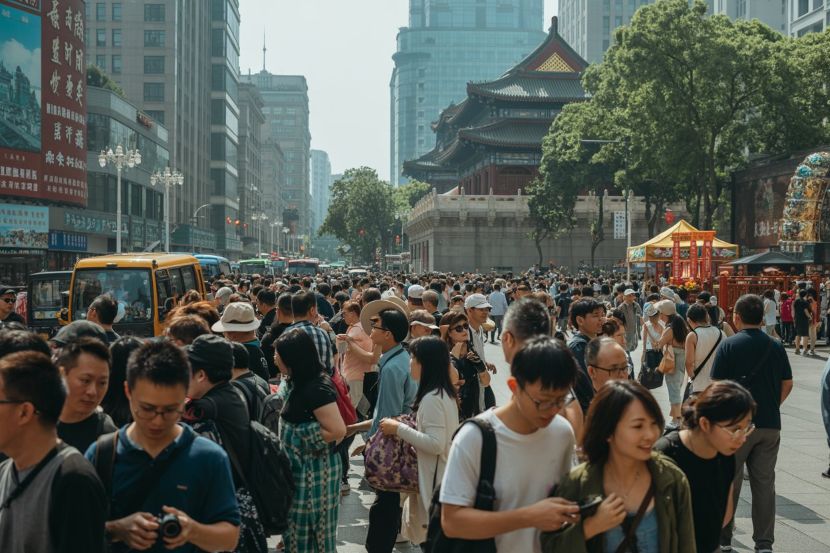
China’s 2025 Tourism Surge Powers Economic Recovery and Stimulates Domestic and Global Travel

China’s 2025 Tourism Surge Powers Economic Recovery and Stimulates Domestic and Global Travel
Chinas 2025 Tourism Surge Powers Economic Recovery and Stimulates Domestic and Global Travel

As China’s economy continues to recover in 2025, the country’s tourism sector has emerged as a major driver of growth, contributing significantly to domestic consumption and international visits. The sharp rise in both domestic tourism and inbound travel reflects how the sector is helping not only boost local economies but also enhance social wellbeing across the nation. From bustling cities to scenic rural destinations, tourism in China is proving to be a key pillar in its economic revival, with millions of people traveling for leisure, cultural exploration, and business purposes.

Rising Demand for Domestic Travel Fuels Economic Growth
Recent statistics from the Ministry of Culture and Tourism show that the first half of 2025 saw 32.85 billion domestic trips, marking a 20% increase compared to the same period last year. This surge in travel corresponds to an impressive 3.15 trillion yuan in tourism spending, a 15% year‑on‑year increase. The significant boost to domestic travel highlights the growing confidence among Chinese citizens to explore their own country. This trend has revitalized numerous industries linked to tourism, such as transportation, hospitality, and retail. Local economies, especially those in smaller cities and rural areas, are benefiting from an influx of visitors spending on services, accommodations, and local attractions.

Inbound Tourism Growth Signals Global Confidence in China as a Destination
China’s appeal to international visitors has also seen a dramatic rebound in 2025. According to official reports, 35.02 million foreign visitors arrived in the first quarter of 2025, representing a 20% increase compared to 2024. This surge is attributed to the easing of travel restrictions, improved visa processes, and ongoing global interest in China’s rich cultural heritage and modern cities. In addition to sightseeing, visitors are increasingly spending on luxury goods, fine dining, and cultural experiences. Major cities like Beijing, Shanghai, and Xi’an have seen particularly high numbers of foreign tourists, eager to experience the unique blend of history and modernity that China offers.

Tourism-Related Services Boost the Economy
The rise in domestic and international tourism has had a ripple effect on various service sectors. The National Bureau of Statistics reported that the service sector, particularly those linked to travel and leisure, has benefitted from price increases in areas such as air travel, hotel accommodations, and transportation services. With summer holidays bringing record numbers of tourists, many businesses saw their profits soar, contributing to the overall economic growth. This trend was particularly notable in tourism hotspots where tourism-driven spending in areas like souvenir sales, tour guides, and cultural events has surged.

Government Support Fuels Tourism’s Growth
China’s government has also played a significant role in promoting tourism through a variety of policy measures. The National Tourism Administration launched campaigns throughout 2025, such as the National Cultural and Tourism Consumption Month, to boost consumer engagement with local attractions. These initiatives involved offering subsidies for tourism-related activities and promoting local cultural experiences. Events such as music festivals, traditional art exhibitions, and regional fairs have drawn large crowds, providing opportunities for local businesses to thrive. Furthermore, infrastructure improvements, such as upgraded transportation networks and enhanced airport facilities, have also made it easier for both domestic and international tourists to travel around China.

“Tourism Plus” Models Drive Consumer Spending
In line with the “tourism plus” model promoted by the government, China is seeing a growing trend of integrated travel experiences that combine leisure, culture, and entertainment. Tourists now seek multi-faceted experiences that allow them to engage with local culture, cuisine, and history in innovative ways. This has led to the growth of new travel packages, combining cultural tours with culinary experiences or eco-tourism. These diversified offerings not only attract tourists but also stimulate consumer spending across several industries, helping to boost economic activity across China.

Tourism’s Social and Economic Impact on Local Communities
One of the most significant outcomes of this tourism boom is its positive impact on local communities. Smaller towns and rural areas that were previously overlooked are now receiving more visitors than ever before, thanks to government investment in tourism infrastructure and promotional campaigns. Local residents are benefiting from job creation in tourism‑related industries, as well as from the income generated by tourism spending. This has had a positive social impact, fostered greater inclusion and helped improve the livelihoods of people in less-developed regions.

Looking to the Future: Sustaining Growth and Enhancing Tourism Opportunities
As China moves forward, the government’s focus on sustainable tourism will be critical in maintaining growth and preserving cultural heritage. By 2026, experts predict that domestic and inbound tourism spending will continue to rise, with travel consumption reaching 90 trillion yuan. This reflects the increasing importance of tourism not only as a driver of economic growth but also as a tool for fostering greater social cohesion and national pride. Continued policy support and infrastructure development will ensure that tourism remains a central pillar of China’s economic strategy in the years to come.

In 2025, tourism in China has proven itself to be a vital force in the country’s ongoing economic recovery. From the growing demand for domestic travel to the resurgence of inbound tourism, China’s tourism sector is not only contributing to economic growth but also enhancing cultural exchange and supporting local communities. With strong government backing and the rise of new tourism models, China’s tourism industry is poised to thrive in the coming years, offering both new opportunities for business and enriching experiences for travellers.

The post China’s 2025 Tourism Surge Powers Economic Recovery and Stimulates Domestic and Global Travel appeared first on Travel And Tour World.
❌