
Reading view

Melbourne Boxing Day Test Shatters Records with Over One Hundred Thousand Tickets Sold, Driving Tourism and Economic Growth
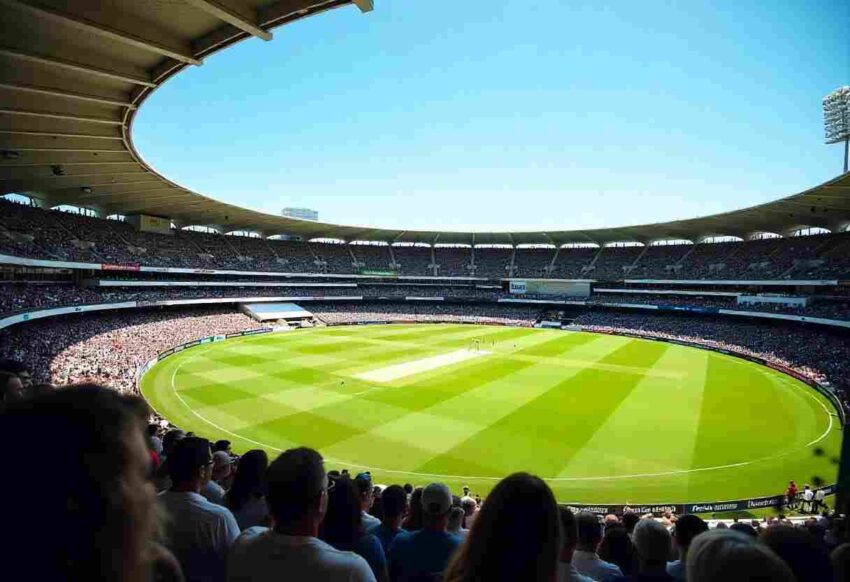
Melbourne Boxing Day Test Shatters Records with Over One Hundred Thousand Tickets Sold, Driving Tourism and Economic Growth
Boxing Day Test ticket for  visitors

The spotlight of the sporting world once again shines on Melbourne today as fans from around the globe gather for the highly anticipated Ashes edition of the Boxing Day Test. This iconic event, held at the Melbourne Cricket Ground (MCG), is expected to attract huge crowds and make a significant contribution to the local economy, with over 100,000 tickets already sold to interstate and international visitors.

Huge Boost to the Visitor Economy

Minister for Tourism, Sport and Major Events, Steve Dimopoulos, joined Cricket Australia CEO Todd Greenberg and MCG CEO Stuart Fox to announce that more than 100,000 tickets have been sold for the Boxing Day Test, providing a major boost to Melbourne’s visitor economy. The majority of these tickets have been purchased by international or interstate fans, who are flocking to Melbourne not only to witness the historic match but also to experience the city’s vibrant atmosphere.

This year’s Test match is expected to attract around 90,000 attendees on each of the first three days, marking a significant increase in footfall compared to previous years. The crowds will be drawn to the MCG, where the energy and excitement of the game is sure to leave a lasting impression. The event builds on the record-breaking attendance seen last year, when a staggering 373,691 people passed through the MCG gates during the five-day match against India.

Rising Hotel Occupancy in Melbourne

With the surge in tourism comes a notable increase in hotel occupancy in Melbourne’s Central Business District (CBD). During the Boxing Day Test, hotel occupancy is forecast to be over 15 percent higher than on comparable days a week earlier, and 11 percent higher than at the same time last year. These figures reflect the growing demand for accommodation, as visitors flock to Melbourne to experience one of the most important sporting events on the Australian calendar.

The impact of the Boxing Day Test on the local hospitality industry is immense, providing not only a boost to hotel occupancy but also increasing business for restaurants, bars, and other venues across the city. Local businesses stand to benefit significantly from the influx of tourists who will spend money on food, drink, and entertainment during the event.

Summer Fest Brings Extra Fun to Fans

In addition to the on-field action, fans can enjoy the lively atmosphere at Yarra Park, located adjacent to the MCG, where the ‘Summer Fest’ event is being held. Supported by the Allan Labor Government, this festival offers a wide range of family-friendly activities, including live music, free games, giveaways, and skills challenges. Summer Fest creates an inclusive environment where fans can immerse themselves in the excitement of the Test while enjoying entertainment and activities for all ages.

The partnership between the Labor Government and Cricket Australia has helped to expand the appeal of the Boxing Day Test, transforming it from a sporting event into a comprehensive entertainment experience. Visitors can take full advantage of everything Melbourne has to offer, from the action at the MCG to the vibrant atmosphere at Summer Fest.

Looking Ahead: The 150th Anniversary Test in 2027

The Boxing Day Test is not only a key moment in Australian cricket but also a major part of the city’s sporting calendar. This year’s event helps build momentum toward a historic milestone for the MCG: the 150th Anniversary Men’s Test between Australia and England, scheduled to take place in March 2027. This match will mark the first-ever men’s Test match to be played under lights at the MCG, adding a modern twist to the legacy of the famous Centenary Test in 1977. The match will evoke memories of the thrilling 45-run victory for Australia that year, a fitting celebration of the long-standing history of the Test match at the MCG.

Raising Awareness for Heart Health and Diabetes

In line with the commitment to public health, Cricket Australia, in partnership with the Shane Warne Legacy, will raise awareness for heart health and diabetes during the Boxing Day Test. Fans attending the event will have the opportunity to take part in free health checks at one of the 56 stations set up in and around the MCG. These stations will provide quick, non-invasive tests that measure key health metrics such as blood pressure, BMI, and diabetes risk. The initiative aims to help people better understand their health and take proactive steps toward improving their well-being.

Government Support Fuels Fan Engagement

The partnership between the Victorian Government and Cricket Australia has played a pivotal role in boosting fan engagement for the Boxing Day Test. By marketing the event to both domestic and international audiences, the government has helped ensure larger crowds and a more successful event. The MCG has been confirmed as the home of the Boxing Day Test until at least 2030, ensuring that future generations will continue to enjoy this iconic event.

The Victorian Government’s support extends beyond the cricket field, contributing to the growth of the state’s tourism sector. As Minister Steve Dimopoulos highlighted, the Boxing Day Test serves as a huge draw for visitors, providing them with the opportunity to explore Melbourne’s food, wine, and natural beauty while attending one of the world’s most exciting cricket events.

Inspiring Future Generations of Cricket Fans

Minister for Community Sport Ros Spence also emphasized the importance of initiatives such as Summer Fest in inspiring the next generation of cricket participants and fans. The fan zone outside the MCG is designed to engage young people and encourage them to get involved in the sport. Through free activities and entertainment, Summer Fest helps build a connection with cricket that extends beyond the game itself, fostering a love of the sport for years to come.

Melbourne: A Global Destination for Sport and Culture

As Visit Victoria CEO Brendan McClements noted, Melbourne is at its most vibrant during the summer months, making it an ideal destination for sports and tourism. The city’s unique sporting precinct, located just a short walk from the CBD, offers a perfect setting for visitors to soak in the atmosphere of the Boxing Day Test. The city’s rich cultural offerings and world-class food and wine experiences make it an irresistible destination for tourists from around the globe.

Looking ahead to the 150th Anniversary Test in 2027, McClements highlighted the opportunity for Melbourne to showcase its sporting and cultural credentials on the global stage. Hosting this milestone event under lights will further cement Melbourne’s status as a premier destination for world-class sporting experiences.

Cricket Australia’s Commitment to the Sport

Cricket Australia CEO Todd Greenberg also underscored the importance of the Boxing Day Test in the history of Australian cricket. The MCG has witnessed some of the greatest moments in the sport, and the Boxing Day Test holds a special place in the hearts of Australian fans. Greenberg expressed gratitude to the Victorian Government for their continued support, which has helped elevate the status of the event as one of the world’s premier sporting spectacles.

Melbourne Cricket Club’s Legacy

As Stuart Fox, CEO of the Melbourne Cricket Club, highlighted, the Boxing Day Test is a deeply rooted tradition in Victoria. The MCG, the birthplace of International Test cricket, continues to be a symbol of Australia’s rich sporting heritage. The event remains a beloved fixture on the Australian cricket calendar, with hundreds of thousands of cricket fans expected to attend across all days of the match.

The post Melbourne Boxing Day Test Shatters Records with Over One Hundred Thousand Tickets Sold, Driving Tourism and Economic Growth appeared first on Travel And Tour World.
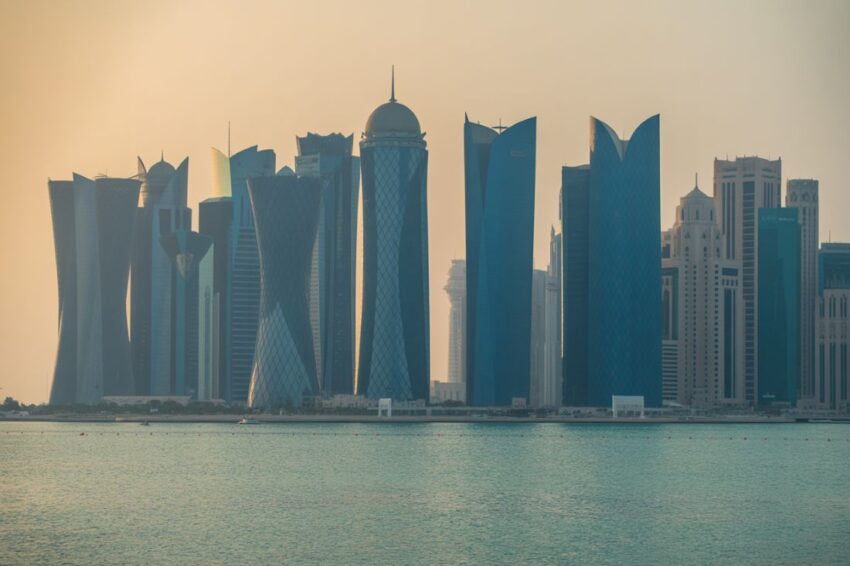
Katara Forum: How Qatar Is Set To Lead The Sports Tourism Boom Across The Arab World!

Katara Forum: How Qatar Is Set To Lead The Sports Tourism Boom Across The Arab World!

The Katara Forum has, yet again, placed Qatar on top of the list of world sports tourism by investigating the cultural dimensions of sports, media and tourism. The event, which took place in partnership with the Arab Federation for Sports Tourism and the Gulf Association for Tourism Media, has opened a new chapter in which the Arab world can use sports as a tool of culture, tourism and influence.

A significant gathering of experts, media professionals, and officials from Qatar, Kuwait, Saudi Arabia, the UAE and Oman, the forum discussed sustainable approaches that tie together sports, media, tourism and the economy. The forum aimed to highlight the importance of using sports as a tool for strengthening cultural identity and positioning the Arab region as a dominant player in global tourism and media.

Qatar’s Vision for Cultural Identity and Sports Tourism

The opening speech at the forum was delivered by Dr. Nadia Al Mudhahka, Director of the Research and Studies Department at Katara, who reiterated Katara’s belief in the unifying power of culture. She noted that culture is not a standalone sector but a dynamic force that shapes identities and binds together sectors such as sports, tourism, and media. Dr. Al Mudhahka highlighted Qatar’s pioneering role in using sports as a bridge for civilisational communication, showcasing Arab culture as a source of strength and influence.

This vision is particularly relevant at a time when Qatar has successfully merged sports tourism with its broader cultural strategy, attracting global attention. The country’s hosting of major sporting events has enhanced its reputation as a hub for cultural exchange, enabling it to build diplomatic bridges through sports, while also boosting the local economy by attracting international visitors.

Strengthening Ties Through Sports and Media

Sheikh Nayef bin Eid Al-Thani, Chairman of the Board and Managing Director of Retaj Hotels and Hospitality Group, addressed the forum’s significance at a crucial time. He remarked that the collaboration of sports, media, and tourism has become a strategic tool for shaping nations’ images on the global stage. Sheikh Nayef highlighted how Qatar’s investment in these sectors has contributed to building a stronger national identity, while also promoting the region’s heritage to international audiences.

Sports tourism is no longer just about viewing events; it’s a comprehensive strategy that involves hospitality, cultural heritage, and media collaboration. As the forum discussed, building an integrated system that blends professional organisation with cultural pride is key to attracting international tourists. Qatar’s commitment to this vision is evident in its ongoing development of sports-related tourism infrastructure and the hosting of world-class events that draw global attention.

The Qatari Model: A Blueprint for Sustainable Sports Tourism

Fatma Al Nuaimi, Executive Director of Communications and Media at the Supreme Committee for Delivery and Legacy, shared insights on Qatar’s evolving role in sports tourism. She highlighted the country’s transformative approach to sports as an economic and cultural force. Qatar’s model focuses on using international sporting events as tools for sustainable development, leveraging these occasions to drive tourism and strengthen regional ties.

The forum underscored Qatar’s leadership in this domain, where sports are viewed as a vital element in fostering economic growth, enriching cultural heritage, and creating opportunities for cross-cultural understanding. By drawing people from all over the world to its sporting events, Qatar is positioning itself as a central player in the global sports tourism industry, offering unique experiences that blend sport with culture.

Promoting Arab Unity Through Sports and Tourism

Ahmed bin Mohammed Al Jarwan, Chairman of the Executive Office of the Forum of Specialized Arab Federations at the League of Arab States, praised Qatar’s consistent support for both Arab and international sports. He stressed that Qatar’s investments reflect a deep understanding of how sports can bring people closer, promote regional development, and elevate the Arab identity globally. His comments reinforced the central theme of the forum, which focuses on using sports to foster unity and pride among Arab nations.

In this light, the forum acts as a platform to share best practices and strategies that Arab nations can adopt to maximise the benefits of sports tourism. This collaborative approach aims to ensure that sports tourism is not just a transient phenomenon but a lasting and sustainable contributor to the economic and cultural vitality of the Arab region.

A Bright Future for Sports Tourism in the Gulf

Kamel Abu Ali, President of the Arab Federation for Sports Tourism, closed the forum by highlighting Qatar’s global standing in organising high-quality sporting events. He commended Qatar’s leadership in creating a sustainable sports tourism framework that serves as a model for other Arab nations. His remarks underscored the importance of professional standards in sports tourism, which not only raise the profile of individual nations but also enhance Arab identity and belonging on the global stage.

The forum also recognised several individuals and organisations for their contributions to advancing sports tourism in the region, celebrating the collaborative spirit that will drive future success. The awards underscored Qatar’s role as a driving force behind the growth of sports tourism and media in the Arab world.

A New Era for Sports Tourism in Qatar and Beyond

The Katara Forum has proven that sports tourism is not just about attracting visitors to events but about building a cultural legacy that can strengthen the global presence of Arab nations. As Qatar continues to develop its sports tourism sector, the region’s ability to use sports as a tool for cultural exchange and sustainable development will be key to its future success. By merging sports, tourism, and media, Qatar is not just shaping its own identity, but also playing a significant role in defining the future of sports tourism in the Gulf region.

The Qatar forum has been an event that has put Qatar on the map as a top sports tourism destination, advising mainly on the featuring of cultural identity, media, and tourism together as an eco-friendly development through the power of the global platform.

The post Katara Forum: How Qatar Is Set To Lead The Sports Tourism Boom Across The Arab World! appeared first on Travel And Tour World.

Qatar Leads The Charge In Sports Tourism, Bridging Cultures And Boosting Global Influence

Qatar Leads The Charge In Sports Tourism, Bridging Cultures And Boosting Global Influence

Qatar has signalled its intentions very clearly during the last couple of years. The tiny but wealthy country wants to be the world’s number one in the sports tourism market and perhaps even more so, intends to canonize the sport as the main actor in cultural interaction, economy support and the soft power of the region’s exuding. Hosting the recent prominent forum at the Katara Cultural Village, Qatar once again, cemented its sports-oriented strategic route as a vibrant force for growth on both the national and regional scales. The meeting was attended by the experts, officials, and media personnel from a number of Arab countries, namely Saudi Arabia, UAE, Kuwait and Oman. The exchange of views focused on setting up a viable Arab structure that ties together sports, tourism, and media, which would in turn, open up the paths of economic development and cultural identity.

Sport as a Tool for Cultural Diplomacy

The Arab Federation for Sports Tourism and the Gulf Association for Tourism Media, the event’s co-organisers, highlighted how sports tourism has evolved into a powerful tool for diplomacy. Qatar, with its vast experience in hosting global sporting events, has embraced this new narrative, positioning sports as not just a leisure activity, but a vital part of the nation’s soft power strategy. Dr Nadia al-Mudhahka, Director of the Research and Studies Department at Katara, stated that the forum demonstrates how culture, sport, and tourism come together to shape national identity and project Qatar’s values to the world.

Qatar’s approach to sports tourism is built upon the principle that sport fosters communication between civilisations. Through major sporting events, such as the FIFA World Cup 2022, Qatar has showcased its organisational prowess, hospitality, and commitment to sustainability. These events have created a lasting legacy, positioning Qatar as a key player in the global sports tourism industry.

Qatar’s Vision for a Unified Arab Sports Tourism Framework

As Qatar continues to shape its sports tourism strategy, the country has become a key catalyst for regional collaboration. The discussions at Katara also touched upon the importance of building a unified Arab sports tourism framework that promotes cultural identity, hospitality, and economic growth. Sheikh Nayef bin Eid al-Thani, Chairman of Retaj Hotels and Hospitality Group, noted that Qatar’s investment in sports, culture, and media reflects its commitment to strengthening both local and regional identities. He pointed out that sports tourism is a long-term investment in people, culture, and identity, a perspective that has greatly influenced Qatar’s strategic focus on hospitality and sports infrastructure.

The country’s investments are not only in sports facilities but also in developing the tourism infrastructure necessary to support the growing demand for sports-related travel. This has led to a surge in high-profile international events being hosted in the country, attracting millions of tourists to enjoy both the athletic contests and the rich cultural experiences that Qatar offers.

Promoting Arab Identity Through Sports

Fatma al-Nuaimi, Executive Director of Communications and Media at Qatar’s Supreme Committee for Delivery and Legacy, echoed this sentiment by emphasising the transformative impact of sports on both the economy and cultural ties within the Arab region. She highlighted that the integration of sports within the tourism sector has far-reaching effects, from economic stimulation to fostering deeper cultural connections among Arab nations.

The success of the 2022 FIFA World Cup in Qatar serves as a prime example of how sports events can catalyse growth in tourism, hospitality, and related industries. The World Cup not only boosted Qatar’s tourism numbers but also helped to reshape the global image of the country, transforming it into a sports and cultural hub. With large-scale events becoming key attractions, Qatar has seen a steady increase in sports tourism-related revenues, further establishing its global reputation.

Qatar’s Pioneering Role in Arab Sports Diplomacy

Qatar’s leadership in Arab sports diplomacy was further highlighted by the comments of Ahmed bin Mohammed al-Jarwan, Chairman of the Executive Office of the Forum of Specialised Arab Federations at the League of Arab States. He praised Qatar for its ongoing support of international sports, noting that the country’s initiatives play a pivotal role in bringing people together and promoting the Arab world on the global stage. He also praised Qatar’s smart approach to developing infrastructure, organising events, and fostering cooperation among Arab countries.

By positioning sports as a platform for collaboration and cultural exchange, Qatar has helped to amplify the positive presence of the Arab world in international affairs. The country’s continuous support for sporting initiatives reflects its strategic vision of using sports as a tool for peace, development, and cultural communication.

Qatar’s Strategic Integration of Sports, Tourism and Economy

The event also underscored how Qatar’s strategic use of sports has not only elevated its global image but also contributed to its economic diversification efforts. Qatar has long been known for its ambitious plans to become a centre of innovation and economic stability, and sports tourism has become an integral part of this vision. With its state-of-the-art facilities, world-class hotels, and modern transport networks, Qatar has become a go-to destination for sports tourism, attracting travellers from all over the globe.

The Arab Federation for Sports Tourism and other regional bodies are committed to supporting Qatar’s initiatives and pushing forward a common agenda that blends sports, culture, and tourism. These efforts will ensure that the region remains competitive on the global stage, showcasing the richness of Arab culture while positioning sports as a central pillar of economic development.

The Future of Sports Tourism in Qatar and the Arab World

Looking ahead, Qatar’s vision for sports tourism continues to expand, with plans for more major sporting events that integrate sustainable practices and promote cultural understanding. As the country’s leadership in sports tourism grows, it will continue to serve as a model for other Arab nations looking to enhance their soft power and global standing.

The sports-to-tourism transition made by Qatar has turned out to be a remarkable triumph, and the future development of the country will be through the power of the collaboration of sports, culture, and tourism. Qatar has improved its reputation through the fusion of these elements, and at the same time, has prepared the ground for more Arab sports tourists’ developments in the future.

The post Qatar Leads The Charge In Sports Tourism, Bridging Cultures And Boosting Global Influence appeared first on Travel And Tour World.
❌