
 Login
Login
Ten Countries Restricting Tourists Soon | Overtourism Travel Bans
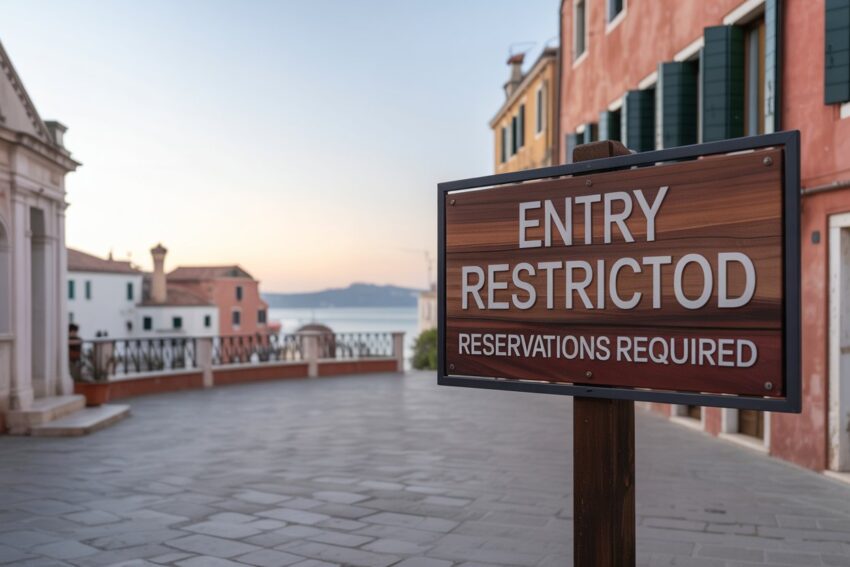
In the golden era of travel, we’ve grown accustomed to the idea that with a passport and a credit card, the world is our oyster. However, the tides are shifting. From the cobblestone alleys of Europe to the pristine peaks of the Himalayas, the “welcome mat” is being replaced by “reservations required.”
A growing number of destinations are grappling with the double-edged sword of popularity. Overtourism, environmental degradation, and the erosion of local culture have forced governments to rethink their open-border policies. If you’ve been dreaming of certain bucket-list spots, you might want to book sooner rather than later. Here are 10 countries and regions that are moving toward stricter tourist restrictions.
Italy (Venice and Beyond)
Italy has long been the poster child for overtourism. Venice, in particular, has reached a breaking point. The city recently implemented a “pilot” entry fee for day-trippers and has banned large cruise ships from its historic center. Expect these “entry fees” to become permanent and for other Italian hotspots like Portofino and the Amalfi Coast to introduce stricter vehicle and pedestrian caps to preserve their fragile charm.
Japan (The Kyoto Pivot)
Japan’s post-pandemic travel boom has been historic—and overwhelming. In Kyoto, residents have complained of “tourist pollution.” The city has already begun closing certain private alleys in the Gion district to foreigners to protect the privacy of Geishas. With the yen fluctuating and crowds swelling, Japan is actively looking at “two-tier pricing”—where tourists pay more than locals—and stricter limits on mountain climbing, specifically on Mt. Fuji.
Bhutan (The High-Value Model)
Bhutan has always been the gold standard for restricted access. Their “High Value, Low Volume” policy includes a Sustainable Development Fee (SDF) that can cost hundreds of dollars per day. While they occasionally offer discounts to lure travelers back, the long-term strategy remains the same: keep the numbers low and the revenue per person high. If you aren’t prepared to pay for the privilege, this kingdom may remain out of reach.
The Netherlands (Amsterdam’s “Stay Away” Campaign)
Amsterdam has made it very clear: they don’t want “nuisance” tourism. The city has launched digital campaigns specifically telling rowdy tourists to “stay away,” moved to ban cruise ships from the city center, and is restricting the opening of new hotels. The goal is to pivot from a party destination to a cultural hub, which means fewer beds and higher prices for those who do visit.
Greece (The Island Caps)
The iconic white-and-blue vistas of Santorini and Mykonos are under threat. Greece has announced plans to cap the number of cruise ship passengers allowed to disembark at its most popular islands starting in 2025. The infrastructure simply cannot keep up with the thousands of people flooding the narrow streets every afternoon.
Spain (The Local Uprising)
From Barcelona to the Canary Islands, locals are protesting. The “Tourist Go Home” graffiti isn’t just a fringe sentiment anymore; it’s a policy driver. Spain is looking into restricting short-term apartment rentals (like Airbnb) and potentially limiting the number of flights into certain regional airports to curb the sheer volume of visitors.
Peru (Machu Picchu’s Fragility)
One of the Seven Wonders of the World is literally sinking under the weight of its fans. The Peruvian government frequently adjusts the daily visitor cap for Machu Picchu and requires tourists to follow strict, timed circuits. Future restrictions are likely to include even smaller daily quotas and more rigorous booking requirements months in advance.
Iceland (The Green Tax)
Iceland’s nature is its biggest draw and its most vulnerable asset. To combat the wear and tear on its volcanic landscapes, Iceland has reintroduced a tourism tax. They are also considering “permits” for certain popular natural sites to ensure that the delicate moss and geothermal areas aren’t trampled into oblivion.
Thailand (Closing the Beaches)
Thailand has shown it isn’t afraid to shut things down. The famous Maya Bay was closed for years to allow its ecosystem to recover. We can expect more “seasonal closures” across Thailand’s islands as the government prioritizes coral reef health over tourism revenue.
France (The Louvre and Beyond)
Paris is already one of the most visited cities on earth, but France is now looking at national strategies to manage “flows.” This includes a cap on daily visitors to the Louvre and potential restrictions on “Instagram-famous” spots in Normandy and the French Riviera that have become dangerously overcrowded.
The post Ten Countries Restricting Tourists Soon | Overtourism Travel Bans appeared first on Travel And Tour World.