
Reading view

Taste of Summer Festival Kicks Off in Hobart with Free Entry for Kids Under 16

Taste of Summer Festival Kicks Off in Hobart with Free Entry for Kids Under 16
Taste of Summer

Starting today, Hobart’s vibrant waterfront will come alive with the highly anticipated Taste of Summer festival, running until January 3, 2026. This fan-favorite summer event offers a delightful celebration of Tasmania’s finest food, drinks, and entertainment, making it the perfect occasion to soak up the essence of the island’s warm, summer vibes. Whether you’re a local or a visitor, the festival is a must-visit for anyone seeking a lively day filled with delicious treats and a variety of entertainment. The festival promises to deliver a memorable experience for all ages.

The Taste of Summer festival brings together the very best of Tasmania’s culinary and cultural offerings, making it the ideal way to kick off your summer adventures. With so much to explore, this festival truly captures the spirit of the island’s rich food and drink culture while offering plenty of fun for families and tourists.

Food, Drinks, and Entertainment

One of the key highlights of the Taste of Summer festival is the incredible range of local food and drinks available. Visitors can sample the very best Tasmania has to offer, with an array of gourmet food stalls and beverage tents showcasing the region’s top produce. From fresh seafood to local cheeses and indulgent sweets, the food at the festival is sure to satisfy all tastes.

The drinks selection is just as impressive, with local wineries, breweries, and distilleries offering a variety of refreshing options to complement the food. Whether you’re enjoying a crisp glass of local wine or a refreshing craft beer, every sip is a celebration of Tasmania’s fine beverage scene. The festival also features several pop-up bars offering expertly crafted cocktails, perfect for sipping while soaking up the lively atmosphere of the waterfront.

Live music performances will fill the air, providing the perfect soundtrack to a day of indulgence and entertainment. From local bands to solo artists, there is something for everyone to enjoy, creating a festival atmosphere like no other. The music will be a focal point of the event, encouraging visitors to relax, dance, and enjoy the vibrant setting of Hobart’s picturesque waterfront.

With all the food, drinks, and live entertainment on offer, the Taste of Summer festival creates a lively, dynamic environment that celebrates the best of Tasmania’s summer culture. There’s no better place to unwind, taste, and experience the vibrant community of Hobart.

Family-Friendly Fun for All Ages

The Taste of Summer festival is designed to be fun for everyone, making it an ideal event for families. This year, the festival is offering a range of family-friendly activities, ensuring that there is something to keep every member of the family entertained. From craft stations to games and face painting, children will have plenty to enjoy. Parents can relax knowing that their little ones are entertained while they sample the incredible food and drinks on offer.

The festival offers a wonderful opportunity for families to spend quality time together. With a wide range of fun activities and events for kids, it’s an experience that the whole family can enjoy. What’s more, children under the age of 16 can attend the festival for free, making it an affordable and exciting option for families looking to enjoy a day out in Hobart. This commitment to making the festival accessible for families ensures that the Taste of Summer is a celebration for the whole community to enjoy, whether they’re locals or visitors from afar.

The event’s family-friendly approach is also reflected in its safe and welcoming atmosphere, with plenty of spaces for children to play and families to gather. The festival has worked hard to ensure that everyone, from the youngest visitors to the oldest, feels included and has access to something special.

Celebrate Summer in Hobart

The Taste of Summer festival isn’t just about food, drinks, and entertainment; it’s also about celebrating the unique culture of Hobart and Tasmania. This festival is a perfect opportunity for visitors to immerse themselves in the island’s way of life, discovering its local cuisine, arts, and traditions. For those who are new to Hobart, it’s a fantastic way to experience the heart and soul of the city and the surrounding region.

The vibrant waterfront setting provides the perfect backdrop for the festival, offering stunning views of the harbor and a chance to enjoy Hobart’s natural beauty. Whether you’re sitting back with a refreshing drink in hand, enjoying the live music, or taking part in a fun family activity, the festival encapsulates everything that makes Hobart such a beloved destination. The Taste of Summer festival invites visitors to experience the best of the city in a relaxed and friendly environment.

Local businesses and artisans also play a key role in the festival, with many offering their products and services, adding a personal touch to the event. The festival is an opportunity for these local makers and creators to showcase their talents, creating a true celebration of Hobart’s creativity and community spirit. From hand-made goods to locally sourced products, the festival offers a chance to take home a piece of Hobart’s charm.

For those who are already familiar with Hobart, the Taste of Summer festival offers a fresh and exciting way to rediscover the city. It’s a fantastic opportunity to spend time with friends and family, explore the waterfront, and create lasting memories while enjoying all that Hobart has to offer.

Don’t Miss Out on This Summer Celebration

With only a few days left to experience all that the Taste of Summer festival has to offer, now is the time to head to Hobart’s waterfront and make the most of this exciting event. Whether you’re sampling local food, enjoying live music, or simply soaking up the festival atmosphere, there’s no better way to spend a summer day in Tasmania. Don’t miss out on this incredible celebration of Hobart’s culture, community, and summer spirit. Make your way down to Hobart’s waterfront today and be part of the Taste of Summer festival; the ultimate way to celebrate Tasmania’s finest food, drinks, and entertainment this summer.

The post Taste of Summer Festival Kicks Off in Hobart with Free Entry for Kids Under 16 appeared first on Travel And Tour World.
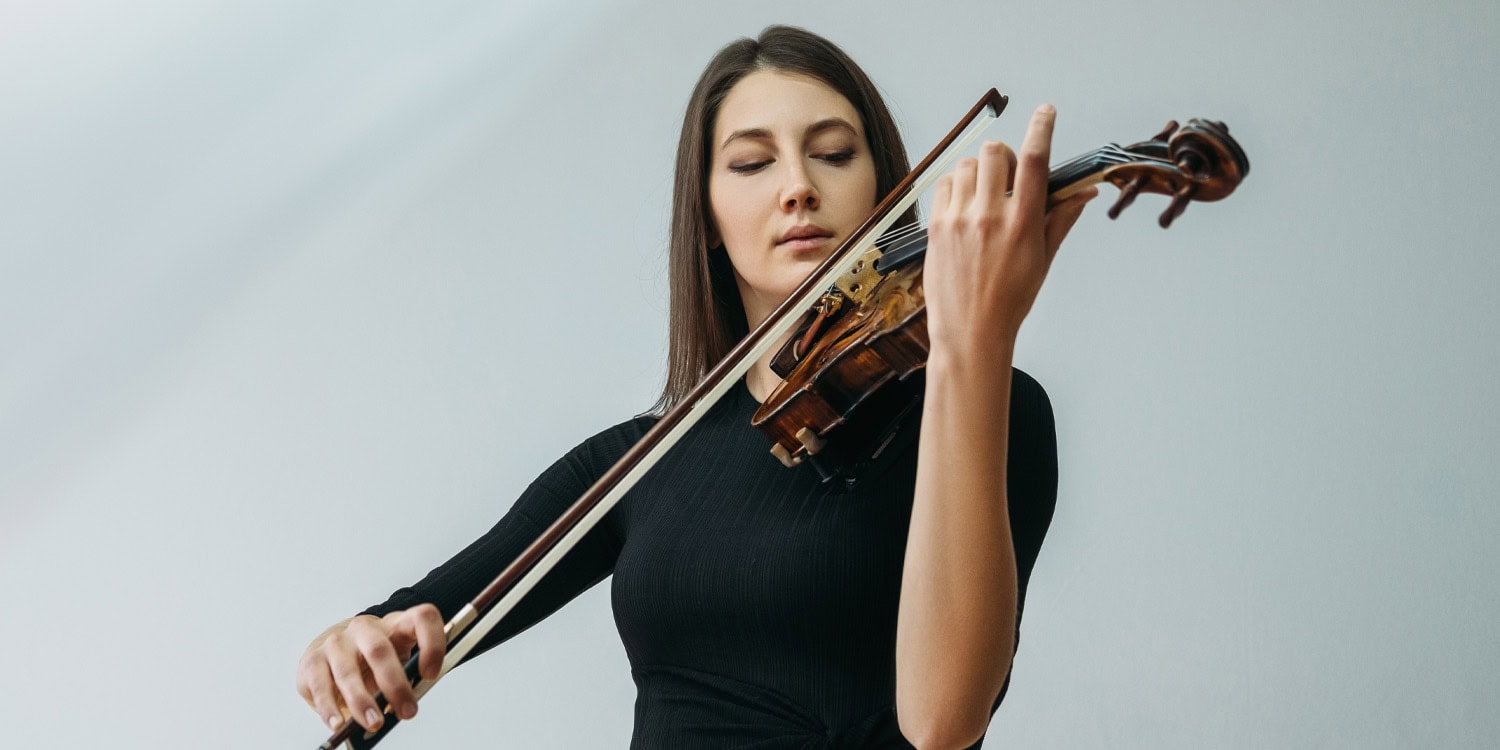

Musical expertise is associated with specific cognitive and personality traits beyond memory performance

Experienced musicians tend to possess an advantage in short-term memory for musical patterns and a small advantage for visual information, according to a large-scale international study. The research provides evidence that the memory benefit for verbal information is much smaller than previously thought, suggesting that some earlier findings may have overrepresented this link. These results, which stem from a massive collaborative effort involving 33 laboratories, were published in the journal Advances in Methods and Practices in Psychological Science.

The study was led by Massimo Grassi and a broad team of researchers who sought to address inconsistencies in past scientific literature. For many years, scientists have used musicians as a model for understanding how intense, long-term practice changes the brain and behavior. While many smaller studies suggested that musical training boosts various types of memory, these individual projects often lacked the statistical power to provide a reliable estimate of the effect.

The researchers aimed to establish a community-driven standard for future studies by recruiting a much larger group of participants than typical experiments in this field. They also wanted to explore whether other factors, such as general intelligence or personality traits, might explain why musicians often perform better on cognitive tests. By using a shared protocol across dozens of locations, the team intended to provide a more definitive answer regarding the scope of the musical memory advantage.

To achieve this goal, the research team recruited 1,200 participants across 15 different countries. This group consisted of 600 experienced musicians and 600 nonmusicians who were matched based on their age, gender, and level of general education. The musicians in the study were required to have at least 10 years of formal training and be currently active in their practice.

The nonmusicians had no more than two years of training and had been musically inactive for at least five years. This strict selection process ensured that the two groups represented clear ends of the musical expertise spectrum. Each participant completed the same set of tasks in a laboratory setting to maintain consistency across the 33 different research units.

The primary measures included three distinct short-term memory tasks involving musical, verbal, and visuospatial stimuli. In the musical task, participants listened to a melody and then judged whether a second melody was identical or different. The verbal task required participants to view a sequence of digits on a screen and recall them in the correct order.

For the visuospatial task, participants watched dots appear in a grid and then had to click on those positions in the sequence they were shown. Additionally, the researchers measured fluid intelligence using the Raven Advanced Progressive Matrices and crystallized intelligence through a vocabulary test. They also assessed executive functions with a letter-matching task and collected data on personality and socioeconomic status.

The researchers found that musicians performed significantly better than nonmusicians on the music-related memory task. This difference was large, which suggests that musical expertise provides a substantial benefit when dealing with information within a person’s specific domain of skill. This finding aligns with the idea that long-term training makes individuals much more efficient at processing familiar types of data.

In contrast, the advantage for verbal memory was very small. This suggests that the benefits of music training do not easily transfer to the memorization of words or numbers. The researchers noted that some previous studies showing a larger verbal benefit may have used auditory tasks, where musicians could use their superior hearing skills to gain an edge.

For visuospatial memory, the study found a small but statistically significant advantage for the musicians. This provides evidence that musical training might have a slight positive association with memory for locations and patterns. While this effect was not as large as the music-specific memory gain, it suggests a broader cognitive difference between the two groups.

The statistical models used by the researchers revealed that general intelligence and executive functions were consistent predictors of memory performance across all tasks. When these factors were taken into account, the group difference for verbal memory largely disappeared. This suggests that the minor verbal advantage seen in musicians may simply reflect their slightly higher average scores on general intelligence tests.

Musicians also tended to score higher on the personality trait of open-mindedness. This trait describes a person’s curiosity and willingness to engage with new experiences or complex ideas. The study suggests that personality and family background are important variables that often distinguish those who pursue long-term musical training from those who do not.

Data from the study also indicated that musicians often come from families with a higher socioeconomic status. This factor provides evidence that access to resources and a stimulating environment may play a role in both musical achievement and cognitive development. These background variables complicate the question of whether music training directly causes better memory or if high-performing individuals are simply more likely to become musicians.

As with all research, there are some limitations. Because the study was correlational, it cannot confirm that musical training is the direct cause of the memory advantages. It remains possible that children with naturally better memory or higher intelligence are more likely to enjoy music lessons and stick with them for over a decade.

Additionally, the study focused on young adults within Western musical cultures. The results might not apply to children, elderly individuals, or musicians trained in different cultural traditions. Future research could expand on these findings by tracking individuals over many years to see how memory changes as they begin and continue their training.

The team also noted that the study only measured short-term memory. Other systems, such as long-term memory or the ability to manipulate information in the mind, were not the primary focus of this specific experiment. Future collaborative projects could use similar large-scale methods to investigate these other areas of cognition.

The multilab approach utilized here helps correct for the publication bias that often favors small studies with unusually large effects. By pooling data from many locations, the researchers provided a more realistic and nuanced view of how expertise relates to general mental abilities. This work sets a new benchmark for transparency and reliability in the field of music psychology.

Ultimately, the study suggests that while musicians do have better memory, the advantage is most prominent when they are dealing with music itself. The idea that learning an instrument provides a major boost to all types of memory appears to be an oversimplification. Instead, the relationship between music and the mind is a complex interaction of training, personality, and general cognitive traits.

The study, “Do Musicians Have Better Short-Term Memory Than Nonmusicians? A Multilab Study,” was authored by Massimo Grassi, Francesca Talamini, Gianmarco Altoè, Elvira Brattico, Anne Caclin, Barbara Carretti, Véronique Drai-Zerbib, Laura Ferreri, Filippo Gambarota, Jessica Grahn, Lucrezia Guiotto Nai Fovino, Marco Roccato, Antoni Rodriguez-Fornells, Swathi Swaminathan, Barbara Tillmann, Peter Vuust, Jonathan Wilbiks, Marcel Zentner, Karla Aguilar, Christ B. Aryanto, Frederico C. Assis Leite, Aíssa M. Baldé, Deniz Başkent, Laura Bishop, Graziela Kalsi, Fleur L. Bouwer, Axelle Calcus, Giulio Carraturo, Victor Cepero-Escribano, Antonia Čerič, Antonio Criscuolo, Léo Dairain, Simone Dalla Bella, Oscar Daniel, Anne Danielsen, Anne-Isabelle de Parcevaux, Delphine Dellacherie, Tor Endestad, Juliana L. d. B. Fialho, Caitlin Fitzpatrick, Anna Fiveash, Juliette Fortier, Noah R. Fram, Eleonora Fullone, Stefanie Gloggengießer, Lucia Gonzalez Sanchez, Reyna L. Gordon, Mathilde Groussard, Assal Habibi, Heidi M. U. Hansen, Eleanor E. Harding, Kirsty Hawkins, Steffen A. Herff, Veikka P. Holma, Kelly Jakubowski, Maria G. Jol, Aarushi Kalsi, Veronica Kandro, Rosaliina Kelo, Sonja A. Kotz, Gangothri S. Ladegam, Bruno Laeng, André Lee, Miriam Lense, César F. Lima, Simon P. Limmer, Chengran K. Liu, Paulina d. C. Martín Sánchez, Langley McEntyre, Jessica P. Michael, Daniel Mirman, Daniel Müllensiefen, Niloufar Najafi, Jaakko Nokkala, Ndassi Nzonlang, Maria Gabriela M. Oliveira, Katie Overy, Andrew J. Oxenham, Edoardo Passarotto, Marie-Elisabeth Plasse, Herve Platel, Alice Poissonnier, Neha Rajappa, Michaela Ritchie, Italo Ramon Rodrigues Menezes, Rafael Román-Caballero, Paula Roncaglia, Farrah Y. Sa’adullah, Suvi Saarikallio, Daniela Sammler, Séverine Samson, E. G. Schellenberg, Nora R. Serres, L. R. Slevc, Ragnya-Norasoa Souffiane, Florian J. Strauch, Hannah Strauss, Nicholas Tantengco, Mari Tervaniemi, Rachel Thompson, Renee Timmers, Petri Toiviainen, Laurel J. Trainor, Clara Tuske, Jed Villanueva, Claudia C. von Bastian, Kelly L. Whiteford, Emily A. Wood, Florian Worschech, and Ana Zappa.

Taylor Swift celebrates Christmas cheering on Travis Kelce, Chiefs

Taylor Swift is at the Chiefs' final home game of the season, possibly watching her fiancé Travis Kelce participate in his last snap at the stadium he's anchored for the past 13 years.

The 36-year-old superstar arrived at the Christmas Day game in a red leather jacket and black miniskirt with family in tow: dad Scott Swift, mom Andrea Swift and brother Austin Swift.

One of the episodes of Swift's Eras Tour docuseries that dropped this week focused on the ways her tight-knit family helped make the tour a success.

Taylor Swift is here ❤️💛 pic.twitter.com/I77I5hZ3nf

— BBQ Chiefs (@BBQChiefs) December 26, 2025

Is Travis Kelce retiring?

With the Dec. 25 appearance, Swift completed perfect home game attendance for the 2025 season, her second straight year of only attending Arrowhead games during the regular season. But even amid the holiday cheer, one question looms over Kansas City: Is No. 87 retiring?

USA TODAY Sports reporter Jack McKessy noted that retirement talk escalated once the Chiefs were knocked out of playoff contention in Week 15. Kelce's older brother, Jason Kelce, said during ESPN's "Monday Night Football" broadcast that Travis needs to "step away for a little bit" before making such a life-changing decision.

Kelce spoke about the prospect of retiring with Tony Gonzalez, another legendary tight end, in an interview that aired before the game on Prime.

"I think obviously the way this one ended, with a sour taste in my mouth, I feel motivated, but I got to make the right decision for me," Kelce said. "I still have a lot of love for this game."

Kelce, who turns 37 next year, now faces a similar crossroads to the one Jason encountered. His contract runs through the end of the 2025 season, the roster is headed for change and, for just the second time in his career, the Chiefs will end the year outside the postseason.

Will Travis Kelce retire? Jason Kelce weighs in on speculation

Three years of cheering for Swift

While Kelce weighs his future, Swift's three-year arc in the NFL spotlight has defined her football era.

In 2023, she shocked Swifties by showing up at a Chiefs-Bears game, seated next to Donna Kelce. Since then, she's attended dozens of games across three seasons. In her first two seasons, she jetted between Eras Tour stops, including a dramatic Tokyo-to-Vegas sprint to make the 2024 Super Bowl following four back-to-back concerts. In Season 2, she famously turned the Arrowhead tunnel into her own runway. Season 3 brought a quieter approach, with Swift attending only home games and keeping her appearances low-key and off-the-radar.

Swift's rise as an NFL regular also included two consecutive Super Bowl trips. She kissed Kelce on the field after the Chiefs' overtime win against the 49ers in 2024. A year later, cameras caught her for less than five seconds during the Chiefs-Eagles rematch, prompting loud boos from Eagles fans.

Swift peels back the curtain on the couple's football-meets-fairytale love story in her Disney+ docuseries. Her mom, Andrea Swift, admits she did the early vetting and urged her daughter to give the tight end a chance. Swift says she became obsessed with the American sport following one of their first dates when Kelce explained football "like violent chess." He proposed to her on Aug. 13 following the taping of the "New Heights" episode where she announced her 12th studio album, "The Life of a Showgirl."

Swift attendance timeline

Here's every Chiefs game Swift has attended since the two began dating in 2023.

Season 1 in 2023 (10–3):

  • Sept. 24: Chiefs beat the Bears 41-10
  • Oct. 1: Chiefs beat the Jets 23-20
  • Oct. 12: Chiefs beat the Broncos 19-8
  • Oct. 22: Chiefs beat the Chargers 31-17
  • Dec. 3: Packers beat the Chiefs 27-19
  • Dec. 10: Bills beat the Chiefs 20-17
  • Dec. 18: Chiefs beat the Patriots 27-17
  • Dec. 25: Raiders beat the Chiefs 20-14
  • Dec. 31: Chiefs beat the Bengals 25-17
  • Jan. 13: Chiefs beat the Dolphins 26-7
  • Jan. 21: Chiefs beat the Bills 27-24
  • Jan. 28: Chiefs beat the Ravens 17-10
  • Feb. 11: Chiefs beat the 49ers 25-22 (Super Bowl)

Season 2 in 2024 (9–1):

  • Sept. 5: Chiefs beat the Ravens 27-20
  • Sept. 15: Chiefs beat the Bengals 26-25
  • Oct. 7: Chiefs beat the Saints 26-13
  • Nov. 4: Chiefs beat the Buccaneers 30-24
  • Nov. 10: Chiefs beat the Broncos 16-14
  • Nov. 29: Chiefs beat the Raiders 19-17
  • Dec. 21: Chiefs beat the Texans 27-19
  • Jan. 18: Chiefs beat the Texans 23-14
  • Jan. 26: Chiefs beat the Bills 32-29
  • Feb. 9: Eagles beat the Chiefs 40-22 (Super Bowl)

Season 3 in 2025 (5–3):

  • Sept. 14: Eagles beat the Chiefs 20-17
  • Sept. 28: Chiefs beat the Ravens 37-20
  • Oct. 12: Chiefs beat the Lions 30-17
  • Oct. 19: Chiefs beat the Raiders 31-0
  • Oct. 27: Chiefs beat the Commanders 28-7
  • Nov. 23: Chiefs beat the Colts 23-20
  • Dec. 7: Texans beat the Chiefs 20-10
  • Dec. 14: Chargers beat the Chiefs 16-13

Don't miss any Taylor Swift news; sign up for the free, weekly newsletter This Swift Beat.

Follow Taylor Swift reporter Bryan West on InstagramTikTok and X as @BryanWestTV.

This article originally appeared on Nashville Tennessean: Taylor Swift celebrates Christmas cheering on Chiefs against Broncos

Samsung’s new Silicon-Carbon battery is here, but it’s not for phones

Samsung has developed a new type of battery called a Silicon-Carbon (Si-C) battery, but it’s not for phones. Many people have been waiting for Samsung to put this battery in Galaxy smartphones because Si-C batteries can last longer and charge faster than normal lithium-ion batteries. However, even the upcoming Galaxy S26 Ultra will still use a regular lithium-ion battery.

The new Silicon-Carbon battery is not for phones or tablets. It is created for electric vehicles (EVs). Samsung’s battery division, Samsung SDI, has joined hands with KG Mobility, a South Korean car company, to make advanced battery packs for future electric cars.

These batteries use Samsung SDI’s 46-series cylindrical cells. They include high-nickel NCA cathodes and a special silicon-carbon anode developed by Samsung. The aim is to make batteries more powerful, safer, and longer-lasting for electric vehicles.

Samsung Silicon Carbon Battery

Image via Samsung

This battery reduces swelling, which is a common problem in batteries over time. It also has a tabless design, which allows electricity to flow more efficiently. This improves performance and enables faster charging for electric cars. The battery also has better heat management. 

The new battery packs will be used in KG Mobility’s next-generation electric cars. Samsung SDI and KG Mobility have signed an agreement to continue working together on future battery technologies. Stay tuned for more information.

Google Search Top Stories Preferred Source

The post Samsung’s new Silicon-Carbon battery is here, but it’s not for phones appeared first on Sammy Fans.

Listening to music immediately after learning improves memory in older adults and Alzheimer’s patients

Listening to music immediately after learning new information may help improve memory retention in older adults and individuals with mild Alzheimer’s disease. A new study published in the journal Memory provides evidence that emotionally stimulating music can enhance specific types of memory recall, while relaxing music might help fade negative memories. These findings suggest that low-cost, music-based interventions could play a supportive role in managing cognitive decline.

Alzheimer’s disease is a progressive condition that damages neurological structures essential for processing information. This damage typically begins in the hippocampus and entorhinal cortex. These areas are vital for forming new episodic memories. As the disease advances, individuals often struggle to recall specific events or details from their recent past.

A common symptom in the early stages of Alzheimer’s is false recognition. This occurs when a person incorrectly identifies a new object or event as something they have seen before. Memory scientists explain this through dual-process theories. These theories distinguish between recollection and familiarity. Recollection involves retrieving specific details about an event. Familiarity is a general sense that one has encountered something previously.

In Alzheimer’s disease, the capacity for detailed recollection often declines before the sense of familiarity does. Patients may rely on that vague sense of familiarity when trying to recognize information. This reliance can lead them to believe they have seen a new image or heard a new story when they have not. Reducing these false recognition errors is a key goal for cognitive interventions.

While specific memory systems degrade, the brain’s ability to process emotions often remains relatively intact for longer. Research indicates that emotional events are generally easier to remember than neutral ones. This emotional memory enhancement relies on the amygdala. This small, almond-shaped structure in the brain processes emotional arousal.

The amygdala interacts with the hippocampus to strengthen the storage of emotional memories. Activity in the amygdala can trigger the release of adrenal hormones and neurotransmitters like dopamine and norepinephrine. These chemicals help solidify neural connections. This process suggests that stimulating the amygdala might help strengthen associated memories.

Researchers have explored whether music can serve as that stimulus. Music is known to induce strong emotional responses and activate the brain’s reward systems. Previous studies with young adults found that listening to music after learning can improve memory retention. The research team behind the current study aimed to see if this effect extended to older adults and those with Alzheimer’s.

“Our team, led by Dr. Wanda Rubinstein, began researching music-based interventions to improve memory around ten years ago, with a focus on emotional memory. The results regarding the effect of music on younger adults’ memory were promising. When presented after the learning phase, music improved visual and verbal memory,” said study author Julieta Moltrasio, a postdoctoral researcher affiliated with the National Council for Scientific and Technical Research, the University of Palermo, and University of Buenos Aires.

“Additionally, several studies have shown that people with dementia can remember familiar songs even when they forget important events from their past. My supervisor and I work with people with dementia, so we wanted to further explore the use of music as an intervention for this population. Specifically, we wanted to explore whether music could help them learn new emotional material, such as emotional pictures.”

The study included 186 participants living in Argentina. The sample consisted of 93 individuals diagnosed with mild Alzheimer’s disease and 93 healthy older adults. A notable aspect of this group was their educational background. Many participants had lower levels of formal education than is typical in neuroscience research. This inclusion helps broaden the applicability of the scientific findings to a more diverse population.

The researchers engaged the participants in two sessions separated by one week. In the first session, participants viewed a series of 36 pictures. These images were drawn from a standardized database used in psychological research. The pictures varied in emotional content. Some were positive, some were negative, and others were neutral.

After viewing the images, the researchers divided the participants into three groups. Each group experienced a different auditory condition for three minutes. One group listened to emotionally arousing music. The researchers selected the third movement of Haydn’s Symphony No. 70 for this condition. This piece features unexpected changes in volume and rhythm intended to create high energy.

A second group listened to relaxing music. The researchers used Pachelbel’s Canon in D Major for this condition. This piece is characterized by a slow tempo and repetitive, predictable patterns. The third group served as a control and listened to white noise. White noise provides a constant background sound without musical structure.

Immediately after this listening phase, participants performed memory tasks. They were asked to describe as many pictures as they could remember. They also completed a recognition task. The researchers showed them the original pictures mixed with new ones. Participants had to identify which images they had seen before.

One week later, the participants returned for the second session. They repeated the recall and recognition tasks to test their long-term memory of the images. They did not listen to the music again during this second session. This design allowed the researchers to test whether the music played immediately after learning helped consolidate the memories over time.

The results showed that emotional memory was largely preserved in both groups. Both the healthy older adults and the patients with Alzheimer’s remembered emotional pictures better than neutral ones. This confirms that the ability to prioritize emotional information remains functional even when other cognitive processes decline.

The type of music played after the learning phase had distinct effects on memory performance one week later. For healthy older adults, listening to the emotionally arousing music led to better delayed recall. They were able to describe more of the positive and neutral pictures compared to those who listened to white noise. This suggests that the physiological arousal caused by the music helped lock in the memories formed just moments before.

For the participants with Alzheimer’s disease, the benefit manifested differently. The arousing music did not increase the total number of items they could recall. It did, however, improve their accuracy in the recognition task. Patients who listened to the stimulating music made fewer false recognition errors one week later. They were less likely to incorrectly confuse a new picture for an old one.

This reduction in false recognition implies that the music may have strengthened the specific details of the memory. By boosting the recollection process, the intervention helped patients distinguish between what they had actually seen and what merely felt familiar. This specific improvement in discrimination is significant for a condition defined by memory blurring.

The researchers also found a distinct effect for the relaxing music condition. Participants who listened to Pachelbel’s Canon showed a decrease in their ability to recognize negative pictures one week later. This finding was consistent across both the healthy older adults and those with Alzheimer’s.

“Our findings showed that emotionally arousing music improves memory in older adults and patients with dementia, while relaxing music decreases negative memories,” Moltrasio told PsyPost. “Based on previous research, we already knew that relaxing music could decrease memory, but we did not expect to find that it could specifically reduce negative memories in the populations we studied. If relaxing music can reduce the memory of negative images, these findings could be useful in developing treatments for people with negative memories, such as those with PTSD.”

“I also want to highlight that although the effects of highly familiar music on emotion and memory have been well-studied, our research proved that non-familiar music can also have a significant impact. This is important because it shows that music can have a powerful effect even if you don’t have a special connection to it.”

These observed effects align with the synaptic tagging hypothesis. This biological theory suggests that creating a memory involves a temporary tag at the synapse, the connection between neurons. If a strong stimulus follows the initial event, it triggers protein synthesis that stabilizes that tag. In this study, the music likely provided the necessary stimulation to solidify the preceding visual memories.

The research indicates that “even low-cost, easily replicable interventions, such as listening to music, can positively impact the memory of individuals experiencing memory loss,” Moltrasio explained. “These findings may help other researchers and developers create targeted treatments. Furthermore, certain brain regions (e.g., those related to music listening) can remain intact even when memory is impaired. We hope these findings offer researchers, caregivers, health professionals, and relatives of people with Alzheimer’s disease a glimmer of hope.”

“Although the results were promising, the size of the effects was not large. This means that the difference between the group that received the musical treatment and the group that did not is not very big. However, it is worth noting that we did find differences between the groups. This is the first study to prove that a music intervention after learning improves memory in Alzheimer’s disease.”

Additionally, the control condition used white noise. While standard in research, white noise can sometimes be aversive to listeners. Future studies might compare music to silence to ensure the effects are driven by the music itself and not a reaction to the noise. The researchers also note that they did not directly measure physiological arousal, such as heart rate, to confirm the participants’ physical reactions to the music.

Future research aims to explore these mechanisms further. The research team is interested in how familiar music might affect memory and whether active engagement, such as singing or playing instruments, might offer more potent benefits. They are also investigating how the ability to recognize emotions in music changes with dementia. Understanding these nuances could lead to more targeted, non-pharmacological therapies for memory loss.

“We are currently investigating how music is processed and the effects of musical training on cognition,” Moltrasio told PsyPost. “One line of research focuses on how young and older adults, as well as people with dementia, process emotions in music. Among younger adults, we have examined differences in music emotion recognition and other cognitive domains, such as short-term memory and verbal and nonverbal reasoning, between musicians and non-musicians. We have also examined how personality traits may affect the recognition of emotions in music.”

“Regarding Alzheimer’s disease, we are investigating whether the ability to detect emotions in music is impaired. Even when their ability to process other emotional cues, such as those expressed through facial expressions, is impaired, they may still be able to distinguish certain emotions in music. This could be useful for developing music-based interventions that build on these participants’ abilities.”

“Another line of research that I would like to pursue is the effect of familiar music on memory,” Moltrasio continued. “Based on this research, we could develop specific interventions for people with dementia using familiar music. I am not currently working on this line of research, but it could be the next step for me and my team.”

“Our study emphasizes the importance of researching simple, low-cost interventions for dementia. This is particularly relevant when considering the demographics of individuals living with dementia in countries like Argentina. Most neuroscience research does not include individuals with low educational levels, despite the fact that they represent the majority of older adults in our country. Therefore, it is crucial to encourage and support research incorporating more diverse populations.”

The study, “The soundtrack of memory: the effect of music on emotional memory in Alzheimer’s disease and older adults,” was authored by Julieta Moltrasio and Wanda Rubinstein.

❌