
Reading view

Nakhchivan Salt Mountains: Ancient Geology and Healing Landscapes of Azerbaijan
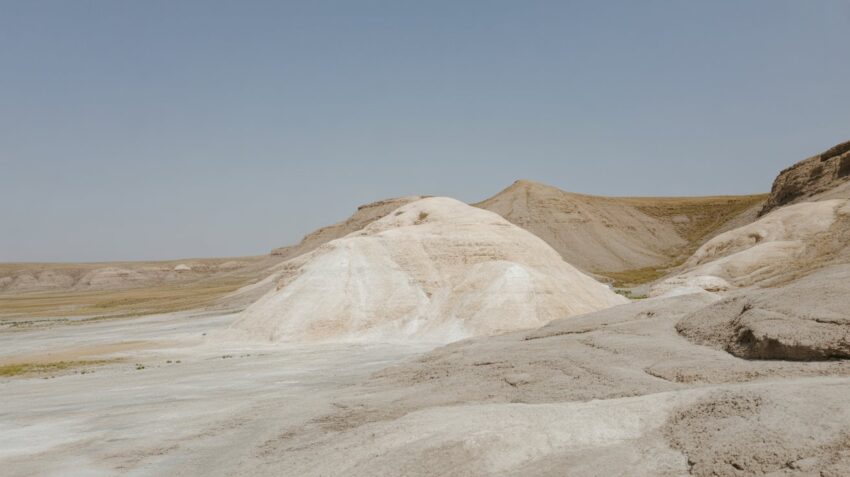
Nakhchivan Salt Mountains: Ancient Geology and Healing Landscapes of Azerbaijan
 Nakhchivan

Nakhchivan Salt Mountains: Where the Earth Reveals Its Depths

A Special Introduction: Landscapes Carved from Mineral Time

In Azerbaijan’s southern exclave of Nakhchivan, the land tells its story not through forests or rivers, but through exposed mineral layers shaped over millions of years. The Nakhchivan Salt Mountains rise quietly from the surrounding terrain, their pale surfaces reflecting sunlight and signaling the presence of one of the region’s most ancient natural resources. These formations are not merely scenic anomalies; they are geological archives and living cultural landscapes.

For travelers interested in places where nature and human adaptation intersect deeply, the salt mountains offer an experience grounded in earth science, health traditions, and slow observation. Here, the terrain feels elemental—stripped of excess, shaped by time, and still actively shaping life.

Geographic Setting in Nakhchivan

The salt mountains lie near the city of Nakhchivan, within an arid, mountainous environment characterized by sparse vegetation and sharp contrasts in color and texture. The dryness of the climate has helped preserve exposed salt layers and mineral-rich rock.

The landscape feels open, stark, and quietly powerful.

Geological Origins of the Salt Formations

The salt deposits formed millions of years ago when ancient seas evaporated, leaving behind thick mineral layers later pushed upward by tectonic forces. Over time, erosion revealed these layers at the surface.

What appears simple is the result of immense geological pressure.

Visual Character of the Salt Mountains

The mountains display pale whites, soft grays, and subtle pinks, shifting with light and shadow. Their surfaces are smoother than surrounding rock, creating a distinctive visual rhythm.

The land appears sculpted rather than rugged.

Duzdag and the History of Salt Mining

The most famous site within the salt mountains is Duzdag, an ancient salt mine used for centuries. Salt extraction here dates back to antiquity, supplying communities across the region.

Mining shaped both economy and settlement.

Salt as a Foundation of Local Life

Salt was once a strategic resource, essential for food preservation and trade. Control over salt deposits influenced regional importance and stability.

The mountains supported survival long before tourism.

Therapeutic Use of Salt Caves

Today, parts of the Duzdag mine are used for speleotherapy—treatment for respiratory conditions. The stable temperature and mineral-rich air create a controlled healing environment.

Health tourism adds a modern layer to ancient geology.

Walking and Observing the Terrain

Exploring the salt mountains involves slow movement and attention to texture underfoot. The ground crunches lightly, and the air feels dry and clean.

The experience is sensory and grounding.

Sound, Silence, and Exposure

The open terrain carries sound easily, yet remains largely silent. Wind becomes the dominant presence.

The absence of vegetation amplifies space.

Seasonal Variation Without Color

Unlike forests or orchards, seasonal change here is subtle. Light angle, temperature, and shadow define variation more than color.

Time is marked quietly.

Cultural Memory Embedded in the Land

Local narratives connect the mountains to resilience and endurance. Salt represents both hardship and sustenance.

The land holds collective memory.

Nakhchivan Salt Mountains and Slow Travel

This landscape rewards travelers who pause rather than rush. Understanding comes through stillness, observation, and context.

Speed diminishes meaning here.

Environmental Sensitivity and Preservation

Salt formations are vulnerable to erosion and unregulated access. Sustainable visitation is essential to protect both geological and cultural value.

Respect ensures longevity.

The Role of Salt Mountains in Nakhchivan’s Identity

These formations are emblematic of Nakhchivan’s distinct character—self-contained, resourceful, and shaped by geology as much as history.

They define the region’s physical narrative.

A Special Conclusion: Where Earth and Humanity Converge

The Nakhchivan Salt Mountains leave a lasting impression not through grandeur, but through elemental clarity. They remind visitors that landscapes do not need lushness or height to be profound. Instead, meaning emerges from exposure—of layers, histories, and human dependence on the land.

For travelers, this region offers a lesson in patience and perspective. The salt mountains speak of ancient seas, early trade, and modern healing, all bound within a single geological form. To walk among them is to encounter time compressed into stone, and to understand how deeply the earth continues to shape human life in quiet, enduring ways.

The post Nakhchivan Salt Mountains: Ancient Geology and Healing Landscapes of Azerbaijan appeared first on Travel And Tour World.
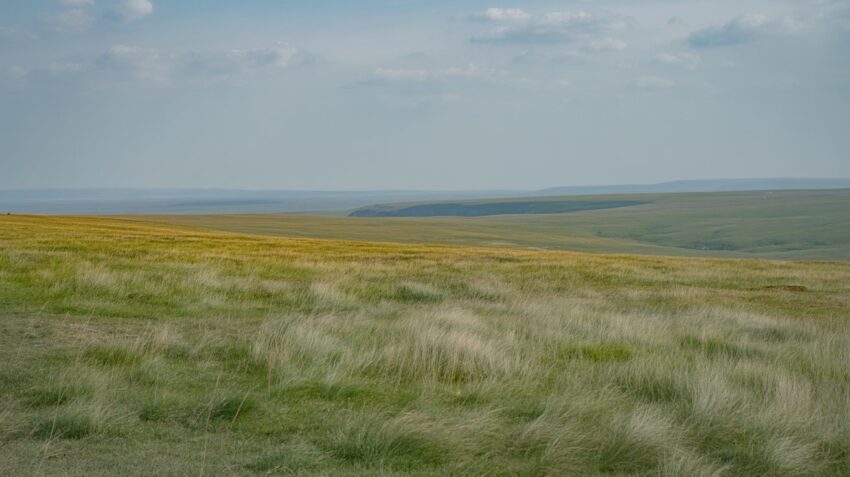
Bozdag Plateau: Wind-Shaped Highlands and Pastoral Silence in Azerbaijan

Bozdag Plateau: Wind-Shaped Highlands and Pastoral Silence in Azerbaijan
Bozdag Plateau

Bozdag Plateau: Where Openness Defines the Journey

A Landscape Without Edges

Some landscapes impress through height, others through drama. The Bozdag Plateau makes its impression through openness. Stretching wide beneath an uninterrupted sky, this highland plateau in Azerbaijan feels less like a destination and more like a state of being. There are no sharp borders, no singular focal point—only land extending outward, shaped by wind, grazing, and time.

Bozdag does not overwhelm visitors with visual intensity. Instead, it creates space—physical and mental. For travelers drawn to quiet geographies and slow observation, the plateau offers a rare sense of release from enclosure, replacing landmarks with horizon and stillness.

Some landscapes announce themselves immediately, demanding attention through height, drama, or density. The Bozdag Plateau does the opposite. It opens slowly, revealing itself through space rather than form, through repetition rather than spectacle. Stretching wide beneath an uninterrupted sky, this highland plateau feels less like a destination to be reached and more like an environment to be entered and absorbed.

Here, the land does not guide the eye toward a single landmark. Instead, attention drifts outward, following the horizon as it shifts with light, wind, and weather. The absence of sharp borders or defining features creates a rare sense of visual freedom. For travelers accustomed to structured routes and curated viewpoints, Bozdag offers something quietly radical: a place where orientation is internal, and the experience unfolds through stillness, patience, and presence rather than progress.

Geographic Setting in Nakhchivan

Ilan Dag is located near Nakhchivan city, rising sharply from relatively flat terrain. Its volcanic origins are visible in dark rock formations and rugged textures that contrast strongly with the surrounding landscape.

The mountain’s isolation enhances its visual and cultural prominence.

Volcanic Origins and Physical Form

Geologically, Ilan Dag is a volcanic formation, shaped by ancient eruptions rather than gradual uplift. Its slopes are steep and uneven, marked by exposed rock rather than vegetation.

This raw structure gives the mountain a stark, elemental character.

Sacred Status and Local Belief

Ilan Dag is widely regarded as a sacred mountain. Local traditions associate it with spiritual healing, protection, and long-standing religious reverence. Pilgrims visit quietly, often leaving no trace beyond presence itself.

Belief here is practiced through silence rather than ceremony.

Legends and Oral History

The name “Ilan Dag,” meaning “Snake Mountain,” is linked to regional legends passed down through oral tradition. These stories add layers of meaning, shaping how the mountain is perceived and respected.

Myth and landscape are inseparable.

Pilgrimage Without Spectacle

Unlike formal pilgrimage centers, Ilan Dag remains understated. There are no large complexes or managed visitor facilities. The act of visiting is personal and restrained.

This simplicity preserves the mountain’s atmosphere.

Sound, Space, and Solitude

The mountain’s surroundings are quiet, with sound dominated by wind and distant movement. The absence of crowds reinforces a sense of stillness that feels intentional rather than accidental.

Silence becomes part of the experience.

Walking the Lower Slopes

While not developed for hiking, the lower slopes of Ilan Dag can be approached on foot. Movement here is cautious and deliberate, shaped by uneven terrain and exposed rock.

The walk encourages attentiveness.

Seasonal Light and Visual Change

Light transforms Ilan Dag dramatically. Morning casts long shadows, midday sharpens contrast, and sunset softens edges into warm tones.

The mountain appears different with each hour.

Ilan Dag and Slow Travel

Ilan Dag aligns naturally with slow travel values. There is nothing to rush toward, no summit to conquer, and no itinerary to follow.

The value lies in remaining, not arriving.

Cultural Sensitivity and Respect

Visitors are expected to approach with respect, avoiding disruption or unnecessary intrusion. The mountain’s significance is maintained through collective restraint.

Responsible travel protects meaning.

Ilan Dag’s Place in Azerbaijan’s Sacred Geography

Within Azerbaijan’s diverse landscapes, Ilan Dag stands out as a place where belief shapes geography. It represents how land becomes sacred through long association rather than a monument.

Its importance is quiet but enduring.

A Special Conclusion: When Presence Is Enough

Ilan Dag does not demand interpretation. It asks only that visitors slow down and observe. In its stillness, the mountain offers a rare opportunity to experience a place valued not for what it provides, but for what it represents.

For travelers willing to engage gently, Ilan Dag becomes more than a landmark. It becomes a lesson in restraint—showing how meaning can accumulate over time, how landscapes can hold memory, and how travel can sometimes be most powerful when it leaves no mark at all.

The post Bozdag Plateau: Wind-Shaped Highlands and Pastoral Silence in Azerbaijan appeared first on Travel And Tour World.
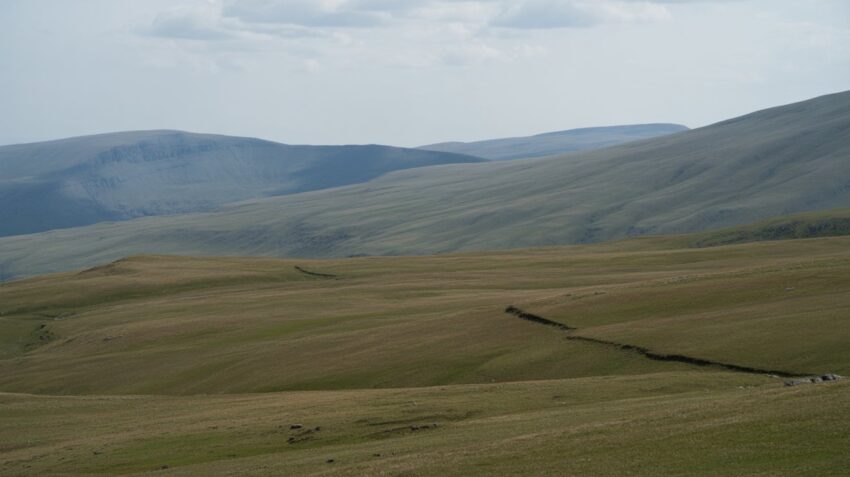
Traveling and Cuisine of Azerbaijan: Where the Journey Is Served at the Table

Traveling and Cuisine of Azerbaijan: Where the Journey Is Served at the Table
 Azerbaijan

Traveling and Cuisine of Azerbaijan: A Slow Journey Through Food, Land, and Tradition

Discover Azerbaijan Through Travel and Food

Traveling and cuisine in Azerbaijan are deeply connected. Across the country, landscapes shift quickly—from the Caspian coastline to mountain villages and fertile plains—and with every change in terrain comes a change in food. Azerbaijani cuisine reflects geography, climate, and daily life, making it one of the most authentic ways to experience the country.

For travelers interested in slow travel and food tourism, Azerbaijan offers more than dishes on a menu. It offers meals shaped by seasonality, local agriculture, and tradition. Traveling through Azerbaijan means tasting the land as much as seeing it.

Azerbaijan’s Geography of Flavor

Azerbaijani cuisine varies by region, shaped by mountains, lowlands, forests, and the sea. Each area contributes its own ingredients and cooking methods, creating a diverse national food culture.

Mountain regions rely on dairy, grains, and preserved foods suited to cold climates. Central lowlands emphasize vegetables, herbs, and fruit grown in fertile soil. Coastal areas along the Caspian Sea introduce fish into traditional recipes, while forested regions incorporate honey, wild herbs, and foraged ingredients.

For travelers, this regional variation turns movement across the country into a culinary journey.

Baku: Urban Travel and Azerbaijani Cuisine

In Baku, Azerbaijan’s capital, travelers encounter the country’s full culinary range. Restaurants bring together regional dishes such as plov, dolma, kebabs, and soups, offering an introduction to flavors found throughout Azerbaijan.

Despite its modern appearance, Baku maintains strong food traditions. Tea culture, bread rituals, and shared meals reflect a continuity between urban life and rural culinary roots. For visitors, the city serves as a gateway to Azerbaijani food culture.

Village Travel and Traditional Azerbaijani Food

Outside major cities, cuisine becomes more personal. Rural travel in Azerbaijan reveals food as part of everyday life rather than a tourism presentation. Villages rely on locally grown produce, home-made dairy, and seasonal cooking.

Travelers experience traditional Azerbaijani food through family kitchens, village markets, and agricultural routines. Meals are shaped by availability, not trends, reinforcing the authenticity of rural life.

Mountain Cuisine and Highland Travel

In Azerbaijan’s mountain regions, food is closely tied to survival and climate. Highland cuisine emphasizes nourishment and preservation, using techniques such as drying, fermenting, and storing food for long winters.

Cheese, yogurt, flatbreads, legumes, and simple meat dishes dominate daily meals. For travelers, mountain food culture offers insight into resilience and adaptation, where cuisine reflects centuries of experience living with the land.

Central Azerbaijan: Orchards, Fields, and Seasonal Food

The fertile plains of central Azerbaijan define another side of food tourism. Regions known for orchards, vineyards, and crop cultivation produce cuisine based on abundance and seasonal rhythm.

Travelers encounter fresh vegetables, herbs, fruit, and slow-cooked dishes rooted in agricultural life. Food experiences here are connected to harvest seasons, local markets, and home cooking rather than formal tastings.

Caspian Coast Travel and Seafood Traditions

Along the Caspian Sea, Azerbaijani cuisine incorporates fish while maintaining traditional preparation styles. Seafood is prepared simply, allowing ingredients to remain central.

Coastal travel highlights Azerbaijan’s balance between regional resources and national culinary identity. Meals remain modest, reinforcing food as part of daily life rather than spectacle.

Plov: The Heart of Azerbaijani Cuisine

Plov is often described as Azerbaijan’s national dish, but its meaning goes beyond a single recipe. Each region prepares plov differently, using local ingredients and techniques.

For travelers, tasting plov across Azerbaijan reveals regional diversity through a shared culinary foundation. Rice remains constant, while accompaniments change, reflecting geography and tradition.

Tea Culture and Hospitality in Azerbaijan

Tea is essential to Azerbaijani travel culture. Served throughout the day, it marks hospitality, conversation, and rest. Tea is rarely rushed and often accompanied by sweets or preserves.

Hospitality in Azerbaijan is genuine and informal. Guests are welcomed into real routines, making food a bridge between travelers and local life.

Local Markets and Food Tourism

Markets play a central role in Azerbaijani cuisine. They showcase seasonal produce, regional specialties, and everyday ingredients. Visiting markets allows travelers to understand what people eat and how food connects to agriculture.

For food-focused travel, markets provide essential cultural context beyond restaurants.

Slow Travel and Cuisine in Azerbaijan

Azerbaijan naturally supports slow travel. Rural roads, diverse terrain, and regional lifestyles encourage unhurried movement. Meals reinforce this pace, often prepared slowly and shared over an extended time.

Food experiences reward patience, making slow travel the most meaningful way to explore Azerbaijani cuisine.

Why Traveling and Cuisine Are Inseparable in Azerbaijan

In Azerbaijan, food and travel are not separate experiences. Landscapes shape cuisine, and cuisine explains landscapes. Together, they offer travelers a deeper understanding of the country’s culture and values.

For those seeking authentic food tourism and slow travel experiences, Azerbaijan offers a journey where meals are not attractions, but expressions of everyday life—rooted in land, tradition, and continuity.

The post Traveling and Cuisine of Azerbaijan: Where the Journey Is Served at the Table appeared first on Travel And Tour World.

Rural Life, Food & Slow Travel in Azerbaijan: Villages, Vineyards, and Highland Rhythms

Rural Life, Food & Slow Travel in Azerbaijan: Villages, Vineyards, and Highland Rhythms
Azerbaijan

Rural Life, Food & Slow Travel in Azerbaijan

Rural Slow Travel Azerbaijan: Where Time Moves at a Human Scale

Beyond Azerbaijan’s cities and headline destinations lies a quieter geography shaped by continuity rather than momentum. Rural Azerbaijan unfolds through villages, vineyards, forests, and highlands where daily life is structured by land, weather, and work. These regions are not unified by a single culture or landscape, but by a shared relationship with time—measured in seasons rather than schedules.

For travelers seeking slow travel experiences, rural Azerbaijan offers environments where life is not organized around visitors yet remains open to them. Travel here is less about covering distance and more about learning how people live, grow food, preserve tradition, and adapt to place. Presence replaces performance, and observation becomes the primary experience.

Basqal: Craft, Climate, and Continuity

Basqal represents a form of rural life where craft and daily survival coexist naturally. Known for silk traditions, the village also reflects a self-sustaining rhythm shaped by mountain climate and close-knit social structures. Stone houses line narrow streets, and work unfolds according to weather and seasonal need rather than clock time.

Food culture in the Basque Country mirrors this practicality. Meals rely on preserved ingredients, seasonal produce, and careful use of resources suited to highland conditions. For slow travelers, Basqal offers insight into how food, craft, and community reinforce one another without spectacle.

Yukhari Chardaglar: Highland Simplicity and Endurance

In elevated terrain, Yukhari Chardaglar reflects rural life stripped to essentials. Livestock, small plots, and shared labor define the village economy. There is little separation between home, work, and land, and daily routines align closely with environmental limits.

Food traditions emphasize nourishment and preservation, shaped by altitude and isolation. Dairy, grains, and stored produce dominate meals. For travelers, the village provides an unfiltered look at how rural highland communities maintain continuity through restraint and cooperation.

Goychay Villages: Orchard Landscapes and Seasonal Abundance

The villages of the Goychay region illustrate rural life shaped by fertility and water. Orchards, particularly pomegranate groves, surround settlements and define both economy and identity. Agriculture follows a visible seasonal arc, transforming the landscape through growth, harvest, and rest.

Food culture here is directly tied to this cycle. Fresh produce shapes daily meals, while preservation extends abundance into colder months. Slow travel in Goychay centers on orchards, irrigation canals, village kitchens, and markets rather than attractions.

Tovuz Countryside: Open Fields and Borderland Traditions

Tovuz’s rural areas reflect Azerbaijan’s western agricultural zones, characterized by open fields, vineyards, and grazing land. Villages are more dispersed, with broader horizons and easier movement between communities.

Food traditions emphasize grains, vegetables, and locally produced wine, shaped by both geography and historical exchange. Slow travel here reveals how openness influences social life, agriculture, and culinary practice.

Shamkir Villages: Layered Rural Identity

In Shamkir, rural life carries traces of German settler history alongside Azerbaijani traditions. This layered identity is visible in village layouts, agricultural organization, and building patterns adapted to local conditions.

Food culture reflects this blending subtly, through bread-making practices, farming methods, and communal rhythms. For travelers, Shamkir illustrates how rural Azerbaijan has absorbed outside influences while maintaining continuity.

Dashkasan Villages: Life Shaped by Stone and Season

Dashkasan’s villages occupy rugged highland terrain where endurance defines daily life. Settlements are scattered, arable land is limited, and preparation for long winters is central to survival.

Food culture emphasizes preservation, efficiency, and shared resources. Slow travel here is about understanding resilience as lived experience rather than narrative, revealed through routine and restraint.

Kelbajar Highlands: Pastoral Scale and Distance

The Kelbajar Highlands represent rural life on an expansive scale. Pastoral traditions dominate, with seasonal movement and grazing shaping settlement patterns. Human presence feels sparse against vast alpine plateaus.

Food traditions center on dairy and meat, reflecting mobile livelihoods and environmental limits. For slow travelers, Kelbajar offers a perspective on scale, distance, and adaptation in extreme rural environments.

Goygol Lesser Trails: Nature as Daily Context

Beyond well-known landmarks, the quieter trails around Goygol pass through forests and meadows long used by local communities. These paths reflect how rural populations interact with nature as a working environment rather than a protected display.

Food traditions draw from nearby farmland and forest resources. Walking these trails reveals landscapes as lived spaces shaped by necessity and familiarity.

Aghsu Vineyards: Wine as Rural Continuity

Aghsu’s vineyards reflect a grounded wine culture rooted in household production and agricultural balance. Vineyards exist alongside other crops, reinforcing diversity rather than specialization.

Wine and food are shared in domestic settings rather than curated venues. For slow travelers, Aghsu demonstrates how viticulture functions as part of rural life, not as a staged experience.

Ismayilli Villages: Forested Balance and Seasonal Calm

Ismayilli’s villages sit within forested foothills where agriculture, beekeeping, and livestock coexist with dense woodland. The environment moderates climate and sound, shaping a calmer daily rhythm.

Food culture incorporates honey, herbs, and preserved produce, reflecting forest influence. Slow travel here feels restorative, grounded in shade, quiet, and continuity.

Rural Food as Cultural Memory

Across Azerbaijan’s countryside, food functions as cultural memory. Recipes evolve through repetition rather than documentation, shaped by climate, geography, and available resources.

Eating becomes an act of understanding place, linking landscape directly to identity.

Travel at a Human Pace

Rural Azerbaijan resists speed. Narrow roads, seasonal access, and unplanned encounters slow movement naturally. Travel becomes observational rather than goal-driven.

This pace reveals detail, nuance, and connection missed in faster journeys.

Hospitality Without Performance

Hospitality in rural regions is sincere and direct, shaped by social norms rather than tourism expectations. Guests enter real lives, not curated experiences.

This openness requires respect, restraint, and awareness from travelers.

Why Slow Travel Matters in Azerbaijan

Slow travel allows rural regions to remain intact. By engaging lightly and attentively, visitors support continuity rather than pressure. Time becomes the primary currency, not consumption.

This model aligns food tourism, cultural preservation, and environmental responsibility.

Learning to Stay, Not Just Visit

Rural Azerbaijan does not offer instant understanding. Its villages, vineyards, and highlands reveal themselves gradually through repetition and observation. The reward is not a moment but a shift in perception.

For travelers willing to slow down, these regions offer more than scenery or cuisine. They offer insight into how land, food, and community remain connected in a world defined by speed. Choosing these slower paths transforms travel into recognition of rhythms that endure long after the journey ends.

The post Rural Life, Food & Slow Travel in Azerbaijan: Villages, Vineyards, and Highland Rhythms appeared first on Travel And Tour World.

Kelbajar Highlands: Azerbaijan’s Alpine Frontier of Silence and Scale

Kelbajar Highlands: Azerbaijan’s Alpine Frontier of Silence and Scale
Kelbajar

Kelbajar Highlands: Where Space, Altitude, and Memory Converge

The Highlands That Resist Definition

Some landscapes cannot be summarized without losing their essence. The Kelbajar Highlands belong to this category. Vast, elevated, and sparsely settled, this region in western Azerbaijan unfolds as a sequence of plateaus, valleys, and ridgelines that feel more elemental than picturesque. Here, scale overwhelms detail, and silence becomes a defining feature rather than an absence.

Kelbajar is not a place of easy access or instant reward. Its appeal lies in distance—geographical, emotional, and temporal. For travelers drawn to raw highland environments and the feeling of being far from familiar reference points, the Kelbajar Highlands offer one of Azerbaijan’s most profound encounters with space and endurance.

Geographic Setting in Western Azerbaijan

Kelbajar lies deep within the Lesser Caucasus, bordered by high mountain ranges, alpine meadows, and steep valleys. Elevations rise sharply, creating a layered landscape where weather, vegetation, and accessibility change rapidly.

This geography isolates the region while preserving its natural character.

Alpine Landscapes and Open Plateaus

Large sections of Kelbajar consist of open highland plateaus, where grasslands stretch toward distant ridges. In summer, these areas turn green and expansive; in colder months, they become stark and minimal.

The openness amplifies the sense of scale and exposure.

Mineral Springs and Natural Resources

Kelbajar is historically known for its mineral springs, emerging naturally from mountain slopes. These waters have long been valued for their perceived therapeutic properties.

Even when undeveloped, the springs add a subtle layer of human connection to the landscape.

Highland Ecology and Wildlife

The region supports alpine flora, grazing lands, and wildlife adapted to elevation and climate. Vegetation is seasonal and resilient, appearing briefly and disappearing with the first cold.

Nature here feels cyclical rather than continuous.

Settlements and Human Presence

Human habitation in the Kelbajar Highlands is sparse. Villages are scattered and often seasonal, shaped by pastoral traditions and transhumance.

Where people live, structures are functional and closely tied to land use.

Sound, Weather, and Atmosphere

Wind dominates the soundscape, moving freely across open terrain. Weather changes quickly, reinforcing awareness of exposure.

The atmosphere encourages attentiveness and humility.

Movement Through the Highlands

Travel across Kelbajar is slow and deliberate. Roads follow terrain rather than cut through it, reinforcing the region’s resistance to speed.

Movement becomes part of the experience rather than a means to an end.

Seasonal Extremes and Adaptation

Summer allows access and grazing. Winter isolates and stills the land. Spring and autumn mark brief transitions filled with urgency and preparation.

Seasonality governs everything.

Kelbajar and Remote Highland Travel

Kelbajar is not suited to casual tourism. It rewards preparation, patience, and respect for distance.

For experienced travelers, it offers rare authenticity.

Cultural Memory and Landscape

The highlands carry layers of memory—past livelihoods, movement, and absence—embedded quietly in terrain rather than structures.

Understanding Kelbajar requires sensitivity as much as curiosity.

Kelbajar’s Place in Azerbaijan’s Mountain Geography

Kelbajar represents the end of Azerbaijan’s highland spectrum—larger, quieter, and more remote than most regions.

It expands the national landscape beyond familiarity.

When Distance Becomes the Destination

The Kelbajar Highlands do not offer moments; they offer perspective. Their vastness recalibrates expectations, replacing activity with awareness and speed with scale. What stays with travelers is not a single view, but a sustained feeling of openness—of being small within something enduring.

In a world increasingly compressed by access and immediacy, Kelbajar stands apart. It reminds us that some places are valuable precisely because they are difficult, quiet, and uncompromising. For those willing to meet the highlands on their own terms, Kelbajar offers not comfort, but clarity—and that, in travel, is often the rarest reward.

The post Kelbajar Highlands: Azerbaijan’s Alpine Frontier of Silence and Scale appeared first on Travel And Tour World.
❌