Travelling abroad can be one of the most exciting experiences, but it’s easy to overlook some key aspects of staying in hotels that can make your trip much smoother. Whether it’s booking your accommodation, checking in, or simply enjoying the room, there are many common mistakes that tourists often make without even realising it. These mistakes not only lead to frustration and discomfort but can also result in unexpected costs. In this article, we’ll dive into the 20 most common hotel room mistakes that tourists make when travelling abroad and provide simple tips on how to avoid them.
1. Switching on the Lights Immediately After Check-In
One of the first instincts upon entering a hotel room is to turn on the lights. However, it’s actually a better idea to keep the room dark for a moment and carefully inspect it. Bright lighting can obscure stains or signs of damage. By inspecting the room before using anything, you can spot issues like dirty sheets or a faulty bathroom fixture before unpacking your belongings.
2. Not Carrying the Same Credit Card Used for Booking
Hotels often require you to present the same credit card used for booking your reservation. If you fail to carry that card with you, the hotel might refuse to check you in or charge your card for the booking, causing unnecessary delays or confusion. To avoid this issue, always bring the card you booked with, or confirm at check-in if other forms of payment are acceptable.
Many hotels charge a refundable security deposit to cover incidental costs during your stay, such as room damage or minibar usage. This deposit is usually required at check-in, and failing to bring enough funds for it can lead to delays. Always check your booking for security deposit details and ensure you have a payment method available for the deposit.
4. Arriving Too Early Without Requesting Early Check-In
Arriving early at a hotel expecting to check in right away can lead to frustration if the room isn’t ready. Most hotels have a set check-in time (usually in the afternoon), and arriving too early can leave you stuck waiting for your room. To avoid this, call ahead or request early check-in when booking, especially if you have a tight schedule.
5. Not Checking the Room Before Settling In
Once you step into your hotel room, it’s important to inspect it for damages, cleanliness, and working amenities like the air conditioning or television. Report any issues, such as dirty linens or broken appliances, immediately to the front desk so they can be resolved while you’re still there. Ignoring small problems when you check in can result in having to deal with them throughout your stay.
6. Overlooking Local Customs and Hotel Etiquette
When staying in a hotel abroad, each country or region might have different rules or etiquette. Whether it’s regarding tipping, room service, or noise levels, failing to be mindful of local customs can lead to awkward moments. Always research cultural norms in the area to ensure you’re respecting local practices during your stay.
7. Assuming Breakfast or Amenities Are Included
Not all hotels include amenities such as breakfast or Wi-Fi as part of the room rate. Some hotels will charge extra for these services. Always double-check what’s included in the price and inquire about additional charges for services like parking, breakfast, or room service to avoid surprises on checkout.
8. Not Carrying Proper Identification or Copies
Hotels often ask for identification at check-in, and not having a valid ID can cause problems. Carrying your passport or another form of identification is essential, especially in foreign countries. It’s also smart to have copies or digital backups of your documents in case they are lost or stolen.
9. Skipping Hotel Loyalty Programs
If you frequently stay in hotels, joining a loyalty program can help you enjoy exclusive benefits such as room upgrades, priority check-in, and discounts. Many hotels offer loyalty rewards for even one stay, so it’s worth signing up for these programs to make the most of your trips abroad.
10. Booking Rooms on Fake Hotel Websites
Booking your room through unofficial websites or scammers posing as legitimate hotel booking platforms can result in fraud and lost money. Always book your accommodation through official hotel websites or well-known travel booking platforms to avoid scams. Be cautious of prices that seem too good to be true—they usually are.
11. Ignoring Hidden Fees and Resort Charges
Many hotels charge hidden fees that are not included in the advertised room rate. These can include things like resort fees, parking charges, and additional service fees. Always ask about any potential extra charges upfront, so you’re not caught off guard at checkout.
12. Neglecting to Verify Booking Dates and Details
It’s easy to make a mistake when booking, especially if you’re rushing. Whether it’s wrong dates, room types, or the wrong property entirely, errors in your booking can lead to problems upon check-in. Always double-check your reservation details and confirm everything with the hotel before arrival.
13. Using Refillable Hotel Toiletries Without Caution
Hotels often use refillable bottles for toiletries like shampoo and conditioner, which can sometimes be tampered with or poorly maintained. Instead of using them, consider bringing your own toiletries, or inspect the bottles carefully before use to ensure they haven’t been compromised.
14. Not Inspecting the Bathroom Layout and Fixtures
Bathrooms in hotel rooms abroad can be quite different from what you’re used to. From bidets in Europe to wet rooms in Asia, failing to understand how the bathroom works could lead to confusion or discomfort. Always familiarize yourself with the bathroom layout and features upon entering to avoid unpleasant surprises.
15. Not Unpacking Clothes into Dressers or Drawers
While it’s tempting to unpack your clothes and use the hotel’s drawers, pests like bed bugs may hide inside. Keep your clothes in your luggage or hang them up to prevent contamination. This is especially important in areas known for having pest problems, such as some tropical regions or older hotels.
16. Leaving Luggage on the Hotel Room Floor
Hotel room floors can be dirty and harbor germs, so avoid leaving your luggage on the ground. Instead, use luggage racks, tables, or countertops to keep your bags off the floor. This is especially important in destinations known for having poor sanitation practices.
17. Using the “Do Not Disturb” Sign Without Housekeeping Coordination
While it’s great to use the Do Not Disturb sign for privacy, leaving it up too long can lead to confusion. Housekeeping staff may think you’re not in the room and skip servicing it altogether. If you need towels or additional supplies, be sure to request them directly from the front desk.
18. Failing to Report Room Defects or Cleanliness Issues Immediately
If you encounter any issues with your room, such as broken air conditioning or dirty linens, it’s crucial to report them immediately. Waiting until checkout may leave you with unresolved problems, and you might miss the chance to have them fixed during your stay.
19. Not Carrying a Power Adapter for Local Outlets
Electrical outlets vary widely from country to country. In places like New Zealand, Canada, and Australia, you may need a specific power adapter to charge your devices. Make sure to carry a universal adapter to avoid being caught without the ability to charge your phone or other electronics.
20. Forgetting to Lock and Secure Hotel Room Doors and Windows
Safety should always be a top priority. Tourists sometimes forget to lock hotel rooms or leave windows open, creating potential security risks. Always double-check that your door and windows are securely closed when leaving the room and before sleeping at night.
Canada Joins United Kingdom, Ireland, New Zealand, Barbados, Jamaica in New Travel Mayhem Ahead: More Than Twenty Million Cars Flood UK Streets in Boxing Day. The travel mayhem that grips the UK every Boxing Day has grown even bigger in 2025, with Canada now joining the United Kingdom, Ireland, New Zealand, Barbados, and Jamaica in the Boxing Day rush. Over 20 million cars are expected to flood UK streets, creating massive congestion. With millions of drivers on the move, it’s crucial to plan ahead. Travel And Tour World urges readers to read the full story to uncover the worst roads and traffic hotspots this Boxing Day.
Boxing Day, celebrated in countries like the United Kingdom, Canada, Australia, and New Zealand, brings more than just post-Christmas sales—it signals a massive surge in travel. With 20 million cars expected to flood the UK roads and millions more hitting the streets in other nations, it’s crucial to know when and where the congestion will hit hardest. From family visits to last-minute shopping, holiday traffic will be a global challenge on 26 December 2025.
In this article, we’ll explore the worst times to travel, key roads to avoid, and offer proven travel tips to help you navigate the Boxing Day chaos in the UK, Canada, and other countries. Plan ahead to make your journey smoother and more manageable.
Britain’s Road Chaos: Worst Times to Travel This Boxing Day as 20 Million Cars Hit the Road
The UK is bracing for a major travel chaos as nearly20 million cars flood the roads on Boxing Day 2025. With major motorways expected to experience severe congestion, drivers are being warned to avoid peak hours and plan their journeys carefully. Whether heading to family gatherings or rushing to post-Christmas shopping sales, road users will face intense delays across the country.
In this article, we reveal the worst roads to avoid, peak travel times, and essential tips to stay ahead of the traffic madness this Boxing Day and beyond.
Boxing Day Traffic Surge: 20 Million Cars Expected Across the UK
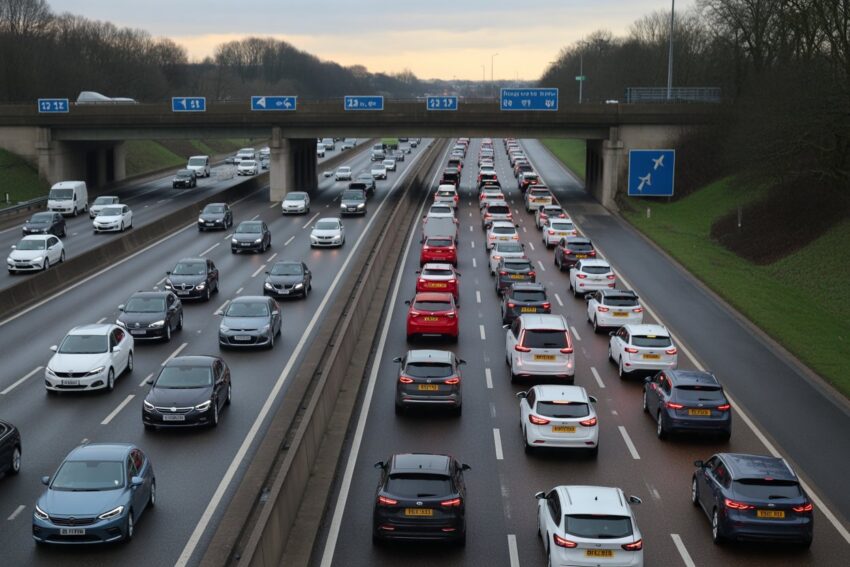
This Boxing Day, over 19.7 million cars will take to the roads in what is expected to be one of the busiest days for UK travel. The AA has estimated that 22 million vehicles will be on the move this Saturday, as people venture to visit family and friends or take advantage of post-Christmas sales. According to a survey of more than 10,000 members, 60-63% of drivers are hitting the roads to visit loved ones, while 47-52% will make journeys for shopping.
These staggering figures indicate a massive surge in traffic, and it’s essential to understand when and where congestion is likely to hit hardest. Boxing Day is notoriously busy, and the increased traffic will lead to some serious delays on the UK’s busiest motorways.
Congestion Hotspots to Avoid: M25, M40, and M1 to Be Hit the Hardest
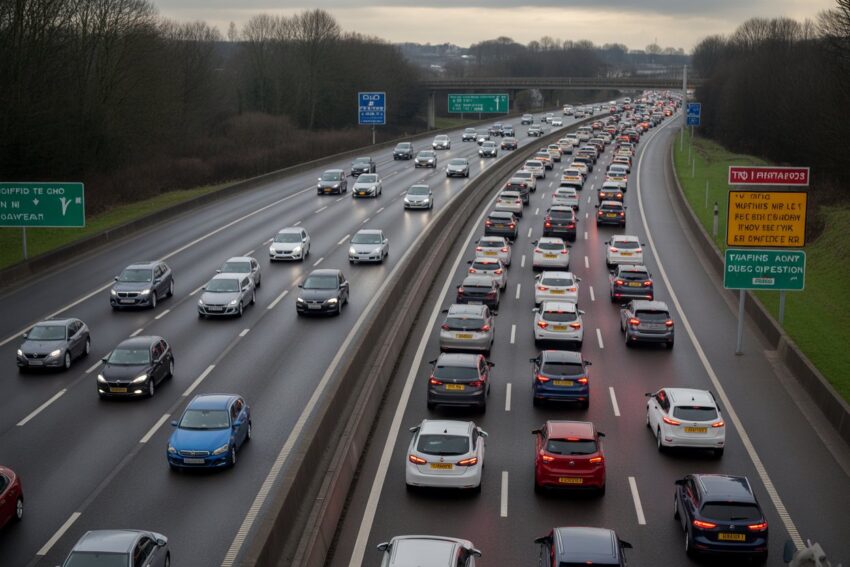
According to RAC and transport analytics firm Inrix, there are several congestion hotspots that drivers need to avoid on Boxing Day. One of the busiest roads will be the M25, particularly the stretch from Junction 7 to Junction 16 in the clockwise direction, and from Junction 17 to Junction 12 in the anti-clockwise direction. This circular motorway is a known bottleneck during peak travel times, and drivers will be caught in heavy traffic, especially between 10 am and 7 pm.
Another major hotspot is the M40, particularly the northbound stretch from Junction 8A to Junction 10. The M1 southbound, from Junction 16 to Junction 6, and the M6 northbound, from Junction 5 to Junction 10A, are also expected to experience heavy congestion. These roads are expected to be particularly busy during the middle of the day when people are out and about enjoying their festive trips.
Traffic Times to Avoid: 10 am to 7 pm the Worst Hours for Travel
Drivers should be aware that traffic levels will be at their highest from 10 am to 7 pm, so it’s essential to plan ahead and consider traveling during quieter times of the day. Setting off early in the morning or later in the evening can help avoid the worst of the congestion and reduce the chances of getting stuck in bumper-to-bumper traffic.
If you must travel during peak times, make sure to allow extra time for your journey and be prepared for delays on major routes. The AA and transport experts recommend checking traffic updates before you leave and exploring alternate routes where possible.
UK: 20 Million Cars Flood the Roads – Major Hotspots to Avoid
The United Kingdom is preparing for one of its busiest travel days of the year, with over 20 million cars expected to take to the roads on Boxing Day. The AA estimates that 19.7 million journeys will be made on 26 December, and a further 22 million on Saturday as people rush to visit family, go shopping, or take part in post-Christmas festivities.
The M25 is one of the busiest motorways in the UK and will be a major congestion hotspot on Boxing Day. Expect significant delays on stretches from Junction 7 to Junction 16 clockwise and Junction 17 to Junction 12 anti-clockwise. Similarly, the M1 and M6 will see heavy traffic, particularly at Junction 16 to Junction 6 on the M1 and Junction 5 to Junction 10A on the M6. 10 am to 7 pm will be the peak time for traffic, so if possible, travel earlier or later to avoid the worst delays.
Canada: Holiday Traffic Surge on Major Highways
In Canada, Boxing Day is also a busy day for travel, with families and shoppers alike hitting the roads. 20 million cars are expected on Canadian highways during the Boxing Day period. The QEW in Ontario, the Trans-Canada Highway, and the Vancouver to Whistler route in British Columbia are expected to experience heavy congestion.
In particular, major cities like Toronto and Vancouver will see significant traffic on highways and main streets as people make their way to shopping centres or head to family gatherings. Drivers are urged to avoid routes leading to these busy locations between 10 am and 7 pm, as this will be the busiest period. Much like in the UK, early morning or late evening travel is advised to reduce time spent in traffic.
Australia: Boxing Day Traffic Jams as People Head to Sports and Shopping
Australia is no stranger to Boxing Day chaos on the roads, with significant congestion expected across major cities. The M25 of Australia, known as the Sydney Ring Road, will be one of the busiest areas, particularly around Sydney Harbour, as thousands flock to shopping districts or the iconic Boxing Day Test cricket match. Similarly, Melbourne, a hub for post-Christmas sales and sporting events, will see roads such as the Monash Freeway and Western Ring Road packed with holiday traffic.
Expect high volumes of vehicles in Sydney and Melbourne as fans head to major sporting events or take part in sales. The busiest travel times will be between 10 am and 7 pm, with particularly heavy traffic around the Sydney Cricket Ground and Melbourne Park.
New Zealand: Busy Roads as Summer Holidays Begin
New Zealand also faces a surge in road traffic on Boxing Day, with many heading to summer holiday destinations or beachside retreats. The North Island is expected to see significant congestion on highways such as State Highway 1, especially around Auckland and Wellington. These are key routes for travelers heading north to Coromandel Peninsula or south to Queenstown, two of the country’s most popular summer destinations.
For Boxing Day 2025, expect heavy traffic on major roads, particularly State Highway 1 and roads leading to campgrounds and tourist attractions. Travelers are advised to either leave early or wait until late evening to avoid the worst delays.
Canada and New Zealand: Peak Times to Travel and Avoid the Worst Congestion
In Canada and New Zealand, traffic on Boxing Day typically peaks between 10 am and 7 pm. Whether it’s heading to family gatherings, post-Christmas shopping, or tourism-related activities, roads will be packed, and drivers are encouraged to adjust their travel times. In Canada, routes connecting Toronto, Ottawa, and Montreal will be heavily trafficked, while New Zealanders will face congestion as they travel to popular beach destinations.
The Trans-Canada Highway and State Highway 1 will be among the busiest routes in these countries. Plan accordingly by checking traffic updates for possible road closures, construction delays, and other disruptions that may cause lengthy delays on key travel days.
Public Transport Woes: Rail Disruptions Across the UK, Canada, and Australia
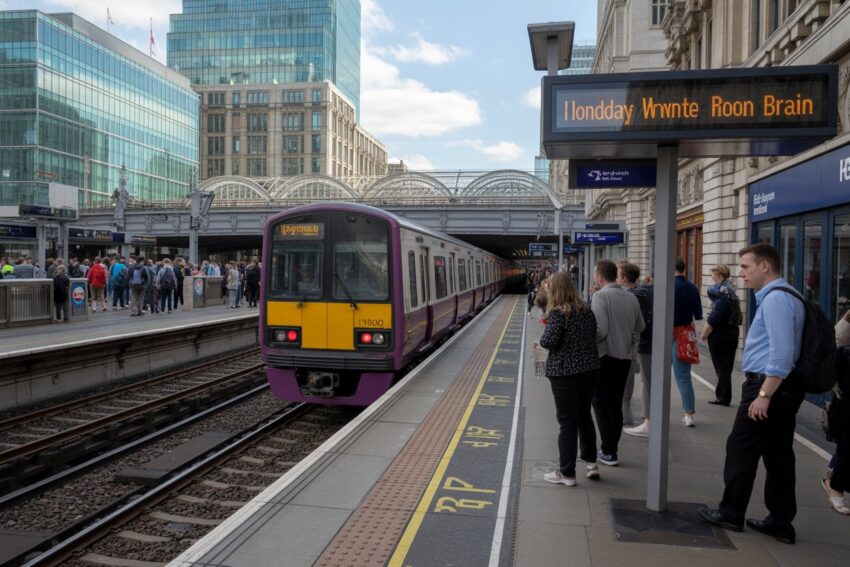
While public transport might seem like a better alternative to driving, rail services in many countries will face disruptions. In the UK, Boxing Day will see no trains running, and several lines, including the West Coast Main Line, will face major engineering works. Canada will experience delays in some areas due to weather conditions, and Australia’s rail network will also be disrupted by weather-related issues and holiday schedules.
With no trains running on Boxing Day in the UK, Canada, and Australia, more people will turn to the roads, adding to the traffic chaos. Make sure to check rail schedules and road alerts in advance to avoid the worst of the public transport disruptions.
Travel Tips for Beating the Boxing Day Chaos
The best way to handle the Boxing Day travel madness is to plan ahead. Check live updates on road closures, traffic, and weather conditions, and be prepared for any changes. If you are driving, avoid peak hours and, if possible, choose less congested routes to avoid major bottlenecks.
Whether you are traveling across the UK, Canada, or Australia, staying informed and being flexible will ensure a smoother journey during this peak travel period. Whether you’re visiting family or rushing to shopping malls, advance planning will help you avoid getting stuck in traffic and make your journey as stress-free as possible.
Survive Boxing Day Traffic with Preparation and Patience
This Boxing Day, whether you’re traveling in the UK, Canada, Australia, or New Zealand, be prepared for the holiday traffic surge. With millions of people on the move, understanding the worst roads to avoid and the peak travel times will help you navigate the chaos. By staying informed, leaving earlier, and checking for real-time updates, you can avoid the worst of the gridlock and enjoy a smoother journey.
Prepare your car, plan your route, and travel outside peak times for the best chance of avoiding congestion. Let this guide help you navigate the traffic storm this Boxing Day and beyond!
M27 Closure to Disrupt Travel in the South: Key Delays for Drivers
In addition to the expected traffic surges, drivers traveling in the South of England will face further disruption due to ongoing roadworks. The M27 motorway remains closed between Junctions 9 and 11 in both directions until the early hours of January 4, as major works continue. This is likely to cause significant delays for drivers traveling between Southampton and Portsmouth, so alternative routes should be considered if you’re heading that way.
This disruption, coupled with the high volume of post-Christmas traffic, means that drivers in the south should anticipate longer travel times than usual. It’s also worth noting that public transport disruptions will add to the pressure, making rail services unreliable for those trying to avoid the roads.
M25 and M6 Traffic Peaks: Avoid These Routes if Possible
The M25 and M6 are infamous for heavy traffic at the best of times, but with the influx of 20 million cars this Boxing Day, these motorways are likely to be completely gridlocked. The M25, which circles London, will be especially busy with long stretches of standstill traffic between Junctions 7 to 16 (clockwise) and Junctions 17 to 12 (anti-clockwise).
The M6, another notorious road, will also face heavy traffic, particularly on the northbound stretch between Junctions 5 and 10A. Drivers should consider using alternative routes or adjusting their travel times to avoid these major hotspots.
Prepare for the Journey: Car Checks and Road Safety Tips
Before hitting the road this Boxing Day, ensure your vehicle is in top condition to avoid any potential breakdowns. The AA advises drivers to conduct essential checks on their tyres, battery, screenwash, and fuel levels. Proper vehicle maintenance will not only help ensure a smoother journey but also contribute to safety on the road during one of the busiest times of the year.
While the roads will be congested, it’s important to stay safe and calm. Keep an emergency kit in the car, including water, snacks, and essential phone chargers. Make sure to take regular breaks and avoid driving tired.
New Year Travel Surge: Expect More Chaos on January 2 and 5
Traffic is expected to be just as chaotic following Boxing Day, with January 2 and January 5 likely to see even higher volumes of traffic. On January 2, 20.7 million car trips are expected, and 22 million cars will be on the roads by January 5, as many people return to work or school after the holiday period.
The post-Christmas traffic rebound will be intense, with breakdown call-outs expected to rise sharply as vehicles face the additional strain. Drivers should expect heightened congestion and disruptions to public transport during this period.
National Highways’ Efforts to Ease Traffic Chaos: Roadworks Suspended
In a bid to ease the pressure on the roads, National Highways has suspended 90% of roadworks on its network of motorways and major A roads until January 2. This temporary suspension aims to reduce delays and keep traffic flowing smoothly during the busiest times of the holiday period. However, drivers are still advised to check for any last-minute disruptions or diversions before setting off.
Public Transport Disruptions: Rail Chaos to Add to the Woes
While roads will be clogged with cars, public transport services will also face disruptions. Rail services across the country are already facing major setbacks, with several lines closed and engineering projects affecting journeys, particularly on the West Coast Main Line.
With no trains running on Boxing Day and Christmas Day, transport options are limited, forcing more people to take to the roads. As a result, the UK’s transport network will face significant pressure, and passengers should be prepared for major delays or cancellations, especially on New Year’s Day when services slowly resume.
Conclusion: Plan Ahead for a Smooth Boxing Day Journey
This Boxing Day will be one of the busiest travel days of the year, with millions of cars on the road and multiple areas of congestion to avoid. To make the most of your journey, plan ahead, check traffic updates, and consider traveling during quieter times. If possible, opt for public transport or alternate routes to avoid the worst of the gridlock. By being prepared and staying informed, you can minimize the stress of travel during this festive season and enjoy a smoother journey.
As one of Europe’s most sought-after destinations, Greece has experienced remarkable growth in tourism over the past decade. Drawing millions of international visitors year after year, the country has set its sights on yet another historic milestone. In 2025, Greece is expected to surpass 37 million visitors, marking a new high for the nation. The rise in global travel demand and Greece’s growing competitiveness have fueled this success. However, challenges loom on the horizon as new destinations in the region emerge, pushing Greece to adapt to ever-evolving market conditions.
New Challenges for Greece’s Tourism Industry
Greek tourism is undergoing a transformation. After years of impressive performance, the country’s traditional tourism strategies are starting to reach their limits. The Greek islands, which attract nearly 50% of all arrivals, represent a limited portion of the nation’s overall landscape, covering just 15% of the landmass. To maintain its competitive edge, Greece must look beyond these popular destinations and promote its hidden gems scattered across the mainland and lesser-known islands.
The tourism sector is at a crossroads. To continue thriving, Greece must prioritize two key strategies to solidify its position in an increasingly competitive market.
Promoting Alternative Destinations Across Greece
For many years, the Greek islands have been the go-to choice for travelers, often overshadowing the country’s mainland and other regions. While Santorini, Mykonos, and Crete remain popular hotspots, they are starting to face capacity limitations. The time has come for Greece to shift its focus towards alternative destinations that offer unique experiences and rich cultural heritage. Areas such as Peloponnese, Epirus, and Thessaloniki hold untapped potential and should be spotlighted in marketing campaigns targeting both international and domestic travelers.
Fostering sustainable tourism that celebrates local traditions and natural landscapes is key. By creating attractive packages for less-explored regions, Greece can alleviate the pressure on its busiest destinations and boost tourism across the entire nation.
Strengthening Infrastructure for Future Growth
Despite Greece’s tourism success, investment in infrastructure has been lacking in recent years. Although the country has experienced a 14% increase in tourism-related investments, spending on basic infrastructure remains 8% below pre-crisis levels. This shortfall must be addressed if Greece is to maintain its momentum and cater to the growing influx of visitors.
Investment in transportation, accommodation, and public services will help ensure that the country’s tourism ecosystem remains robust and resilient. The need for modernized airports, improved roads, and better connectivity across regions is critical to sustaining long-term growth. Local governments, in partnership with the private sector, must accelerate efforts to refurbish outdated infrastructure and ensure the overall visitor experience is seamless.
Greece’s Recovery and Future Outlook
In 2025, Greece showed resilience despite some initial setbacks. The earthquake in Santorini had a minor impact on visitor numbers in the first half of the year, with a modest 0.6% contraction. However, the country rebounded strongly in the second half, with a 7% increase in tourism activity. This bounce-back highlights the country’s strong structural foundations, which have been bolstered by improvements in hotel quality and strengthened airline connections.
Looking ahead, Greece is on track for even greater growth. Bookings for the first quarter of 2026 are already showing a 10% increase compared to the same period in 2025. The future of Greece’s tourism looks bright, with continued upgrades in accommodation standards, air connectivity, and tourist services.
What Can Travelers Expect in Greece in 2026?
For those planning their trips to Greece in 2026, the country offers a mix of traditional appeal and modern innovations. Whether you’re visiting the iconic Acropolis in Athens, exploring the scenic landscapes of Corfu, or discovering the ancient ruins of Delphi, there’s something for everyone. Expect an increased focus on eco-tourism, luxury stays, and cultural exchanges.
Travel Tips for Greece:
Explore Beyond the Islands: While the islands remain stunning, be sure to discover lesser-known mainland destinations such as Meteora, Nafplio, and Zagori for a more authentic experience.
Book Early for High-Demand Periods: With increased demand, securing accommodations in advance will ensure you have access to the best options, especially during peak seasons.
Consider Sustainable Travel Options: Opt for eco-friendly accommodations, transportation, and activities to contribute positively to the environment while enjoying Greece’s natural beauty.
Learn Basic Greek Phrases: While most Greeks speak English, learning a few basic phrases in Greek will enhance your cultural experience and interactions.
Greece’s Tourism Industry: A Model for Resilience
Greece’s tourism success is no accident. The country’s consistent ability to attract millions of visitors is built on strong fundamentals. By continuing to diversify its offerings, invest in infrastructure, and embrace sustainability, Greece is poised to lead in the competitive European tourism market. As neighboring countries ramp up their tourism efforts, Greece must stay ahead of the curve, ready to adapt to the shifting demands of global travelers.
Takeaway
Greece remains a top global destination, but to sustain its remarkable growth, it must focus on promoting new regions, upgrading infrastructure, and adapting to changing travel preferences. The future is bright for Greek tourism, and with the right strategies in place, the country can continue to thrive in the competitive tourism landscape.
 Login
Login
:max_bytes(150000):strip_icc():format(jpeg)/tal-rolling-duffels-feb-25-topo-designs-global-travel-bag-roller-ahuang-415-ba1d4784af3b4fbfa348a9e6ddb3260f.jpeg "<p>Travel + Leisure</p>")



:max_bytes(150000):strip_icc():format(jpeg)/TAL-half-moon-cay-beach-HALFMOONCAY1123-e4f7d61e5ec94c959e9bb8fb3174bbb6.jpg "<p>virsuziglis / Getty Images</p>")
:max_bytes(150000):strip_icc():format(jpeg)/TAL-paris-france-OUTDTDFRTRAVADVS0925-5042f781c1f1425587f53471f51429a2.jpg "<p>Ambika Verma/Travel + Leisure</p>")
:max_bytes(150000):strip_icc():format(jpeg)/TAL-header-emily-in-paris-venice-EMILYINVENICE1225-c13cef4154124991bd84974b4b9c3cf4.jpg "<p>Giulia Parmigiani/Netflix</p>")
:max_bytes(150000):strip_icc():format(jpeg)/TAL-sleeping-on-airplane-SLEEPONPLANETIPS1225-76f8394fa2f04c38958ea1d1bd40e5cc.jpg "<p>Margot Cavin/Travel + Leisure</p>")
:max_bytes(150000):strip_icc():format(jpeg)/TAL-lead-image-HOTELFIVESTARS1025-dc611b0b6b3b40b58043cb1d5502703e.jpg "<p>luengo_ua/Adobe Stock</p>")
:max_bytes(150000):strip_icc():format(jpeg)/TAL-header-nicole-richie-NICOLERICHIECCI1225-8110c615b87f4513847755fcbb532e6c.jpg "<p>From left: Vijat M; Nicole Richie</p>")
:max_bytes(150000):strip_icc():format(jpeg)/tal-amazon-roundup-im-a-professional-packer-tout-2399ab50176a4deca3027f352aa173f6.jpg "<p>Travel + Leisure</p>")
:max_bytes(150000):strip_icc():format(jpeg)/TAL-passport-PASSPORTTIP1225-6ac1f855a82c43829b369d58bf8a8f5a.jpg "<p>Margot Cavin/Travel + Leisure</p>")
:max_bytes(150000):strip_icc():format(jpeg)/TAL-lead-image-AIRLINEDRESSCODE1225-4c68f5a6532241609173d65c29592fc9.jpg "<p>fizkes/Adobe Stock</p>")
