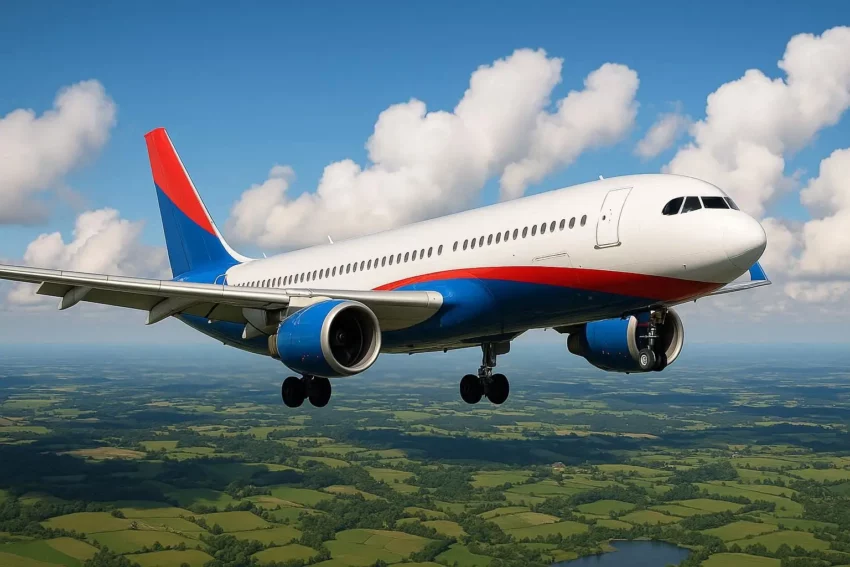
Saudi Arabia continues to elevate its global aviation profile as Saudia, the national carrier of the Kingdom, prepares to introduce a refined premium experience aboard its upcoming Airbus A321XLR fleet. As part of a broader transformation aligned with Vision 2030, a new chapter in business class travel is being written through the deployment of long-range narrowbody aircraft designed to serve international leisure and business destinations more efficiently. The initiative reflects a strategic response to evolving passenger expectations, particularly on medium- and long-haul routes linking Saudi Arabia with Europe, Africa, and island destinations such as the Maldives.
With the integration of Thompson VantageSOLO seats, a fully flat bed product offering direct aisle access for every passenger is being introduced on a single-aisle aircraft, a feature once reserved almost exclusively for widebody fleets. This development positions Saudia Airlines among a select group of global carriers investing heavily in premium comfort on narrowbody jets. Through a carefully balanced cabin layout, extended aircraft range, and brand-aligned interior finishes, a more seamless and comfortable travel experience is being crafted. The move signals not only a product upgrade, but also a deeper commitment to positioning Saudi Arabia as a competitive and appealing global travel hub.
Saudia Advances Its Narrowbody Long-Haul Vision
A significant step forward in Saudia’s fleet modernization strategy is being marked by the forthcoming arrival of the Airbus A321XLR. These aircraft are being positioned as key enablers of long-haul connectivity on thinner routes that do not warrant widebody deployment. By leveraging the enhanced range and efficiency of the A321XLR, nonstop services from Saudi Arabia to secondary European and African cities are being made more viable, supporting both tourism and business travel flows.
The announcement of a new business class cabin for these aircraft was originally made in May 2023. At that time, deliveries were anticipated to begin in 2024. However, program-wide delays affecting the Airbus A321XLR resulted in a revised timeline. As of late 2025, first deliveries remain scheduled for 2026, with entry into service expected shortly thereafter.
Airbus A321XLR and Its Role in Global Connectivity
The Airbus A321XLR represents an evolution of the proven A321neo platform, offering an extended range of up to 4,700 nautical miles. This capability enables airlines such as Saudia to operate long-distance routes more efficiently while maintaining lower operating costs compared to widebody aircraft.
For Saudi Arabia, this translates into improved connectivity with destinations across Southern Europe, North Africa, and the Indian Ocean region. Cities such as Barcelona, Brussels, Milan, Rome, Dakar, and Malé are among those identified for deployment of the new aircraft, with initial services appearing in booking systems from May 2026 onward. These routes support tourism growth by offering direct access to and from the Kingdom, while also catering to business travelers seeking convenient nonstop options.
A Highly Premium Cabin Configuration
Among global operators of the A321XLR, Saudia’s configuration stands out as one of the most premium. Each aircraft is being fitted with just 144 seats in total, including 24 business class seats and 120 economy class seats. This low-density layout prioritizes passenger comfort and personal space, reinforcing the airline’s premium positioning.
Within the A321 family, the closest comparable configuration is found on JetBlue’s A321LR aircraft, which feature 138 seats. However, Saudia’s choice to maintain a spacious layout underscores its focus on delivering a refined onboard experience, particularly for long-haul travelers departing from or arriving in Saudi Arabia.
Introduction of Thompson VantageSOLO Business Class
The centerpiece of the new cabin is the installation of Thompson VantageSOLO seats in the business class section. These seats provide fully flat beds and direct aisle access for all passengers, eliminating the need to step over neighboring seats. Such features are increasingly expected by premium travelers, even on narrowbody aircraft operating longer sectors.
The seating arrangement follows a herringbone layout, with seats angled toward the aisle. While this configuration differs from reverse herringbone designs that face the windows, it remains an effective solution for maximizing privacy and accessibility within the constraints of a single-aisle fuselage. Only a limited number of airlines, including ITA Airways and Etihad Airways, have introduced reverse herringbone seating on A321 family aircraft to date.
Enhanced Space Through Bulkhead Seats
Cabin mockups released by Saudia highlight the presence of bulkhead business class seats that offer noticeably more space than standard positions. These seats provide larger footwells and expanded personal areas, delivering an experience comparable to premium suites found on other airlines.
In similar configurations, such as JetBlue’s Mint Studio, these bulkhead seats are marketed as an enhanced business class option and often command an additional fee. While pricing details for Saudia’s product have not been disclosed, the inclusion of these larger seats reflects an effort to cater to travelers seeking extra comfort on long journeys from Saudi Arabia to international destinations.
Continuation of Saudia’s Premium Evolution
The introduction of VantageSOLO seats builds upon Saudia’s earlier efforts to enhance narrowbody comfort. In 2018, the airline became one of the first in the region to introduce flat-bed seating on narrowbody aircraft through the installation of Collins Aerospace Diamond seats on its A320 fleet.
By adopting a more advanced and spacious product for the A321XLR, a new benchmark is being established for the airline’s narrowbody operations. Custom interior finishes have been applied to align with Saudia’s brand identity, ensuring visual consistency across the fleet while delivering a modern and sophisticated atmosphere.
Supporting Vision 2030 and Tourism Growth
This fleet upgrade aligns closely with Saudi Arabia’s Vision 2030 objectives, which emphasize tourism development, economic diversification, and improved global connectivity. By deploying long-range narrowbody aircraft with premium cabins, Saudia is better positioned to serve emerging travel markets and seasonal leisure destinations.
Extended range capabilities allow for cost-effective services on routes that may not sustain widebody frequencies year-round. As a result, travelers are being offered more direct options, reducing travel times and enhancing the overall appeal of Saudi Arabia as both an origin and destination market.
A Solid Step Forward for Premium Travel
While the new business class product may not be considered the most revolutionary in the global aviation industry, it delivers all the essential elements expected by modern premium travelers. Fully flat beds, direct aisle access, generous personal space, and contemporary design features combine to create a competitive offering on a narrowbody platform.
For Saudia, the A321XLR represents more than just a new aircraft type. It serves as a strategic tool for network expansion, tourism promotion, and brand enhancement. As these aircraft enter service from 2026 onward, a noticeable uplift in the quality of long-haul narrowbody travel from Saudi Arabia is set to be experienced by passengers across multiple regions.
Through this investment, Saudia reinforces its commitment to passenger comfort and positions itself as a forward-looking carrier supporting the Kingdom’s ambitions on the global travel and tourism stage.
A significant step in strengthening regional air connectivity has been marked in Thailand with the arrival of the first Airbus A321neo into the fleet of Thai Airways International. The milestone has been widely viewed as a strategic move aimed at supporting Asia-Pacific travel and tourism, while also modernizing the airline’s short- and medium-haul operations. As demand for regional mobility continues to grow across Southeast Asia and neighboring markets, the induction of this next-generation aircraft has been positioned as a response to evolving passenger expectations, sustainability priorities, and competitive pressures. Through this delivery, a renewed focus has been placed on efficiency, comfort, and consistency across the network, particularly on high-density leisure and business routes. The aircraft has been introduced during a period of recovery and cautious expansion, reflecting a balance between growth ambitions and financial discipline. With Thai Airways rebuilding its role as a key connector between Thailand and major destinations across the Asia-Pacific region, the A321neo has been presented as a cornerstone for future travel experiences. The development has also been aligned with broader tourism objectives, reinforcing Thailand’s position as a regional aviation hub.
A Landmark Arrival in Bangkok
A notable moment for Thailand’s aviation sector was witnessed at Suvarnabhumi Airport in Bangkok when Thai Airways officially received its first Airbus A321neo. The aircraft arrived on a delivery flight from Hamburg, Germany, symbolizing the airline’s entry into a new phase of narrowbody fleet operations. The delivery was formally welcomed during a ceremonial event held on December 25, 2025, attended by the Chairman of the Board, board members, senior executives, and invited guests. The occasion was treated not only as a fleet milestone but also as a signal of renewed confidence in regional travel demand linked to Thailand and the wider Asia-Pacific region.
The aircraft, registered as HS-TOA and named Bowonrangsi, has been introduced as the first of 32 Airbus A321neo jets scheduled for delivery. This induction has been framed as a foundational step in reinforcing the airline’s ability to serve regional routes more efficiently while enhancing the overall travel experience for passengers visiting and transiting through Thailand.
Fleet Renewal and Strategic Leasing Approach
The Airbus A321neo was delivered from the Airbus Delivery Center in Germany under an operating lease arrangement with AerCap. Through this approach, flexibility has been maintained in fleet planning while capital expenditure pressures have been carefully managed. It has been confirmed that the first ten A321neo aircraft will enter service through leasing agreements, allowing Thai Airways to modernize its fleet during a sensitive recovery phase.
This strategy has been viewed as an important element of the airline’s broader restructuring efforts, ensuring that growth is supported without compromising financial stability. By introducing modern aircraft through leasing, Thai Airways has positioned itself to adapt capacity according to tourism trends across Thailand, Southeast Asia, and the wider Asia-Pacific region.
Return of Narrowbody Operations to the Mainline Brand
A notable shift has been reflected in the decision to operate narrowbody aircraft directly under the Thai Airways mainline brand. In previous years, regional flying had largely been handled by Thai Smile, which was dissolved in 2024. Following this change, former Thai Smile Airbus A320 aircraft were absorbed into the mainline fleet, creating a unified operational and service framework.
The arrival of the Airbus A321neo has reinforced this consolidation. A more consistent onboard product has been established, allowing passengers traveling within Thailand and to nearby international destinations to experience uniform service standards. This development has been particularly significant for tourism-focused routes, where brand consistency and comfort play a crucial role in traveler satisfaction.
Advanced Technology and Environmental Performance
The Airbus A321neo has been equipped with CFM LEAP-1A engines, incorporating advanced aerodynamic features designed to reduce fuel consumption and carbon dioxide emissions by up to 20 percent per seat. These improvements have been aligned with Thai Airways’ environmental objectives, reflecting the growing emphasis on sustainable aviation within Thailand and across Asia-Pacific markets.
The aircraft has also been certified to operate with up to 50 percent Sustainable Aviation Fuel, supporting longer-term sustainability goals. This capability has been highlighted as an important step toward reducing the environmental footprint of regional travel, particularly as tourism volumes continue to rise across popular destinations in Thailand, Singapore, and neighboring countries.
Cabin Design Focused on Comfort and Cultural Identity
Inside the aircraft, a carefully considered cabin layout has been introduced, featuring a total of 175 seats. The configuration includes 16 Royal Silk Class seats and 159 Economy Class seats, catering to both premium and leisure travelers. Royal Silk Class has been designed with fully flat beds offering 180-degree recline, increased seat pitch, and a widebody-style experience suited to regional journeys.
Economy Class seating has emphasized passenger comfort through ergonomic design, adjustable headrests, and a 110-degree recline. Each seat has been equipped with an in-flight entertainment system featuring 4K touchscreens and Bluetooth connectivity, enhancing the onboard experience for travelers exploring Thailand and the wider Asia-Pacific region.
Additional features include Airspace XL overhead bins, increasing storage capacity by up to 40 percent, as well as mood lighting and a distinctive welcome ceiling. Interior elements have been inspired by Thai cultural identity, blending traditional aesthetics with modern international design to create an atmosphere reflective of Thailand’s hospitality heritage.
Supporting Regional Travel and Tourism Growth
The Airbus A321neo has been earmarked primarily for deployment on regional Asia-Pacific routes where demand supports both premium and leisure travel. The aircraft’s efficiency has allowed high-frequency services to be operated while maintaining cost control, an essential factor in competitive regional markets.
The inaugural commercial service has been scheduled for January 22, 2026, on the Bangkok–Singapore–Bangkok route. This sector has been selected due to its strong tourism and business demand, linking Thailand with one of Southeast Asia’s major travel hubs. Additional route assignments have been planned as more A321neo aircraft join the fleet, further strengthening connectivity between Thailand and key destinations across the region.
Broader Implications for Thailand and Asia-Pacific Aviation
With 32 Airbus A321neo aircraft on order, the type has been positioned as a central component of Thai Airways’ future network strategy. The aircraft has been expected to play a vital role in expanding capacity, supporting sustainability initiatives, and enhancing service quality across Asia-Pacific markets.
Greater fleet consistency has also been achieved through this order, addressing historical challenges associated with operating a diverse mix of aircraft types. For travelers, this consistency has translated into predictable comfort standards and a more cohesive brand experience when flying to and from Thailand.
The delivery of the first Airbus A321neo has represented a strategic milestone for Thai Airways and a positive development for Thailand’s travel and tourism sector. Through the introduction of modern, fuel-efficient aircraft, the airline has strengthened its ability to connect Thailand with regional destinations while meeting evolving passenger expectations.
As additional A321neo aircraft are introduced, Thai Airways has been positioned to enhance its competitiveness in busy Asia-Pacific markets, support sustainable growth, and reinforce Thailand’s status as a major aviation and tourism hub. The milestone has underscored a renewed commitment to quality, efficiency, and regional connectivity, shaping the next chapter of air travel centered on Thailand.
A significant step in strengthening regional air connectivity has been marked in Thailand with the arrival of the first Airbus A321neo into the fleet of Thai Airways International. The milestone has been widely viewed as a strategic move aimed at supporting Asia-Pacific travel and tourism, while also modernizing the airline’s short- and medium-haul operations. As demand for regional mobility continues to grow across Southeast Asia and neighboring markets, the induction of this next-generation aircraft has been positioned as a response to evolving passenger expectations, sustainability priorities, and competitive pressures. Through this delivery, a renewed focus has been placed on efficiency, comfort, and consistency across the network, particularly on high-density leisure and business routes. The aircraft has been introduced during a period of recovery and cautious expansion, reflecting a balance between growth ambitions and financial discipline. With Thai Airways rebuilding its role as a key connector between Thailand and major destinations across the Asia-Pacific region, the A321neo has been presented as a cornerstone for future travel experiences. The development has also been aligned with broader tourism objectives, reinforcing Thailand’s position as a regional aviation hub.
A Landmark Arrival in Bangkok
A notable moment for Thailand’s aviation sector was witnessed at Suvarnabhumi Airport in Bangkok when Thai Airways officially received its first Airbus A321neo. The aircraft arrived on a delivery flight from Hamburg, Germany, symbolizing the airline’s entry into a new phase of narrowbody fleet operations. The delivery was formally welcomed during a ceremonial event held on December 25, 2025, attended by the Chairman of the Board, board members, senior executives, and invited guests. The occasion was treated not only as a fleet milestone but also as a signal of renewed confidence in regional travel demand linked to Thailand and the wider Asia-Pacific region.
The aircraft, registered as HS-TOA and named Bowonrangsi, has been introduced as the first of 32 Airbus A321neo jets scheduled for delivery. This induction has been framed as a foundational step in reinforcing the airline’s ability to serve regional routes more efficiently while enhancing the overall travel experience for passengers visiting and transiting through Thailand.
Fleet Renewal and Strategic Leasing Approach
The Airbus A321neo was delivered from the Airbus Delivery Center in Germany under an operating lease arrangement with AerCap. Through this approach, flexibility has been maintained in fleet planning while capital expenditure pressures have been carefully managed. It has been confirmed that the first ten A321neo aircraft will enter service through leasing agreements, allowing Thai Airways to modernize its fleet during a sensitive recovery phase.
This strategy has been viewed as an important element of the airline’s broader restructuring efforts, ensuring that growth is supported without compromising financial stability. By introducing modern aircraft through leasing, Thai Airways has positioned itself to adapt capacity according to tourism trends across Thailand, Southeast Asia, and the wider Asia-Pacific region.
Return of Narrowbody Operations to the Mainline Brand
A notable shift has been reflected in the decision to operate narrowbody aircraft directly under the Thai Airways mainline brand. In previous years, regional flying had largely been handled by Thai Smile, which was dissolved in 2024. Following this change, former Thai Smile Airbus A320 aircraft were absorbed into the mainline fleet, creating a unified operational and service framework.
The arrival of the Airbus A321neo has reinforced this consolidation. A more consistent onboard product has been established, allowing passengers traveling within Thailand and to nearby international destinations to experience uniform service standards. This development has been particularly significant for tourism-focused routes, where brand consistency and comfort play a crucial role in traveler satisfaction.
Advanced Technology and Environmental Performance
The Airbus A321neo has been equipped with CFM LEAP-1A engines, incorporating advanced aerodynamic features designed to reduce fuel consumption and carbon dioxide emissions by up to 20 percent per seat. These improvements have been aligned with Thai Airways’ environmental objectives, reflecting the growing emphasis on sustainable aviation within Thailand and across Asia-Pacific markets.
The aircraft has also been certified to operate with up to 50 percent Sustainable Aviation Fuel, supporting longer-term sustainability goals. This capability has been highlighted as an important step toward reducing the environmental footprint of regional travel, particularly as tourism volumes continue to rise across popular destinations in Thailand, Singapore, and neighboring countries.
Cabin Design Focused on Comfort and Cultural Identity
Inside the aircraft, a carefully considered cabin layout has been introduced, featuring a total of 175 seats. The configuration includes 16 Royal Silk Class seats and 159 Economy Class seats, catering to both premium and leisure travelers. Royal Silk Class has been designed with fully flat beds offering 180-degree recline, increased seat pitch, and a widebody-style experience suited to regional journeys.
Economy Class seating has emphasized passenger comfort through ergonomic design, adjustable headrests, and a 110-degree recline. Each seat has been equipped with an in-flight entertainment system featuring 4K touchscreens and Bluetooth connectivity, enhancing the onboard experience for travelers exploring Thailand and the wider Asia-Pacific region.
Additional features include Airspace XL overhead bins, increasing storage capacity by up to 40 percent, as well as mood lighting and a distinctive welcome ceiling. Interior elements have been inspired by Thai cultural identity, blending traditional aesthetics with modern international design to create an atmosphere reflective of Thailand’s hospitality heritage.
Supporting Regional Travel and Tourism Growth
The Airbus A321neo has been earmarked primarily for deployment on regional Asia-Pacific routes where demand supports both premium and leisure travel. The aircraft’s efficiency has allowed high-frequency services to be operated while maintaining cost control, an essential factor in competitive regional markets.
The inaugural commercial service has been scheduled for January 22, 2026, on the Bangkok–Singapore–Bangkok route. This sector has been selected due to its strong tourism and business demand, linking Thailand with one of Southeast Asia’s major travel hubs. Additional route assignments have been planned as more A321neo aircraft join the fleet, further strengthening connectivity between Thailand and key destinations across the region.
Broader Implications for Thailand and Asia-Pacific Aviation
With 32 Airbus A321neo aircraft on order, the type has been positioned as a central component of Thai Airways’ future network strategy. The aircraft has been expected to play a vital role in expanding capacity, supporting sustainability initiatives, and enhancing service quality across Asia-Pacific markets.
Greater fleet consistency has also been achieved through this order, addressing historical challenges associated with operating a diverse mix of aircraft types. For travelers, this consistency has translated into predictable comfort standards and a more cohesive brand experience when flying to and from Thailand.
The delivery of the first Airbus A321neo has represented a strategic milestone for Thai Airways and a positive development for Thailand’s travel and tourism sector. Through the introduction of modern, fuel-efficient aircraft, the airline has strengthened its ability to connect Thailand with regional destinations while meeting evolving passenger expectations.
As additional A321neo aircraft are introduced, Thai Airways has been positioned to enhance its competitiveness in busy Asia-Pacific markets, support sustainable growth, and reinforce Thailand’s status as a major aviation and tourism hub. The milestone has underscored a renewed commitment to quality, efficiency, and regional connectivity, shaping the next chapter of air travel centered on Thailand.

 Login
Login