
Reading view

ITC in Xujiahui Launches New Andaz Hotel Elevating Tourism in Shanghai

ITC in Xujiahui Launches New Andaz Hotel Elevating Tourism in Shanghai
Image of Andaz Shanghai ITC

Andaz Shanghai ITC opens its doors in Xujiahui district in Shanghai, China on 3 February 2026, anchoring the towering ITC Xujiahui complex as a beacon for tourism. This two hundred sixty-seven-room luxury lifestyle hotel fuses nostalgic Shanghai motifs with modern opulence, drawing travelers to the vibrant crossroads of historic alleyways and skyscrapers. Positioned in a heritage-rich commercial zone, it enhances Xujiahui tourism by offering immersive stays that celebrate the city’s evolution from its opening to global influences.

The property elevates Shanghai tourism as the second Andaz venue, complementing urban explorers with unparalleled views of century-old European architecture alongside contemporary towers. Its residential-style design invites guests into a vertical neighborhood, stimulating overnight visits amid Xujiahui‘s retail, transport, and cultural draws. This launch supports Shanghai‘s role as a top global hotel development hub in 2026, promising economic uplift through increased visitor spending.

Nostalgic Design Captivates Visitors

Design elements evoke Shanghai‘s storied past, from glass-brick walls and moss-toned rugs inspired by charming laneways to plane tree silhouettes in corridors. The 14th-floor lobby channels yesteryear elegance, while motifs of iconic sights, tastes, and sounds permeate public spaces. This “bringing outside in” philosophy creates a personalized haven, aligning with Andaz’s ethos of local style to deepen Xujiahui tourism engagement.

Xujiahui‘s history as a development pioneer infuses the aesthetic, blending low-rise heritage with high-rise innovation. Guests experience Shanghai tourism through subtle cultural references, fostering emotional connections that encourage extended explorations of nearby landmarks. The intimate gym reinforces exclusivity, appealing to wellness-focused travelers and bolstering the district’s appeal as a tourism destination.

Spacious Rooms with City Panorama

All two hundred sixty-seven rooms and seventeen suites span forty-five to one hundred forty-seven sqm, featuring floor-to-ceiling windows showcasing Shanghai‘s dynamic skyline and heritage blend. Interiors adopt a maisonette layout with free-standing wardrobes, 3D-tiled spa bathrooms, Simmons mattresses, Nespresso machines, fifty-five-inch IPTVs, and Byredo amenities. Many include terraces for al fresco relaxation, enhancing the residential luxury that defines Andaz Shanghai ITC.

Versatile seating zones support lounging, dining, or work, while custom Shanghai craftsmanship adds authenticity. Executive Suites offer penthouse vibes with avant-garde touches, positioning the hotel as a premium base for Xujiahui tourism. These high-end features attract discerning visitors, driving Shanghai tourism growth by filling luxury gaps in this bustling area.

Culinary Destinations Draw Food Tourists

Three venues position Andaz Shanghai ITC as a tourism dining hub in culinary-savvy Shanghai. The Rooftop Bar serves tea-infused cocktails amid fashion-themed decor and panoramic views, attracting influencers and skyline gazers. West Wing delivers European-Shanghainese small plates in a vintage deli-wine bar setting, ideal for relaxed evenings. East Wing features food stations for breakfast-lunch and nostalgic Shanghainese dinners with local ingredients, private rooms, and a plant-filled terrace.

These options evoke childhood flavors while offering sophistication, spurring Xujiahui tourism through destination appeal. High ceilings and canopy lighting create refined atmospheres, encouraging groups to linger and explore Shanghai‘s food scene. The variety supports diverse palates, amplifying visitor dwell time and local tourism revenue.

Strategic Location Fuels Accessibility

Perched atop Xujiahui‘s transport nexus, the hotel ensures seamless access to Shanghai‘s subway, roads, and attractions. Proximity to historic sites, shopping, and business districts makes it a gateway for leisure and MICE tourism. Free Wi-Fi, digital keys, EV charging, concierge, laundry, self-parking, pool, and room service streamline stays, while accessibility features welcome all travelers.

No-pet policy except service animals maintains exclusivity, focusing on human-centric hospitality. This connectivity boosts Shanghai tourism by linking heritage explorers with modern commerce, positioning Xujiahui as a must-visit node. Government-backed tourism pushes in Shanghai align with such openings, forecasting robust 2026 influxes.

Event Spaces Enhance MICE Tourism

Flexible venues like the Secret Room host intimate gatherings, meetings, and launches with tailored setups and attentive service. Andaz Inspiration supports exclusive events, ideal for product unveilings or private dinners. These spaces elevate Xujiahui tourism for business travelers, blending work with cultural immersion.

The setup caters to invitation-only crowds, fostering networking amid Shanghai‘s skyline. Proximity to commercial hubs draws corporate tourism, contributing to the city’s hotel boom and job creation in hospitality. Events stimulate off-peak visits, balancing Shanghai tourism calendars.

World of Hyatt Loyalty Integration

Guests earn World of Hyatt points, redeemable across Hyatt’s portfolio, incentivizing repeat Xujiahui tourism. Signature service and local authenticity align with the brand’s unscripted luxury, appealing to global elites. This ties into Shanghai‘s resurgence as a top destination, with ITC Xujiahui anchoring mixed-use vibrancy.

Tourism Impact and Future Prospects

Andaz Shanghai ITC catalyzes Xujiahui tourism by merging nostalgia with twenty-first-century flair, attracting families, couples, and professionals. Its two hundred sixty-seven keys add to Shanghai‘s leading 2026 room growth, supporting over over four hundred million annual visitors. Enhanced infrastructure promises sustained tourism revenue, from dining spends to event bookings.

Nearby attractions like St. Ignatius Cathedral and Xujiahui Park pair with hotel draws, creating holistic itineraries. As Shanghai tourism rebounds, this property sets benchmarks for cultural luxury, heralding more openings. Xujiahui evolves as a tourism powerhouse, blending history and futurism for enduring appeal.

Image Credit: Hyatt Corporation

The post ITC in Xujiahui Launches New Andaz Hotel Elevating Tourism in Shanghai appeared first on Travel And Tour World.
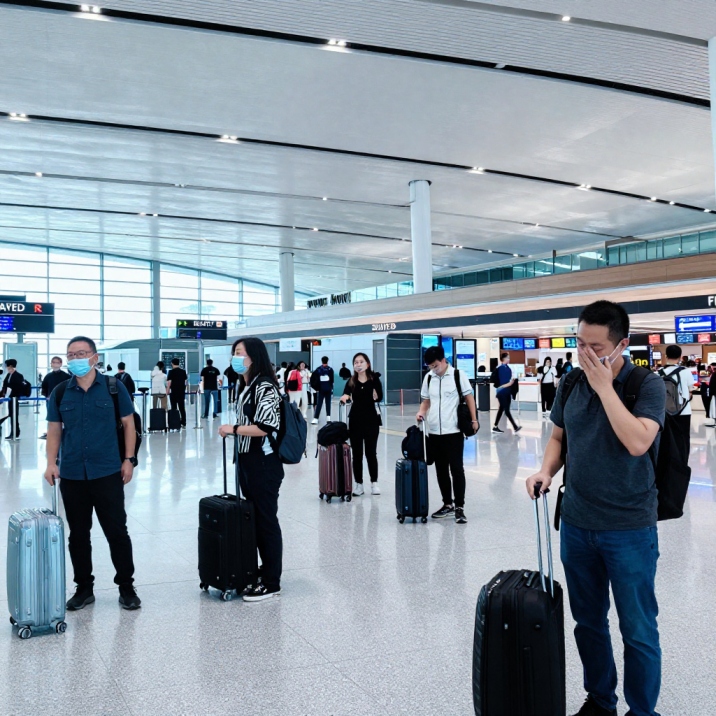

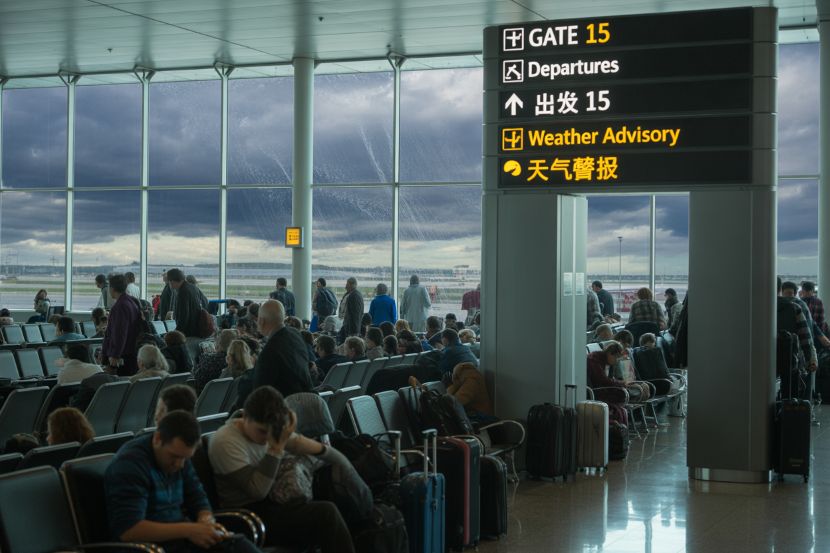
Flight Cancellations in Chengdu, Shenzhen, Shanghai and Beijing Creates Travel Interruptions across China as Air China, China Eastern, Shanghai Airlines and others Face a Dozen of Flight Cancellations and Thousands of Delays, New Update

Flight Cancellations in Chengdu, Shenzhen, Shanghai and Beijing Creates Travel Interruptions across China as Air China, China Eastern, Shanghai Airlines and others Face a Dozen of Flight Cancellations and Thousands of Delays, New Update

Travelers across China are currently facing a complex logistical puzzle as significant flight disruptions ripple through the nation’s busiest air corridors. Major aviation hubs in Shanghai, Beijing, Shenzhen and Chengdu are reporting extensive schedule shifts today. While total cancellations remain manageable, the sheer volume of delays is testing the patience of thousands. Air China and China Eastern Airlines are among the primary carriers working to stabilize operations amidst these mounting interruptions. Ground crews in Beijing and Shanghai are navigating a backlog that affects both domestic and international connections. Meanwhile, passengers in Shenzhen and Chengdu must prepare for extended wait times at the terminal. There’s a total of 12 flight cancellations and 2,008 delays reported. Active communication from airline staff is essential during this period. Travelers should monitor live flight trackers frequently for the latest updates. These synchronized delays highlight the immense pressure currently placed on the infrastructure of China’s primary gateways. Stay informed to navigate these travel hurdles effectively.

Major Airports Affected

The operational integrity of the busiest air corridors in China has been tested today, with Shanghai and Shenzhen appearing to bear the heaviest burden in terms of total volume. At Shanghai Pudong International Airport, 3 cancellations were confirmed alongside a staggering 532 flight delays. Its sister hub, Shanghai Hongqiao International, also reported 3 cancellations and 295 delays, bringing the total impact for the city of Shanghai to 6 cancellations and 827 delayed flights.

In the southern tech hub of Shenzhen, the Bao’an International Airport recorded the highest single-airport delay count. While only 1 cancellation was registered, a total of 602 delays were logged, indicating significant taxiway congestion and gate holds. Meanwhile, in the north, the capital’s aviation infrastructure faced similar pressures. Beijing Capital International reported 2 cancellations and 212 delays, while the newer Beijing Daxing International Airport recorded 2 cancellations and 215 delays.

The western gateway was also impacted; Chengdu Shuangliu International Airport in Chengdu saw 1 cancellation and 152 delays. When aggregated, these figures represent a substantial portion of the daily domestic and international departures within the region.

Impacted Airlines

The disruptions have been distributed across several of the nation’s largest carriers. Air China has emerged as one of the most widely affected entities, with its operations impacted at three separate major hubs. A total of 6 cancellations and 139 delays were attributed to Air China across Beijing Capital, Beijing Daxing and Shanghai Hongqiao.

In Shanghai, China Eastern Airlines was identified as a primary affected airline at Pudong International, where 3 cancellations and 148 delays were recorded. Shanghai Airlines also faced challenges at Hongqiao International, with 1 cancellation and 48 delays noted in the logs.

Regional carriers were not exempt from these scheduling hurdles. In Shenzhen, Shenzhen Airlines saw 1 cancellation and 190 delays, marking one of the highest delay ratios per airline reported today. In Chengdu, Tibet Airlines was forced to cancel 1 flight and postpone 18 others at Shuangliu International. These carrier-specific figures highlight the widespread nature of the interruptions, affecting both massive state-owned airlines and specialized regional operators.

Beyond these specific figures, delays were being experienced by several other Airlines, like Hainan Airlines, Spring Airlines, China Southern Airlines, Juneyao Airlines, XiamenAir, Sichuan Airlines and more.

Probable Impact on Local Tourism

The ripple effects of nearly 2,000 delayed flights are expected to be felt within the local tourism and hospitality sectors of China. With hundreds of flights arriving behind schedule in Beijing, Shanghai, Shenzhen and Chengdu, local hotel check-in windows and pre-booked tour itineraries are likely to be disrupted.

In cities like Chengdu, which serves as a vital tourism base for western travel, a delay of even a few hours can result in missed connections for regional tours. Similarly, the business-centric tourism in Shenzhen and Shanghai is highly sensitive to time; the 602 delays in Shenzhen alone represent thousands of lost hours for travelers. While the low number of cancellations prevents a total collapse of tourism traffic, the wait-and-see atmosphere at these major airports may lead to a temporary decline in foot traffic at airport-linked retail and dining establishments as passengers remain focused on their boarding updates.

What Affected Passengers Can Do Now

For those currently navigating the terminals in Beijing, Shanghai, Shenzhen or Chengdu, several standard protocols should be followed to mitigate the impact of these delays.

  1. Real-Time Monitoring: Passengers are advised to monitor the official mobile applications of their respective airlines. Since 1,908 delays have been recorded today, gate assignments and departure times are subject to frequent changes.
  2. Documentation: In the event of a cancellation—such as those experienced by Air China or China Eastern customers today—passengers should ensure they receive a formal flight interruption certificate. This is often required for insurance claims or rebooking prioritizations.
  3. Carrier Communication: Impacted travelers should approach the designated customer service desks for their specific airline. For instance, those flying with Shenzhen Airlines or Tibet Airlines should seek city-specific updates regarding the cause of the delay to determine if meal vouchers or overnight accommodations will be provided.
  4. Rebooking Options: Given that 12 cancellations have been confirmed, seats on subsequent flights will be in high demand. Swift communication with travel agents or airline portals is recommended to secure the next available departure.

-The information provided is sourced from FlightAware.

The post Flight Cancellations in Chengdu, Shenzhen, Shanghai and Beijing Creates Travel Interruptions across China as Air China, China Eastern, Shanghai Airlines and others Face a Dozen of Flight Cancellations and Thousands of Delays, New Update appeared first on Travel And Tour World.

APG Takes Charge of EL AL’s Sales and Marketing Activities to Boost Airline’s Profile in China

APG Takes Charge of EL AL’s Sales and Marketing Activities to Boost Airline’s Profile in China

APG has taken on the role of General Sales Agent for EL AL in China, marking a significant step in the airline’s efforts to establish a stronger and more coordinated commercial presence in the country. The appointment forms part of a broader strategy focused on expanding reach, improving distribution efficiency, and increasing market awareness in a highly competitive travel environment.

Under the new arrangement, APG will act as EL AL’s primary commercial representative in China, overseeing sales development and marketing execution across the market. The responsibilities include strengthening trade partnerships, optimizing sales channels, and ensuring that the airline’s services are effectively promoted within the local travel ecosystem. The collaboration is intended to provide EL AL with a more responsive and locally grounded commercial structure.

China’s outbound travel market continues to evolve as passenger demand rebounds and travel preferences become more diverse. Long-haul destinations are attracting renewed interest, creating opportunities for airlines seeking to broaden their international footprint. However, operating successfully in China requires a strong understanding of local distribution systems, consumer behavior, and regulatory conditions. The appointment of a General Sales Agent allows EL AL to address these challenges through a specialized partner.

APG’s involvement is expected to improve EL AL’s engagement with travel agencies, tour operators, and corporate travel buyers throughout the country. By leveraging its established network and market expertise, APG aims to increase visibility for the airline’s route network and improve accessibility for travelers. The focus will be on building consistent market messaging while adapting promotional activity to local demand patterns.

As Israel’s national carrier, EL AL has long served as a key link between the country and international destinations. Its network plays an important role in supporting tourism, trade, and cultural exchange. Strengthening commercial operations in Asia reflects an effort to diversify source markets and reinforce the airline’s global positioning at a time when international travel patterns are shifting.

The Chinese aviation landscape presents both scale and complexity. Rapid digitalization, strong competition, and changing booking behaviors require airlines to remain agile and locally relevant. Through this partnership, EL AL gains access to operational support that is designed to navigate these conditions while maintaining alignment with its broader commercial objectives.

APG brings more than three decades of experience in airline representation and distribution. The organization operates a global network of over 100 offices and works with more than 200 airline partners worldwide. Its services are designed to help carriers enter new markets, strengthen existing operations, and improve overall revenue performance through targeted sales and marketing strategies.

In China, APG’s established presence provides EL AL with continuity and market insight that would be difficult to replicate independently. This includes managing trade relationships, supporting distribution partners, and ensuring that the airline’s offerings remain visible across key booking platforms. Such capabilities are particularly valuable in markets where local expertise can significantly influence commercial outcomes.

The partnership also reflects a wider shift within the airline industry toward flexible commercial models. Rather than relying solely on in-house teams, many carriers are choosing to work with specialized sales agents to improve efficiency and accelerate market development. For EL AL, this approach supports sustainable growth while allowing the airline to remain focused on network development and operational performance.

As travel links between China and the Middle East continue to expand, interest in new destination options is expected to grow. Strengthening commercial representation in China positions EL AL to respond to future demand while remaining competitive in an increasingly globalized aviation market. The appointment of APG as General Sales Agent provides a foundation for long-term engagement and market development.

Overall, the agreement underscores the importance of strategic partnerships in modern aviation. By combining international airline experience with localized market knowledge, the collaboration aims to enhance EL AL’s market presence, support sales growth, and establish a durable platform for expansion in China.

The post APG Takes Charge of EL AL’s Sales and Marketing Activities to Boost Airline’s Profile in China appeared first on Travel And Tour World.

Travel Mayhem Across China: China Eastern, Shanghai Airlines, and Air China Ground 34 Flights and Delay 924, Causing Havoc in Shanghai, Beijing, and Chengdu – Key Details Every Passenger Should Be Aware of

Travel Mayhem Across China: China Eastern, Shanghai Airlines, and Air China Ground 34 Flights and Delay 924, Causing Havoc in Shanghai, Beijing, and Chengdu – Key Details Every Passenger Should Be Aware of
Travel Mayhem Across China

Bad weather has caused significant disruptions to air travel across Asia, with major airlines such as China Eastern, Shanghai Airlines, and Air China being forced to cancel numerous flights. These cancellations have impacted a large number of passengers traveling between key cities in China and other regions, leading to frustration and confusion among travelers.

Flight Cancellations Overview

According to recent reports, several flights from China Eastern Airlines, Shanghai Airlines, and Air China have been canceled due to adverse weather conditions. The cancellations involve both domestic and international routes, affecting travelers across China, including major cities such as Shanghai, Beijing, Chengdu, and Nanjing. The disruptions have caused considerable inconvenience, with many passengers left stranded at airports, struggling to find alternative flights or accommodations.

China Eastern Airlines Flight Cancellations

China Eastern Airlines, one of China’s largest carriers, has seen a number of cancellations this week due to bad weather. Flights between major hubs such as Shanghai Pudong International (PVG) and Taiyuan Wusu Airport (TYN), as well as other domestic routes, were severely disrupted. The airline had to cancel flights, including those from Shanghai to Yinchuan and Lanzhou, leaving passengers stranded. The affected routes include flights between Shanghai and various smaller regional airports in China. Passengers traveling on these routes are facing significant delays and cancellations, with many left uncertain about when they can be rebooked.

Some of the key flights affected by China Eastern Airlines’ cancellations include:

  • CES5285: Shanghai Pudong (PVG) to Yinchuan Helanshan (INC)
  • CES2258: Qingdao Jiaodong (TAO) to Lanzhou Zhongchuan (LHW)
  • CES9893: Lanzhou Zhongchuan (LHW) to Jinan Yaoqiang (TNA)
  • CES5210: Taiyuan Wusu (TYN) to Shanghai Pudong (PVG)
IdentTypeOriginDestinationScheduled Departure Time
CES5285A20NShanghai Pudong Int’l (PVG / ZSPD)Yinchuan Helanshan (INC / ZLIC)Mon 04:10PM CST
CES2258A20NQingdao Jiaodong Int’l (TAO / ZSQD)Lanzhou Zhongchuan International (LHW / ZLLL)Mon 07:15PM CST
CES9893A320Lanzhou Zhongchuan International (LHW / ZLLL)Jinan Yaoqiang (TNA / ZSJN)Mon 09:00PM CST
CES6945B732Taiyuan Wusu (TYN / ZBYN)Hefei Xinqiao Airport (HFE / ZSOF)Tue 07:25AM CST
CES2703A319Nanjing Lukou Int’l (NKG / ZSNJ)Taiyuan Wusu (TYN / ZBYN)Tue 08:05AM CST
CES6946B732Hefei Xinqiao Airport (HFE / ZSOF)Taiyuan Wusu (TYN / ZBYN)Tue 09:45AM CST
CES2704A319Taiyuan Wusu (TYN / ZBYN)Nanjing Lukou Int’l (NKG / ZSNJ)Tue 10:55AM CST
CES2885A320Nanjing Lukou Int’l (NKG / ZSNJ)Xi’an Xianyang Int’l (XIY / ZLXY)Tue 03:20PM CST
CES5210737Taiyuan Wusu (TYN / ZBYN)Shanghai Pudong Int’l (PVG / ZSPD)Tue 04:30PM CST
CES5485A321Hangzhou Xiaoshan Int’l (HGH / ZSHC)Taiyuan Wusu (TYN / ZBYN)Tue 05:40PM CST
CES2886A320Xi’an Xianyang Int’l (XIY / ZLXY)Nanjing Lukou Int’l (NKG / ZSNJ)Tue 06:35PM CST
CES5209737Shanghai Pudong Int’l (PVG / ZSPD)Taiyuan Wusu (TYN / ZBYN)Tue 08:10PM CST
CES6274A320Kunming Changshui Int’l (KMG / ZPPP)Nanchang Changbei Int’l (KHN / ZSCN)Tue 08:25PM CST
CES9893A320Lanzhou Zhongchuan International (LHW / ZLLL)Jinan Yaoqiang (TNA / ZSJN)Tue 09:00PM CST
CES5486A321Taiyuan Wusu (TYN / ZBYN)Hangzhou Xiaoshan Int’l (HGH / ZSHC)Tue 09:10PM CST
CES6351B732Taiyuan Wusu (TYN / ZBYN)Wuhan Tianhe (WUH / ZHHH)Tue 09:25PM CST
CES5209737Shanghai Pudong Int’l (PVG / ZSPD)Taiyuan Wusu (TYN / ZBYN)Wed 08:00PM CST
CES6274A320Kunming Changshui Int’l (KMG / ZPPP)Nanchang Changbei Int’l (KHN / ZSCN)Wed 08:25PM CST
CES5264B735Chengdu Tianfu Int’l (TFU / ZUTF)Taiyuan Wusu (TYN / ZBYN)Wed 08:30PM CST
CES9893A320Lanzhou Zhongchuan International (LHW / ZLLL)Jinan Yaoqiang (TNA / ZSJN)Wed 09:00PM CST

For passengers, this means not only missed business meetings and family reunions but also delays that significantly affect their travel plans. The inconvenience caused by such cancellations has ripple effects, with travelers often having to find alternative means of transportation or rebook their tickets for a later date, sometimes at a higher cost or during peak travel seasons.

Shanghai Airlines Flight Cancellations

Shanghai Airlines, a subsidiary of China Eastern Airlines, also had to ground several flights due to the same weather-related issues. Flights between Shanghai Hongqiao International (SHA) and Nanchang, Baotou, and Chongqing were canceled, causing further disruption in domestic travel. These cancellations have a direct impact on passengers intending to travel for both business and leisure. Flights canceled include:

  • CSH9245: Shanghai Hongqiao (SHA) to Nanchang Changbei (KHN)
  • CSH9246: Nanchang Changbei (KHN) to Shanghai Hongqiao (SHA)
  • CSH7327: Shanghai Pudong (PVG) to Baotou (BAV)
IdentTypeOriginDestinationScheduled Departure Time
CSH9245B732Shanghai Hongqiao Int’l (SHA / ZSSS)Nanchang Changbei Int’l (KHN / ZSCN)Mon 06:55PM CST
CSH9246B732Nanchang Changbei Int’l (KHN / ZSCN)Shanghai Hongqiao Int’l (SHA / ZSSS)Mon 09:10PM CST
CSH7327B735Shanghai Pudong Int’l (PVG / ZSPD)Baotou (BAV / ZBOW)Tue 06:50AM CST
CSH9139B733Shanghai Hongqiao Int’l (SHA / ZSSS)Taiyuan Wusu (TYN / ZBYN)Tue 07:15AM CST
CSH9140737Taiyuan Wusu (TYN / ZBYN)Shanghai Hongqiao Int’l (SHA / ZSSS)Tue 10:40AM CST
CSH7328B735Baotou (BAV / ZBOW)Shanghai Pudong Int’l (PVG / ZSPD)Tue 11:20AM CST
CSH9419B735Shanghai Hongqiao Int’l (SHA / ZSSS)Chongqing Jiangbei Int’l (CKG / ZUCK)Tue 02:45PM CST
CSH9420B735Chongqing Jiangbei Int’l (CKG / ZUCK)Shanghai Hongqiao Int’l (SHA / ZSSS)Tue 06:55PM CST

Travelers whose flights were affected by Shanghai Airlines are now facing delays in reaching their destinations, and the airline is working on rebooking passengers for future flights. For many, this is a frustrating situation, particularly during peak travel periods when flight availability is limited.

Air China Flight Cancellations

Air China has also been impacted by the same weather conditions, with multiple flights canceled across its network. The airline had to suspend flights between major cities such as Beijing and Chengdu, as well as between Beijing and Nanjing. These cancellations are part of a broader wave of flight disruptions affecting passengers traveling across domestic routes in China. The affected flights include:

  • CCA1522: Shanghai Hongqiao (SHA) to Beijing Capital (PEK)
  • CCA4523: Chengdu Shuangliu (CTU) to Nanjing Lukou (NKG)
  • CCA4101: Chengdu Shuangliu (CTU) to Beijing Capital (PEK)
IdentTypeOriginDestinationScheduled Departure Time
CCA1522A333Shanghai Hongqiao Int’l (SHA / ZSSS)Beijing Capital Int’l (PEK / ZBAA)Mon 06:40PM CST
CCA4523A21NChengdu Shuangliu Int’l (CTU / ZUUU)Nanjing Lukou Int’l (NKG / ZSNJ)Tue 08:40AM CST
CCA4101A330Chengdu Shuangliu Int’l (CTU / ZUUU)Beijing Capital Int’l (PEK / ZBAA)Tue 09:10AM CST
CCA4524A21NNanjing Lukou Int’l (NKG / ZSNJ)Chengdu Shuangliu Int’l (CTU / ZUUU)Tue 12:00PM CST
CCA8653B738Beijing Daxing International Airport (PKX / ZBAD)Yinchuan Helanshan (INC / ZLIC)Tue 06:55PM CST
CCA8654B738Yinchuan Helanshan (INC / ZLIC)Beijing Daxing International Airport (PKX / ZBAD)Tue 09:45PM CST

For passengers flying on these routes, the cancellations mean that they must either wait for new flights or seek alternative modes of travel. Some may be able to switch to other flights within the same airline, but others could face rebooking issues, especially during busy travel periods when flights are already fully booked.

The Impact on Passengers

The immediate consequence of these cancellations is the disruption of travel plans. Passengers have to deal with rescheduled flights, long waits at airports, and the stress of uncertainty about when they will be able to reach their destinations. For those who had important meetings, weddings, or vacations planned, the disruption could mean missing significant events. In some cases, passengers are even forced to find alternative routes or accommodations at their own expense.

Moreover, many passengers face financial burdens when flights are canceled. Rebooking on another flight often means paying additional fees, and sometimes, there may not be an available flight for days. For those without travel insurance, the costs can quickly add up.

The Impact on Local Tourism

Tourism has been one of the hardest-hit industries in countries like China, where flight cancellations disrupt both domestic and international travel. Major tourist destinations in cities like Beijing, Chengdu, and Shanghai are seeing reduced visitor numbers due to canceled flights. For many tourists, these cancellations are especially disappointing because they prevent them from experiencing the attractions these cities have to offer.

Local businesses, such as hotels and restaurants, that rely on tourists are also suffering. These businesses often depend on visitors from other regions and countries, and the reduced number of flights means fewer people can travel to these destinations. The impact of this on the economy is significant, especially in cities that rely heavily on tourism.

While it’s hard to find an immediate solution to the problem of weather-related cancellations, one thing is clear: the tourism industry must adapt to these disruptions. In the long term, providing better communication between airlines and passengers, as well as offering more flexible booking policies, can help mitigate the impact of such cancellations on the tourism industry.

Key Airports Affected

The following major airports have been impacted by the cancellations of flights from China Eastern Airlines, Shanghai Airlines, and Air China:

China Eastern Airlines:

  • Shanghai Pudong International (PVG)
  • Taiyuan Wusu (TYN)
  • Lanzhou Zhongchuan International (LHW)
  • Jinan Yaoqiang (TNA)
  • Qingdao Jiaodong International (TAO)
  • Xi’an Xianyang International (XIY)

Shanghai Airlines:

  • Shanghai Hongqiao International (SHA)
  • Nanchang Changbei International (KHN)
  • Baotou Airport (BAV)
  • Chongqing Jiangbei International (CKG)

Air China:

  • Beijing Capital International (PEK)
  • Chengdu Shuangliu International (CTU)
  • Nanjing Lukou International (NKG)

These airports have been the main points of entry and departure for the affected flights, with passengers encountering long delays and canceled services.

Key Areas Affected

The areas most affected by the flight cancellations include:

China Eastern Airlines:

  • Shanghai
  • Taiyuan
  • Lanzhou
  • Jinan
  • Qingdao
  • Xi’an

Shanghai Airlines:

  • Shanghai
  • Nanchang
  • Baotou
  • Chongqing

Air China:

  • Beijing
  • Chengdu
  • Nanjing

These areas are key transportation hubs in China, and the cancellation of flights has disrupted both domestic and international travel.

Affected Routes and Cities

The following routes were directly impacted by the flight cancellations:

China Eastern Airlines:

  • Shanghai Pudong (PVG) to Yinchuan (INC)
  • Qingdao Jiaodong (TAO) to Lanzhou (LHW)
  • Lanzhou (LHW) to Jinan (TNA)
  • Taiyuan (TYN) to Shanghai Pudong (PVG)

Shanghai Airlines:

  • Shanghai Hongqiao (SHA) to Nanchang (KHN)
  • Nanchang (KHN) to Shanghai Hongqiao (SHA)
  • Shanghai Pudong (PVG) to Baotou (BAV)

Air China:

  • Shanghai Hongqiao (SHA) to Beijing Capital (PEK)
  • Chengdu (CTU) to Nanjing (NKG)
  • Chengdu (CTU) to Beijing Capital (PEK)

The Road to Recovery for Airlines and Tourism

While the flight cancellations have caused considerable disruptions, they also present an opportunity for airlines and the tourism industry to improve their services. Airlines need to focus on offering better customer service, including real-time updates on cancellations and smoother rebooking processes. Moreover, providing more flexible cancellation and compensation policies will help mitigate the financial burden on passengers.

For the tourism industry, local governments and businesses must focus on diversifying their tourist attractions and creating packages that cater to different travel preferences. By offering a wider range of options, they can recover from the loss of visitors due to flight disruptions and attract more tourists in the long run.

Moving Forward: Building Resilience

To recover from such disruptions, airlines must focus on developing resilience plans for weather-related cancellations. This includes investing in technology that can help predict bad weather and offering real-time updates to passengers. Additionally, creating partnerships with other airlines can help reroute passengers quickly and efficiently.

For tourism, it is important to build stronger links with both domestic and international markets. By focusing on promoting local attractions and offering more flexible booking options, the tourism industry can bounce back stronger than ever.

The post Travel Mayhem Across China: China Eastern, Shanghai Airlines, and Air China Ground 34 Flights and Delay 924, Causing Havoc in Shanghai, Beijing, and Chengdu – Key Details Every Passenger Should Be Aware of appeared first on Travel And Tour World.

The Ultimate Showdown: Why California, Florida, Shanghai and More Disney Parks Are Secretly Competing for Your Wallet

The Ultimate Showdown: Why California, Florida, Shanghai and More Disney Parks Are Secretly Competing for Your Wallet
Disney attractions

Disney has established a global network of magical experiences through its parks, offering countless attractions, immersive lands, and unique entertainment across six resort destinations worldwide. These resorts, spread across North America, Europe, and Asia, vary widely in terms of size, pricing, amenities, rides, and more. For travelers planning their next Disney adventure, understanding these differences can be essential in choosing the best Disneyland for their needs.

Global Disney Parks Overview

Disney operates six major resort locations across the globe, each featuring its own set of parks. These parks cater to a wide range of audiences, from families and thrill-seekers to international travelers and Disney super-fans.

Here is a quick breakdown of Disney parks worldwide:

Resort LocationNumber of Major ParksKey ‘Castle’ Park
USA – California (Anaheim)2Disneyland Park
USA – Florida (Orlando)4Magic Kingdom
Japan – Tokyo2Tokyo Disneyland
France – Paris2Disneyland Park (Paris)
China – Shanghai1Shanghai Disneyland
China – Hong Kong1Hong Kong Disneyland

Note: Several of these resorts feature additional parks like DisneySea, EPCOT, Hollywood Studios, and more, providing even more options for visitors.

Size & Scale Comparison

The size of Disney parks varies significantly, with resorts ranging from sprawling multi-park complexes to more compact single-park destinations. Below, we’ll explore the size and scale of each Disney park.

Walt Disney World Resort (Florida, USA)

Walt Disney World Resort is the largest Disney resort globally, covering approximately 25,000 acres. This massive resort includes four major parks, water parks, resorts, and entertainment districts, making it the ideal destination for families seeking a multi-day vacation. Magic Kingdom, the most iconic park in the resort, spans approximately 105 acres alone, with each park offering an extensive array of attractions.

Disneyland Resort (California, USA)

Compared to Walt Disney World, Disneyland Resort is much more compact, covering only 510 acres in total, including Disneyland Park and Disney California Adventure. The original Disneyland Park, which opened in 1955, occupies around 98 acres, providing visitors with an intimate yet magical experience.

Shanghai Disneyland (China)

Shanghai Disneyland spans around 90–100 acres, which makes it one of the larger single-castle parks in the Disney world. Despite being smaller than Walt Disney World, it offers unique attractions that draw millions of visitors annually.

Disneyland Paris (France)

Disneyland Paris offers a mix of scale and charm, with Disneyland Park covering about 140 acres (~56.6 hectares), one of Europe’s largest Disney parks. The entire resort, including hotels and entertainment areas, expands to over 2,200 hectares, offering an extensive area for visitors to explore.

Tokyo Disney Resort (Japan)

Tokyo Disney Resort comprises Tokyo Disneyland and Tokyo DisneySea, covering a combined area of 494 acres. While not the largest, Tokyo Disney Resort provides a wide range of entertainment for families and visitors of all ages.

Hong Kong Disneyland (China)

Hong Kong Disneyland has the smallest footprint among the Disney resorts, covering approximately 55–68 acres (~22.4–27.5 hectares). Although smaller in size, it continues to attract millions of visitors, especially with recent expansions.

Rides & Attractions

Each Disney park offers a unique set of rides, themed lands, and immersive experiences that distinguish them from one another. The variety of attractions makes every Disney park special, catering to visitors with different interests, whether they seek family-friendly experiences or adrenaline-pumping thrills.

Disneyland (Anaheim)

Disneyland Park in California is renowned for its high ride count relative to its size. Visitors can enjoy classics like Pirates of the Caribbean, Haunted Mansion, and the exciting Star Wars: Galaxy’s Edge, all within the compact space of just 98 acres.

Walt Disney World

Walt Disney World Resort boasts the largest number of attractions due to its four expansive parks. Iconic rides like Avatar Flight of Passage, Space Mountain, and Star Wars: Rise of the Resistance make it a must-visit for thrill-seekers. The vast array of attractions across the resort makes it the most comprehensive Disney experience in the world.

Tokyo DisneySea

Tokyo DisneySea, part of the Tokyo Disney Resort, is widely praised by fans for its immersive and unique rides. Attractions like Journey to the Center of the Earth and Sinbad’s Storybook Voyage provide experiences that are rarely found elsewhere in the Disney parks.

Shanghai Disneyland

Shanghai Disneyland is home to TRON Lightcycle Power Run, an exclusive attraction that cannot be found at any other Disney resort. In addition to classic Disney favorites like Pirates of the Caribbean, Shanghai Disneyland offers a modern, futuristic experience.

Disneyland Paris

Disneyland Paris is a European favorite, featuring classic rides like Pirates of the Caribbean and Space Mountain, alongside newer attractions. The upcoming World of Frozen, scheduled to open in 2026, will add even more immersive experiences to the park.

Hong Kong Disneyland

Hong Kong Disneyland is continually expanding, with recent additions like World of Frozen and Pixar-themed areas. Despite being smaller, the park offers exciting experiences like The Iron Man Experience and Hyperspace Mountain for thrill-seekers.

Visitor Attendance & Popularity

Visitor attendance is a key indicator of a park’s popularity and appeal. According to the latest TEA/AECOM attendance reports, these Disney parks are among the most visited in the world:

  • Magic Kingdom (Florida) remains the most visited Disney park, with over 17.8 million visitors in 2024.
  • Disneyland Park (California) consistently ranks as the second most visited, drawing around 17.3 million visitors.
  • Tokyo Disneyland welcomed approximately 15.1 million guests in 2024.
  • Shanghai Disneyland saw around 14.7 million visitors, making it a popular choice in Asia.
  • Disneyland Paris attracted about 10.2 million visitors, ranking as the most visited theme park in Europe.
  • Hong Kong Disneyland drew around 7.9 million visitors, with future expansions expected to boost attendance.

Ticket Pricing & Cost Considerations

Ticket pricing for Disney parks can vary greatly depending on the resort, time of year, and the type of ticket purchased. Below are general price ranges for a single-day adult ticket:

ParkTicket Price Range
Tokyo Disney Resort¥6,500–¥8,700 (~US$47–$63)
Shanghai Disneyland¥475–¥599 (~US$65–$85)
Hong Kong DisneylandHK$639 (~US$81)
Disneyland (California)US$120–$155
Walt Disney World (Florida)US$125 and above
Disneyland Paris€50+ for a single day, up to €175+ for multi-park access

Ticket prices often fluctuate based on seasonal demand, holidays, and special promotions. Visitors should always check official park websites for the most up-to-date pricing and available discounts.

Amenities & Resort Features

When it comes to accommodations, dining, and resort features, Disney parks vary widely in their offerings. Some resorts are vast with numerous on-site hotels and dining options, while others are more compact yet still provide essential amenities.

Walt Disney World

Walt Disney World is known for its extensive resort offerings, including over two dozen themed hotels, water parks, and the popular Disney Springs shopping and dining district. Visitors can also enjoy various entertainment experiences such as fireworks displays and live shows.

Disneyland Resort (California)

While Disneyland Resort has fewer hotels, it benefits from its proximity to other Anaheim hotels and nearby attractions like Knott’s Berry Farm. Visitors can explore a wide range of character experiences and parades within a compact resort area.

Tokyo Disney Resort

Tokyo Disney Resort offers a range of resort hotels with exclusive access benefits. These include special character experiences and thematic hotels such as the Disney Ambassador Hotel and the Tokyo Disneyland Hotel.

Disneyland Paris

Disneyland Paris has a variety of on-site hotels that cater to different budgets, from luxury to economy. It also boasts a wide selection of dining options, both inside and outside the parks, along with exclusive character meet-and-greets and themed shows.

Shanghai and Hong Kong Disneyland

Both Shanghai Disneyland and Hong Kong Disneyland feature on-site hotels offering direct access to the parks. These resorts also offer family-friendly entertainment and several unique Disney experiences not found in other parks.

Key Differences for Travelers

Based on traveler type, Disney parks offer different features and experiences:

Traveler TypeBest OptionsKey Highlights
Families with Young ChildrenWalt Disney World (Florida), Disneyland Resort (California), Tokyo DisneylandFlorida: Variety of family attractions for multi-day staysCalifornia: Compact & accessibleTokyo: Quieter, relaxed atmosphere
Thrill-SeekersShanghai Disneyland, Walt Disney World, Disneyland Resort (California)Shanghai: TRON Lightcycle Power RunFlorida: Wide range of high-adrenaline ridesCalifornia: Star Wars & Indiana Jones Adventure
Budget-Conscious TravelersShanghai Disneyland, Tokyo Disneyland, Hong Kong DisneylandShanghai: Best value for moneyTokyo: Budget-friendly with rich Disney atmosphereHong Kong: Shorter, affordable stays
Disney Fans & Super-FansWalt Disney World (Florida), Disneyland Resort (California)Florida: Ultimate Disney experienceCalifornia: Original park, nostalgic charm
International TravelersTokyo Disneyland, Shanghai Disneyland, Disneyland ParisTokyo: Japanese cultural blendShanghai: Chinese cultural influenceParis: European twist with exclusive attractions

Families with Young Children

  • Best Options: Walt Disney World (Florida), Disneyland Resort (California), Tokyo Disneyland
    • Florida offers the largest variety of family-friendly attractions for a multi-day vacation.
    • California provides a compact layout and easy accessibility for shorter visits.
    • Tokyo Disneyland is quieter and more relaxed, perfect for families seeking a calm experience.

Thrill-Seekers

  • Best Options: Shanghai Disneyland, Walt Disney World, Disneyland Resort (California)
    • Shanghai Disneyland features cutting-edge attractions like the TRON Lightcycle Power Run.
    • Florida offers a wide range of high-adrenaline rides across its four major parks.
    • California stands out with Star Wars: Rise of the Resistance and Indiana Jones Adventure.

Budget-Conscious Travelers

  • Best Options: Shanghai Disneyland, Tokyo Disneyland, Hong Kong Disneyland
    • Shanghai Disneyland offers the best value for money with lower ticket prices.
    • Tokyo Disneyland provides budget-friendly experiences with a rich Disney atmosphere.
    • Hong Kong Disneyland is a good choice for those looking for shorter, more affordable stays.

Disney Fans and Super-Fans

  • Best Options: Walt Disney World (Florida), Disneyland Resort (California)
    • Florida offers the ultimate Disney experience with a wide array of parks and attractions.
    • California is the original Disney park, perfect for fans seeking nostalgic experiences.

International Travelers Looking for a New Experience

  • Best Options: Tokyo Disneyland, Shanghai Disneyland, Disneyland Paris
    • Tokyo Disneyland offers a unique blend of Disney magic with Japanese cultural influences.
    • Shanghai Disneyland presents an entirely new Disney park experience infused with Chinese culture.
    • Disneyland Paris offers a European twist on the traditional Disney experience, with exclusive attractions like Ratatouille.

Conclusion

Selecting the best Disney park for your next vacation depends on your preferences, budget, and the type of experience you seek. Walt Disney World (Florida) offers the most expansive experience, while Disneyland Resort (California) is great for fans seeking nostalgic charm. For budget-conscious travelers, Shanghai Disneyland and Hong Kong Disneyland provide great value without compromising on quality. Meanwhile, for thrill-seekers, Shanghai Disneyland stands out with its cutting-edge rides.

Each Disney park offers something special for every traveler, ensuring that no matter your destination, you’re guaranteed to find magic in every corner.

The post The Ultimate Showdown: Why California, Florida, Shanghai and More Disney Parks Are Secretly Competing for Your Wallet appeared first on Travel And Tour World.

Macau’s Hotel Industry Surges with More Than Eighty-Nine Percent Occupancy in 2025, Driven by Visitors from Mainland China, Japan, and Korea – Here’s What Every Traveler Needs to Know About the City’s Tourism Surge

Macau’s Hotel Industry Surges with More Than Eighty-Nine Percent Occupancy in 2025, Driven by Visitors from Mainland China, Japan, and Korea – Here’s What Every Traveler Needs to Know About the City’s Tourism Surge
Macau’s Hotel Industry Surges with More Than Eighty-Nine Percent Occupancy in 2025

Macau, renowned for its vibrant tourism and luxury hotels, saw a remarkable surge in 2025. The city’s hotels achieved an impressive 89.4% occupancy rate, a 3.1% increase from the previous year, signaling a robust rebound in tourism. With over 14.56 million guests filling the hotel rooms, the city is not only witnessing growth in numbers but also benefiting from a diverse influx of travelers, especially from mainland China and several international markets. As global travel recovers, Macau continues to rise as a premier destination, offering a unique blend of culture, entertainment, and luxury. Let’s dive into the exciting trends driving Macau’s hospitality scene and explore what this means for tourists and travelers seeking unforgettable experiences in this exciting city.

Macau’s Hotel Performance Hits Record Highs

The tourism industry in Macau had a spectacular year in 2025, as hotel occupancy reached 89.4% for the fiscal year. This reflects an increase of 3.1 percentage points from the previous year, indicating an ongoing recovery and growth in demand. Notably, the city’s 45,000 available guest rooms saw a 4.9% increase in total inventory, underlining the expansion of the hospitality infrastructure.

Five-star establishments led the pack with the highest occupancy rate of 92.9%, showcasing the demand for luxury accommodations. Meanwhile, the occupancy rates for four-star and three-star hotels were recorded at 83.8% and 85%, respectively. These numbers signify a steady uptick in tourist interest, with all categories showing solid growth.

Mainland China’s Visitors Drive Demand, But International Guests Make Striking Gains

A significant portion of the demand for Macau’s hotels continues to come from mainland China, with 10.73 million visitors in 2025. This figure represents a 1.4% year-on-year increase, reinforcing the importance of Chinese travelers in fueling Macau’s tourism boom.

However, international visitors also saw a substantial rise, marking a milestone in the region’s recovery efforts. There was a notable 11.8% increase in international hotel guests, bringing the total number to almost 1.24 million. Among these international visitors, those from Korea, Japan, Malaysia, and Thailand showed strong growth. Visitor numbers from Korea grew by 9.3% (to 350,000 visitors), Japan by 25.5% (with an additional 102,000 tourists), and Thailand surged by 33.4% (with an increase of 88,000 guests).

In contrast, the number of visitors from Hong Kong saw a slight decline of 4.1%, totaling 1.77 million.

December 2025 Shows Strong Tourism Growth and Longer Stays

The year ended on a high note, with December proving to be one of the most successful months for the region. Hotel occupancy in December reached 90.4%, up by 1.2 percentage points from the same period in 2024. Additionally, the number of visitors during this month exceeded 1.25 million, reflecting a 5.8% year-on-year increase.

Tourists appeared to enjoy extended stays, with the average duration of visits increasing slightly to 1.7 nights. This trend highlights the appeal of Macau as a destination for longer stays, whether for relaxation, entertainment, or cultural exploration.

Tips for Travelers Visiting Macau in 2026

  1. Plan for Longer Stays: As the average length of stay has increased, consider staying a little longer to fully immerse yourself in what Macau has to offer. From exploring the Macau Tower to discovering the fascinating historic centre, there’s much to experience.
  2. Book Early for Five-Star Hotels: With the five-star hotels experiencing high occupancy, booking your stay well in advance is highly recommended. Whether you’re visiting for business or leisure, Macau offers luxurious accommodations with world-class amenities and entertainment options.
  3. Explore Macau’s Rich Cultural Heritage: Beyond the casinos and luxury resorts, Macau has a fascinating cultural heritage. Explore the UNESCO-listed Historic Centre of Macau or the Ruins of St. Paul’s, where you can step back in time and experience the city’s fascinating blend of Portuguese and Chinese cultures.
  4. Be Mindful of Local Holidays: International visitors, especially those from China and Hong Kong, flock to Macau during local holidays. During peak seasons, be prepared for higher demand in both accommodation and attractions.

How Macau’s Tourism Industry is Set to Evolve in 2026

Macau’s hotel occupancy rates for 2025 are clear evidence of the city’s ongoing resurgence as a global tourism hub. As international tourism continues to grow, especially with efforts to attract tourists from neighboring regions, Macau is poised to become an even more exciting destination. The tourism strategy to encourage a mix of luxury travel, cultural exploration, and entertainment tourism will further strengthen the region’s position in the global travel market.

With more hotels and resorts coming online, along with a continuous push to elevate the experience for travelers, Macau is on track to set new records in 2026. The city’s efforts to blend modernity with tradition, along with world-class hospitality, make it an attractive destination for both short-term visitors and long-term travelers.

The post Macau’s Hotel Industry Surges with More Than Eighty-Nine Percent Occupancy in 2025, Driven by Visitors from Mainland China, Japan, and Korea – Here’s What Every Traveler Needs to Know About the City’s Tourism Surge appeared first on Travel And Tour World.

Jeju’s Foreign Visitor Growth Accelerates In 2025 With China Remaining The Primary Source Market By A Wide Margin

Jeju’s Foreign Visitor Growth Accelerates In 2025 With China Remaining The Primary Source Market By A Wide Margin
Jeju
China

Jeju’s foreign visitor growth accelerated in 2025 mainly because China remained the island’s dominant source market by a wide margin, supported by the return of direct flights, relaxed travel barriers, and strong demand for short-haul holidays, while arrivals from Japan, Southeast Asia, and Western markets increased but were not enough to challenge China’s overwhelming lead.

Nearly seven out of every ten international visitors to Jeju last year came from China, a clear sign that the island’s tourism recovery remains closely tied to one dominant overseas market even as broader diversification efforts continue.

According to official tourism statistics, 13,861,748 people traveled to Jeju in 2025. Of this total, 2,242,187 were foreign tourists, accounting for 16.2 percent of overall visitor numbers. This represented a 17.7 percent increase compared with 2024, signaling a steady rebound in international travel. However, the recovery is still incomplete. Foreign arrivals remain more than 1.3 million below Jeju’s all-time high recorded in 2016, when international visitor numbers peaked at over 3.6 million. The gap highlights both the progress made since the pandemic years and the challenges that remain in restoring Jeju’s global tourism footprint.

A closer breakdown by nationality shows how uneven the recovery has been across markets. Chinese tourists formed the backbone of Jeju’s international travel demand, contributing 70.2 percent of all foreign arrivals. Nearly 1.59 million Chinese visitors arrived on the island during the year, far outpacing every other market. Taiwan ranked second, sending more than 233,000 visitors, followed by Japan with just over 82,000 travelers. The United States, Hong Kong, and Singapore also featured among the top source markets, while Indonesia, Malaysia, and Thailand remained smaller contributors in absolute numbers.

Growth trends varied sharply between markets. Thailand recorded the fastest expansion, with visitor numbers surging by nearly three hundred and fifty percent compared with the previous year. This dramatic rise was largely driven by the regular operation of charter flights connecting Bangkok with Jeju, restoring direct access that had been limited in earlier years. Although Thailand’s total visitor count remains relatively modest, the sharp growth points to strong potential when air connectivity improves.

Taiwanese arrivals also posted robust growth, increasing by more than forty-six percent year on year. The expansion of direct air services linking Jeju with major Taiwanese cities played a key role in this increase. Improved flight options reduced travel time and made Jeju more competitive against other regional destinations, helping to revive interest from Taiwanese travelers.

Chinese tourism, which had been a source of uncertainty, showed steady and meaningful growth. Arrivals from China rose by nearly fifteen percent compared with the previous year, easing concerns of a prolonged downturn. This rebound followed a policy change that temporarily expanded visa-free entry for Chinese group travelers, allowing eligible groups to travel more easily beyond Jeju alone. At the same time, the number of routes connecting Jeju with cities on the Chinese mainland increased, strengthening access without overwhelming the destination. Because the visa policy focused on group travel rather than individual arrivals, Jeju avoided sudden shifts in visitor patterns while still benefiting from renewed demand.

Not all markets shared in the recovery. Vietnamese arrivals declined by more than twenty percent, making Vietnam the only major source market to record a year-on-year drop. The decline was linked to the suspension of charter flights after an operational disruption, highlighting how quickly visitor numbers can fall when air links are interrupted. The drop also underlined the island’s vulnerability to sudden changes in flight availability, particularly in emerging markets where scheduled services remain limited.

Beyond raw numbers, the latest data reflects a broader shift in Jeju’s tourism strategy. Authorities have acknowledged that relying too heavily on one market leaves the island exposed to policy changes, economic fluctuations, and geopolitical risks. As a result, efforts are underway to rebalance the visitor mix while also improving the overall quality of tourism growth.

For Chinese-speaking markets, the focus is moving away from large-scale, low-spend group tours toward higher-value travel experiences. Future campaigns will emphasize Jeju’s natural landscapes, wellness-oriented travel, and cultural attractions, aiming to increase visitor satisfaction and spending rather than simply boosting arrival numbers. This shift reflects a wider regional trend toward quality-driven tourism as destinations seek to manage pressure on infrastructure and communities.

In Japan, marketing efforts will concentrate on cities with direct air connections, targeting travelers who can reach Jeju conveniently without multiple transfers. By strengthening ties with these hub cities, Jeju hopes to stabilize demand from Japan and encourage repeat visits. Similar strategies are being applied to other nearby markets where short travel times and frequent flights can make Jeju a competitive option.

Regional aviation hubs such as Singapore, Hong Kong, and Taipei are also becoming increasingly important in Jeju’s plans. By leveraging their extensive flight networks, the island aims to attract transit passengers who may extend their journeys to include Jeju. This approach is seen as a stepping stone toward opening long-haul markets, particularly in Europe, where direct flights are limited but interest in nature-based island destinations continues to grow.

While international tourism showed clear momentum, domestic travel told a more cautious story. The number of local visitors to Jeju in 2025 fell slightly to 11,619,551, marking a two percent decline compared with the previous year. Rising travel costs, shifting consumer preferences, and increased competition from overseas destinations are among the factors believed to have influenced domestic travel patterns.

Jeju’s foreign visitor growth gained momentum in 2025 as China continued to dominate arrivals by a wide margin, fuelled by the return of direct flights, eased travel restrictions, and strong demand for short-haul leisure travel, while other markets lagged behind.

Taken together, the figures paint a picture of measured recovery rather than full resurgence. International arrivals are climbing, led overwhelmingly by China, while diversification efforts are gaining traction in selected markets. At the same time, softer domestic demand reinforces the need for Jeju to strengthen its appeal abroad. As the island moves into the next phase of tourism growth, the challenge will be to balance volume with value, expand into new markets, and reduce reliance on any single source of visitors while protecting the qualities that make Jeju distinctive.

The post Jeju’s Foreign Visitor Growth Accelerates In 2025 With China Remaining The Primary Source Market By A Wide Margin appeared first on Travel And Tour World.

Thailand And India Joins South Korea, China, Vietnam, Japan, Singapore, Malaysia, Taiwan, And Other Countries In Confronting Tough Travel Roadblocks From US Government’s Last Year’s Visa Regulations And Online Scrutiny

Thailand And India Joins South Korea, China, Vietnam, Japan, Singapore, Malaysia, Taiwan, And Other Countries In Confronting Tough Travel Roadblocks From US Government’s Last Year’s Visa Regulations And Online Scrutiny
Thailand And India Joins South Korea, China, Vietnam, Japan, Singapore, Malaysia, Taiwan, And Other Countries,
US Government’s Last Year’s Visa Regulations,

Thailand and India joins South Korea, China, Vietnam, Japan, Singapore, Malaysia, Taiwan, and other countries in confronting tough travel roadblocks from the US government’s last year’s visa regulations and online scrutiny, as the US intensifies its security measures for visa applicants. Starting December 15, 2025, applicants from these nations now face heightened scrutiny of their online presence, including social media profiles, posts, and comments, as part of the visa application process. This change is part of the US Department of State’s expanded vetting system, designed to enhance national security and ensure that applicants do not pose a threat to US public safety, adding new challenges for travelers, employers, and governments alike.

Starting December 15, 2025, the US Department of State has enforced an expanded review process for H-1B and H-4 visa applicants from Thailand, India, South Korea, China, Vietnam, Indonesia, Taiwan and several other countries, introducing a new layer of scrutiny for travelers. As part of the visa application process, consular officers now examine publicly available online content, including social media profiles, posts, photos, and comments. Initially introduced for F, M, and J visa categories, this online presence review has now been extended to the highly sought-after H-1B visa, which serves skilled workers, particularly in IT, engineering, and STEM fields. This move, aimed at enhancing national security and ensuring that visa applicants do not pose a threat to US public safety, has already begun affecting travelers from across Asia. The shift marks a significant change in visa adjudication, adding more obstacles for travelers, employers, and governments in the affected countries as they navigate these new regulations.

As the world continues to adapt to a shifting geopolitical landscape, the United States has taken a bold step towards enhancing national security through a groundbreaking expansion of its visa application process. Starting on December 15, 2025, Thailand, India, and numerous other countries in Asia will face significant changes in their visa application procedures for H-1B and H-4 applicants. This new policy, designed to bolster security, mandates that visa applicants undergo scrutiny of their online presence, with a particular focus on social media activity.

This change is part of a larger crackdown initiated by the US Department of State (DOS), which aims to ensure that applicants do not pose a threat to the public safety or national security of the United States. With this expanded review, travelers from countries like Thailand, India, China, Vietnam, Japan, and others will be increasingly subject to scrutiny, marking a turning point in the US’s visa application process.

Understanding the US’s New Visa Scrutiny Process for 2025

The US government’s new visa regulations will extend to H-1B visa applicants (which are typically for skilled workers) and their H-4 dependents. While such scrutiny has already been in place for visa categories like F, M, and J since mid‑2025, the H-1B category, which serves a large number of applicants from Asia, is now included. Starting December 15, 2025, applicants will face a much more comprehensive review of their social media profiles and public online content, including posts, photos, comments, and public affiliations.

This decision significantly impacts countries like India and China, which are major sources of H-1B visa applicants, particularly in sectors such as IT, STEM fields, and engineering. Additionally, countries such as Vietnam, Japan, South Korea, Thailand, and the Philippines will also see notable effects as part of this wide-reaching policy change.

The Scope of the Online Presence Review

Beginning in December 2025, H-1B and H-4 applicants will be required to have their public social media profiles set to “public” before applying for a visa. The US Department of State (DOS) has directed all applicants to make their online presence visible for review. Consular officers will have the authority to analyze applicants’ publicly available social media profiles across platforms such as:

  • Facebook
  • Instagram
  • Twitter/X
  • LinkedIn
  • TikTok
  • Reddit
  • YouTube
  • Any other platform that the applicant uses and has a public profile

The review will look for any potential threats to US national security and public safety, including dangerous affiliations, extremist rhetoric, or suspicious activities. Applicants must be aware that even their past statements, online activities, and comments could come under review. If concerning content is found, applicants may be subject to delayed processing, additional background checks, or rejection.

What Applicants Should Expect in the Application Process

The US online presence review will have serious implications for applicants from across Asia. Here’s what H-1B and H-4 visa applicants can expect as they navigate this expanded scrutiny:

1. Increased Scrutiny of Social Media

All applicants will have their online history and social media activities reviewed in-depth. This includes examining:

  • Past online statements
  • Affiliations with groups (e.g., political organizations or extremist groups)
  • Public posts and comments across various platforms

2. Potential Delays or Follow-Up Requests

If an applicant’s social media activity raises any flags, it may lead to additional security screenings, follow-up documentation requests, or delays in the application process. This scrutiny could lengthen processing times, especially during high-traffic visa application periods.

3. Impact on Processing Timelines

Even if an applicant’s social media presence doesn’t raise concerns, the process of reviewing all applicants’ online profiles will undoubtedly cause delays in the overall processing timeline. The new online presence review will take time, making it crucial for applicants to plan well ahead of time for their visa applications and be prepared for a longer waiting period.

What Employers Need to Know

For companies that sponsor H-1B visa holders, this change has considerable implications:

1. Notify Employees Early

Employers should promptly inform their H-1B and H-4 visa employees about the new social media screening requirements. It’s essential to make them aware of the potential delays and additional steps involved in securing a visa under this expanded review process.

2. Prepare for Longer Visa Processing Times

Employers should be prepared for longer visa processing times. Even if an employee’s social media presence is deemed clear, the overall vetting process will still be impacted by the online review, potentially causing delays in staffing timelines and impacting return-to-work dates.

3. Guide Employees on Online Presence Management

It’s essential that employers provide guidance on managing employees’ online presence. Employers should encourage workers to carefully review their social media profiles, remove any controversial content, and ensure their online activity is aligned with professional standards to avoid any issues during the visa application process.

Impact on Asian Countries: A Breakdown

With H-1B visa approvals being concentrated in specific regions of Asia, some countries will experience more significant challenges than others. Below is a breakdown of the top Asian countries most impacted by the expanded visa screening and online vetting process:

CountryH-1B Approvals (FY 2024)Percentage of Total ApprovalsMain Fields
India283,39771%IT, STEM professionals
China46,68011.7%Tech, engineering, academia
Philippines5,2481.3%Healthcare, IT, outsourcing
South Korea3,983~1%Automotive, electronics, research
Taiwan3,099<1%Electronics, IT
Pakistan3,052<1%Various STEM fields
OtherVariesVariesTech, student-to-work transitions, business process roles

This table shows how India and China dominate the H-1B visa approval process with 71% and 11.7%, respectively, making them the most affected by the new visa screening policies. Other countries such as South Korea, Taiwan, and the Philippines also have a significant presence in H-1B approvals, particularly in sectors like engineering, electronics, and healthcare.

Impact on Travelers: Navigating the New US Visa Scrutiny

With the US government implementing new visa regulations starting December 15, 2025, H-1B and H-4 visa applicants from countries like Thailand, India, and others will face major challenges. The expanded online presence review will scrutinize applicants’ public social media profiles, posts, photos, and comments across platforms like Facebook, Twitter, and Instagram. This move aims to enhance national security and ensure visa applicants do not pose a threat to US public safety.

Social Media Cleaning: A Must for Applicants

To comply with the new rules, applicants must set their social media profiles to public before applying. They’ll need to review and clean up their online profiles, removing any controversial content or affiliations that could raise concerns. This cleaning process is crucial for maintaining a professional online presence, especially for those with large social media footprints or controversial past posts.

Delays and Uncertainty

The new vetting process will likely cause delays in visa processing times, as consular officers will spend more time reviewing each applicant’s online history. Even if no problematic content is flagged, the extra scrutiny could lead to longer wait times and affect travel plans. For families and professionals who need to return to the US for work or study, these delays could disrupt important timelines.

Possible Administrative Processing

If any online content is flagged, applicants may face administrative processing or additional background checks, which could further delay their application. H-4 visa applicants (spouses and children of H-1B holders) will also be impacted by these changes, which could delay family reunification and cause emotional stress.

Impact on Professionals

For professionals in the STEM, IT, and healthcare sectors — many of whom rely on the H-1B visa — this heightened scrutiny could mean a longer wait for travel or work assignments in the United States. Many will need to reassess their social media profiles, online activities, and professional conduct to ensure they align with US consular expectations.

What Travelers Must Do

Travelers seeking H-1B and H-4 visas must take the following steps to avoid complications:

  • Review and clean up social media profiles before submitting visa applications.
  • Ensure that privacy settings on platforms like LinkedIn, Facebook, and Twitter are set to public before applying.
  • Stay informed about potential visa processing delays and administrative holds that could impact travel schedules.

As Thailand, India, and many other Asian countries face these new travel hurdles, H-1B and H-4 visa applicants must take proactive steps. The US’s expanded online vetting process, which began on December 15, 2025, marks a significant shift in US immigration policy, adding an extra layer of scrutiny to the visa application process.

This crackdown not only challenges the visa approval timeline but also forces applicants to carefully reevaluate their digital presence and ensure their social media profiles align with the professional standards expected by the US Department of State. For employers, the consequences are equally significant, with longer processing times potentially disrupting staffing plans.

Thailand and India joins South Korea, China, Vietnam, Japan, Singapore, Malaysia, Taiwan, and other countries in confronting tough travel roadblocks from the US government’s last year’s visa regulations and online scrutiny, as the US intensifies its security measures by reviewing applicants’ online presence. This expanded vetting process, now applied to H-1B and H-4 visa holders, aims to enhance national security by scrutinizing public social media content to ensure visa applicants pose no threat to public safety.

As the US government continues to enforce stricter travel regulations, individuals and companies must stay informed, prepare early, and actively manage their digital footprint to successfully navigate these new barriers.

The post Thailand And India Joins South Korea, China, Vietnam, Japan, Singapore, Malaysia, Taiwan, And Other Countries In Confronting Tough Travel Roadblocks From US Government’s Last Year’s Visa Regulations And Online Scrutiny appeared first on Travel And Tour World.

Experience Travel Chinese New Year 2026 Like Never Before: Lantern Festivals, Cultural Parades and the Once-in-60-Years Fire Horse Year

Experience Travel Chinese New Year 2026 Like Never Before: Lantern Festivals, Cultural Parades and the Once-in-60-Years Fire Horse Year
Experience the Biggest Lunar New Year Event in Malaysia at LEGOLAND – Johor’s Unmatched Family Destination of 2026!

The Travel Chinese New Year 2026 is set to be a truly remarkable celebration for tourists worldwide. Falling on 17 February 2026, this year is special not just for its rich cultural festivities but also for a rare astronomical event: the annular solar eclipse, known as the “ring of fire.” Alongside this celestial show, the year marks the beginning of the Year of the Fire Horse, a unique zodiac sign that occurs only once every 60 years. For travellers, this combination of tradition and natural spectacle makes 2026 a must-visit time across Asia.

During the festival, cities and towns come alive with vibrant decorations, lanterns, dragon dances, temple fairs, and family celebrations. It is a perfect opportunity for travellers to immerse themselves in local culture while witnessing a rare astronomical phenomenon, making this Travel Chinese New Year 2026 truly unforgettable.

The Significance of the Fire Horse Year for Travellers

The Fire Horse year is steeped in symbolism. The horse represents freedom, adventure, and courage, while fire adds energy, passion, and boldness. This combination is believed to encourage movement, change, and daring decisions—qualities that align perfectly with the spirit of travel.

For travellers, this is the perfect year to explore new destinations, engage with local traditions, and step outside the usual holiday routine. Whether joining parades, attending lantern festivals, or taking part in local rituals, visitors can experience the unique cultural energy that only a Fire Horse year brings.

The Fire Horse year also carries an air of unpredictability and excitement, making every activity, from sightseeing to participating in family events, feel special. This makes Travel Chinese New Year 2026 a once-in-a-lifetime opportunity for tourists seeking both cultural enrichment and adventure.

Witness the Rare ‘Ring of Fire’ Eclipse

The ring of fire eclipse coinciding with Chinese New Year 2026 adds a unique celestial twist for travellers. An annular solar eclipse occurs when the Moon covers the centre of the Sun, leaving a fiery ring around its edges. For skywatchers, this is a rare and awe-inspiring event, and the timing with the New Year makes it extra special.

The eclipse is visible from specific parts of Asia, so planning your itinerary around these locations is key. Many travellers may choose destinations that offer both festival celebrations and prime eclipse-viewing spots. Combining cultural immersion with astronomical observation allows tourists to experience a festival that engages both earthly traditions and cosmic wonder.

Top Destinations for Travel Chinese New Year 2026

China remains the heart of the celebrations. Cities such as Beijing, Shanghai, Xi’an, and Harbin offer spectacular lantern displays, historic temple fairs, traditional performances, and unique local delicacies. Beijing’s ancient streets and landmarks are illuminated with lanterns, while Shanghai’s gardens and riverfronts host dazzling light shows, making these cities ideal for travellers seeking authentic festive experiences.

Beyond China, Singapore, Malaysia, Taiwan, and South Korea host vibrant celebrations in cities with large Chinese communities. Parades, dragon dances, and fireworks are highlights, creating lively atmospheres perfect for tourists. In international hubs such as London, Sydney, and San Francisco, multicultural events offer travellers a chance to experience Lunar New Year festivities without leaving their continent.

For those seeking a quieter or more luxurious experience, resorts in destinations like the Maldives or Bali offer special packages, combining local traditions with tropical relaxation, making the festival a cultural yet indulgent travel experience.

Travel Tips for a Smooth Experience

Planning is essential for Travel Chinese New Year 2026, as this is one of the busiest travel periods in Asia.

  • Book early: Flights, trains, and hotels fill quickly during this period. Reserve months in advance to avoid last-minute issues.
  • Expect crowds: Public transport and tourist sites are bustling. Plan extra time for transfers and sightseeing.
  • Respect traditions: Wearing red or bright colours is considered lucky. Avoid black or white attire in cultural events.
  • Combine experiences: Pair eclipse viewing with cultural activities such as lantern festivals, temple fairs, or traditional performances to maximise your trip.

Even simple gestures, like greeting locals in their language or participating in small rituals, can make your travel experience richer and more memorable.

Why Travel Chinese New Year 2026 Is a Must-See

The Travel Chinese New Year 2026 is more than a festival. It is a chance to witness history, culture, and astronomy all in one journey. From bustling city celebrations and ancient traditions to the awe-inspiring ring of fire eclipse, this year promises experiences that travellers will remember forever.

Whether you are a culture enthusiast, adventure seeker, or skywatcher, 2026 offers a perfect opportunity to explore Asia’s richness. Travellers can witness a rare Fire Horse year, enjoy dazzling lanterns, taste traditional foods, and observe a spectacular celestial event—all in one trip.

For global tourists, this is the ultimate combination of culture, spectacle, and adventure. Planning ahead will ensure you capture every moment of this extraordinary Travel Chinese New Year 2026.

The post Experience Travel Chinese New Year 2026 Like Never Before: Lantern Festivals, Cultural Parades and the Once-in-60-Years Fire Horse Year appeared first on Travel And Tour World.

Witness the Power of China’s J‑20A WS‑15 Supercruise Fighter Jet: The Ultimate Travel Guide for Aviation Enthusiasts Worldwide

Witness the Power of China’s J‑20A WS‑15 Supercruise Fighter Jet: The Ultimate Travel Guide for Aviation Enthusiasts Worldwide

China’s skies are now home to a groundbreaking aircraft: the J‑20A WS-15, a stealth fighter with supercruise capability. Supercruise allows jets to fly at supersonic speeds without using fuel-guzzling afterburners, creating a smooth yet powerful display. For travellers and aviation enthusiasts, this is more than military news—it’s an event worth planning a trip around. The aircraft has transformed air shows into must-see attractions, drawing visitors from across the world to cities that host these spectacular displays. The J‑20A WS-15 promises a blend of engineering marvel and visual drama unlike anything seen before.

Why Aviation Fans Are Flocking to China

Modern air shows in China now feature the J‑20A WS-15 at the centre of their displays. Visitors can watch formations of sleek, high-speed aircraft performing flypasts and aerobatics. The supercruise capability makes the displays longer and more dramatic, perfect for photography or just experiencing the roar of advanced aviation. This new level of performance has made aviation tourism a growing trend, offering travellers a chance to witness one of the world’s most advanced fighter jets. Air shows have become immersive experiences, mixing spectacle with education about aviation technology and history.

Top Destinations to See the J‑20A WS-15

One of the premier destinations for travellers seeking to witness the J‑20A WS-15 is Changchun in China’s Jilin Province. The city hosts public aviation events and air shows that allow visitors to see these aircraft up close. Tourists can explore static displays, watch dynamic aerial performances, and learn about China’s aerospace advancements. These events attract aviation fans, families, and curious tourists alike, creating a vibrant atmosphere around the airfields. The experience is both thrilling and educational, offering a new type of travel activity centred on high-speed flight.

Air Shows as a Cultural Travel Experience

Air shows in China are more than just displays of technology—they are cultural events. Cities hosting J‑20A WS-15 demonstrations often integrate local heritage, food, and museums into the itinerary for visitors. This allows travellers to enjoy regional attractions while experiencing cutting-edge aviation. The combination of modern military technology and traditional culture provides a unique travel experience. Tourists can enjoy immersive exhibitions, interactive flight simulators, and guided tours that explain the aircraft’s development and capabilities. This blend of entertainment and education makes aviation tourism a growing segment of China’s travel industry.

Planning the Ultimate Aviation Trip

For those planning a trip to see the J‑20A WS-15, early preparation is key. Air shows are seasonal and often limited in capacity, so travellers should book flights and accommodations in advance. Cities hosting these events have nearby hotels and transport facilities to make the visit convenient. Safety measures are strictly enforced at all airfields, and photography zones are clearly marked. Combining air show visits with local sightseeing, food exploration, and cultural activities ensures a well-rounded trip. The J‑20A WS-15 experience is not just about watching jets—it’s a full travel adventure.

The Supercruise Advantage for Visitors

Supercruise is a term that defines a new kind of spectacle for travellers. Unlike regular supersonic flights, the J‑20A WS-15 maintains high speed without afterburners, producing a smoother and quieter flight while staying visually impressive. For photographers, enthusiasts, and casual tourists alike, this offers extended opportunities to observe the aircraft in action. Each pass of the J‑20A WS-15 is a demonstration of precision engineering, speed, and innovation, making it an unforgettable travel highlight. Experiencing supercruise firsthand is rare, giving visitors stories and memories that last long after the trip ends.

Why Global Travellers Should Care

The J‑20A WS-15 Supercruise is more than an advanced fighter—it is a travel attraction. Aviation tourism is expanding in China, with modern air shows drawing both domestic and international visitors. Cities like Changchun have become hubs for travellers seeking high-tech experiences combined with cultural exploration. Watching a supersonic aircraft fly overhead is thrilling, but the full experience includes interacting with local communities, learning about aerospace technology, and exploring the surrounding region. For adventurous tourists, aviation events like these are now as appealing as historical sites or natural wonders.

Final Thoughts

For global travellers seeking something extraordinary, China’s J‑20A WS-15 Supercruise is a must-see attraction. Air shows and aviation events offer a unique blend of speed, technology, and cultural experience. Whether you are a family looking for an educational trip, an aviation enthusiast chasing adrenaline, or a casual tourist seeking a story to share, witnessing the J‑20A WS-15 in action is an unforgettable experience. The combination of supercruise technology, dramatic aerial performances, and cultural travel makes this an entirely new reason to visit China.

The post Witness the Power of China’s J‑20A WS‑15 Supercruise Fighter Jet: The Ultimate Travel Guide for Aviation Enthusiasts Worldwide appeared first on Travel And Tour World.

Social Media’s Growing Influence on China’s Tourism Landscape, Everything You Need to Know

Social Media’s Growing Influence on China’s Tourism Landscape, Everything You Need to Know

The year 2025 witnessed unprecedented growth in domestic tourism in China, with a staggering 6.52 billion trips made, which is a record achievement in the tourism sector of the country. This increase in tourism also helped the sector to register a staggering revenue of 6.3 trillion yuan, which is equivalent to 910 billion U.S. dollars. As per the annual report of the Jinghe Institute of Culture and Tourism based in Beijing for the year 2025, there was substantial growth in domestic tourism activities.

Urban and Rural Travel Surge

The report reveals that urban visits rose by 14.3% in 2025, reaching nearly 5 billion trips. This growth highlights the growing appeal of metropolitan areas, where tourists continue to flock for their dynamic mix of modern attractions, historical sites, and cultural events. Conversely, rural travel surged even more dramatically, with a 22.6% increase, totaling 1.53 billion outings. This rural growth demonstrates a rising trend of travelers seeking authentic experiences and exploring the picturesque countryside and smaller towns of China.

Emerging Trends Shaping Chinese Tourism

As the domestic tourism market grows, several emerging trends are redefining the way tourists experience China. The integration of digital technology into tourism has reshaped the industry by offering new tools and platforms for enhancing the traveler experience. Virtual and augmented reality technologies have allowed for more immersive, interactive cultural experiences, enabling tourists to engage with destinations in entirely new ways. This trend is particularly evident in China’s growing reliance on digital services, which enhance accessibility and convenience for travelers.

Moreover, the fusion of tourism with sports events has become a key trend, as tourists are increasingly drawn to destinations that combine thrilling competitions with cultural and recreational experiences. This integration helps create a more dynamic and exciting tourism landscape. Wellness tourism is also seeing growth, with travelers increasingly seeking destinations and activities that promote mental and physical well-being, such as hot springs, spas, yoga retreats, and nature-based escapes.

High-Tech Solutions Revolutionize Tourism

Technology continues to revolutionize China’s tourism sector by providing innovative solutions to meet the evolving demands of both tourists and businesses. High-tech solutions such as mobile apps, real-time data analytics, and digital payment systems are streamlining the travel experience. These tools have made it easier for tourists to plan, book, and navigate their trips with unprecedented ease. Additionally, the use of big data and AI-driven recommendations allows businesses to better understand consumer preferences, offering tailored travel experiences to tourists.

Virtual reality (VR) and augmented reality (AR) technologies have transformed the traditional tourism model by integrating virtual experiences with real-world travel. Tourists can now participate in immersive activities, such as virtual tours of museums or historical sites, adding an extra layer of engagement. This convergence of digital and physical experiences is setting the stage for a new era of tourism in China.

The Role of Social Media in Tourism

Another critical element in the transformation of China’s tourism industry is the rise of social media platforms. In 2025, platforms like Weibo, Douyin (Chinese TikTok), and Xiaohongshu (Little Red Book) have become essential tools for tourism promotion. These platforms no longer serve as simple content-sharing spaces but have evolved into key players in resource integration, branding, and direct consumer engagement. With their ability to create viral travel trends and offer real-time information, social media platforms play a significant role in influencing travel decisions, encouraging more people to explore lesser-known destinations and participate in emerging tourism experiences.

Travel agencies and businesses are increasingly using social media to reach potential customers, advertise local attractions, and share travel experiences. These platforms have become integral to the development of tourism marketing strategies, helping to create authentic connections with audiences.

Wellness and Sustainability in Travel

The increased interest in wellness tourism reflects a broader shift towards more sustainable and mindful travel experiences. Tourists are increasingly looking for ways to rejuvenate their bodies and minds, which is evident in the growing popularity of eco-friendly and health-focused destinations. From remote mountain retreats to wellness resorts located near scenic lakes and forests, travelers are prioritizing destinations that provide a holistic experience that nurtures both their health and their connection with nature.

Sustainability has also become a central concern for the tourism industry. With growing awareness of environmental impact, travelers are becoming more conscious of the ecological footprint of their journeys. As a result, many destinations in China are focusing on eco-friendly practices, such as promoting low-carbon travel options, using renewable energy sources, and implementing conservation initiatives. These efforts ensure that tourism development does not come at the cost of the environment, balancing growth with sustainable practices.

The Future of Chinese Domestic Tourism

Looking ahead, China’s domestic tourism sector is set to continue its expansion, driven by ongoing digital innovation, growing demand for diverse travel experiences, and increasing consumer interest in wellness and sustainability. With more people seeking personalized, immersive, and transformative travel experiences, the tourism industry in China is poised for further growth in the coming years. As technology continues to shape the sector, businesses will need to adapt and innovate to meet the expectations of the modern traveler, ensuring that the future of Chinese tourism remains dynamic and vibrant.

The post Social Media’s Growing Influence on China’s Tourism Landscape, Everything You Need to Know appeared first on Travel And Tour World.

Turkish Airlines Reinforces Its Presence In China With Ten Weekly Flights To Beijing And Guangzhou And New Routes To Shanghai, Leading The Way For Summer 2026

Turkish Airlines Reinforces Its Presence In China With Ten Weekly Flights To Beijing And Guangzhou And New Routes To Shanghai, Leading The Way For Summer 2026
Turkish Airlines, China

Turkish Airlines is reinforcing its presence in China for the Northern Summer 2026 season by increasing its flight frequencies to Beijing and Guangzhou, maintaining ten weekly flights to both cities, and introducing new routes to Shanghai. This expansion is driven by a sustained rise in demand for travel between Türkiye and China, reflecting the airline’s strategic decision to strengthen its long-haul network and offer more flexibility for both business and leisure travelers. By boosting its services, Turkish Airlines is not only enhancing connectivity between Europe, the Middle East, and China but also positioning itself as a leading carrier in the competitive China-Europe market for the upcoming summer season.

Turkish Airlines has confirmed a significant expansion of its China services for the Northern Summer 2026 season, reinforcing its commitment to long-haul connectivity and responding to increasing demand on key routes. With a strategic focus on expanding its operations in Asia, the airline has adjusted its flight schedules, increasing the number of weekly services from Istanbul to Beijing, Guangzhou, and Shanghai. These changes aim to offer more flexibility for travelers and provide a reliable, high-quality travel experience for both business and leisure passengers.

Expanded Service to Beijing, Guangzhou, and Shanghai

For the upcoming Northern Summer 2026, Turkish Airlines will continue to operate ten weekly flights between Istanbul and Beijing Capital, as opposed to reducing the frequency to seven weekly services as previously planned. This decision highlights the strong demand for air travel between Türkiye and China, with the airline adjusting its schedule to better meet the needs of travelers during the busy summer period.

The ten weekly flights will be operated using a combination of Boeing 777-300ER and Boeing 787-9 aircraft, which have been selected to ensure that the capacity meets both business and leisure passenger requirements. The aircraft will provide a reliable and efficient service on this critical route, offering passengers a seamless travel experience between two major international hubs.

Flight TK088 will depart Istanbul at 01:40 AM, arriving in Beijing as a daytime service, while flight TK196 will operate later in the day using the Boeing 787-9 Dreamliner. Return flights will offer flexibility with TK089 and TK197, departing Beijing in the morning and early afternoon, respectively, to give passengers multiple options for travel timing.

The sustained demand for the Istanbul-Beijing route indicates the continuing strength of Chinese-European and Middle Eastern air traffic, facilitated by Istanbul’s position as a key hub connecting Europe, the Middle East, and Asia. The ability to retain ten weekly flights for this route is seen as a critical element in maintaining robust global connectivity.

Boosted Guangzhou and Shanghai Flight Frequencies

Along with Beijing, Turkish Airlines will also increase flight frequencies to two other major cities in China: Guangzhou and Shanghai. The airline will maintain ten weekly flights between Istanbul and Guangzhou Baiyun, starting from March 2026, a significant increase from the initial plan of seven weekly flights. This enhancement follows a broader trend of increasing demand for air travel to and from China’s major economic centers, and Turkish Airlines aims to offer more options for passengers flying to the heart of southern China.

The service to Guangzhou will be operated using the Boeing 777-300ER and Boeing 787-9, providing ample capacity for passengers traveling to one of China’s most prominent commercial and trade hubs. Outbound flights will depart from Istanbul early in the morning (flight TK072), while the return service from Guangzhou (flight TK073) will leave late at night, providing a comprehensive schedule for both business travelers and tourists alike.

Further boosting its service to China’s key economic centers, Turkish Airlines will also increase its frequency on the Istanbul-Shanghai Pudong route. Starting from March 2026, the airline will operate ten weekly flights, and from May 2026, an additional weekly flight will be added, bringing the total to eleven. This increase demonstrates Turkish Airlines’ commitment to supporting travel to one of China’s largest and most important financial centers.

Shanghai is a crucial destination for global business, and Turkish Airlines’ decision to enhance its frequency on this route comes as a response to the growing demand for connections between Türkiye, Europe, and China. With the addition of more flexible flight options, Turkish Airlines aims to cater to both the growing leisure travel market and the business sector.

Outbound flights from Istanbul will operate via TK026 and TK280, while the return services from Shanghai will be operated via flights TK281 and TK027. This expansion offers more options for travelers seeking a seamless connection between Europe and China’s largest cities.

A Broader Context: Expanding Air Services Between Türkiye and China

Turkish Airlines’ expansion on its China routes aligns with broader trends of increasing air services between Türkiye and China, spurred by recent bilateral aviation agreements. These agreements have expanded the air services ceiling, allowing airlines from both countries to raise the frequency of passenger flights significantly. This expansion is expected to provide further opportunities for both business and leisure travelers, increasing accessibility between the two countries.

The increase in Turkish Airlines’ flight frequencies to Beijing, Guangzhou, and Shanghai will serve as a significant boost to bilateral relations between Türkiye and China, helping to strengthen economic, cultural, and tourism ties. With the growing volume of trade, investments, and tourism between the two countries, Turkish Airlines’ commitment to providing more flight options comes at a crucial time for expanding connectivity.

Moreover, Turkish Airlines’ expansion supports broader growth in international aviation and tourism, as airlines across the globe seek to meet rising demand for travel to Asia, particularly to China. The increase in services is also expected to support greater flexibility for passengers traveling to and from other destinations in Asia, Europe, the Middle East, and beyond, as Istanbul remains a key transit hub for international travel.

Strengthening Istanbul as a Global Hub

Istanbul continues to solidify its position as a major transit hub connecting various regions of the world. Turkish Airlines’ expansion on its China routes is just one part of the airline’s broader strategy to increase its long-haul network and bolster global connectivity through its strategic hub at Istanbul Airport. The airport serves as a gateway between Asia, Europe, and the Middle East, and Turkish Airlines’ expansion of its China services underscores the importance of Istanbul in supporting seamless, long-haul travel.

The growth of Turkish Airlines’ China network also benefits passengers who are connecting to destinations beyond China, as Istanbul’s central location allows for convenient connections to a wide range of destinations. This makes Istanbul a critical point for travelers looking to access regions such as Africa, the Americas, and Central Asia.

Looking Ahead: The Future of Turkish Airlines’ China Routes

As Turkish Airlines continues to expand its reach into Asia, the increased frequencies to Beijing, Guangzhou, and Shanghai represent a critical step in enhancing the airline’s long-haul network. This move not only responds to growing demand for travel between Türkiye and China but also positions Turkish Airlines as a key player in the Asia-Europe air travel market.

For the Northern Summer 2026 season, the airline will be well-positioned to offer travelers more flexibility and convenience on its flights to Beijing, Guangzhou, and Shanghai. The frequency increases will provide travelers with more options for departure times, ensuring that Turkish Airlines continues to meet the needs of both business and leisure travelers seeking to fly between China and Europe.

With strong demand anticipated for these routes, Turkish Airlines is expected to continue monitoring the market and making necessary adjustments to ensure that its services align with customer expectations and travel trends. The sustained growth in Turkish Airlines’ China services is a clear indication of the airline’s ongoing commitment to expanding its international network and providing high-quality, reliable services for passengers traveling to and from China.

Turkish Airlines is expanding its China services for Northern Summer 2026 by maintaining ten weekly flights to Beijing and Guangzhou and adding new routes to Shanghai. This move responds to increasing travel demand and strengthens the airline’s long-haul network, enhancing connectivity between Europe, the Middle East, and China.

Turkish Airlines’ expansion of flight frequencies to Beijing, Guangzhou, and Shanghai for Northern Summer 2026 marks a major step in the airline’s strategy to enhance its presence in Asia and strengthen its long-haul network. By maintaining ten weekly flights to Beijing and Guangzhou and increasing flights to Shanghai, Turkish Airlines is meeting growing demand and ensuring continued connectivity between Türkiye and China. These moves reflect the airline’s ongoing efforts to offer more flexibility and convenience to passengers and maintain its position as a leading global airline connecting Europe, Asia, and beyond.

The post Turkish Airlines Reinforces Its Presence In China With Ten Weekly Flights To Beijing And Guangzhou And New Routes To Shanghai, Leading The Way For Summer 2026 appeared first on Travel And Tour World.

Vietnam Joins South Korea, China, Croatia, Belgium, Bulgaria, Czech Republic, Hungary In Powering A New Tourism Wave As Visitor Numbers Reach Historic Highs

Vietnam Joins South Korea, China, Croatia, Belgium, Bulgaria, Czech Republic, Hungary In Powering A New Tourism Wave As Visitor Numbers Reach Historic Highs
Vietnam
global tourism surge

Vietnam is rapidly positioning itself alongside South Korea, China, and a growing list of European markets as a driving force behind the latest global tourism surge, after recording historic highs in international visitor arrivals. The sharp rise has been powered by relaxed visa policies, expanded air connectivity, and strong travel demand from both Asia and Europe, allowing the country to move beyond recovery and into sustained growth. With visitor numbers now exceeding pre-pandemic levels, Vietnam’s tourism sector is benefiting from easier entry rules, more international flights, and a diversified appeal that continues to attract travelers at scale, reinforcing its role in shaping the next phase of global travel momentum.

Anyone passing through Ho Chi Minh City’s Tan Son Nhat Airport in recent years can sense the transformation immediately. Terminals are busier, arrival halls are crowded, and flight boards are packed with international routes. What once felt like a gradual recovery has turned into a full-scale tourism surge, reflecting Vietnam’s rapid rise as one of Asia’s most dynamic travel destinations.

In 2025, Vietnam welcomed a record 21.2 million international visitors, marking a 20 percent increase over 2024. This milestone pushed the country beyond its pre-pandemic tourism performance, underscoring one of the most decisive recoveries in the region. While many destinations are still working to regain lost ground, Vietnam has moved firmly into a new growth phase, supported by policy reform, infrastructure development, and sustained international demand.

China emerged as the largest source market, accounting for roughly a quarter of all international arrivals, followed by South Korea. The return of these key markets has provided a strong foundation for growth, particularly as regional travel across Asia continues to normalize. Increased capacity, restored routes, and competitive pricing have all contributed to the rebound, but numbers alone do not explain the scale of Vietnam’s momentum.

A major driver behind the surge has been the country’s shift toward more traveler-friendly entry policies. In 2023, Vietnam introduced 90-day multiple-entry electronic visas for travelers of all nationalities, a move widely seen as a turning point. The longer stay period and flexible re-entry options made the country far more appealing for long-haul visitors, digital nomads, business travelers, and repeat tourists.

This policy direction accelerated further in August last year, when 45-day visa-free entry was extended to several European countries, including Belgium, Bulgaria, Croatia, the Czech Republic, Hungary, Luxembourg, the Netherlands, Poland, Romania, Slovakia, Slovenia, and Switzerland. These changes significantly lowered barriers for European travelers, encouraging longer stays and multi-destination itineraries within the country.

Alongside visa reform, air connectivity has expanded at a rapid pace. Vietnam’s major airports have seen a steady increase in international services, with more direct routes linking the country to cities across Asia, the Middle East, Europe, and Australia. Higher flight frequencies and improved scheduling have made Vietnam easier to reach and more competitive within the regional travel market.

Ho Chi Minh City, Hanoi, and Da Nang remain the primary gateways, handling the majority of inbound traffic. Each city plays a distinct role in the tourism ecosystem. Ho Chi Minh City functions as a commercial and cultural hub, Hanoi anchors the north with heritage and political significance, while Da Nang has emerged as a fast-growing destination in central Vietnam, benefiting from its coastal location and expanding infrastructure.

Da Nang’s growth has been particularly notable. New international routes launched over the past year have broadened its reach and strengthened its appeal to both leisure and business travelers. Improved connectivity has supported the city’s rise as a destination for meetings, incentives, conferences, and exhibitions, adding a high-value segment to its tourism mix and extending visitor stays beyond peak holiday periods.

Tourism branding has also played an important role in shaping demand. Rather than focusing on a single attraction or experience, Vietnam has emphasized variety. Travelers are drawn by a mix of cultural heritage, urban energy, coastal escapes, and outdoor activities. This diversity has helped the country appeal to different markets simultaneously, from short-haul regional visitors to long-haul travelers seeking longer, more immersive trips.

Infrastructure investment has quietly underpinned much of this success. Airports have expanded capacity, road and rail links have improved, and hospitality supply has grown across multiple segments. These developments have made it easier to disperse visitors beyond traditional hotspots, supporting regional tourism growth while easing pressure on major cities.

The surge in inbound travel has been matched by a strong rise in outbound movement. In 2025, more than 6.7 million Vietnamese residents traveled abroad, marking a clear shift in travel behavior. Northeast Asia emerged as the most popular region, reflecting proximity, connectivity, and growing cultural and economic ties.

This outbound growth highlights a broader economic trend. A rapidly expanding middle class, rising incomes, and increased exposure to international travel have reshaped consumer behavior. Travel is no longer seen as a luxury reserved for a small segment of society, but as a regular part of modern life for a growing share of the population.

At the same time, outbound travel growth has strengthened Vietnam’s aviation sector, supporting route viability and encouraging airlines to expand networks in both directions. This two-way flow has reinforced the country’s role as a regional travel hub, benefiting inbound tourism, trade, and business travel alike.

Despite the strong performance, challenges remain. Managing visitor flows, maintaining service quality, and ensuring sustainable development are becoming increasingly important as volumes rise. Popular destinations face pressure on infrastructure and resources, while regional areas seek greater visibility and access. How Vietnam balances growth with long-term planning will shape the next phase of its tourism story.

What is clear, however, is that Vietnam’s tourism resurgence is not a short-term rebound. It reflects structural changes in policy, connectivity, and market positioning that have reset the country’s trajectory. With open visa rules, expanding air links, and diversified demand, Vietnam has moved beyond recovery and into a period of sustained expansion.

Vietnam is joining South Korea, China, and several European markets in driving a new global tourism wave, as record international arrivals are fueled by relaxed visa policies, longer stays, and rapidly expanding air connectivity. These factors have pushed visitor numbers beyond pre-pandemic levels, positioning the country as a key engine of sustained travel growth across Asia and Europe.

As global travel continues to stabilize, Vietnam’s experience offers a clear example of how strategic decisions, taken at the right moment, can turn crisis into opportunity. The crowds moving through its airports today are not just signs of recovery, but signals of a tourism sector that has firmly reclaimed its place on the global travel map.

The post Vietnam Joins South Korea, China, Croatia, Belgium, Bulgaria, Czech Republic, Hungary In Powering A New Tourism Wave As Visitor Numbers Reach Historic Highs appeared first on Travel And Tour World.
❌