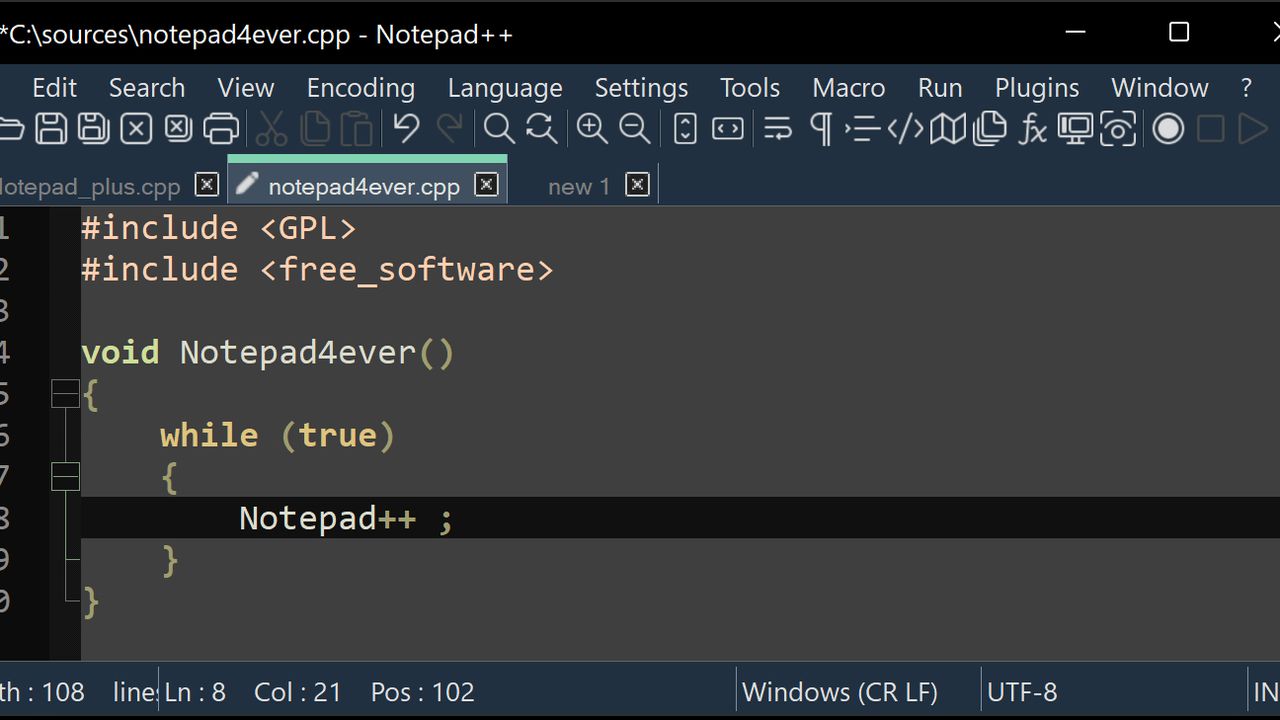
For nearly half a year, one of the world’s most widely used text editors quietly sat at the center of a supply-chain attack that few users ever saw coming. Notepad++ has confirmed that a suspected Chinese state-sponsored hacking group compromised […]
AI has changed how software gets built, shipped, and attacked — all at once. The gap between when a vulnerability is disclosed and when it is exploited is shrinking, and security teams are running out of time to react. That […]
The use of administrative subpoenas, which are not subject to judicial oversight, are used to demand a wealth of information from tech companies, including the owners of anonymous online accounts documenting ICE operations.
The Paris prosecutor’s office announced that it is expanding a criminal investigation into X for alleged crimes, including the possession and distribution of child sexual exploitation material.
AI-assisted analysis revealed 12 long-standing OpenSSL vulnerabilities, exposing the limits of manual review and accelerating coordinated remediation across critical internet infrastructure.
The developer of the popular text editor Notepad++ said hackers associated with the Chinese government hijacked its software update mechanism to deliver tainted software to users for months.
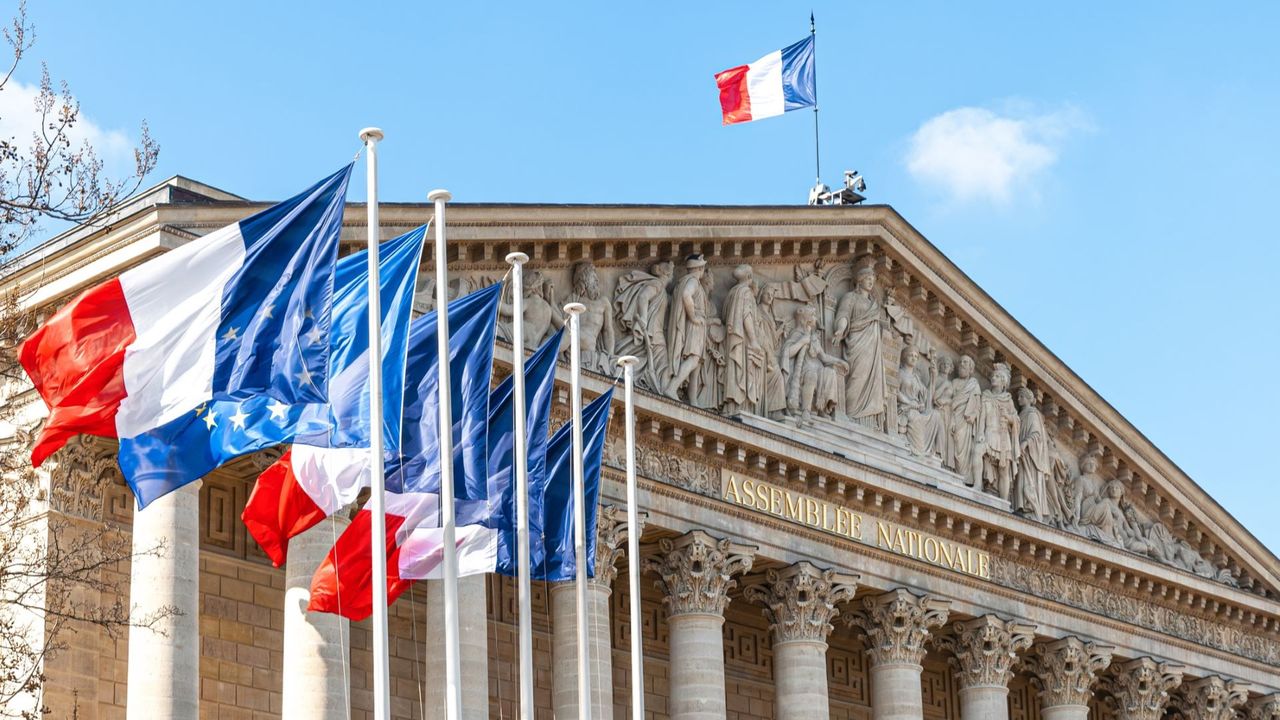
France’s National Assembly has passed a bill that will ban children under 15 from using social media platforms. Lawmakers are now considering how to stop teens from using VPNs to bypass the restrictions.
The tourism sector in Iran, which has always been an essential element of the country’s economy, is experiencing a sharp decline owing to political instability, security issues, and an internet shutdown that lasted for three weeks, disrupting essential communication services. The tourism companies in Iran are on the verge of bankruptcy as they are unable to honor their commitments to foreign clients, and the situation has been exacerbated by external circumstances.
Impact of Political Instability on Inbound Tourism
Iran has spent years trying to establish itself as a cultural destination, marketing cities like Isfahan, Shiraz, and Tehran as attractive spots for international travelers. The country’s rich history, architecture, and natural landscapes offer significant potential for inbound tourism, contributing to foreign currency income. However, the sector has always been highly sensitive to political instability, making it vulnerable during times of crisis.
The recent shift into a “security atmosphere” has led to the withdrawal of international insurance companies from the Iranian market. This withdrawal has left foreign tour operators unable to provide travel coverage, making it impossible for them to send tourist groups to Iran. Such political instability has created a high-risk environment, deterring potential visitors and severely harming the tourism industry.
The Economic Consequences of the Internet Shutdown
A major blow to the tourism sector came in the form of a three-week internet shutdown, which was used by the government to suppress protests and curb the organization of dissent. However, this disruption had devastating effects on the tourism industry, which relies heavily on the internet for communication with international partners.
Tourism agencies in Iran use platforms like WhatsApp, email, and global booking websites to coordinate with foreign clients, manage reservations, and send cancellation notices. During the internet blackout, these agencies were unable to contact their partners, leaving them exposed to breach-of-contract claims. Many tour operators found themselves unable to provide critical information about the travel situation in Iran, including cancellations or adjustments to itineraries. This lack of communication made it difficult for them to manage existing bookings, leading to significant financial losses.
The internet shutdown compounded the financial strain on tourism agencies already facing the impact of travel restrictions and political uncertainty. As a result, agencies are at risk of bankruptcy, with many unable to recover from the financial losses sustained during the shutdown.
A “Frozen” Tourism Season in Southern Iran
The winter months, particularly January and February, are typically a peak travel season for southern Iran. The warm shores of the Persian Gulf, including popular destinations like Qeshm Island and Kish Island, attract both domestic and international tourists seeking a respite from the cold weather in northern Iran. However, this year, the tourism season in southern Iran has been marred by the ongoing political unrest and the internet blackout, which disrupted bookings and led to a significant decline in the number of visitors.
Tourism operators, guesthouses, and eco-lodges in the southern regions, who had invested heavily in renovations and advertising, found themselves unable to fulfill bookings. Many had spent months preparing for the busy season, only to face cancellations and refund demands as travelers withdrew due to security concerns and the lack of travel assurances. This has caused significant financial strain on local businesses, many of which have been forced to liquidate their capital to refund customer deposits.
Cancellations and Financial Losses Across the Sector
As a result of the internet shutdown and the overall security situation, Iran’s tourism agencies experienced widespread cancellations of inbound tours. Many international travelers, including those planning to visit during the peak winter months, chose to cancel their trips due to the uncertainty surrounding their safety. As the cancellations continued, agencies were left with no recourse but to issue refunds, further exacerbating the financial strain on the sector.
The financial losses have been felt across multiple areas of the tourism industry, from small guesthouses and hotels to large tour operators. With limited options for generating new business, many agencies and local businesses face an uncertain future. These financial setbacks have highlighted the vulnerabilities of Iran’s tourism sector, which is heavily reliant on external factors such as international perceptions of security and political stability.
The Need for Government Intervention
The worsening situation in Iran’s tourism industry has prompted calls for urgent government intervention. With tourism agencies facing potential bankruptcy, there is a growing consensus that the government should declare a “state of tourism emergency” to address the crisis. Such a declaration would allow the government to step in with financial support and policy measures aimed at stabilizing the industry and providing relief to affected businesses.
Additionally, the tourism sector needs substantial assistance in rebuilding its international reputation. This could involve working with international insurers to restore travel coverage for foreign tourists and ensuring that communication channels are open and accessible at all times, even during periods of political unrest. These steps would help restore confidence in the sector and encourage tourists to consider Iran as a viable destination once again.
Long-Term Consequences for Iran’s Tourism Sector
The ongoing challenges faced by Iran’s tourism industry have long-term implications. The country’s ability to attract foreign tourists is closely tied to its political stability, security, and the availability of modern communication infrastructure. Without a concerted effort to address these issues, Iran risks losing its position as a cultural and historical destination.
Furthermore, the economic impact of a struggling tourism sector extends beyond the agencies and businesses directly involved. Tourism is a major contributor to the economy, generating revenue, creating jobs, and supporting local communities. A prolonged decline in tourism could have widespread effects, exacerbating existing economic challenges and potentially leading to a decline in the overall standard of living.
Iran’s Tourism Industry Faces Uncertain Future
Iran’s tourism industry is at a critical juncture, facing significant challenges due to the country’s ongoing security crisis, political instability, and the economic consequences of internet shutdowns. Tourism agencies are struggling to survive, and the sector is at risk of collapse without immediate intervention. To restore the sector’s viability, the Iranian government must take decisive action to address the political and economic issues impacting the industry and work to rebuild confidence among international travelers.
Security researchers are warning that the growing ecosystem around ‘OpenClaw,’ the self-hosted AI assistant formerly known as Clawdbot, has already become a target for malware distribution.
The hacker allegedly developed zero-day exploits and offensive cyber tools and sold them to several countries, including an unnamed central African government, the U.K., and the United States.
The Polish government accused a Russian government hacking group of hacking into energy facilities taking advantage of default usernames and passwords.
Nvidia releases “GeForce Security Update” for its classic GPUs Last year, Nvidia ended its “Game Ready” driver support for its Maxwell, Pascal, and Volta series GPUs. This week, Nvidia released its first “GeForce Security Update” for its classic gaming GPUs, including the Pascal GTX 1080 Ti. This is Nvidia’s GeForce Security Driver 582.28 WHQL. NVIDIA […]
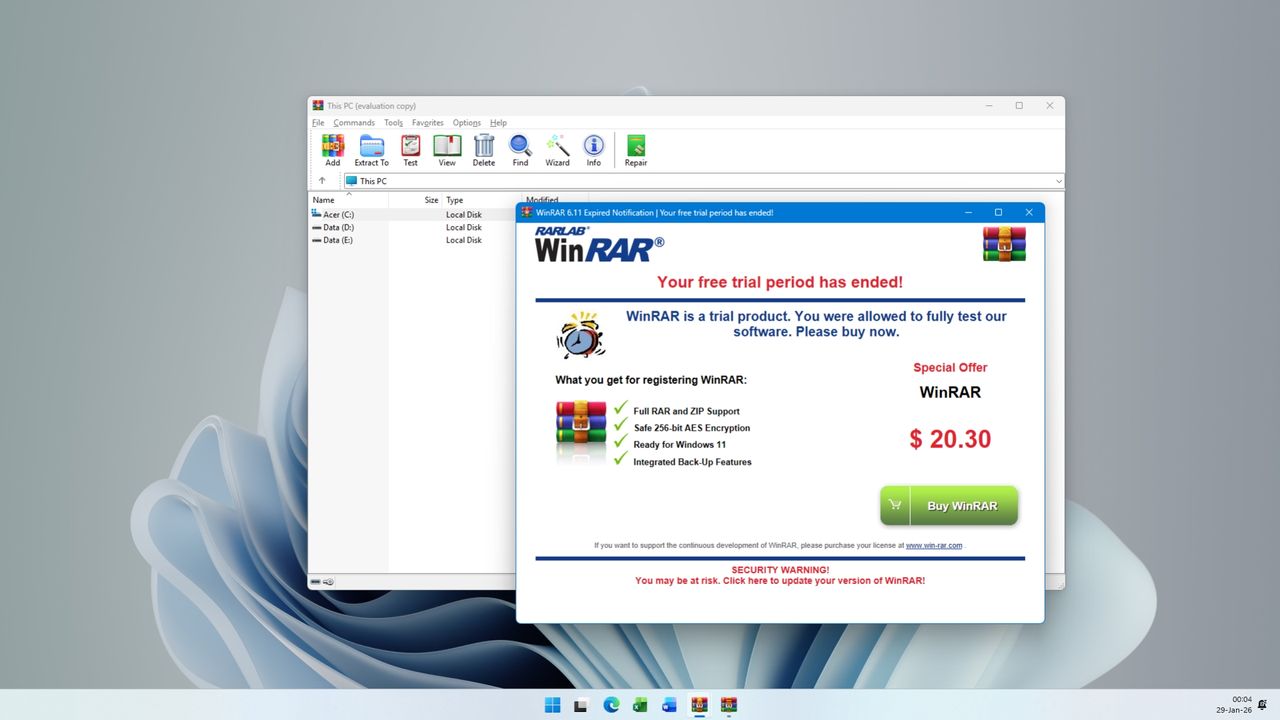
Google says that a WinRAR exploit that has been patched six months ago remain a popular attack vector, especially for state-sponsored threat actors. The vulnerability allows malicious archives to install malware on critical Windows folders.
OpenSSL is a security standard that protects most of the internet, and cybersecurity researchers have recently discovered vulnerabilities in the standard that have been lying undetected for decades.
 Login
Login