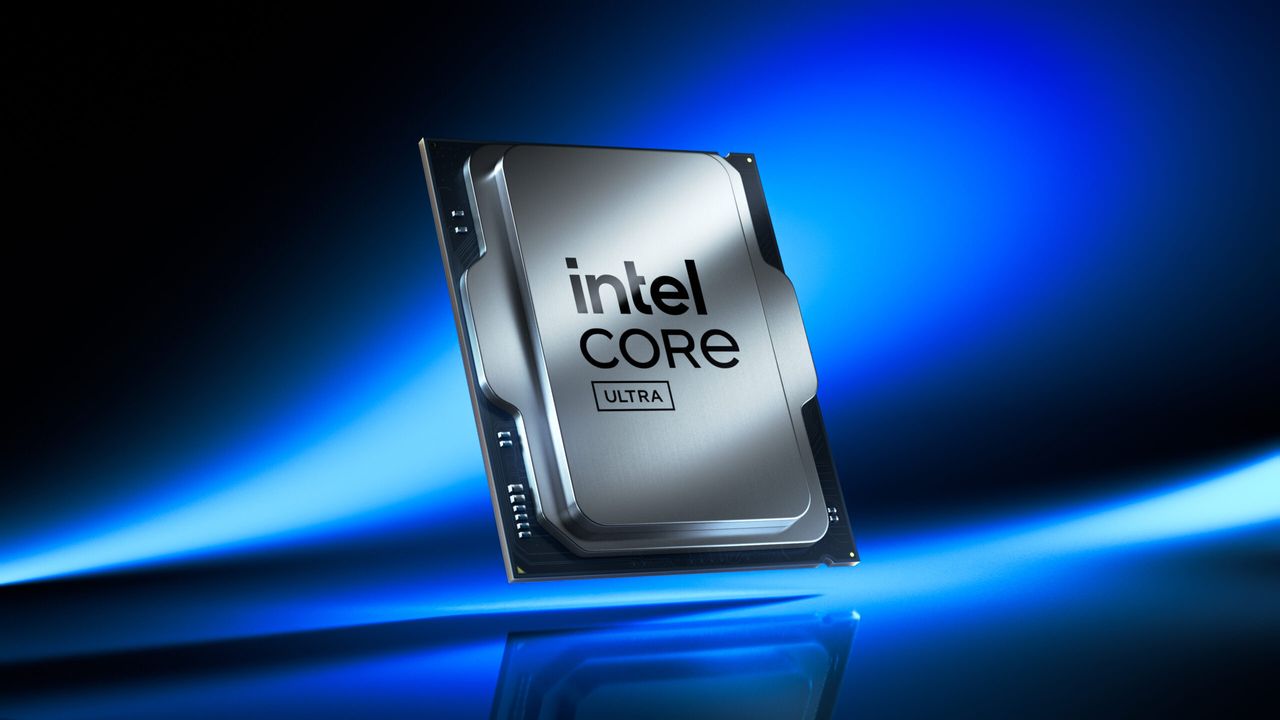
An overseas retailer has listed Intel's forthcoming Core Ultra 200K Plus (codenamed Arrow Lake Refresh) processors along with pricing, suggesting that the refreshed family will carry practically no premium over existing products.
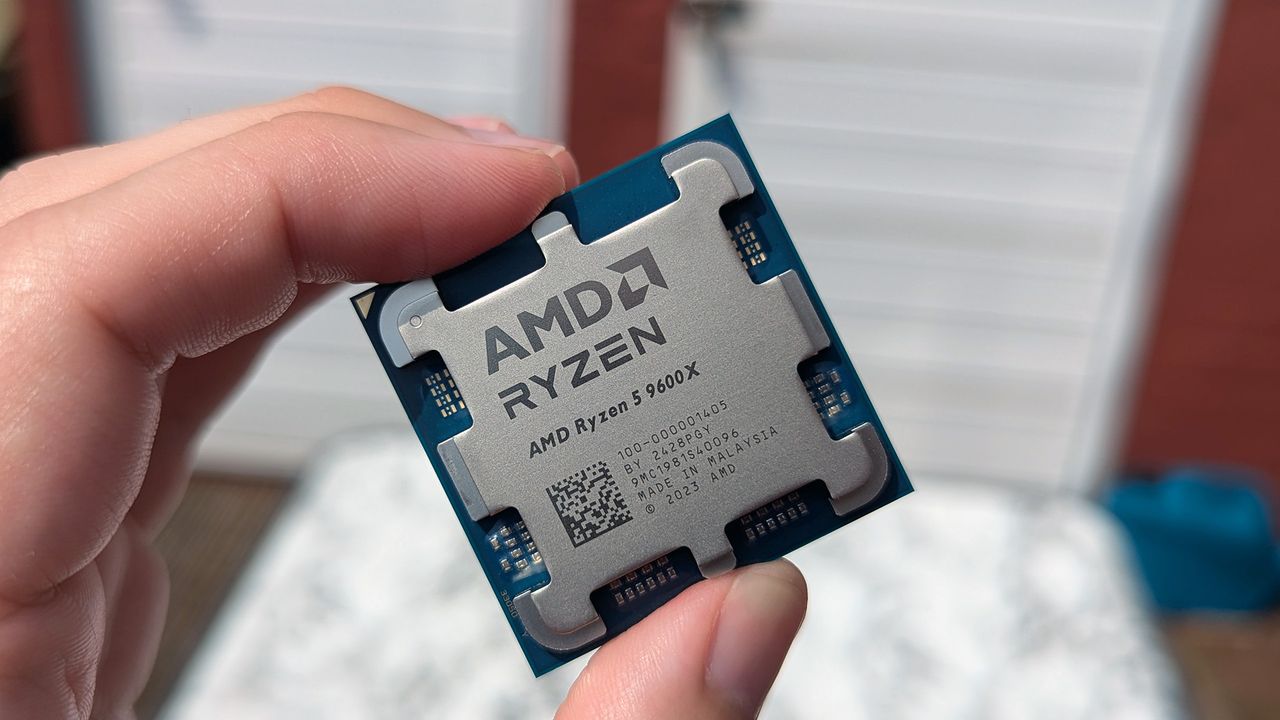
One of Loongson's 12-core CPUs has been benchmarked by Phoronix. The Linux outlet discovered the chip is three times slower on average than AMD's latest six-core CPU the Ryzen 5 9600X.
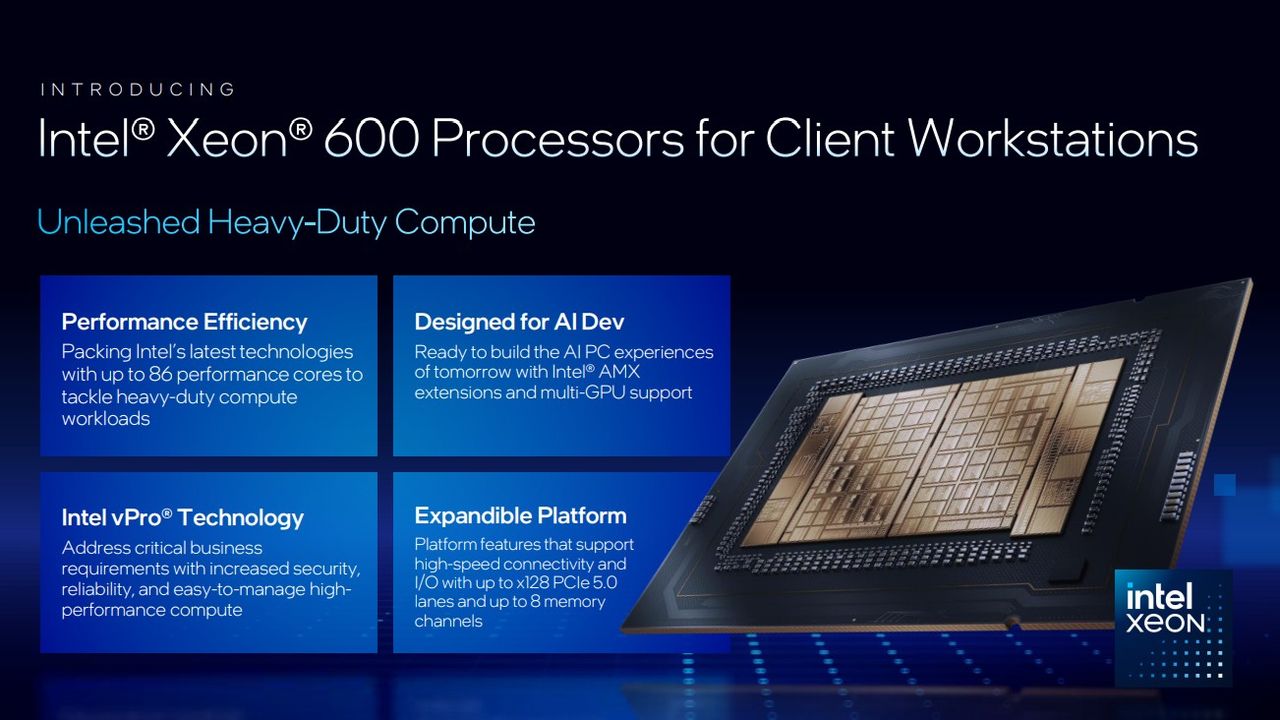
Intel is returning to desktop workstations with Xeon 600. Granite Rapids WS CPUs deliver up to 61% better multi-threaded performance, according to Intel, sporting up to 86 cores and 4TB of memory.
Panther Lake chips with Arc B370 and Arc B390 iGPUs will require RAM running at 7,467 MT/s or higher since integrated graphics rely on shared system memory. If the RAM config is any slower, those impressive iGPUs will be relabeled to generic "Intel Graphics" in Task Manager in an effort to prevent vendors from under-equipping machines.
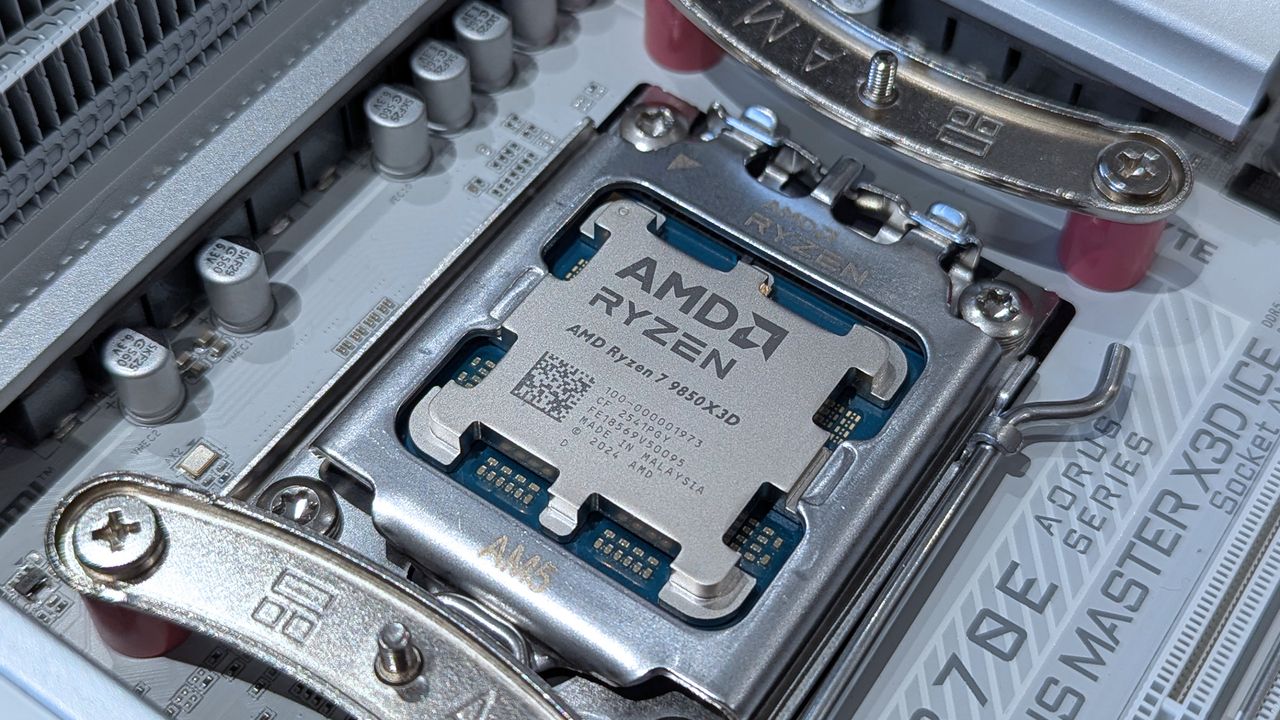
Binning data from 13 Ryzen 7 9850X3D samples was published online, showing the average required voltage the 9850X3D needs to achieve its peak single-core clock speed.
As Intel gears to launch its Arrow Lake refresh, leaks for the lineup keep pouring in left and right — the latest one being a Geekbench spotting for the flagship Core Ultra 9 290K Plus. The chip scored 10.5% higher in single-core and 11.29% higher in multi-core tests compared to the existing Core Ultra 9 285K.
The data shows that the latest processors from both brands are equally reliable, and the failure rates are almost identical. Puget Systems Tracking Reveals Nearly 2.5% Failure Rates for Latest AMD and Intel CPUs; Non-X3D Chips Reportedly Die More Often Than X3D Counterparts We mostly see AMD's Ryzen X3D chips on the news as the processors are often reported dead by users. While the reports largely comprise the Ryzen 9800X3D, other X3D and non-X3D Ryzen processors also get cooked regularly. Surprisingly, when the failure rates are compared against Intel processors, something interesting is revealed. Puget Systems data on its in-house […]
Puget System just released its annual reliability report for 2025, noting which computer components suffered the least number of failures in testing and deployment.
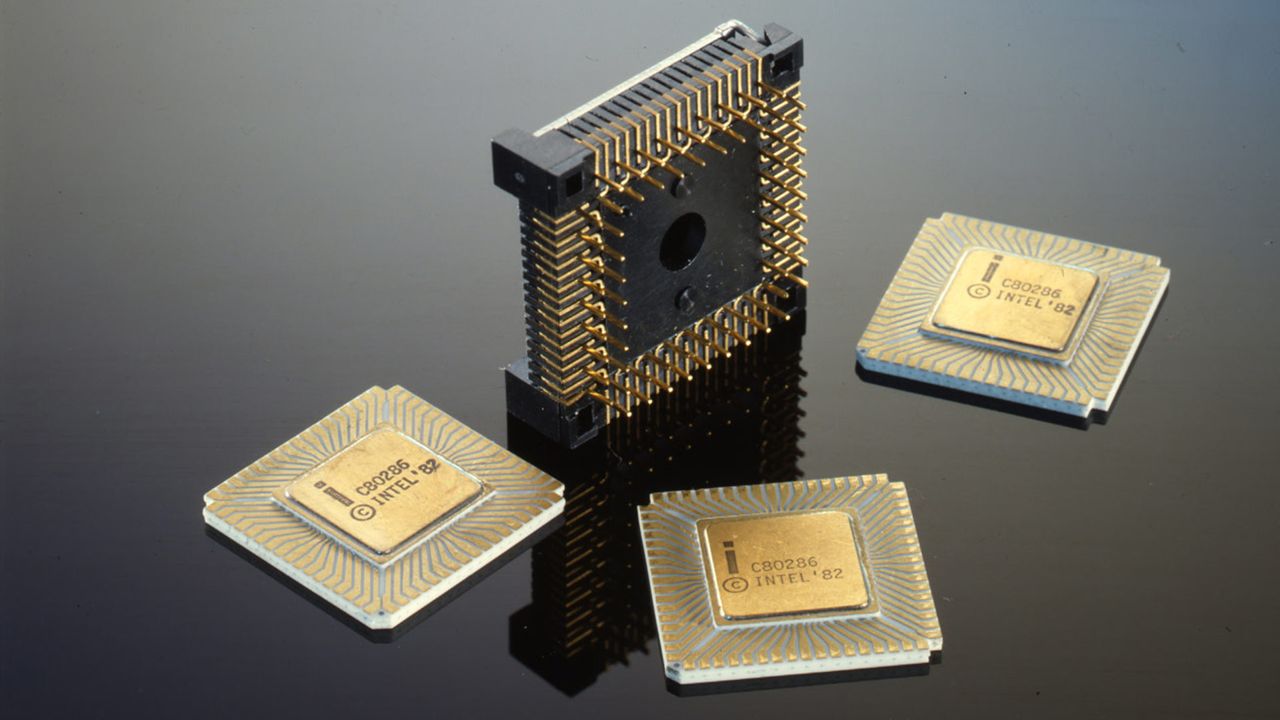
Today, in 1982, Intel introduced its “showstopping” 80286 processor. This 16-bit fully x86 software compatible CPU delivered some major performance and architectural advancements over the 8086 and 8088, and would continue to be produced and feature in PC systems well into the 1990s.
Amazon has acquired a special 34% discount for the AMD Ryzen 5 9600X, making one of the most affordable and power-efficient CPUs for PCs with RTX 4080 graphics cheaper than ever.
A new rumor suggests that AMD will be upgrading Zen 6 to 48MB of L3 cache to compensate for the four additional cores that will be introduced to Zen 6's CCD.
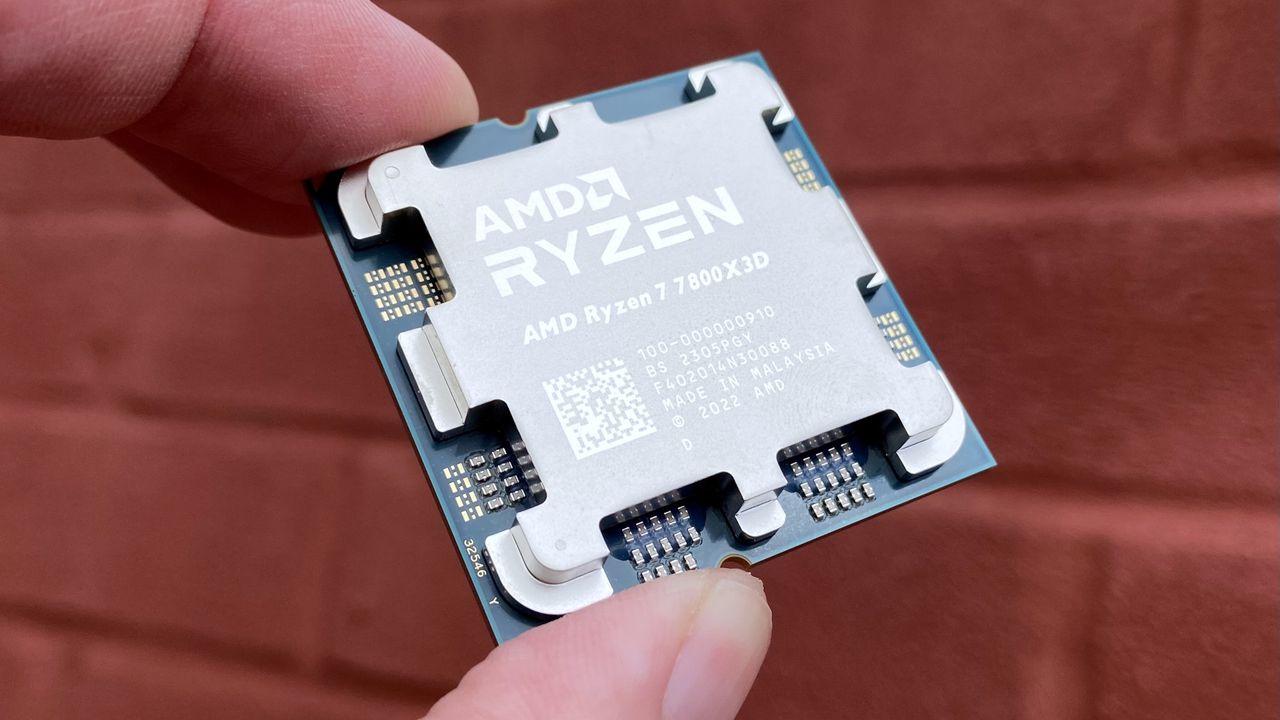
Amazon is hosting a special 14% discount for the AMD Ryzen 7 7800X3D, a mighty mid-range CPU that will castly your PC gaming experience with 8 cores, 16 threads, a max clock boost of 5GHz, and more.

 Login
Login