The year 2025 marked a historic milestone in Chinese tourism to Indonesia, with a sharp rise in arrivals reaching a remarkable 1.34 million visitors, the highest in six years. This surge in travel has helped rebuild the tourism landscape following the pandemic’s disruptive effects on global mobility. The increase underscores the resurgence in international travel, and particularly the strong ties between China and Indonesia, both of which have benefited from improved transportation links and eased visa procedures.
In fact, China now ranks as the fourth-largest source market for Indonesia, with its citizens contributing a significant 8.7% of the nation’s total international arrivals. This marks a substantial recovery from the pre-pandemic era, where the flow of visitors between the two countries had been severely affected by the global health crisis. This growth is a testament to the improved cross-border travel within the Asian region.
Bali and Jakarta Lead the Way for Chinese Tourists
Among the most sought-after destinations by Chinese visitors are Bali and Jakarta, which have continued to maintain their popularity as tourist hubs. These two cities alone have accounted for more than a million visits. Bali, with its picturesque landscapes, iconic beaches, and cultural heritage, remains a beloved choice for those seeking a tranquil escape. Jakarta, the vibrant capital, offers a mix of cultural, commercial, and entertainment experiences that attract urban travelers from all over the world.
However, a shift in travel patterns is also evident. There has been an increased interest in regions beyond the typical tourist hotspots. Locations such as North Sumatra, Batam, and Surabaya have seen a steady rise in visitor numbers, signaling a more diverse appeal for tourists from China.
How the Travel Landscape Is Evolving: A Broader Look
This surge in Chinese tourist arrivals to Indonesia is not an isolated trend. Travel analysts point out that it reflects a broader regional recovery in tourism across Asia. Indonesia, with its growing appeal, has been a major beneficiary of this trend, due to both its natural beauty and vibrant cultural offerings.
The country has been keen on improving its tourism infrastructure, enhancing transportation systems, and introducing more visa-friendly policies. These efforts have contributed significantly to the steady increase in visitor numbers.
China’s outbound tourism has been bouncing back as well, as the country is increasingly seen as one of the top destinations for Indonesian travelers. This reflects the growing trend of regional tourism exchange, furthering the relationship between the two nations and encouraging travel not just for leisure, but for business and cultural exchange as well.
Traveler Insights: Tips for Exploring Indonesia’s New Tourism Hotspots
For those planning a visit to Indonesia, it’s important to be aware of both traditional and emerging destinations that have gained prominence. While Bali and Jakarta continue to dominate, it’s wise to explore the lesser-known but equally captivating destinations that Indonesia offers.
Here are a few travel tips to keep in mind:
Discover the Hidden Gems: Areas like North Sumatra, known for its volcanic landscapes and Lake Toba, or Batam, which boasts beautiful beaches and a strong cultural heritage, offer quieter, less touristy experiences.
Plan Your Visit Around Festivals: Indonesia is rich in cultural festivals, from Bali’s traditional celebrations to Jakarta’s lively urban events. Time your visit to align with one of these for a unique experience.
Understand the Visa Process: Indonesia has made significant strides in simplifying its visa process for tourists. Be sure to check for any updates that might streamline your travel preparations further.
Travel Off-Season for Better Deals: While Bali and Jakarta are popular year-round, visiting during off-peak seasons might offer you more affordable rates on accommodations and flights, while also giving you the chance to avoid the crowds.
The Future of Tourism Between China and Indonesia
As the trend of increasing international travel continues, it is clear that Indonesia is set to maintain its position as a top destination for Chinese tourists. With the growing appeal of diverse landscapes and a welcoming tourism environment, Indonesia’s tourism sector is poised for continued success.
Bali’s natural charm, along with Jakarta’s vibrant city life, will undoubtedly remain key attractions. However, as travelers become more adventurous, regions like North Sumatra, Batam, and Surabaya will likely become even more attractive options for those looking to venture off the beaten path.
The ongoing growth in tourist arrivals signals that, despite global challenges, tourism between China and Indonesia will likely continue to flourish in the coming years, driving not only economic growth but also fostering deeper cultural and people-to-people connections.
Indonesia’s tourism industry is experiencing a remarkable resurgence, with 2026 expected to be a year of significant growth, surpassing pre-COVID levels. The country’s tourism sector has witnessed a substantial recovery, bolstered by an influx of international visitors and an impressive surge in domestic travel. With a population of over 280 million, domestic tourism alone has reached new heights, reflecting Indonesia’s status as a top destination for both locals and international travelers alike. As the nation focuses on enriching experiences and sustainable growth, the coming year presents promising opportunities for travelers to explore this vast archipelago, whether through its cultural heritage, vibrant cities, or stunning natural beauty. This article explores how Indonesia’s tourism sector is on the cusp of reaching new heights in 2026, paving the way for exciting travel prospects.
Indonesia’s Tourism Sector: On the Path to Surpassing Pre-COVID Numbers
Indonesia’s tourism recovery is not only evident in its rebound in visitor numbers but also in its enhanced quality of services and overall economic impact. In 2025, the country welcomed nearly 14 million international visitors, and with projections for 2026 targeting between 16 and 17 million arrivals, the nation’s tourism industry is set for a powerful comeback. This momentum, driven by both international and domestic tourism, signals a shift from recovery to sustained growth.
With a focus on higher-value tourism rather than just increasing foot traffic, Indonesia is aiming to increase the contribution of the sector to its GDP, a key indicator of its economic recovery. This targeted growth is underpinned by several strategic efforts, including the promotion of less-visited destinations beyond Bali, and initiatives to enhance visitor spending and job creation within the sector.
Domestic Tourism Surge: A Strong Foundation for Growth
The domestic tourism market in Indonesia is booming. In 2025, Indonesians took over 1.09 billion trips, showcasing the country’s immense internal market. With the national population topping 280 million, Indonesians are traveling more frequently, with many taking an average of three to four trips per year. This presents a huge opportunity for tourism-related businesses, creating a dynamic market for local economies across the archipelago.
Looking ahead to 2026, domestic trips are expected to increase to 1.18 billion, which will further solidify Indonesia’s status as a tourism powerhouse in Southeast Asia. Alongside this, international arrivals are expected to soar to between 16 million and 17.6 million, ensuring that Indonesia not only recovers but thrives in the tourism sector.
Economic Impact: Jobs and GDP Growth Driven by Tourism
Tourism in Indonesia is becoming an increasingly significant economic contributor. The sector employs over 25 million people, encompassing various industries from hospitality to creative arts. As travel demand rises, job creation is expected to grow, with projections for the tourism workforce to increase to 26.5 million by the end of 2026.
Tourism’s contribution to Indonesia’s GDP has reached approximately 4% by the third quarter of 2025. With a target contribution of 4.6% by 2026, the sector is poised to generate between $22 billion to $24.7 billion in tourism receipts, driven by higher visitor spending and growing international demand.
Strategic Focus on Priority Markets
Given the geographical expanse of Indonesia—spanning over 17,000 islands—the country’s tourism strategy has become increasingly targeted. The government has identified 15 priority markets based on factors such as growth potential, connectivity, and visitor spending patterns. These key markets include Japan, Malaysia, Singapore, India, Saudi Arabia, Germany, the UK, and France.
Each of these countries presents unique opportunities, whether through established travel routes or emerging travel trends. For example, India’s growing middle class and the increasing number of direct flights from Saudi Arabia to Indonesia open new doors for the nation’s tourism growth. With the right marketing and infrastructure, Indonesia aims to draw even more visitors from these priority regions.
Enhancing Visitor Experience: Tourism 5.0 and AI Integration
Indonesia is embracing technological innovation to improve the tourist experience, with AI-driven solutions playing a key role. The country’s Ministry of Tourism launched Tourism 5.0 in late 2025, a digital transformation initiative aimed at creating personalized travel experiences for visitors.
At the heart of this transformation is MAIA, an artificial intelligence travel companion that helps visitors navigate their journeys from planning to post-arrival. By leveraging AI, Indonesia is positioning itself as a forward-thinking destination that meets the demands of modern travelers looking for convenience, customization, and seamless travel experiences.
Sustainable and Quality Tourism: Key Themes for 2026
Looking forward, Indonesia is focusing on quality tourism in 2026, emphasizing environmental responsibility, cultural respect, and meaningful travel experiences. This approach aligns with global trends where tourists are increasingly seeking out destinations that offer authentic, sustainable, and enriching experiences.
The marine tourism, wellness and health tourism, gastronomy, arts and culture, and design sectors are expected to see substantial growth as Indonesia seeks to provide visitors with more than just typical sightseeing. These niches will cater to travelers looking for deeper connections with nature, culture, and personal well-being.
Indonesia’s tourism campaign, “Go Beyond Ordinary,” launched in late 2025, emphasizes the nation’s unique blend of natural beauty, cultural diversity, and authentic experiences, making it a top destination for those seeking a diverse and memorable trip.
Travel Tips for Exploring Indonesia in 2026
Explore Beyond Bali: While Bali remains a popular choice, make sure to explore some of Indonesia’s lesser-known gems such as Labuan Bajo (Flores), Yogyakarta, or Sumatra for more unique and tranquil experiences.
Embrace Sustainable Travel: With a focus on sustainability, consider eco-friendly accommodations, such as those in Bali’s Ubud or Lombok, which emphasize environmental responsibility and support local communities.
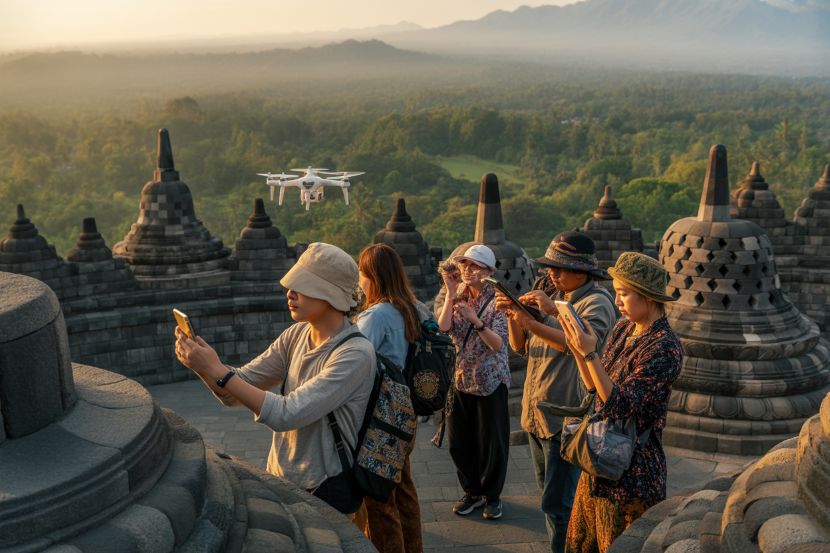
Dive into Cultural Experiences: Indonesia’s diverse cultures offer a rich array of experiences, from the ancient temples of Borobudur and Prambanan to the traditional arts of Ubud and Solo.
Take Advantage of AI Travel Tools: With the introduction of MAIA, you can expect a more personalized travel experience. Use the AI companion to help navigate your itinerary and get customized recommendations.
Looking Ahead: A Bright Future for Indonesia’s Tourism Industry
The Indonesian tourism industry’s recovery is a remarkable success story, positioning the country to surpass pre-COVID numbers in 2026. As the sector continues to thrive, tourists can expect new innovations, more personalized experiences, and the chance to discover Indonesia’s stunning diversity. With an emphasis on quality, sustainability, and economic impact, Indonesia is set to become an even more attractive destination for international travelers and locals alike.
Bali’s tourism sector, a crucial pillar of Indonesia’s economy, is currently in a state of flux due to the new criminal code introduced by the Indonesian government. While this law promises to modernize the country’s legal framework, it has also sparked widespread legal challenges and concerns over how it will affect tourism in popular destinations like Bali. As the Constitutional Court reviews 21 lawsuits contesting various provisions of the law, its potential effects on travelers and investors remain uncertain.
In particular, Indian tourists, a significant portion of Bali’s visitor base, are closely watching the situation as any shifts in the law could influence their travel plans. The ongoing court cases could create a sense of uncertainty, which might lead to changes in booking patterns, cancellations, or even shifts in travel destination preferences.
Indonesia’s updated criminal code has been a subject of much debate, with 21 lawsuits filed at the Constitutional Court. These lawsuits challenge specific provisions in the code, including those concerning morality laws and public-order regulations. The uncertainty surrounding these provisions has raised concerns among tourists and investors, particularly in regions like Bali where tourism is a major economic driver.
The Bali tourism sector relies heavily on international visitors, and any perceived legal risks could lead to a decrease in bookings and even create reputational risks for businesses catering to tourists. As court proceedings unfold, travelers are left uncertain about the interpretation and enforcement of these laws, creating a temporary slowdown in travel demand.
Impact on Indian Travelers and Bali’s Tourism Economy
Indian tourists represent a growing segment of Bali’s tourism industry, with many travelers visiting for holidays, weddings, and business events. However, the ambiguity surrounding the new criminal code could result in cautionary travel behavior. Indian tourists are known to be sensitive to policy risks, and negative headlines regarding Bali’s legal landscape could prompt some to rethink or delay their trips.
This change could also affect various sectors such as hotels, airlines, and tour operators. For example, online travel agencies (OTAs) may adjust their offerings to accommodate the concerns of tourists, offering more flexible booking options, and clarifying their cancellation policies in response to the law’s ambiguity. Similarly, hotel managers in Bali may offer flexible rates to encourage bookings during uncertain periods, ensuring they can manage potential cancellations effectively.
What Should Travelers Know About Bali’s Legal Landscape?
As Bali braces for the outcome of the Constitutional Court’s review, visitors should stay informed about any changes or updates on legal interpretations and enforcement. The Indonesian government is actively engaged in public outreach, aiming to educate tourists and locals about the new law. Officials are promoting a restorative justice approach, suggesting that education and mediation will play a significant role in how the law is implemented on the ground. However, until there is more clarity on the application of these laws, travelers should be prepared for potential changes in how certain public conduct regulations are enforced.
Travelers should also pay attention to official advisories from their embassies or local authorities, especially regarding potential legal risks while visiting Bali. It is always advisable to maintain proper identification and familiarize oneself with the local customs and laws to avoid running into legal troubles.
Tips for Tourists Visiting Bali Amid Legal Changes
Stay flexible with bookings: Since the legal uncertainty may affect travel demand, travelers should opt for flexible cancellation policies when booking flights and accommodations. Travel insurance that covers legal disruptions should also be a consideration for tourists planning a trip to Bali.
Follow official updates: Stay updated with news releases from both the Indonesian government and Indian consular services regarding the status of the new criminal code and how it affects travelers. Social media monitoring can also provide insights into the tone of the media and public sentiment surrounding the law.
Respect local norms and regulations: Bali, being a culturally rich destination, has strict norms regarding behavior in public places. While the government is encouraging education over enforcement, visitors should continue to respect local customs to avoid any legal issues.
Investor Insights: Monitoring the Impact of Bali’s Legal Landscape
For investors, particularly those with exposure to the Bali tourism sector, the ongoing legal challenges present some short-term risks. Companies operating in Bali and Southeast Asia, including Indian airlines and tourism-related businesses, should keep a close watch on booking patterns, customer feedback, and fluctuations in cancellation rates.
It’s essential to monitor search volumes for Bali-related queries, particularly from India, as this can signal shifts in interest. Additionally, tracking hotel occupancy rates, average daily rates, and tourism trends in Bali will provide important indicators of how the legal uncertainty is impacting the tourism market.
Strategic Steps for Businesses in Bali
To mitigate the risk associated with legal uncertainty, businesses should prioritize clear communication with potential customers. This includes updating websites, travel platforms, and customer service teams to reflect the latest information on the law’s impact. Furthermore, businesses should ensure their staff is trained to handle inquiries related to the law and ensure that they are offering flexible policies for customers concerned about legal risks.
Final Thoughts: How to Navigate Bali’s Legal Landscape for a Safe Vacation
The Bali criminal code debate underscores the importance of staying informed when traveling to places where legal changes are in the spotlight. Although the law remains under review, the potential impacts on tourism are clear. Travelers from India and other countries should remain alert to any new official announcements or court rulings. Until these matters are settled, adopting flexible travel plans, clear communication, and respect for local laws will ensure that your Bali adventure remains both enjoyable and legally sound.
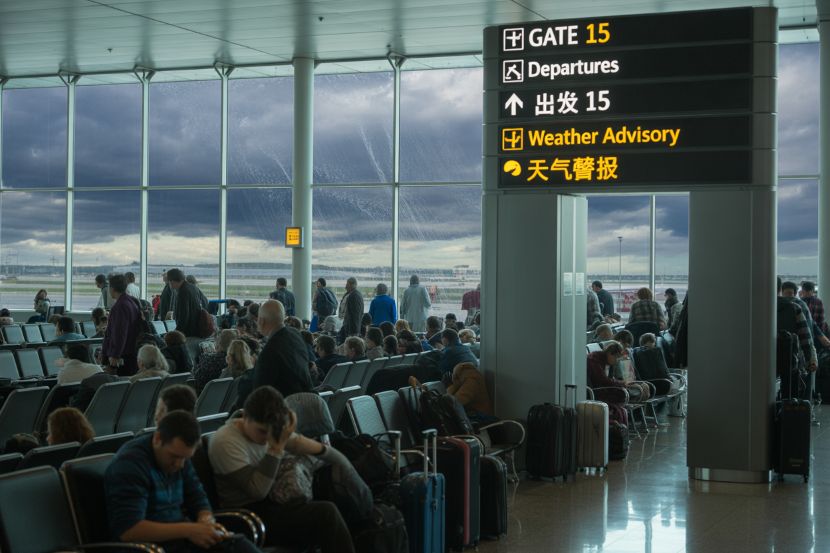
Bad weather has caused significant disruptions to air travel across Asia, with major airlines such as China Eastern, Shanghai Airlines, and Air China being forced to cancel numerous flights. These cancellations have impacted a large number of passengers traveling between key cities in China and other regions, leading to frustration and confusion among travelers.
Flight Cancellations Overview
According to recent reports, several flights from China Eastern Airlines, Shanghai Airlines, and Air China have been canceled due to adverse weather conditions. The cancellations involve both domestic and international routes, affecting travelers across China, including major cities such as Shanghai, Beijing, Chengdu, and Nanjing. The disruptions have caused considerable inconvenience, with many passengers left stranded at airports, struggling to find alternative flights or accommodations.
China Eastern Airlines Flight Cancellations
China Eastern Airlines, one of China’s largest carriers, has seen a number of cancellations this week due to bad weather. Flights between major hubs such as Shanghai Pudong International (PVG) and Taiyuan Wusu Airport (TYN), as well as other domestic routes, were severely disrupted. The airline had to cancel flights, including those from Shanghai to Yinchuan and Lanzhou, leaving passengers stranded. The affected routes include flights between Shanghai and various smaller regional airports in China. Passengers traveling on these routes are facing significant delays and cancellations, with many left uncertain about when they can be rebooked.
Some of the key flights affected by China Eastern Airlines’ cancellations include:
CES5285: Shanghai Pudong (PVG) to Yinchuan Helanshan (INC)
CES2258: Qingdao Jiaodong (TAO) to Lanzhou Zhongchuan (LHW)
CES9893: Lanzhou Zhongchuan (LHW) to Jinan Yaoqiang (TNA)
CES5210: Taiyuan Wusu (TYN) to Shanghai Pudong (PVG)
Ident
Type
Origin
Destination
Scheduled Departure Time
CES5285
A20N
Shanghai Pudong Int’l (PVG / ZSPD)
Yinchuan Helanshan (INC / ZLIC)
Mon 04:10PM CST
CES2258
A20N
Qingdao Jiaodong Int’l (TAO / ZSQD)
Lanzhou Zhongchuan International (LHW / ZLLL)
Mon 07:15PM CST
CES9893
A320
Lanzhou Zhongchuan International (LHW / ZLLL)
Jinan Yaoqiang (TNA / ZSJN)
Mon 09:00PM CST
CES6945
B732
Taiyuan Wusu (TYN / ZBYN)
Hefei Xinqiao Airport (HFE / ZSOF)
Tue 07:25AM CST
CES2703
A319
Nanjing Lukou Int’l (NKG / ZSNJ)
Taiyuan Wusu (TYN / ZBYN)
Tue 08:05AM CST
CES6946
B732
Hefei Xinqiao Airport (HFE / ZSOF)
Taiyuan Wusu (TYN / ZBYN)
Tue 09:45AM CST
CES2704
A319
Taiyuan Wusu (TYN / ZBYN)
Nanjing Lukou Int’l (NKG / ZSNJ)
Tue 10:55AM CST
CES2885
A320
Nanjing Lukou Int’l (NKG / ZSNJ)
Xi’an Xianyang Int’l (XIY / ZLXY)
Tue 03:20PM CST
CES5210
737
Taiyuan Wusu (TYN / ZBYN)
Shanghai Pudong Int’l (PVG / ZSPD)
Tue 04:30PM CST
CES5485
A321
Hangzhou Xiaoshan Int’l (HGH / ZSHC)
Taiyuan Wusu (TYN / ZBYN)
Tue 05:40PM CST
CES2886
A320
Xi’an Xianyang Int’l (XIY / ZLXY)
Nanjing Lukou Int’l (NKG / ZSNJ)
Tue 06:35PM CST
CES5209
737
Shanghai Pudong Int’l (PVG / ZSPD)
Taiyuan Wusu (TYN / ZBYN)
Tue 08:10PM CST
CES6274
A320
Kunming Changshui Int’l (KMG / ZPPP)
Nanchang Changbei Int’l (KHN / ZSCN)
Tue 08:25PM CST
CES9893
A320
Lanzhou Zhongchuan International (LHW / ZLLL)
Jinan Yaoqiang (TNA / ZSJN)
Tue 09:00PM CST
CES5486
A321
Taiyuan Wusu (TYN / ZBYN)
Hangzhou Xiaoshan Int’l (HGH / ZSHC)
Tue 09:10PM CST
CES6351
B732
Taiyuan Wusu (TYN / ZBYN)
Wuhan Tianhe (WUH / ZHHH)
Tue 09:25PM CST
CES5209
737
Shanghai Pudong Int’l (PVG / ZSPD)
Taiyuan Wusu (TYN / ZBYN)
Wed 08:00PM CST
CES6274
A320
Kunming Changshui Int’l (KMG / ZPPP)
Nanchang Changbei Int’l (KHN / ZSCN)
Wed 08:25PM CST
CES5264
B735
Chengdu Tianfu Int’l (TFU / ZUTF)
Taiyuan Wusu (TYN / ZBYN)
Wed 08:30PM CST
CES9893
A320
Lanzhou Zhongchuan International (LHW / ZLLL)
Jinan Yaoqiang (TNA / ZSJN)
Wed 09:00PM CST
For passengers, this means not only missed business meetings and family reunions but also delays that significantly affect their travel plans. The inconvenience caused by such cancellations has ripple effects, with travelers often having to find alternative means of transportation or rebook their tickets for a later date, sometimes at a higher cost or during peak travel seasons.
Shanghai Airlines Flight Cancellations
Shanghai Airlines, a subsidiary of China Eastern Airlines, also had to ground several flights due to the same weather-related issues. Flights between Shanghai Hongqiao International (SHA) and Nanchang, Baotou, and Chongqing were canceled, causing further disruption in domestic travel. These cancellations have a direct impact on passengers intending to travel for both business and leisure. Flights canceled include:
CSH9245: Shanghai Hongqiao (SHA) to Nanchang Changbei (KHN)
CSH9246: Nanchang Changbei (KHN) to Shanghai Hongqiao (SHA)
CSH7327: Shanghai Pudong (PVG) to Baotou (BAV)
Ident
Type
Origin
Destination
Scheduled Departure Time
CSH9245
B732
Shanghai Hongqiao Int’l (SHA / ZSSS)
Nanchang Changbei Int’l (KHN / ZSCN)
Mon 06:55PM CST
CSH9246
B732
Nanchang Changbei Int’l (KHN / ZSCN)
Shanghai Hongqiao Int’l (SHA / ZSSS)
Mon 09:10PM CST
CSH7327
B735
Shanghai Pudong Int’l (PVG / ZSPD)
Baotou (BAV / ZBOW)
Tue 06:50AM CST
CSH9139
B733
Shanghai Hongqiao Int’l (SHA / ZSSS)
Taiyuan Wusu (TYN / ZBYN)
Tue 07:15AM CST
CSH9140
737
Taiyuan Wusu (TYN / ZBYN)
Shanghai Hongqiao Int’l (SHA / ZSSS)
Tue 10:40AM CST
CSH7328
B735
Baotou (BAV / ZBOW)
Shanghai Pudong Int’l (PVG / ZSPD)
Tue 11:20AM CST
CSH9419
B735
Shanghai Hongqiao Int’l (SHA / ZSSS)
Chongqing Jiangbei Int’l (CKG / ZUCK)
Tue 02:45PM CST
CSH9420
B735
Chongqing Jiangbei Int’l (CKG / ZUCK)
Shanghai Hongqiao Int’l (SHA / ZSSS)
Tue 06:55PM CST
Travelers whose flights were affected by Shanghai Airlines are now facing delays in reaching their destinations, and the airline is working on rebooking passengers for future flights. For many, this is a frustrating situation, particularly during peak travel periods when flight availability is limited.
Air China Flight Cancellations
Air China has also been impacted by the same weather conditions, with multiple flights canceled across its network. The airline had to suspend flights between major cities such as Beijing and Chengdu, as well as between Beijing and Nanjing. These cancellations are part of a broader wave of flight disruptions affecting passengers traveling across domestic routes in China. The affected flights include:
CCA1522: Shanghai Hongqiao (SHA) to Beijing Capital (PEK)
CCA4523: Chengdu Shuangliu (CTU) to Nanjing Lukou (NKG)
CCA4101: Chengdu Shuangliu (CTU) to Beijing Capital (PEK)
Ident
Type
Origin
Destination
Scheduled Departure Time
CCA1522
A333
Shanghai Hongqiao Int’l (SHA / ZSSS)
Beijing Capital Int’l (PEK / ZBAA)
Mon 06:40PM CST
CCA4523
A21N
Chengdu Shuangliu Int’l (CTU / ZUUU)
Nanjing Lukou Int’l (NKG / ZSNJ)
Tue 08:40AM CST
CCA4101
A330
Chengdu Shuangliu Int’l (CTU / ZUUU)
Beijing Capital Int’l (PEK / ZBAA)
Tue 09:10AM CST
CCA4524
A21N
Nanjing Lukou Int’l (NKG / ZSNJ)
Chengdu Shuangliu Int’l (CTU / ZUUU)
Tue 12:00PM CST
CCA8653
B738
Beijing Daxing International Airport (PKX / ZBAD)
Yinchuan Helanshan (INC / ZLIC)
Tue 06:55PM CST
CCA8654
B738
Yinchuan Helanshan (INC / ZLIC)
Beijing Daxing International Airport (PKX / ZBAD)
Tue 09:45PM CST
For passengers flying on these routes, the cancellations mean that they must either wait for new flights or seek alternative modes of travel. Some may be able to switch to other flights within the same airline, but others could face rebooking issues, especially during busy travel periods when flights are already fully booked.
The Impact on Passengers
The immediate consequence of these cancellations is the disruption of travel plans. Passengers have to deal with rescheduled flights, long waits at airports, and the stress of uncertainty about when they will be able to reach their destinations. For those who had important meetings, weddings, or vacations planned, the disruption could mean missing significant events. In some cases, passengers are even forced to find alternative routes or accommodations at their own expense.
Moreover, many passengers face financial burdens when flights are canceled. Rebooking on another flight often means paying additional fees, and sometimes, there may not be an available flight for days. For those without travel insurance, the costs can quickly add up.
The Impact on Local Tourism
Tourism has been one of the hardest-hit industries in countries like China, where flight cancellations disrupt both domestic and international travel. Major tourist destinations in cities like Beijing, Chengdu, and Shanghai are seeing reduced visitor numbers due to canceled flights. For many tourists, these cancellations are especially disappointing because they prevent them from experiencing the attractions these cities have to offer.
Local businesses, such as hotels and restaurants, that rely on tourists are also suffering. These businesses often depend on visitors from other regions and countries, and the reduced number of flights means fewer people can travel to these destinations. The impact of this on the economy is significant, especially in cities that rely heavily on tourism.
While it’s hard to find an immediate solution to the problem of weather-related cancellations, one thing is clear: the tourism industry must adapt to these disruptions. In the long term, providing better communication between airlines and passengers, as well as offering more flexible booking policies, can help mitigate the impact of such cancellations on the tourism industry.
Key Airports Affected
The following major airports have been impacted by the cancellations of flights from China Eastern Airlines, Shanghai Airlines, and Air China:
China Eastern Airlines:
Shanghai Pudong International (PVG)
Taiyuan Wusu (TYN)
Lanzhou Zhongchuan International (LHW)
Jinan Yaoqiang (TNA)
Qingdao Jiaodong International (TAO)
Xi’an Xianyang International (XIY)
Shanghai Airlines:
Shanghai Hongqiao International (SHA)
Nanchang Changbei International (KHN)
Baotou Airport (BAV)
Chongqing Jiangbei International (CKG)
Air China:
Beijing Capital International (PEK)
Chengdu Shuangliu International (CTU)
Nanjing Lukou International (NKG)
These airports have been the main points of entry and departure for the affected flights, with passengers encountering long delays and canceled services.
Key Areas Affected
The areas most affected by the flight cancellations include:
China Eastern Airlines:
Shanghai
Taiyuan
Lanzhou
Jinan
Qingdao
Xi’an
Shanghai Airlines:
Shanghai
Nanchang
Baotou
Chongqing
Air China:
Beijing
Chengdu
Nanjing
These areas are key transportation hubs in China, and the cancellation of flights has disrupted both domestic and international travel.
Affected Routes and Cities
The following routes were directly impacted by the flight cancellations:
China Eastern Airlines:
Shanghai Pudong (PVG) to Yinchuan (INC)
Qingdao Jiaodong (TAO) to Lanzhou (LHW)
Lanzhou (LHW) to Jinan (TNA)
Taiyuan (TYN) to Shanghai Pudong (PVG)
Shanghai Airlines:
Shanghai Hongqiao (SHA) to Nanchang (KHN)
Nanchang (KHN) to Shanghai Hongqiao (SHA)
Shanghai Pudong (PVG) to Baotou (BAV)
Air China:
Shanghai Hongqiao (SHA) to Beijing Capital (PEK)
Chengdu (CTU) to Nanjing (NKG)
Chengdu (CTU) to Beijing Capital (PEK)
The Road to Recovery for Airlines and Tourism
While the flight cancellations have caused considerable disruptions, they also present an opportunity for airlines and the tourism industry to improve their services. Airlines need to focus on offering better customer service, including real-time updates on cancellations and smoother rebooking processes. Moreover, providing more flexible cancellation and compensation policies will help mitigate the financial burden on passengers.
For the tourism industry, local governments and businesses must focus on diversifying their tourist attractions and creating packages that cater to different travel preferences. By offering a wider range of options, they can recover from the loss of visitors due to flight disruptions and attract more tourists in the long run.
Moving Forward: Building Resilience
To recover from such disruptions, airlines must focus on developing resilience plans for weather-related cancellations. This includes investing in technology that can help predict bad weather and offering real-time updates to passengers. Additionally, creating partnerships with other airlines can help reroute passengers quickly and efficiently.
For tourism, it is important to build stronger links with both domestic and international markets. By focusing on promoting local attractions and offering more flexible booking options, the tourism industry can bounce back stronger than ever.
India’s tourism sector has recently celebrated outstanding achievements in the field of travel services, with Leh-Ladakh Taxi Driver and Rajasthan Tours and Drivers receiving prestigious recognition at the India National Tourism Award 2025. This annual award, presented by the Ministry of Tourism, India, highlights agencies that have made exceptional contributions to tourism safety, customer service, and responsible travel. The winners in 2025 were chosen for their dedication to offering safe, reliable, and highly personalized travel experiences in some of the country’s most unique and challenging regions. These two agencies, one serving the Himalayan beauty of Ladakh and the other the cultural marvels of Rajasthan, embody the growing importance of ground transport services, particularly in the niche markets of high-altitude and culturally rich tourism.
Leh-Ladakh Taxi Driver: Mastering the Challenges of the Himalayan Terrain
Leh-Ladakh Taxi Driver, a key player in the tourism scene of Ladakh and Zanskar, earned its India National Tourism Award 2025 for its exceptional service in high-altitude travel. Operating in one of the most rugged and remote parts of the country, the agency specializes in car with driver services across Ladakh’s spectacular landscapes. The region, renowned for its harsh terrain, includes some of the world’s highest motorable passes, isolated valleys, and stretches of road with limited infrastructure, posing unique challenges for both travelers and service providers.
Leh-Ladakh Taxi Driver has built a strong reputation for offering travelers safe, flexible, and expertly guided journeys across Nubra Valley, Pangong Lake, Tso Moriri Lake, and Zanskar. The agency caters to both individual tourists and guided trekking expeditions, ensuring seamless transportation to various trekking starting points. Vehicles are specially selected to meet the demands of the mountainous roads, and drivers are trained to navigate the altitude-induced conditions and unpredictable weather patterns.
Rajasthan Tours and Drivers: A Royal Journey Through India’s Heart
On the other side of the country, Rajasthan Tours and Drivers also earned the India National Tourism Award 2025 for its unparalleled service across the culturally rich and historically significant region of Rajasthan. This agency is widely recognized for its private car with driver tours, offering travelers the chance to explore the Golden Triangle, covering Delhi, Jaipur, and Agra, as well as the picturesque cities of Jodhpur, Udaipur, and Jaisalmer. The agency has earned trust for its well-maintained vehicles, professional drivers, and the flexibility to create personalized itineraries tailored to individual interests.
Known for its customer-focused approach, Rajasthan Tours and Drivers ensures that its clients not only experience iconic landmarks like the Taj Mahal and Rajasthan’s ancient forts but also gain insight into the rich culture and history of the region. The drivers, who are well-versed in local routes and history, serve as informal guides, helping visitors make the most of their travels.
Traveling Across India with Safety and Comfort: What You Need to Know
Both Leh-Ladakh Taxi Driver and Rajasthan Tours and Drivers emphasize the importance of travel safety and comfort, two essential factors that distinguish them in the competitive tourism sector. For tourists venturing into Ladakh, where the terrain is often unpredictable, choosing an experienced, local operator like Leh-Ladakh Taxi Driver ensures not just convenience but also peace of mind. Rajasthan Tours and Drivers offers similar assurances, ensuring that even travelers unfamiliar with the region can enjoy a hassle-free experience while exploring some of India’s most iconic historical sites.
Why Choose Private Car Services for Your India Travels?
The growing popularity of private car with driver services is becoming a significant trend in Indian tourism, particularly in areas that require specialized knowledge of local routes and weather conditions. This service model provides a mix of flexibility, comfort, and safety. For travelers looking for customized itineraries or those wishing to explore off-the-beaten-path destinations, such as the remote villages of Zanskar or the desert dunes of Rajasthan, these agencies provide the perfect solution.
For tourists traveling through India’s rural regions or remote destinations, private car services make it possible to access places that are often difficult to reach through public transportation. This service also allows for more personalized experiences, where travelers can set their own pace and change their plans on the go.
Supporting Responsible Tourism and Local Communities
Both agencies are committed to responsible tourism, ensuring that their services do not just cater to the needs of the tourists but also respect the local cultures and environments. For Leh-Ladakh Taxi Driver, this means not just focusing on traveler safety but also working towards the sustainability of Ladakh’s fragile ecosystem. The agency has adopted practices that minimize environmental impact, such as using eco-friendly vehicles and following guidelines that reduce the carbon footprint.
Similarly, Rajasthan Tours and Drivers promotes the local economy by hiring local drivers and guiding them in offering authentic insights into Rajasthan’s diverse culture, traditions, and history. The agency’s focus on cultural tourism ensures that tourists are introduced to the heritage of Rajasthan without exploiting the region’s resources or disrupting local communities.
Travel Tips for Exploring Ladakh and Rajasthan
For Ladakh: Due to the high-altitude terrain, travelers should take the necessary precautions to avoid altitude sickness. It is recommended to spend a day acclimatizing in Leh before venturing to higher regions like Nubra Valley or Pangong Lake.
For Rajasthan: Always carry sunscreen, hats, and sunglasses as the desert sun can be intense. Additionally, booking a private car with a knowledgeable driver allows tourists to fully enjoy Rajasthan’s historic sites without the hassle of navigating unknown roads or dealing with local transportation.
In Conclusion: A New Era of Travel in India
The recognition of Leh-Ladakh Taxi Driver and Rajasthan Tours and Drivers as winners of the India National Tourism Award 2025 reflects the growing importance of quality travel services in India. Whether you’re traversing the high-altitude roads of Ladakh or discovering the cultural gems of Rajasthan, these agencies ensure that travelers enjoy safe, reliable, and immersive experiences.
India’s tourism industry is evolving with a focus on quality transport services that help preserve both the cultural heritage and natural beauty of the country. With these recognized agencies at the forefront, travelers can now explore India in ways that are not only enriching but also sustainable for generations to come.
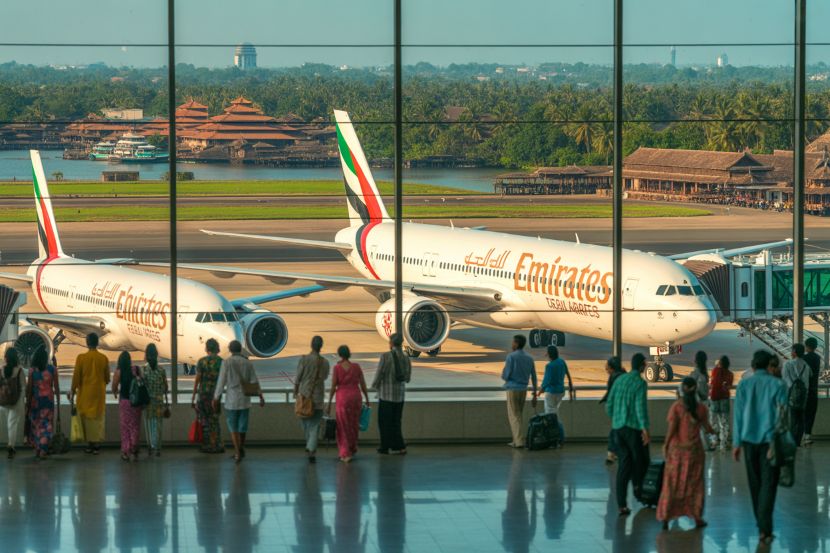
Emirates, the renowned Dubai-based airline, has reached an important milestone, celebrating 20 years of operations in Thiruvananthapuram, the capital of Kerala, India. The airline has been a key player in strengthening global connectivity for this vibrant southern Indian state, facilitating travel, tourism, and trade. Over the years, Emirates has transported more than 4.6 million passengers and carried over 34,000 tonnes of cargo, all of which has contributed significantly to Kerala’s economy and international outreach.
Since it began operations on February 1, 2006, Emirates has established a vital air bridge connecting Thiruvananthapuram with the rest of the world. The airline’s direct flights between Dubai and Thiruvananthapuram have fostered strong relationships between Kerala and the global markets, promoting business ties, tourism, and cultural exchange. Emirates operates several routes linking Kerala to major international hubs, boosting tourism and commerce across regions.
Emirates: A Lifeline for Kerala’s Tourism and Economy
For 20 years, Emirates has not only offered passengers in Thiruvananthapuram a gateway to Dubai, but also to a host of global destinations across six continents. The airline connects travelers to major cities like London, New York, San Francisco, and Toronto, ensuring that Kerala’s unique culture and heritage receive international attention.
Moreover, Emirates has been instrumental in facilitating inbound tourism to Kerala. With its seamless connection to Dubai, Kerala’s beaches, backwaters, temples, and hill stations have seen increased international footfall. Tourists from around the globe can now visit the land of Ayurveda and tourism hotspots with ease, thanks to the convenience and comfort offered by Emirates flights.
A Legacy of International Trade and Connectivity
Over the years, Emirates has been at the forefront of supporting Kerala’s export economy, particularly through its SkyCargo division. The cargo wing has uplifted 34,000 tonnes of goods since 2019, including perishable items like seafood, vegetables, and other essential exports, ensuring that these products reach international markets quickly and efficiently. This service is vital for Kerala’s farmers and exporters, allowing them to tap into markets across the world, thereby boosting local businesses.
Through its extensive cargo network, Emirates has played an essential role in fostering trade between Kerala and countries in the Middle East, Europe, North America, and beyond. The airline’s specialized logistics services have facilitated the shipment of high-value and time-sensitive goods, giving local businesses a competitive edge in the global marketplace.
Thiruvananthapuram: A Key Hub in Emirates’ South India Network
Thiruvananthapuram, though not as large as India’s major cities, holds strategic importance in Emirates’ South India network. The airline connects the city with Dubai, a global hub, serving not just as a transit point but as a destination in itself for international travelers. The presence of Emirates has enabled seamless connections between Thiruvananthapuram and major cities worldwide, creating a gateway for business professionals, tourists, and expatriates traveling to and from Kerala.
In addition to passenger traffic, Emirates’ partnership with local authorities, including the Kerala State Government, has strengthened the tourism and trade ecosystem, fostering an environment that promotes further investments in Kerala’s infrastructure and development.
Tips for Travelers Visiting Thiruvananthapuram
If you’re planning to travel to Thiruvananthapuram, here are some travel tips to ensure your visit is seamless:
Best Time to Visit: Kerala’s tropical climate makes it a year-round destination, but the best months to visit are from November to February, when the weather is cooler and more pleasant.
Travel Around Kerala: Once in Thiruvananthapuram, take time to explore the famous backwaters in Alleppey and Kumarakom, as well as the beautiful Varkala beach.
Cultural Experience: Don’t miss the Padmanabhaswamy Temple, a significant religious site in Thiruvananthapuram. The Sree Chitra Art Gallery and the Napier Museum offer a peek into Kerala’s rich cultural heritage.
Visa Information: Visitors from countries like the United States, United Kingdom, and the European Union can avail of a Dubai Transit Visa to easily connect to Dubai before heading to Kerala.
Air Connectivity: Emirates offers smooth connections through Dubai International Airport, one of the world’s busiest airports. From there, you can easily reach your destination in Thiruvananthapuram and other parts of India.
Looking Forward: Emirates’ Long-Term Commitment to Kerala
As Emirates celebrates its two-decade-long journey with Thiruvananthapuram, it reaffirms its commitment to supporting the growth of tourism, trade, and global connections in Kerala. The airline’s contribution to economic development in the region has been significant, and its operations continue to strengthen Kerala’s position on the global map.
In the coming years, Emirates plans to continue supporting Kerala’s growth while ensuring travelers enjoy seamless connections to the Middle East, Europe, North America, and beyond. The airline’s role in enhancing tourism and trade will remain a driving force for Kerala’s economy and cultural outreach.
Tajikistan, nestled in Central Asia, is quickly becoming a must-visit destination for adventurous travelers seeking to explore its stunning landscapes, rich culture, and welcoming hospitality. From the bustling streets of Dushanbe to the high-altitude beauty of the Pamir Mountains, this country offers an experience like no other. Whether you’re heading to the vibrant capital or planning to venture off the beaten path, knowing the essential travel details will ensure you have an unforgettable experience. Visa regulations, the best ways to book accommodation, and local transport options are just a few things you need to be aware of when visiting. This guide will help you navigate your way through Tajikistan with ease and confidence, providing the insights that every tourist needs for a seamless journey. Read on for everything you need to know before packing your bags!
Navigating the Tajik Visa Process: Who Needs One?
Tajikistan offers several options for visa-free entry, depending on your nationality. Citizens of CIS (Commonwealth of Independent States) countries such as Russia, Kazakhstan, and Armenia can enter without a visa simply by showing a valid international passport. Many other countries, including the United States, Japan, Australia, and most European Union nations, also benefit from a unilateral visa-free regime, typically allowing for stays of up to 30 days.
For nationals not covered under these visa exemptions, Tajikistan offers an e-Visa option, which allows travelers to apply online through the official website. This visa is valid for 90 days but restricts stays to 60 days within the country. The best part? You don’t need to visit an embassy—simply fill out the online form and receive your visa via email in a few days. Don’t forget to bring a printed copy of your e-Visa upon arrival!
Travel Tip: Always ensure your passport is valid for at least six months after your intended departure date from Tajikistan to avoid any border issues.
Where to Stay: Accommodation Tips for Tourists
When it comes to accommodation, Tajikistan offers a broad range of options, particularly in its major cities. If you’re visiting Dushanbe, the capital city, or Khujand, you’ll find a mix of luxury hotels and budget-friendly choices. For a touch of elegance, opt for renowned hotels like the Hyatt, Serena, or Hilton, where prices start at around $120 per night for a standard room. For a more local experience, boutique hotels and guesthouses are available for between $50 and $90 per night. Hostels are the most affordable, with prices as low as $10–$15 per night.
Accommodation Booking Tip: Booking platforms like Booking.com and Expedia offer convenient services, including the option to pay at the property without requiring a credit card. For a more localized approach, check platforms like Ostrovok.ru if you’re coming from Russia.
Crossing Borders: How to Enter Tajikistan
Tajikistan is accessible by both air and land. Dushanbe International Airport serves as the country’s main international hub, with flights from countries like Russia and Kazakhstan. Smaller airports in Khujand, Bokhtar, and Kulob handle regional flights.
Travelers arriving by land can enter from neighboring countries like Uzbekistan, Kyrgyzstan, and China (via the scenic Pamir region). If you’re traveling by train, connections are available from Uzbekistan and Russia.
Border Crossing Tip: When you arrive at the airport, you will need to complete a migration card with details such as your hotel address. Keep one part for your records, as you’ll need it when departing Tajikistan.
Money Matters: Currency and Exchange Tips
The official currency of Tajikistan is the Somoni (TJS). While digital payments are on the rise, cash is still widely used in smaller markets, taxis, and cafes. To exchange money, you can visit the exchange counters at Dushanbe Airport or local banks. Be cautious when withdrawing money—Tajik banks typically do not accept damaged or worn banknotes.
For travelers coming from Russia, there are also exchange services through Yandex Travel or Ostrovok.ru, allowing you to pay using a Russian bank card.
Currency Exchange Tip: Always use official exchange offices located within banks or hotels, as exchanging currency outside these locations is illegal and may lead to severe penalties.
Connecting with the Digital World: Mobile and Internet Access
Once you’ve settled into your accommodation, it’s time to get connected. Tajikistan offers high-speed 4G and 5G internet through local mobile operators such as Babilon-Mobile, MegaFon, and Tcell. SIM cards are available at the airport or through local shops. Be sure to bring your passport, as it’s required to purchase a SIM card.
Internet Tip: For tourists, mobile data packages are available that include sufficient data for navigation and social media usage—perfect for those who want to explore the country while staying connected.
Getting Around: Transportation in Dushanbe and Beyond
In Dushanbe, the capital city, the public transportation system is fairly well-developed, with buses and trolleybuses serving most parts of the city. CityCards are used to pay fares, which can be purchased at the airport or from kiosks throughout the city. The card can be topped up at terminals or via bank apps.
For longer journeys or for those looking to explore the more remote parts of the country, taxis are available, although it’s advisable to agree on a fare before starting your journey.
Transport Tip: If you plan to use public transportation frequently, consider getting a CityCard to make your travel around Dushanbe easier and more affordable.
What to Avoid: Prohibited Items and Travel Restrictions
Tajikistan has strict laws regarding the import and export of certain items. Prohibited goods include narcotics, weapons, and religious materials that contradict the norms of Islam. Visitors are also advised not to carry rare works of art, antiquities, or old books out of the country.
For travelers bringing in precious jewelry or large sums of money, be aware of the restrictions on these items. If carrying over $3,000, you’ll need to declare it at the border.
Enjoying Your Time in Tajikistan
Tajikistan is an underrated gem for adventure travelers seeking stunning landscapes, from the Pamir Mountains to the desert regions. With a rich history, welcoming people, and plenty of natural beauty, it’s a perfect destination for those looking to venture off the beaten path.
Travel Tip: Take time to explore not just the cities, but the natural wonders of Tajikistan. Don’t miss the breathtaking Pamir Highway and the serenity of Iskanderkul Lake.
Additional Tips for Your Journey
Language: The official language is Tajik, but many people in the cities also speak Russian and English, especially in tourist areas.
Weather: The climate varies greatly depending on the region. The capital, Dushanbe, has a continental climate, while the mountainous areas experience much colder temperatures. Check the weather before your trip to pack accordingly.
Safety: Tajikistan is generally safe for tourists, though like any country, basic precautions should be taken.
Hilton is set to make a significant impact on Asia Pacific’s hospitality landscape in 2026 with an exciting expansion across key destinations. The hotel giant is unveiling new properties in Japan, India, China, Malaysia, Thailand, and Fiji, enhancing its reach in urban centers, resorts, and transit hubs. Travelers looking for seamless stays, vibrant cultural experiences, and unique regional connections will be delighted with Hilton’s forthcoming offerings. From beach resorts in Langkawi to a historic hotel in Wuxi, Hilton is shaping the future of tourism in the region by meeting the growing demand for immersive, community-oriented travel experiences. This strategic expansion is expected to elevate Hilton’s footprint, making it a prime choice for visitors throughout Asia Pacific.
New Openings Shaping the Future of Travel
Hilton’s 2026 expansion is a clear reflection of how travelers’ preferences are evolving. Increasingly, they seek not just luxury, but experiences that foster connections, cultural immersion, and unique activities. As the Asia Pacific region remains a hub for both business and leisure travel, Hilton is positioning itself as a key player with a wide range of properties.
The resort segment will see notable developments such as the Canopy by Hilton Okinawa Miyako Island Resort, a sprawling 306-room resort near Okinawa’s famous airports. This property promises guests an enriching stay with its rooftop pool, spa, fitness center, and versatile event spaces. In Thailand, Canopy by Hilton Bangkok Sukhumvit will make its debut with a 174-room property on Sukhumvit Soi 12, bringing vibrant city views and a rooftop bar to the region’s dynamic hospitality scene.
Diversified Portfolio in Emerging Markets
India will also see significant growth with Hilton’s new openings. The Hilton Hyderabad Genome Valley Resort & Spa, opened in late 2025, offers a serene retreat within the city’s biotechnology hub. With its farm-to-table dining experiences and ample recreational spaces, the resort caters to both business travelers and families seeking a more immersive and eco-conscious experience. Another highlight is the Slohh by Roach Bengaluru, a Curio Collection property, inspired by the tranquil Malnad coffee estates. This lifestyle hotel in Bengaluru’s IT corridor promises to offer leisure and relaxation alongside modern business amenities.
Meanwhile, Hilton Lucknow will add a third property in the state of Uttar Pradesh, following the success of Hilton Garden Inn Lucknow, strengthening Hilton’s presence in this thriving market.
Expanding the Footprint in Iconic Destinations
In Malaysia, the Hilton Burau Bay Resort Langkawi is set to open on the western coast of Langkawi, surrounded by lush rainforest and offering a blend of nature and luxury. The resort’s design includes wellness facilities, outdoor plunge pools, and a kids’ club, catering to both relaxation seekers and families. Langkawi’s growing popularity as a tourist hotspot makes this new addition an exciting prospect for international visitors.
In China, Hilton’s Curio Collection is making waves with properties like The Reserve Hotel Luoyang, offering easy access to the city’s rich cultural heritage. Luoyang is home to the UNESCO-listed Longmen Grottoes, making the hotel an ideal spot for tourists seeking a blend of cultural exploration and luxurious accommodation. The Curio Collection by Hilton Xi Zhe Wuxi combines modern architecture with historic buildings, creating a fascinating cultural juxtaposition. These hotels represent a new wave of development in China’s rapidly expanding hospitality industry.
Pacific Expansion: New Destinations for Tourists
Fiji will see Hilton’s first footprint with the Hilton Garden Inn Suva, offering an essential base for both business and leisure travelers. Located on the capital city’s foreshore, the 178-room hotel caters to the needs of international visitors looking for convenient access to Fiji’s business and cultural hubs.
Meanwhile, Australia’sHilton Palm Cove Cairns Resort & Spa will elevate the Cairns resort scene, known for its proximity to the Great Barrier Reef and other iconic natural attractions. Guests can look forward to family-friendly amenities, wellness facilities, and more, creating a perfect retreat for travelers looking to combine adventure with relaxation.
Unique Offerings in Transport-Oriented Hotels
For travelers on the go, Hilton is opening properties that are strategically located near transport hubs, making travel more convenient. Hilton Guangzhou Baiyun Airport will be directly linked to Guangzhou’s Terminal 3, allowing easy access for passengers in transit. With 238 rooms, dining options, and event spaces, the hotel will serve both business and leisure travelers looking for a comfortable stopover.
Similarly, Hilton Garden Inn Yokohama Minatomirai in Japan will be ideal for travelers attending events in the region’s major MICE (Meetings, Incentives, Conferences, and Exhibitions) venues, offering all-day dining, retail spaces, and a range of event facilities.
The Growing Trend of Cultural and Culinary Travel
As travelers continue to seek meaningful connections and experiences, Hilton’s expansion across Asia Pacific perfectly aligns with these shifting demands. The focus is on providing cultural experiences alongside comfort, with hotels like The Reserve Hotel Luoyang offering guests an opportunity to immerse themselves in Chinese history. Similarly, properties like Slohh by Roach Bengaluru and Canopy by Hilton Okinawa Miyako Island Resort cater to travelers seeking both luxury and authentic regional experiences.
For those with a passion for culinary exploration, the expansion of Hilton’s gastronomic offerings cannot be understated. Hotels across the region will feature diverse dining experiences, ranging from local cuisines to international flavors. This focus on food ensures travelers can taste their way through their destination, discovering flavors and culinary traditions that highlight the region’s rich cultural tapestry.
Travel Tips for Exploring Hilton’s New Openings
If you’re planning to visit any of the newly opened Hilton properties in 2026, here are a few tips:
Book early: Hilton’s new properties are expected to be highly sought after, especially in popular destinations like Langkawi, Okinawa, and Guangzhou.
Explore beyond the hotel: While Hilton offers world-class amenities, take the opportunity to explore nearby attractions like the Longmen Grottoes in Luoyang or the Great Barrier Reef in Cairns.
Embrace local culture: Many of Hilton’s new properties are located in regions rich with history and local traditions. Don’t miss the chance to connect with local communities and experience the unique culture of your destination.

 Login
Login