Reading view

PayPal names Enrique Lores as CEO, effective March 1, 2026

For years, PayPal has talked about moving faster. Now it’s the board that’s making a bet that leadership, not strategy slides, will finally change the pace. The payments giant announced today that Enrique Lores will take over as President and […]

The post PayPal names Enrique Lores as CEO, effective March 1, 2026 first appeared on Tech Startups.

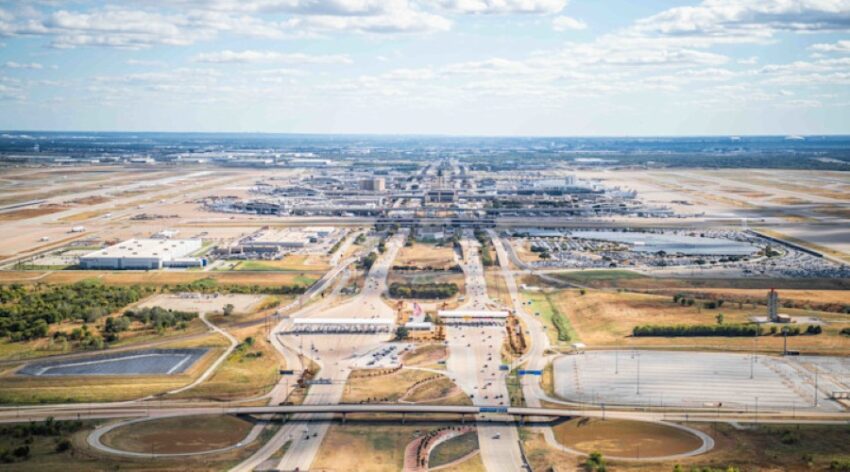
Dallas Fort Worth (DFW) Ascends to 18th in Global Airport Rankings: A Masterclass in AI Innovation, Net-Zero Aviation, and the Future of the Texas Superhub

Dallas Fort Worth (DFW) Ascends to 18th in Global Airport Rankings: A Masterclass in AI Innovation, Net-Zero Aviation, and the Future of the Texas Superhub

As the world of aviation reaches new heights in 2026, Dallas Fort Worth International Airport (DFW) has firmly established itself as a global leader in innovation and efficiency. Recently recognized by Travel and Tour World as the 18th best airport in the world, and the 7th best in the Americas, this Texas-sized superhub is undergoing a massive transformation under its “DFW Forward” initiative. Spanning over 26.9 square miles, the airport serves as a critical gateway, connecting North Texas to nearly 200 domestic and 80 international destinations.

A New Era of Global Ranking: The Smart Airport Leader

The 2026 ranking by Travel and Tour World reflects a fundamental change in how the aviation industry measures success. Rather than focusing solely on terminal aesthetics, the criteria prioritized the “depth of intelligence” integrated into daily operations. Dallas Fort Worth (DFW) was specifically lauded as a Smart Airport Leader, securing the 18th spot globally and the 7th spot in the Americas.

This distinction stems from the airport’s transition from experimental technology to the scaled, real-world execution of artificial intelligence and automated ecosystems. By moving AI and biometrics into the realm of mission-critical infrastructure, the airport has set a benchmark for how modern hubs manage the complex interplay of passenger flow, aircraft movement, and environmental responsibility.

Flight Operations: The 13-Bank Revolution

As of April 2026, the operational heart of DFW—its massive American Airlines hub—has undergone its most significant scheduling overhaul in a decade. To better serve its average of 100,000 peak daily customers, the airline expanded its daily schedule from nine clustered flight “banks” to thirteen separate banks.

This strategic shift serves several vital purposes:

  • Reduced Congestion: By spreading flights more evenly throughout the daylight hours, the airport has reduced the extreme pressure on security checkpoints and terminal walkways.
  • Connection Reliability: The new structure offers travelers a wider array of departure options and more resilient connection windows, significantly lowering the risk of missed flights due to minor delays.
  • Airspace Efficiency: Smoothing out the peaks and valleys of aircraft movements has improved the efficiency of the North Texas airspace, contributing to better on-time performance for the more than 930 daily departing flights.

Infrastructure and the “Modular” Future of Terminal F

The physical transformation of Dallas Fort Worth (DFW) is most evident in the construction of its sixth terminal, Terminal F. This $1.6 billion project is a marvel of modern engineering, utilizing modular construction on an unprecedented scale.

Instead of traditional on-site building, massive megastructure modules—some the size of football fields and weighing as much as twelve widebody aircraft—were prefabricated off-site. These modules were then transported across the airfield and set onto pre-built foundations. This method has allowed the airport to accelerate its growth with minimal disruption to active flight operations.

When the first phase opens, Terminal F will provide a 400,000-square-foot concourse and 15 new gates. To maintain seamless transit, the SkyLink automated people mover is being extended with a dedicated station for the new terminal, ensuring that the average connection time between any two points in the airport remains under two minutes.

Artificial Intelligence and Digital Twins

Technologically, DFW has moved into the “digital twin” era. The airport utilizes a highly sophisticated digital replica of its entire 26.9-square-mile campus to simulate and optimize everything from traffic flow to utility usage.

  • Predictive Maintenance: AI-driven sensors monitor baggage systems and escalators, predicting failures before they occur to ensure a frictionless journey.
  • Computer Vision: LiDAR and advanced camera analytics are used for “Intelligent Airfield Management,” optimizing the path of aircraft from the runway to the gate to save fuel and time.
  • Smart Baggage: The airport is pioneering the use of Automated Guided Vehicles (AGVs) and robotics within its baggage handling facilities, using AI to identify and sort luggage with near-perfect accuracy.

Security Measures: Frictionless and Fortified

Security at DFW in 2026 is designed to be felt but not seen. The airport has integrated Biometric Identity Solutions across its international terminals, allowing for “curb-to-gate” processing where a passenger’s face acts as their boarding pass and passport.

In the security lanes, 3D scanners and thermal imaging have become the standard, permitting travelers to pass through checkpoints without removing electronics or liquids. To protect the vast amount of data being processed, DFW operates on a private 5G network, ensuring that critical security communications remain secure and uninterrupted by the thousands of personal devices connecting to public Wi-Fi.

Sustainability: The Path to Net-Zero 2030

While much of the aviation industry looks toward 2050 for carbon neutrality, Dallas Fort Worth (DFW) is on an accelerated path to reach Net-Zero Carbon Emissions by 2030. Having already been recognized as the first carbon-neutral airport in North America, its 2026 initiatives include:

  • Electric Central Utility Plant (eCUP): This $300 million facility provides sustainably powered heating and cooling to the terminals, reducing natural gas consumption by nearly 80%.
  • Renewable Energy: The airport’s entire electrical grid is powered by 100% renewable sources.
  • Circular Economy: DFW has implemented a massive organic waste composting program and transitioned its entire landside bus fleet to 100% renewable natural gas sourced from local landfills.
  • Hybrid Emergency Response: The airport is among the first in the nation to deploy hybrid Aircraft Rescue and Firefighting (ARFF) vehicles, further greening its critical safety operations.

Passenger Experience and Cultural Immersiveness

The passenger experience in 2026 is defined by a blend of Texas hospitality and high-tech convenience. Under the “DFW Forward” plan, the airport has launched a global call for artists to create immersive digital video installations within Terminal F and the renovated Terminal C. These digital corridors are designed to provide a calming, culturally rich environment for travelers.

Furthermore, the “Smart Retail” ecosystem allows passengers to use the DFW Mobile App to order food or shop from any terminal, with autonomous delivery robots capable of bringing items directly to a traveler’s gate. This commitment to service was reinforced when the Airports Council International (ACI) named DFW the best large airport in North America for customer experience for the third consecutive year.

Looking Forward: Advanced Air Mobility

As DFW solidifies its 18th-place global ranking, it is already looking toward the horizon. The airport is actively preparing for Advanced Air Mobility (AAM), with plans to integrate electric air taxis into its transportation network by 2028. This forward-thinking approach ensures that Dallas Fort Worth remains not just a transit point, but a cornerstone of the future of global travel.

(Image Source: dfw airport)

The post Dallas Fort Worth (DFW) Ascends to 18th in Global Airport Rankings: A Masterclass in AI Innovation, Net-Zero Aviation, and the Future of the Texas Superhub appeared first on Travel And Tour World.

Samsung Display’s A6 Gen 8 OLED factory to begin production in May

Samsung Display will reportedly begin production at its new Gen 8 OLED factory, A6, in May. This will be the first factory in the world to make OLED screens using Gen 8 technology.

Gen 8 means the factory uses very large glass sheets to make screens. Bigger glass allows the company to make bigger screens more easily and at lower cost. These large OLED screens are mainly used in laptops and tablets. Today, most phone OLED screens are still made in Gen 6 factories, which use smaller glass.

Samsung Display has already told its suppliers that glass substrates will be added to the A6 production line in May. This is a sign that the factory is almost ready to run at full speed. The screens made at this factory will be used in Apple’s future MacBook laptops. Apple plans to launch MacBooks with OLED screens later this year, in 14-inch and 16-inch sizes.

Samsung Display Car OLED

Source – Samsung Display

The Korean tech giant expects to ship about 2 million OLED screens for MacBooks this year. Some parts needed to finish the display are still under development. Apple is also changing some designs to save money. Because the final assembly happens later, Samsung Display wants to make enough screens first.

Samsung Display has a bigger plan for the A6 factory. It wants the factory to be able to make up to 10 million 14.3-inch OLED screens every year. Stay tuned for more information.

Google Search Top Stories Preferred Source

The post Samsung Display’s A6 Gen 8 OLED factory to begin production in May appeared first on Sammy Fans.

Spring Festival Travel Soars as China Southern Airlines Expands Flight Schedule, Enhances Global Reach and Introduces Cutting-Edge Airport Technology for a Seamless Journey Across China and Beyond

Spring Festival Travel Soars as China Southern Airlines Expands Flight Schedule, Enhances Global Reach and Introduces Cutting-Edge Airport Technology for a Seamless Journey Across China and Beyond
spring festival

Spring Festival travel in China is set to soar as China Southern Airlines ramps up its operations with an expanded flight schedule. With millions of people traveling during this peak season, the airline is working hard to accommodate the overwhelming demand. China Southern is not only enhancing its global reach, but it is also taking significant steps to improve passenger convenience. The airline is introducing cutting-edge airport technology to ensure a seamless journey for travelers. From quicker check-ins to faster boarding processes, this technology is designed to make the entire experience smoother and more efficient.

As the festival approaches, these measures highlight the airline’s commitment to providing reliable and efficient services to both domestic and international passengers. With this impressive expansion, China Southern Airlines is poised to offer a stress-free and convenient travel experience across China and beyond.

A Surge in Domestic and International Flight Services

During this busy period, China Southern Airlines is focused on meeting the diverse travel needs of Chinese passengers. Domestically, the airline will enhance its services to key ‘ice-and-snow’ destinations, including Harbin, Changchun, and Altay, catering to the growing interest in winter sports and seasonal tourism. At the same time, the airline will bolster flights to tropical resort cities like those in Hainan, responding to the high demand for warm-weather getaways.

To cope with the surge in demand, the airline will deploy wide-body jets on high-demand trunk routes such as the Shenzhen–Beijing Daxing service. This strategic move is designed to maximize seating capacity on some of the busiest routes, ensuring passengers can travel without delays.

On the international front, China Southern Airlines is set to operate 16,000 flights, driven by the expansion of China’s visa-free agreements and the extended nine-day Spring Festival holiday. The carrier will introduce new routes, including Guangzhou–Madrid and Guangzhou–Darwin, and reintroduce previously suspended services to Perth and Adelaide. This brings the airline’s weekly flights to Australia to a record-breaking 77 round trips, a significant increase from previous years.

Moreover, the airline is expanding its services to Southeast Asia, with flight frequencies to Bangkok, Kuala Lumpur, and Chiang Mai exceeding 500 weekly. This surge in services to Southeast Asia reflects the region’s strong rebound as a popular leisure destination for Chinese tourists.

Visa-Free Initiatives and Simplified Travel

China Southern’s expansion comes at a time when the country is simplifying its visa processes through a range of visa-free initiatives. These efforts aim to streamline entry for travelers from various nationalities, making it easier for passengers to embark on their journeys during the Spring Festival period. However, many passengers, especially those undertaking multi-leg Chunyun journeys, will still need to apply for formal travel documents. To help address these needs, platforms like VisaHQ are offering streamlined services for travelers seeking Chinese visas or any supplementary permits. The ease of access to these online platforms ensures that both holidaymakers and corporate travel planners can avoid the last-minute rush for travel documents during this hectic period.

Handling Congestion at Major Chinese Airports

As China Southern Airlines ramps up its flight offerings, airports across the country are bracing for significant congestion. Major hubs, including Beijing Capital, Guangzhou Baiyun, and Shanghai Pudong airports, are forecasting a 20-25% increase in passenger volumes compared to last year. With such high numbers expected, passengers can anticipate longer wait times, particularly during peak travel days.

In response to these anticipated challenges, China Southern is implementing innovative technologies to alleviate congestion. At Guangzhou Baiyun Airport, the airline will introduce facial-recognition technology at its ‘instant boarding’ gates. This move is designed to expedite the check-in process, reduce bottlenecks at boarding gates, and ultimately improve the overall passenger experience.

Additionally, the airline is integrating real-time terminal navigation into its mobile app, helping passengers easily find their way through busy airports. By providing this convenience, China Southern aims to minimize delays and offer a smoother journey for travelers navigating the crowded terminals.

Focus on Freight Services

As China Southern Airlines ramps up its passenger flights, the airline is also prioritizing its cargo services during the Spring Festival rush. In total, the carrier will operate 900 dedicated freighter flights, ensuring that key goods such as fresh produce and festival gifts are transported on time. This robust air cargo service is vital for maintaining the flow of goods during one of the busiest periods in China’s retail calendar, particularly as families celebrate the Lunar New Year.

The airline’s expansion in both passenger and cargo services underscores its confidence in a full recovery of domestic and outbound travel demand in 2026. Despite global capacity constraints and geopolitical uncertainties, China Southern Airlines is committed to meeting the needs of travelers and contributing to China’s robust tourism and logistics sectors.

Preparing for a Busy Year Ahead

The Spring Festival is the most important holiday in China, and for China Southern Airlines, this period is one of the busiest times of the year. With over 126,000 flights planned, the carrier is prepared to handle the influx of passengers, while also addressing the logistical challenges posed by such a massive increase in travel volume.

By focusing on enhancing passenger services, expanding both domestic and international flight offerings, and introducing cutting-edge technologies to streamline airport operations, China Southern Airlines is positioning itself to make 2026 the most successful Spring Festival season yet.

The post Spring Festival Travel Soars as China Southern Airlines Expands Flight Schedule, Enhances Global Reach and Introduces Cutting-Edge Airport Technology for a Seamless Journey Across China and Beyond appeared first on Travel And Tour World.

Iran’s Nanotechnology Growth Drives Global Trade and Innovation, Here’s All You Need to Know

Iran’s Nanotechnology Growth Drives Global Trade and Innovation, Here’s All You Need to Know

Iran is soon going to witness a much-awaited workshop that will concentrate on the standardization of the member nations of the Asian Network Forum (ANF) and the ISO Technical Committee (TC) 229. The workshop is one of the most important events in the nanotechnology sector, and it is going to be held in Tehran. This is a major breakthrough for Iran, as it will help the country improve its position in the international nanotechnology community.

Workshop Goals and Objectives

The main goal of the workshop is to foster synergy among the ANF member states and support their role in the development of international standards for nanotechnology. Standardization in this area is essential for ensuring the safe, efficient, and effective use of nanotechnology across industries, from healthcare to manufacturing. The workshop aims to provide a platform for experts from various countries to share their experiences, knowledge, and best practices while collaborating on developing and refining global standards.

Additionally, the workshop will focus on specific technical areas, including the Brunauer–Emmett–Teller (BET) method, a widely used technique for determining the surface area of materials. The event will feature an Interlaboratory Comparison (ILC) program, where laboratories from participating countries will share their analysis results on samples sent from Iran. This collaborative effort will help improve the accuracy and quality of laboratory results, contributing to the advancement of nanotechnology research and applications.

Enhancing Regional Collaboration in Nanotechnology

The workshop will provide a valuable opportunity for countries across Asia, including Japan, South Korea, Taiwan, Thailand, Malaysia, and the Philippines, to enhance their collaborative efforts in the field of nanotechnology. Representatives from these nations, along with Iran, will come together to discuss how regional cooperation can accelerate the development and commercialization of nanotechnology. These efforts are expected to play a critical role in advancing the industry and fostering innovation that can address global challenges such as energy efficiency, healthcare, and environmental sustainability.

The event, hosted on the sidelines of the 25th International Nanotechnology Exhibition and Conference (Nano Tech 2026) in Tokyo, Japan, reflects the growing importance of nanotechnology in global markets. With a strong focus on fostering international partnerships and addressing common challenges, the workshop will play a pivotal role in shaping the future of nanotechnology standardization.

Iran’s Progress and Achievements in Nanotechnology

Iran has made significant strides in advancing its nanotechnology sector, with the country’s achievements in the field drawing considerable attention at international conferences and forums. During the ANF meeting, Emad Ahmadvand, secretary of the Iran Nanotechnology Innovation Council (INIC), highlighted the country’s progress in nanotechnology and its commercialization. Iran has become a regional leader in the field, with a growing number of innovations and a rapidly expanding nanotech market.

In 2024, Iran registered 20 nanotechnology-related inventions, which made up 19% of the country’s total inventions that year. Furthermore, 33 nanotechnology projects were approved, with contracts signed for 23 of these, reflecting the country’s commitment to advancing the industry. This rapid growth in nanotechnology is not only beneficial for the country’s economy but also enhances its global standing as a hub for cutting-edge scientific research.

Boost in Nanotechnology Product Sales and Export Growth

Over the past year, Iran has seen impressive growth in the commercialization of nanotechnology products. In 2024, a total of 1,735 nanotech products were certified and commercialized, with 201 companies involved in bringing these innovations to market. The total sales of these products amounted to approximately 973 trillion rials (around 700 million dollars), marking a 57% increase from the previous year.

Iran’s export of nanotechnology products has also grown significantly, with approximately 10% of sales coming from international markets, equating to around 183 million dollars. The country’s export of nanotech products reflects its growing role in the global market and its increasing ability to compete in high-value sectors such as energy, healthcare, and materials science.

Focus on Key Sectors: Transportation, Civil Engineering, and Nanomaterials

The nanotechnology sector in Iran is seeing strong market demand, with the transportation, civil engineering, and nanomaterials sectors leading the way. Over a quarter of the market share for nanotechnology products is related to the automotive and transportation industries, which are benefiting from the use of nanomaterials to improve efficiency, reduce emissions, and enhance vehicle performance.

The civil engineering sector also sees a significant share of nanotechnology applications, with advancements in construction materials, coatings, and infrastructure technologies. These innovations help improve the durability and sustainability of buildings and roads, contributing to the overall development of urban and rural areas across Iran.

The Role of Nanotechnology in Iran’s Economic Development

Nanotechnology’s growing importance in Iran’s economy highlights the significant potential for the industry to contribute to job creation, technological advancement, and economic diversification. The government and private sector have been working closely to support innovation and commercialization, making Iran a key player in the global nanotechnology landscape.

The upcoming workshop on standardization will further enhance Iran’s ability to leverage its nanotechnology advancements, strengthening international partnerships and promoting its innovations to a global audience. As the country continues to invest in research, infrastructure, and human capital, nanotechnology is poised to become a cornerstone of Iran’s economic future.

Strengthening Iran’s Global Position in Nanotechnology

Iran’s hosting of the specialized standardization workshop and its continued progress in nanotechnology represents a significant step forward for the country’s scientific and economic development. By fostering regional collaboration and addressing key challenges in nanotechnology standardization, Iran is positioning itself as a leader in this high-tech field. The country’s efforts to expand its nanotechnology market, coupled with its commitment to international partnerships, ensure that Iran will remain at the forefront of global innovation in the years to come.

The post Iran’s Nanotechnology Growth Drives Global Trade and Innovation, Here’s All You Need to Know appeared first on Travel And Tour World.

❌