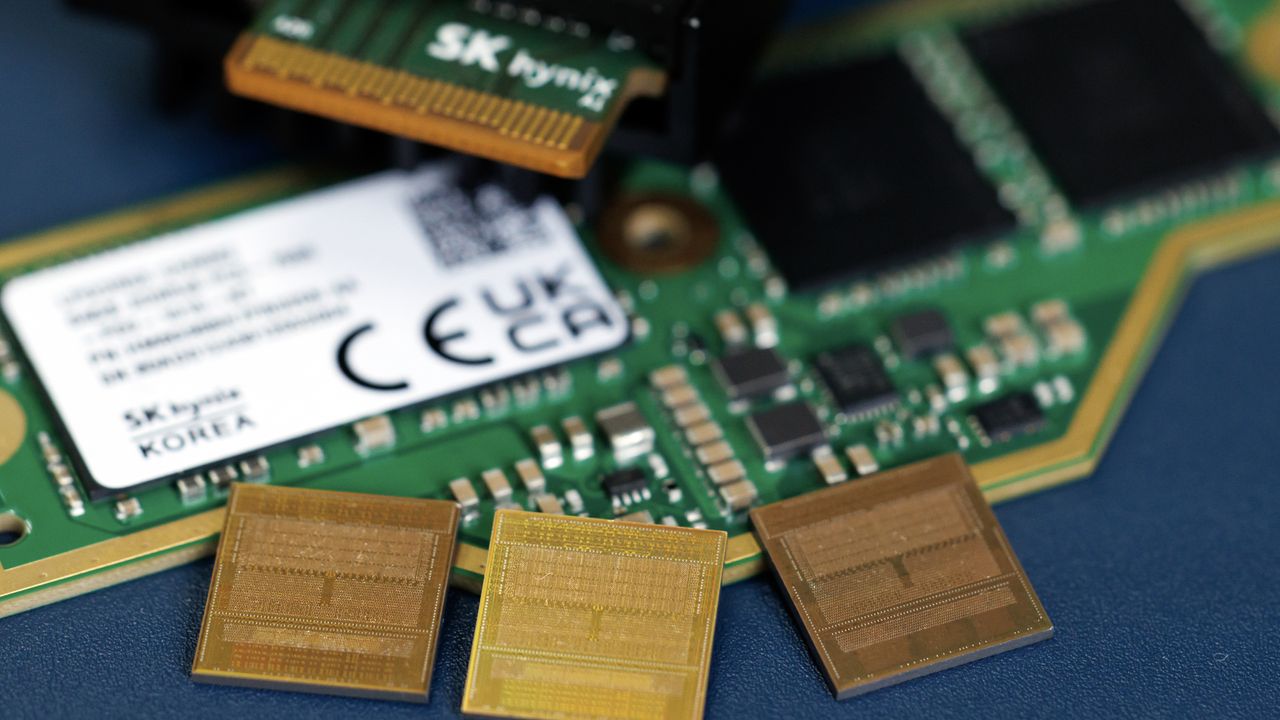
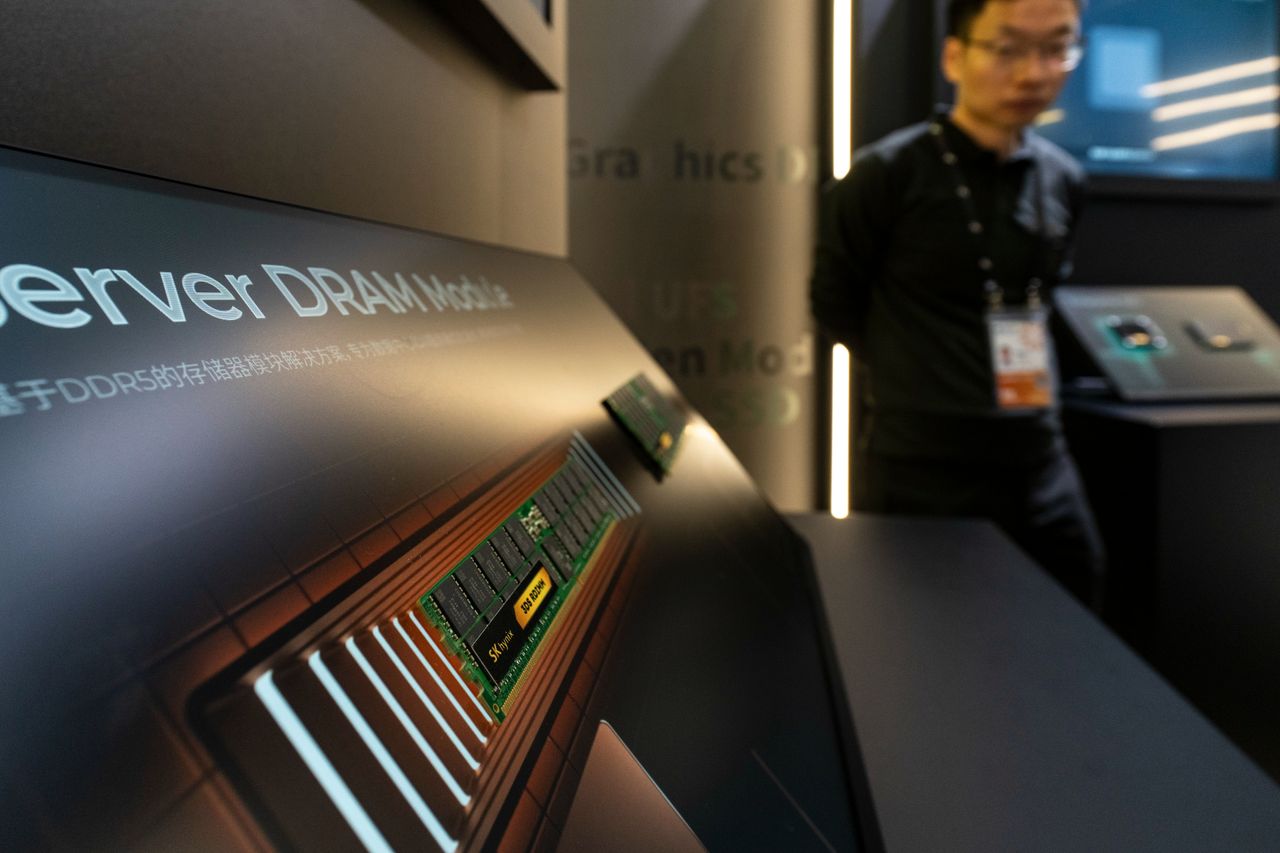
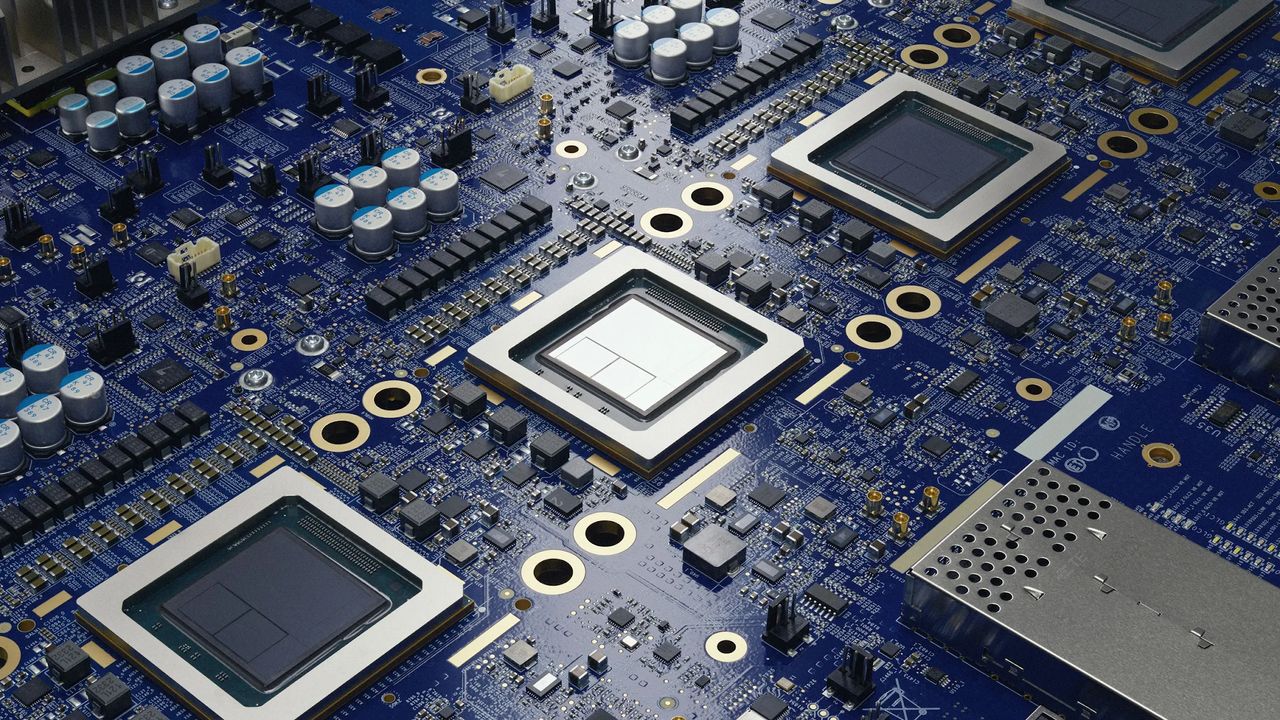
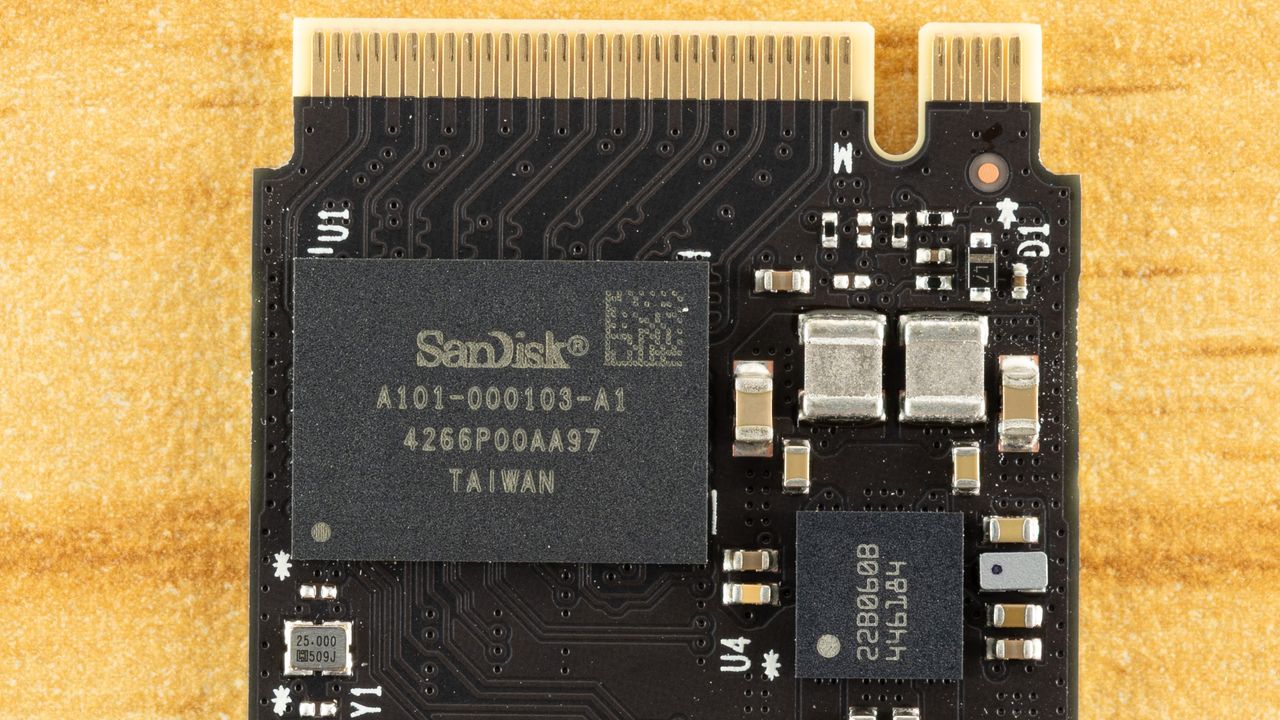
Intel and SoftBank subsidiary, Saimemory, have signed a new collaborative agreement to advance the development and manufacture of a new type of vertical-stacked memory known as Z-Angle Memory, or ZAM.
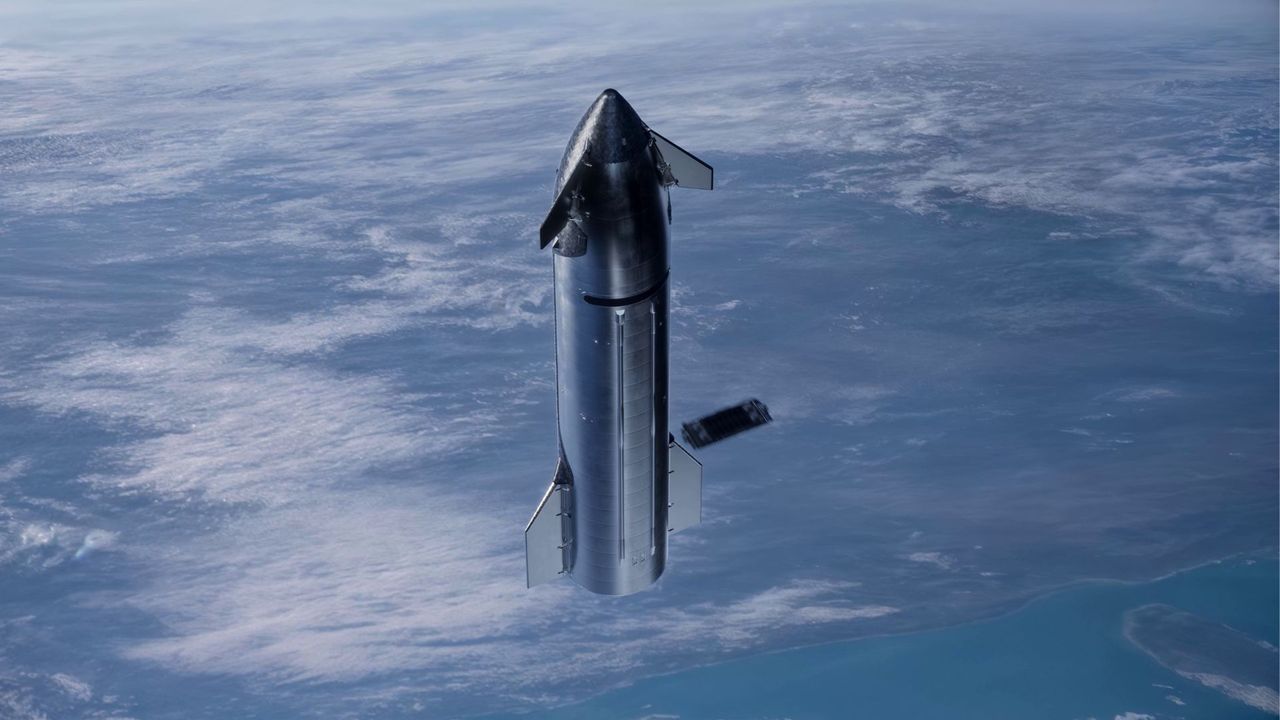
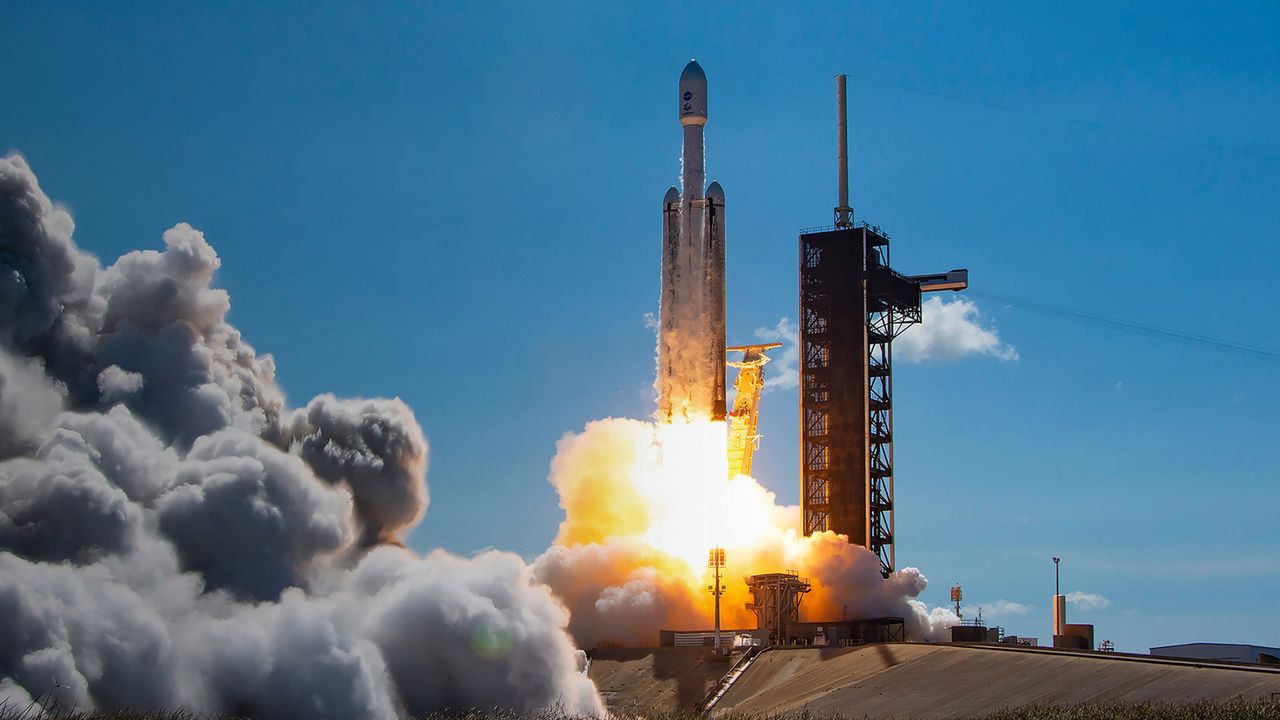
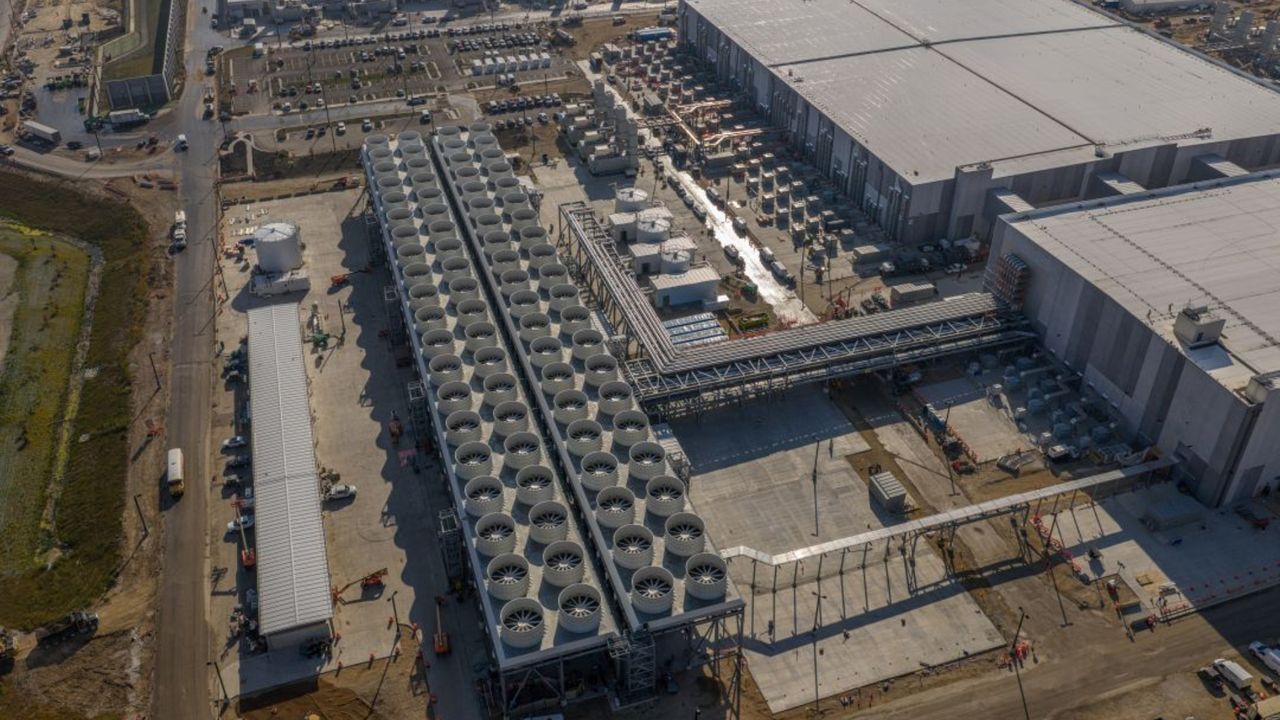
Elon Musk merges SpaceX and xAI to help achieve his dreams of putting AI data centers in orbit, with a goal of hitting 100 gigawatts of compute in space.
Generative AI is pushing demand in all areas of the industry, and data interconnects, such as Silicon Photonics, may well be the next big bottleneck that hyperscalers need to be paying attention to.
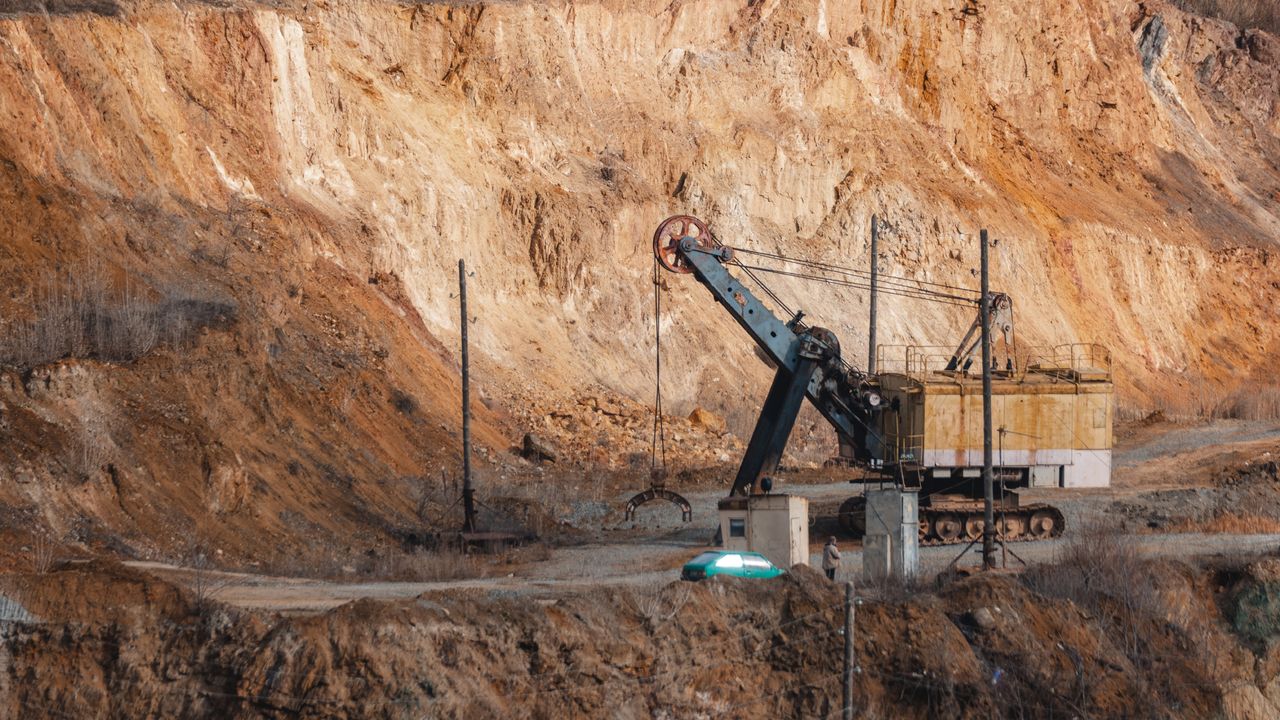
The Trump administration will soon launch a $12 billion critical minerals stockpile designed to insulate U.S. manufacturing from supply disruptions tied to China’s dominance of mining and refining.
Apple is beginning to feel the downstream effects of the AI infrastructure boom, as surging demand for data center hardware pushes up component costs and weakens its leverage.
A federal jury in San Francisco has convicted a former Google engineer of stealing confidential AI infrastructure data and transferring it to benefit Chinese interests.
SpaceX said in an FCC filing that it plans to launch a million satellites to serve as AI data centers that would deliver 100 gigawatts of compute capacity.
The Ukrainian government has successfully blocked unauthorized Starlink terminals from operating within its borders, stopping Russian drones from using the internet service to strike targets deep within the country.
Security researchers are warning that the growing ecosystem around ‘OpenClaw,’ the self-hosted AI assistant formerly known as Clawdbot, has already become a target for malware distribution.
At least four Wisconsin municipalities are understood to have signed underhanded nondisclosure agreements concerning new data centers while negotiating their development.
Nvidia and OpenAI are still in talks about the $100-billion MOU the two parties signed in September 2025, and it seems that deal will be modified for a much "smaller" sum of tens of billions of dollars.
SanDisk stock price went from $36 to nearly $590 per share in just a year, driven by a seven-fold increase in profits year-over-year, hitting $803 million.
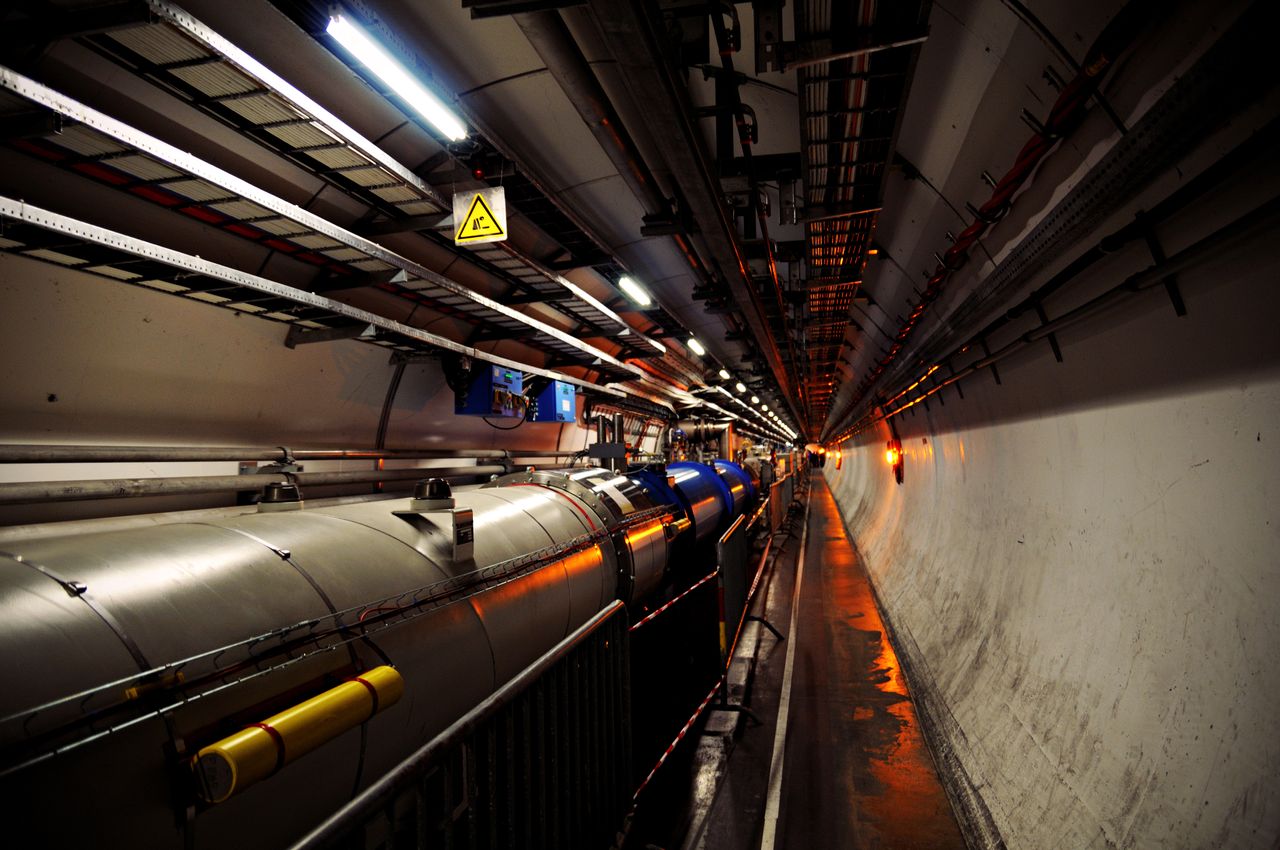
A new heat exchange system between the LHC and the French town of Ferney-Voltaire is directing waste heat energy from CERN's accelerator to warm thousands of homes and businesses.
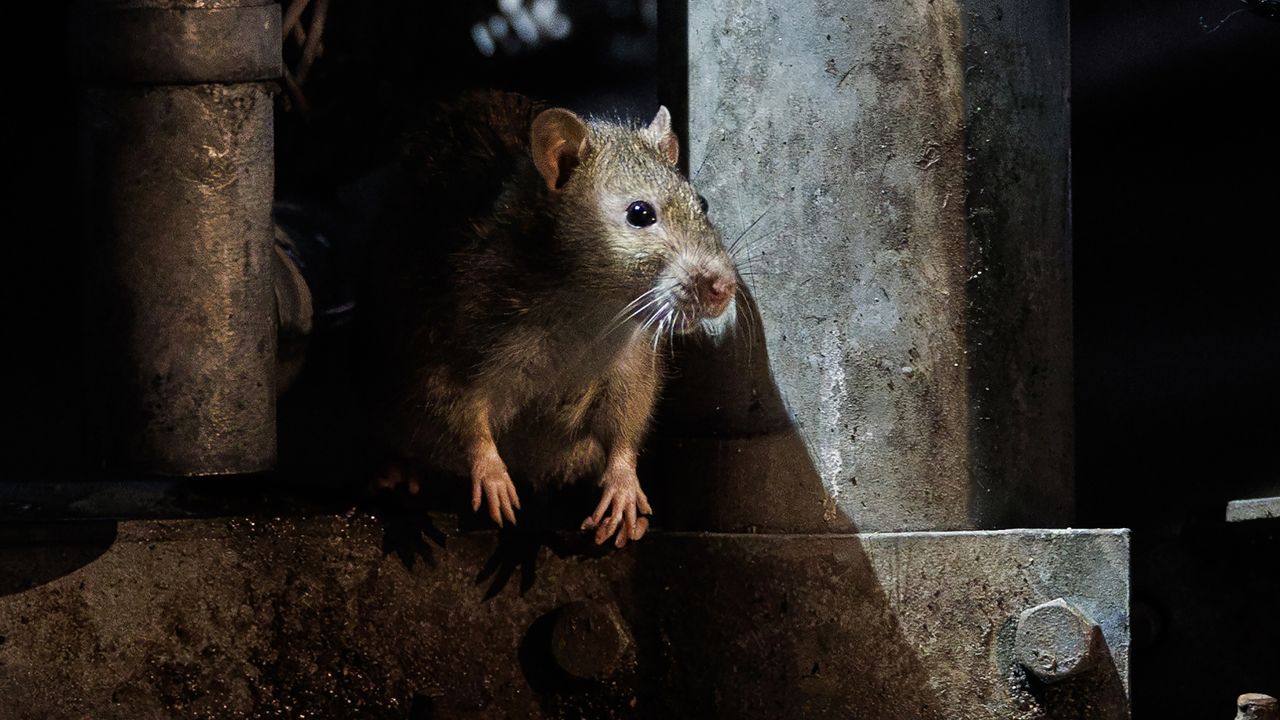
A British broadband internet provider refused to buy a distressed competitor as its entire fiber network has reportedly been chewed up by rats and rodents.
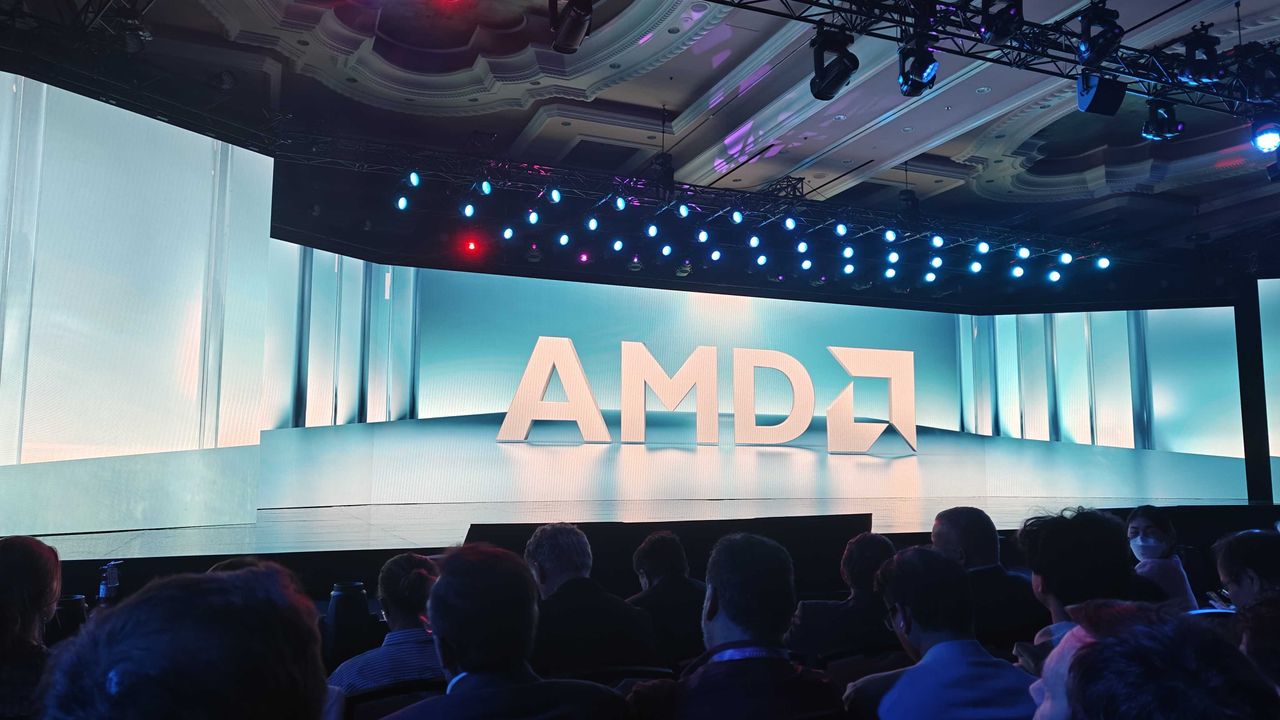
We sat down with AMD at CES 2026 for a roundtable Q&A all about consumer products for gaming. We cover the full transcript of the press-only session right here.
The ongoing trade war puts Taiwan and TSMC in a difficult position. As negotiations continue, the country risks giving up its most precious commodity, the might of TSMC.
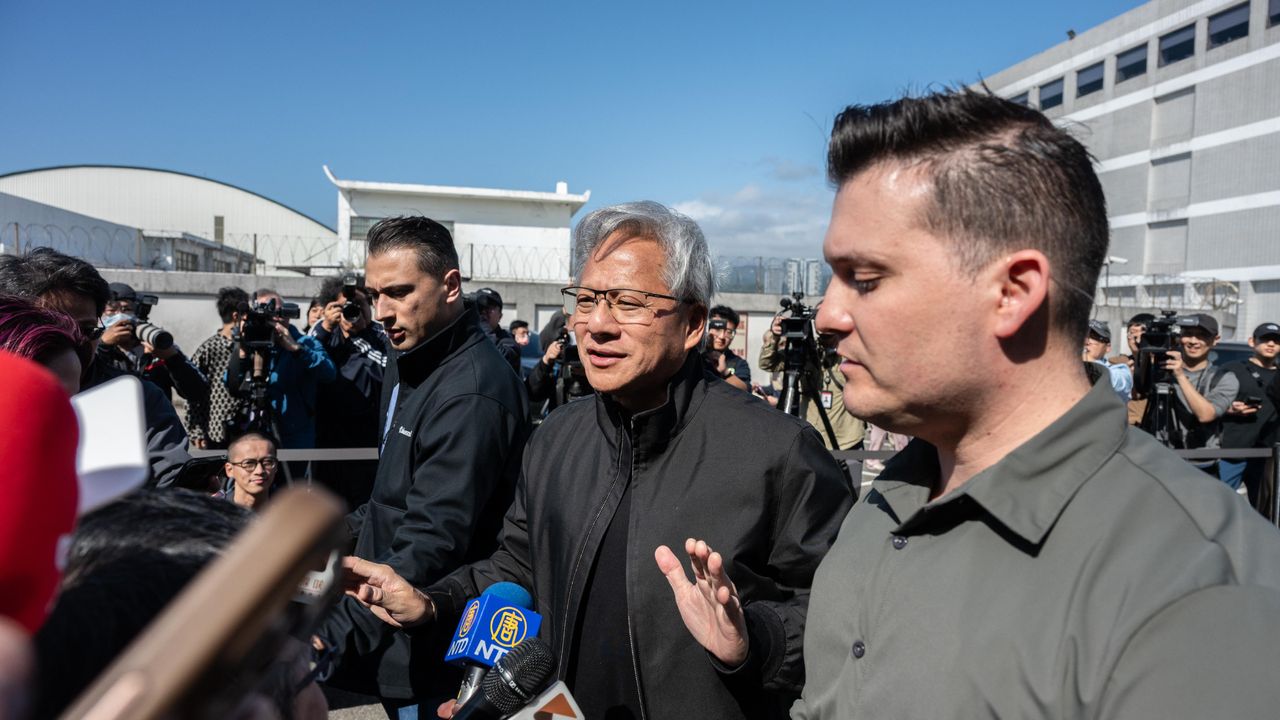
Nvidia's Huang claims that Taiwan will not lose its silicon shield as TSMC expands overseas because demand for leading-edge semiconductor production is so high that a global chipmaking footprint is essential to meet it.
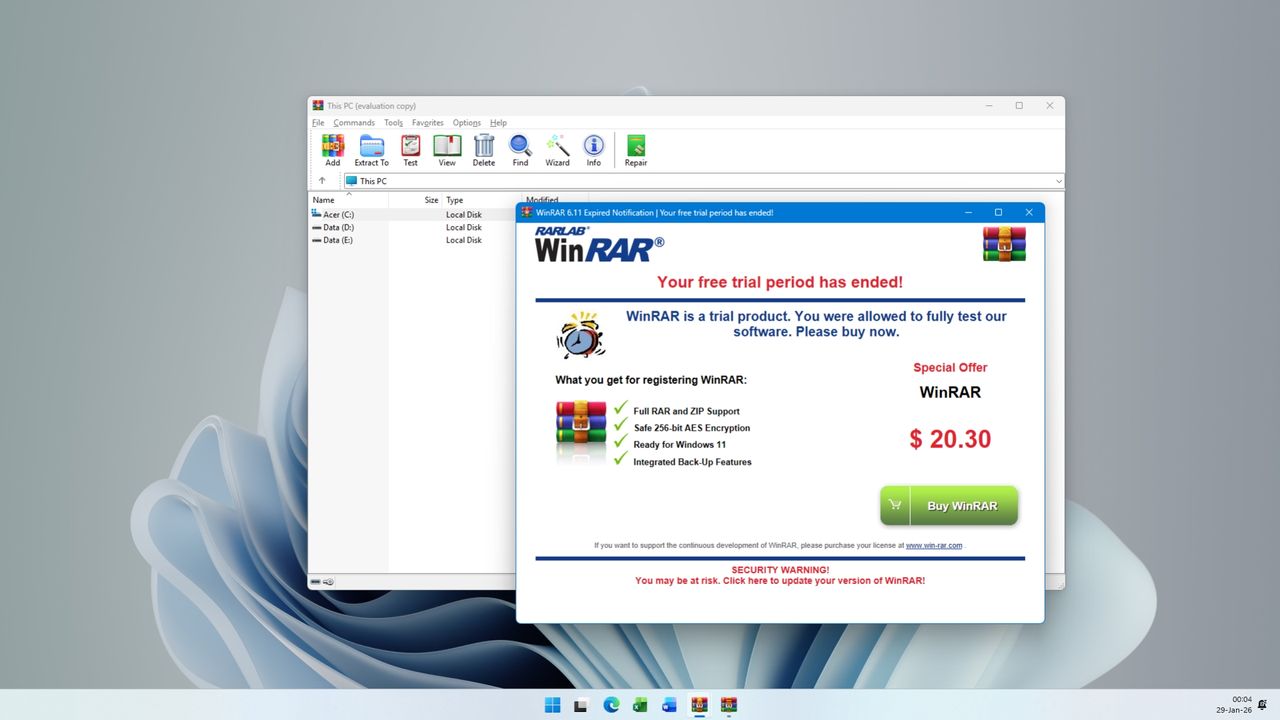
Google says that a WinRAR exploit that has been patched six months ago remain a popular attack vector, especially for state-sponsored threat actors. The vulnerability allows malicious archives to install malware on critical Windows folders.
In one of the first official updates into the H200 China saga, CEO Jensen Huang has confirmed Beijing hasn't decided whether to allow imports of the chip, and that the company ahs received no new orders from Chinese companies as a result.
OpenSSL is a security standard that protects most of the internet, and cybersecurity researchers have recently discovered vulnerabilities in the standard that have been lying undetected for decades.

 Login
Login