
Reading view

Hundreds Of Passengers Stranded At Montreal-Trudeau Airport In Canada As Jazz, Air Canada, PSA , And Other Airlines Cancel 11 Flights And Delay 50, Disrupting Montreal, LaGuardia, St. John’s, And More
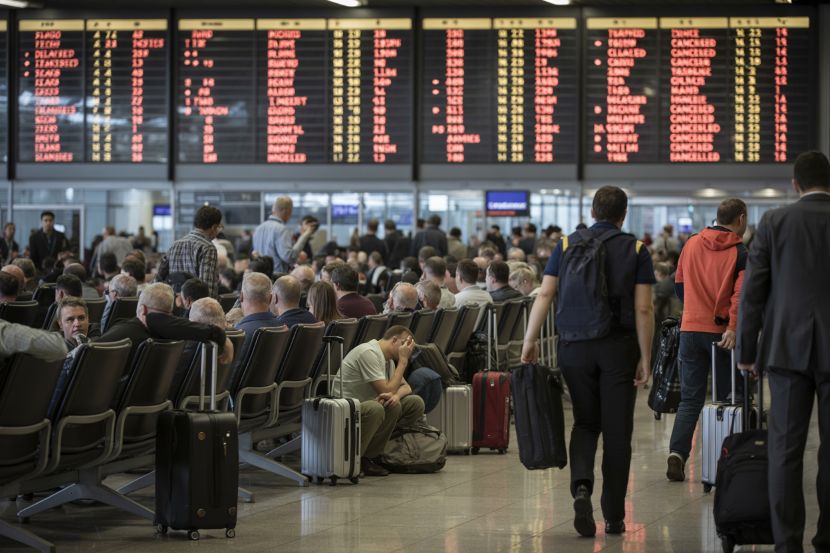
Hundreds Of Passengers Stranded At Montreal-Trudeau Airport In Canada As Jazz, Air Canada, PSA , And Other Airlines Cancel 11 Flights And Delay 50, Disrupting Montreal, LaGuardia, St. John’s, And More
Montreal-Trudeau International faces 50 flight delays and 11 cancellations, affecting passengers. Disruptions extend to Montreal, LaGuardia, St. John’s, and other airports.

Hundreds Of Passengers Stranded At Montreal-Trudeau Airport In Canada As Jazz, Air Canada, PSA , And Other Airlines Cancel 11 Flights And Delay 50, Disrupting Montreal, LaGuardia, St. John’s, And More.Passengers traveling through Montreal-Trudeau International Airport are facing significant disruptions today, as the airport has been hit with 50 flight delays and 11 cancellations. The disruptions are affecting both domestic and international routes, with flights departing to and from LaGuardia, St. John’s, and other major airports.

The delays and cancellations have left passengers stranded in terminal lounges, desperately trying to find out when they can expect to resume their journeys. The flight information boards at Montreal-Trudeau are filled with red alerts, with Jazz Airlines, Air Canada, and PSA Airlines being the most affected carriers.

Montreal-Trudeau Airport (YUL) — The Epicenter of Today’s Flight Disruptions

Montreal-Trudeau, one of Canada’s busiest airports, is currently facing severe operational challenges. Of the 50 delays, the majority are attributed to Jazz Airlines, with a significant portion of delays also stemming from Air Canada flights. These delays are mostly impacting international routes, including flights to the United States and European destinations, with some cancellations further compounding the situation.

Passengers have faced long waiting times, frequent updates to gate assignments, and mounting frustration as their travel schedules continue to change. Airport staff have been working to assist passengers, but the scale of the disruption has caused widespread delays throughout the airport.

Airlines Most Affected by Flight Delays and Cancellations

The airlines most impacted by today’s disruptions at Montreal-Trudeau include:

  • Jazz Airlines (ACA): With 13 delays and 6 cancellations, Jazz Airlines has been the most affected carrier. Delays were mainly on flights to and from Montreal, Toronto, and several US destinations.
  • Air Canada (ACA): Reporting 7 delays and 3 cancellations, Air Canada’s operations were significantly impacted by the delays, especially on its regional flights to Ontario and the Maritimes.
  • PSA Airlines (AAL): PSA Airlines reported 5 cancellations and 1 delay, with most cancellations tied to shorter regional flights.
  • Delta Air Lines and American Airlines: These carriers, while not at the forefront of cancellations, have reported scattered delays due to the backup caused by the situation at Montreal-Trudeau.

Flight Delays and Cancellations by Airport — Widespread Impact Across North America

While Montreal-Trudeau is at the heart of the disruption, other airports in both Canada and the United States have been affected. LaGuardia Airport (LGA) in New York, as a major destination for travelers departing Montreal, saw 24 delayed flights as passengers waited for connections. Meanwhile, St. John’s International Airport (YYT) experienced a 50% cancellation rate on flights coming from Montreal, further extending the ripple effect of these delays.

How Passengers Are Being Affected — Long Waiting Times and Uncertainty

For passengers stuck in Montreal, the delays and cancellations have been frustrating. Some travelers have reported being at the airport for over 6 hours, hoping for updated flight information, with several missed connections adding to the distress. Airlines are doing their best to accommodate passengers, offering alternative flight options and assistance for rebooking, but the sheer volume of delayed flights has left many unsure of when they will reach their destinations.

Passengers have expressed their frustration through social media, citing long lines at customer service desks, poor communication regarding flight updates, and difficulty in obtaining timely information. Many are left scrambling to secure accommodation, especially those whose flights have been cancelled.

What’s Causing the Delays — Weather, Operational Pressures, and Air Traffic Issues

Experts suggest that a combination of factors is contributing to the ongoing delays at Montreal-Trudeau. While weather-related delays are common in winter, the severity of this disruption seems to be more rooted in aircraft rotation issues and staffing shortages that have compounded the operational difficulties at the airport. As a result, flights have been delayed for several hours, and gate congestion has made it difficult to get planes back in the air on time.

Another contributing factor has been air traffic control issues in both Canada and the United States, with ripple effects causing delays for international departures. Although these delays are not unusual during busy travel periods, the current extent of disruption at Montreal-Trudeau suggests underlying challenges in the airport’s operational processes.

How El Dorado International Airport Is Responding — Recovery and Communication Plans

To manage the ongoing disruption, Montreal-Trudeau International Airport is working closely with Canada’s aviation authorities and airline representatives to reduce the backlog of delayed flights. Airport staff have been allocated to provide real-time updates and assist passengers with rebooking, while airlines are exploring options for extra flights to help ease the congestion.

For now, passengers are advised to remain in constant contact with their respective airlines for the latest updates and potential rebooking options. The airport has also launched additional communication channels, such as real-time text alerts, to keep passengers informed of changes to their flight statuses.

Looking Ahead — Can Montreal-Trudeau Recover from the Disruptions?

As the airport works to recover from the ongoing delays, it remains unclear how soon normal operations will resume. Experts suggest that the airport may take several days to clear the backlog, especially if weather conditions worsen. Montreal-Trudeau International has been proactive in addressing customer concerns and offering alternative travel arrangements, but the scale of the disruption suggests that recovery may take longer than anticipated.

Stay Informed and Be Prepared for Continued Delays

As Montreal-Trudeau International Airport works towards clearing the backlog of delays and cancellations, passengers are urged to stay informed and be proactive in monitoring their flight status. While the airport and airlines are working hard to restore order, travelers should prepare for potential ongoing disruptions. This incident serves as a reminder of the interconnected nature of global air travel and the challenges airports face in managing high volumes of travelers during busy periods.

The post Hundreds Of Passengers Stranded At Montreal-Trudeau Airport In Canada As Jazz, Air Canada, PSA , And Other Airlines Cancel 11 Flights And Delay 50, Disrupting Montreal, LaGuardia, St. John’s, And More appeared first on Travel And Tour World.

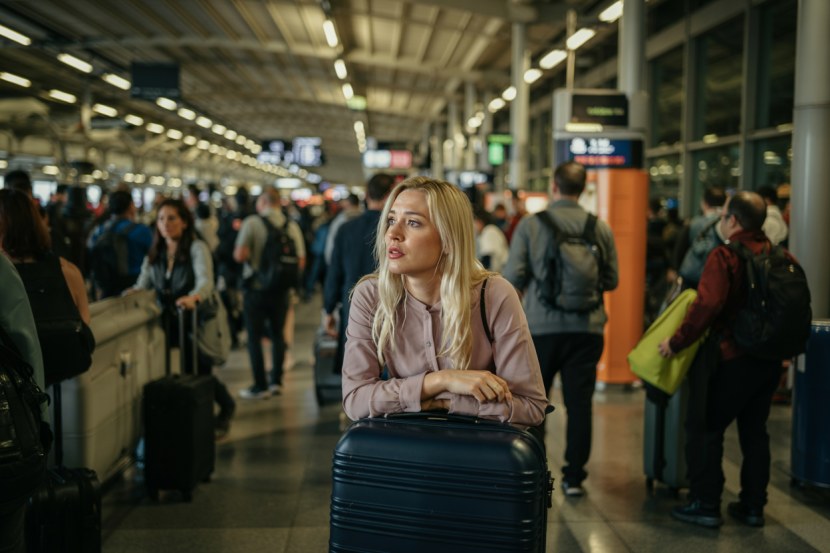
Thousands of Travelers Affected across Canada as Air Canada, PAL, WestJet, Jazz and More Airlines Cancel 58 Flights and Delay 259 More Amid Snowstorm, at Halifax, Montreal, Vancouver, Calgary, St. John’s and Beyond

Thousands of Travelers Affected across Canada as Air Canada, PAL, WestJet, Jazz and More Airlines Cancel 58 Flights and Delay 259 More Amid Snowstorm, at Halifax, Montreal, Vancouver, Calgary, St. John’s and Beyond
Canada Travel

Thousands of travelers across Canada are facing major disruptions today as Air Canada, PAL, WestJet, Jazz, and several other airlines are forced to cancel 58 flights and delay 259 more. This massive disruption comes amid a powerful snowstorm sweeping across the country. Key airports in Halifax, Montreal, Vancouver, Calgary, and St. John’s are seeing the worst of the delays and cancellations. The snowstorm has created hazardous conditions, leading to a backlog of flights and leaving many passengers stranded. With severe weather affecting several major Canadian cities, travelers are urged to stay updated on their flight statuses.

The situation remains fluid, and more delays or cancellations could occur as the storm continues its course. Airlines are working to rebook affected passengers, but with snowstorm conditions worsening, it’s unclear when services will return to normal.

Total Delays and Cancellations Today

The disruptions have been felt across multiple Canadian airports, with a staggering 259 delays and 58 cancellations recorded. The snowstorm, combined with the return of Arctic cold, has resulted in difficult conditions for both air and ground travel.

Affected Airports, Airlines and Analysis

Several airports in Canada are being hit particularly hard by the snowstorm and the Arctic cold front. Below is an analysis of the airports and airlines affected, based on the delays and cancellations data:

St. John’s International (YYT)

  • Delays: 11
  • Cancellations: 10

St. John’s International, located in Newfoundland, is facing delays and cancellations due to heavy snowfall and icy conditions. PAL Airlines, operating in the region, has been impacted with 20 cancellations and 20 delays. Passengers are advised to stay updated on flight statuses and contact airlines for rebooking options.

Toronto Pearson International (YYZ)

  • Delays: 123
  • Cancellations: 6

Toronto Pearson International, Canada’s busiest airport, has experienced the highest number of delays. The snowstorm’s arrival and the persistent cold temperatures have led to severe delays in flight departures and arrivals. Jazz (Air Canada Express) has reported 14 cancellations and 36 delays, while Air Canada itself has had 3 cancellations and 82 delays. WestJet reported 2 cancellations and 34 delays. Travelers should check flight statuses frequently and expect ongoing delays throughout the day.

Montreal-Trudeau International (YUL)

  • Delays: 41
  • Cancellations: 10

Snowfall moving into Montreal has resulted in delays and cancellations at Montreal-Trudeau International. Jazz (Air Canada Express) has been one of the affected airlines with 14 cancellations and 36 delays. The storm’s impact on the region has made air travel challenging, with many travelers stuck at the airport awaiting updates.

Vancouver International (YVR)

  • Delays: 30
  • Cancellations: 4

While Vancouver generally enjoys milder weather, the snowstorm’s path has caused unexpected disruptions. With significant delays and a few cancellations at Vancouver International, WestJet reported 2 cancellations and 34 delays, causing further strain on travel. Passengers should prepare for further delays as the storm moves east.

Calgary International (YYC)

  • Delays: 24
  • Cancellations: 4

Calgary, typically no stranger to winter weather, has also been hit with snow and cold temperatures. As the storm progresses, expect continued delays at Calgary International, with WestJet again facing 2 cancellations and 34 delays. Snow clearance operations at the airport will continue throughout the day.

CFB Goose Bay (YYR)

  • Delays: 6
  • Cancellations: 5

Goose Bay, a smaller airport in Newfoundland and Labrador, is facing delays and cancellations due to snow and freezing temperatures. PAL Airlines, operating in this area, is also seeing a 20% cancellation rate with 20 delays. The airport is currently managing the situation, but passengers should anticipate disruptions until conditions improve.

Wabush (YWK)

  • Delays: 5
  • Cancellations: 4

Like Goose Bay, Wabush Airport is seeing a mix of delays and cancellations. PAL Airlines has also been impacted, with 20 cancellations and 20 delays. With snowfall affecting runway conditions, passengers at this airport are advised to stay in touch with their airlines for the latest updates.

Other Affected Airports

Other airports across Canada, including Halifax International (YHZ), Deer Lake Regional (YDF), and Lourdes-de-Blanc-Sablon (YBX), are also reporting delays and cancellations, though on a smaller scale compared to the major hubs like Toronto Pearson.

What Affected Passengers Can Do Now

For passengers stranded due to these disruptions, here are a few steps to take:

  1. Stay Updated: Passengers should regularly check flight statuses on their airline’s website or mobile app. Many airlines offer real-time updates on cancellations, delays, and gate changes.
  2. Contact Airlines: If your flight is canceled or significantly delayed, contact your airline immediately to inquire about rebooking options. Some airlines, such as Air Canada, WestJet, and Jazz (Air Canada Express), may offer to rebook you on the next available flight or provide vouchers for accommodations if your delay is extensive.
  3. Prepare for Cold Weather: With temperatures plummeting in many parts of Canada, especially in Ontario and Quebec, passengers should be prepared for extreme cold. Dress warmly, especially in airports like Toronto Pearson and Montreal-Trudeau, where temperatures are expected to drop below -20°C with wind chills reaching -30°C.
  4. Expect Further Disruptions: Although a milder weather pattern is expected by mid-February, further disruptions are possible due to additional storms. Travelers should stay informed about the weather forecast and be ready for sudden changes in flight schedules.

Conclusion

The ongoing snowstorm and Arctic cold sweeping across Canada are causing severe delays and cancellations, particularly at major airports like Toronto Pearson and Montreal-Trudeau. With over 259 delays and 58 cancellations, travelers should be prepared for ongoing disruptions in the coming days. Airlines such as Air Canada, WestJet, and Jazz (Air Canada Express) have seen significant impacts, with many flights delayed or canceled due to the snowstorm and the return of Arctic temperatures. Passengers are encouraged to stay updated, contact airlines for assistance, and prepare for harsh weather conditions as the storm continues to move eastward across the country.

Source: FlightAware and Affected Airports

The post Thousands of Travelers Affected across Canada as Air Canada, PAL, WestJet, Jazz and More Airlines Cancel 58 Flights and Delay 259 More Amid Snowstorm, at Halifax, Montreal, Vancouver, Calgary, St. John’s and Beyond appeared first on Travel And Tour World.

37 Flights Delayed and 5 Cancelled by PSA, Jazz, American and Other Airlines Leaving Passengers Stranded in Philadelphia, Portland, Luis Munoz and More Airports across the US

37 Flights Delayed and 5 Cancelled by PSA, Jazz, American and Other Airlines Leaving Passengers Stranded in Philadelphia, Portland, Luis Munoz and More Airports across the US
Philadelphia International Airport sees 37 delays and 5 cancellations today caused by weather and operational issues.

Philadelphia International Airport (PHL) is experiencing significant disruption today, with a total of 37 delays and 5 cancellations affecting flights within, into, and out of the United States. These disruptions are impacting both domestic and international travelers, causing frustration and uncertainty for those attempting to navigate the airport.

This rise in delays and cancellations has prompted questions about the underlying causes and how travelers can best manage their travel plans. While delays at major U.S. airports are not unusual, today’s figures are noticeably higher than average, with all 37 delays occurring within the U.S. The growing number of delays has also contributed to passenger dissatisfaction, as more flights continue to be impacted.

Why Is Philadelphia International Airport Facing So Many Delays and Cancellations?

There are several factors contributing to the flight disruptions at Philadelphia International Airport (PHL) today. According to officials, a combination of weather-related delays, increased air traffic, and operational challenges are at the heart of these issues.

One of the main contributors to today’s delays has been weather conditions, with snowfall and icy conditions affecting both departures and arrivals. While Philadelphia has not been hit by any major snowstorms this week, the accumulation of freezing rain in parts of the northeast has led to slippery conditions on the runways, which necessitate additional time for de-icing procedures before takeoff.

Another contributing factor is increased air traffic as the airport enters its busy winter travel season. As more travelers head to popular destinations for ski vacations and other winter activities, the sheer volume of flights passing through the airport can create bottlenecks. With limited available gates and aircraft on standby, the timing of incoming and outgoing flights has become more difficult to manage.

Furthermore, staff shortages due to seasonal employee turnover and higher-than-expected passenger traffic are also playing a role in the delays. Airlines and airport staff are working to manage the influx of travelers, but operational constraints have led to longer wait times at check-in counters, security lines, and boarding gates.

How Travelers Are Being Affected by Delays and Cancellations

For passengers at Philadelphia International Airport, today’s delays and cancellations have caused frustration and confusion. Many travelers are faced with extended layovers, missed connections, and rescheduled flights. With 5 cancellations so far today, those passengers are also dealing with the added stress of finding alternate flights or accommodations.

Those who have been delayed but are still on track to depart may find their departure times changed by hours, as flight crews attempt to accommodate the backlog of flights. Travelers who had hoped for a quick and smooth journey are being forced to adjust their plans on the fly.

Furthermore, passengers who are connecting through Philadelphia to other destinations are feeling the ripple effects of these delays. Missed connections are leading to longer waiting times for connecting flights, and some passengers are being rerouted to different airlines or airports altogether.

As for passengers who had flights that were canceled today, many are already scrambling to rebook. Philadelphia International Airport (PHL) advises all affected passengers to keep an eye on their flight status through the airport’s live update system and MiseryMap tool, which provides real-time flight status updates and offers an interactive visualization of flight delays. Travelers are encouraged to check their emails, contact airlines directly, or visit the customer service desk for assistance with rebooking and making alternative arrangements.

The Role of Technology in Managing Disruptions

While today’s delays and cancellations are certainly inconvenient for travelers, technology is helping to reduce the stress of the situation. Philadelphia International Airport (PHL) has invested in several tools designed to help travelers navigate disruptions more smoothly.

The MiseryMap, for example, allows passengers to view live flight delays, cancellations, and gate changes in real-time, helping them make informed decisions about whether to continue waiting or to explore other options. In addition, the airport’s mobile app provides users with up-to-the-minute flight status updates and notifications about possible delays.

Moreover, the airport’s adoption of automated systems for flight check-in and baggage handling has helped speed up processes, despite the volume of flights coming and going. Self-service kiosks and biometric screening systems continue to help ease congestion at check-in counters and security lines.

However, as today’s disruptions show, these tools have their limits when faced with severe weather conditions or a large-scale operational issue.

How Can Travelers Minimize the Impact of Delays and Cancellations?

For travelers impacted by delays and cancellations at Philadelphia International Airport (PHL), there are several tips that can help mitigate the stress:

  1. Stay Informed: Always monitor the status of your flight through the PHL mobile app or via the MiseryMap tool. Keeping track of real-time updates will allow you to make adjustments to your travel plans as needed.
  2. Prepare for Extra Time: If your flight has been delayed or canceled, expect longer waiting times. Bring extra food, water, and entertainment to make the wait more comfortable. Charging stations and seating areas are available throughout the airport.
  3. Check Airline Policies: Contact your airline as soon as possible if your flight has been canceled or delayed. Many airlines provide vouchers, meal allowances, and hotel accommodations for passengers affected by significant delays or cancellations.
  4. Flexible Travel Plans: If you are traveling during peak seasons, consider booking flights with built-in flexibility. Travel insurance can also help protect you in case of unforeseen delays or cancellations.
  5. Use Airport Amenities: Take advantage of the PHL’s lounges and facilities designed for long waits. Travelers can use these spaces to relax, recharge, and stay comfortable as they wait for new flight arrangements.
AirlineCancelled (#)% CancelledDelayed (#)% Delayed
PSA Airlines (AAL)33%2225%
Jazz (ACA)125%00%
American Airlines10%94%
Frontier00%13%
Piedmont (AAL)00%10%
Republic00%12%
Southwest00%29%
Alaska Airlines00%150%

Looking Ahead: Improving the Travel Experience at Philadelphia International Airport

While today’s disruptions may cause short-term inconvenience, Philadelphia International Airport remains committed to improving operational efficiency and passenger experience. With continued investments in infrastructure, digital tools, and customer service, the airport aims to minimize future delays and enhance the travel experience.

As air travel continues to rebound and weather conditions become more unpredictable, Philadelphia International Airport and the airlines operating there are constantly evaluating strategies to handle these challenges. Travelers are encouraged to remain patient and proactive when dealing with unexpected delays and cancellations, as aviation authorities work to address both short-term issues and long-term improvements.

The post 37 Flights Delayed and 5 Cancelled by PSA, Jazz, American and Other Airlines Leaving Passengers Stranded in Philadelphia, Portland, Luis Munoz and More Airports across the US appeared first on Travel And Tour World.

Passengers Stranded In Canada Today As St. John’s International Airport Faces 9 New Flight Cancellations And 13 Delays, Disrupting PAL, Air Canada, WestJet, And Other Airlines Across Halifax, Toronto, Montreal, Calgary and More

Passengers Stranded In Canada Today As St. John’s International Airport Faces 9 New Flight Cancellations And 13 Delays, Disrupting PAL, Air Canada, WestJet, And Other Airlines Across Halifax, Toronto, Montreal, Calgary and More

Passengers stranded in Canada today as St. John’s International Airport (YYT) reported 9 flight cancellations and 13 flight delays, disrupting travel across multiple Canadian cities, while no delays were linked to U.S.-bound or U.S.-arriving flights. The most heavily impacted airlines were PAL Airlines (6 cancellations, 7 delays) and Air Canada (3 cancellations, 4 delays). Other popular carriers, including WestJet (1 delay) and Cargojet (1 delay), also experienced limited disruption. Ripple effects were seen at Halifax International Airport (YHZ) and Toronto Pearson International Airport (YYZ). Additional impacts were recorded at Deer Lake Regional Airport (YDF), Montreal–Trudeau International Airport (YUL), Calgary International Airport (YYC), and St. Anthony Airport (YAY).

  • Update today: St. John’s International Airport recorded 9 cancellations and 13 delays, affecting domestic travel across Canada.
  • PAL Airlines emerged as the most affected carrier with 6 cancellations and 7 delays.
  • Air Canada followed with 3 cancellations and 4 delays, impacting multiple connecting routes.
  • Toronto Pearson and Halifax were among the busiest airports facing disruption today.
  • No U.S.-related flight delays were reported at St. John’s today.

Airlines Most Affected by Flight Cancellations and Delays

PAL Airlines

PAL Airlines faced the most severe disruption today at St. John’s, with 6 cancelled flights and 7 delayed services, affecting regional connectivity from Newfoundland and Labrador.

Air Canada

Air Canada reported 3 cancellations and 4 delays, impacting schedules linked to major Canadian hubs.

WestJet

WestJet experienced 1 delay with no cancellations, causing minor schedule changes for travelers.

Cargojet

Cargojet recorded 1 delayed flight, affecting cargo movements connected to St. John’s.

What can affected passengers do?

  • Check flight status frequently through airline apps or official websites, as schedules can change multiple times in a short period during disruption-heavy travel days.
  • Stay in contact with airline customer service for rebooking or refund options, especially if a cancellation or long delay impacts onward travel plans or same-day connections.
  • Arrive at the airport with extra time, since delays often lead to congestion at check-in counters, security screening, and boarding gates.
  • Keep travel documents, booking confirmations, receipts, and airline notifications accessible, which can help speed up assistance requests and compensation or refund claims where applicable.
  • Monitor airport advisories and public announcements, as gate assignments, boarding times, and departure schedules may change with little notice during ongoing disruptions.
  • Consider flexible travel alternatives if available, such as later departures or different routing options offered by the airline, to reduce the impact of same-day disruptions.
  • Make accommodation and ground transport arrangements cautiously, especially for late-evening or early-morning flights, as extended delays or cancellations can affect overnight travel plans.

Overview of Flight Disruptions

Flight disruptions today were concentrated within Canada, with repeated impacts across Newfoundland and Labrador, Nova Scotia, Ontario, Quebec, and Alberta. Airlines such as PAL Airlines, Air Canada, WestJet, and Cargojet were directly affected, while other major Canadian carriers including Porter Airlines and Air Transat operate within the same travel corridors experiencing pressure today.

St. John’s International Airport remained the focal point of disruption, with knock-on effects felt at Halifax International Airport, Toronto Pearson International Airport, Deer Lake Regional Airport, Montreal–Trudeau International Airport, and Calgary International Airport.

Despite the scale of cancellations and delays, today’s disruption remained fully domestic, with no reported impact on U.S. travel, keeping international schedules stable while Canadian travelers adjusted to short-notice changes.

Image Source: AI
Source: Different airports and FlightAware

The post Passengers Stranded In Canada Today As St. John’s International Airport Faces 9 New Flight Cancellations And 13 Delays, Disrupting PAL, Air Canada, WestJet, And Other Airlines Across Halifax, Toronto, Montreal, Calgary and More appeared first on Travel And Tour World.

Major Flight Disruptions Leave Passengers Waiting at Myrtle Beach International, Philadelphia, Charlotte and Other Airports in the US as 10 Flights are Cancelled and 10 are Delayed by Piedmont, PSA, American Airlines

Major Flight Disruptions Leave Passengers Waiting at Myrtle Beach International, Philadelphia, Charlotte and Other Airports in the US as 10 Flights are Cancelled and 10 are Delayed by Piedmont, PSA, American Airlines
Myrtle Beach International sees 10 cancellations & 10 delays today due to severe weather disruptions.

Myrtle Beach International Airport (MYR) is facing significant travel disruptions today, with 10 flight cancellations and 10 delays reported. The disruptions, which have caused long waiting times and inconvenience for many passengers, are primarily due to weather-related issues affecting air travel across the Eastern United States. The bad weather, including high winds, rain, and low visibility, has led to delays in both departures and arrivals, impacting travelers looking to fly in and out of the popular tourist destination.

Myrtle Beach International, a hub for both domestic and international flights, has seen significant traffic disruptions in recent days. While the airport continues to function, the severe weather conditions have made it difficult for airlines to maintain their schedules, with operational delays and cancellations affecting flights throughout the day. Travelers are being urged to stay informed and check their flight status regularly to ensure that they are not caught off guard by changes to their departure times.

Why Are There So Many Delays and Cancellations at Myrtle Beach International?

The primary reason behind the delays and cancellations at Myrtle Beach International Airport is the ongoing bad weather system impacting the Eastern U.S. According to the National Weather Service (NWS), a storm system moving across the region has brought heavy rain, strong winds, and low cloud cover, which have made it challenging for airlines to operate flights safely. The inclement weather has led to difficulties in ensuring that runways are clear and aircraft are de-iced properly before takeoff, further slowing down airport operations.

In addition to weather-related issues, the storm has caused disruptions at other airports in the region, including major hubs like Charlotte Douglas International (CLT) and Atlanta Hartsfield-Jackson (ATL), causing a ripple effect across the U.S. aviation system. As a result, flights scheduled to depart or arrive at Myrtle Beach International have been delayed, with some canceled entirely.

The Federal Aviation Administration (FAA) has issued weather alerts and advised airlines to slow down operations to ensure passenger safety during these severe weather conditions. The FAA has also been working with airport authorities to manage air traffic and keep flights moving as smoothly as possible, but the weather is expected to continue causing delays throughout the day. (faa.gov)

How Are Travelers Affected by These Disruptions?

Travelers at Myrtle Beach International Airport are facing significant challenges due to the delays and cancellations caused by the storm system. Passengers have been left stranded or rebooked on later flights as they navigate the aftermath of unpredictable weather conditions. Some passengers have had their flights canceled at the last minute, while others have faced long waiting times at the airport as they wait for their delayed flights to depart.

For passengers who had to deal with cancellations, rebooking flights is proving to be difficult due to limited availability, particularly as the weather system is causing disruptions at other airports as well. Travelers flying from Myrtle Beach to destinations in the Northeast and Midwest, including New York, Boston, and Chicago, have seen their flight plans interrupted due to the cascading impact of the weather.

The TSA security lines at the airport have also seen an uptick in passengers, leading to longer-than-usual wait times for those attempting to pass through security. This is compounding the frustration for travelers who have already experienced delays and are now trying to make last-minute changes to their travel plans.

The disruptions are also affecting tourists who had planned to visit Myrtle Beach for vacations, as the weather is limiting the number of flights arriving at the airport. Families, business travelers, and vacationers have all been impacted, with some opting to cancel or reschedule their trips due to the unpredictable nature of the storm and its long-term effects on flight schedules.

What Is Being Done to Address the Situation?

Myrtle Beach International Airport officials are working closely with airlines and airport services to ensure that passengers are well taken care of despite the ongoing delays and cancellations. The airport has increased the number of customer service representatives available to help travelers rebook flights, find accommodations, and receive updates on their flight statuses. Additionally, the airport’s social media and website are being updated regularly with the latest information on flight delays, cancellations, and alternative arrangements.

In terms of compensation, airlines operating out of Myrtle Beach International are working to provide meals and accommodation vouchers to passengers whose flights have been significantly delayed or canceled due to the weather. Some airlines are offering rebooking options and discounted rates on future flights as a way to minimize the inconvenience to affected travelers.

The FAA has also been working to clear runways and ensure safe operations for all incoming and outgoing flights. As of now, the situation remains fluid, and travelers are encouraged to check flight statuses via the airport’s website or their airline’s app for the latest updates on their specific flights.

How to Stay Updated and Manage Your Travel Plans

If you are traveling through Myrtle Beach International Airport today or in the coming days, here are a few tips to help you manage any disruptions:

  1. Check Flight Status: Always check your flight status before arriving at the airport, especially during periods of severe weather. Use your airline’s website or mobile app for real-time updates.
  2. Rebook Flights: If your flight is canceled, contact the airline for rebooking options. Many airlines are offering rebooking services online or via customer service counters at the airport.
  3. Arrive Early: Due to the ongoing delays, passengers are advised to arrive early to ensure there is ample time for rebooking or adjusting travel plans.
  4. Prepare for Long Waits: Since delays can lead to longer waiting times, make sure to pack essentials like snacks, water, and entertainment to help pass the time.
  5. Check for Accommodation: If your flight is canceled and you need to stay overnight, check with the airline or airport for available hotel accommodations or discounted rates.

Looking Ahead: What Travelers Can Expect in the Coming Days

The winter weather system is expected to continue affecting Myrtle Beach for the next 24 to 48 hours, with further delays and cancellations likely as the storm persists. The National Weather Service has issued winter weather advisories for the region, and travelers are urged to stay updated with the latest weather forecasts and flight status alerts.

AirlineCancelled (#)Cancelled (%)Delayed (#)Delayed (%)
Piedmont (AAL)4100%00%
PSA Airlines (AAL)225%450%
American Airlines233%350%
Southwest112%112%
Delta Air Lines112%00%
Breeze Airways00%225%

Conclusion: Patience and Preparedness Are Key to Navigating Winter Weather Disruptions

Myrtle Beach International Airport and its airlines are doing everything they can to manage flight delays and cancellations caused by the winter storm. However, for passengers traveling to or from Myrtle Beach, the key to navigating these disruptions is staying informed, being flexible, and preparing for potential changes to your travel plans.

By keeping flight status apps handy, staying in communication with airline customer service, and being prepared for extended waiting periods, travelers can better manage the effects of these weather-related disruptions and ensure a smoother experience, despite the ongoing challenges at Myrtle Beach International Airport.

The post Major Flight Disruptions Leave Passengers Waiting at Myrtle Beach International, Philadelphia, Charlotte and Other Airports in the US as 10 Flights are Cancelled and 10 are Delayed by Piedmont, PSA, American Airlines appeared first on Travel And Tour World.

Greenville-Spartanburg International Airport Faces Travel Woes as Over 20 Cancellations and 29 Delays Hit Southwest, Delta, Piedmont and More Flights to Key U.S. Cities like Charlotte, LaGuardia and More

Greenville-Spartanburg International Airport Faces Travel Woes as Over 20 Cancellations and 29 Delays Hit Southwest, Delta, Piedmont and More Flights to Key U.S. Cities like Charlotte, LaGuardia and More
Greenville-Spartanburg International Airport travel

Greenville-Spartanburg International is facing significant travel disruptions today, with over 20 cancellations and 29 delays affecting flights from airlines such as Southwest, Delta, and Piedmont. These delays and cancellations are causing headaches for passengers flying to key U.S. cities like Charlotte, LaGuardia, and several others. The ripple effects of these disruptions are being felt not only in Greenville-Spartanburg but also in major travel hubs across the country. Southwest, Delta, and Piedmont have seen the brunt of the cancellations, leaving many passengers stranded or scrambling to rebook their flights. The delays are primarily affecting domestic routes, with destinations like Charlotte and LaGuardia seeing the highest volume of disruptions. As passengers face uncertainty, the importance of staying updated with flight statuses becomes even more critical. For those travelling through Greenville-Spartanburg International, patience and flexibility are key today.

Total Cancellations and Delays Today at Greenville-Spartanburg International (GSP)

At GSP, the situation is particularly challenging, with 21 cancellations and 29 delays reported today. These disruptions have rippled through various destinations and airlines, leaving many passengers unsure of their next steps. While the majority of delays seem to involve specific domestic routes, a few international flights also remain delayed.

Affected Airlines and Destinations

Several airlines have been affected by the disruptions at GSP, including American Airlines, Delta Air Lines, and Southwest, among others. American Airlines, for example, saw a notable number of cancellations (4) and delays (3) for both domestic and international flights. Delta and Southwest also experienced delays, with Southwest handling 2 delays (25%), and Delta seeing 5 delays (27%).

For passengers departing GSP, destinations like Charlotte/Douglas International (CLT), Philadelphia International (PHL), and Hartsfield-Jackson International (ATL) are significantly impacted. Charlotte/Douglas International saw the highest number of cancellations at 6 (85%) and 1 delay (14%). Hartsfield-Jackson and Philadelphia were also affected, with Hartsfield-Jackson reporting 2 delays (25%) and Philadelphia experiencing 2 delays (66%).

Analysis: Impacted Airports, Cities, and Airlines

This disruption spans several major U.S. cities, including Charlotte, LaGuardia, Chicago O’Hare, and Houston Bush Intercontinental. Notably, Charlotte/Douglas International (CLT), which serves as a key hub for American Airlines, saw the largest number of cancellations at 6 (85%), affecting numerous passengers travelling from Greenville-Spartanburg. Other airports like LaGuardia (LGA) and Chicago O’Hare (ORD) experienced a combined total of 4 cancellations, along with several delays.

The airlines facing the brunt of these disruptions include American Airlines, Delta Air Lines, and Southwest, with a significant percentage of their flights impacted. These airlines have had to cancel several flights, affecting travelers flying to and from GSP and various destinations across the country.

What Can Affected Passengers Do Now?

For passengers stranded at GSP or affected by the delays, it’s essential to stay informed and remain flexible with their travel plans. Here’s what you can do:

  1. Check for Updates: Continuously check with your airline for updated information on cancellations or delays. You can usually do this on the airline’s website or via their customer service line.
  2. Reschedule or Rebook Flights: Many airlines offer free rebooking for passengers whose flights have been delayed or cancelled due to weather or operational disruptions. If your flight is delayed significantly, try rebooking for a later time or consider booking with a different airline.
  3. Know Your Rights: If your flight is cancelled, airlines are generally obligated to offer compensation or hotel accommodations depending on the situation. Ensure you ask for any possible compensation, including meals or lodging, if the disruption extends overnight.
  4. Explore Alternative Routes: If your flight has been cancelled, see if alternative airports, such as Charlotte or Atlanta, might offer earlier flights. You can reach these airports by car or through bus services that may have fewer disruptions.

Conclusion

With total cancellations of 21 and total delays of 29 at Greenville-Spartanburg International, it’s a chaotic day for travellers, especially those heading to airports like Charlotte and LaGuardia. Passengers are advised to stay patient, keep in touch with their airlines, and explore alternative travel options. The ongoing disruptions underscore the importance of planning for unexpected delays, especially during high-traffic travel periods.

The post Greenville-Spartanburg International Airport Faces Travel Woes as Over 20 Cancellations and 29 Delays Hit Southwest, Delta, Piedmont and More Flights to Key U.S. Cities like Charlotte, LaGuardia and More appeared first on Travel And Tour World.

Severe Travel Disruptions at Norfolk International Airport: Over 34 Flight Delays and 24 Cancellations Impacting American Airlines, Spirit, PSA, and Key US Destinations like Charlotte, Orlando, and Chicago

Severe Travel Disruptions at Norfolk International Airport: Over 34 Flight Delays and 24 Cancellations Impacting American Airlines, Spirit, PSA, and Key US Destinations like Charlotte, Orlando, and Chicago
Norfolk airport

Travelers at Norfolk International Airport (ORF) faced significant disruptions today, with a total of 34 delays and 24 cancellations. The ripple effects of these disruptions have been felt across various domestic and international routes. Airlines including American Airlines, United Airlines, Spirit Airlines, and PSA Airlines were among those impacted, leaving passengers stranded or facing long waits.

Overview of Disruptions at Norfolk International Airport

The number of cancellations and delays today at Norfolk International Airport highlights a challenging day for travelers. With 24 cancellations and 34 delays, passengers faced operational hurdles that disrupted their travel plans. Passengers heading to destinations such as Charlotte/Douglas Intl (CLT), Orlando Intl (MCO), Chicago Midway Intl (MDW), and Philadelphia Intl (PHL) experienced the most severe disruptions.

Airlines and Affected Routes

Several airlines were significantly affected, contributing to the widespread delays and cancellations at ORF. Among the worst-hit were American Airlines, with the highest number of cancellations, accounting for 44% of its flights, and Spirit Airlines, which faced 50% cancellations. PSA Airlines (AAL) and Endeavor Air (DAL) also saw a notable percentage of cancellations, further escalating the disruption at the airport.

Destinations and Cities Affected

  • Charlotte/Douglas Intl (CLT) and Houston Bush Int’ctl (IAH) experienced severe delays and cancellations, with 83% of flights from Norfolk to Charlotte cancelled and 100% of flights to Houston impacted.
  • Other airports like Hartsfield-Jackson Intl (ATL) and Orlando Intl (MCO) were not spared, with multiple delays and cancellations affecting travelers bound for those destinations.

The ripple effects of the disruptions were felt not just in Norfolk, but in major cities across the US, including Atlanta, Chicago, Philadelphia, and Washington D.C., with delays impacting passengers heading to and from these major hubs.

Analysis of the Airlines, Cities, and Countries Affected

American Airlines, United Airlines, Spirit Airlines, Delta Air Lines, and Southwest Airlines were the primary carriers involved, with American Airlines having the highest cancellation rate. Several US cities, such as Charlotte, Orlando, Chicago, and Atlanta, bore the brunt of the delays. International destinations like Houston also faced disruptions, particularly impacting travelers planning to connect through major airports.

What Affected Passengers Can Do Now

For those stranded at Norfolk International Airport, there are several steps they can take to minimize inconvenience:

  1. Stay Informed: Passengers should continuously check their flight status with their airlines for the most current updates. Many airlines offer real-time updates through mobile apps or websites.
  2. Rebooking Options: Passengers affected by cancellations should immediately reach out to their airline to inquire about rebooking options. Many airlines provide alternatives for travelers stranded by cancellations, but securing a new flight as soon as possible is crucial.
  3. Airport Assistance: Norfolk International Airport provides customer service counters for affected travelers. Passengers can check with these desks for support and information on meal vouchers or hotel accommodations if needed.
  4. Consider Travel Insurance: If you have travel insurance, now is the time to review your policy to see if you are eligible for reimbursement or assistance with rebooking costs.

Conclusion

Travelers at Norfolk International Airport faced a turbulent day, with 24 cancellations and 34 delays affecting hundreds of passengers. A combination of operational challenges, weather, and airport congestion led to a significant impact on flights to destinations such as Charlotte, Orlando, Chicago, and Philadelphia. Airlines including American Airlines, Spirit Airlines, and PSA Airlines were heavily affected.

Passengers should stay proactive by checking their flight status, contacting airlines for rebooking, and seeking assistance from the airport’s customer service if necessary. With disruptions like these, it’s always best to stay informed and prepared.

The post Severe Travel Disruptions at Norfolk International Airport: Over 34 Flight Delays and 24 Cancellations Impacting American Airlines, Spirit, PSA, and Key US Destinations like Charlotte, Orlando, and Chicago appeared first on Travel And Tour World.

Thousands of Travelers Impacted at Hartsfield-Jackson International, USA, as Delta, Endeavor, PSA Airlines, Spirit, and More Cancel 112 Flights and Delay 419, Delaying Passengers at Charlotte, LaGuardia, Boston, and Other Airports

Thousands of Travelers Impacted at Hartsfield-Jackson International, USA, as Delta, Endeavor, PSA Airlines, Spirit, and More Cancel 112 Flights and Delay 419, Delaying Passengers at Charlotte, LaGuardia, Boston, and Other Airports
Hartsfield‑Jackson Intl in Georgia, USA records 112 cancellations and 419 delays as winter travel chaos hits Atlanta and major US flight routes.

Thousands of flyers experienced travel disruption on one of the busiest days at Hartsfield‑Jackson International Airport (ATL), where airline systems buckled under adverse weather and scheduling backlog, resulting in 112 cancelled flights and 419 delayed flights. Families with holiday plans, business travellers rushing to meetings and airport staff working overtime all witnessed one of the most intense travel upheavals seen in recent seasons at this crucial U.S. gateway.

Screens across the enormous departure hall flashed red and amber as passengers watched planned itineraries morph into uncertain waiting periods. Routes to Charlotte/Douglas International (CLT), Fort Lauderdale International (FLL) and Jacksonville International (JAX) were among those most affected, forcing travellers to think on their feet, endure extended waits and attempt spontaneous rebooking strategies.

Personal Accounts: Stress and Shared Experiences in the Termina

Amid the maze of gates and service counters, personal stories unfolded that reveal the emotional toll of widespread travel disruption.

Near Gate T5, teacher Angela Stewart clutched her boarding pass with confusion. “We were supposed to be in Fort Lauderdale this afternoon for our family reunion,” she said, her voice weary from hours of uncertainty. “Now we’ve lost count of how many times our flight has been pushed back.”

Nearby, a group of healthcare professionals bound for a medical conference in Charlotte tried to work around the delays, laptops out and phones ringing. “We’re trying to stay productive,” said Daniel Park, glancing at the new expected departure time. “But this isn’t how anyone plans to start a trip.”

The human impact here is profound: behind each cancellation or delay statistic is an individual with commitments, expectations and a journey in flux.

Why Flights Are So Disrupted: Weather and Network Strain

Flight delays and cancellations of this magnitude stem from a complex blend of factors — often weather‑related but also due to capacity limits, air traffic control constraints and rising passenger volumes during peak periods. According to the Federal Aviation Administration (FAA)’s flight delay information page, winter weather systems can have cascading effects on airport timetables nationwide.

The National Weather Service (NWS) reported that a large cold front moving through the Southeast and mid‑Atlantic regions created pockets of turbulence, strong winds and precipitation, forcing stricter safety protocols for airlines. As a result, departure queues lengthened and aircraft turnaround times increased, pushing back schedules across multiple carriers and connections.

Detailed Flight Disruption Breakdown at ATL

By Airline

AirlineCancelled (#)Delayed (#)
Delta Air Lines55275
Endeavor Air (DAL)2446
PSA Airlines (AAL)50
Spirit41
SkyWest79
Jazz (ACA)43
American Airlines31
Frontier28
Envoy Air (AAL)28
Etihad Airways05
JetBlue22
KLM13
Key Lime Air20
Republic022
Southwest022
United10
WestJet01

By Origin Airport

AirportCancelled (#)Delayed (#)
Hartsfield‑Jackson Intl (ATL)38119
Charlotte/Douglas Intl (CLT)74
Albert J Ellis (OAJ)50
Augusta Regional (AGS)40
Wilmington Intl (ILM)40
Myrtle Beach Intl (MYR)40
Fayetteville Rgnl (FAY)40
Charleston Intl/AFB (CHS)31
Fort Lauderdale Intl (FLL)38
Reagan National (DCA)23
Jacksonville Intl (JAX)21
Cincinnati/Northern Kentucky Intl (CVG)11
Dallas Love Field (DAL)12
Denver Intl (DEN)11
Dallas‑Fort Worth Intl (DFW)02

This data illustrates how disruption originates at a hub like Atlanta but spreads outward to other airports, affecting flights and passengers far beyond the initial point of congestion.

Airlines Respond: Helping Passengers Navigate Change

Carriers such as Delta, Endeavor and American deployed additional staff at customer service counters to assist passengers with rebooking, meal vouchers, and hotel accommodations for those stuck overnight. Many airlines are also pushing updates through their smartphone apps with push notifications for real‑time changes to flight status.

However, long lines at airport service desks and packed waiting areas made it clear that demand for assistance far outstripped available resources on the ground. A number of travellers sought alternate routing through nearby airports or alternate carriers based on availability.

Government Travel Advisory and Safety Fact Sheets

The Federal Aviation Administration (FAA) continues to advise passengers to monitor flight status before leaving for the airport and to give themselves extra time if travelling during periods of known weather activity.

The National Weather Service (NWS) also provides live updates and travel advisories, emphasising the impact of weather systems on departures and arrivals across the U.S.

Both agencies remind travellers that delays — while inconvenient — are tools to ensure safety, both in ground handling and in‑flight conditions. Advanced notice and preparedness can make handling these situations more manageable for flyers.

Impact on Regional Travel and Tourist Plans

Given that Atlanta is a key gateway to the southeastern United States, travel disruption here has a broad impact. Visitors planning beach escapes to Florida, business engagements across the Carolinas, or connections to international flights out of major hubs have all felt the consequences of schedule adjustments.

For example, passengers heading toward Fort Lauderdale Intl (FLL) found themselves waiting for updated departure windows, while travellers connecting through smaller airports such as Albert J Ellis (OAJ) or Myrtle Beach Intl (MYR) were forced to either reschedule or consider ground transit alternatives.

Tips for Travelers Caught in Travel Disruption

If you find yourself facing significant flight delays or cancellations, the following strategies can help ease the experience:

  1. Check flight status before departing for the airport — airlines provide push notifications with updates.
  2. Arrive early during peak disruption periods — this allows time to manage rebooking.
  3. Use airline apps and online customer service tools for quicker rerouting.
  4. Pack essentials in carry‑on luggage including snacks, medication and chargers.
  5. Stay informed on weather advisories issued by the FAA or National Weather Service.

These steps can help passengers feel more prepared rather than reactive when travel plans shift unexpectedly.

Wider Effects on Travel Infrastructure and Schedules

Delays at a hub like Hartsfield‑Jackson can create a ripple effect through the national travel network. Schedules that are built upon precise timing become fragile when even a small percentage of flights are delayed — this is especially true during peak travel windows, such as holidays, winter months and weekends.

Airports such as Charlotte (CLT), Denver (DEN) and Dallas‑Fort Worth (DFW) saw carry‑on delays influenced by ATL’s disrupted schedule, forcing some flights to wait for incoming aircraft or reassign crews.

Transportation and logistics teams at these airports often have to adjust boarding gates, ground crew schedules, and baggage handling plans in real time to cope with cascading delays

Traveler Stories: Frustration and Resilience

In one corner of the departure area, newlyweds Lexi and Jordan tried to smile as they waited for their delayed flight to Denver. “We were supposed to be celebrating our honeymoon,” Lexi said. “This isn’t how we imagined it — but we’ve made the best of every hour.”

A group of college students, luggage stacked sky‑high, shared strategies on exchanging tickets for later flights or choosing alternate routes. “We’re all in the same boat,” said Elijah Carter, “so at least there’s camaraderie.”

These human elements reflect the often unpredictable nature of travel — a journey that combines aspiration with the possibility of disruption.

Closing: Hope and Forward Motion Despite Disruption

As night fell over Atlanta, travellers continued to adapt. Some finally boarded flights en route to warmer cities or homebound departures; others made plans for overnight stays with hope of early morning departures. Regardless of the setbacks, passengers persevered.

“Sure, it’s been long and it’s been stressful,” said business traveller Olivia Reed, “but we’re learning patience — and we’re still going somewhere. That’s what matters.”

Today’s tally of 112 flight cancellations and 419 delays may go down in the travel logs as one of the more chaotic days at Hartsfield‑Jackson International Airport, but it also highlights the complexity and resilience of modern air travel. Amid the frustrations and timetable shifts, travellers, airlines and airports alike demonstrate adaptability — reminding us that the journey is as unpredictable as the destination.

The post Thousands of Travelers Impacted at Hartsfield-Jackson International, USA, as Delta, Endeavor, PSA Airlines, Spirit, and More Cancel 112 Flights and Delay 419, Delaying Passengers at Charlotte, LaGuardia, Boston, and Other Airports appeared first on Travel And Tour World.

Philadelphia Airport Affected as American, Spirit, Delta, Southwest and Other Airlines Cancel 61 Flights and Delay 101 Flights Impacting Travel across U.S., Puerto Rico and Beyond

Philadelphia Airport Affected as American, Spirit, Delta, Southwest and Other Airlines Cancel 61 Flights and Delay 101 Flights Impacting Travel across U.S., Puerto Rico and Beyond
Philadelphia International Airport

Philadelphia International Airport is facing significant disruptions today, with American Airlines, Spirit, Delta, and Southwest canceling 61 flights and delaying 101 flights. These disruptions have left passengers stranded, impacting travel across several major cities, including Savannah, Charlotte, Myrtle Beach, and Dallas. Travelers flying to and from these cities are experiencing long delays and cancellations due to operational challenges and weather-related issues. This widespread travel chaos is not limited to the U.S., as Puerto Rico is also facing severe impacts, particularly on flights from Luis Munoz Marin International (SJU). The ripple effect of these disruptions is felt far and wide, with numerous international routes also affected. As airlines struggle to recover from these issues, travelers are urged to stay updated and explore alternative rebooking options to minimize further inconvenience. The situation continues to unfold, and updates are expected throughout the day.

Philadelphia International Airport Faces Major Delays and Cancellations

Philadelphia International Airport, a key gateway in the Northeast, is among the most affected airports today. With 101 flight delays and 61 cancellations, the airport has been a significant hub of disruption for both domestic and international travelers. The total number of affected flights suggests substantial operational challenges, which could be linked to a variety of reasons, including weather disruptions, airline operational issues, or increased air traffic congestion.

Affected Airlines at Philadelphia International

At PHL, American Airlines has emerged as one of the most affected carriers, contributing a notable portion of the delays and cancellations. Other major airlines impacted include Spirit, Delta, and Southwest, with delays spanning various flight types, from short regional hops to long-haul international services. The ripple effect of these issues can be seen across several destinations served by these airlines, including key locations like Charlotte/Douglas International (CLT), Fort Lauderdale International (FLL), and Dallas-Fort Worth International (DFW).

Disruptions at Other U.S. Airports

The following airports have also been severely impacted by disruptions:

  • Wilmington International (ILM): With 100% cancellations today, Wilmington has seen a complete shutdown of flights.
  • Savannah/Hilton Head International (SAV): This airport has also experienced 75% cancellations, further adding to the challenges for travelers in the Southeast.
  • Raleigh-Durham International (RDU): Cancellations at 28% and 14% delays indicate operational difficulties affecting flights to and from this popular North Carolina hub.
  • Myrtle Beach International (MYR): Also experiencing 100% cancellations, leaving travelers stranded in the region.

Airlines and Airports Affected: An In-Depth Look

Airlines Impacted by Disruptions

Several major airlines have been particularly impacted by these disruptions. American Airlines continues to face significant delays and cancellations, contributing to a chain reaction across multiple airports. Spirit Airlines and Delta have also seen a number of delays, reflecting broader issues within the airline industry, which may stem from staffing shortages, technical malfunctions, or scheduling challenges.

These disruptions are felt globally, as both American Airlines and Spirit serve numerous international routes, with destinations in Europe, Latin America, and the Caribbean. Travelers flying to cities such as Minneapolis/St Paul (MSP), Fort Lauderdale (FLL), and Luis Munoz Marin International (SJU) in Puerto Rico have been particularly impacted by these widespread delays and cancellations.

Affected Airports Across U.S. Cities

The impact spans from coast to coast, affecting airports in major cities such as Charlotte, Raleigh, and Savannah, extending to key tourist destinations like Myrtle Beach. These cities’ airports, which handle significant domestic traffic, have all seen a mixture of cancellations and delays today, reflecting broader trends within the U.S. aviation sector.

What Can Affected Passengers Do Now?

Travelers affected by delays and cancellations are urged to act quickly. Here are some steps to take if your flight has been impacted:

1. Contact Your Airline

Passengers should contact their airlines immediately to inquire about rebooking options. Many airlines are offering free rebooking for canceled flights or are accommodating passengers on alternative flights within the same travel window.

2. Check for Compensation

In some cases, depending on the airline and the cause of the disruption, passengers may be entitled to compensation. If you’re facing significant delays or cancellations, be sure to inquire about meal vouchers, hotel accommodations, or reimbursement for out-of-pocket expenses.

3. Stay Updated

Keep an eye on real-time updates from the airport and your airline. Flight statuses are changing rapidly, and knowing your updated departure time can save you time and frustration.

4. Use Travel Apps

Many airlines and travel apps provide up-to-the-minute information on flight delays and cancellations. Ensure your app is updated so you can track your flight status with ease.

Conclusion

Today’s travel disruptions have left many passengers stranded across multiple U.S. airports. Philadelphia International Airport, along with other hubs like Charlotte, Raleigh, and Savannah, has seen a significant number of cancellations and delays, primarily due to airline operational issues and air traffic congestion. Affected travelers are advised to remain in contact with their airlines, stay updated, and be prepared for possible rebookings.

With 101 delays and 61 cancellations reported at Philadelphia International alone, the broader picture paints a concerning scene for both domestic and international travelers. Given the ongoing uncertainty, travelers should be proactive in checking flight statuses and adjusting their travel plans accordingly to minimize further inconvenience.

Source: FlightAware and affected airport

The post Philadelphia Airport Affected as American, Spirit, Delta, Southwest and Other Airlines Cancel 61 Flights and Delay 101 Flights Impacting Travel across U.S., Puerto Rico and Beyond appeared first on Travel And Tour World.

Travelers Displaced at Pensacola Intl, USA, As PSA Airlines, Spirit, American Airlines, Delta, and More Cancel 9 Flights and Delay 7, Impacting Passengers at Charlotte, Chicago, Fort Lauderdale, and Other Airports

Travelers Displaced at Pensacola Intl, USA, As PSA Airlines, Spirit, American Airlines, Delta, and More Cancel 9 Flights and Delay 7, Impacting Passengers at Charlotte, Chicago, Fort Lauderdale, and Other Airports
Pensacola Intl in Florida, USA faces travel turmoil with 9 cancellations and 7 delays, leaving holiday and business passengers scrambling for alternative flights.

Families holding beach‑bound suitcases and business travellers clutching boarding passes were met with confusion and despair at Pensacola International Airport (PNS) today as a wave of cancellations and delays upended travel plans. Holidaymakers who arrived with excitement soon found themselves staring at departure screens that signalled frustration: 9 flights were cancelled and 7 were delayed within, into, or out of the United States.

Passengers bound for coastal retreats, corporate meetings and long‑awaited reunions were among those forced to rethink journeys and explore alternate routes, highlighting just how vulnerable air travel can be when weather, staffing and operational challenges collide. Pensacola, the Gateway to the Gulf Coast, is normally known for seamless travel to popular Florida destinations — but today’s disruption reminded travellers of the uncertainty that still underpins modern flight schedules.

Passengers Share Disappointment and Challenges

Inside the bustling terminal, emotional scenes played out as flyers checked their phones and stared at aircraft boards showing cancellations and delays. Karen Russo, a grandmother trying to travel to Fort Lauderdale Intl (FLL) to meet her grandchildren, summed up the sentiment: “We were so excited for this trip. Our flight just disappeared from the board. It’s heartbreaking.”

Near Gate 9, a group of young professionals heading north to Charlotte/Douglas Intl (CLT) huddled around airline staff, searching desperately for alternatives. “We’ve been rerouted twice already,” said one traveller. “We’re tired and confused.” Such personal moments reflect the real human consequences behind airport disruption statistics that can otherwise seem abstract.

Understanding the Causes: Weather and Systemic Pressure

According to the Federal Aviation Administration (FAA), recent winter weather events — including snow, high winds, and low temperatures — have contributed to nationwide flight deviations. The FAA’s official flight delay information portal notes that winter weather remains one of the most common triggers of widespread schedule issues, especially when heavy aircraft traffic amplifies delays across connected hubs.

The U.S. Department of Transportation (DOT) travel advisories emphasise that such unexpected changes are not isolated to Pensacola. Delays and cancellations often cascade across the network as weather impacts one airport, and that disruption propagates to others — including busy transfer points like Charlotte (CLT), Fort Lauderdale (FLL), and Hartsfield‑Jackson Atlanta (ATL).

How Today’s Disruptions Unfolded: Airline Breakdown

Here’s an at‑a‑glance view of how airlines and origin airports were affected:

By Airline

AirlineCancelledDelayed
PSA Airlines (AAL)44
Spirit20
American Airlines20
Delta Air Lines11
Southwest02

By Origin Airport

AirportCancelledDelayed
Pensacola Intl (PNS)62
Charlotte/Douglas Intl (CLT)22
Fort Lauderdale Intl (FLL)10
Hartsfield‑Jackson Intl (ATL)01
Dallas Love Field (DAL)01
Reagan National (DCA)01

This breakdown shows how both regional and national carriers were affected, and how cancellations originating from Pensacola itself combined with consequential delays at larger connecting hubs.

Airport Response and Airline Support

Airport officials from Pensacola Intl confirmed that airline teams and ground staff worked tirelessly to assist travellers once disruptions were flagged. Public announcements were made regularly, and customer care counters saw heavy traffic as passengers sought alternative connections.

Some airlines moved to rebook affected travellers onto later flights, and several provided meal vouchers or hotel accommodation for those facing extended layovers. However, many passengers reported long queues at service desks and confusion over next steps — a familiar scene in airports nationwide when broad travel disruptions occur.

Official Travel Advisory Guidance

Travel authorities encourage flyers to prepare ahead and stay informed. The FAA’s flight delay website offers up‑to‑date information on current airport statuses, whereas the National Weather Service (NWS) provides detailed forecasts throughout the U.S., including Florida’s Gulf Coast.

Both platforms stress flexibility and preparedness: checking for schedule changes before arriving at the airport, arriving early, and utilising mobile airline apps for real‑time updates can help minimise unexpected challenges.

Ripple Effects Across the Broader U.S. Air Network

Pensacola’s flight troubles didn’t occur in a vacuum. Delays and cancellations at this Gulf Coast airport had knock‑on effects across other airports as well, particularly at bigger transfer hubs:

  • Charlotte/Douglas Intl (CLT): Saw a significant 40% cancellation rate for flights linked back to Pensacola.
  • Fort Lauderdale Intl (FLL): Displayed a 100% cancellation rate for one flight, reflecting local weather or scheduling issues.
  • Atlanta Hartsfield‑Jackson (ATL), Dallas Love Field (DAL) and Reagan National (DCA): All showed delayed service footprints related to Pensacola flight linkages.

These patterns reflect how interconnected U.S. air travel remains — a first‑leg disruption can become a second or third‑leg problem for travellers en route to distant destinations.

What Travellers Should Do Now

Here are key tips for passengers affected or likely to be affected by similar situations:

  • Check airline flight status before heading to the airport.
  • Arrive early to allow time for rebooking and customer service queues.
  • Download your airline’s app for push alerts on cancellations or gate changes.
  • Contact customer support early if your flight is delayed or cancelled.
  • Consider alternative airports or travel modes when possible.

Such steps don’t remove the frustration, but they help travellers adapt and bounce back faster from unforeseen interruptions.

The Human Side of Travel Disruption

As evening settled over Pensacola Intl, weary passengers nestled into seats or turned to friends and family via mobile phones, sharing updates and tentative new plans. Despite the stress and unpredictability, there were moments of hope — like the couple who finally reached a rebooked flight out to Chicago O’Hare, smiling at the prospect of a delayed but cherished holiday arrival.

Today’s tally — 9 flight cancellations and 7 delays — reveals more than operational statistics. It reflects dreams delayed, plans reshaped, travels rethought, and people doing their best to navigate a system pushed to its limits by weather and logistics. For all the technology and infrastructure that carries us through the sky, it ultimately comes down to the human experience — unexpected, imperfect, yet persistently hopeful.

The post Travelers Displaced at Pensacola Intl, USA, As PSA Airlines, Spirit, American Airlines, Delta, and More Cancel 9 Flights and Delay 7, Impacting Passengers at Charlotte, Chicago, Fort Lauderdale, and Other Airports appeared first on Travel And Tour World.

Major Travel Disruptions Hit Phoenix Sky Harbor, 171 Delays and 11 Cancellations Affect Passengers and Tourism, Including Airlines like Southwest, American, Delta, and United, Impacting Travelers from Phoenix, Los Angeles, Chicago, New York and Major US cities

Major Travel Disruptions Hit Phoenix Sky Harbor, 171 Delays and 11 Cancellations Affect Passengers and Tourism, Including Airlines like Southwest, American, Delta, and United, Impacting Travelers from Phoenix, Los Angeles, Chicago, New York and Major US cities

As of today, Phoenix Sky Harbor International Airport is suffering from large scale travel disruptions. To date, there have been a total of 171 flights delayed, and 11 flights canceled. These widespread disruptions have been causing a domino effect for travelers, airlines, and tourism in and around Phoenix. The effect clearly demonstrates in all impacted systemic layers the importance of timely services for both airlines and airports in peak traffic times, and the negative systemic effects of delayed and canceled flights.

Affected Passengers and Airlines

The flight delays and cancellations at Phoenix Sky Harbor International Airport have left numerous passengers stranded or rerouted, causing a major inconvenience for those planning to travel. Airlines operating at the airport, including both major national carriers and regional airlines, have been directly affected by the delays. While many travelers have been able to reschedule their flights, others are left waiting for updates and struggling to make alternative arrangements.

Passengers are often left frustrated as delays compound, leading to missed connections, additional costs for food, accommodations, and transportation, and considerable stress. The disruptions are not only impacting those in transit but also affecting travelers on connecting flights to other major hubs across the United States.

Government sources and verified airport data indicate that these delays and cancellations are largely due to a combination of weather issues, air traffic control restrictions, and operational challenges. Such disruptions are a common occurrence at large international airports, particularly during peak travel periods or inclement weather events.

Impact on Local Tourism

The effects of today’s flight delays and cancellations extend beyond just the affected travelers; they also ripple through the local tourism industry. Phoenix, as one of the United States’ top tourist destinations, particularly in the winter months, is seeing a direct impact on both leisure and business tourism.

Tourism in the Phoenix area, known for its desert landscapes, cultural attractions, and outdoor activities, could take a hit as frustrated visitors are either delayed in their arrival or forced to cancel their plans altogether. The airport delays and cancellations may discourage future visitors who may choose alternative destinations with fewer travel disruptions. This can lead to a decrease in hotel bookings, fewer restaurant reservations, and less foot traffic in local attractions.

Local tourism agencies and businesses that depend on travelers for a significant portion of their revenue may feel the economic sting. Hotels near the airport and popular tourist destinations are seeing cancellations, and local businesses may face a decrease in customers for the day.

Broader Effects on the Region

The current disruptions at Phoenix Sky Harbor International Airport contribute to broader implications for the region’s economy. With travel delays and cancellations impacting both business and leisure travelers, the flow of people into the city has been hindered. The interconnected nature of modern travel means that delays at one airport can lead to a cascade of further disruptions in cities across the United States.

For local businesses, the immediate financial impact of reduced tourism is visible, but the longer-term effects could be felt if negative experiences lead to a tarnished reputation. Phoenix’s economy, heavily reliant on tourism, may see a decrease in revenue from sectors such as hospitality, retail, and dining. The disruptions serve as a reminder of how vulnerable tourism-dependent areas are to operational setbacks at major transportation hubs.

Conclusion: A Time for Preparation and Awareness

In conclusion, the 171 delays and 11 cancellations at Phoenix Sky Harbor International Airport have not only disrupted the travel plans of thousands but also impacted the local economy, particularly tourism. Passengers affected by the delays are experiencing a range of frustrations as they navigate rescheduling, rebooking, or waiting out the situation.

Local tourism across Phoenix’s economy has started feeling the effects of a lack of visitors to local attractions and local businesses. because of the travel disruptions affecting Phoenix and other localities and surrounding connected flights. Although the disruptions can be attributed to many operational issues related to the weather, the primary lesson to be learned is that travelers, airlines, and local businesses, will have to deal with delays and cancellations.

Passengers experiencing delays at Phoenix Sky Harbor International should continue to check with their airlines and the airport for the latest updates. Travelers should evaluate their travel options and prepare for delays if they are flying on dates with heavy traffic. The best sources of information on travel disruptions to travelers are government and other credible agencies.

data taken from the flightaware

The post Major Travel Disruptions Hit Phoenix Sky Harbor, 171 Delays and 11 Cancellations Affect Passengers and Tourism, Including Airlines like Southwest, American, Delta, and United, Impacting Travelers from Phoenix, Los Angeles, Chicago, New York and Major US cities appeared first on Travel And Tour World.

Travel Chaos at Westchester County Airport as 15 Flights Delayed and 14 Canceled, Affecting United, American Airlines, Delta, and Major US Cities Including New York, San Francisco, Chicago, and Los Angeles

Travel Chaos at Westchester County Airport as 15 Flights Delayed and 14 Canceled, Affecting United, American Airlines, Delta, and Major US Cities Including New York, San Francisco, Chicago, and Los Angeles

Westchester County Airport (HPN) is having a rough day with a total of 15 delays and 14 cancellations. Trouble at HPN is no trouble at all for New York commuters, as HPN is one of the major gateways for New York’s metro commuters. These delays and cancellations have created a chain reaction of disturbances for travelers, airlines, and businesses, making it vital for all those affected to stay updated about the problems at HPN.

Passengers Affected by Delays and Cancellations

The total of 15 flight delays at Westchester County Airport today signifies a major disruption for passengers trying to reach their destinations. These delays, some of which stretch for hours, are causing frustration and uncertainty for travelers who had planned their flights in advance. Similarly, the 14 cancellations further compound these difficulties, leaving passengers stranded or forced to reschedule their flights. Travelers are urged to check their flight statuses regularly via the official website of Westchester County Airport or through their airline’s platform for the most up-to-date information.

For those already at the airport or en route, this inconvenience can lead to long waiting times, crowded terminals, and a surge in demand for ground transportation. The lack of available alternatives for canceled flights is a further setback for those who planned to travel to or from the region.

The Broader Impact on Airlines and the Aviation Industry

Airlines operating out of Westchester County Airport are under pressure as they attempt to manage the cascading effects of these delays and cancellations. Each airline faces the challenge of rebooking passengers and managing flight schedules in a way that minimizes further disruptions. This is no small task, as major carriers and regional operators alike work to accommodate those affected by these changes.

The operational difficulty for airlines, especially those with limited capacity at smaller airports, can result in compounded delays, as flights that are delayed often need to be rescheduled or reassigned. These challenges are part of the broader issues that airports face when dealing with weather-related disruptions, security checks, or even technical difficulties with aircraft or airport systems.

Moreover, airlines must also manage customer service complaints and ensure that passengers who face cancellations or delays are provided with support in terms of meals, lodging, and transportation. For many passengers, being left stranded can feel overwhelming, and timely, efficient assistance from the airlines is key in minimizing the adverse effects of these disruptions.

Effects on Local Tourism and Business

The disruptions at Westchester County Airport extend beyond just the travel sector, impacting the local tourism industry and businesses in the area. Westchester County is a popular destination for tourists visiting nearby New York City, with its picturesque surroundings, historical sites, and cultural attractions. Canceled flights and delays can lead to a drop in visitor numbers, affecting local hotels, restaurants, and retail stores that rely on tourism for revenue.

Westchester’s tourism sector also stands to lose significant income from international and regional visitors. Tourism represents a critical portion of the local economy, and when travel is disrupted, it often leads to a domino effect across multiple industries. Hotels near the airport may see increased cancellations, while businesses that depend on the influx of travelers for seasonal events may struggle to maintain their bookings.

Local events, conferences, and corporate meetings may also face challenges as attendees are unable to travel on time. Additionally, if delays and cancellations continue over several days, these sectors might suffer long-term consequences that could linger after operations at the airport return to normal.

What Travelers Should Do

Passengers flying out of Westchester County Airport today are advised to stay updated with the latest information. The airport’s official website and government-approved sources offer the most reliable details regarding any ongoing delays or cancellations. It is recommended that passengers sign up for flight alerts through their airlines and check for alternative flight options if their journey is impacted.

For those who encounter cancellations, airlines are usually required to offer compensation, whether in the form of meal vouchers, overnight accommodations, or a refund, depending on the circumstances. Passengers should be aware of their rights and seek assistance from airline staff if necessary.

Conclusion

The disruptions at the Westchester County Airport flights have affected passengers critically and have also impacted the local economy. Because of this disruption, there have been delays and cancellations, extending the negative impacts of this disruption even further than individual travelers. Since affected travelers face irregularities in their schedules, businesses and tourism in the Westchester County area have also been impacted. Travelers are reminded of the delays that can happen in modern travel and the impact they can have. The travel industry and the local economy affected by this disruption show that there are real challenges faced by travelers. Airports, like Westchester County, and local businesses are still feeling the negative effects of the disruptions.

Travelers are able to better prepare themselves to venture into the unknown and layovers that are bound to happen in their plans. Passengers are reminded of the fact that there can be delays in modern travel, and that does have real impact on the economy. The challenges of this disruption are real and felt by the traveling passengers and the local economy. Airports and local businesses affected by this disruption are not feeling the negative effects. Frequent travelers are looking forward to the challenges that lie ahead in their travel endeavors.

data taken from the flightaware

The post Travel Chaos at Westchester County Airport as 15 Flights Delayed and 14 Canceled, Affecting United, American Airlines, Delta, and Major US Cities Including New York, San Francisco, Chicago, and Los Angeles appeared first on Travel And Tour World.

Thousands of Travelers Affected in Europe as UK, Finland, Greece, Turkey and Beyond Cancel 55 Flights and Delay 929 New Disrupting British, KLM, Aegean, Pegasus and More Airlines in London, Paris, Athens, Helsinki, Rhodes and Others

Thousands of Travelers Affected in Europe as UK, Finland, Greece, Turkey and Beyond Cancel 55 Flights and Delay 929 New Disrupting British, KLM, Aegean, Pegasus and More Airlines in London, Paris, Athens, Helsinki, Rhodes and Others
europe travel

Thousands of travelers across Europe are facing unprecedented disruptions as 55 flights are canceled and 929 flights delayed, primarily due to bad weather. Major airlines such as British Airways, KLM, Aegean Airlines, and Pegasus Airlines have been significantly impacted, leaving passengers stranded in London, Paris, Athens, Helsinki, Rhodes, and other major cities. The adverse weather conditions are causing delays at some of Europe’s busiest airports, including Heathrow, Charles de Gaulle, and Schiphol. Affected travelers are urged to stay updated on their flight status. With weather-related disruptions showing no signs of immediate relief, passengers are advised to check with their airlines for rebooking options, compensation eligibility, and other critical updates.

Severe Travel Disruptions Across Major European Airports and Airlines

Travel disruptions are continuing to affect major airports across Europe, with numerous delays and cancellations impacting passengers. As weather conditions and operational issues continue to cause turmoil, travelers are advised to check their flight status regularly and stay informed of updates from their airlines.

Total Delays and Cancellations Across Airports and Airlines

As of today, several key European airports and airlines have reported a significant number of delays and cancellations, causing inconvenience for thousands of passengers.

  • Total Delays: 929
  • Total Cancellations: 55

Airports and Airlines Affected

Key European Airports Hit by Disruptions

Multiple airports across Europe are currently facing challenges, with Charles de Gaulle/Roissy (Paris) being the most impacted. The airport is dealing with 153 delays and 6 cancellations today, significantly affecting passengers traveling through France. Frankfurt International and Amsterdam Schiphol are also experiencing high levels of disruption, with 134 and 118 delays respectively. Both airports, hubs for international flights, are seeing numerous cancellations as well, contributing to widespread travel disruption across the continent.

Other notable airports affected include London Heathrow, with 95 delays and 10 cancellations, and Helsinki-Vantaa, which recorded 96 delays and 5 cancellations. In contrast, Rhodes International in Greece has reported no delays but 8 cancellations, mainly affecting passengers heading to or from popular holiday destinations.

Analysis of Affected Airlines and Countries

Several airlines across Europe and beyond are dealing with substantial delays and cancellations today. Pegasus Airlines, based in Turkey, is the hardest hit, with a staggering 221 delays and 7 cancellations. KLM, the national carrier of the Netherlands, has reported 67 delays and 5 cancellations, contributing to the ripple effect in Schiphol Airport. Lufthansa, based in Germany, is also facing disruptions with 60 delays and 2 cancellations, while Air France, operating out of Paris, reports 85 delays and 1 cancellation, severely affecting passengers in France and beyond.

British Airways, Aegean Airlines, and Olympic Air, along with Finnair, are all reporting moderate levels of delays and cancellations, adding to the strain on European travelers. Airlines like Gulf Air from Bahrain and Royal Jordanian from Jordan are also facing delays, though their impact is slightly more regional.

What Can Affected Passengers Do?

For passengers experiencing delays or cancellations today, here are a few tips on how to proceed:

  1. Check for Alternative Routes and Flights: In case of cancellations, travelers should immediately check for alternative flights or routes. Many airlines offer rebooking options free of charge for canceled flights.
  2. Stay Updated on Airline and Airport Announcements: It’s crucial to stay informed through the airline’s official website or mobile app for real-time updates. Airlines such as British Airways, KLM, and Air France may provide updated travel information regarding delays and cancellations.
  3. Request Compensation: In the event of significant delays, passengers may be entitled to compensation according to EU regulations. Be sure to keep all receipts and documents related to your travel.
  4. Plan for Extended Wait Times: With numerous delays reported across Europe, including at London Heathrow, Paris Charles de Gaulle, and Frankfurt, passengers should prepare for long waiting times. Consider bringing snacks, entertainment, and anything necessary for comfort during extended delays.
  5. Contact Airline Representatives: Passengers facing major delays or cancellations should contact their airline’s customer service for assistance, especially if they need to rebook or need more information regarding accommodation due to overnight delays.

Impact on Tourism and Local Economies

The disruptions in major European airports are not only frustrating for passengers but also have a significant economic impact. Many of these airports are key gateways for tourism, with Paris, Frankfurt, Amsterdam, and London being some of the busiest travel hubs in the world. The delays and cancellations affect not only holidaymakers but also business travelers, which could have a ripple effect on local economies and industries dependent on smooth air travel.

In conclusion, the severe disruptions today across key European airports and airlines are causing widespread inconvenience for travelers. Passengers are encouraged to stay updated and prepared for potential delays and cancellations. For those impacted, timely rebooking and compensation claims will be crucial in managing the disruption.

Source: FlightAware and affected airports

The post Thousands of Travelers Affected in Europe as UK, Finland, Greece, Turkey and Beyond Cancel 55 Flights and Delay 929 New Disrupting British, KLM, Aegean, Pegasus and More Airlines in London, Paris, Athens, Helsinki, Rhodes and Others appeared first on Travel And Tour World.

Newark Liberty International Airport Faces 55 Cancellations and 96 Delays Affecting United, American, Delta, JetBlue and Other Airlines Disrupting Travel to Charlotte, Toronto, Chicago, Dallas and More Destinations in US, Canada and Beyond

Newark Liberty International Airport Faces 55 Cancellations and 96 Delays Affecting United, American, Delta, JetBlue and Other Airlines Disrupting Travel to Charlotte, Toronto, Chicago, Dallas and More Destinations in US, Canada and Beyond
newark liberty airport

Newark Liberty International Airport is currently experiencing significant disruptions, with 55 cancellations and 96 delays impacting numerous travelers. Major carriers such as United Airlines, American Airlines, Delta Air Lines, JetBlue, and others are at the forefront of these travel interruptions. Passengers flying to Charlotte, Toronto, Chicago, Dallas, and various other US and Canadian destinations are feeling the effects. The cancellations have disrupted schedules, while delays continue to pile up, affecting both domestic and international flights. As a result, hundreds of travelers are scrambling to find alternative arrangements.

With Newark Liberty International Airport being one of the busiest hubs in the U.S., these disruptions are expected to create a ripple effect across several airports. The situation remains fluid, and passengers are urged to stay updated with their respective airlines for any changes to their flight status.

Total Delays and Cancellations at Newark Liberty

As of today, Newark Liberty International Airport has reported 93 delays and 53 cancellations. This level of disruption has created a ripple effect, affecting both departing and arriving flights. Passengers traveling from Newark to a variety of domestic and international destinations have been significantly impacted.

Affected Airports and Airlines

Numerous airports across the United States and beyond are witnessing cancellations and delays from Newark Liberty. Destinations like Charlotte/Douglas Intl (CLT), Charleston Intl/AFB (CHS), Greenville/Spartanburg Intl (GSP), and Wilmington Intl (ILM) have all reported multiple flight disruptions today. The situation is particularly grim at Charlotte/Douglas Intl, which has seen the highest rate of cancellations, with 81% of flights being cancelled. Other airports like Chicago O’Hare Intl (ORD) and Toronto Pearson Intl (YYZ) have also been affected by delays.

The airline industry is also facing the brunt of these disruptions. Major airlines such as United Airlines, American Airlines, Delta Air Lines, and JetBlue have been impacted by both delays and cancellations. United Airlines, operating out of Newark, has reported the highest number of delayed flights, affecting over 50 flights. American Airlines and GoJet also saw a significant share of cancellations and delays, disrupting both domestic and international travelers.

Analysis of Affected Airports, Cities, and Countries

The ripple effects of these disruptions extend far beyond Newark Liberty International Airport. Charlotte/Douglas Intl (CLT) in North Carolina has been heavily impacted, with over 80% of flights cancelled. This has created a challenging situation for travelers in the southeastern United States, especially those planning to connect to other domestic or international destinations.

Other airports like Charleston Intl/AFB (CHS) and Greenville/Spartanburg Intl (GSP) have also seen all their flights cancelled. These regional airports are vital for travelers from smaller cities, and such high rates of cancellations are causing significant inconvenience. Wilmington Intl (ILM) and Savannah/Hilton Head Intl (SAV) are also seeing cancellations, though with lower rates.

Internationally, Toronto Pearson Intl (YYZ) in Canada has been affected, with 12% of flights delayed. International connections to Europe and other destinations are also being delayed as a result. Countries with direct connections to Newark, including Canada, Mexico, and several European destinations, are feeling the impact.

What Affected Passengers Can Do Now

If you’re one of the affected passengers at Newark Liberty International Airport or any of the impacted destinations, there are several steps you can take to minimize the disruption:

  1. Check for Rebooking Options: Airlines like United and American Airlines are likely offering rebooking for passengers affected by cancellations. Make sure to check the airline’s website or reach out to customer service for the next available flight.
  2. Monitor Airport Updates: With ongoing disruptions, airports are frequently updating their flight status boards. Keep an eye on these updates, especially for your specific flight.
  3. Contact Your Airline for Compensation: Many airlines offer compensation, including meals, accommodations, or travel vouchers, for passengers affected by extended delays and cancellations. Reach out to your airline to find out if you qualify.
  4. Consider Alternate Airports: If your travel plans are flexible, you might consider rerouting through another nearby airport. LaGuardia Airport (LGA) and John F. Kennedy Airport (JFK) in New York may offer alternative options, though be mindful of additional travel time.

Conclusion

The travel disruptions at Newark Liberty International Airport today highlight the ongoing challenges faced by travelers. With significant cancellations and delays affecting both domestic and international flights, it’s essential for passengers to stay informed and proactive. By checking flight status regularly, staying in contact with airlines, and considering alternate airports, passengers can better navigate the disruptions caused by these travel delays.

As the situation evolves, more updates will be available. Passengers are urged to stay patient and flexible as they work with airlines and airports to replan their travel.

Source: FlightAware and affected airport

The post Newark Liberty International Airport Faces 55 Cancellations and 96 Delays Affecting United, American, Delta, JetBlue and Other Airlines Disrupting Travel to Charlotte, Toronto, Chicago, Dallas and More Destinations in US, Canada and Beyond appeared first on Travel And Tour World.

United Airlines, Air India, Japan Airlines, British Airways, and More Disrupt Travel Across Germany as Over 10 Flights Are Cancelled Affecting Routes to Houston, Delhi, Tokyo, London, Copenhagen, Amsterdam, and More – New Update

United Airlines, Air India, Japan Airlines, British Airways, and More Disrupt Travel Across Germany as Over 10 Flights Are Cancelled Affecting Routes to Houston, Delhi, Tokyo, London, Copenhagen, Amsterdam, and More – New Update

German travelers and international passengers faced significant disruptions this week as several flights were canceled across major hubs. From transatlantic connections to regional European routes, the cancellations have impacted travel plans for thousands, highlighting ongoing operational challenges in Germany’s air transport network. A total of 10 flights were canceled, affecting destinations including Houston, Delhi, Tokyo, London, Copenhagen, Amsterdam, and Stockholm.

Cancelled Flights Summary

AirportAirlineFlightAircraftDestinationDeparture
Frankfurt (EDDF)United AirlinesUAL3921B772Houston Bush IntercontinentalSun 03:00 PM CET
Frankfurt (EDDF)United AirlinesUAL47B772Houston Bush IntercontinentalFri 01:50 PM CET
Frankfurt (EDDF)Air IndiaAIC2030B789Indira Gandhi International, DelhiSat 08:30 PM CET
Frankfurt (EDDF)Japan AirlinesJAL408B789Narita International, TokyoFri 08:05 PM CET
Berlin (EDDB)NSZNSZ4506B38MStockholm-ArlandaSun 01:45 PM CET
Dusseldorf (EDDL)GERGER1802E190Amsterdam SchipholSat 02:35 PM CET
Hamburg (EDDH)BRXBRX652AT72CopenhagenFri 07:35 PM CET
Hanover (EDDV)BRXBRX670AT72CopenhagenMon 10:20 AM CET
Hanover (EDDV)British AirwaysBAW929A319London HeathrowSun 09:55 PM CET

Frankfurt Bears the Brunt of Cancellations

Frankfurt International Airport (EDDF), Germany’s busiest airport, experienced the highest number of disruptions. A mix of long-haul and international flights were canceled, affecting key destinations in North America and Asia:

  • United Airlines UAL3921 to Houston Bush Intercontinental, originally departing Sunday at 3:00 PM CET, was canceled
  • United Airlines UAL47 to Houston Bush Intercontinental scheduled for Friday at 1:50 PM CET was also canceled
  • Air India AIC2030 to Indira Gandhi International in Delhi, departing Saturday at 8:30 PM CET, did not operate
  • Japan Airlines JAL408 to Narita International, originally scheduled for Friday at 8:05 PM CET, was canceled

These Frankfurt flight cancellations underscore the airport’s critical role as a central hub for both intercontinental and connecting flights.

Berlin Sees Targeted Disruptions

Berlin-Brandenburg Airport (EDDB) reported a single cancellation:

  • NSZ4506 to Stockholm-Arlanda, departing Sunday at 1:45 PM CET, was canceled

Although only one flight was affected, the incident adds to the list of Berlin airport delays, highlighting operational pressures even at airports with fewer daily departures compared to Frankfurt.

Dusseldorf Cancels Key Regional Flight

Dusseldorf International Airport (EDDL) canceled one notable flight over the weekend:

  • GER1802 to Amsterdam Schiphol, scheduled for Saturday at 2:35 PM CET

These Dusseldorf canceled flights reflect broader logistical challenges across Germany’s major transport hubs, particularly for short-haul European routes.

Hamburg Route Cancellations Affect Travelers

Hamburg Airport (EDDH) experienced the cancellation of a key flight to Scandinavia:

  • BRX652 to Copenhagen, scheduled for Friday at 7:35 PM CET

Hamburg route cancellations may cause ripple effects for travelers connecting through Scandinavia or onward to other European destinations.

Hanover Faces Multiple Flight Disruptions

Hanover/Langenhagen International Airport (EDDV) saw two significant cancellations over the weekend:

  • BRX670 to Copenhagen, departing Monday at 10:20 AM CET
  • BAW929 to London Heathrow, scheduled for Sunday at 9:55 PM CET

These Hanover flight disruptions highlight challenges for regional and international connectivity, particularly for passengers relying on Hanover as a convenient gateway to Scandinavia and the UK.

Impact on Passengers and Operations

The latest wave of flight disruptions points to a few key trends:

  • High impact at Frankfurt: The majority of canceled flights originated at Frankfurt, reflecting the airport’s role as a central hub for global travel
  • Regional connectivity affected: Airports like Hanover, Dusseldorf, and Hamburg experienced selective disruptions on important short-haul European routes
  • Business and leisure travelers disrupted: Key destinations including Houston, Delhi, Tokyo, London, Copenhagen, Amsterdam, and Stockholm were affected

These German airport flight cancellations demonstrate ongoing operational challenges faced by airlines and airports, from scheduling conflicts to staffing constraints and broader logistical pressures.

Key Takeaways for Travelers and Airlines

  • Monitor flights in advance: Passengers should check real-time updates from airlines, particularly when flying from Frankfurt, Berlin, or Hanover
  • Consider alternative routes: For international flights to North America or Asia, travelers may need to explore connections through other German airports or nearby European hubs
  • Airline contingency planning: The pattern of cancellations highlights the need for airlines to strengthen contingency plans and communication strategies, reducing passenger inconvenience
  • Regional route sensitivity: Short-haul flights, such as those from Hamburg or Dusseldorf to other European cities, are more vulnerable to operational delays and cancellations

In summary, the recent disruptions across Germany’s major airports serve as a reminder of the complexities inherent in air travel. From Frankfurt’s high-volume international flights to regional connections from Hamburg and Hanover, travelers face real challenges in maintaining their itineraries amid unexpected cancellations. By staying informed and planning ahead, passengers can mitigate some of the impact, while airlines continue to adapt operations to minimize future disruptions. The latest German airport flight cancellations highlight both the importance and fragility of the country’s air transport system in keeping travelers connected across continents.

The post United Airlines, Air India, Japan Airlines, British Airways, and More Disrupt Travel Across Germany as Over 10 Flights Are Cancelled Affecting Routes to Houston, Delhi, Tokyo, London, Copenhagen, Amsterdam, and More – New Update appeared first on Travel And Tour World.

How U.S. Airlines Can Improve Flight Delays: A Look at 2025’s 1.5 Million Hours Lost, All You Need To Know

How U.S. Airlines Can Improve Flight Delays: A Look at 2025’s 1.5 Million Hours Lost, All You Need To Know

According to a report from SkyRefund, which assists passengers in obtaining compensation for flight delays, U.S. air travellers in 2025 lost 1.5 million hours of time because of flight delays. The total lost time, which amounts to 171 years of waiting time, shows the persistent challenges that still affect the aviation sector. As air travel demand grows and operational systems become more intricate, travellers in the United States face ongoing challenges with flight delays.

Understanding the Causes of Delays

The report from SkyRefund, which analysed data from U.S. Department of Transportation (DOT) and Bureau of Transportation Statistics (BTS), revealed that the most common cause of delays in 2025 was late-arriving aircraft, accounting for nearly 40 percent of the total delays. This category alone led to approximately 600,000 hours of wasted time. Aircraft arriving late, typically due to earlier operational delays or tight schedules, created a ripple effect that impacted multiple subsequent flights.

Following closely behind were carrier-related delays, which included issues such as technical failures, staffing shortages, and slow baggage loading. These operational inefficiencies accounted for 31.83 percent of the total delays, equating to approximately 497,000 hours of passenger waiting time.

The third most common cause was disruptions attributed to the National Aviation System, including weather conditions, air traffic control, and airport operations. These factors contributed to about 21.4 percent of delays, or 334,000 hours, reflecting how unpredictable external factors continue to challenge the smooth operation of U.S. air travel.

The Impact on Travellers

For the everyday traveler, these delays translate into longer waiting times, missed connections, and a frustrating travel experience. The cumulative effect of flight cancellations and delays disrupts schedules, affects holiday plans, and creates uncertainty for business travelers who rely on timely arrivals. According to the U.S. Travel Association (USTA), these delays also have broader economic implications, impacting tourism and overall traveller satisfaction.

However, there are signs that the industry is taking action. Investments in air traffic control systems and other operational improvements, particularly in congested airport hubs, aim to address some of the root causes of delays. Experts suggest that with sustained effort, the situation could improve over time, but it remains a challenge for the immediate future.

What Can Travellers Do?

For passengers, the key takeaway is to stay informed and prepared for potential delays. Here are some practical tips for managing delays:

  • Monitor real-time flight information: Make sure to track the status of your flight using airline apps or airport information systems.
  • Choose flexible tickets: If possible, book flights that offer flexible change or cancellation policies, which can reduce stress when disruptions occur.
  • Consider airport alternatives: For travellers flying during peak seasons, consider flying at off-peak hours or using airports with better on-time performance ratings.
  • Know your rights: In case of significant delays, airlines are required to provide compensation or accommodation in certain situations, as per the U.S. Department of Transportation’s passenger rights regulations.

While these steps can’t eliminate the frustration caused by delays, they can help mitigate the impact and provide a smoother experience overall.

Moving Forward with Optimism

Despite the alarming figures of 1.5 million hours lost in 2025, there is hope for improvement in the U.S. aviation sector. Industry stakeholders, from airlines to government agencies, are actively working on initiatives to reduce delays and improve the passenger experience. Continuous upgrades to air traffic control systems and airport infrastructure show a commitment to resolving operational challenges.

St. Kitts has officially unveiled its Travel Advisor Board, marking a significant move to elevate its tourism strategy and global visibility. The St. Kitts Tourism Authority (SKTA) will benefit from this new initiative which creates a special group of travel experts who will provide their professional knowledge and valuable insights to the organization. The island nation plans to improve its Caribbean travel market position by utilizing expert knowledge while fulfilling the changing needs of premium travelers.

The post How U.S. Airlines Can Improve Flight Delays: A Look at 2025’s 1.5 Million Hours Lost, All You Need To Know appeared first on Travel And Tour World.

Passengers Left Isolated Across Egypt as Egyptair, Air France, and More Major Airlines Cancel Three Key Flights, Disrupting Travel to Jeddah, Paris, and More Key Routes – New Update You Need to Know

Passengers Left Isolated Across Egypt as Egyptair, Air France, and More Major Airlines Cancel Three Key Flights, Disrupting Travel to Jeddah, Paris, and More Key Routes – New Update You Need to Know

Travelers in Egypt are facing unexpected setbacks this week as several flights departing from Cairo International Airport (HECA) and Luxor International Airport (HELX) were cancelled. A total of 3 flights have been affected, disrupting routes to Jeddah, Paris, and Cairo. These cancellations have impacted both domestic and international travel, forcing passengers to adjust their plans at short notice.

Cairo Airport Delays Impact Key International Flights

Cairo International Airport experienced cancellations on two significant flights:

  • MSR669, a Boeing 737-800, scheduled to depart for King Abdulaziz International Airport (JED) in Jeddah at 6:50 PM EET on Saturday, was cancelled.
  • AFR567, a Boeing 777-200 heading to Charles de Gaulle Airport (CDG) in Paris, originally set for Friday at 2:10 AM EET, also did not operate.

These disruptions have contributed to growing Cairo airport delays, particularly for travelers heading to high-demand international destinations. The cancellations highlight the need for passengers to verify flight statuses in advance.

Luxor Flight Cancellations Affect Domestic Travel

Luxor International Airport reported the cancellation of MSC189, an Embraer 190 flight traveling to Cairo International Airport (CAI), which was scheduled for Saturday at 7:00 PM EET.

  • This incident is part of a larger pattern of Luxor flight cancellations affecting domestic travel within Egypt.
  • Passengers on this route are advised to monitor Egypt airlines schedule updates to plan alternative routes and minimize delays.

The cancellation underscores operational pressures in Egypt’s aviation system that extend beyond international flights, impacting vital local connections.

Table of Cancelled Flights

AirportFlight NumberAircraft TypeDestinationScheduled Departure
Cairo International (HECA)MSR669B738King Abdulaziz Int’l (JED)Sat 06:50 PM EET
Cairo International (HECA)AFR567B772Charles de Gaulle (CDG)Fri 02:10 AM EET
Luxor International (HELX)MSC189E190Cairo International (CAI)Sat 07:00 PM EET

Analyzing the Impact of Egypt Flight Cancellations

The recent wave of Egypt flight cancellations highlights broader operational challenges across the country’s airports. Several factors appear to be contributing to these disruptions:

  • Operational and logistical constraints at major airports
  • High demand on international routes causing scheduling conflicts
  • Coordination issues between domestic and international flight operations

Impact on Passengers

For travelers, these cancellations can result in missed connections, longer layovers, and additional uncertainty. Airlines and airports are advising passengers to:

  • Confirm departure times before leaving for the airport
  • Explore alternative flights or routes if cancellations occur
  • Allow extra time for connecting flights
  • Keep travel documents readily available for rebooking

By staying informed and flexible, passengers can reduce the disruption caused by Egypt flight cancellations on both domestic and international routes.

Key Affected Routes

The following flights were directly impacted by the recent cancellations:

  • Cairo to Jeddah (MSR669) – Boeing 737-800, cancelled Saturday at 6:50 PM EET
  • Cairo to Paris (AFR567) – Boeing 777-200, cancelled Friday at 2:10 AM EET
  • Luxor to Cairo (MSC189) – Embraer 190, cancelled Saturday at 7:00 PM EET

These routes include both international and domestic travel, reflecting international flight disruptions and domestic flight delays in Egypt’s busiest corridors.

Practical Tips for Travelers

To minimize the inconvenience caused by these cancellations, travelers should:

  • Check flight updates frequently, as airlines often post changes hours before departure
  • Explore alternate routes through other airports or airlines if necessary
  • Plan extra time for connections to account for potential delays
  • Keep travel documents and booking details handy to facilitate rebooking

Remaining flexible and informed is crucial when navigating Egypt flight cancellations, which can affect short domestic flights as well as long-haul international journeys.

Conclusion

The recent disruptions at Cairo and Luxor airports highlight ongoing operational challenges in Egypt’s aviation system. Egypt flight cancellations have impacted major international connections to Jeddah and Paris, as well as domestic travel between Luxor and Cairo. Travelers are encouraged to stay updated with the Egypt airlines schedule, monitor Cairo airport delays, and watch for Luxor flight cancellations to reduce travel disruptions.

Operational pressures continue to influence travel across Egypt, making proactive communication with airlines and flexibility in planning essential for a smoother travel experience.

Bullet Summary of Key Facts

  • 3 flights cancelled across Cairo and Luxor airports this week
  • International flights affected: Cairo → Jeddah, Cairo → Paris
  • Domestic flight affected: Luxor → Cairo
  • Key airlines involved: Egyptair, Air France, and MSC
  • Travelers should monitor updates and consider alternative routes

The post Passengers Left Isolated Across Egypt as Egyptair, Air France, and More Major Airlines Cancel Three Key Flights, Disrupting Travel to Jeddah, Paris, and More Key Routes – New Update You Need to Know appeared first on Travel And Tour World.

Thousands of Travelers Grappling with Disruptions as 1,547 Flights Are Axed and 535 Suffer Delays Across US Airports, with Atlanta, Chicago, and Charlotte Bearing the Brunt—Delta and American Airlines Among the Most Affected; Here’s What You Should Know About Your Flight Status

Thousands of Travelers Grappling with Disruptions as 1,547 Flights Are Axed and 535 Suffer Delays Across US Airports, with Atlanta, Chicago, and Charlotte Bearing the Brunt—Delta and American Airlines Among the Most Affected; Here’s What You Should Know About Your Flight Status
Thousands of Travelers Grappling with Disruptions

Thousands of travelers are grappling with major disruptions today as 1,547 flights have been axed and 535 flights face delays across U.S. airports. The chaos is particularly severe in cities like Atlanta, Chicago, and Charlotte, where air traffic has been hit hardest. These disruptions are causing significant inconvenience for passengers, as many find themselves stranded or stuck in limbo at crowded terminals. Delta and American Airlines are among the hardest-hit carriers, with both airlines suffering a large number of cancellations and delays. As travelers navigate this difficult situation, it’s crucial to stay updated on your flight status. If you’re affected by today’s widespread disruptions, knowing what to expect next can help you make informed decisions. From rebooking options to compensation, here’s what you need to know to handle your travel plans amid these challenges. Stay informed and prepared as the situation continues to unfold.

Hartsfield-Jackson Atlanta International Airport (ATL): The Epicenter of Disruptions

Cancellations: 572
Delays: 48

Hartsfield-Jackson, the busiest airport in the United States, has been hit the hardest with today’s cancellations. With 572 flights canceled and only 48 delayed, the scale of disruptions is evident. Travelers at ATL, as well as those arriving and departing, are facing a tough day of uncertainty. Below is the breakdown of cancellations and delays by airlines at Hartsfield-Jackson:

AirlineCanceled Flights% of Total CancellationsDelayed Flights% of Total Delays
Delta Air Lines44334%60%
Endeavor Air (DAL)6744%3422%
SkyWest3164%48%
Southwest1317%22%
Aeroméxico Connect8100%00%
PSA Airlines (AAL)318%00%
American Airlines27%00%
Spirit26%00%
Envoy Air (AAL)228%114%
Korean Air00%133%

Analysis:

  • Delta Air Lines accounted for the largest share of cancellations with 443 flights, comprising 34% of the total cancellations at ATL. However, Delta’s delayed flights were relatively low, with only 6 delays.
  • Endeavor Air experienced a notable number of cancellations (67), representing 44% of all cancellations, and it also saw 22% of its flights delayed.
  • Smaller carriers like Aeroméxico Connect saw 100% of its flights canceled, further highlighting the volatility in air travel.

Charlotte/Douglas International Airport (CLT): Another Major Hub Struggles

Cancellations: 549
Delays: 8

Charlotte/Douglas International is another hub grappling with disruptions. The airport reported 549 cancellations, nearly identical to ATL’s, though delays were significantly lower, with only 8. Below is the breakdown of cancellations and delays by airline:

AirlineCanceled Flights% of Total CancellationsDelayed Flights% of Total Delays
American Airlines17527%60%
Piedmont (AAL)14254%10%
PSA Airlines (AAL)13469%10%
Envoy Air (AAL)36100%00%
Delta Air Lines1666%00%
Southwest12100%00%
Republic1071%00%
Endeavor Air (DAL)880%00%
United440%00%
Spirit433%00%
Jazz (ACA)2100%00%

Analysis:

  • Piedmont Airlines, a regional subsidiary of American Airlines, accounted for 54% of cancellations at CLT, while PSA Airlines (AAL) represented 69% of cancellations in its category.
  • Envoy Air and Southwest Airlines had 100% cancellations for their flights, making these smaller carriers particularly vulnerable to disruptions.

Toronto Pearson International Airport (YYZ): International Impacts and Delays

Cancellations: 57
Delays: 23

At Toronto Pearson International, a major gateway to Canada, there were fewer cancellations, but delays were still notable. With 57 canceled flights and 23 delayed, the impact was moderate compared to ATL or CLT. Below is the breakdown of cancellations and delays:

AirlineCanceled Flights% of Total CancellationsDelayed Flights% of Total Delays
Jazz (ACA)2825%10%
Air Canada155%103%
Air Canada Rouge (ACA)710%57%
PSA Airlines (AAL)325%00%
Delta Air Lines250%00%
WestJet21%32%
Air China00%1100%

Analysis:

  • Jazz (ACA), a regional carrier, had the highest number of cancellations, amounting to 25% of all cancellations at YYZ.
  • Air Canada, Canada’s largest airline, saw a 5% cancellation rate but a higher number of delayed flights (10), accounting for a sizable chunk of the delay issues.

Chicago O’Hare International Airport (ORD): A Mixed Picture

Cancellations: 85
Delays: 76

Chicago O’Hare, a critical hub for domestic and international flights, saw 85 cancellations and 76 delays. The delays here are more significant than cancellations. Below is the breakdown of cancellations and delays at O’Hare:

AirlineCanceled Flights% of Total CancellationsDelayed Flights% of Total Delays
SkyWest164%288%
United163%142%
Republic147%00%
Envoy Air (AAL)114%31%
American Airlines93%62%
GoJet (UAL)86%97%

Analysis:

  • SkyWest Airlines saw both high cancellations and delays at O’Hare, with 16 cancellations and 28 delayed flights.
  • United Airlines had a similar impact with 16 cancellations and 14 delayed flights.

Baltimore/Washington International Airport (BWI): A Smaller Scale of Disruptions

Cancellations: 46
Delays: 3

The disruptions at BWI were less severe than those at other airports, with 46 cancellations and only 3 delays. Here’s the breakdown of cancellations by airline:

AirlineCanceled Flights% of Total CancellationsDelayed Flights% of Total Delays
Southwest3811%20%
Delta Air Lines630%00%
American Airlines211%00%
Icelandair00%150%

Analysis:

  • Southwest Airlines took the brunt of cancellations with 38 canceled flights, making up 11% of the airport’s total cancellations for the day.

Why Are These Cancellations Happening? A Deeper Look at Weather Disruptions and Operational Challenges

Mass flight cancellations across U.S. airports are primarily driven by severe weather disruptions, but several other factors come into play. These factors impact air traffic operations, cause significant delays, and often lead to flights being grounded for safety reasons.

  • Severe Weather Conditions: Snowstorms, hurricanes, thunderstorms, and other extreme weather events severely affect aviation operations. In particular, snowstorms and hurricanes cause the following issues:
    • Runway closures: Adverse weather conditions can make runways slippery or unsafe for aircraft. In such cases, airports may close runways, resulting in delays or cancellations until conditions improve.
    • Grounded Flights: To ensure safety, airlines may be forced to ground flights until weather conditions clear. This can also lead to a backlog of flights waiting for favorable conditions.
    • Flight rerouting: Inclement weather may cause delays in air traffic flow, requiring flights to be rerouted, which increases the risk of further delays or cancellations. For example, aircraft might need to avoid specific regions of turbulence or ice storms.
  • Staffing Shortages: Bad weather can cause disruptions not only for airlines but for their ground and cabin crews as well. Some contributing factors include:
    • Weather-related travel delays: Crew members themselves may face travel delays or get stuck in locations due to weather. If crews can’t make it to the airport on time, the flight may be canceled.
    • Flight crew regulations: Federal law mandates that flight crews have a certain number of hours of rest between shifts. Weather disruptions may cause a shortage of available crew members, as flights get delayed or rerouted.
  • Operational Logistical Issues: Besides the weather, operational challenges related to aircraft availability, maintenance schedules, and logistics compound the problem:
    • Aircraft maintenance delays: Aircraft that are grounded due to weather may also need maintenance checks before they can take off again, further adding to the delay.
    • Air Traffic Control delays: Weather impacts air traffic control centers, leading to slowed operations, as controllers may have to manage reduced visibility and complex airspace congestion.

Understanding these underlying causes helps explain why these cancellations are widespread and can affect flights over a prolonged period.

What Should Travelers Know About Their Rights? Navigating the Legal Landscape of Flight Cancellations

When faced with cancellations or delays, knowing your rights as a passenger is crucial. Here’s what you need to understand:

1. Refund Entitlement

  • Canceled Flights: According to U.S. Department of Transportation (DOT) regulations, if an airline cancels your flight, you are entitled to a full refund—even if the cancellation is due to weather-related issues.
    • Airlines are legally obligated to refund you within seven days of the request, including the original ticket price and any extras like baggage fees or seat upgrades.
  • Significant Delays: If your flight is delayed significantly (usually more than 3 hours for domestic flights or 4 hours for international), you may be eligible for a refund or additional compensation, depending on the airline’s policy.

2. Compensation for Delays and Cancellations

  • Meals and Accommodations: If your flight is delayed overnight due to weather, airlines often provide hotel accommodation and meals. However, this varies by airline and is not a federal requirement unless the airline is at fault for the delay.
  • Rebooking: In the case of cancellations or significant delays, airlines typically offer free rebooking to the next available flight. Passengers should be proactive in speaking with airline representatives to secure the earliest possible alternative.

3. Rights Under “Tarmac Delay” Rules

  • Onboard Delays: In extreme cases, if a flight remains on the tarmac for more than 3 hours (or 4 hours for international flights), airlines must offer food, water, and the option to deplane.

4. Weather-Related Cancellations

  • Weather Exceptions: If a flight is canceled due to weather conditions, airlines generally don’t have to provide compensation beyond the rebooking or refund options. While this may seem unfair, it’s because weather is considered outside the airline’s control.

Tips for Travelers:

  • Know Your Airline’s Policy: Familiarize yourself with the specific refund and rebooking policies of the airline you are flying with before your trip.
  • Stay Informed: Always check flight status updates and airline alerts regarding weather conditions. Many airlines have apps that can notify passengers of changes in real-time.

Impact on Tourism and the Economy: The Ripple Effects of Flight Disruptions

The effects of mass flight cancellations extend far beyond the inconvenience of stranded passengers. The ripple effects are felt in multiple sectors, including tourism and the broader economy.

1. Tourism Industry Struggles

  • Tourist Destinations Hit Hard: Airports like Hartsfield-Jackson in Atlanta, Charlotte/Douglas, and Chicago O’Hare are gateways to popular tourist destinations in the U.S. The cancellations can result in missed vacations and difficult travel arrangements for international and domestic tourists.
    • For instance, travelers coming to the U.S. for leisure or business may find their trips disrupted, leading to cancellations in hotel bookings, and reduced spending in local attractions.
    • Seasonal Travel Impact: High-traffic seasons such as the holidays or spring break are particularly vulnerable to weather disruptions, and tourists may decide to postpone or cancel their plans entirely, impacting tourism revenue.

2. Economic Impact on the Aviation Industry

  • Airlines Financial Losses: The sheer volume of cancellations leads to increased operational costs for airlines as they rebook passengers, offer compensation, and deal with grounded aircraft. Many airlines also lose money from customers who are unwilling to rebook and demand a refund.
    • Larger Airlines: For major airlines like Delta, American Airlines, and Southwest, a large number of cancellations in a single day translates to lost ticket sales, refunds, and potential fines for not meeting customer service standards.
    • Smaller Carriers: Regional airlines like Envoy Air and SkyWest, which serve as key feeders for larger airlines, may suffer disproportionately, leading to disruptions on a larger scale.

3. Impact on Supply Chains

  • Cargo and Freight Delays: Airfreight, especially perishable goods, is greatly affected by flight disruptions. This can lead to delays in the delivery of products and logistics, impacting industries like retail, pharmaceuticals, and agriculture.

How Can Airlines Adjust to Weather Disruptions? Adapting to Uncertainty in Air Travel

To mitigate the effects of unexpected weather disruptions, airlines need to adopt several key strategies:

1. Invest in Predictive Technology

  • Airlines should invest in advanced weather prediction tools that help forecast weather patterns and predict potential disruptions well in advance. This allows airlines to preemptively adjust their schedules and reroute flights to avoid weather-affected areas.
  • Real-time weather tracking tools could help ground operations teams better understand and prepare for weather-related impacts on specific flights.

2. Improve Contingency Planning

  • Airlines must develop robust contingency plans to handle extreme weather events efficiently. This includes:
    • Creating alternative routes for flights to avoid delays.
    • Ensuring aircraft and crew are on standby and ready to respond quickly to last-minute changes.

3. Streamline Communication

  • Effective communication is vital. Airlines should establish clear and consistent communication channels with their passengers.
    • Automatic notifications via text or app updates regarding cancellations and delays.
    • Dedicated customer service teams to address passenger concerns and help them rebook quickly.

4. Expand Infrastructure

  • Airlines should invest in more flexible airport operations, including extra gates and additional ground crew during high-risk weather periods.

Conclusion: The Call for Resilience and Adaptability in the Aviation Industry

The massive flight cancellations and delays today provide a stark reminder of the challenges that airlines face when unpredictable weather strikes. In such uncertain times, the aviation industry must become more resilient and adaptable. Airlines should prioritize improved infrastructure, better weather forecasting, and more responsive customer service.

For travelers, being aware of your rights and the current policies of your airline will make it easier to navigate such disruptions. Although mass cancellations are an unfortunate part of air travel, by taking proactive steps to communicate effectively and plan for the unexpected, both the industry and passengers can better cope with the chaos of weather-related disruptions.

The post Thousands of Travelers Grappling with Disruptions as 1,547 Flights Are Axed and 535 Suffer Delays Across US Airports, with Atlanta, Chicago, and Charlotte Bearing the Brunt—Delta and American Airlines Among the Most Affected; Here’s What You Should Know About Your Flight Status appeared first on Travel And Tour World.
❌