
Reading view

Sweden Joins Denmark, Netherlands, Switzerland, Italy, Spain, UK and More in Europe as Key Drivers Of Growth in Indonesia’s Post-Pandemic Tourism Revival and Economic Boom

Sweden Joins Denmark, Netherlands, Switzerland, Italy, Spain, UK and More in Europe as Key Drivers Of Growth in Indonesia’s Post-Pandemic Tourism Revival and Economic Boom
Sweden, tourism

Sweden, along with Denmark, the Netherlands, Switzerland, Italy, Spain, and the UK, has become a driving force behind Indonesia’s post-pandemic tourism revival, significantly contributing to its economic recovery. These European nations lead in both the number of visitors and the high spending per trip, with tourists from these countries staying longer and investing more in Indonesia’s luxury resorts, cultural experiences, and eco-tourism destinations. Their ongoing presence and increased expenditure reflect the strong demand for Indonesian travel, fueling growth in the country’s tourism sector and boosting its overall economic recovery post-pandemic.

Indonesia’s tourism sector has experienced a remarkable resurgence in 2025, driven in part by increased arrivals from European countries. According to data from Indonesia’s Central Statistics Agency (BPS), European tourists are the biggest spenders among all foreign visitors, with their spending and stay duration setting new records for the country. This influx is a crucial component of Indonesia’s tourism recovery, following the global pandemic’s significant impact on travel.

As the 2025 tourism year draws to a close, figures indicate a notable improvement in foreign tourist arrivals, with 15.39 million visitors recorded — up 10.8% from 2024, but still short of pre-pandemic levels. Despite the lingering effects of COVID-19, European nations have emerged as the largest contributors to tourism spending in Indonesia, with travellers from the continent setting new benchmarks for expenditure and stay length.

Let’s dive into how European nations are leading the charge in driving Indonesia’s tourism sector to new heights, focusing on the key countries propelling this surge in both arrivals and spending.

Sweden Joins Denmark, Netherlands, Switzerland, Italy, Spain, UK and More in Europe Driving Record Growth in Indonesia Tourism

While tourists from across the globe have been flocking to Indonesia’s tropical islands, European visitors have been leading the pack in terms of their overall spend. European tourists spent an average of $1,916.50 per visit in 2025, with their average stay lasting 16.75 days—the longest among all regions.

This surge in spending reflects more than just an increased number of visitors; it highlights a changing travel dynamic, with Europeans opting for longer stays and higher expenditures per trip. Below is a breakdown of key European countries contributing to the tourism boom in Indonesia, driving the country’s tourism recovery and pushing the limits of spending.

1. United Kingdom

  • Average Spending: $1,916.5
  • Average Stay: 16.75 days

Tourists from the United Kingdom have always been among the top contributors to Indonesia’s tourism sector, and in 2025, they continue to set records. British visitors are high spenders, with an average expenditure of nearly $2,000 per trip. The UK leads not only in spending but also in travel preferences, with travellers choosing longer stays, which often extend to 16.75 days on average. As Bali remains the most popular destination among British tourists, the surge in spending reflects an ongoing demand for luxury experiences and longer holidays.

This growth in the UK market highlights an overall boost in British travel post-pandemic, as they embrace new, extended holiday plans and re-discover Indonesia’s appeal, not just as a tropical paradise, but as a cultural hub for high-end tourism.

2. France

  • Average Spending: $1,897.23
  • Average Stay: 12.1 days

France remains another European powerhouse for Indonesia’s tourism industry. French tourists, while spending slightly less than the British, have increased their average length of stay, which is 12.1 days—more than most other international tourists. Visitors from France are particularly drawn to Bali’s beaches and Java’s cultural landmarks, showcasing the French appreciation for Indonesia’s mix of luxury relaxation and cultural richness.

This surge is largely attributed to French travellers seeking a combination of relaxation and immersion in Indonesian culture—a trend that’s been seen across Europe’s high-end tourism market. French tourists are booking longer stays in luxury resorts, contributing significantly to the country’s tourism revenue.

3. Germany

  • Average Spending: $1,741.22
  • Average Stay: 15.27 days

German tourists round out the top three European spenders in Indonesia, with an average expenditure of $1,741.22 per visit. Tourists from Germany are often attracted to Indonesia’s natural beauty and adventurous experiences, from mountain treks to cultural village tours. Their stay in Indonesia lasts an average of 15.27 days, and this extended holiday period speaks to the German desire for extended explorations.

Germany’s growing interest in sustainable travel has also played a role in boosting the number of eco-tourism trips to places like Bali, where green tourism practices are becoming more prevalent. Many Germans are not just looking for a vacation, but for a cultural experience that will immerse them in local Indonesian communities.

4. Italy

  • Average Spending: $1,726.02
  • Average Stay: 13.06 days

In Italy, an old favourite in the European travel market, visitors to Indonesia are spending an average of $1,726.02. While the average length of stay is slightly shorter than the UK or Germany at 13.06 days, the high expenditure reflects Italians’ growing preference for luxury holidays and cultural escapades. Indonesians’ diverse landscapes, from luxurious beachfront resorts to ancient temples and jungles, cater perfectly to Italian tourists seeking a rich and immersive experience.

5. Spain

  • Average Spending: $1,398.70
  • Average Stay: 9.43 days

Spanish tourists are also contributing to the rise in tourism revenue in Indonesia, though their spending is slightly lower compared to other European nations, averaging $1,398.70. Their stay in Indonesia averages 9.43 days, indicating a balance between relaxation and exploration.

Visitors from Spain typically focus on areas such as Bali and Yogyakarta, drawn to both the cultural experiences and vibrant beach resorts. As a growing source market, Spain’s involvement in Indonesia’s tourism boom is undeniable, and Spanish-speaking tourists are finding Indonesia increasingly appealing for longer trips.

6. Netherlands

  • Average Spending: $1,234.16
  • Average Stay: 13.27 days

The Netherlands rounds out the top six, contributing significant tourism revenue despite a lower average spend of $1,234.16 per visit. However, Dutch visitors are more likely to stay for longer periods, averaging 13.27 days—a reflection of their desire for extended travel that allows them to fully explore Indonesia’s cultural and natural wonders.

The Dutch have long enjoyed visiting Indonesia, particularly due to the country’s colonial history and the appeal of historical destinations such as Jakarta’s National Museum and Bali’s traditional villages.

7. Switzerland

  • Average Spending: $1,500
  • Average Stay: 10.5 days

Switzerland, although not as large a market as others, consistently contributes to the growing demand for luxury and cultural tourism in Indonesia. The Swiss traveller spends an average of $1,500 per trip and enjoys stays that last around 10.5 days. Their interest is mainly drawn to Bali and the quieter destinations like Ubud, where they can enjoy a combination of high-end hospitality and cultural experiences.

Tourism Growth by Region:

The European continent has set a new benchmark in tourism spending in Indonesia, especially as the overall tourist numbers climb back to near pre-pandemic levels. While Southeast Asia remains the largest source of visitors, European tourists’ spending per visit remains unmatched. Moreover, average stay lengths from European visitors tend to be longer, which significantly impacts the total revenue generated per traveller.

Indonesia’s Key Airports and Tourism Hubs:

As the number of tourists from Europe increases, it’s clear that Bali’s Ngurah Rai International Airport remains Indonesia’s busiest entry point, especially for Australian visitors during the holiday periods. Bali also remains the dominant destination for European travellers, particularly those looking for a luxury escape.

Further expansion of facilities at Ngurah Rai and Soekarno-Hatta International in Jakarta ensures that Indonesia’s major tourism hubs will continue to handle the growth in European arrivals.

Looking Forward to 2026: A Bright Future for Indonesia’s Tourism Sector

The year 2025 marked a significant milestone for Indonesia’s tourism recovery, with Europe’s wealthier nations playing a critical role. As the tourism sector continues to grow, the focus on attracting high-spending visitors will only intensify. The European market will undoubtedly remain a crucial factor in driving Indonesia’s tourism economy, with luxury experiences, long stays, and cultural exploration at the forefront of the country’s appeal.

Sweden, Denmark, the Netherlands, Switzerland, Italy, Spain, and the UK are key drivers of Indonesia’s post-pandemic tourism revival, contributing significantly to the country’s economic growth through high-spending, long-staying European tourists attracted to its luxury and cultural experiences.

In 2025, Sweden, Denmark, Netherlands, Switzerland, Italy, Spain, and the UK have demonstrated their key roles in boosting Indonesia’s tourism sector. Their high spending and longer stays represent a growing trend of European tourists embracing luxury, culture, and adventure in Indonesia. With Bali and Java leading the charge, the country is witnessing an impressive comeback. As we look toward 2026, Indonesia’s tourism sector is poised for even greater growth, with European nations continuing to contribute significantly to the island nation’s tourism revenue and overall economic recovery.

The post Sweden Joins Denmark, Netherlands, Switzerland, Italy, Spain, UK and More in Europe as Key Drivers Of Growth in Indonesia’s Post-Pandemic Tourism Revival and Economic Boom appeared first on Travel And Tour World.
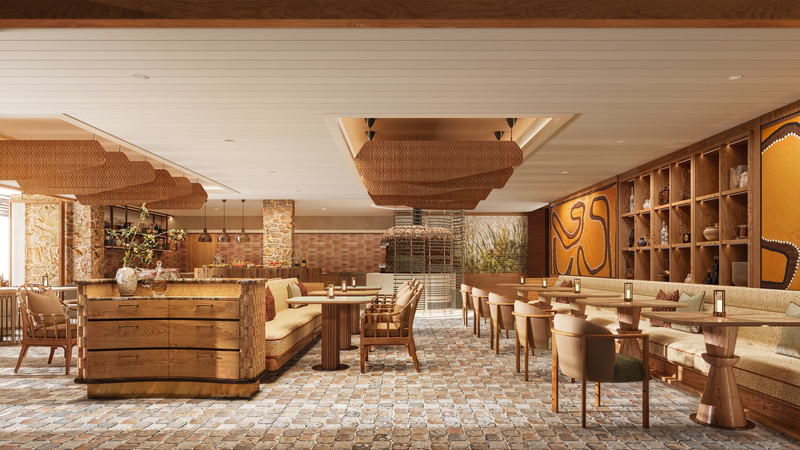
Marriott International Sets the Luxury Agenda for Twenty Twenty-Six Across Asia-Pacific with Landmark Openings from Seoul and Singapore to Australia, India, and Japan

Marriott International Sets the Luxury Agenda for Twenty Twenty-Six Across Asia-Pacific with Landmark Openings from Seoul and Singapore to Australia, India, and Japan
Marriott International

Marriott International is setting the luxury agenda for twenty twenty-six because it is rolling out a carefully timed wave of high-end hotel openings across Asia-Pacific, targeting cities and resort destinations where demand for premium travel is rising fastest. From design-led urban flagships in Seoul and Singapore to immersive nature retreats in Australia, and new luxury addresses in India and Japan, the group is using scale, brand depth, and location strategy to lock in its leadership as the region’s most influential luxury hospitality player.

Marriott International’s Luxury Group is opening twenty twenty-six with a strong statement across Asia-Pacific outside China, marked by two standout hotel launches that set the tone for the year ahead. In South Korea, L’Escape, a Luxury Collection Hotel Seoul, Myeongdong has made its debut, bringing Belle Époque–inspired elegance to one of Seoul’s most energetic districts. Meanwhile, in Singapore, Frasers House, a Luxury Collection Hotel has begun welcoming travelers in the historic Bugis area, blending heritage character with refined modern luxury.

The expansion story continues as the year unfolds, with three high-profile openings lined up across the region. Australia will see the brand’s first global lodge concept with Emirates Wolgan Valley, a Ritz-Carlton Lodge, set within the Greater Blue Mountains World Heritage landscape, promising a deeply immersive nature-led escape. In India, JW Marriott Ranthambore Resort & Spa is poised to reshape luxury in the wilderness, drawing on the spirit of the jungle and the romance of the wild. Completing the trio, Japan will welcome HOTEL THE MITSUI HAKONE, a Luxury Collection Hotel & Spa, an understated mountain retreat designed for travelers seeking calm, craftsmanship, and scenic beauty.

Together, these openings highlight Marriott International’s push to redefine luxury travel in Asia-Pacific through distinctive destinations, strong design narratives, and experiences that go beyond the traditional city hotel.

“We are tremendously excited about this year’s lineup of new luxury openings across Asia Pacific. Among these milestones is the global debut of the Ritz‑Carlton Lodge, which underscores the continued growth and diversification of our Luxury Group portfolio,” says Oriol Montal, Regional Vice President, Luxury, Asia Pacific excluding China, Marriott International. “Insights from our latest luxury travel trends report, The Intentional Traveler, reveal that today’s affluent explorers are seeking deeper, more meaningful connections with the natural world. Notably, 92% cite proximity to nature as a top priority and nearly one-third are planning wildlife or safari-inspired journeys in the year ahead. Our three luxury openings in 2026 directly reflect this growing desire for immersive, nature‑anchored experiences, each offering unparalleled access to some of the region’s most extraordinary destinations.”

L’Escape, a Luxury Collection Hotel Seoul, Myeongdong, opened on 29 December 2025 with a clear intention: to introduce a different rhythm of luxury into one of Asia’s busiest capitals. Set in the heart of Myeongdong, a district defined by retail crowds, historic churches, and fast-moving city life, the hotel positions itself as a deliberate contrast. Step inside, and the tempo slows, the mood shifts, and Seoul briefly feels like nineteenth-century Paris.

The hotel’s identity is shaped by Belle Époque France, brought to life through the vision of French designer Jacques Garcia. The interiors lean heavily into symmetry, ornate floral motifs, antique-inspired furniture, and layered textures that feel theatrical without tipping into excess. It is a carefully staged world, one that feels intimate rather than imposing, offering a sense of escapism that feels rare in a city known for speed and efficiency.

L’Escape houses 204 rooms and suites, each designed to blend classical elegance with modern expectations. While the aesthetic looks backward, the experience does not. Smart technology, contemporary bathrooms, and functional layouts ensure the hotel works smoothly for today’s traveller. The result is a property that feels atmospheric but practical, appealing equally to international visitors and Seoul-based guests seeking a refined urban retreat.

Location plays a critical role in the hotel’s appeal. From the front door, guests can walk to Myeongdong Cathedral, take in city views from N Seoul Tower, or explore the preserved streets of Bukchon Hanok Village. The surrounding transport network makes it easy to move across Seoul, placing cultural landmarks, business districts, and nightlife all within easy reach. L’Escape does not isolate guests from the city; it frames it.

Food and drink form a central pillar of the experience. The hotel features French fine dining, refined Chinese cuisine, and a rooftop bar overlooking the Seoul skyline. Each venue reflects the hotel’s European inspiration while remaining connected to contemporary dining culture. These spaces are designed not just for guests but for the city itself, reinforcing the hotel’s role as part of Seoul’s social landscape rather than a sealed-off luxury enclave.

To ground its European influence locally, L’Escape introduces Destination Discovery programs that highlight Korean heritage and cultural narratives. These curated experiences move beyond surface-level sightseeing, offering guests a deeper understanding of Seoul’s history, traditions, and creative energy. It is an effort to ensure the hotel does not feel imported, but integrated.

L’Escape’s opening is part of a wider shift unfolding across the luxury hospitality sector in Asia and beyond. The next generation of high-end hotels is no longer focused solely on scale or spectacle. Instead, the emphasis is on place, storytelling, and emotional connection. Luxury travellers increasingly seek experiences that feel rooted, thoughtful, and reflective of their surroundings.

This trend is evident across upcoming openings in 2026, from heritage-driven city hotels to nature-immersed lodges and culturally grounded retreats. Whether in dense urban centres or remote landscapes, luxury is being redefined as something more personal and meaningful. Hotels are positioning themselves as gateways to culture rather than symbols of distance from it.

In this context, L’Escape stands as an early signal of where the industry is heading. By blending French artistic influence with Korean hospitality and urban energy, the hotel reflects Seoul’s growing confidence as a global city with its own voice. It shows that luxury today is less about excess and more about intention.

Marriott International is setting the luxury agenda for twenty twenty-six by accelerating a bold expansion of high-end hotels across Asia-Pacific at a time when premium travel demand is surging. New landmark openings in Seoul and Singapore anchor its city strategy, while resort-style and experiential properties in Australia, India, and Japan broaden its reach. Together, these projects show how Marriott is using location, design, and brand power to shape where and how luxury travellers will stay next year.

As travellers become more selective about where and how they stay, properties like L’Escape suggest that the future of luxury lies in atmosphere, narrative, and connection. In a city that never seems to pause, L’Escape offers a carefully crafted moment of stillness, without ever losing sight of where it stands.

The post Marriott International Sets the Luxury Agenda for Twenty Twenty-Six Across Asia-Pacific with Landmark Openings from Seoul and Singapore to Australia, India, and Japan appeared first on Travel And Tour World.

Higatangan Island’s Stunning Beauty and Rich Culture May Be Featured in Ponant’s 2027-2028 Luxury Cruise Season, Offering a Sustainable Tourism Boost

Higatangan Island’s Stunning Beauty and Rich Culture May Be Featured in Ponant’s 2027-2028 Luxury Cruise Season, Offering a Sustainable Tourism Boost

Higatangan Island, a hidden gem in the Philippines, is being considered for inclusion in Ponant’s 2027-2028 luxury cruise season, thanks to its stunning natural beauty and rich cultural heritage. The island’s pristine beaches, crystal-clear waters, and lush landscapes make it a perfect fit for luxury travelers seeking authentic, off-the-beaten-path destinations. But beyond its scenic allure, the potential inclusion also promises to boost sustainable tourism in the region. Local stakeholders are eager to ensure that the influx of visitors through Ponant’s cruises is managed responsibly, promoting eco-friendly practices and preserving the island’s unique culture and environment for future generations. This carefully planned integration of tourism and conservation could set Higatangan Island on a path to becoming a model for sustainable travel in the Philippines.

The team visited various parts of Higatangan Island to explore its infrastructure, natural beauty, and cultural offerings, which play a significant role in the island’s appeal. The site visit also aimed to assess the readiness of the island’s ports and facilities to accommodate large cruise ships, ensuring a seamless and enjoyable experience for future passengers. Throughout the assessment, the team expressed their admiration for Higatangan’s pristine natural environment, which includes untouched beaches, lush forests, and crystal-clear waters that appeal to those seeking a genuine island escape. The island’s remote location allows it to offer a peaceful retreat, far from the hustle and bustle of more well-known tourist destinations.

During their tour, the visitors were also struck by the island’s picturesque coastal landscapes. From serene beaches to rugged cliffs, the island offers a diverse range of scenic spots that would captivate both nature lovers and photography enthusiasts alike. The island’s vibrant ecosystem, which includes colorful coral reefs and thriving marine life, further enhances its allure, making it an ideal destination for cruise passengers seeking both relaxation and adventure.

In addition to the natural beauty of Higatangan Island, the team was impressed by its rich cultural offerings. The island is home to a close-knit community with a strong connection to its traditions and heritage. Local residents have preserved a way of life that reflects the island’s deep history, and visitors will be able to engage with the community through cultural activities, traditional arts, and local cuisine. For cruise passengers, this creates an immersive travel experience that combines the pleasures of nature with the warmth of authentic local culture.

Local stakeholders, including tourism operators and community leaders, have expressed optimism about the island’s potential inclusion in Ponant’s cruise season. The island’s residents and businesses are eager to showcase Higatangan’s distinctive features and welcome international visitors, but they are also keen to preserve its natural and cultural heritage in the face of potential tourism growth. There is a growing sentiment among the local community that inclusion in the Ponant cruise itinerary could boost the island’s tourism sector, providing new economic opportunities while promoting sustainable practices to ensure that the island’s natural resources remain protected for future generations.

One of the key concerns raised by local stakeholders is the importance of sustainable tourism practices. While the prospect of increased tourism is exciting, there is a shared commitment to ensuring that the growth of the tourism industry on the island is managed responsibly. Local leaders are eager to collaborate with Ponant and other cruise lines to develop tourism initiatives that will benefit the community while ensuring minimal impact on the environment. With its unspoiled beaches and thriving ecosystems, Higatangan is uniquely positioned to capitalize on the growing trend of eco-tourism, which focuses on preserving the natural environment while providing educational and enriching experiences for travelers.

The opportunity to showcase Higatangan Island to international cruise travelers is not just an economic boon for the region, but also an opportunity to highlight the importance of preserving cultural heritage. By engaging with local communities and supporting sustainable tourism efforts, the island could become a leading example of how cruise tourism can support both local economies and environmental conservation.

Before the Ponant assessment, Higatangan Island had already welcomed its first international cruise ship. The Australian cruise ship MV Coral Geographer docked at the island on December 12th, 2025, bringing 80 guests for a memorable visit. The passengers enjoyed a unique and immersive cultural experience, learning about the local way of life and experiencing the island’s natural beauty. The visit highlighted the potential for future cruises to provide both adventure and cultural immersion, aligning perfectly with the rising demand for meaningful travel experiences that go beyond the traditional beach holiday.

As Higatangan Island continues to make its mark as a rising cruise destination, the island’s future looks promising. The combination of its untouched beauty, rich cultural offerings, and commitment to sustainable tourism practices makes it a prime candidate for the 2027-2028 Ponant cruise season. The next steps will involve further collaboration between local stakeholders, cruise lines, and tourism experts to ensure that the island’s unique charm remains intact as it opens its doors to the world. With the right balance of tourism growth and environmental preservation, Higatangan Island could soon be one of the most sought-after cruise destinations in the Philippines, attracting travelers from around the globe who are looking for a truly authentic experience.

The post Higatangan Island’s Stunning Beauty and Rich Culture May Be Featured in Ponant’s 2027-2028 Luxury Cruise Season, Offering a Sustainable Tourism Boost appeared first on Travel And Tour World.

RIU Palace Swahili Opens in Zanzibar, Strengthening their Hospitality Growth, Luxury Tourism and High-Value Travel Demand Across the Indian Ocean

RIU Palace Swahili Opens in Zanzibar, Strengthening their Hospitality Growth, Luxury Tourism and High-Value Travel Demand Across the Indian Ocean

With a root in Spanish hospitality, RIU Hotels & Resorts opens its third property in Tanzania, the adults-only “Riu Palace Swahili.” The five-star property recently opened its doors in October 2023, making it the third RIU in Tanzania, and the 1st in Zanzibar, with the hopes of sky-rocketing the hospitality market in Nungwi. RIU proudly boasts the property stands to increase luxury tourism on the Tanzanian mainland and increase investment in the rapidly growing market of Zanzibar.

The Zanzibar property is to echo the Riu brand. Guests can expect to be catered to in a luxury hotel with the premium hotel stay experience, and the additional curated experience adults-only travel. The investment across Africa is a direct reflection in the growing hospitality brand of Riu. Africa is now on the progressive map as a premium investment.

Expanding High-End Room Supply to Meet Rising Demand

With 505 modern rooms, Riu Palace Swahili significantly expands Zanzibar’s high-quality accommodation inventory. Each room is designed to meet international luxury standards, combining contemporary style, comfort, and functionality to appeal to long-haul leisure travellers, honeymooners, and premium holidaymakers.

The scale of the resort supports higher visitor volumes while maintaining service quality, an essential balance for sustainable hospitality growth. Increased room supply at the luxury level allows Zanzibar to capture higher per-guest spending, reduce seasonality pressure, and strengthen average daily rates across the destination.

Elite Club Introduces Tiered Luxury Hospitality

A major milestone for hospitality development in the region is the introduction of RIU’s Elite Club service in Zanzibar for the first time. This premium tier includes 76 exclusive rooms, with private pools and prime sea views, offering a differentiated product for guests seeking privacy and elevated service.

Elite Club benefits such as private dining, reserved beach areas, personalised check-in, and premium lounges reflect a tiered hospitality model increasingly favoured in mature resort markets. This structure enables hotels to attract higher-yield guests while enhancing operational efficiency and long-term profitability, reinforcing hospitality sector resilience.

Experiential Concepts Drive Hotel-Led Tourism Growth

With the opening of Riu Palace Swahili, RIU Party debuts in Tanzania, adding an experiential layer to the hospitality offering. Hosted weekly at Riu Jambo and open to guests across RIU’s three Zanzibar hotels, the concept blends entertainment, social engagement, and branded experiences.

Experiential hospitality is a key growth driver in modern tourism, influencing booking decisions and guest satisfaction. By embedding entertainment into its resort ecosystem, RIU increases length of stay, repeat visitation, and cross-property engagement, strengthening Zanzibar’s appeal as a dynamic leisure destination.

Culinary Excellence Enhances Hotel Competitiveness

Dining plays a central role in the resort’s 24-hour All Inclusive model, a format that continues to gain traction in high-end hospitality. Multiple restaurants—including fusion, Italian, Mediterranean, and steakhouse concepts—allow guests to enjoy diverse culinary experiences without leaving the resort.

This breadth of dining enhances guest satisfaction while supporting efficient hotel operations. From a hospitality growth perspective, strong food and beverage offerings increase on-property spend and reinforce brand loyalty, critical metrics for resort success.

Wellness and Active Experiences Broaden Hospitality Appeal

The resort integrates wellness tourism and active leisure, two rapidly expanding segments within global hospitality. The Renova Spa caters to travellers seeking relaxation and rejuvenation, while access to water sports and daily activity programmes appeals to active and experiential travellers.

This diversified offering allows the resort to attract a broader guest profile and adapt to shifting travel preferences, increasing resilience against market fluctuations and supporting long-term hospitality growth.

Strengthening Zanzibar’s Hotel Ecosystem

RIU’s expanded presence—now comprising Riu Palace Swahili, Riu Palace Zanzibar, and Riu Jambo—creates a multi-brand hospitality ecosystem in Nungwi. This clustering enhances destination appeal, supports workforce development, and encourages supply chain growth across food, maintenance, logistics, and services.

Large international hotel groups play a crucial role in raising service standards, introducing global best practices, and building local hospitality talent. RIU’s sustained investment since 2018 highlights Zanzibar’s maturation as a hospitality investment destination.

Economic Impact and Workforce Development

Hospitality growth driven by high-end resorts delivers tangible economic benefits, including job creation, skills training, and career pathways for local communities. Resorts of this scale require a wide range of roles across operations, culinary services, wellness, entertainment, and management, contributing to inclusive economic development.

Increased visitor spending also benefits local transport providers, tour operators, artisans, and suppliers, amplifying the economic impact beyond the hotel sector itself.

Positioning Zanzibar as a Luxury Hospitality Hub

The opening of Riu Palace Swahili further cements Zanzibar’s positioning as a luxury hospitality business and travel destination in the Indian Ocean and Africa. The island, with the appropriate hospitality investments, is well-positioned to rapidly capture growing demand with target offerings as travel and tourism continue to accelerate, especially in Adults Only luxury all-inclusive resorts with an experiential component.

By adding new service levels and enhancing guest experiences, RIU Hotels and Resorts is helping to expand Zanzibar’s hospitality growth model and premium service offerings to elevate the destination’s long-term economic resilience and sustainable tourism in Tanzania.

Image Source: RIU

The post RIU Palace Swahili Opens in Zanzibar, Strengthening their Hospitality Growth, Luxury Tourism and High-Value Travel Demand Across the Indian Ocean appeared first on Travel And Tour World.

Northern Jet Expands Fleet to Meet Growing Demand for Private Aviation, Everything You Need to Know

Northern Jet Expands Fleet to Meet Growing Demand for Private Aviation, Everything You Need to Know

Northern Jet ended the year 2025 on a positive note, which symbolized a year of strong performance and an increasing number of clients. The company was able to close several aircraft deals, induct new aircraft, and experience growth in the number of managed owner clients. Throughout the year, Northern Jet made it a point to improve its infrastructure and ensure that new and existing clients experienced the best possible service.

Fleet Expansion: Strengthening Operational Capacity

Northern Jet’s continued fleet expansion in 2025 was a key driver of its successful year. The company added several new aircraft to its fleet, improving its operational capacity and ensuring that it could meet the rising demand from private aviation travelers. The new aircraft added include:

  • Challenger 300
  • Learjet 75
  • Pilatus PC-12
  • Challenger 350
  • Citation Sovereign
  • Gulfstream G550
  • Eurocopter EC120

These aircraft additions were part of the company’s strategy to offer a diverse range of options to meet the needs of private aviation clients, from those seeking short regional flights to those requiring longer international trips. Northern Jet ensured that each new addition went through a detailed conformity process, guaranteeing that all new aircraft were up to the high standards of operational excellence the company is known for. The seamless onboarding of these aircraft supported the company’s ability to meet growing demand for its services.

Impact on Travel and Tourism

The expansion of Northern Jet’s fleet has had a significant impact on private air travel, providing both business and leisure travelers with increased flexibility, comfort, and convenience. The addition of high-performance aircraft, such as the Gulfstream G550 and the Challenger 350, positions Northern Jet as a major player in the private aviation sector, catering to a wide range of travel needs.

For business executives, entrepreneurs, and high-net-worth individuals, Northern Jet offers an unmatched level of service and convenience. With faster flight times, direct access to more airports, and the ability to avoid long commercial airport queues, private aviation enhances productivity and ensures a higher-quality travel experience. For tourists, especially those visiting destinations that may not be easily accessible via commercial flights, Northern Jet provides a luxury solution, reducing travel time and offering personalized itineraries that meet the specific needs of each traveler.

As more tourists and business travelers opt for private aviation, companies like Northern Jet that offer an expanded fleet of modern, high-quality aircraft are increasingly becoming the go-to choice for high-end travelers. Their ability to provide tailored services for every client—from airport transfers to bespoke flight itineraries—has made private aviation a highly attractive option for those seeking exclusive and efficient travel solutions.

Strengthening Client Relationships and Service Offerings

A notable feature of Northern Jet’s growth in 2025 was the continued rise in referral activity. The company’s managed aircraft, jet card, and fractional programs all saw an uptick in new customers, many of whom were referred by existing clients. This level of referral activity highlights the company’s commitment to delivering high-quality service and building long-term relationships with its clientele.

Northern Jet’s reputation for reliability and professionalism is a testament to the consistency and quality of the services it offers. The company’s fleet, consisting of state-of-the-art aircraft, ensures that all clients have access to the best in comfort, safety, and convenience. Whether clients are using the jet card program or owning a fractional share of an aircraft, Northern Jet’s services are designed to meet the needs of every type of traveler, whether they are booking a one-off flight or using private aviation as a regular travel solution.

As the demand for private air travel continues to grow, Northern Jet’s focus on maintaining high operational standards while offering personalized service positions it well for continued success in the years ahead. The company’s ongoing investments in its people, aircraft, and systems will help it meet the increasing needs of both new and existing clients.

Looking Ahead to 2026: Expanding Capabilities and Client Services

Entering 2026, Northern Jet is poised to continue its growth trajectory, with a focus on further expanding its fleet and service offerings. The company remains dedicated to delivering personalized private aviation solutions, ensuring that every client receives the highest level of service tailored to their unique needs. As the private aviation market grows, Northern Jet will continue to adapt, investing in its infrastructure and operations to keep pace with demand.

By expanding its fleet and maintaining high standards of service, Northern Jet will be able to meet the evolving travel needs of business executives, corporate clients, and high-net-worth individuals. The company’s focus on personalized, customer-focused solutions, along with its ongoing fleet development, makes it well-positioned to remain a leading provider of private aviation services in the years to come.

Northern Jet’s Role in the Private Aviation Industry

Northern Jet’s strong performance in 2025, marked by fleet growth, aircraft transactions, and a continued focus on customer satisfaction, positions the company as a key player in the private aviation sector. The expanding fleet and increasing client base demonstrate that Northern Jet is not only meeting the growing demand for private air travel but also setting the standard for excellence in the industry. As it enters 2026, the company remains committed to delivering exceptional services to clients while continuing to invest in its fleet, people, and systems to support the evolving needs of the private aviation market.

The post Northern Jet Expands Fleet to Meet Growing Demand for Private Aviation, Everything You Need to Know appeared first on Travel And Tour World.

Luxury, Innovation, and Sustainability: Mường Thanh Group Sets the Stage for a New Era in Vietnam’s Hospitality Industry

Luxury, Innovation, and Sustainability: Mường Thanh Group Sets the Stage for a New Era in Vietnam’s Hospitality Industry

Mường Thanh Group, one of Vietnam’s premier hotel chains, continues its rapid growth trajectory under the leadership of Đàm Thận Tiệp, the Deputy Director of Sales at Mường Thanh Group. The company is further solidifying its position as a key player in Vietnam’s tourism and hospitality industry. With a strategic focus on luxury properties, Mường Thanh Group aims to cater to the growing demand for high-end tourism, while also making strides in sustainability and technological innovation. Spanning from Cao Bằng in the north to Cà Mau in the south, the group’s expanding presence is set to redefine luxury stays and large-scale events in Vietnam’s burgeoning tourism sector.

Broad National Reach and Luxury Hotel Development

Mường Thanh Group’s extensive network of hotels covers all regions of Vietnam, making it one of the most widespread chains in the country. The group’s strategic focus is on luxury properties, particularly in five-star segments, situated in prime tourist destinations and developing resort areas. This commitment to quality is reflected in the growing portfolio of hotels in both established and emerging locations.

Key new developments are planned for major Vietnamese cities such as Ho Chi Minh City, Hanoi, and coastal destinations like Cửa Lò, alongside heritage sites like Ninh Bình. These developments cater to the increasing demand for luxury tourism and are expected to enhance Vietnam’s appeal as a global destination. The group’s emphasis on prime locations ensures that guests have access to top-tier accommodations, whether visiting for leisure, business, or both.

MICE Tourism at the Heart of Mường Thanh’s Strategy

In addition to its focus on luxury tourism, Mường Thanh Group is also positioning itself as a leader in the Meetings, Incentives, Conferences, and Exhibitions (MICE) market. The group operates 66 hotels across Vietnam, each equipped with state-of-the-art conference facilities. With venues that can host up to 1,500 people, Mường Thanh Group is well-equipped to handle large-scale corporate events, government meetings, and international conferences.

This focus on MICE tourism is part of a broader effort to attract high-profile international events and foster economic growth through tourism. Mường Thanh Group’s advanced infrastructure, including column-free halls and modern sound equipment, makes it a preferred venue for large gatherings. The company’s ability to host significant events also gives it a competitive edge in the tourism market, drawing both corporate clients and international visitors to Vietnam.

Strategic Partnerships Boosting Global Reach

Mường Thanh Group’s collaboration with some of the biggest names in the travel industry has helped the group expand its market reach both domestically and internationally. The chain has formed strategic partnerships with prominent travel agencies and online travel platforms, including Saigon Tourism, Vietravel, Vietnam Airlines, and OTAs like Booking.com, Agoda, and Expedia. These partnerships are key to enhancing distribution, ensuring that Mường Thanh Group’s offerings are accessible to both local and global travelers.

Through these collaborations, Mường Thanh Group is also engaging with new partners at major tourism exhibitions, including ITC Ho Chi Minh, to further extend its market influence. These efforts highlight Mường Thanh Group’s strategy to leverage technology and advertising to strengthen its position in the competitive hospitality market.

Sustainable Practices and Innovation in Hospitality

Environmental sustainability is another cornerstone of Mường Thanh Group’s business model. The group is committed to developing “green hotels” that align with national initiatives to promote eco-friendly tourism. This includes phasing out single-use plastics in hotel operations and incorporating eco-friendly practices by 2026. Mường Thanh Group is also implementing advanced technologies, such as Face ID for contactless check-ins, which not only enhances the guest experience but also contributes to reducing waste and improving efficiency.

The adoption of AI technologies to streamline hotel operations is another aspect of Mường Thanh Group’s forward-thinking approach. By integrating artificial intelligence in its day-to-day operations, the group aims to provide superior service while maintaining a sustainable and innovative environment for guests.

Expanding Vietnam’s Tourism Appeal

As Mường Thanh Group continues to expand and innovate, it is playing a crucial role in shaping the future of Vietnam’s tourism landscape. The group’s focus on luxury accommodations, cutting-edge conference facilities, and strategic partnerships positions it to capitalize on the growing demand for high-end tourism and large-scale events. Moreover, its commitment to sustainability and technological advancements ensures that Mường Thanh Group remains at the forefront of the hospitality industry.

The group’s ongoing expansion, particularly in high-demand destinations across the country, underscores Vietnam’s potential as a global tourism hub. With Mường Thanh Group’s focus on luxury, MICE tourism, and sustainable practices, the future of Vietnam’s tourism industry looks bright, attracting both international visitors and high-profile events to the country.

Conclusion

Mường Thanh Group’s ambitious growth plans are a testament to the evolving tourism sector in Vietnam. As the company enhances its offerings in luxury hospitality, MICE tourism, and sustainability, it plays a pivotal role in elevating the nation’s appeal to travelers worldwide. With its growing network, strategic partnerships, and technological innovations, Mường Thanh Group is setting new standards for tourism and hospitality in Vietnam in an interview with TTW.

The post Luxury, Innovation, and Sustainability: Mường Thanh Group Sets the Stage for a New Era in Vietnam’s Hospitality Industry appeared first on Travel And Tour World.
❌