
Reading view

Thailand’s 2026 Tourism Revolution: Exclusive Luxury, Wellness, and Hidden Gems That Will Redefine Your Travel Experience!

Thailand’s 2026 Tourism Revolution: Exclusive Luxury, Wellness, and Hidden Gems That Will Redefine Your Travel Experience!

The Tourism Authority of Thailand (TAT) has unveiled its ambitious new initiative, the “Tourism Product Highlight 2026,” aimed at elevating the quality of tourism offerings in the country. With a targeted revenue goal of 3 trillion baht by 2026, this strategic move is set to reshape Thailand’s tourism industry by aligning it with modern global travel trends, focusing on wellbeing, life balance, and meaningful travel experiences.

Enhancing Thailand’s Tourism Industry Through Value-Driven Products

Thapanee Kiatphaibool, the Governor of TAT, expressed the agency’s commitment to enhancing the quality of Thailand’s tourism products, which will be key to the industry’s sustainable growth. This effort is underpinned by a three-pillar strategy: creating deeper, more meaningful travel experiences, fostering strong connections with local communities and cultures, and upgrading tourism operators through various certification programs to ensure they meet international standards.

The ultimate goal of this initiative is to offer tourists more than just a trip to Thailand—it aims to deliver memorable, high-value experiences that not only enrich travelers but also benefit local communities. TAT believes that by offering products that align with modern lifestyle needs and focusing on sustainable and responsible travel, they will not only meet the growing demand for wellbeing and meaningful journeys but also help drive Thailand’s tourism revenue to new heights.

Highlighting Thailand’s Diverse Tourism Potential for 2026

As part of the Tourism Product Highlight 2026, TAT has rolled out several exciting tourism products that tap into diverse market segments. These new offerings showcase Thailand’s rich cultural heritage, natural beauty, and world-class hospitality while appealing to luxury travelers, adventurers, and those seeking wellness or meaningful cultural experiences.

1. Luxury Voyage Thailand

Thailand is stepping up its game in the luxury travel sector with offerings like classic car tours, private jet charters, helicopter tours, yacht charters, and diving liveaboards. The Luxury Voyage Thailand package is designed to provide high-end experiences combined with sustainability, targeting premium luxury travelers who seek both indulgence and responsible travel. These exclusive experiences will allow visitors to immerse themselves in Thailand’s natural wonders while traveling in style and comfort.

2. Romance in Thailand

For couples looking to escape to an idyllic, romantic getaway, TAT has crafted “Romance in Thailand” experiences. This includes luxurious cruise packages like the “Suriyan Chantra”, where couples can enjoy traditional Thai attire, exquisite cuisine, and breathtaking views in Phra Nakhon Si Ayutthaya. By blending natural beauty with world-class services, these routes are designed to attract high-income travelers seeking a romantic escape.

3. From Dusk till Dawn

Thailand’s appeal isn’t just limited to daytime attractions. The From Dusk till Dawn initiative offers 60 unique nighttime destinations, where travelers can enjoy experiences that go beyond the typical sunrise-to-sunset routine. Locations such as Phu Hin Rong Kla National Park and Na Satta Thai Park will showcase the country’s nocturnal natural ambience, making it perfect for travelers who want to explore Thailand’s beauty under the stars.

4. Thai Craft Destination

For those interested in eco-friendly tourism and craftsmanship, the Thai Craft Destination offers experience-based routes that highlight local ingredients and artisan craftsmanship. Visitors can explore the “Caffeine Route” in Chiang Mai or the “Fresh Fruity Route” in Chanthaburi, diving deep into Thailand’s local food culture and enjoying sustainable, handcrafted experiences.

5. Local Experience Routes

These routes aim to connect visitors with Thailand’s vibrant local communities through authentic cultural interactions. Programs like TOUCH EXPERIENCE in Chiang Mai and Udon Thani are designed to offer travelers a true sense of local lifestyles, showcasing the cultural richness of Thailand’s diverse regions. This initiative fosters meaningful connections between tourists and locals while supporting sustainable community development.

6. Worth-Life Balance: Wellness Travel in Thailand

Thailand has long been associated with wellbeing, and the Worth-Life Balance experience emphasizes physical and mental wellness. THE BARAI in Hua Hin and KLAI Spa in Bangkok are examples of destinations that focus on holistic wellness, offering serene environments where travelers can relax, recharge, and focus on life balance. These experiences cater to the growing demand for wellness-focused travel.

7. UNESCO Thailand: Cultural Exploration

Thailand is also tapping into its status as a UNESCO Creative City with seven unique routes connecting creative cities under the UNESCO Creative Cities network. The Chiang Mai route, known for its crafts and folk arts, is an example of how Thailand is leveraging its cultural heritage to attract travelers seeking authentic, enriching experiences.

8. Krabi Prototype: Nature and Culture Combined

The Krabi Prototype is a creative tourism model that combines nature, culture, and lifestyle activities to match modern travelers’ needs. Krabi’s unique blend of stunning landscapes, rich cultural heritage, and nature-based activities presents an immersive experience for visitors.

9. Rail Rover Thailand

For those who enjoy slow travel, Rail Rover Thailand offers 10 scenic rail-tourism routes that encourage tourists to take their time and explore Thailand’s landscapes and local communities. The “Taste Track” from Bangkok to Songkhla offers an excellent example, where travelers can explore regional food cultures along the way.

TAT’s Commitment to Raising Standards with TAT Certified

Alongside promoting these exciting new tourism products, TAT is committed to enhancing the quality of tourism operators through the TAT Certified program. This initiative is designed to ensure that tourism providers in Thailand adhere to international standards in sustainability and safety, building confidence among tourists. TAT is also pushing for the Sustainable Tourism Acceleration Rating (STGs STAR) program and the Thailand Tourism Awards (also known as the Kinnaree Awards) to recognize excellence in the tourism industry.

Towards a 3 Trillion Baht Tourism Industry in 2026

TAT’s ultimate goal is to drive Thailand’s tourism revenue to a target of 3 trillion baht by 2026. By elevating the country’s tourism offerings through innovative, value-driven products that cater to both modern and traditional travelers, Thailand is positioning itself as a global leader in sustainable, high-quality travel experiences. With the launch of these exciting tourism products and ongoing efforts to improve safety, quality, and sustainability, Thailand’s tourism sector is on track for a bright future, welcoming more visitors from around the world.

The post Thailand’s 2026 Tourism Revolution: Exclusive Luxury, Wellness, and Hidden Gems That Will Redefine Your Travel Experience! appeared first on Travel And Tour World.

United States Joins Canada in Expanding Connectivity: American Airlines Adds Nonstop Flights Between New York and Calgary, Quebec City

United States Joins Canada in Expanding Connectivity: American Airlines Adds Nonstop Flights Between New York and Calgary, Quebec City
American Airlines

American Airlines is expanding its U.S.–Canada network by introducing new nonstop flights between New York, USA, and two key Canadian destinations: Quebec City and Calgary. Starting in summer 2026, these new services will offer travelers direct access between the northeastern U.S. and two of Canada’s most prominent cities, enhancing the airline’s presence in the region and providing more travel options for both business and leisure passengers.

What Are the New Routes and Flight Details?

American Airlines will launch daily nonstop flights from John F. Kennedy International Airport (JFK) in New York to Quebec City (YQB) starting August 5, 2026. The service will be operated by a Boeing 737 MAX 8, a state-of-the-art aircraft designed for long-haul routes with enhanced fuel efficiency.

Additionally, a three-times-weekly service will operate from JFK to Calgary (YYC), starting August 6, 2026. This route will be serviced by the Embraer E175, providing an efficient and comfortable option for travelers to access Western Canada’s business and tourism hubs.

Why Are These Routes Important for American Airlines?

The new nonstop services to Quebec City and Calgary represent a strategic expansion for American Airlines, connecting New York to both leisure and business-focused Canadian destinations. Quebec City, with its historic charm and strong French cultural influence, attracts travelers from the U.S. seeking an enriching European-style experience without the transatlantic flight. Calgary, a major center for the energy industry and a gateway to the Canadian Rockies, is seeing increased demand from business travelers and tourists seeking outdoor adventures.

The launch of these routes will not only enhance connectivity for passengers traveling between New York and Canada but will also position American Airlines as a leading airline offering direct links between the U.S. and Canada, complementing its existing service to Toronto.

How Will This Benefit Business and Tourism?

For both business and leisure travel, the nonstop routes will provide added convenience and flexibility for travelers moving between New York and Canada. Calgary, known for its proximity to the Canadian Rockies, is a key destination for visitors interested in outdoor activities, including skiing, hiking, and mountain biking. The new flights will facilitate easier access for tourists visiting Canada’s western landscapes.

Similarly, Quebec City will benefit from increased tourism flows from the U.S., as American tourists will be able to directly access the UNESCO World Heritage-listed Old Quebec district, world-class museums, and a variety of seasonal events.

In terms of business, the Calgary route will help strengthen the commercial ties between the energy-focused economy of Calgary and major U.S. markets, particularly in sectors like oil and gas, technology, and finance. The connection will provide more options for corporate travelers attending conferences or meetings in Western Canada.

How Does This Fit Into American Airlines’ Broader Strategy?

The launch of nonstop flights to Quebec City and Calgary is part of American Airlines’ broader strategy to expand its international footprint and enhance its network in key markets. With the demand for U.S.–Canada air travel continuing to grow, these new routes align with American Airlines’ goal of offering greater connectivity between important markets, particularly in the Northeastern U.S. and Canada.

American Airlines’ partnership with Canada’s national carrier, Air Canada, and its membership in the Star Alliance also supports the airline’s strategy by providing seamless connections for travelers to and from Canada, strengthening its competitive position in the North American market.

What Can Passengers Expect on These New Flights?

Passengers traveling on the new JFK to Quebec City and JFK to Calgary flights can expect a comfortable and enjoyable experience on board American Airlines’ modern aircraft. The Boeing 737 MAX 8 will feature American Airlines’ new Premium Economy cabin, offering additional legroom and an elevated service experience for travelers. Business Class will feature fully flat-bed seating, while Economy Class will provide ample seating and entertainment options.

The Embraer E175 used for the Calgary route is a regional jet with comfortable seating, ideal for shorter-haul travel. Passengers will enjoy personalized service, including complimentary snacks, beverages, and entertainment options.

Both routes will offer connections to American Airlines’ extensive domestic network, making it easy for travelers to reach other destinations across the U.S. and beyond.

What’s Next for American Airlines’ North American Expansion?

The addition of these routes to Quebec City and Calgary further enhances American Airlines’ position in the North American market. The airline continues to explore additional opportunities to expand its network in Canada and other key international markets. By adding more direct connections between New York and Canadian cities, American Airlines aims to meet the growing demand for travel between the U.S. and Canada while maintaining its competitive edge in the global aviation market.

Conclusion: Strengthening U.S.–Canada Connections

American Airlines’ new nonstop flights between New York, USA, and Quebec City and Calgary, Canada, mark an exciting step in expanding air travel options for passengers in both countries. With the introduction of these routes in summer 2026, travelers can look forward to more efficient, comfortable, and convenient connections between the U.S. and Canada.

By offering seamless travel between New York and key Canadian destinations, American Airlines strengthens its commitment to increasing connectivity, supporting business, and enhancing the tourism experience for travelers across North America. These new routes will play a key role in fostering further economic and cultural ties between the U.S. and Canada in the years to come.

The post United States Joins Canada in Expanding Connectivity: American Airlines Adds Nonstop Flights Between New York and Calgary, Quebec City appeared first on Travel And Tour World.

Celestyal Adds New Athens–Jeddah Cruises for November 2026, Strengthening its Cruise Tourism Growth Linking Europe, Red Sea and Arabian Gulf

Celestyal Adds New Athens–Jeddah Cruises for November 2026, Strengthening its Cruise Tourism Growth Linking Europe, Red Sea and Arabian Gulf

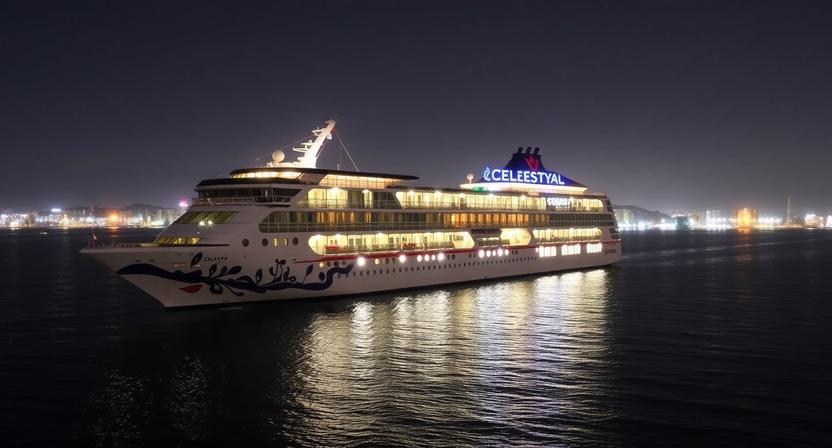
Celestyal is strengthening cruise tourism in the Eastern Mediterranean, Red Sea, and Arabian Gulf by introducing two new repositioning cruises for November 2026. The two new sailings between Athens (Piraeus) and Jeddah are experiencing the demand for November sailings that are longer, multi-destination cruises.

The repositioning cruise sector is being reconceptualized, and no longer seen merely as operational necessities. The new cruises will be the first in the Outer Mediterranean. It is believed they will provide high value tourism with the potential to develop new markets, extend seasons, and diversify the tourism spread.

Athens to Jeddah Cruises Expand Multi-Destination Cruise Demand

The Celestyal Journey will depart Piraeus on November 14, 2026, offering a seven-night itinerary with calls at Port Said and Safaga in Egypt, and Aqaba in Jordan, alongside a full Suez Canal transit. Starting from $789 per person, the cruise is positioned to attract travellers seeking immersive cultural experiences at competitive pricing.

The Celestyal Discovery will follow with an eight-night sailing from Piraeus on November 20, 2026, priced from $909 per person. This itinerary mirrors the Journey’s route while adding a call at Kusadasi, Turkey, opening access to another key embarkation market and expanding cruise tourism reach in the Eastern Mediterranean. These sailings support cruise tourism growth by encouraging longer itineraries, multi-country exploration, and increased passenger spending across ports that benefit from shoulder-season cruise calls.

Repositioning Cruises Become Growth Engines for the Cruise Sector

Celestyal’s expanded repositioning programme highlights how cruise lines are using these voyages to stimulate incremental tourism demand rather than simply relocating ships. By combining iconic destinations with lesser-visited ports, the itineraries appeal to experienced cruisers and culturally curious travellers looking for journeys with depth and narrative.

The inclusion of Egyptian and Jordanian ports, alongside a rare Suez Canal transit, adds experiential value that enhances cruise tourism growth by differentiating these sailings from traditional Mediterranean routes.

Boosting Cruise Tourism in the Red Sea and Eastern Mediterranean

Ports such as Port Said, Safaga, and Aqaba are increasingly central to cruise tourism expansion strategies as destinations seek to diversify beyond peak-season Mediterranean traffic. Cruise calls support local economies through shore excursions, transport services, guides, retail, and hospitality, often delivering outsized benefits in emerging or developing cruise markets.

By routing ships through these destinations, Celestyal contributes to regional cruise tourism development, helping integrate the Red Sea more firmly into global cruise itineraries while spreading tourism flows more evenly.

Demand Signals Strong Cruise Tourism Momentum

Celestyal confirmed that the new sailings build on strong demand for previous Athens–Jeddah voyages, underlining a broader trend in cruise tourism growth toward longer, destination-led journeys. Travelers are increasingly seeking cruises that combine iconic heritage destinations with new cultural experiences, rather than short, repetitive itineraries. This demand supports cruise lines’ willingness to invest in complex, cross-regional routes that generate higher yields and stronger destination partnerships.

Seamless Transition Into a Growing Arabian Gulf Cruise Market

After arriving in Jeddah, both ships will continue to the Arabian Gulf, launching Celestyal’s third consecutive winter season in the region. The Gulf has rapidly emerged as a key growth market for cruise tourism, supported by modern port infrastructure, strong air connectivity, and diversified attractions.

The Celestyal Journey will operate an updated seven-night Desert Days itinerary, sailing roundtrip from Doha with calls at Dubai (overnight), Abu Dhabi, Sir Bani Yas Island, and Bahrain. Overnight stays and extended port calls increase onshore spending and deepen destination engagement, amplifying cruise tourism’s economic impact.

Shorter Cruises Support Cruise Tourism Growth in the Gulf

The Celestyal Discovery will complement this with three-, four-, and seven-night Iconic Arabia cruises, sailing roundtrip from Abu Dhabi and calling at Doha, Khasab, Dubai, Sir Bani Yas Island, and Ras Al Khaimah. Short and mid-length itineraries are vital drivers of cruise tourism growth in the Gulf, attracting first-time cruisers, regional travellers, and fly-cruise guests, while ensuring frequent port calls that benefit local tourism economies.

Cruise Tourism Growth Through Regional Integration

By linking Greece, Turkey, Egypt, Jordan, Saudi Arabia, and Gulf destinations in a single seasonal deployment, Celestyal is reinforcing cruising as a tool for regional tourism integration. These itineraries encourage travellers to experience multiple cultures and landscapes while distributing tourism benefits across a wide network of ports.

Such cross-regional strategies align with national tourism ambitions in the Middle East and Eastern Mediterranean, where cruise tourism is increasingly seen as a catalyst for economic diversification, destination branding, and international visibility.

Cruise Sector Growth Extends Into 2026–27

Added repositioning voyages showcase the positive trend on the growth of global cruise tourism as cruise lines diversify their routes and operating calendars. For Celestyal, it consolidates its niche as an expert in destination-based cruising. For the host destinations, it means an increased, sustained provision of visitor arrivals and exposure to primary source markets.

The Athens–Jeddah sailings are a testament to cruise tourism growth and the new travel patterns it creates, especially between Europe, the Red Sea, and the Arabian Gulf. It also reflects the demand for longer, more experiential journeys that integrate multiple destinations. It will likely drive further travel pattern shifts in the years to come.

The post Celestyal Adds New Athens–Jeddah Cruises for November 2026, Strengthening its Cruise Tourism Growth Linking Europe, Red Sea and Arabian Gulf appeared first on Travel And Tour World.

Vietnam’s Vietjet Soars in 2025 — Robust Revenue Growth & International Flights Boost Travel Options

Vietnam’s Vietjet Soars in 2025 — Robust Revenue Growth & International Flights Boost Travel Options

Vietjet Aviation Joint Stock Company reported a powerful financial performance in 2025, led by a 47 % year‑on‑year revenue increase in the fourth quarter and substantial expansion of its flight network. Financial statements show consolidated full‑year revenue of about VND 82.093 trillion (approx. US $3.16 billion) alongside profit growth, driven by wider global route coverage and lower fuel costs. The airline operated 153,000 flights in 2025, carrying 28.2 million passengers across 254 routes including 202 international connections — underlining rising demand for affordable air travel and enhancing Vietnam’s role in global aviation.

Vietnam’s home‑grown low‑cost airline Vietjet Aviation Joint Stock Company (HOSE: VJC) marked an exceptional 2025 business year, posting strong financial results and delivering significant global network expansion, according to recently released financial data. In the fourth quarter of 2025 alone, Vietjet’s revenue soared by 47 % year‑on‑year, reflecting resilient demand for both leisure and business travel across Asia and beyond.

The carrier’s performance underscores its operational strengths — especially its strategic expansion into new markets, aggressive route launches, and continued enhancement of international connectivity. This has broader implications for travellers, notably more choices, better pricing, and improved access to global destinations from key hubs like Ho Chi Minh City, Hanoi and other Asian gateway airports.

VIBRANT FINANCIAL PERFORMANCE

In 2025, Vietjet recorded consolidated revenue of approximately VND 82.093 trillion (around US $3.16 billion) and a separate gross profit of VND 8.213 trillion (~US $316 million). The airline’s net profit rose, exceeding its annual target and supporting ongoing growth strategies.

Full‑year financial statements show profit before tax and after tax grew by more than 40 % and 50 % respectively, compared with 2024, while consolidated assets and liquidity ratios remained strong — signs of resilient fundamentals amid challenging global aviation markets.

In Q4/2025, Vietjet carried more than 6.7 million passengers on 36,100 flights, contributing to its overall 28.2 million passenger total for the year — an increase of about 9 % over 2024.

EXPANDED GLOBAL NETWORK

A key driver of Vietjet’s growth has been network expansion. In 2025 the airline operated 254 routes, including 52 domestic and 202 international connections, launching 22 new routes to strategic markets such as Russia, Central Asia and China.

The wide reach has seen the carrier strengthen connections across Asia, while also enhancing links to major travel markets — giving travellers more choices and direct access to destinations including Beijing, Guangzhou, Manila and beyond.

This expansion reflects a broader trend of Vietnamese carriers opening new avenues for tourism, trade and cultural exchange — positioning Vietnam as a regional aviation hub.

TRAVEL ADVANTAGES — WHAT THIS MEANS FOR PASSENGERS

✔ More Flight Options & Connectivity

Travelers benefit from new international services and more direct routes — reducing layovers, travel times and making global travel easier from Vietnam and Southeast Asia.

✔ Improved Pricing Through Competition

As Vietjet expands its footprint, travellers can expect competitive airfare pricing and promotional ticket sales, especially on long‑haul or high‑demand routes.

✔ Enhanced Regional Tourism Access

Visitors to Vietnam and Asia now enjoy more choices for regional city pairs, promoting tourism growth — from beach holidays to cultural city breaks and business journeys.

✔ Broader Global Reach

With expanded services to Central Asia and China, passengers can connect more seamlessly with wider travel networks, opening up new travel markets and flexible multi‑destination holiday planning.

✔ Strengthened Aviation Infrastructure

As Vietjet grows, its investment in fleet and operations also supports wider aviation industry capabilities in Vietnam, including workforce training and digital systems that can benefit service reliability.

DISADVANTAGES & TRAVELLERS’ CONCERNS

Capacity Congestion at Major Hubs

Rapid traveler uptake could strain airport facilities and lead to congestion at peak times if infrastructure doesn’t keep pace with network growth.

Service Variability on New Routes

Emerging routes may not see daily service or benefit from full onboard amenities initially — meaning availability or comfort levels might vary depending on aircraft type and market demand.

Fuel Price Uncertainty

While lower fuel costs supported 2025 profits, potential future volatility in global fuel markets can influence ticket pricing and airline cost structures — which may indirectly affect travellers.

Changes in Flight Schedules

Rapid expansion can lead to route cancellations or schedule shifts if demand projections change, requiring travelers to be flexible and informed.

CONCLUSION — TRAVELLER IMPACT SUMMARY

Vietjet’s strong 2025 results, highlighted by a 47 % revenue jump in Q4 and deliberate global network expansion, mark a pivotal year for the airline — and for travel markets across Asia. Offering more destinations, competitive pricing and improved access to key cities, the carrier’s performance points to more opportunities for travelers seeking affordable international connections and diversified travel choices.

While potential drawbacks such as capacity limits and evolving flight schedules remain, the overall trend benefits passengers through enhanced connectivity and more travel options — reinforcing Vietjet’s role in meeting growing aviation demand.

This development is Vietnam‑based news from the aviation sector, reflecting how one of the country’s largest carriers is shaping global travel patterns.

The post Vietnam’s Vietjet Soars in 2025 — Robust Revenue Growth & International Flights Boost Travel Options appeared first on Travel And Tour World.

Chicago Joins Indianapolis, Houston, Atlanta, Minneapolis, Detroit, Salt Lake City in Connecting Domestically with Flights from SkyWest, American Eagle, Mesa, Delta, United, American Airlines, and Alaska: Everything You Need To Know About This

Chicago Joins Indianapolis, Houston, Atlanta, Minneapolis, Detroit, Salt Lake City in Connecting Domestically with Flights from SkyWest, American Eagle, Mesa, Delta, United, American Airlines, and Alaska: Everything You Need To Know About This

Chicago has just joined Indianapolis, Houston, Atlanta, Minneapolis, Detroit, and Salt Lake City in the list of cities with unmatched domestic flight connections. With SkyWest, American Eagle, Mesa, Delta, United, American Airlines, and Alaska Airlines all flying from this iconic hub, Chicago is taking domestic travel to new heights! The latest routes make it easier than ever to travel from Chicago to the far corners of the country, all thanks to these top regional carriers. Whether you’re flying from Chicago to Minneapolis, Chicago to Atlanta, or beyond, these flights offer convenience and unparalleled connectivity.

As Chicago joins this elite group, the sheer volume of domestic flights is mind-blowing. SkyWest, American Eagle, and Mesa all play major roles in this domestic web, feeding passengers directly into America’s biggest cities. From Chicago O’Hare to Atlanta’s busy skies, these routes fuel both business and leisure travel like never before.

Read on to discover how these flights shape Chicago’s status as a regional hub, creating faster travel opportunities to cities like Minneapolis, Detroit, Houston, and Salt Lake City. You’ll want to know how these connections affect your next domestic flight!

There’s a hidden world in American aviation, one that millions of passengers rely on every single day without even realising it. US regional airlines, the unsung heroes of the air, connect every corner of the United States, from bustling metropolises to quiet, remote towns. With SkyWest, American Eagle, and other regional carriers leading the charge, this unseen network is quietly reshaping how America flies. These regional giants ensure that the pulse of American domestic travel beats stronger than ever. You won’t believe how interconnected your local airport is to the rest of the nation. Get ready to be amazed by the untold story of U.S. regional airlines and their secret routes.

AirlineRegional PartnersMajor HubsDestinations ServedKey Airports
SkyWest AirlinesDelta Connection, United Express, American Eagle, Alaska AirlinesChicago O’Hare, Denver, Houston, Atlanta258+Fayetteville (XNA), Fort Smith (FSM), Montrose (MTJ), Denver (DEN), Chicago (ORD)
American EagleAmerican AirlinesDallas/Fort Worth, Charlotte, Philadelphia242+Chicago O’Hare (ORD), Dallas/Fort Worth (DFW), Philadelphia (PHL)
Delta ConnectionEndeavor Air, Republic Airways, SkyWestAtlanta, Minneapolis, Salt Lake City145+Atlanta (ATL), Minneapolis (MSP), Salt Lake City (SLC)
United ExpressMesa Air, CommuteAir, SkyWestChicago O’Hare, Newark, Houston200+Chicago O’Hare (ORD), Newark (EWR), Houston (IAH)
Endeavor AirDelta Air LinesMinneapolis, Atlanta, Detroit145+Minneapolis (MSP), Atlanta (ATL), Detroit (DTW)
Mesa AirlinesUnited ExpressPhoenix, Denver, Houston73+Phoenix (PHX), Denver (DEN), Houston (IAH)
CommuteAirUnited ExpressNewark, Chicago O’Hare75+Newark (EWR), Chicago O’Hare (ORD)
Republic AirwaysAmerican Airlines, Delta Air Lines, United ExpressIndianapolis, New York LaGuardia50+Indianapolis (IND), New York LaGuardia (LGA)

U.S. Regional Airlines: The Backbone of American Travel

U.S. regional airlines might not boast the fame of their mainline counterparts, but they play an incredibly vital role in domestic travel. As we dive deeper into this world, one thing becomes clear: without regional airlines, American travel would come to a standstill. These carriers, often operating under well-known brands like Delta Connection, American Eagle, and United Express, serve as the glue that binds the far-flung corners of America with its bustling hubs.

It’s easy to overlook how much they contribute. Yet, every time you fly from a smaller airport like Fayetteville (XNA) or Jacksonville (TLH), you’re benefitting from a regional airline’s network. These airlines don’t just serve tiny airports — they carry millions of passengers annually and provide essential connections that are key to the U.S. air travel system.

Regional Airlines: Connecting Big Cities and Small Towns

Imagine flying from Chicago O’Hare (ORD) to a tiny regional hub with just a handful of gates. What seems like a small city may just be the key to your connection to another major city. Regional airlines make this possible. They are the silent engines of U.S. domestic travel, carrying passengers from bustling hubs like Atlanta (ATL), Dallas/Fort Worth (DFW), and Chicago (ORD) to small regional towns and back.

For example, SkyWest Airlines alone serves over 258 destinations, connecting smaller cities to larger hubs. Without these airlines, cities like Bentonville (XNA) and Fort Smith (FSM) might remain disconnected from the rest of the world. What’s more, these airlines ensure that there are always affordable, convenient options for U.S. travelers no matter where they are.

U.S. Regional Airlines: Major Players in the Industry

When most people think of air travel, they think of American Airlines, Delta, or United. But what many don’t know is that much of their flights are actually operated by smaller regional airlines under capacity purchase agreements. These airlines are often tied to larger brands, such as American Eagle, which flies on behalf of American Airlines, and Delta Connection, which is operated by Endeavor Air and others.

As a result, regional airlines have built powerful networks that link major airports with smaller communities. In fact, American Eagle, under its brand, operates flights to 242 destinations and is one of the largest regional carriers in the country. Meanwhile, Delta Connection, with its subsidiary Endeavor Air, connects cities like Minneapolis (MSP), Detroit (DTW), and Salt Lake City (SLC) to the farthest reaches of the U.S.

It’s clear: these smaller airlines are critical to the U.S. domestic travel system. They keep cities connected, ensure the economy keeps moving, and most importantly, help ensure that Americans can easily fly from coast to coast.

SkyWest and the Empire of Domestic Flights

When it comes to U.S. regional airlines, SkyWest stands as a colossus in the industry. This regional airline operates flights for not one, not two, but four of America’s largest airlines, including Delta, United, American Airlines, and Alaska Airlines. They serve over 258 cities across the U.S. This means SkyWest Airlines flies to every corner of America, from major cities like New York (JFK) and Los Angeles (LAX) to regional gems like Jacksonville (JAX) and Montrose (MTJ).

Without SkyWest, thousands of American travelers would have fewer options to get from point A to point B, leaving them stranded in small towns with limited access to major cities. SkyWest’s contribution to U.S. domestic connectivity is nothing short of transformational. It is an absolute game-changer in the world of domestic aviation.

U.S. Regional Airlines: Vital Links Between Big and Small Cities

Regional airlines serve a critical role in connecting smaller cities to major metropolitan hubs. Let’s take a closer look at how these routes create a vibrant, interconnected travel network.

For instance, United Express, operated by multiple regional airlines, has an extensive network connecting cities like Fayetteville (XNA), Columbus (CMH), and Evansville (EVV) to major United hubs in Chicago (ORD), Houston (IAH), and Denver (DEN). These routes are not just about convenience — they’re about opening up economic and tourism opportunities for places that would otherwise have limited access to the rest of the country.

If you live in a smaller town and need to get to a major city, your regional carrier is likely the one that ensures you have that vital link. This role is undeniably powerful — without regional airlines, these routes simply wouldn’t exist.

Conclusion: Why Regional Airlines Matter More Than Ever

As the U.S. aviation sector continues to evolve, the role of regional airlines is more important than ever. These carriers are the unsung heroes of the air, ensuring that every corner of the United States is connected, no matter how remote. From the smallest towns to the largest cities, regional airlines make travel possible. They are the lifeblood of U.S. domestic travel, driving the economy, linking people, and keeping the skies open for all.

By understanding the incredible impact of regional carriers, it becomes clear why their role in domestic aviation cannot be underestimated. These airlines are changing the way we think about travel — not just from coast to coast, but from every corner of America. So the next time you book a flight, remember: the small airline you might have overlooked could be the reason you’re flying to your destination.

The post Chicago Joins Indianapolis, Houston, Atlanta, Minneapolis, Detroit, Salt Lake City in Connecting Domestically with Flights from SkyWest, American Eagle, Mesa, Delta, United, American Airlines, and Alaska: Everything You Need To Know About This appeared first on Travel And Tour World.
❌