Reading view

Cambodia and Singapore Spotlight Asia’s Aviation Momentum as Air Cambodia Places Major Boeing 737 MAX Order

Cambodia and Singapore Spotlight Asia’s Aviation Momentum as Air Cambodia Places Major Boeing 737 MAX Order

A significant milestone in Asian aviation growth has been marked as Air Cambodia moves forward with its largest narrowbody aircraft acquisition to date, reinforcing the strategic importance of Cambodia, Singapore, and the wider Southeast Asia region in global air transport development. Announced during a major international aviation gathering in Singapore, the agreement reflects increasing confidence in regional travel demand and the long-term outlook for efficient single-aisle aircraft. Through this latest commitment, the Cambodian national carrier has positioned itself among emerging airlines investing decisively in modern fleets to support network expansion, sustainability goals, and passenger expectations.

The decision has been shaped by growing tourism flows, rising business travel, and stronger economic ties linking Cambodia with neighboring Asian markets. By selecting the Boeing 737 MAX family, the airline has aligned its future growth with fuel efficiency, extended range capability, and improved operating economics. The development has also highlighted Cambodia’s ambition to strengthen its aviation infrastructure and connectivity across Asia. As regional hubs continue to evolve and competition intensifies, fleet modernization has increasingly been viewed as a critical foundation for long-term success, with this order standing as a clear signal of confidence in both regional demand and next-generation aircraft technology.

Air Cambodia Confirms Landmark Boeing Agreement in Singapore

A firm agreement for up to 20 Boeing 737 MAX jets has been confirmed by Air Cambodia during the Singapore Airshow, representing the airline’s first direct aircraft purchase from Boeing. The transaction has included a confirmed order for 10 Boeing 737-8 aircraft, alongside options for an additional 10 units that were finalized in December 2025. This development has been recognized as the largest single-aisle aircraft order in the airline’s history.

The announcement has drawn attention to Singapore’s continued role as a central platform for major aviation decisions in Asia. Through this agreement, Air Cambodia has been formally introduced as a new Boeing customer, strengthening commercial ties between the Cambodian aviation sector and the global aerospace manufacturer.

Strategic Role of Cambodia in Regional Aviation Expansion

The newly ordered aircraft have been designated to support expanded operations through Phnom Penh International Airport, which has remained the airline’s primary hub. From this base, broader regional connectivity across Asia has been targeted, with an emphasis placed on direct routes and competitive scheduling.

Cambodia’s geographic position has increasingly been viewed as advantageous for connecting North Asia, Southeast Asia, and South Asia. By expanding its narrowbody fleet, Air Cambodia has been positioned to leverage this location while reinforcing the country’s role within regional aviation networks. The investment has also aligned with national objectives aimed at boosting tourism, trade, and economic development through improved air links.

Fleet Modernization as a Core Growth Strategy

Fleet renewal has been identified as a central pillar of Air Cambodia’s long-term strategy. At present, the airline has been operating a fleet of six aircraft serving domestic and regional destinations, including Vietnam, Thailand, China, India, Japan, and Hong Kong. With rising passenger demand across these markets, capacity limitations have increasingly been observed.

The introduction of the Boeing 737-8 has been planned to address these constraints. Through the deployment of modern narrowbody aircraft, higher seat density, improved range, and operational flexibility have been made possible. As a result, network expansion has been supported without the cost burden associated with larger widebody aircraft.

Operational Advantages of the Boeing 737-8

The Boeing 737-8 has been designed to support medium-haul operations while delivering improved efficiency and reliability. The aircraft configuration has allowed for seating of up to 178 passengers in a two-class layout, making it well suited for high-density regional routes.

A range capability of up to 3,500 nautical miles, or approximately 6,480 kilometers, has enabled direct connections between Cambodia and distant Asian markets. Compared to older aircraft types, fuel consumption has been reduced by around 20 percent, resulting in lower operating costs and reduced emissions. These performance characteristics have made the aircraft an attractive option for airlines seeking sustainable growth.

Cabin enhancements have also contributed to improved passenger comfort, reinforcing the airline’s commitment to service quality while maintaining competitive fares.

Economic and Employment Impact in Cambodia

Beyond operational benefits, the aircraft order has been associated with broader economic implications. New route launches and increased frequencies have been expected to stimulate inbound tourism and strengthen trade links between Cambodia and neighboring countries.

Employment opportunities have also been supported through expanded flight operations, maintenance requirements, and aviation training initiatives. As fleet complexity increases, demand for skilled pilots, engineers, and ground personnel has been anticipated, contributing to workforce development within Cambodia’s aviation sector.

Southeast Asia Demand Outlook Reinforces Investment Rationale

According to Boeing’s long-term market outlook, Southeast Asian airlines are projected to require nearly 5,000 new aircraft over the next two decades. More than 80 percent of this demand has been forecast to consist of single-aisle jets, reflecting the region’s route structures and passenger volume trends.

Air Cambodia’s investment has therefore been aligned with broader regional projections. By securing early access to modern aircraft, the airline has been positioned to capitalize on sustained growth while maintaining cost efficiency and operational resilience.

Positioning Within a Competitive Asian Market

As competition intensifies across Asia, airlines have increasingly been differentiated by fleet age, efficiency, and network reach. Through the introduction of the Boeing 737 MAX family, Air Cambodia has strengthened its competitive standing against regional peers operating older equipment.

The move has also reinforced the airline’s ambition to serve as a reliable full-service carrier linking Cambodia with key Asian destinations. With IOSA certification and a three-star Skytrax rating already in place, fleet modernization has complemented existing safety and service benchmarks.

Boeing’s Continued Engagement in Asian Aviation

For Boeing, the agreement has further underscored the importance of Asia as a growth market. The company has continued to expand its presence across the region by supporting airlines with fuel-efficient aircraft tailored to short- and medium-haul operations.

The Boeing 737 MAX program has remained central to this strategy, with the 737-10 variant approaching the milestone of 1,000 orders. Through partnerships with emerging carriers such as Air Cambodia, Boeing has reinforced its long-term commitment to supporting aviation growth across Asia.

The order for up to 20 Boeing 737 MAX jets has represented more than a fleet upgrade for Air Cambodia. It has symbolized Cambodia’s growing integration into regional air networks, Singapore’s role as a catalyst for major aviation decisions, and Asia’s continued recovery and expansion in air travel demand. Through this strategic investment, the airline has been positioned to meet future growth while contributing to broader economic and connectivity objectives across the region.

The post Cambodia and Singapore Spotlight Asia’s Aviation Momentum as Air Cambodia Places Major Boeing 737 MAX Order appeared first on Travel And Tour World.

India–United Kingdom Aviation Safety Spotlight as Air India Grounds Boeing 787 Over Fuel Switch Concern

India–United Kingdom Aviation Safety Spotlight as Air India Grounds Boeing 787 Over Fuel Switch Concern

A renewed focus on aviation safety across India and the United Kingdom has been triggered after a potential technical irregularity was identified on an Air India Boeing 787 Dreamliner operating an international sector. A routine long-haul flight connecting London and Bengaluru brought attention to the integrity of a critical cockpit component, leading to swift and precautionary action by the airline. As global scrutiny on aircraft systems continues to intensify, especially in the wake of recent incidents within India, the response from Air India has been framed as measured, conservative, and aligned with international best practices.

At the center of the development was a pilot report concerning the fuel control switch on a Boeing 787 Dreamliner, a system directly linked to engine fuel flow management. Although the flight concluded safely, the observation prompted immediate grounding of the aircraft upon arrival at Kempegowda International Airport in Bengaluru. Subsequently, a fleet-wide inspection program was initiated while technical feedback from Boeing was awaited. The episode has underscored how safety reporting mechanisms, operational discipline, and cross-border aviation standards between India and the United Kingdom continue to shape decision-making in modern airline operations.

Precautionary Grounding After London–Bengaluru Flight

A Boeing 787 aircraft operated by Air India was grounded immediately after landing in Bengaluru following its arrival from London in the United Kingdom. The action was taken after a potential issue involving the fuel control switch was recorded in post-flight documentation by the operating pilot. While no abnormal behavior was reported during the flight itself, the observation was treated with caution due to the system’s critical nature.

The aircraft was removed from service as a preventive measure, ensuring that no further operations were conducted until engineering assessments were completed. This approach reflected a risk-averse stance aimed at maintaining safety margins rather than responding to an active malfunction. The decision was positioned as part of standard operational protocol rather than an emergency response.

Fleet-Wide Inspections Ordered Across India-Based Dreamliners

Following the grounding of the aircraft, a directive was issued for inspections to be carried out across the entire Air India Boeing 787 fleet. The focus of the inspection campaign was placed on the fuel control switch latch mechanism, which ensures that the switch remains securely in the selected position during flight operations.

Engineering teams were instructed to verify correct locking behavior and overall mechanical integrity of the component. These inspections were framed as precautionary and were not linked to any confirmed system failure. According to internal communications, no adverse findings were recorded on aircraft that completed the re-examination process.

The inspections were ordered while Boeing was engaged to provide technical input on the pilot report. Until further guidance was received, Air India opted to rely on internal verification processes to ensure fleet readiness.

Role of Fuel Control Switches in Aircraft Safety

Fuel control switches are designed to regulate the flow of fuel to an aircraft’s engines, allowing pilots to transition between run and cut off modes. Any unintended movement of these switches has the potential to disrupt fuel supply, making their secure operation essential to safe flight.

In the reported case, it was indicated that the left fuel control switch did not appear to lock firmly in place. It was noted that slight downward pressure could cause the switch to transition from run to cut off. While this behavior was not observed during active flight, the possibility of mechanical vulnerability was considered sufficient to warrant detailed examination.

Such systems are built with multiple layers of redundancy, yet even minor irregularities are typically treated with seriousness, particularly in widebody aircraft used for long-haul international operations between regions such as India and the United Kingdom.

Heightened Sensitivity After Previous India-Based Incident

Attention around fuel system components within Air India has remained elevated following the AI171 accident in Ahmedabad last June. That event brought fuel system integrity into focus after a preliminary report referenced the transition of a fuel cut-off switch from run to cut off, resulting in an interruption of fuel supply.

Although the current inspection program was not directly linked to that accident, the historical context has influenced how similar reports are perceived. Any irregularity involving fuel control mechanisms has been subjected to increased scrutiny as a result.

This broader backdrop has reinforced the importance of proactive checks and transparent reporting, particularly as Air India continues its transformation under Tata Group ownership and expands its long-haul presence connecting India with Europe, including the United Kingdom.

Communication With Flight Crew and Internal Oversight

A formal communication was circulated to pilots by Air India senior operations leadership, explaining that the inspections were initiated purely as a precaution. It was emphasized that the checks were intended to confirm normal system behavior rather than to address a known defect.

The pilot involved in the London–Bengaluru flight was noted to have followed standard reporting procedures, with no attribution of fault being made. The grounding and subsequent inspections were positioned as routine safety actions aligned with airline policy.

This approach reinforced the importance of pilot feedback in maintaining system reliability and highlighted the role of structured reporting frameworks within airline operations.

Expert Calls for Regulatory Review

Aviation safety experts in India have called for closer regulatory oversight in response to the reported issue. It has been suggested that earlier precautionary checks conducted after the Ahmedabad accident should be revisited to determine whether sufficient depth was applied across relevant systems.

Concerns have been raised regarding whether the issue represented an isolated mechanical anomaly or a symptom of a broader fleet-level trend. Calls have also been made for coordination between the airline, the regulator, and the manufacturer to ensure consistency in findings.

While some industry observers questioned whether the issue could have been detected prior to departure from London in the United Kingdom, no conclusions have been drawn regarding pre-flight inspection effectiveness.

Boeing Assessment and Potential Next Steps

Boeing has been engaged to review the technical details of the pilot report and inspection findings. The outcome of this assessment is expected to guide any further action, including the possibility of additional inspections, component replacements, or design reviews if required.

Until formal feedback is received, Air India has continued to rely on its internal engineering processes to maintain operational confidence. Any regulatory response from Indian aviation authorities may also influence subsequent measures.

The situation remains under observation, with emphasis placed on data-driven decision-making rather than speculation.

Bottom Line

The grounding of a Boeing 787 Dreamliner after a fuel control switch concern has highlighted how aviation safety processes operate across international routes linking India and the United Kingdom. Air India’s decision to order fleet-wide inspections before receiving formal manufacturer guidance has reflected a conservative and structured safety philosophy.

As long-haul operations continue to expand and scrutiny on aircraft systems intensifies, the handling of such reports will remain central to maintaining trust among passengers and regulators alike. The final outcome will depend on technical assessments, regulatory oversight, and continued collaboration between airline and manufacturer.

The post India–United Kingdom Aviation Safety Spotlight as Air India Grounds Boeing 787 Over Fuel Switch Concern appeared first on Travel And Tour World.

India and Asia-Pacific: The New Engines of Global Aviation Growth in 2026

India and Asia-Pacific: The New Engines of Global Aviation Growth in 2026

For decades, the story of aviation was written in the hangars of North America and Europe. But as we move through 2026, a new narrative has taken flight. A recently released whitepaper from Alton Aviation Consultancy paints a vivid picture of a world where eight out of the ten fastest-growing air travel markets over the next two decades will be located in India, China, and Southeast Asia.

This isn’t just a minor uptick; it is a fundamental restructuring of how the world moves people and goods.

India: The Brightest Star in the Constellation

India has emerged as the poster child for this aviation revolution. Driven by robust economic fundamentals and a burgeoning middle class with disposable income, the Indian sky is busier than ever. Domestic carriers are not just expanding; they are transforming.

The growth in India is underpinned by a “perfect storm” of factors: government initiatives to modernize airports (UDAN scheme impact), a massive surge in aircraft orders, and a population that increasingly views air travel as a necessity rather than a luxury. By 2044, India is expected to remain at the top of the growth charts, serving as a beacon for investors and aircraft manufacturers alike.

Beyond China: The Rise of the “Next Gen” Markets

While China continues to be a massive player, the Alton report highlights a significant shift: Asia’s story is no longer mono-focused.

“Asia’s air travel story is no longer just about China,” says Mabel Kwan, Managing Director at Alton’s Singapore office. We are seeing a “broad-based” explosion of activity across South and Southeast Asia. Markets like Indonesia, Vietnam, and the Philippines are stepping into the spotlight. These nations are seeing rapid urbanization and a desperate need for connectivity across their sprawling archipelagos, making aviation the most viable solution for national integration.

The Narrow-Body Revolution

One of the most exciting technical shifts identified in the report is the arrival of longer-range, narrow-body aircraft. Historically, if you wanted to fly between two secondary cities in different countries, you often had to transit through a major hub like Singapore or Dubai.

That is changing. New-generation aircraft are allowing airlines to launch “point-to-point” services between smaller cities. This bypasses the “hub-and-spoke” bottleneck, making travel faster for passengers and more sustainable for airlines. Since 2015, over 600 new routes have been launched in the region, connecting previously underserved corners of the map.

Air Cargo: The Hidden Giant

While we often focus on passenger seats, the belly of the plane is where the real money is moving. The Asia-Pacific region now accounts for approximately 40% of total global freight demand.

This dominance in air cargo is fueled by the region’s role as the “world’s factory.” As e-commerce continues to explode and intra-Asia trade strengthens, the demand for rapid logistics has never been higher. The region isn’t just sending goods to the West; it is increasingly trading with itself, creating a self-sustaining ecosystem of supply and demand.

Survival of the Fittest: Consolidation and Competition

It’s not all smooth flying, however. The report notes that while demand is skyrocketing, so is the pressure on profit margins. High fuel costs, intense competition, and the need for massive capital investment are leading to a wave of “airline consolidation.”

Much like the restructuring cycles seen in the U.S. and Europe a decade ago, Asian carriers are merging and forming strategic partnerships to survive. “Consolidation has become a strategic necessity,” notes Adam Cowburn of Alton Aviation. However, unlike the West’s mergers, which were often about survival in stagnant markets, Asia’s consolidation is happening amidst record growth—a unique opportunity to build “super-carriers” that can dominate the global stage.

Infrastructure: Building the Foundations

To keep up with this growth, governments aren’t just sitting idle. From the sprawling new terminals in Delhi and Mumbai to the high-tech expansions at Changi in Singapore, the region is in the midst of an infrastructure boom. Next-generation technologies—AI-driven baggage handling, biometric boarding, and digital air traffic control—are being rolled out to ensure that the ground experience matches the efficiency of the flight.

Final Takeaway: The Future is East

As the aviation industry gathers for the 2026 Singapore Airshow, the message is clear: the future of flight is being decided in the East. For travelers, this means more choices, better connectivity, and a more seamless experience. For the industry, it means a shift in focus toward the unique needs and rapid pace of the Asia-Pacific market.

Whether it’s a businessman flying from Ho Chi Minh City to Jakarta or a family taking their first flight from a secondary city in India, the world is becoming smaller, and the Asia-Pacific region is the one holding the map.

The post India and Asia-Pacific: The New Engines of Global Aviation Growth in 2026 appeared first on Travel And Tour World.

Skyryse raises $300M Series C at $1.15B valuation to advance autonomous flight systems

U.S. aviation startup Skyryse has crossed the billion-dollar mark after closing a $300 million Series C round, which values it at $1.15 billion. The round was led by Autopilot Ventures, with backing from returning investor Fidelity Management & Research Company, […]

The post Skyryse raises $300M Series C at $1.15B valuation to advance autonomous flight systems first appeared on Tech Startups.

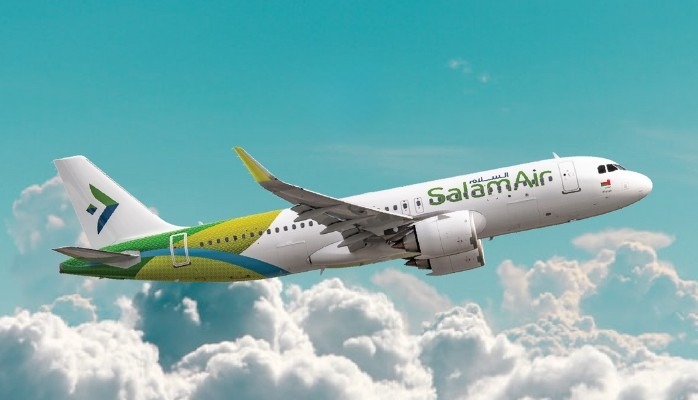
SalamAir Accelerates Its Growth Journey After Nine Years By Expanding Routes, Adding Aircraft, And Deepening Regional Connectivity

SalamAir Accelerates Its Growth Journey After Nine Years By Expanding Routes, Adding Aircraft, And Deepening Regional Connectivity
SalamAir
nine years

SalamAir completes nine years of operations because steady passenger demand, disciplined fleet growth, and carefully chosen route expansion have helped the airline strengthen its position as a reliable low-cost carrier connecting Oman with regional and international markets. Over the past year alone, the airline increased flight activity, carried millions of travelers, expanded its destination network, and laid out clear plans for further aircraft additions and new routes in 2026, reflecting a strategy focused on sustainable growth rather than rapid scale-up.

SalamAir has completed nine years of operations, marking a steady rise from a start-up low-cost carrier to a key player in Oman’s aviation landscape. Over nearly a decade, the airline has focused on one clear goal: making air travel affordable and accessible while improving air connectivity between the Sultanate of Oman, neighboring regions, and selected international markets. This approach has allowed the airline to grow carefully while staying aligned with passenger demand and market realities.

During 2025, SalamAir operated more than twenty-two thousand flights across its network, carrying over three point four million passengers. These figures underline the airline’s expanding role in regional air travel, particularly in serving price-sensitive travelers and secondary markets often overlooked by larger carriers. By maintaining a disciplined operating model, the airline managed to balance frequency, reliability, and cost efficiency throughout the year.

The airline’s network now extends to more than forty-four destinations, spanning domestic routes within Oman, regional connections across the Middle East and Africa, and international services reaching Europe and Asia. This diverse footprint reflects a strategy centered on demand-led expansion rather than rapid, unsustainable growth. SalamAir has steadily added routes that support tourism, trade, and labor mobility, helping strengthen Oman’s position as a practical and well-connected travel hub.

Fleet strength continues to play a central role in the airline’s growth story. SalamAir currently operates a fleet of fifteen modern aircraft, allowing it to maintain operational flexibility while meeting rising passenger volumes. A standardized and efficient fleet structure has helped the airline control costs, improve turnaround times, and deliver consistent service across its network. This focus on operational efficiency remains critical as competition in the low-cost segment continues to intensify across the region.

Looking ahead, SalamAir has set clear expansion targets for 2026. The airline plans to add three more aircraft to its fleet, with deliveries scheduled for May, June, and September. These additions will increase overall capacity and support network optimization, enabling the airline to adjust frequencies and open new routes where demand justifies expansion. The fleet growth also signals confidence in the airline’s long-term business outlook and market positioning.

Route development has remained a key driver of SalamAir’s momentum. Over the past year, the airline launched new services to Port Sudan, Damascus, Vienna, and Medan. Each of these destinations aligns with the airline’s strategy of serving markets with strong traffic potential and balanced competitive conditions. These routes expand SalamAir’s geographic reach while offering travelers more direct and affordable travel options.

The airline plans to announce additional destinations during 2026, continuing its focus on network diversification. Rather than concentrating solely on high-density trunk routes, SalamAir continues to explore underserved and emerging markets where low-cost travel can stimulate demand. This approach supports sustainable growth while reducing exposure to overcrowded and highly competitive routes.

Reaching the nine-year milestone highlights SalamAir’s ability to adapt to shifting market conditions. The airline has navigated periods of industry disruption, fluctuating fuel costs, and changing travel patterns by maintaining flexibility and a strong focus on cost control. Active decision-making and operational discipline have allowed the airline to remain resilient while continuing to expand its footprint.

Customer value remains central to SalamAir’s operating philosophy. The airline continues to focus on delivering reliable schedules, transparent pricing, and practical service options that meet the expectations of today’s travelers. By investing in operational improvements and digital tools, SalamAir aims to enhance the overall travel experience without compromising its low-cost structure.

Beyond passenger services, SalamAir also plays an important role in supporting trade and cargo movement across its network. In India, the airline maintains operations across eight key stations through its exclusive passenger and cargo representation. This presence supports both passenger demand and air freight activity, strengthening commercial ties and facilitating smoother movement of goods between India and Oman.

SalamAir marks nine years of operations as rising passenger demand, steady fleet expansion, and a growing international network continue to strengthen its role as Oman’s leading low-cost carrier.

As SalamAir enters its tenth year, the airline positions itself for measured and profitable growth. With a growing fleet, an expanding route network, and a clear focus on efficiency, the airline continues to strengthen its role as a reliable low-cost carrier in the region. The next phase of SalamAir’s journey will likely focus on deeper market penetration, smarter network planning, and continued efforts to make air travel more accessible for a wider range of travelers.

The post SalamAir Accelerates Its Growth Journey After Nine Years By Expanding Routes, Adding Aircraft, And Deepening Regional Connectivity appeared first on Travel And Tour World.
❌