
Reading view

Unveiling the Safavid Jewel of Semnan, Iran: The Transformation of the Shah Abbasi Caravanserai into a Luxury Tourism Landmark

Unveiling the Safavid Jewel of Semnan, Iran: The Transformation of the Shah Abbasi Caravanserai into a Luxury Tourism Landmark

The historical landscape of Semnan province, located in Iran’s north-central region, is currently being reshaped as part of a dedicated initiative led by the local cultural heritage, tourism, and handicrafts department. At the heart of this revitalisation is the centuries-old Shah Abbasi caravanserai, which has stood silent witness to Persian history’s ebb and flow. A comprehensive plan has been launched to reorganise the area surrounding this monumental site, ensuring that its historical grandeur is matched by modern urban aesthetics.

Environmental landscaping is at the forefront of the revitalisation efforts. Significant steps are being taken to integrate green spaces and modern urban furniture throughout the site. These improvements are being carried out in collaboration with Semnan’s municipal authorities, with the goal of blending the ancient stone walls with the vibrant life of the modern city. This project is viewed as more than just a renovation; it is a reclamation of civic space that has been hidden from the public eye for generations.

From Confinement to Cultural Landmark

The Shah Abbasi caravanserai is an architectural relic of the Safavid era, a period defined by a flourishing of Persian art and infrastructure. Its historical significance was formally recognized in 1973 when the site was inscribed on Iran’s national heritage list. However, the building’s narrative took a sombre turn for more than forty years when it was repurposed for use as a prison. This period of confinement effectively obscured the building’s aesthetic value and restricted its accessibility to the people of Semnan and visiting travellers.

A monumental shift occurred in the summer of 2025 when the historical site was fully cleared of modern obstructions. The removal of secondary walls and auxiliary prison structures was completed, allowing the original facade of the caravanserai to be brought back into public view. This liberation of the site has been hailed as a turning point for the city’s identity. The reopening of the caravanserai is expected to serve as a catalyst for the restoration of the area’s historical character, providing a foundation upon which urban tourism in Semnan can be expanded and modernized.

A Vision for Private Investment and Preservation

To ensure the long-term sustainability of the site, a strategic economic model is being implemented. Plans have been developed to lease the caravanserai to the private sector via a public auction. Through this process, significant investment is expected to be attracted for the purpose of repurposing the building for tourism-related functions. This approach is intended to facilitate high-quality restoration work while ensuring the building remains a functional, self-sustaining part of the local economy.

The preservation of such a site requires more than just structural repairs; it requires a living purpose. By transforming the caravanserai into a boutique hotel or a cultural centre, the historical integrity of the building is maintained through active use. This model of adaptive reuse is being utilized across Iran to protect ancient landmarks from decay while providing travellers with authentic experiences that connect them directly to the Silk Road’s storied past.

The Architectural Legacy of Shah Abbas I

The structure in Semnan is part of a vast network of hundreds of caravanserais that were commissioned during the reign of Shah Abbas I. Ruling from 1588 to 1629, the Safavid monarch is credited with a massive infrastructure project aimed at boosting trade and security across the Persian Empire. These roadside inns were strategically positioned along the primary caravan routes of the Muslim world, acting as the lifeblood of the Silk Road.

The word “caravanserai” itself is a linguistic marriage between “caravan”, denoting a group of travellers, and “sara”, meaning a house or building. The architecture of these sites was designed with both security and hospitality in mind. Massive portals were typically supported by elevated, load-bearing walls that protected the inhabitants from bandits and the elements. Interior layouts were standardized for efficiency: guest rooms were constructed around a central open-air courtyard, while stables were situated behind the living quarters to house the animals. Doors were strategically located in the corners of the yard to facilitate the movement of goods and livestock.

The Ancient Roots of Persian Hospitality

While the Safavid era saw a surge in the construction of these structures, Iran’s caravanserai tradition dates back much further. The earliest examples of these structures date back to the Achaemenid era, which lasted from 550 to 330 BC. The Royal Road was established during the reigns of Cyrus the Great and Darius, requiring couriers and merchants to make frequent stops.

Centuries later, Shah Abbas I’s network transformed this ancient concept into a sophisticated hospitality system. These inns were more than just places to sleep; they were cultural exchange centres where merchants from both East and West shared stories, languages, and technologies. In the modern era, the restoration of the Semnan caravanserai serves as a link to the cosmopolitan past. It is hoped that as the site is reorganised and made accessible to the public, it will once again serve as a gathering place for visitors looking to immerse themselves in the rich tapestry of Iranian history.

The post Unveiling the Safavid Jewel of Semnan, Iran: The Transformation of the Shah Abbasi Caravanserai into a Luxury Tourism Landmark appeared first on Travel And Tour World.
Unveiling Million-Dollar Tourism Expansion in Iran: A New Era of Private Investment and Provincial Growth in the Islamic Republic

Unveiling Million-Dollar Tourism Expansion in Iran: A New Era of Private Investment and Provincial Growth in the Islamic Republic

The Ministry of Cultural Heritage, Tourism, and Handicrafts announced a massive infrastructure expansion, which significantly transformed the landscape of Iranian hospitality. During the high-profile Ten-Day Dawn celebrations—which commemorate the anniversary of the Islamic Revolution—it was revealed that 255 diverse tourism projects had been officially launched. This monumental milestone represents a collective investment of more than 210 trillion rials, or approximately $140 million, and is expected to significantly boost the national economy by creating 3,062 new job opportunities.

The ceremonial launch of these initiatives took place at the Istanland Sarein water park, a flagship project in the picturesque Ardabil province. The event was attended by high-ranking officials, including Reza Salehi-Amiri, Minister of Cultural Heritage. During the proceedings, Ali-Asghar Shalbafian, Head of the Investment and Economic Affairs Centre, emphasised the strategic importance of these developments. It was noted that the successful completion of these ventures is primarily due to the persistent dedication of private investors, who have consistently received government support to ensure the sector’s resilience and growth.

A Growing Portfolio of Hospitality Excellence

The recent inaugurations are part of a much larger upward trajectory for the country’s travel sector. Since the commencement of the current administration, a total of 1,110 tourism-related projects have been brought to fruition, representing a total capital injection of 650 trillion rials (roughly $433 million). The sheer scale of ongoing development is further evidenced by the fact that over 3,000 additional tourism projects are currently under construction across the various provinces of the country. This pipeline of development suggests a long-term commitment to elevating the nation’s status as a premier destination for both domestic and international travellers.

By diversifying the types of projects being funded—ranging from luxury eco-lodges to massive recreational complexes like the Istanland water park—the ministry aims to cater to a wider demographic of tourists. The emphasis is no longer solely on historical pilgrimage or heritage sites but also on modern leisure and hydro-tourism. The Istanland project itself, spanning nine hectares in the mountainous region of Sarein, serves as a testament to this shift, leveraging the area’s natural hot springs to create a world-class recreational hub.

Decentralization: Bringing the World to the Provinces

A pivotal shift in administrative strategy was highlighted during the ceremony in Sarein. For the first time in the ministry’s history, the national inauguration ceremony for tourism projects was held outside the capital city of Tehran. This move was intentionally designed to reflect a new policy of decentralization. By focusing the spotlight on Ardabil province, the government is signalling a renewed commitment to provincial development, ensuring that the economic benefits of tourism are distributed more equitably across the nation’s diverse geography.

Sarein, often referred to as the “City of Hot Springs”, has long been a staple of domestic travel, but it is now being positioned as a focal point for international interest. The decentralization policy is intended to empower local communities and encourage regional governors to take a more active role in facilitating investment. It is believed that by highlighting the unique cultural and natural assets of the provinces, a more authentic and varied travel experience can be offered to visitors, moving beyond the traditional urban centres.

Empowering the Investment Ecosystem

The sustainable growth of the tourism sector is being bolstered by a comprehensive support framework designed to protect and encourage activists across three primary mission areas: cultural heritage, tourism, and handicrafts. It was emphasized by ministry leadership that the entire tourism ecosystem is now covered by protective government policies. A significant portion of this support is aimed at reducing bureaucratic hurdles that have historically slowed the pace of development.

In the past year, a serious focus has been placed on the implementation of “anonymous licenses.” This innovative approach is intended to streamline the investment path, allowing for the rapid issuance of permits and reducing the complexities often associated with large-scale hospitality projects. Furthermore, thematic investment incentives have been introduced to attract capital into specific niches, such as health tourism and traditional handicraft workshops, ensuring that every facet of the industry has the opportunity to thrive under the current economic climate.

Financial Facilities and Artistic Support

Beyond infrastructure, the ministry has also prioritized the financial well-being of individual stakeholders within the sector. Significant efforts have been made to secure appropriate credits and facilitate loans for both large-scale investors and independent handicraft artists. This financial backing has already yielded positive results, providing a much-needed lifeline for artisans who preserve the nation’s intangible heritage.

The integration of handicrafts into the broader tourism strategy is a deliberate move to enhance the value of the travel experience. By supporting artists, the government ensures that tourists have access to authentic, locally made products, which in turn fosters a sustainable economic cycle within rural and provincial areas. As the number of completed projects continues to climb, the synergy between modern infrastructure and traditional artistry is expected to become a hallmark of the Iranian travel brand.

Future Outlook and Regional Impact

With thousands of projects still under construction, the Iranian tourism industry appears to be on the verge of rapid growth. The strategic emphasis on international partnerships—particularly with neighbouring countries and major markets such as China—is intended to supplement internal growth. The ministry’s goal is to double international arrivals by the end of the current development plan, with these new facilities serving as the foundation for a modernised hospitality industry.

Sarein’s transformation into a major national announcement hub ushers in a new era in which the “Golden Triangle” of Isfahan, Shiraz, and Yazd is joined by emerging destinations along the northern and western corridors. As the shadow of taxation fades from the tourism sector and energy subsidies are applied to hotel operations, the climate for private enterprise has never been better. The world is invited to witness a country that is not only preserving its ancient past but also actively shaping a dynamic and inclusive future for global visitors.

The post Unveiling Million-Dollar Tourism Expansion in Iran: A New Era of Private Investment and Provincial Growth in the Islamic Republic appeared first on Travel And Tour World.
Menorca Travel Guide: The Mediterranean’s Best-Kept Secret for Sustainable Luxury and Ancient History

Menorca Travel Guide: The Mediterranean’s Best-Kept Secret for Sustainable Luxury and Ancient History

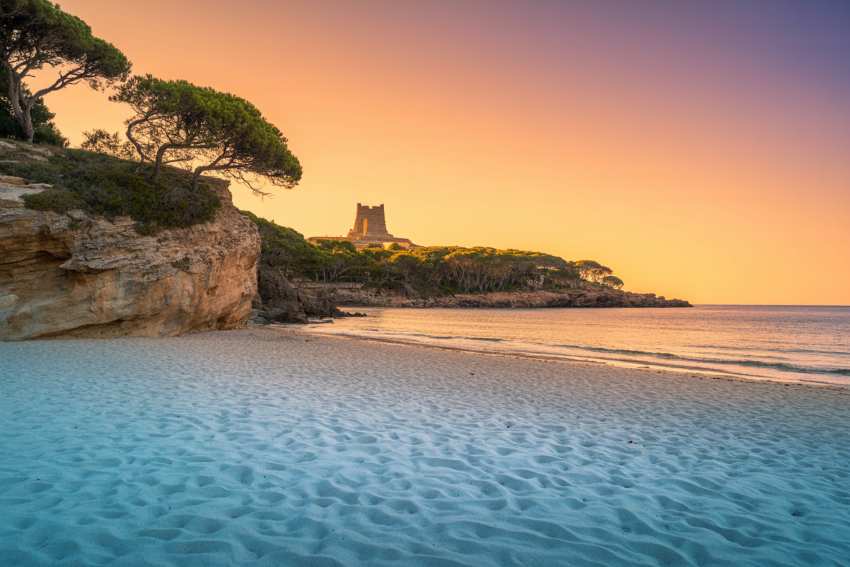
A Mediterranean jewel can be found just a short distance from the French coastline, where unspoiled nature blends seamlessly with a relaxed pace of life. Menorca, located in the Balearic archipelago to the east of Majorca, is frequently praised as a peaceful alternative to its more bustling neighbours. Despite its growing international reputation, the island remains a destination where visitors can breathe clear sea air along a pristine 200-kilometre coastline. It is a place where the typical crowds and clichés of sunny vacations are avoided in favour of authentic, discreet encounters.

The island was designated a UNESCO Biosphere Reserve in 1993, ensuring the protection of its diverse ecosystems, which include sand dunes, rugged cliffs, and aromatic pine forests. The S’Albufera des Grau Nature Park, a protected area centred on expansive lagoons and vibrant seabird populations, serves as the island’s “green heart”. This sunny destination prioritises sobriety and environmental stewardship over excess, making it an ideal choice for the conscious traveller.

A Palette of Coastal Wonders

The island’s geography offers two distinct coastal personalities. To the south, idyllic coves with white sands are framed by golden limestone cliffs, creating a postcard-perfect setting for relaxation. Conversely, the northern coast is characterized by a wilder, darker palette of colours, where rugged coves provide a dramatic contrast. Regardless of the chosen direction, shallow, crystalline waters are revealed to every visitor.

For those who enjoy active exploration, the Camí de Cavalls—an ancient bridleway stretching 185 km—is meticulously signposted around the island’s perimeter. Whether a one-hour stroll between two calas (coves) is preferred or a more rigorous journey on mountain bikes or horseback is undertaken, the path offers unparalleled access to the island’s natural beauty. It is frequently recommended that the return journey be made by bus, provided the schedules are checked in advance.

Planning the Perfect Island Escape

While Menorca is enjoyed throughout the year, the experience is shaped by the changing seasons. During spring and autumn, the light is noted for its softness and the roads for their quietude, making these months ideal for hikers and photographers. In contrast, the summer season sees the Mediterranean waters heat up and local services operate at full capacity.

To ensure a seamless visit, several practical steps should be taken:

  • Essential Supplies: Water, sun protection, and sturdy, closed-toe shoes should be carried at all times.
  • Logistics: Return bus schedules must be verified before embarking on coastal trails.
  • Summer Crowds: For those visiting popular southern coves in July or August, parking spaces should be reserved early in the morning.
  • Dining: Tables for dinner in the historic centres of Ciutadella or Maó are best secured through advance reservations.

Public transportation is efficiently managed between the primary hubs of Maó (Mahón) and Ciutadella, with secondary routes serving various traditional villages. While a rental car provides significant freedom for families, the available fleet is often tightened during the peak summer months, necessitating bookings made well in advance.

Heritage, Stones, and the Talayotic Legacy

Menorca’s story is told through its architecture and ancient history. In Ciutadella, sandstone palaces and shaded alleyways invite visitors to lose themselves in a slow-paced stroll. The town’s facades are beautifully sculpted by the shifting golden light of the afternoon, offering a sophisticated urban interlude. Meanwhile, Maó boasts one of the world’s largest natural harbours. The atmosphere here is decidedly more maritime, where mornings are typically punctuated by visits to bustling markets and harbourside terraces.

The island’s deep history was further recognized in 2023 when the Talayotic monuments were officially declared a UNESCO World Heritage Site. These prehistoric structures, such as the famous Naveta des Tudons, are remarkably well-preserved and easily accessible to the public. They serve as a silent testament to the island’s ancient civilizations, offering a cultural depth that few Mediterranean destinations can match.

Sustainable Gastronomy and Responsible Travel

The local culture is also celebrated through its cuisine. The Mahón-Menorca PDO cheese and the well-known caldereta de langosta (lobster stew) highlight the island’s culinary history. Fresh, simple produce is sourced from local markets, and a glass of local gin is frequently consumed as the sun sets over the horizon.

Environmentally conscious people are encouraged to participate in “soft” activities such as kayaking, paddleboarding, and snorkelling. The water’s transparency is frequently described as breathtaking, but visitors are reminded to respect the Posidonia oceanica meadows. These seagrass beds are the foundation of Mediterranean marine life, and they must be protected while moored.

To maximise both value and tranquillity, the “duo” months of May-June and September-October are highly recommended. During these times, prices are lower, and the coves are relatively quiet, with temperatures suitable for both swimming and walking. Choose eco-friendly accommodations, reduce single-use plastics, and follow marked trails to prevent dune erosion to preserve the magic of this sunny destination for future generations.

The post Menorca Travel Guide: The Mediterranean’s Best-Kept Secret for Sustainable Luxury and Ancient History appeared first on Travel And Tour World.

Northern Ireland’s First Premier Signature Walk: A Dramatic Coastal Odyssey at Downhill Demesne

Northern Ireland’s First Premier Signature Walk: A Dramatic Coastal Odyssey at Downhill Demesne

The rugged allure of the North Coast has long drawn those looking for solace in the salt air and the dramatic interplay of land and water. The inaugural “Signature Walk” of Northern Ireland has been officially unveiled, marking a significant step towards formalising these natural assets. This initiative, a collaboration between Tourism Northern Ireland, the National Trust, and local heritage bodies, aims to raise the bar for outdoor recreation by highlighting the region’s most ‘picturesque and dramatic’ vistas. By designating specific routes as signature experiences, the goal is to create a world-class, sustainable framework for exploration that appeals to both locals and international adventurers.

A Journey Through History and Nature

The newly inaugurated route is situated at the historic Downhill Demesne, a site of immense cultural and geological significance near Coleraine. The journey is designed to begin at the Castlerock Train Station, deliberately integrating public transport into the hiker’s experience to encourage car-free travel. From this starting point, a 4.2-mile circular path is traced across the wild and rugged headlands of the north coast. As the trail unfolds, visitors are treated to a sensory immersion in the elements, where the crashing Atlantic provides a constant soundtrack to the visual splendour of the clifftop views.

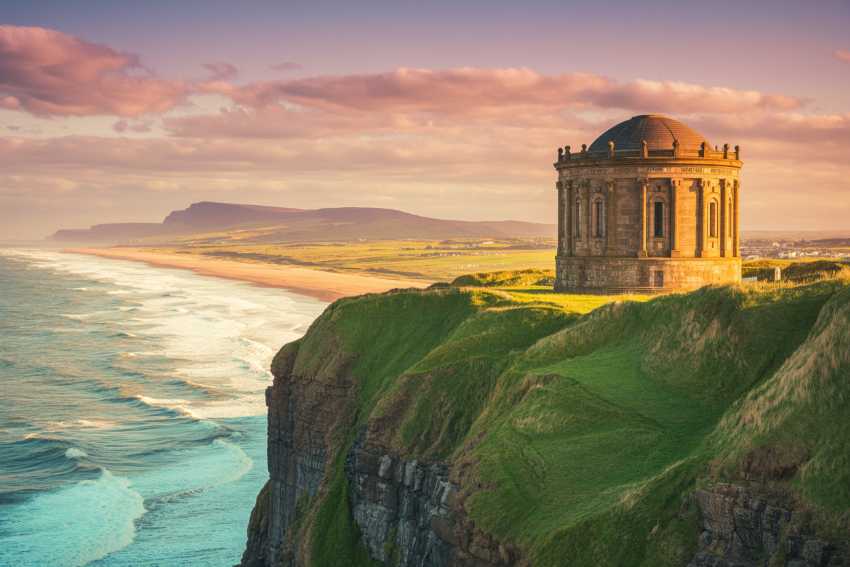
As the path winds toward the Downhill Estate, the landscape shifts from raw coastal exposure to the curated beauty of intimate gardens. The culmination of the trek is often considered to be the arrival at the iconic Mussenden Temple. Perched precariously on a 300-foot cliff edge, this 18th-century structure remains one of the most photographed landmarks in the British Isles. The panoramic views afforded from this height are nothing short of breathtaking; to the west, the golden expanse of Downhill Strand stretches toward Magilligan Point and the distant hills of County Donegal. To the east, the gaze is drawn across Castlerock beach toward the bustling seaside towns of Portstewart and Portrush, eventually settling on the distant silhouette of Fair Head.

The Strategic Vision for Sustainable Tourism

The development of these signature routes is driven by a deep understanding of modern travel trends. Research conducted by tourism authorities has consistently identified walking as the primary activity desired by visitors to Northern Ireland. Statistical data reveals that nearly half of domestic visitors and a third of those from the Republic of Ireland prioritize scenic walks during their stay. Furthermore, the vast majority of overseas travellers cite the beauty of the landscape as their primary motivation for visiting the island. By creating a “Signature” brand for these walks, the story of Northern Ireland’s iconic places can be told more effectively, inviting visitors to engage with the environment in a meaningful, slow-paced manner.

The project is also a testament to the power of community-led initiatives. Elements of the “Castlerock Trails and Tails” project, which received funding from the National Lottery Heritage Fund, have been woven into the fabric of this new trail. The use of existing infrastructure and the implementation of clear, intuitive signage ensure that the landscape of the Binevenagh area is accessible without being overwhelmed. It is envisioned that this launch serves as the first chapter in a broader series of iconic walks, each designed to meet the growing demand for high-quality, sustainable outdoor experiences.

Preservation and Accessibility

Beyond the aesthetic appeal, the establishment of the Signature Walk serves a vital role in the conservation of the area. Through the partnership with the National Trust, the trail is managed in a way that supports the ongoing care of Mussenden Temple and the surrounding Demesne. It is intended that by channelling foot traffic into well-maintained, designated paths, the delicate ecosystem of the clifftops can be protected for future generations. The focus on accessibility—specifically the proximity to bus and train links—reflects a modern commitment to reducing the carbon footprint of tourism while maximizing the health and well-being benefits associated with connecting with nature.

The two-hour circular walk is not merely a physical challenge but a curated encounter with the heritage of the Causeway Coast and Glens. As walkers traverse the headland, they are walking through centuries of history, from the ambitious architectural dreams of the Earl Bishop to the natural geological formations that have stood for millennia. This inaugural Signature Walk stands as a beacon for what is to come: a network of trails that are as informative as they are beautiful, ensuring that Northern Ireland remains at the forefront of global destination trekking.

Planning Your Visit

The Downhill Signature Walk is designed to be accessible to people of all fitness levels, though the cliff paths require sensible footwear and keeping an eye on the weather. Because the walk begins and ends in areas with local amenities, Castlerock’s economy is expected to benefit from the influx of “slow tourists”. Whether looking for the perfect photograph of the Mussenden Temple or simply the tranquillity of a 300-foot drop to the ocean, this route provides a definitive slice of Northern Irish beauty.

As this series of walks grows, it is expected that Northern Ireland’s reputation as a premier hiking destination will be strengthened. The Downhill Demesne Signature Walk is a must-see attraction for any traveller in 2026 and beyond, thanks to its world-class scenery, historical significance, and sustainable infrastructure.

The post Northern Ireland’s First Premier Signature Walk: A Dramatic Coastal Odyssey at Downhill Demesne appeared first on Travel And Tour World.

Why Hungary is Enforcing Strict New Regulations on Budapest’s Historic Thermal Baths and Short-Term Rentals

Why Hungary is Enforcing Strict New Regulations on Budapest’s Historic Thermal Baths and Short-Term Rentals

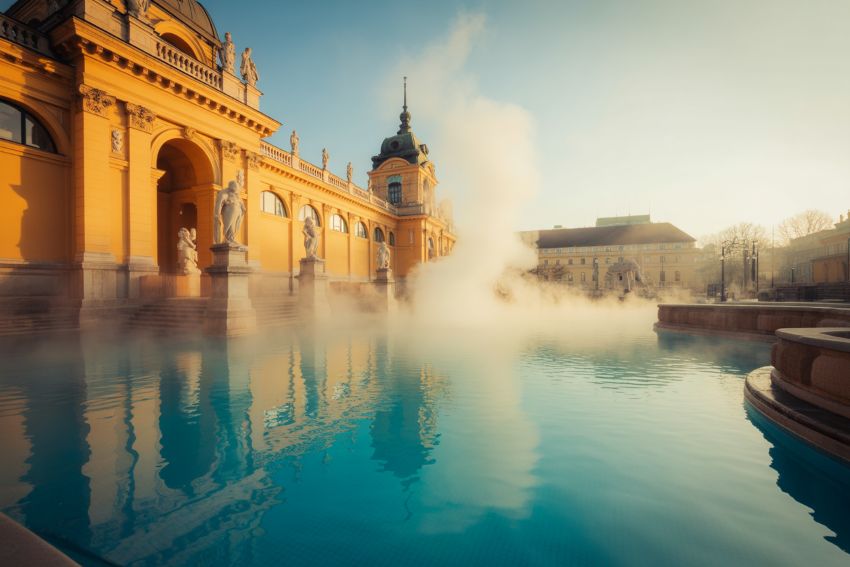
The steaming waters of Budapest’s neo-Baroque and Ottoman-era spas have long been a silent sanctuary in the Hungarian capital. However, the tranquil atmosphere traditionally associated with these “Palaces of Water” is currently being challenged by an unprecedented influx of international visitors. As Hungary celebrates a record-breaking tourism year, the landmarks that define its cultural identity are being heavily regulated. From age restrictions to a complete overhaul of the city’s short-term rental market, the landscape for international visitors is being fundamentally altered to protect the local way of life.

The Age of Tranquility: New Restrictions for Younger Visitors

A significant shift in the operational policies of Budapest’s most famous landmarks was initiated in 2025. Following the implementation of Government Decree No. 510/2023, access to the medicinal pools at the Széchenyi and Rudas Baths is now strictly prohibited for guests under the age of 14. This legislative measure, rooted in concerns for the cardiovascular health of developing children, also serves a dual purpose in managing the acoustic environment of the spas.

For generations, the thermal baths were utilized as quiet spaces for medical therapy and social chess matches among the elderly. In recent years, the rise of “selfie culture” and family-orientated tourism has been viewed by local residents as a disruption to this traditional decorum. Under the new rules, the thermal sections of these historic sites are preserved for adult use, while families are being redirected to more suitable leisure facilities such as the Palatinus or Csillaghegy complexes. These measures are enforced rigorously, and proof of age is frequently requested at the entrance to ensure compliance with the national health directive.

Renovating the Crown Jewel: The Temporary Closure of Gellért

While Széchenyi adapts to new demographic rules, another icon of the city has vanished from the tourist itinerary. The Gellért Thermal Bath, renowned for its Art Nouveau splendour and intricate Zsolnay tiling, was officially closed in late 2025 for a multi-year restoration project. A planned reopening is not expected until 2028. This €51 million transformation is being overseen by the municipal operator, Budapest Spas cPlc (BGYH), to address structural degradation caused by decades of exposure to mineral-rich steam and chemicals.

The closure of Gellért has further intensified the pressure on remaining facilities. With approximately 1,800 daily visitors from Gellért now seeking alternatives, the crowds at Széchenyi and Lukács have surged. To manage this demand, a transition to a more structured booking environment has been encouraged. Priority is given to those who secure tickets online in advance, and fast-track entry systems have been introduced to mitigate the legendary queues that often wrap around the City Park.

Reclaiming the Streets: The District VI Airbnb Ban

The tension between residents and visitors extends far beyond the bathhouses and into the very heart of the city’s residential quarters. In a landmark move, the residents of Terézváros (District VI) participated in a referendum that resulted in a decisive ban on short-term rentals. As of January 1, 2026, the operation of private apartments as tourist accommodations in this central district has been made illegal.

This policy shift is supported by the Hungarian government’s broader strategy to stabilize the housing market. Taxes on short-term rental rooms have been nearly quadrupled, and a moratorium on new licences has been established for 2025 and 2026. The neighbourhood, which houses the Hungarian State Opera and Andrássy Avenue, is being monitored by authorities to ensure that private residences are returned to the long-term rental market for local families. For the traveller, this means a shift back toward traditional hotels or licensed guesthouses, as the era of the unregulated “boutique apartment” in the city centre comes to an end.

A Nation of Records: The Economic Double-Edged Sword

The necessity for these strict measures is highlighted by the staggering growth of the Hungarian tourism sector. In 2025, the country surpassed 20 million guests for the first time in its history, according to reports from the Hungarian Tourism Agency (MTÜ). This growth rate, which is significantly higher than the European Union average, has seen Budapest alone host over 8 million visitors annually.

While the economic contribution of tourism now accounts for over 14% of the national GDP, the “overtourism” phenomenon has prompted a pivot in marketing strategy. Efforts are being made by the government to transition from a “party capital” image toward a model that prioritizes high-value cultural tourism. The record-breaking passenger traffic at Ferenc Liszt International Airport, which reached 19 million in late 2025, underscores the scale of the challenge. The goal for 2030 is to increase the sector’s contribution to the economy while ensuring that the “living heritage” of the city—its baths, its historic districts, and its local communities—is not submerged by its own popularity.

Guidance for the Modern Traveller

Those planning a visit to the “City of Spas” in this new era must change their mindset. The traditional spontaneity of a spa visit has been replaced by the requirement for meticulous planning. Visitors are advised to follow the mandatory dress codes, which include the use of swim caps in lap pools and the prohibition on streetwear fabrics. Furthermore, the thermal pools’ quiet atmosphere is now protected by “no-noise” policies, which are strictly enforced by staff.

By following these evolving regulations, travellers help to preserve a culture that dates back to the Roman and Ottoman eras. While the “tensions” of overtourism exist, the measures implemented in 2026 ensure that Budapest’s healing waters remain a viable sanctuary for future generations.

The post Why Hungary is Enforcing Strict New Regulations on Budapest’s Historic Thermal Baths and Short-Term Rentals appeared first on Travel And Tour World.

Orta Mahalle, Turkey: The Black Sea’s Rising Star of Cultural and Historical Tourism

Orta Mahalle, Turkey: The Black Sea’s Rising Star of Cultural and Historical Tourism

Orta Mahalle, a historic neighbourhood in Trabzon’s Akcaabat district, is quickly emerging as one of the Black Sea region’s most prominent cultural tourism hubs. The area, known for its meticulously preserved Ottoman-era houses and intricate cobblestone paths, is a living museum of traditional Turkish architecture. The majority of these residences were built with a harmonious blend of local stone and wood, demonstrating the craftsmanship of previous centuries.

A watershed moment for the neighbourhood’s preservation occurred in 1988, when a large portion of the district was officially designated as an Urban Conservation Area. This legal framework protects the settlement’s historical character from modern encroachment, allowing contemporary visitors to experience the authentic atmosphere of the past.

The Tapestry of a Multi-Civilizational Heritage

The streets of Orta Mahalle are saturated with the echoes of the various civilizations that have called this region home. Beyond the Ottoman influence, traces of Roman and Byzantine history can be found woven into the fabric of the neighbourhood. The physical layout of the area—defined by narrow squares, steep inclines, and winding alleys—fosters a distinctive atmosphere that reflects a long-standing and resilient community life.

Within the boundaries of this historic enclave, 61 structures have been formally registered as historical assets. This impressive inventory includes not only grand mansions but also museums, ancient fountains, traditional schools, and historic mosques. Among these, the St Michael Church, which dates back to the 14th century, stands as a reminder of the diverse cultural layers that define Akçaabat’s identity. These sites are now being highlighted as essential stops for those seeking a deep dive into the regional heritage.

Modern Amenities in a Historical Setting

The transformation of Orta Mahalle into a tourist-friendly destination has been facilitated by the coordinated efforts of the Akçaabat Municipality and the Republic of Türkiye Ministry of Culture and Tourism. To cater to the needs of modern globetrotters, a variety of cafes, restaurants, and boutique hotels have been introduced. These establishments are often housed within restored mansions, where traditional local delicacies are served in settings that evoke the grandeur of a bygone era.

Restoration work is being carried out in phases to ensure that the neighbourhood’s cultural identity is never compromised. The completion of the first phase has already provided a blueprint for future projects, focusing on the revitalization of the built environment while maintaining the “neighbourhood spirit” that locals and visitors find so endearing. Guided tours are also frequently organized, ensuring that historical information is accurately disseminated to those walking the steep, storied slopes.

Surging Popularity and Global Appeal

The statistical growth of the area reflects its rising status on the international travel map. In 2024, approximately 180,000 visitors were recorded, a figure that grew to nearly 200,000 by 2025. This steady upward trajectory is fuelled by a diverse demographic of travellers. Tourists are primarily drawn from the Middle East, Azerbaijan, Russia, Iran, and Georgia. Furthermore, a significant number of European travellers, particularly from Germany and the Netherlands, are increasingly including Orta Mahalle in their Turkish itineraries.

The appeal of the district lies in its ability to offer an immersive experience. Visitors are not merely observers of history; they are invited to participate in the local culture by staying in historic boutique hotels and engaging with a community that has preserved its way of life despite the passage of time.

Vision for 2026: A Year-Round Destination

Looking ahead, ambitious goals have been set for the 2026 tourism season. The local administration hopes to welcome between 300,000 and 400,000 visitors in the coming year. A key component of this strategy is the expansion of tourism activities across all four seasons. By shifting away from a summer-centric model, the municipality hopes to provide a consistent boost to local businesses while also allowing visitors to enjoy the neighbourhood’s beauty in the mist of autumn or the quiet of winter.

Akcaabat, Trabzon’s second-largest district, is leveraging Orta Mahalle as its crown jewel. The synergy between historical preservation and sustainable tourism development ensures that the “Pearl of the Black Sea” will continue to shine for future generations, serving as a link between past legends and present explorers.

The post Orta Mahalle, Turkey: The Black Sea’s Rising Star of Cultural and Historical Tourism appeared first on Travel And Tour World.

How Vipingo Ridge and Golf Tourism are Transforming Kenya’s Luxury Landscape

How Vipingo Ridge and Golf Tourism are Transforming Kenya’s Luxury Landscape

Kilifi County’s coastal breeze is fundamentally changing the face of East African tourism. Vipingo Ridge is at the heart of this transformation, having recently secured its dominance by being named Best Golf Resort at the 2026 Kenya Tourism Awards (KTA). This is the resort’s second consecutive year of recognition, cementing its position as a key player in Kenya’s high-end travel sector. The distinction is largely due to its status as the only PGA-accredited golf course on the African continent, which has helped put Kenya on the map for both professional and amateur golfers.

The prestige associated with PGA accreditation ensures that world-class standards are upheld on every fairway and green. The resort is no longer viewed solely as a local getaway; it is now recognised as an international standard of excellence. During the recent awards ceremony, Vipingo Ridge’s leadership stated that this consecutive win is a powerful validation of the resort’s rigorous benchmarks for both sporting facilities and environmental stewardship.

A Strategic Fusion of Business and Leisure

Beyond the meticulous manicuring of its championship course, a significant shift in the resort’s operational focus has been observed. Substantial investments have been channelled into conferencing infrastructure, effectively transitioning the property into a hybrid “bleisure” hub. This evolution is designed to cater to a modern demographic of travellers who demand a seamless intersection between professional obligations and recreational pursuits.

The recognition received in the conferencing category at the KTA further highlights the progress being made in diversifying the resort’s appeal. By offering sophisticated meeting spaces alongside elite sporting facilities, a broader spectrum of global travellers is being attracted to the Kenyan coast. It is increasingly evident that integrated experiences, situated away from the traditional, congested urban centres, are being prioritized by corporate clients and luxury seekers.

The Economic Engine of Golf Tourism

Golf tourism is defined as a specialized niche where travel itineraries are primarily structured around the sport, often augmented by high-quality hospitality and local sightseeing. In the context of the Kenyan economy, the impact of this segment is profound. It has been estimated that a golf tourist typically spends approximately $3,200 (Ksh 412,814) per visit. When contrasted with the expenditure of a standard leisure traveller, the spending power of a golfer is nearly three times higher.

This high-yield demographic contributes significantly to the local ecosystem, with funds being distributed across the hospitality, transportation, and service sectors. While Kenya’s golf tourism market is still categorized as emerging when compared to global giants like Spain or regional competitors like South Africa and Morocco, the growth trajectory is undeniable. With over 40 courses currently operational across the country—many of which, such as those hosting the Kenya Open on the European Tour, are of international calibre—the infrastructure for rapid expansion is already in place.

Projections and National Growth

The economic potential of attracting 100,000 golf-centric visitors annually is staggering. It is projected that such a milestone could generate over Ksh 50 billion (approximately $380 million) in direct revenue. To put this in perspective, the total tourism earnings for Kenya in 2024 were recorded at roughly Ksh 452 billion ($3.5 billion). With forecasts for 2025 suggesting a rise to over Ksh 650 billion ($5 billion), the contribution of specialized niches like golf is viewed as a vital component of this upward trend.

The global golf tourism market is currently experiencing an annual expansion of between 3% and 9%. This growth is being fuelled by an international appetite for experiential and sports-focused travel. By improving national infrastructure and hosting high-profile international tournaments, Kenya is successfully tapping into this lucrative market. The efforts led by the Kenya Tourism Board to market the nation as a multi-dimensional destination are clearly yielding results, particularly within European and Middle Eastern markets.

Sustainability and the New Baseline for Luxury

Vipingo Ridge’s consecutive victories are interpreted by industry observers as a sign of a larger shift in traveller expectations. Traditional tourism models are being replaced by a “new baseline” in which luxury is combined with sustainability and multi-functionality. The resort’s commitment to maintaining a world-class sporting environment while also contributing to Kenya’s overall tourism growth is viewed as a model for future developments in the region.

As the country expands its offerings, the emphasis remains on creating destinations that offer exceptional, multifaceted experiences. The success of the Kilifi-based resort demonstrates that Kenya is no longer just a safari destination but also a serious contender in the world of professional sports tourism. The combination of elite training facilities, tournament-grade courses, and luxury lifestyle amenities ensures that the country’s reputation as a sophisticated travel hub continues to grow.

[Image Source: Vipingo Ridge Official Website]

The post How Vipingo Ridge and Golf Tourism are Transforming Kenya’s Luxury Landscape appeared first on Travel And Tour World.
❌