
Reading view

Strategic Revisions to International Travel Advisories for the United States in Anticipation of the 2026 FIFA World Cup

Strategic Revisions to International Travel Advisories for the United States in Anticipation of the 2026 FIFA World Cup
Navigating United States Safety Protocols for Upcoming International Sporting Events.

In the lead-up to one of the most significant sporting events in history, international travel advisories for the United States are being meticulously updated by various foreign governments. As the 2026 FIFA World Cup preparations intensify across North America, a heightened focus is being placed on United States safety standards to ensure that fans from every corner of the globe are well-informed. The complexity of global tourism security is being addressed through these revised documents, which serve as essential guides for millions of prospective visitors. Visitor safety protocols are being highlighted to mitigate risks associated with urban crime, healthcare costs, and environmental factors that might differ significantly from the home countries of international travelers.

The Evolving Landscape of International Perceptions

The perception of safety within American borders is being re-evaluated by diplomatic agencies in Europe, Oceania, and Asia. While the United States remains a premier destination for global tourism, the specific nuances of its legal and social environment are being detailed with greater frequency. These updates are not merely routine; they are seen as a necessary response to the changing dynamics of public safety and the anticipated influx of millions of football enthusiasts. The narrative provided by foreign ministries is often centered on the paradox of a highly developed nation that simultaneously grapples with unique challenges regarding public security and social stability.

Detailed Safety Briefings from Key Allies

Specific attention is being directed toward the warnings issued by long-standing allies. Countries such as the United Kingdom, Australia, and Canada have refined their guidance to include more granular details about metropolitan areas. It is observed that tourists are frequently cautioned about the prevalence of petty crime, such as pickpocketing and vehicle break-ins, which are common in high-traffic tourist zones. Furthermore, the presence of more serious incidents is being noted, with foreign governments advising their citizens to maintain a high level of situational awareness. These advisories are structured to provide a realistic view of the environment without discouraging travel entirely, striking a balance between caution and the promotion of international exchange.

Healthcare Logistics and Financial Implications

A significant portion of the revised documentation is dedicated to the intricacies of the American healthcare system. It is pointedly mentioned by several nations that medical services in the United States are exceptionally expensive and are not provided free of charge to visitors. Travelers are being urged to secure comprehensive insurance policies that cover everything from minor illnesses to emergency medical evacuations. The risk of financial ruin due to unexpected medical emergencies is presented as a major concern, leading to a strong emphasis on administrative preparedness before departure. This focus on health security is a cornerstone of the updated guidelines, ensuring that the 2026 festivities are not overshadowed by personal financial crises.

Concerns Regarding Urban Crime and Public Safety

The issue of crime remains a central theme in the communications from foreign offices. Passive observations are made regarding the disparity in safety between different neighborhoods within the same city. Visitors are often encouraged to research their specific destinations and to avoid areas that are known for higher rates of violence. The unique nature of firearm regulations in the United States is also a recurring topic, with many advisories informing travelers that the presence of weapons is more common than in their home jurisdictions. These insights are intended to prepare the traveler for a cultural and legal landscape that may feel unfamiliar or unpredictable.

Transport and Infrastructure Considerations

As fans prepare to navigate between host cities, the logistics of American transportation are being scrutinized. The reliance on personal vehicles and the vast distances between venues are noted as potential challenges. Advisories are being expanded to include tips on road safety, the nuances of local traffic laws, and the reliability of public transit systems in various regions. Because the 2026 tournament is spread across such a vast geographical area, the coordination of travel is viewed as a vital component of the visitor experience. Information regarding the security of airports and the efficiency of border crossings is also being updated to reflect current technological and administrative standards.

Natural Disasters and Environmental Risks

Beyond human-related concerns, the natural environment of the United States is factored into the latest travel warnings. Depending on the season and the region, risks such as hurricanes, wildfires, and extreme heat are being highlighted. It is suggested that visitors monitor local weather reports and adhere to the instructions of emergency management officials. The diversity of the American climate means that a traveler might encounter vastly different environmental threats when moving from the East Coast to the West Coast, necessitated a comprehensive approach to environmental awareness in the official travel literature.

Cultural Sensitivity and Legal Compliance

The importance of adhering to local laws and respecting cultural norms is being reinforced. This includes information on the legal age for alcohol consumption, drug regulations which vary significantly by state, and the expected behavior when interacting with law enforcement. It is noted that misunderstandings regarding local statutes can lead to severe legal consequences for foreign nationals. By providing this information, foreign governments aim to shield their citizens from preventable legal entanglements while they enjoy the competitive spirit of the World Cup.

Preparing for the Influx of Global Fans

As the countdown to the 2026 FIFA World Cup continues, the collaboration between international security agencies and American authorities is expected to grow. The updates to travel advisories are part of a broader effort to ensure a seamless and safe experience for all participants. The collective goal remains the successful hosting of a global event where the focus can remain on the sport rather than on security failures or health emergencies. The proactive nature of these advisories reflects a global commitment to the safety of the international traveling public.

The post Strategic Revisions to International Travel Advisories for the United States in Anticipation of the 2026 FIFA World Cup appeared first on Travel And Tour World.


Discord Enforces Teen Safety Globally, Requiring Face Scans or IDs for Adult Access

Discord Privacy and Safety

Discord will begin rolling out new teen safety features globally in early March, placing all new and existing users into a teen-appropriate experience by default unless they verify they are adults. The update introduces stricter content controls, limited access to age-gated spaces, and new communication rules designed to reduce unwanted contact while keeping user privacy intact.

Discord Privacy and Safety

Under the new system, sensitive images and videos will remain blurred unless a user is age-assured as an adult. Only verified adults can access age-restricted channels, servers, and app commands, speak on stage in servers, or change message request settings. Direct messages from people a user may not know will go into a separate inbox by default, and users will see warning prompts for friend requests from unfamiliar accounts.

To unlock adult features, Discord requires age verification through one of several methods. Users can choose facial age estimation using a video selfie that is processed entirely on their device, or submit a government ID to Discord’s verification partners. Identity documents are deleted quickly, usually immediately after age confirmation. Discord is also deploying an age inference model that runs in the background to help determine whether an account belongs to an adult, without always requiring manual verification. Some users may be asked to complete multiple steps if more information is needed.

Once verified, users receive confirmation via Discord’s official account. Age status is private and cannot be seen by others, and users can view or appeal their assigned age group at any time in account settings.

Discord previously tested this “teen-by-default” approach in the UK and Australia. The company says the global rollout builds on those results. Savannah Badalich, Discord’s head of product policy, said the goal is to give teens stronger protections while allowing verified adults more flexibility, adding that teen safety remains central to Discord’s product design.

Public reaction to the change has been mixed. Some users support tighter controls around messaging and content for teens. Others are concerned about privacy and mandatory age checks. Critics note that recent security incidents show Discord has struggled to keep user data safe. A breach of a third-party support provider in late 2025 exposed government ID photos and personal information for tens of thousands of users when attackers accessed age verification and support ticket data. Discord says about 70,000 users had their ID photos exposed and that it cut off the vendor’s access and is working with law enforcement, but some reports suggest the stolen data could be much larger. Users on social forums have expressed frustration that verification photos, said to be temporary, were still stored and then leaked, raising doubts about how secure the process really is.

The update follows similar moves across the industry. Instagram already places teens into stricter content and messaging settings by default. Snapchat keeps teen accounts private and limits how they can be discovered. TikTok has expanded AI-based age detection to flag underage users. Discord is also launching a Teen Council made up of 10 to 12 users aged 13 to 17 to advise on future safety features, policies, and tools.

For more daily updates, please visit our News Section.

Tech enthusiast? Get the latest news first! Follow our Telegram channel and subscribe to our free newsletter for your daily tech fix!

(Source)

The post Discord Enforces Teen Safety Globally, Requiring Face Scans or IDs for Adult Access appeared first on Gizmochina.

Master Poolside Travel Etiquette: Essential Safety, Hygiene, and Courtesy Tips for Stress-Free Resort Holidays Worldwide

Master Poolside Travel Etiquette: Essential Safety, Hygiene, and Courtesy Tips for Stress-Free Resort Holidays Worldwide

Relaxing by the pool is one of the highlights of any holiday. Whether you are visiting luxury resorts in the Caribbean, boutique hotels in the UK, or seaside destinations in Europe, knowing proper poolside travel etiquette can make your stay more enjoyable. For travellers, this etiquette is not just about courtesy—it ensures safety, comfort, and harmony among guests. Understanding the unspoken rules of shared pool spaces transforms ordinary sunbathing into a stress-free, memorable experience for everyone.

Why Poolside Travel Etiquette Matters for Global Travellers

Holiday pools are often busy spaces where tourists come to unwind. Crowded decks, limited loungers, and shared umbrellas can create tension if travellers are unaware of basic etiquette. Practising poolside travel etiquette ensures everyone can enjoy their holiday without conflict. It also reflects well on the traveller, showing respect for fellow guests. Following simple guidelines such as taking only the chairs you need, avoiding loud behaviour, and observing resort rules improves the overall holiday experience. Families, solo travellers, and couples alike benefit from being aware of these practices.

Sharing Pool Spaces Courteously

One of the most important aspects of poolside travel etiquette is sharing the space. Travellers should avoid reserving sunbeds for long periods if they are not in use. Giving others space under umbrellas and respecting quiet zones creates a pleasant atmosphere for everyone. Tourists are encouraged to observe the routines of resort staff and follow any posted signs regarding seating and pool usage. Courteous behaviour by all guests helps prevent arguments and ensures a calm, relaxing poolside environment for families, children, and older visitors.

Observe Rules and Safety Guidelines

Every resort has its own rules, and part of poolside travel etiquette is following them carefully. Rules may include designated swim times, age restrictions, lifeguard supervision, and policies about alcohol and glassware. Tourists who follow these rules help maintain safety for themselves and others. Observing these guidelines is especially important for children and inexperienced swimmers. Knowing and respecting local rules not only prevents accidents but also demonstrates cultural awareness and consideration for the resort staff and other guests.

Maintain Cleanliness and Hygiene

Good hygiene is a key element of poolside travel etiquette. Showering before entering the pool helps remove sweat and dirt, keeping the water clean for everyone. Guests should avoid eating or drinking in the pool unless the resort allows it. Children should be closely supervised to maintain safety and hygiene standards. Respecting these small but essential practices ensures a healthy swimming environment. Practising good hygiene also reflects well on the traveller, showing awareness and consideration for the comfort and safety of others sharing the pool.

Safety Tips for Every Traveller

Alongside etiquette, travellers must prioritise pool safety. Always check water depth before diving or jumping. Avoid swimming alone, and keep an eye on children at all times. Life jackets should be used when recommended, and tourists should stay hydrated and avoid alcohol while swimming. Understanding these safety precautions complements poolside travel etiquette, allowing visitors to enjoy pools without risk. Whether at a Caribbean resort or a European coastal hotel, combining safety and etiquette ensures a worry-free holiday experience.

Enhancing the Poolside Experience

Mastering poolside travel etiquette makes the pool experience more enjoyable. Polite behaviour, consideration for others, and quiet enjoyment allow everyone to relax. Tourists can sunbathe, swim, read, or socialise without tension. Resorts report that guests who follow etiquette contribute to a positive holiday atmosphere. Families, couples, and solo travellers all benefit when shared pool spaces are respected. Practising etiquette ensures that holiday memories remain positive and stress-free, enhancing the overall travel experience.

A Global Perspective on Poolside Etiquette

While poolside rules vary around the world, the principles remain consistent: safety, hygiene, courtesy, and respect for shared spaces. Tourists in the Caribbean, UK, Europe, or Asia should all observe these guidelines. Being mindful of others and adhering to resort rules allows travellers to enjoy their holiday fully. Good poolside travel etiquette ensures comfort, prevents conflicts, and helps create lasting positive impressions for both the traveller and those around them. Following these tips makes every holiday pool visit a relaxing, safe, and memorable experience.

The post Master Poolside Travel Etiquette: Essential Safety, Hygiene, and Courtesy Tips for Stress-Free Resort Holidays Worldwide appeared first on Travel And Tour World.
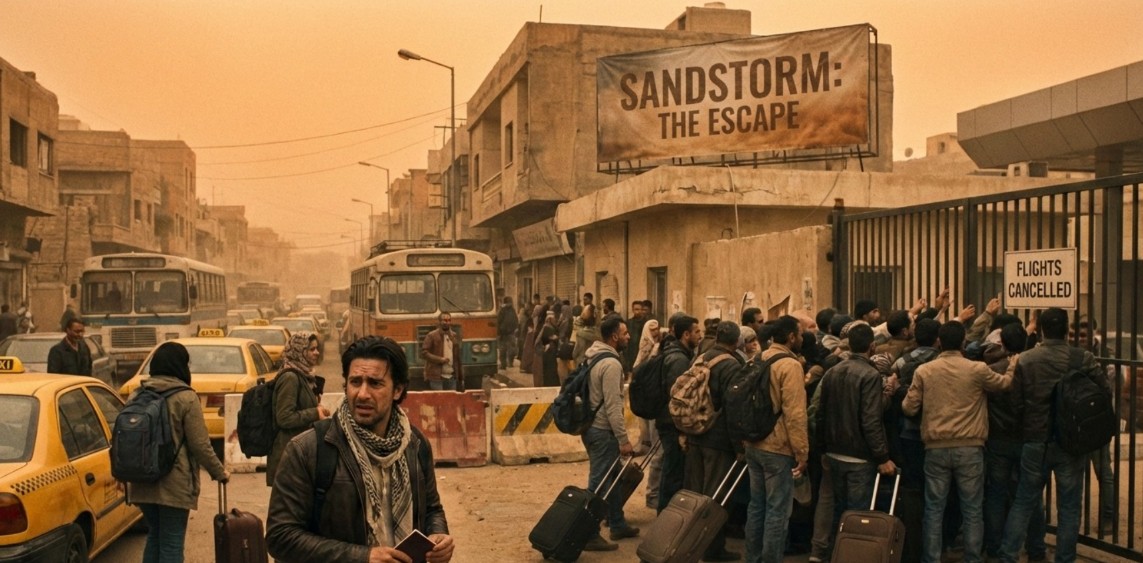
Riyadh Beats Jeddah, Muscat, and Bani Jamra with New Dangerously Unnerving Travel Chaos Set to Explode GCC for Tourists Becoming Terribly Unsafe in 2026: What You Need to Know

Riyadh Beats Jeddah, Muscat, and Bani Jamra with New Dangerously Unnerving Travel Chaos Set to Explode GCC for Tourists Becoming Terribly Unsafe in 2026: What You Need to Know

The Gulf Cooperation Council includes wealthy and modern nations, but official travel advisories reveal hidden danger zones. The countries of Saudi Arabia, Kuwait, Oman, Bahrain, Qatar and the United Arab Emirates share prosperous skylines, yet serious risks lurk in some cities. Government authorities report missile strikes, terrorist attacks, violent protests and unexploded bombs. This report summarises government‑verified warnings about locations that are considered unsafe and unfavourable for visitors in 2026. These warnings highlight the contrast between development and instability across the Gulf.

Saudi Arabia: Cities under the Shadow of Conflict

The oil rich kingdom has drawn tourists with high‑end cities like Riyadh and Jeddah, but official advisories paint a stark picture. Authorities from the United Kingdom caution that travellers should not go within 10 km of the Yemen border and should only undertake essential travel up to 80 km because missiles and drones have been fired across the border[1]. Warnings emphasise that missiles and drones have hit critical infrastructure and that attacks have targeted Riyadh and Jeddah[2]. Officials from the United States advise against travel to the southern city of Najran and the eastern suburb of Qatif, including Awamiyah, due to ongoing missile and drone attacks and terrorism[3]. These regions are considered unsafe for 2026 and caution is urged. Officials note that militants have targeted airports and oil facilities, demonstrating the scale of the threat[4].

Kuwait: Crime Hotspots and Dangerous Deserts

Tiny Kuwait appears stable, but government sources identify localised dangers. Travellers are advised to exercise increased caution in Jleeb Al‑Shuyoukh, a district near Kuwait City’s airport where high crime rates persist[5]. Outside the urban centre, the desert north of the Mutla’a Ridge and near the Iraqi border is considered extremely hazardous. Advisories explain that unexploded bombs, shells and landmines remain from the 1990 Gulf War and could detonate if disturbed[6]. Thus Kuwait has both a crime plagued neighbourhood and a lethal desert environment, making these areas unfavourable for tourists in 2026. Travellers are told not to leave marked roads or handle abandoned objects because of the risk posed by unexploded devices.

Oman: Border Risk and Recent Urban Violence

The sultanate is often portrayed as peaceful, but official guidance suggests caution. The Government of Canada advises avoiding any non‑essential travel within 10 km of the Yemeni border, noting that militias operate across the frontier and violence can spill over[7]. A 2024 shooting in Muscat’s Wadi Al Kabir district caused casualties[8], and officials explain that terrorism remains a possibility and targets could include public buildings and markets[9]. The combination of border conflict and sporadic urban violence means that certain parts of Oman are deemed unsafe for 2026. Travellers are urged to remain on main roads and avoid remote desert routes because of the ongoing conflict.

Bahrain: Protest‑Prone Districts

Bahrain is small but politically tense. Government advisories highlight districts where demonstrations and unrest occur regularly, including Sitra, Karbabad, Adliya, Sanabis and Bani Jamra[10]. Officials note that protests can involve burning tyres, Molotov cocktails and improvised explosive devices, leading to violent clashes and road closures[11]. Because protests can erupt without warning, these districts are considered unsafe and unfavourable for travel in 2026. Travellers are advised to avoid demonstration areas and to monitor local media for updates.

Qatar and United Arab Emirates: General Vigilance

No specific unsafe cities have been identified in Qatar or the United Arab Emirates, but official advisories call for vigilance. Qatar is assigned a Level 1 advisory, while the UAE carries a Level 2 advisory because of the potential for terrorist attacks and missile or drone strikes[12][13]. Travellers are encouraged to remain aware even though no districts are flagged.

Category‑wise Table of Unsafe Locations and Reasons

CountryCity or AreaOfficial reason for caution
Saudi ArabiaNajranDo‑not‑travel advisory near Yemen border due to missile and drone attacks[3]
 Qatif & AwamiyahEastern suburbs flagged for terrorism and potential attacks[3]
 Riyadh & JeddahMajor cities targeted by missiles and drones[2]
 Border zone (within 80 km of Yemen)Armed conflict and drone strikes lead to restrictions[1]
KuwaitJleeb Al‑ShuyoukhHigh‑crime area where increased caution is advised[5]
 Desert north of Mutla’a Ridge and Iraq borderLandmines and unexploded ordnance from the Gulf War[6]
OmanYemen border (within 10 km)Risk of spillover violence from militias across the border[7]
 Muscat – Wadi Al KabirSite of a 2024 shooting; terrorism remains a threat[9]
BahrainSitra, Karbabad, Adliya, Sanabis, Bani JamraDemonstrations and violent protests leading to road closures and potential harm[10][11]
United Arab EmiratesNone specifiedGeneral Level 2 advisory; vigilance required due to terrorism and drone threat[13]
QatarNone specifiedLevel 1 advisory; monitor regional tensions affecting travel[12]

Conclusion

Government‑verified travel advisories reveal that certain cities and regions in the Gulf are unsafe for visitors in 2026. Najran, Qatif, Riyadh and Jeddah face missile and drone attacks[3][2]. Kuwait’s Jleeb Al‑Shuyoukh has high crime, while its northern desert hides lethal unexploded bombs[5][6]. Oman’s border with Yemen and Muscat’s Wadi Al Kabir district are subject to conflict and terrorism[7][9]. Bahrain’s protest‑prone districts pose a risk of violence[10]. Although Qatar and the UAE have no specific danger zones, vigilance is recommended[12][13]. These official warnings should be heeded by anyone considering travel to the GCC.

Sources

[1] [2] Regional risks – Saudi Arabia travel advice – GOV.UK
https://www.gov.uk/foreign-travel-advice/saudi-arabia/regional-risks
[3] [4] Saudi Arabia International Travel Information
https://travel.state.gov/content/travel/en/international-travel/International-Travel-Country-Information-Pages/SaudiArabia.html
[5] [6] Kuwait International Travel Information
https://travel.state.gov/content/travel/en/international-travel/International-Travel-Country-Information-Pages/Kuwait.html
[7] [8] [9] Travel advice and advisories for Oman
https://travel.gc.ca/destinations/oman
[10] Travel advice and advisories for Bahrain
https://travel.gc.ca/destinations/bahrain
[11] Bahrain International Travel Information
https://travel.state.gov/content/travel/en/international-travel/International-Travel-Country-Information-Pages/Bahrain.html
[12] Qatar Travel Advisory
https://travel.state.gov/content/travel/en/traveladvisories/traveladvisories/qatar-travel-advisory.html
[13] United Arab Emirates Travel Advisory
https://travel.state.gov/content/travel/en/traveladvisories/traveladvisories/united-arab-emirates-travel-advisory.html

The post Riyadh Beats Jeddah, Muscat, and Bani Jamra with New Dangerously Unnerving Travel Chaos Set to Explode GCC for Tourists Becoming Terribly Unsafe in 2026: What You Need to Know appeared first on Travel And Tour World.
Qatar Airways Joins Turkish, Pegasus Airlines and Jet2 Face Massive Emergency Landings Across Turkey: What This New Report Unveils Surprising Truth

Qatar Airways Joins Turkish, Pegasus Airlines and Jet2 Face Massive Emergency Landings Across Turkey: What This New Report Unveils Surprising Truth

A saga of emergency landings to and from Turkey has unfolded since January 2022. The skies above the country and the routes connecting Istanbul, Ankara and coastal resorts have been punctuated by engine failures, health scares, bomb scares and smoke-filled cabins. Each emergency has been handled under intense scrutiny. Passengers have been told to brace as pilots declared emergency codes. Aircraft have been diverted to unfamiliar airports. Families have waited anxiously for news. Regulators have been called to examine flight safety. Through it all, the resilience of crews and passengers has been on display as emergency protocols were followed. This report looks at key incidents up to January 2026.[1][2]

Engine and Mechanical Failures

Mechanical issues were frequent triggers for emergency procedures. In May 2022 an Uzbekistan Airways 787 lost an engine while flying from Tashkent to Istanbul. The flight declared an emergency and diverted to Trabzon, where passengers disembarked safely and officials praised the drills[1]. On May 8 2024 a FedEx Boeing 767 arriving from Paris was forced to land in Istanbul without its nose gear; it touched down on its main wheels, its nose dropping onto the runway as fire crews stood by[3]. A day later a Corendon Airlines 737 burst a front tyre while landing at Alanya‑Gazipaşa. All 190 passengers were evacuated without injury and flights were diverted until the damaged jet was removed[4]. Qatar Airways flight QR243 from Doha encountered engine vibrations near Istanbul on 12 May 2025. A holding pattern was entered, an emergency squawk code was transmitted and the Airbus A320 landed safely after shutting down the troubled engine, forcing the cancellation of the return flight[5]. These events underscored how Turkish airports have become safe havens when engine problems arise.

Medical Emergencies and Human Tragedy

Health crises have led to heart‑rending diversions. On 11 June 2023 Turkish Airlines flight TK3 from Istanbul to New York diverted to Budapest when an eleven‑year‑old passenger fell gravely ill. Medics boarded after the Airbus A330 landed, but the child passed away despite efforts to save him[2]. Two hours later the flight continued. On 30 June 2024 an El Al Boeing 737 flying from Warsaw to Tel Aviv diverted to Antalya after a passenger suffered a medical emergency. The passenger was treated and disembarked. Political tensions flared when local ground staff refused to refuel the Israeli jet, forcing it to fly to Rhodes for fuel before heading home[6]. These stories highlight how emergency health incidents can intertwine with diplomatic sensitivities and personal grief.

Bomb Threats and Security Alerts

Security scares have created dramatic scenes. On 7 December 2022 a Pegasus Airlines flight from Casablanca to Istanbul made an emergency landing at Barcelona after a passenger claimed to be in labour. Officials later alleged that the woman faked the medical event to trigger a diversion, allowing 28 passengers to flee across the tarmac. Fourteen were detained and several were deported[7]. The flight resumed after checks. In September 2024 Vistara flight UK 27 from Mumbai to Frankfurt diverted to Erzurum when a note declaring a bomb was found in the lavatory. All 247 occupants were evacuated, thorough searches were conducted and no device was found[8]. The scare emphasised how the mere mention of a bomb triggers an emergency. On 15 January 2026 Turkish Airlines flight TK1853 from Istanbul to Barcelona was escorted by French and Spanish fighter jets after crew discovered a Wi‑Fi hotspot name that included a bomb threat. The Airbus A321 circled over the Mediterranean, landed in Barcelona and passengers were taken off while police combed the jet[9]. No explosives were found, but the incident exemplified the modern digital twist to security emergencies.

Smoke and Fire Incidents

Smoke in the cabin has repeatedly forced emergency responses. On 3 May 2025 Jet2 flight LS1209 from Birmingham to Dalaman declared an emergency after pilots detected smoke in the cockpit. The Boeing 737‑800 squawked the 7700 distress code and diverted to Luxembourg. Passengers disembarked onto the taxiway and the aircraft was later towed for inspection[10]. Less than six weeks later an easyJet flight from Paphos to Bristol reported a smell of smoke and diverted to Izmir, where passengers were accommodated and flown home on another aircraft[11]. Shortly afterwards a Turkish Airlines domestic flight heading to Antalya was evacuated on the taxiway when smoke appeared near the landing gear; emergency crews responded swiftly and nobody was hurt[12]. On 24 November 2024 a Sukhoi Superjet 100 operated by Russia’s Azimuth Airlines caught fire after a rough landing in Antalya. All 89 passengers and six crew used slides to evacuate, and investigators launched a probe[13]. These cases demonstrate how quickly smoke or fire can turn a routine flight into an emergency scenario.

Landing Gear and Structural Failures

Structural failures have produced frightening scenes. The FedEx and Corendon incidents have been noted, but other cases show the importance of robust landing gear. In May 2025 a FedEx freighter landed on its back wheels after the nose gear failed to deploy, sparking images of sparks and smoke on the runway[3]. Emergency services lined the runway and investigators examined the mechanism. The Corendon tyre burst a day later forced a regional airport to close temporarily and divert flights[4]. These close calls illustrate how the integrity of landing gear can dictate whether a routine arrival becomes an emergency landing.

Pilot Emergencies

Crew health can be just as critical as mechanical reliability. On 9 October 2024 a Turkish Airlines Airbus A350‑900 operating from Seattle to Istanbul made an emergency landing at New York’s John F Kennedy airport after its 59‑year‑old captain collapsed and died mid‑flight. The co‑pilot took control and landed around 6 a.m., and arrangements were made to continue the journey[14]. The airline expressed condolences and stressed that the captain had passed a health check earlier that year. This tragic emergency highlighted the importance of redundant crew and medical examinations.

Crashes and the Limits of Rescue

Not every emergency ends with safe landings. On 23 December 2025 a private Dassault Falcon 50 carrying Libya’s army chief of staff and seven others requested an emergency landing after reporting an electrical fault shortly after departing Ankara. Contact was lost during the descent and the aircraft crashed near the town of Haymana, killing all on board[15]. Black boxes were recovered for investigation. The tragedy served as a sobering reminder that even experienced crews can face insurmountable challenges.

Patterns and Takeaways

A review of these incidents shows certain patterns. Engine issues, smoke and false alarms have been common triggers. Many flights diverted to airports in Turkey or neighbouring countries; Istanbul and Antalya have hosted several safe emergency arrivals. Medical crises have underscored the human dimension of aviation, while bomb threats illustrate evolving security risks. Through each event, the word emergency has been repeated by controllers and passengers alike, yet the outcomes have largely been positive thanks to skilled crews and well‑practiced procedures. These stories collectively underscore the resilience of aviation and Turkey’s role as a crossroads where emergency preparations are constantly tested and improved.

Category‑wise Overview

CategoryFlights/CarriersYear & RouteSummary
Engine failures & mechanicalUzbekistan Airways, FedEx, Corendon, Qatar Airways2022 – 2025Engines failed or tyres burst, leading to diversions to Trabzon, Istanbul, Alanya‑Gazipaşa and Istanbul again[1][3].
Medical emergenciesTurkish Airlines TK3, El Al LY51022023 – 2024A child’s fatal illness forced a diversion to Budapest and an Israeli passenger’s illness triggered a landing in Antalya and refuelling dispute[2][6].
Security and bomb threatsPegasus Airlines, Vistara, Turkish Airlines TK18532022 – 2026A fake labour claim allowed migrants to flee in Barcelona; bomb threats in 2024 and 2026 led to diversions to Erzurum and Barcelona with fighter‑jet escorts[7][8].
Smoke & fire incidentsJet2, easyJet, Turkish Airlines domestic, Azimuth Airlines2024 – 2025Smoke in cockpits or near landing gear caused diversions to Luxembourg, Izmir and evacuations in Antalya[10][11].
Pilot emergencyTurkish Airlines Seattle–Istanbul2024A captain’s death resulted in an emergency landing at JFK[14].
CrashLibyan Falcon 502025An attempted emergency landing ended in a fatal crash near Haymana after an electrical fault[15].
MiscellaneousJet2 LS1209; Qatar Airways QR2432025Additional diversions due to smoke and engine vibrations underscored the unpredictability of flight operations[10].

Sources

[1] [12] Turkey’s Aviation Triumphs: Heroic Emergency Landings Across Istanbul, Trabzon, Antalya, Erzurum, and Beyond! – Travel And Tour World
https://www.travelandtourworld.com/news/article/turkeys-aviation-triumphs-heroic-emergency-landings-across-istanbul-trabzon-antalya-erzurum-and-beyond/
[2] Turkish Airlines Istanbul to New York Makes Emergency Landing in Budapest As 11 year Child Died – Aviation A2Z
https://aviationa2z.com/index.php/2023/06/11/turkish-airlines-istanbul-to-new-york-makes-emergency-landing-in-budapest-as-11-year-child-died/
[3] Turkey launches probe after Boeing plane lands without front landing gear | Aviation News | Al Jazeera
https://www.aljazeera.com/news/2024/5/8/turkey-launches-probe-after-boeing-plane-lands-without-front-landing-gear
[4] Passenger plane’s tire bursts on landing in Turkey; no casualties | Reuters
https://www.reuters.com/world/middle-east/passenger-planes-tire-bursts-landing-turkey-no-casualties-2024-05-09/
[5] Qatar Airways A320 Makes Emergency Landing in Istanbul with Engine Problem
https://aviationsourcenews.com/qatar-airways-a320-makes-emergency-landing-in-istanbul-with-engine-problem/
[6] Workers At Antalya Airport In Turkey Refuse To Refuel EL AL Boeing 737-800 After Medical Emergency Diversion
https://simpleflying.com/workers-antalya-airport-turkey-refuse-refuel-el-al-boeing-737-800-medical-emergency/
[7] Migrants flee plane after forcing emergency landing in Barcelona | Reuters
https://www.reuters.com/world/europe/plane-makes-emergency-landing-barcelona-migrants-board-escape-2022-12-07/
[8] Vistara flight diverts to Turkey after ‘bomb on plane’ message found in toilet | India News – Times of India
https://timesofindia.indiatimes.com/india/vistara-flight-diverts-to-turkey-after-bomb-on-plane-message-found-in-toilet/articleshow/113133030.cms
[9] Wi-Fi Hotspot Bomb Threat Forces Turkish Airlines Emergency Landing
https://simpleflying.com/wifi-hotspot-bomb-threat-turkish-airlines-emergency-landing/
[10] Incident: Jet2 B738 near Luxembourg on May 3rd 2025, smoke on board
https://avherald.com/h
[11] Paphos to Bristol flight makes emergency landing in Turkey after smoke smell reported | in-cyprus.com
https://in-cyprus.philenews.com/local/paphos-bristol-flight-emergency-landing-turkey-smoke-smell/
[13] Russian-made plane engine catches fire after landing in Turkey’s Antalya | Reuters
https://www.reuters.com/world/middle-east/russian-made-plane-engine-catches-fire-after-landing-turkeys-antalya-2024-11-24/
[14] Turkish Airlines pilot’s death mid-flight prompts emergency landing in New York | New York | The Guardian
https://www.theguardian.com/us-news/2024/oct/09/turkish-airlines-pilot-death-jfk
[15] Libya army chief of staff killed in jet crash near Ankara after fault reported, Turkish official says | Reuters
https://www.reuters.com/business/aerospace-defense/turkey-says-electrical-failure-reported-before-libyan-military-jet-crash-2025-12-24/

The post Qatar Airways Joins Turkish, Pegasus Airlines and Jet2 Face Massive Emergency Landings Across Turkey: What This New Report Unveils Surprising Truth appeared first on Travel And Tour World.
❌