Login
Login
Flights to India Just Got More Competitive: Find Out How Emirates Could Change Your Travel Plans
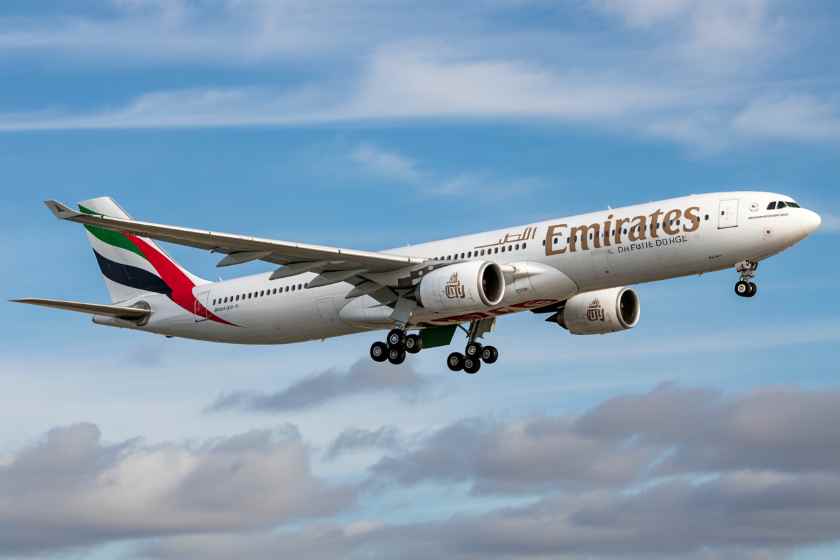
Emirates Airlines is setting its sights on increasing flight capacity between Dubai and India to keep pace with the growing demand for travel between the two countries. As one of the world’s busiest and most sought-after travel routes, the Dubai-India connection has seen a significant surge in tourism and passenger traffic. However, capacity limits, which have remained unchanged for years, are hindering the airline’s ability to meet passenger needs.
A Growing Demand for Travel to Dubai and India
The travel relationship between India and the UAE, particularly Dubai, has long been one of the most significant in the aviation industry. However, the capacity limitations, established through the bilateral air services agreement between the two nations, are preventing Emirates from fully capitalizing on this demand surge. Emirates currently operates 167 weekly flights to India, yet demand far exceeds available seat capacity, often forcing the airline to turn away passengers.
According to Emirates executives, the airline is working closely with the governments of India and the UAE to ease these restrictions. The airline’s goal is to increase the number of available seats, with the aim of boosting tourism flows between the two countries. Given the continued strength of travel demand, Emirates believes that a resolution could allow for greater connectivity and improved services, ultimately enhancing tourism and trade between India and Dubai.
Tourism: The Driving Force Behind Demand
Tourism between India and Dubai plays a key role in the airline’s strong performance on the route. The UAE, particularly Dubai, has become a top destination for Indian tourists, offering a blend of luxury shopping, fine dining, cultural experiences, and world-class entertainment. Additionally, Dubai’s proximity to India makes it an attractive destination for short getaways, business trips, and family vacations.
As one of the busiest hubs in the region, Dubai sees high volumes of inbound travelers from India, attracted to the city’s diverse attractions. From the iconic Burj Khalifa to the ever-expanding Dubai Mall, Dubai’s tourism offerings continue to draw millions of Indian visitors each year. Furthermore, the UAE’s appeal as a business and MICE (Meetings, Incentives, Conferences, and Exhibitions) destination is also a driving force for travel between the two countries.
India, on the other hand, remains a major source market for tourism to the UAE. Indian travelers are keen to experience the UAE’s dynamic attractions, and Dubai, with its modern infrastructure, excellent connectivity, and cultural fusion, is at the heart of this growing trend. As both governments focus on boosting tourism, easing capacity limits becomes essential to meeting demand.
The Challenge of Capacity Constraints
Under the current air services agreement between India and the UAE, a cap of 65,000 weekly seats is in place for flights between the two countries. However, demand has significantly outpaced these allocations. Emirates estimates that the actual demand for seats on the India-Dubai route approaches nearly 200,000 weekly seats, leaving a massive gap between what is needed and what is available.
Similarly, the India-Abu Dhabi route faces similar capacity restrictions, limiting growth between this key connection. These limitations have had an impact on Emirates’ market ranking, with India falling from one of its top five markets to the top ten. Despite the challenges, Emirates continues to prioritize the India market, recognizing its long-term importance for the airline’s network.
The capacity constraints are felt not only by the airline but also by travelers. With limited seat availability, passengers often experience difficulty in securing flights, especially during peak travel periods. As a result, Emirates is keen to work with the governments of both nations to unlock additional entitlements and ensure that demand is met with an adequate supply of seats.
The Role of Government Negotiations
The ongoing government negotiations between India and the UAE are critical for unlocking additional flight capacity. While partnerships between airlines and airports can help improve service, the key to addressing the issue lies in increasing the available seat capacity through revisions to the air services agreement. The UAE government has expressed confidence that discussions will lead to a positive outcome, allowing Emirates to scale up operations and offer more flights to meet rising demand.
Emirates is prepared to quickly deploy additional flights once capacity entitlements are granted. With its extensive network planning and fleet readiness, the airline is well-positioned to respond swiftly and expand its services to India. If capacity restrictions are eased, Emirates could add more frequencies and routes to major cities across India, further strengthening tourism and business connections.
Optimizing Existing Capacity for Maximum Impact
While awaiting the outcome of negotiations, Emirates has continued to focus on optimizing its existing operations to maximize efficiency within the current capacity limits. By refining flight schedules and ensuring that flights are operating at full capacity, Emirates has managed to continue meeting demand despite the constraints. This commitment to operational excellence helps ensure that passengers continue to experience high-quality services, even within the limits imposed by the current air services agreement.
Furthermore, the airline continues to enhance customer connectivity, making travel more seamless and convenient for passengers. Emirates offers a range of amenities, from in-flight entertainment to premium cabin services, making the journey as comfortable as possible for travelers. This commitment to customer satisfaction ensures that those who do manage to secure a seat experience world-class service from start to finish.
Looking Ahead: Unlocking New Opportunities for Tourism
As the travel industry continues to recover from the impact of the pandemic, the demand for travel between India and the UAE is expected to remain strong. Dubai, in particular, is set to benefit from the growing influx of Indian tourists, and Emirates is eager to ensure that it can meet this demand. By expanding its flight capacity and increasing connectivity, the airline aims to make it easier for travelers to experience all that both India and the UAE have to offer.
With the potential for increased capacity on the horizon, Emirates remains optimistic about the future of tourism between India and Dubai. By working with both governments, the airline hopes to unlock new opportunities for travelers, making it easier than ever to explore the cultural, business, and leisure offerings of both destinations.
The post Flights to India Just Got More Competitive: Find Out How Emirates Could Change Your Travel Plans appeared first on Travel And Tour World.