
Reading view

How the Belize Tourism Board and American Culinary Federation Are Revolutionizing Caribbean Gastronomy Standards in 2026

How the Belize Tourism Board and American Culinary Federation Are Revolutionizing Caribbean Gastronomy Standards in 2026

This week marked a watershed moment in the Central American hospitality landscape, as the Belize Tourism Board (BTB) wrapped up its most recent industry advancement initiative. A prestigious Culinary Certification Ceremony was held in Belize City, where a select group of thirteen culinary professionals were recognised for successfully completing a rigorous five-month training programme. This initiative was created specifically to raise the foundational standards of the country’s tourism sector in order to meet the growing demands of the international travel market.

Participants earned an internationally recognised certification thanks to a strategic partnership with the American Culinary Federation (ACF). This achievement is regarded as a significant milestone in the country’s professional development, ensuring that the expertise of local kitchen staff is validated by global standards. The completion of this programme demonstrates that Belize is no longer just a casual dining destination but also a thriving hub for high-end, technically proficient gastronomy.

The Science Behind the Flavours

The accelerated programme was structured to combine theoretical classroom instruction with intensive, hands-on kitchen training. Throughout the duration of the course, a deep focus was maintained on professional discipline, advanced culinary techniques, and stringent food safety protocols. By shifting the focus toward these core pillars, a more sophisticated hospitality environment is being fostered.

It was noted by tourism officials that this initiative forms a critical component of a much broader strategy intended to strengthen the overall tourism product of the nation. By improving service quality and expanding the diversity of culinary offerings, a more compelling value proposition is presented to visitors. The programme was specifically curated to ensure that every dish served in Belize’s top-tier resorts reflects not only cultural heritage but also a mastery of the culinary arts that can stand alongside the world’s most renowned dining destinations.

Destination Branding Through the Palate

In the modern travel era, it is increasingly observed that cuisine plays a pivotal role in the branding of a destination. Modern travellers are frequently driven by a desire for authentic and high-quality food experiences that tell a story. Consequently, the certification was introduced to equip local chefs with skills that remain globally competitive while allowing the unique, vibrant flavours of Belize to be showcased on an international stage.

The transformative nature of the programme was highlighted by the involvement of seasoned industry veterans. It was observed by prominent figures, including Chef Sean Kuylen, that the requirements of the training were exceptionally demanding. A long-standing local misconception—that the simple act of wearing an apron qualifies an individual as a chef—has been frequently challenged by professionals in the field. Through this certification, a clear distinction is established between amateur enthusiasts and certified practitioners who have mastered the science and math behind the craft.

Strengthening the Hospitality Infrastructure

The graduates of this programme are now integrated into a growing network of professionally certified practitioners. It is expected by the Belize Tourism Board that restaurant standards, hospitality services, and the broader niche of culinary tourism will be significantly bolstered by this new cohort. As these chefs return to their respective establishments—ranging from the luxury villas of Ambergris Caye to the eco-lodges of the Cayo District—a higher standard of execution is anticipated.

Furthermore, this movement aligns with the National Sustainable Tourism Master Plan (NSTMP) 2030, which seeks to diversify the Belizean experience. When local talent is invested in, the entire economic fabric of the tourism industry is strengthened. Visitors can now expect a seamless fusion of traditional Maya, Garifuna, and Mestizo influences, all prepared with the precision required by the American Culinary Federation.

Future Horizons for Belizean Tourism

The long-term consequences of such professionalisation are profound. As more chefs go through this rigorous vetting process, Belize’s “farm-to-table” movement gains new technical expertise. This evolution ensures that the country’s natural bounty, from fresh Caribbean seafood to organic rainforest produce, is treated with the care and skill it deserves.

As Belize prepares to become a top destination for discerning travellers in 2026, the culinary arts are being promoted as a primary attraction rather than a secondary service. The dedication displayed by these thirteen graduates demonstrates the country’s commitment to excellence. Belize’s reputation as the Caribbean’s jewel and a world-class leader in sustainable, high-quality tourism is strengthened by these systematic human capital improvements.

The post How the Belize Tourism Board and American Culinary Federation Are Revolutionizing Caribbean Gastronomy Standards in 2026 appeared first on Travel And Tour World.

Beyond the Bottle: Why Kentucky’s Bourbon Trail is the Ultimate 2026 Travel Destination

Beyond the Bottle: Why Kentucky’s Bourbon Trail is the Ultimate 2026 Travel Destination

The global beverage landscape has encountered numerous hurdles over the past twelve months, yet the American bourbon sector remains remarkably resilient. Often referred to as “liquid gold,” this native spirit has solidified its position as a primary engine of economic growth. Beyond the mere production of spirits, a secondary “gold mine” has been unearthed in the form of specialized tourism. The Bluegrass State, long celebrated for its rolling hills and equine heritage, is now being redefined by its aromatic rickhouses and the immersive experiences offered to travellers from across the globe.

According to the latest data released by the Kentucky Distillers’ Association (KDA) for 2025, the whiskey sector is not merely surviving but thriving. A staggering $10.6 billion in revenue was generated by the spirit over the last year, marking a significant $1.6 billion increase over the previous 2024 fiscal period. This upward trajectory serves as a testament to the enduring appeal of traditional craftsmanship in an increasingly digital world. The vital role played by bourbon in the broader United States economy is underscored by these rising figures, proving that the appetite for authentic, heritage-based travel experiences shows no signs of waning.

A Catalyst for Regional Prosperity and Employment

The value of the bourbon industry is not confined to the bottles found on retail shelves; it is deeply embedded in the social fabric of the region. Currently, more than 125 distilleries are hosted within the borders of Kentucky, supported by a network of over 100 dedicated companies. This industrial density has facilitated the creation of significant employment opportunities. Approximately 24,000 jobs are now provided by the bourbon industry alone, representing a substantial workforce that sustains local communities.

Furthermore, these roles account for more than $2 billion in annual wages, fuelling a cycle of prosperity that benefits hotels, restaurants, and local artisans. What was once viewed as a localized manufacturing product has been transformed into a sophisticated international attraction. The shift from a production-focused industry to a hospitality-centred one has been deliberate and highly successful. As global interest in whiskey culture intensifies, Kentucky has positioned itself as the epicentre of this movement, ensuring that the economic benefits are felt far beyond the distillery gates.

The Evolution of the Kentucky Bourbon Trail

The transformation of Kentucky into a world-class travel destination has been spearheaded by the expansion of the Kentucky Bourbon Trail. Visitors are drawn from every corner of the map to participate in guided tours, where the intricate processes of fermentation, distillation, and ageing are showcased. These excursions are frequently complemented by luxury overnight stays, as the demand for high-end accommodations in “Bourbon Country” continues to climb.

Recent expansions to the Kentucky Bourbon Trail have introduced new stops and curated experiences, ensuring that even repeat visitors find something fresh to discover. These new additions are expected to attract fresh waves of international tourists, bringing with them a further influx of revenue. The integration of modern hospitality with historic distilling traditions has created a unique “pilgrimage” for spirit enthusiasts. Whether it is a boutique distillery tucked away in a rural valley or a massive architectural marvel on the outskirts of Louisville, each stop offers a narrative of American grit and refinement.

Sustainable Growth and Future Horizons

There is no indication of a slowdown in this booming sector. The synergy between spirit production and the travel industry has created a robust ecosystem that appears insulated from broader market fluctuations. Investment in infrastructure—ranging from new tasting rooms to barrel-ageing warehouses—continues at an unprecedented pace. This growth is supported by a legislative environment that recognizes the cultural and fiscal importance of the spirit.

As we look toward the remainder of 2026, the focus is shifting toward sustainability and the enhancement of the “visitor journey”. Plans are being implemented by various stakeholders to ensure that the influx of tourists does not compromise the authenticity of the local culture. Instead, the goal is to create a sustainable model where tourism and production exist in harmony. For the traveller, this means more personalized tastings, exclusive “behind-the-scenes” access, and a deeper connection to the land where the corn is grown and the limestone-filtered water is sourced.

Planning Your Pilgrimage to Bourbon Country

Kentucky continues to be unrivalled for those seeking a travel experience that combines history, craftsmanship, and culinary excellence. The state’s distilleries have expanded beyond simple factory tours to include masterclasses in blending, farm-to-table dining experiences, and even opportunities for guests to fill their own bottles straight from the cask. The KDA’s economic statistics reflect a deeper truth: Bourbon is more than a drink; it is a gateway to the American heartland.

With $10.6 billion in revenue and an expanding list of world-class destinations, the bourbon industry exemplifies how a traditional craft can adapt and thrive in the modern era. Travellers are encouraged to book their itineraries well in advance, as the Bourbon Trail’s popularity shows no signs of waning. From the historic streets of Bardstown to the vibrant ‘Whisky Row’ in Louisville, the spirit of Kentucky is waiting to be celebrated.

The post Beyond the Bottle: Why Kentucky’s Bourbon Trail is the Ultimate 2026 Travel Destination appeared first on Travel And Tour World.
The Norway Assignment: Where Ultra-Luxury Meets Cinematic Espionage and Elite Endurance

The Norway Assignment: Where Ultra-Luxury Meets Cinematic Espionage and Elite Endurance

In today’s high-end tourism landscape, there is a clear shift from passive observation to active participation. While traditional luxury has long been associated with leisure, Pelorus Travel is breaking new ground with “The Norway Assignment”. This nine-night operation is not your typical holiday; rather, it is framed as a high-stakes simulation inspired by the Mission: Impossible franchise. The distinction between the observer and the protagonist is purposefully blurred, as participants are thrust into a story that requires physical and psychological strength. Norway’s most harsh landscapes serve not only as a backdrop but also as a rigorous testing ground for those seeking a transformative experience.

Tactical Preparation and Elite Instruction

The journey is initiated not with the typical amenities of a five-star check-in but with a series of intensive training modules. Under the guidance of former Special Forces officers, the fundamental skills of espionage and tactical movement are imparted to the guests. Instruction is provided in disciplines ranging from parachuting and rappelling to weapons handling and stunt choreography. These sessions are structured as disciplined drills rather than theatrical play, ensuring that a professional standard of precision and safety is maintained. By establishing this technical foundation early on, the participant is transitioned from a mere traveller into a capable operative, prepared for the environmental complexities that lie ahead.

Logistical Sophistication and Purposeful Movement

The orchestration of movement across the Norwegian wilderness is handled with military-grade efficiency. Rather than utilizing conventional transit, travel is conducted via private helicopters and high-speed yachts, ensuring that every transition remains integrated into the mission’s operational tempo. These modes of transport are leveraged to provide access to remote regions and filming locations that remain inaccessible to the general public. Through this logistical framework, the concept of luxury is reframed as exclusive access and seamless coordination. Every mile travelled across the fjords or over the alpine peaks is designed to reinforce the sense of urgency and purpose that defines the assignment.

Confronting the Giants: The Helsetkopen Cliffs

One of the most physically daunting segments of the operation is centred around the Helsetkopen cliffs, a site immortalized by cinematic history. The sheer scale of the terrain is encountered firsthand, demanding a level of focus that transcends simple sightseeing. Under the constant supervision of expert safety teams, the terrain is engaged through controlled activities that mirror the daring sequences seen on screen. The verticality of the landscape is used to teach the importance of discipline and calculated risk. Here, the reality of professional stunt work is demystified, and the immense preparation required for such feats is fully appreciated by the participants.

Cumulative Mastery Through High-Intensity Challenges

As the mission progresses, the complexity of the tasks is steadily increased. Vertical challenges are presented through dam rappelling and parachute jumps, forcing a confrontation with personal limits and the management of fear. Simultaneously, the dynamic forces of Norway’s waters are navigated during high-speed fjord races, where situational awareness is prioritized. These activities are sequenced with intentionality, ensuring that the skills acquired in the early stages are consistently applied and refined. The escalation of intensity is never randomized; it is built upon a philosophy of cumulative mastery, where each success fosters the confidence required for the next objective.

Precision Driving in the Sunnmøre Alps

The narrative is extended to the narrow, winding mountain roads of the Sunnmøre region, where supercar driving is introduced. This segment is not focused on raw speed but rather on the precision and restraint necessitated by alpine conditions. The hairpin bends and steep gradients serve as a test of situational judgement and vehicle control. Participants are taught to respect the environment as a volatile variable rather than an adversary to be conquered. This balance of confidence and humility is a recurring theme, emphasizing that true elite performance is rooted in discipline rather than bravado.

Authenticity in Accommodation and Professional Insight

A layer of historical texture is added to the experience through the selection of accommodations. Guests are housed in the private manor that served as a base for production crews during filming. This setting is treated as a functional command centre rather than a standard luxury resort, maintained to preserve an atmosphere of authenticity. During the evenings, demonstrations are provided by professional stunt team members, offering a rare glimpse into the rigorous planning and contingency protocols that underpin cinematic spectacles. These interactions serve to contextualize the participants’ own training, highlighting the importance of the “disciplined process” over the final result.

The Arctic Finality: Endurance in Svalbard

The final phase of the operation involves a dramatic shift in environment as participants are transported north to the Svalbard archipelago. In this Arctic wilderness, the focus is transitioned from choreographed speed to sustained physical endurance. Glacier treks are conducted in extreme sub-zero temperatures, requiring a different level of mental stamina. The presence of polar bears, managed through strict safety protocols, serves as a reminder of the uncontrollable variables inherent in the natural world. This concluding chapter is designed to instill a sense of profound humility, closing the mission not with a roar of engines, but with a quiet respect for the raw power of the environment.

A New Paradigm for the Global Elite

The Norway Assignment exemplifies a broader shift in the ultra-luxury sector, where value is increasingly derived from personal transformation and the acquisition of distinctive skills. At a price of $159,000, it is aimed at an audience that sees luxury as the ultimate form of access. By refusing to soften the edges of the experience for the sake of comfort, Pelorus Travel has created a hybrid travel model that is equal parts elite training, endurance test, and cinematic immersion. It is an intentional journey in which participants must accept discomfort and effort as necessary components of an earned adventure.

The post The Norway Assignment: Where Ultra-Luxury Meets Cinematic Espionage and Elite Endurance appeared first on Travel And Tour World.

Why the New Age Limit of Acacia Africa is a Game-Changer for Family Safari Adventures

Why the New Age Limit of Acacia Africa is a Game-Changer for Family Safari Adventures

The African adventure travel landscape is undergoing significant transformation as established tour operators adapt to the changing needs of modern families. In a significant strategic shift, Acacia Africa has officially reduced its minimum age requirement, allowing families travelling with 16- and 17-year-olds to participate in their well-known Adventure Camping and Adventure Accommodated Tours. This policy change ensures that the magic of Southern and East Africa is no longer limited to solo travellers or adult groups but is also available to families looking for a shared, rugged exploration of the continent. This change makes all 81 of the specialist’s overland itineraries available to this new demographic.

The Resurgence of Nostalgia-Driven Exploration

This decision is largely influenced by the burgeoning trend of nostalgia-driven travel. It is observed that many millennial parents, who originally traversed the African continent with Acacia during their formative twenties, are now seeking to replicate those foundational experiences with their own children. The overland experience, once a rite of passage for backpackers, is now being reimagined as a “full-circle” journey. For these parents, the opportunity to revisit iconic landscapes and remote outposts alongside their teenagers is seen as a profound way to bridge generational gaps. It is anticipated that this move will resonate deeply with those who wish to share their past adventures in a tangible, immersive way.

Fostering Connection Through Collective Contribution

Unlike the standard, passive nature of traditional luxury family tours, these adventure circuits are designed to be intentionally hands-on and highly social. A strong group dynamic is fostered by the requirement that guests participate in daily camp routines, including the setting up of equipment and meal preparation. It is believed that these shared responsibilities naturally encourage a deeper level of connection between parents and teenagers, as the distractions of modern digital life are replaced by the necessities of life on the road. While the logistical complexities of the journey—such as navigation and vehicle maintenance—are managed by professional guides and drivers, the families are permitted to focus entirely on the sensory experience of the expedition.

The Emotional Impact of the African Wilderness

The desire for meaningful, shared experiences is often heightened during the period before children depart for university or begin their independent lives. Africa is regarded as a powerful setting for such connections, offering raw landscapes that demand presence and engagement. Whether the journey represents a first-time introduction to the bush or a return to familiar territory, the environment is credited with creating a unique space for family bonding. For many returning travellers, the act of stepping back onto African soil is described not merely as a vacation, but as a homecoming—a return to a place that shaped their worldview decades prior.

Exceptional Value in Adventure Itineraries

Access to these life-altering experiences is provided through various entry-level and comprehensive packages. For those seeking a shorter introduction to the wild, the 4-day Kruger Safari is offered at a competitive starting price, which includes the necessary Adventure Pass for park fees and activities. Crucially, no single supplement is charged, making the tours an attractive option for varied family structures. For the more intrepid family unit, the 19-day Cape Town to Victoria Falls Adventure Camping Tour serves as the flagship offering. This extensive journey covers multiple borders and biomes, providing a holistic view of the region’s geographical and cultural diversity.

From the Atlantic Coast to the Namibian Desert

The 19-day expedition commences in the vibrant urban centre of Cape Town before moving toward the dramatic silhouettes of the Cederberg Mountains. As the journey progresses into Namibia, the vastness of the Fish River Canyon and the iconic towering dunes of Sossusvlei are explored. Along the Atlantic coastline, the town of Swakopmund provides a temporary reprieve where relaxation is balanced with high-octane desert activities, such as fat biking across the shifting sands. Further inland, the rock formations of Spitzkoppe and the immense wildlife concentrations of Etosha National Park are highlighted as essential stops on the itinerary.

Navigating the Waterways of Botswana and Zambia

The latter half of the journey is dominated by the lush ecosystems of Botswana. The intricate waterways of the Okavango Delta and the expansive Chobe River are navigated, offering frequent encounters with elephants, hippos, and the distinctive call of the African fish eagle. The expedition eventually concludes in Livingstone, Zambia, within sight of the majestic Victoria Falls. Included in the comprehensive tour price are all major highlights, specialized transport, and varied accommodations, ranging from traditional two-person dome tents to pre-erected en suite setups. The presence of a dedicated tour leader and driver throughout the journey ensures that safety and educational insights are prioritized at every turn.

Planning and Safety Considerations

Families considering such a journey should consult official government resources to ensure a smooth and safe travel experience. Visa requirements and health protocols for Southern and East Africa can be found at or. Furthermore, up-to-date health and vaccination advice for visitors to the region is provided by. These resources are extremely useful for planning an overland safari’s specific environmental and administrative requirements.

The post Why the New Age Limit of Acacia Africa is a Game-Changer for Family Safari Adventures appeared first on Travel And Tour World.

Why Castlerock Golf Club is the Ultimate Hidden Gem of Northern Ireland’s Causeway Coast

Why Castlerock Golf Club is the Ultimate Hidden Gem of Northern Ireland’s Causeway Coast

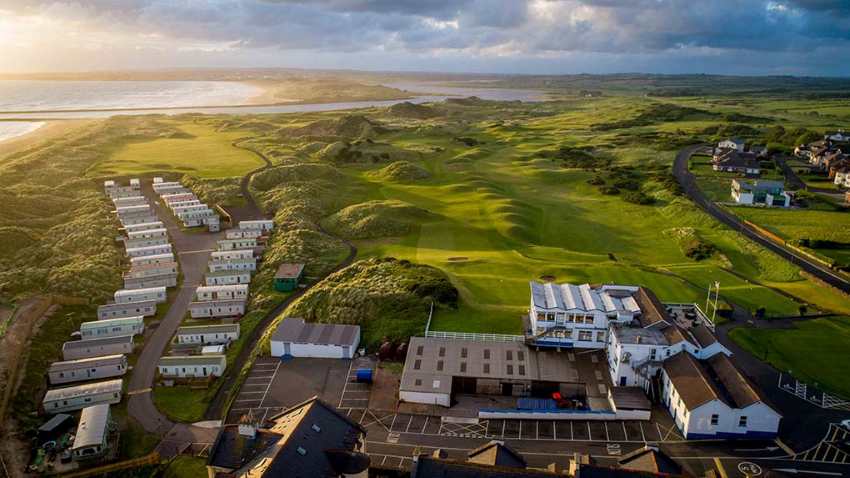
While the towering reputations of nearby Royal Portrush and Portstewart frequently dominate Northern Ireland’s international golfing narrative, the seaside town of Castlerock provides a sophisticated alternative. Castlerock Golf Club, which features a links layout described as both elegant and exhilarating, remains one of the country’s most prestigious yet understated sporting destinations. Established in 1901 by locals looking to take advantage of the spectacular natural terrain, the club has grown from a modest nine-hole retreat to a world-class multi-course facility that is respected by both seasoned professionals and travel enthusiasts.

A Legacy Shaped by Design Legends

The architectural evolution of the course is steeped in golfing lore. Initially plotted as a nine-hole experience, the expansion to a full 18-hole layout was overseen by the esteemed Scottish club maker Ben Sayers. However, the prestige of the grounds is further enhanced by the widely held belief among members that the legendary Harry Colt—the mastermind behind the iconic Dunluce Links at Royal Portrush—was consulted on the design during the 1930s. Although official documentation of Colt’s involvement is scarce, the “Colt signature” is felt through the strategic use of natural undulations and the clever integration of the coastal landscape. Today, the club features two distinct tracks: the testing par-34 Bann Course, which meanders alongside the River Bann, and the formidable par-73 Mussenden Course, which serves as the primary attraction for visitors.

The Professional Standard: A Championship Pedigree

The championship quality of Castlerock is well-documented through its history as a host for major competitive events. The Irish PGA Championship has been staged on these links four times. One of the most memorable iterations occurred in 2001, when the title was secured by Des Smyth in a hard-fought three-stroke victory over Paul McGinley. Such a history underscores the fact that the Mussenden Course is not merely a scenic walk but a rigorous test of skill. Accuracy is demanded from the tee, creativity is required for approach shots into complex green complexes, and a highly disciplined putting stroke is essential to navigate the subtle breaks of the surfaces.

Navigating the Mussenden: A Journey Through the Dunes

A round at the Mussenden Course is structured as a progressive journey that begins with a gentle introduction before intensifying as the holes draw closer to the Atlantic. The opening pair of holes sets a high standard; the first is a 367-yard par four that doglegs toward the right, guarded by steep hills. It is here that the true nature of the rough is first encountered, where thick bracken and straw are known to swallow wayward strikes. The second hole, a shorter 334-yard par four, offers a “risk-reward” opportunity for long hitters to drive the green, though the shot is entirely blind, making the conservative left-flank approach the more logical strategy for the uninitiated.

As the round progresses, the variety of the layout becomes its defining characteristic. The 523-yard par five third hole tests endurance, while the quirky 214-yard par three ninth demands precision. A standout feature is the sixth hole, a signature 347-yard par four. Here, a small stream separates the fairway from the green, necessitating a strategic layup. The green itself is regarded as one of the most treacherous on the property, featuring a significant slope that can send undercooked approach shots rolling back into the water hazard.

The Back Nine: Where Elements and Architecture Converge

The difficulty of the course is amplified on the back nine as the layout edges closer to the River Bann. It is in this section where the coastal weather becomes a primary protagonist, particularly as the elevation increases. The final four holes are frequently cited as the premier stretch of the course. The 14th, a 192-yard par three, is surrounded by four intricately placed bunkers designed to penalize even the slightest mishit. Upon reaching the 15th tee, players are treated to arguably the most spectacular vistas in Northern Ireland, with the rolling hills of Portstewart visible across the coastline. The round is concluded by the 18th, a 357-yard par four that rises toward a raised green, requiring one final display of accuracy to avoid the thick bracken-covered hills flanking the fairway.

Beyond the Fairways: Clubhouse Culture and Amenities

The experience of Castlerock extends beyond the final putt. The clubhouse is a repository of the club’s rich heritage, with hallways lined with silver trophies and historical artefacts that speak to its 125-year history. For those seeking technical improvement, the ‘Swing Studio’ provides a modern facility where club fitting and professional instruction are offered. The pro shop is equally well-appointed, stocked with bespoke club-branded merchandise that serves as a high-quality memento of the visit.

Post-round relaxation is catered to in the upstairs bar and restaurant, which offers a panoramic view of the links. It is here where the “cockles are warmed” after a cold day on the dunes. The culinary offerings are hearty and sophisticated, ranging from rump steaks and buffalo wings to the traditional soup of the day. The atmosphere is consistently described as warm and welcoming, devoid of the ostentation sometimes found at elite global clubs.

A Value-Driven Elite Experience

Castlerock Golf Club, while not as well-known as Northern Ireland’s “Big Two”, offers a world-class links experience that is frequently regarded as superior in terms of value and hospitality. It is a place where the ball is frequently played from above or below the feet, blind shots are required, and the spirit of traditional links golf is preserved in its purest form. Castlerock is more than just a secondary option for golfers visiting the Antrim Glens and the northwest coastline; it is a must-see destination that defines the rugged beauty of Northern Irish golf.

[Image Source: Castlerock Golf Club Official Website]

The post Why Castlerock Golf Club is the Ultimate Hidden Gem of Northern Ireland’s Causeway Coast appeared first on Travel And Tour World.

Rutland, England: Proposed 1,000-Acre Wildlife Sanctuary Seeks to Reintroduce Bears and Wolves to the British Landscape

Rutland, England: Proposed 1,000-Acre Wildlife Sanctuary Seeks to Reintroduce Bears and Wolves to the British Landscape

A visionary planning application has been submitted that proposes the reintroduction of apex predators to a sprawling 1,000-acre site, potentially transforming the English countryside significantly. The Wild Rutland Partnership is spearheading this initiative, which is based in Rutland near Leicester. The project aims to create a premier nature conservation and wildlife sanctuary that emphasises ecological integrity and immersive education.

If local authorities grant the necessary approvals, a number of formidable species, including Eurasian brown bears, grey wolves, and lynxes, will be introduced into the woodland. These animals are intended to be housed in specialised enclosures that mimic their natural environments. The public will be able to observe these majestic mammals through a series of elevated viewing platforms, which will ensure the safety of both residents and visitors while providing an unobstructed window into their lives.

A Landscape Redefined

The proposed site for this expansive safari park is strategically positioned to stretch from the historic Burley Wood to the Oakham bypass. By utilizing such a vast area, the project aims to create a cohesive ecosystem rather than a traditional zoo environment. Existing structures on the land are also slated for integration into the new park; for instance, an onsite barn is expected to be meticulously refurbished to provide a specialized climate-controlled environment for various small reptiles and insects.

The development is not merely focused on fauna but also emphasizes the restoration of the landscape itself. Heritage landscapes that have been altered by centuries of human activity are intended to be restored to a more natural, biodiverse state. This approach is rooted in the philosophy of “exemplar ecological tourism”, where the primary goal is the rehabilitation of the land, supported by the revenue generated from sustainable travel.

The Visitor Experience and Infrastructure

To support the influx of nature enthusiasts, a comprehensive “Visitor Village” has been conceptualized. This hub is expected to serve as the gateway to the wild, featuring a multi-functional reception area. Within this complex, a retail outlet, a café, and a full-service restaurant are planned to cater to the diverse needs of guests. Furthermore, an indoor play area and a dedicated education and exhibition building are proposed to ensure that the message of conservation is communicated effectively to younger generations.

For those seeking a more profound connection with the environment, overnight stays will be made possible through the construction of 22 self-catering guest lodges. These accommodations are designed to blend seamlessly into the woodland surroundings, offering a high-end yet eco-conscious experience. A communal dining area is also included in the plans, intended to foster a sense of community among guests who choose to stay overnight in the heart of the sanctuary.

A New Benchmark for Sustainable Tourism

The project is being guided by a multidisciplinary team of experts specializing in restoration, education, and attraction management. The initiative is driven by a profound respect for the local geography and historical context of Rutland. It is envisioned that this park will set a new national benchmark for sustainable land management within the United Kingdom.

By focusing on “conservation-led eco-tourism”, the project seeks to prove that economic viability and environmental stewardship can coexist. The reconnecting of human populations with the natural world is viewed as a vital component of modern conservation strategy. Through this immersive experience, it is hoped that a deeper understanding of biodiversity and the importance of protecting indigenous and formerly native species will be fostered among the general public.

Local Governance and Future Prospects

The local council’s decision-making process continues to determine Wild Rutland’s reality. A formal decision on the planning permission is expected to be delivered in May. Conservationists and travel industry experts are closely watching this decision, which represents a significant shift in how wildlife spaces are managed in the British Isles.

If the project is approved, it will be one of the largest private conservation efforts in the region, with animals being introduced in stages. The combination of high-level tourism facilities and rigorous scientific standards for animal welfare and land management points to a future in which the wilder parts of Britain’s history find a permanent home in the modern landscape.

The post Rutland, England: Proposed 1,000-Acre Wildlife Sanctuary Seeks to Reintroduce Bears and Wolves to the British Landscape appeared first on Travel And Tour World.
❌