
Reading view

Sri Lanka Unveils New Ambitious Domestic Air Connectivity Plan to Boost Regional Tourism and Economic Growth, Seeking Strategic Investment from Indian Airlines

Sri Lanka Unveils New Ambitious Domestic Air Connectivity Plan to Boost Regional Tourism and Economic Growth, Seeking Strategic Investment from Indian Airlines
Sri Lanka
domestic air

Sri Lanka is launching a new domestic air connectivity scheme inspired by India’s UDAN programme to improve regional travel and unlock tourism potential. The initiative aims to enhance accessibility to both popular and emerging destinations, making it easier for tourists to explore the island. By offering faster and more affordable travel options, the scheme seeks to boost the tourism sector while attracting international airlines, particularly from India, to expand their presence in Sri Lanka. This development promises to contribute to economic growth and regional development in the long term.

Sri Lanka is taking significant steps to enhance its domestic air connectivity by launching a new initiative inspired by India’s successful UDAN (Ude Desh ka Aam Naagrik) programme. This initiative aims to improve the country’s regional air links and foster the growth of the tourism sector by encouraging investments from international airlines, including those from India. The move is expected to unlock new tourism opportunities and connect more remote destinations within Sri Lanka, ultimately improving travel accessibility and enhancing the overall visitor experience.

The proposed domestic air connectivity scheme seeks to establish a more robust network of regional air services, focusing on destinations outside the major hubs. By doing so, it will enable tourists to explore the cultural, historical, and natural attractions scattered across the island. The scheme intends to make these regions more accessible, benefiting both the tourism industry and the local economy by making it easier for tourists to reach off-the-beaten-path destinations in less time.

At present, Sri Lanka’s domestic aviation network remains underdeveloped. The country’s flagship carrier, SriLankan Airlines, predominantly focuses on international flights, and the domestic market is served by only a handful of aircraft. This limited connectivity restricts the ability of tourists to travel conveniently within the island, creating barriers to exploring the country’s diverse offerings, including beaches, cultural landmarks, and emerging destinations.

Inspired by India’s UDAN programme, which has successfully expanded air connectivity in regional and underserved areas, Sri Lanka hopes to replicate this model and create a similar framework for its domestic sector. The UDAN model, which incentivizes airlines to operate flights on less-profitable routes with government subsidies, has been a key factor in increasing air connectivity within India, making travel more affordable and accessible. Sri Lanka’s domestic air connectivity scheme is expected to reduce operational costs, increase private sector involvement, and enhance the overall accessibility of regional air travel.

The initiative is designed to appeal to private sector investors and airlines by reducing operational barriers, such as high ticket prices, which often deter people from flying. With improved connectivity, passengers will be able to travel between cities and tourist destinations much more quickly and affordably. This is particularly important for Sri Lanka’s tourism sector, which has seen a significant rebound in recent years and aims to build on this momentum by making the country more accessible to a wider range of travelers.

India’s role in this initiative could be crucial, as Indian carriers have considerable experience operating regional routes and navigating the challenges of domestic aviation. The growing outbound travel market from India to Sri Lanka further strengthens the partnership. Indian carriers could expand their services within South Asia, capitalizing on the increasing number of Indian tourists visiting Sri Lanka. This could lead to an enhanced tourism flow between the two countries, deepening bilateral ties in aviation and tourism while contributing to the growth of Sri Lanka’s domestic aviation network.

The collaboration with Indian airlines and investors is expected to bring both expertise and resources to the table, helping Sri Lanka overcome the challenges of underdeveloped domestic air connectivity. Indian carriers are already well-versed in operating on regional routes, making them ideal partners to expand Sri Lanka’s domestic network. These airlines could potentially establish new routes between Sri Lankan cities, further integrating the region and promoting tourism.

Additionally, Sri Lanka’s growing appeal as a tourist destination, particularly for Indian travelers, presents an exciting opportunity for Indian airlines to diversify their networks and strengthen their presence in the South Asian market. By increasing domestic connectivity, Sri Lanka would be able to attract a greater number of international visitors who would find it easier to travel within the country, making it a more desirable destination for tourists seeking both cultural and natural experiences.

For Sri Lanka, the implementation of this domestic air connectivity scheme could play a pivotal role in revitalizing the nation’s economy, particularly by boosting regional tourism and supporting local businesses. Tourism remains one of Sri Lanka’s most important economic sectors, and the country has been making efforts to rebuild the industry after facing several challenges, including the COVID-19 pandemic and the 2019 Easter attacks. A well-established domestic air network would allow tourists to experience more of Sri Lanka’s diverse regions, leading to increased spending and job creation in local communities.

Improved air connectivity could also drive regional development by encouraging investment in lesser-known areas, creating opportunities for local businesses to grow and thrive. The tourism sector’s ripple effect on other industries such as hospitality, retail, and transport could provide a significant boost to the overall economy, supporting long-term growth and stability. The government’s efforts to attract international airlines and investors to participate in the scheme could also help position Sri Lanka as a regional aviation hub, further promoting South Asia’s connectivity.

If successfully implemented, Sri Lanka’s new domestic air connectivity programme could become a model for other countries in the region looking to improve their air transportation networks and leverage aviation to support economic recovery. By enhancing domestic air connectivity, Sri Lanka would not only benefit from increased tourism but also create a more connected and integrated nation, improving the quality of life for both locals and visitors.

Sri Lanka’s ambitious domestic air connectivity initiative has the potential to transform the country’s aviation and tourism sectors. By fostering partnerships with Indian airlines and investors and drawing inspiration from India’s UDAN programme, Sri Lanka can unlock new travel opportunities, promote regional development, and pave the way for sustainable tourism growth. This initiative could become a cornerstone of the country’s long-term economic recovery, ensuring that Sri Lanka remains a top destination in the South Asian region for years to come.

The post Sri Lanka Unveils New Ambitious Domestic Air Connectivity Plan to Boost Regional Tourism and Economic Growth, Seeking Strategic Investment from Indian Airlines appeared first on Travel And Tour World.
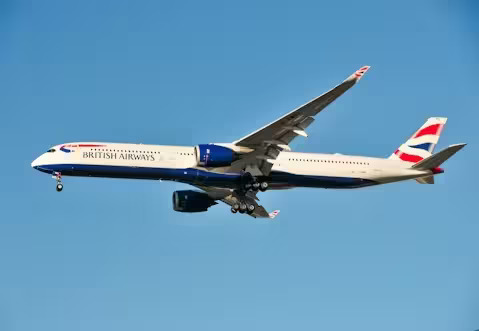
New British Airways iOrder System Enhances Travel Dining by Offering Real-Time Digital Meal Tracking and Boosting Onboard Service Efficiency for Club World Passengers

New British Airways iOrder System Enhances Travel Dining by Offering Real-Time Digital Meal Tracking and Boosting Onboard Service Efficiency for Club World Passengers
British Airways
iOrder

British Airways is launching the iOrder system in its Club World business class to modernize the in-flight dining experience. This innovative digital solution replaces the traditional handwritten meal orders with a more efficient iPhone-based system that allows flight attendants to input meal and drink preferences in real-time. The system ensures better accuracy, helping reduce instances of passengers not receiving their preferred meals. Additionally, it allows the airline to collect valuable data on meal preferences, which can be used to improve meal planning on future flights. While still in the testing phase, the iOrder system represents a significant step toward a more seamless, technology-driven service that prioritizes both operational efficiency and enhanced passenger experience.

British Airways is set to launch a new electronic meal ordering system aimed at enhancing onboard service for passengers traveling in its Club World business class on long-haul flights from London Heathrow. This initiative, which replaces the traditional method of handwritten meal notes with a digital solution, is designed to streamline and modernise the way flight attendants manage meal requests during flights.

The new system, named iOrder, utilizes company-issued iPhones to allow cabin crew to input passenger meal and drink choices directly into the system. This information is then instantly shared across all crew members’ devices, creating a centralised and real-time record of meal preferences. The technology promises to improve the accuracy and efficiency of meal ordering and tracking, ensuring a more seamless experience for both passengers and flight attendants.

One of the primary goals of this system is to enhance data collection, allowing the airline to better understand passenger preferences and predict future meal demands more accurately. By tracking meal orders digitally, British Airways aims to optimise meal loading, reducing the instances where passengers are unable to get their desired meal options. This new method replaces the old process of relying on post-flight reports, which were often inconsistent and prone to errors, particularly when it came to meal allocation. In 2023 alone, the airline received thousands of post-flight meal reports highlighting mismatches in meal deliveries, prompting the need for a more data-driven approach.

Despite the promising potential of the new system, there are some limitations. While the system does a good job of efficiently recording meal orders, it does not store passenger-specific preferences or offer any form of personalised recommendations. This means that, although the system improves the overall efficiency of meal ordering, it does not yet provide a truly customised experience for passengers. Additionally, while it helps reduce errors, it cannot entirely eliminate the possibility of meal shortages on the same flight, as it does not account for recurring preferences or individual dietary needs beyond the current flight.

At present, British Airways has not provided a clear timeline for when the system will be rolled out on all flights, as it continues to undergo testing. The airline is actively collecting feedback from its crew to refine the system’s usability and effectiveness. This feedback will be used to fine-tune the system before it is fully deployed across the airline’s long-haul fleet. As part of this process, crew members will undergo training to ensure they are proficient in using the system and can maximise its benefits. While the shift toward digital meal ordering is a significant step forward, it appears to be part of a gradual move towards greater onboard digitalisation, rather than an immediate overhaul of the service experience for passengers.

This initiative is a part of British Airways’ broader effort to modernise and improve the efficiency of its in-flight services. By embracing technology, the airline hopes to not only enhance operational efficiency but also provide a more consistent and accurate service to passengers. The airline’s focus on streamlining meal ordering is just one example of how technology can be used to address operational challenges and improve the overall passenger experience.

Although the digital meal ordering system is still in its early stages, it represents a significant move toward a more technology-driven approach to air travel. For passengers, the promise of better accuracy in meal delivery and the potential for a smoother overall experience is an attractive prospect. However, until the system evolves to allow for more personalised services and fully eliminates the possibility of meal shortages, it remains a work in progress.

British Airways’ introduction of the iOrder electronic meal ordering system is an important step in modernising onboard services. While the system provides a more efficient way for flight attendants to manage meal orders, it does not yet offer personalised experiences for passengers. As the airline continues to test and refine the system, it is likely that future updates will address these limitations and further enhance the service. For now, passengers can expect more accurate meal deliveries, but the level of personalisation remains largely unchanged. The gradual rollout of the system indicates that British Airways is committed to embracing technology to improve its in-flight services, and this marks the beginning of a broader digital transformation in the airline industry.

The post New British Airways iOrder System Enhances Travel Dining by Offering Real-Time Digital Meal Tracking and Boosting Onboard Service Efficiency for Club World Passengers appeared first on Travel And Tour World.

U.S. Tourism Struggles to Compete in a Saturated Global Market as Rising Costs, New Visa Fees, and Stringent Entry Requirements Push Travelers Toward More Open and Affordable Destinations

U.S. Tourism Struggles to Compete in a Saturated Global Market as Rising Costs, New Visa Fees, and Stringent Entry Requirements Push Travelers Toward More Open and Affordable Destinations
U.S.
tourism

The U.S. is experiencing a decline in international tourism as rising costs, stringent entry policies, and increasing geopolitical tensions make it less appealing to global travelers. While the country has long been a top destination, recent data shows a shift in traveler preferences, with many now seeking alternatives that offer more accessible and affordable experiences. Factors such as higher national park fees, visa integrity fees, and the introduction of social media screening have contributed to a perception of increased friction, causing many international visitors to reconsider their plans. As a result, destinations with fewer entry barriers, more streamlined visa processes, and lower costs are becoming increasingly attractive, putting pressure on the U.S. to reassess its tourism strategies.

Overview of U.S. Brand Performance in International Tourism

Recent data from Future Partners’ “The State of the International Traveler Study” highlights shifting trends in global tourism, particularly when it comes to travel to the United States. Historically, the U.S. has been one of the world’s top travel destinations. However, new findings suggest that the appeal of the U.S. is gradually diminishing, influenced by changing traveler preferences and recent policy changes that have created additional barriers for international visitors.

Declining Interest in Visiting the U.S.

The study indicates a noticeable decline in the desire to visit the United States among international travelers. While the country still ranks among the world’s top travel destinations, it has slipped in its position in recent years. The data reveals that several international markets report a decrease in favorable perceptions of the U.S. This shift is largely due to factors such as rising travel costs, increasing geopolitical uncertainties, and the growing array of attractive alternative destinations. As travelers become more discerning, they are no longer making decisions based purely on a country’s reputation or visibility, leading to a decline in the U.S.’s appeal as a tourism hub.

Influence of U.S. Policies on Traveler Sentiment

One of the major findings of the study is the significant impact U.S. policies have on the willingness of international visitors to travel to the country. Recent changes in U.S. travel policy have been identified as key contributors to this decline in interest.

Several specific measures have been highlighted in the study as particularly problematic:

  • Higher National Park Fees: The increase in fees for foreign visitors to U.S. national parks has deterred 43.1% of travelers from considering the U.S. as a destination.
  • Social Media Screening Requirements: The introduction of social media screening requirements has created concerns among 35.2% of travelers, negatively affecting their willingness to visit.
  • Visa Integrity Fee: For travelers from countries not included in the Visa Waiver Program, the imposition of a new $250 visa integrity fee has deterred 57.5% of potential visitors.

These policies have led to the perception that traveling to the U.S. involves more obstacles, higher costs, and greater scrutiny. In contrast, other global destinations are adopting policies that offer easier access, less bureaucratic red tape, and expanded visa-free entry, making them more appealing choices for international tourists.

The Growing Competition in Global Travel

The global tourism market has become more competitive than ever, with many countries actively seeking to attract international visitors by removing barriers and enhancing their offerings. In this competitive environment, the U.S. is facing challenges from destinations that are perceived as more accessible and welcoming. New policies in the U.S. have been viewed as creating additional friction, making it less attractive compared to destinations that promote ease of travel and a more open environment. The U.S. risks losing its dominant position to other countries that are streamlining entry processes and adopting more tourist-friendly approaches.

Implications for U.S. Tourism Marketing

Given these emerging challenges, it’s clear that U.S. destination marketers must reevaluate their strategies. Relying on past success or broad, generic marketing campaigns is no longer sufficient to attract international visitors. Today’s travelers are more selective and attuned to the value they receive when they travel, both in terms of cost and experience. Furthermore, they are increasingly concerned with the values that destinations represent. This means that U.S. tourism brands must update their strategies to align with these new traveler expectations.

To stay competitive, U.S. destinations will need to gain deeper insights into the evolving preferences of international tourists and develop more targeted, tailored campaigns. This includes addressing the growing concern over barriers to entry and improving the overall travel experience. Focusing on streamlining visa processes, reducing fees, and creating a more welcoming environment will be critical in reversing the current decline in international visitor interest.

The “State of the International Traveler Study” paints a clear picture of the challenges facing U.S. tourism. The combination of policy-related friction and intensifying competition from other destinations has contributed to a decrease in the appeal of the U.S. among international travelers. For the U.S. to regain its standing as a top destination, tourism marketers will need to adapt by focusing on reducing barriers to entry and ensuring that the U.S. remains an attractive option for global travelers.

The post U.S. Tourism Struggles to Compete in a Saturated Global Market as Rising Costs, New Visa Fees, and Stringent Entry Requirements Push Travelers Toward More Open and Affordable Destinations appeared first on Travel And Tour World.

How Saudi Arabia’s Vision 2030 is Paving the Way for Unprecedented Growth in Global Tourism by Positioning Sports as the Key Driver of Economic Development and International Exposure

How Saudi Arabia’s Vision 2030 is Paving the Way for Unprecedented Growth in Global Tourism by Positioning Sports as the Key Driver of Economic Development and International Exposure
Saudi Arabia’s
tourism

Saudi Arabia is rapidly transforming its tourism sector by leveraging sports as a key driver of growth under Vision 2030. Hosting high-profile events like the Formula 1 Saudi Arabian Grand Prix and the 2034 FIFA World Cup, the Kingdom is boosting its global visibility and attracting international visitors. With investments in state-of-the-art facilities and expanding female participation in sports, Saudi Arabia is positioning itself as a year-round destination for sports fans and tourists, ensuring long-term economic benefits and enhanced global appeal.

Saudi Arabia is swiftly reshaping its role in the global travel sector, with sports emerging as a key driver of tourism. The Kingdom is strategically leveraging sports to increase international visitation, bolster its global visibility, and diversify its economy, all in alignment with the ambitious Vision 2030. Through significant investments, hosting high-profile international events, and long-term infrastructure planning, Saudi Arabia is positioning itself as a major global sports hub, attracting visitors from around the world.

The Middle East sports market, valued at approximately US$600 billion, is experiencing rapid growth, with an expected annual increase of 8.7% through 2026. This growth outpaces many other established markets, making the region a central player in the global sports economy. Saudi Arabia, in particular, is at the forefront of this transformation, capitalizing on the booming sports industry to attract both fans and leisure travelers. The global sports market is predicted to exceed US$600 billion by 2030, further solidifying the region’s importance in shaping future demand.

An important aspect of this shift is the increasing participation of women in sports. The Kingdom has launched several initiatives to foster greater inclusion, particularly through new professional women’s football leagues, which are gaining traction in Saudi Arabia, Qatar, and the UAE. Additionally, grassroots programs and school initiatives are contributing to a growing culture of inclusion. Since the inception of Vision 2030, female participation in sports in Saudi Arabia has surged by 150%, reflecting the broader societal integration of sports into daily life.

Sports as a Catalyst for Tourism

Sports events are no longer seen merely as isolated attractions; they are increasingly recognized as powerful tourism catalysts. Major sporting events like the Formula 1 Saudi Arabian Grand Prix, international boxing matches, golf tournaments, and football events have helped transform Saudi Arabia into a premier destination for global sports fans. The Kingdom has hosted over 100 global sporting events in recent years, attracting millions of spectators and generating significant international media exposure.

One of the standout moments that has elevated Saudi Arabia’s sports tourism profile was Cristiano Ronaldo’s high-profile transfer to Al-Nassr FC. This event further enhanced global recognition of Saudi Arabia’s sports scene and aligned with the Kingdom’s larger vision to become a must-visit destination for fans and event-driven visitors. High-profile sporting events not only boost tourism but also contribute to the country’s image as a growing hub for entertainment and leisure.

Globally, sports tourism accounts for roughly 10% of total tourism spending. Analysts predict that by 2030, the sector will be worth over US$2 trillion. Saudi Arabia’s expanding sports calendar positions it to capture a growing share of this rapidly evolving market, offering visitors the opportunity to engage with world-class events throughout the year.

Vision 2030: Transforming the Sports Economy

At the heart of Saudi Arabia’s sports-driven tourism strategy is Vision 2030, which outlines the role of sport in economic development and social progress. Under this initiative, the sports economy is expected to grow significantly, with projections estimating an increase from US$8 billion to US$22.4 billion by 2030. This growth will be fueled by investments in elite sports competitions, grassroots participation, and the promotion of women’s sports. This comprehensive approach is already generating year-round demand for travel, diversifying tourism beyond traditional leisure periods and helping to extend visitor stays.

Saudi Arabia’s commitment to sports as a key driver of tourism is evident in its ongoing investments across multiple sectors, including sports infrastructure, hotel accommodations, and transportation networks. These investments are laying the groundwork for sustainable tourism growth, fostering a robust ecosystem that supports not just events but also the broader travel and hospitality industries.

The 2034 FIFA World Cup: A Defining Moment

One of the most significant milestones in Saudi Arabia’s sports tourism strategy is its successful bid to host the 2034 FIFA World Cup. This global event will be held across 15 stadiums in various cities, including Riyadh and Jeddah, with plans for stadiums and related infrastructure projects to be integrated into broader urban regeneration and sustainability efforts. The World Cup is expected to draw millions of international visitors, providing a major boost to the country’s tourism industry.

In addition to the immediate benefits of increased hotel demand, air connectivity, and international exposure, the World Cup is expected to leave a lasting legacy. The event will drive long-term improvements in transport infrastructure, hospitality facilities, and venue development, all of which will enhance Saudi Arabia’s appeal as a tourism destination well beyond 2034. Furthermore, projects linked to cutting-edge developments like NEOM demonstrate how Saudi Arabia is blending sport, technology, and tourism infrastructure to create future-ready destinations that will attract modern travelers.

The legacy of the World Cup will not only be felt in the tourism sector but across various industries, including aviation, hospitality, and premium travel experiences. With its forward-thinking approach to stadium design and urban planning, Saudi Arabia is positioning itself to meet the needs of a diverse and demanding global audience, ensuring the country remains an attractive destination for both leisure and business travelers alike.

Sports and the Future of Saudi Arabia’s Tourism

Saudi Arabia’s sports boom is more than just a passing trend; it represents a structural shift in how the Kingdom is positioning itself in the global tourism landscape. By integrating sports into its broader tourism strategy, Saudi Arabia is tapping into a high-growth sector that is driving destination development and creating new opportunities for travelers. The Kingdom’s expanding sports calendar is becoming a cornerstone of its tourism sector, attracting visitors from across the globe and providing a platform for sustainable economic growth.

The strategic focus on sports, paired with innovative infrastructure projects and world-class events, is shaping Saudi Arabia’s tourism future. With its bold Vision 2030 agenda, the Kingdom is not just aiming to increase visitor numbers—it is setting the stage for long-term, sustainable growth in its tourism sector, transforming sports into one of the most influential drivers of travel. As Saudi Arabia continues to expand its global sports presence, it is well on its way to becoming a leading destination for sports tourism, with a growing appeal for fans, adventurers, and cultural travelers alike.

The post How Saudi Arabia’s Vision 2030 is Paving the Way for Unprecedented Growth in Global Tourism by Positioning Sports as the Key Driver of Economic Development and International Exposure appeared first on Travel And Tour World.

More Than Three Hundred Trains Cancelled Across Spain as Explosive New Rail Strike Paralyzes the Nation, Crippling the Transport System and Igniting a Massive National Safety Crisis

More Than Three Hundred Trains Cancelled Across Spain as Explosive New Rail Strike Paralyzes the Nation, Crippling the Transport System and Igniting a Massive National Safety Crisis
Spain
trains

A three-day strike by train drivers and rail workers in Spain has led to the cancellation of over 300 trains, severely disrupting the country’s rail services. The strike, which runs from February 9 to 11, was initiated by unions demanding improved safety measures and better working conditions. This action comes in the wake of two devastating accidents: a deadly train collision in southern Spain that claimed 46 lives, followed by another derailment near Barcelona that killed a driver and injured dozens. With these incidents underscoring the urgent need for reform, the unions are pushing for enhanced safety guarantees across the rail network. The strike is affecting both high-speed and commuter services, forcing passengers to reconsider their travel plans and check the status of train services before heading to stations.

A three-day strike by train drivers and other rail workers in Spain has resulted in the cancellation of hundreds of train services this week, significantly disrupting the country’s rail network. The strike, which began on Monday and will last through Wednesday (9-11 February), has led to the cancellation of more than 300 trains, including both high-speed and medium-distance services.

The industrial action, led by various unions, is primarily driven by demands for improved safety measures and better working conditions for rail staff. The walkout comes at a particularly tense time for Spain’s railway system, as recent accidents have heightened concerns about safety standards. Just weeks ago, a devastating collision between two trains in southern Spain resulted in the tragic loss of 46 lives, with hundreds more passengers left injured. Following this incident, another deadly event occurred when a train near Barcelona derailed, killing the driver and injuring nearly 40 passengers.

As a result of the strike, key train operators, including Renfe, Iryo, and SNCF’s Ouigo, have been forced to cancel around 330 services, including both high-speed and medium-distance routes. The strike has also affected commuter services, causing widespread disruption to daily travel for many Spaniards.

Renfe, one of Spain’s largest train operators, has announced that it plans to run 73% of its scheduled high-speed and long-distance trains during the strike period. However, only 65% of medium-distance services are expected to operate, meaning many travelers will face significant delays or alternative travel arrangements.

Passengers are being advised to check the status of services before heading to train stations, as train schedules may vary over the next few days. With such uncertainty surrounding service availability, commuters and long-distance travelers alike are being urged to plan their journeys carefully.

The strikes have sparked renewed debate about rail safety in Spain. Unions are demanding increased safety guarantees, particularly in the wake of the recent deadly train accidents. Their calls for reform have focused on enhancing the safety protocols on the country’s extensive rail network, which is one of the busiest in Europe. The unions argue that the current safety measures are insufficient to protect both passengers and railway staff from potential accidents.

In addition to safety concerns, workers are also advocating for better labor conditions. The ongoing dispute with the Spanish government and train operators has seen unions push for improved working hours, pay, and overall treatment of rail employees. This strike follows a history of tensions between rail unions and the government, with past strikes often related to similar demands for improved safety and labor rights.

As the strike continues to impact rail travel across Spain, passengers are left grappling with the disruptions, with many searching for alternative transport options. The Spanish government and train operators will be closely monitoring the situation, as the outcome of this industrial action could have long-term implications for the country’s rail system.

This strike highlights broader concerns about the state of public transportation and worker rights in Spain. With many commuters and tourists relying on the rail network, the need for swift resolution of these issues has never been more pressing. The unions have made it clear that they will continue to press for change until their demands for improved safety measures and better working conditions are met.

In the meantime, travelers are urged to stay informed about service cancellations and delays, as the strike looks set to continue through the week, leaving many without their usual means of transport.

The post More Than Three Hundred Trains Cancelled Across Spain as Explosive New Rail Strike Paralyzes the Nation, Crippling the Transport System and Igniting a Massive National Safety Crisis appeared first on Travel And Tour World.
❌